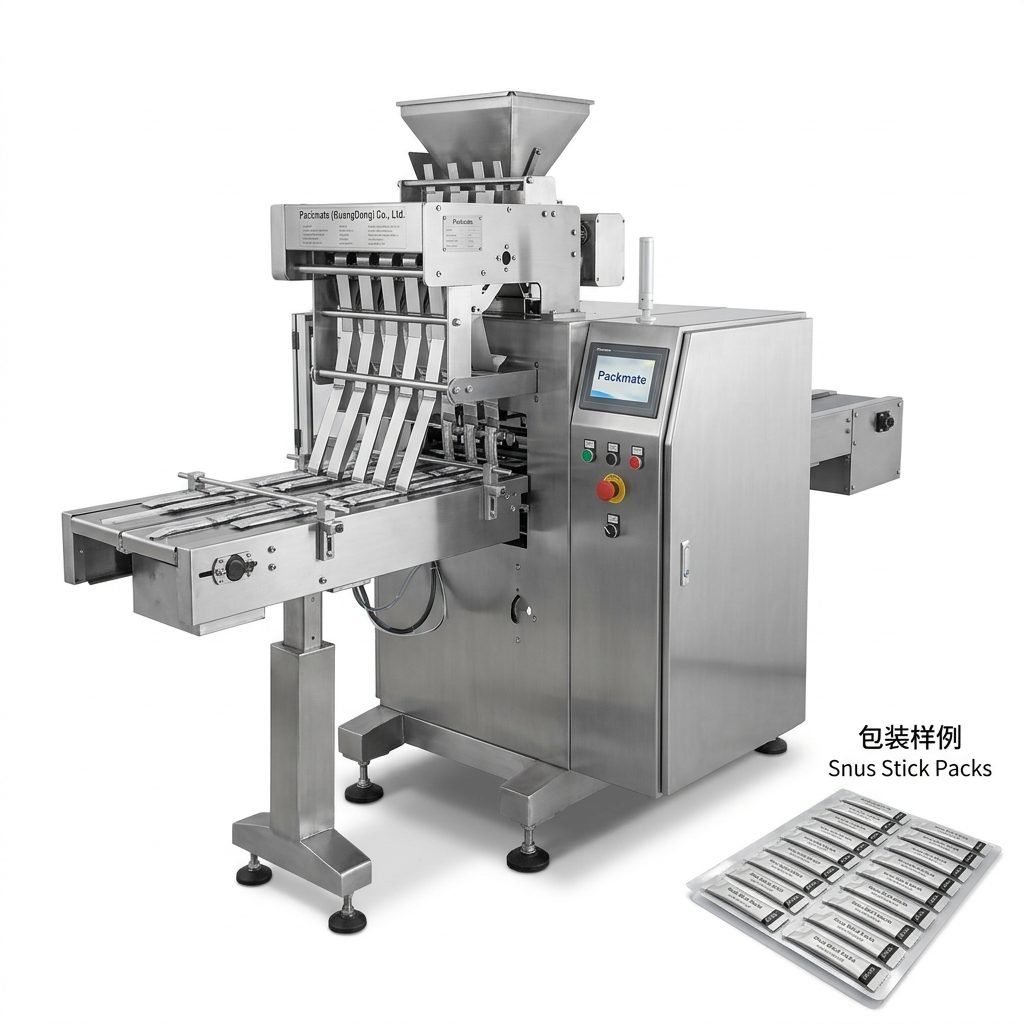
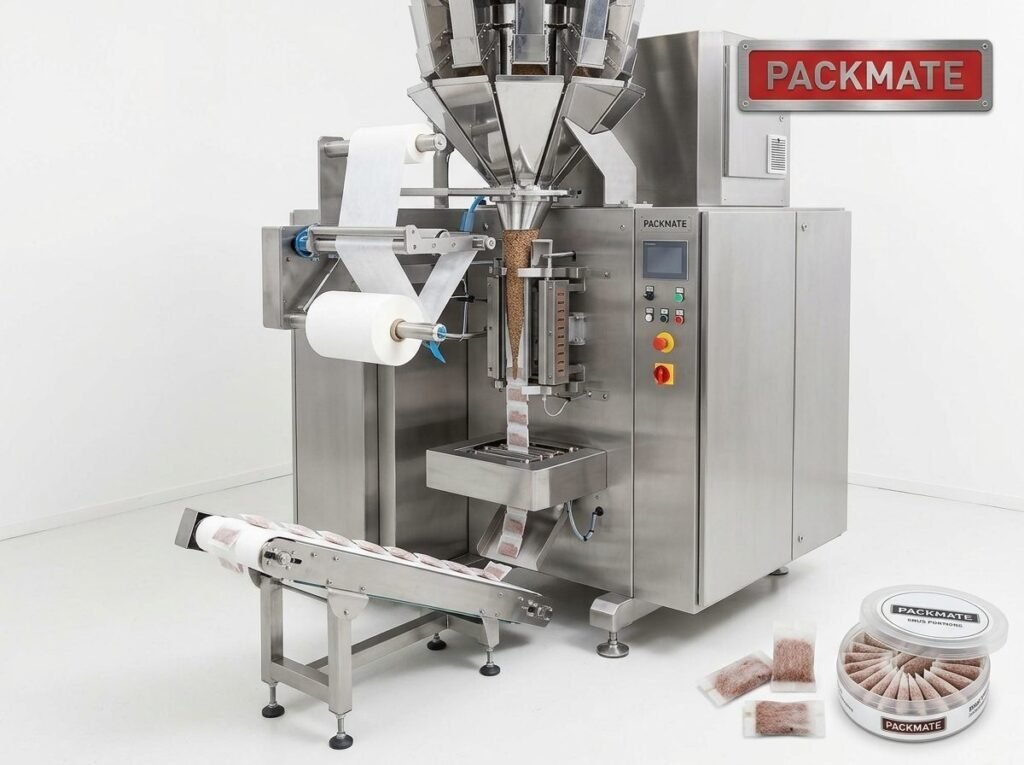
Choosing the right snus packaging machine in Turkmenistan requires a clear understanding of product characteristics, regulatory expectations, production targets, and the local operating environment. This guide walks through the essential technical, commercial, and service-related factors buyers must evaluate so you can select a machine that delivers consistent output, compliance, and long-term value.
🔎 Understand Your Product and Packaging Format
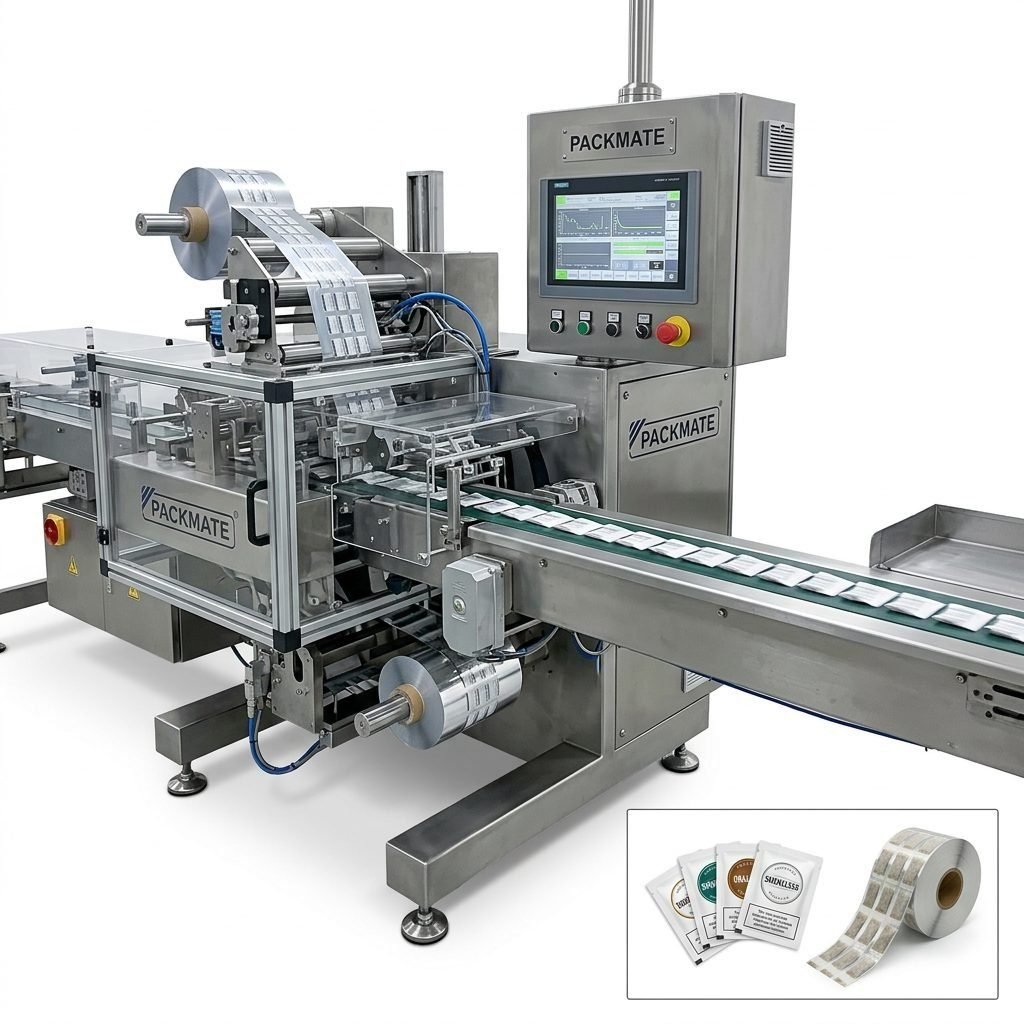
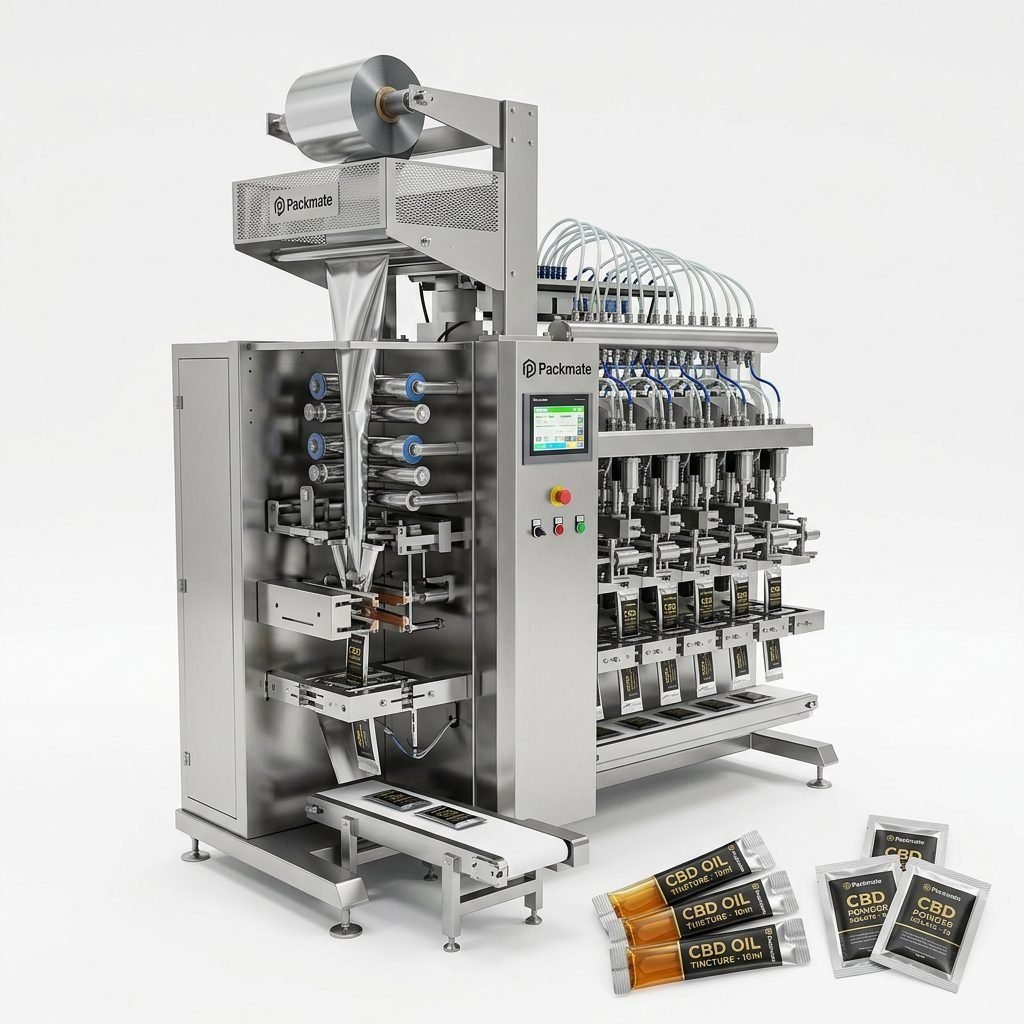
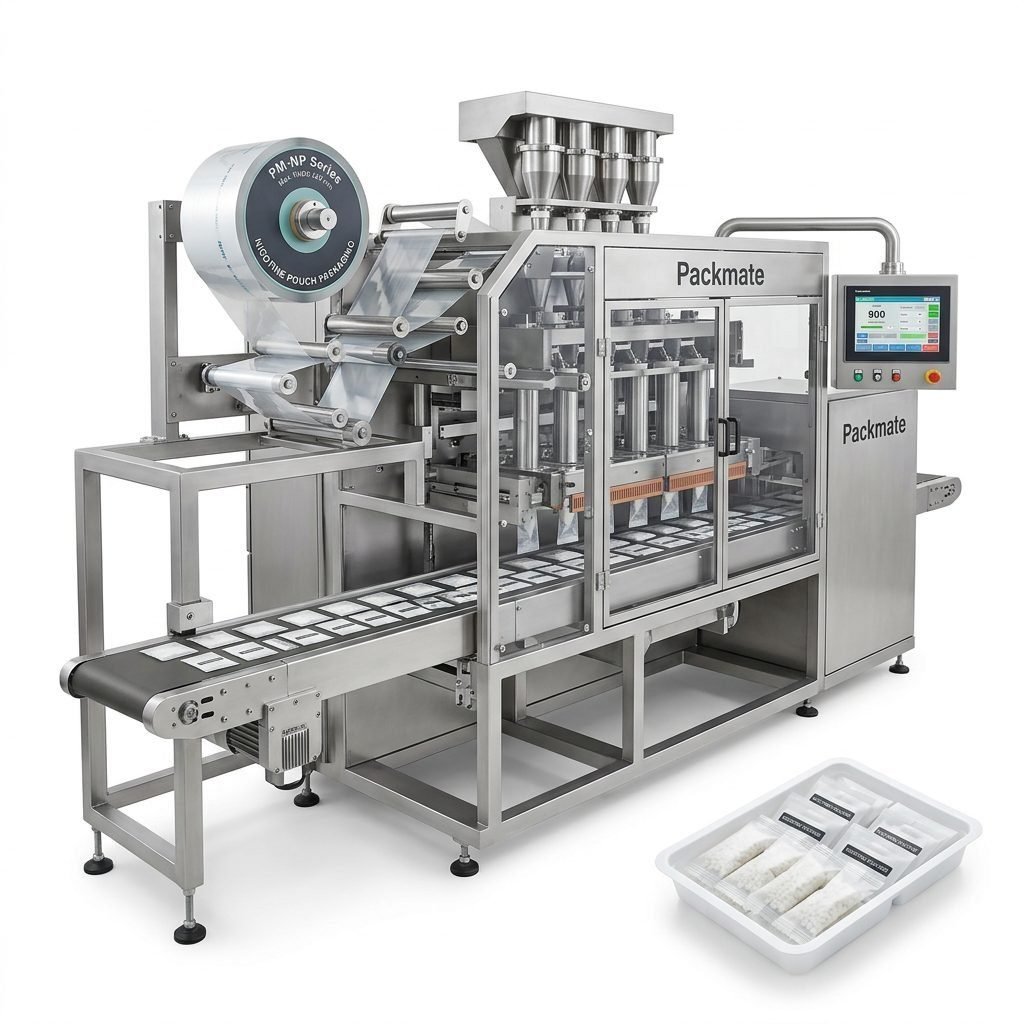
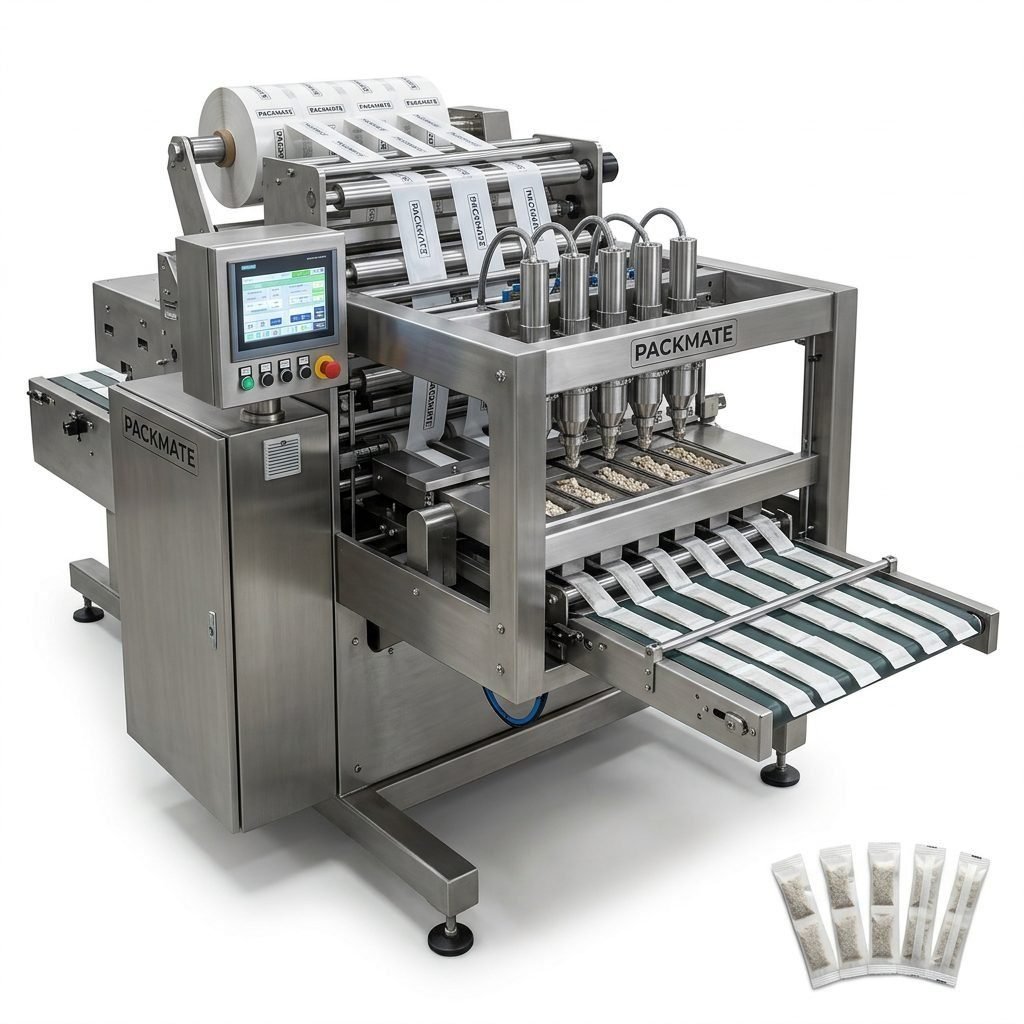
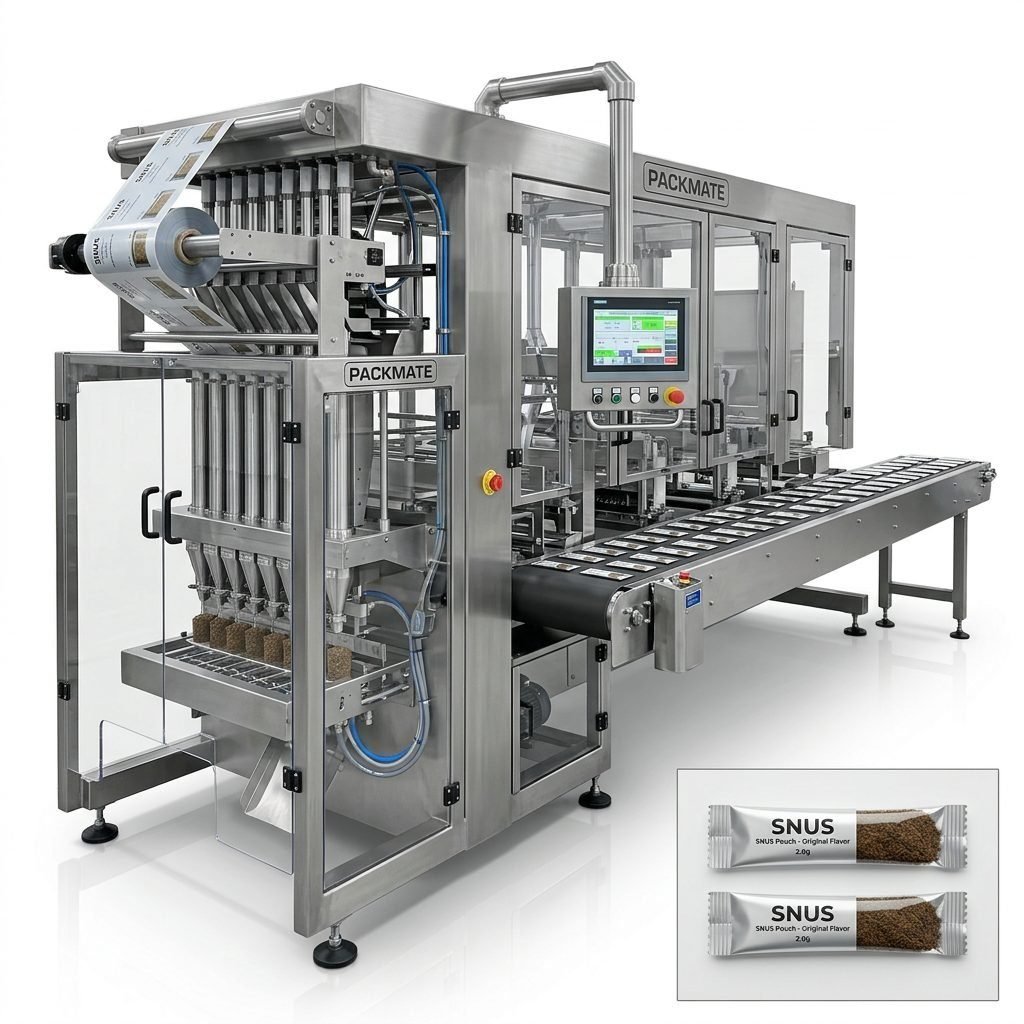
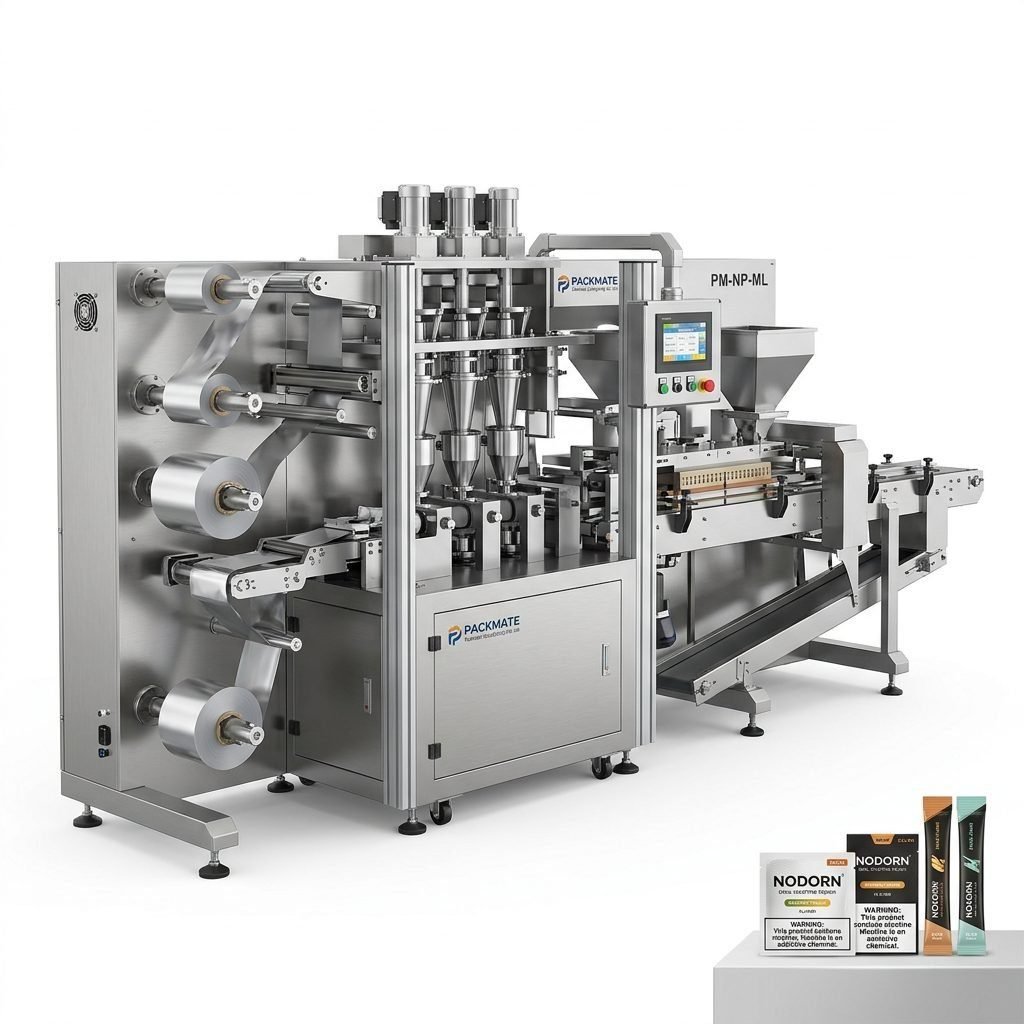
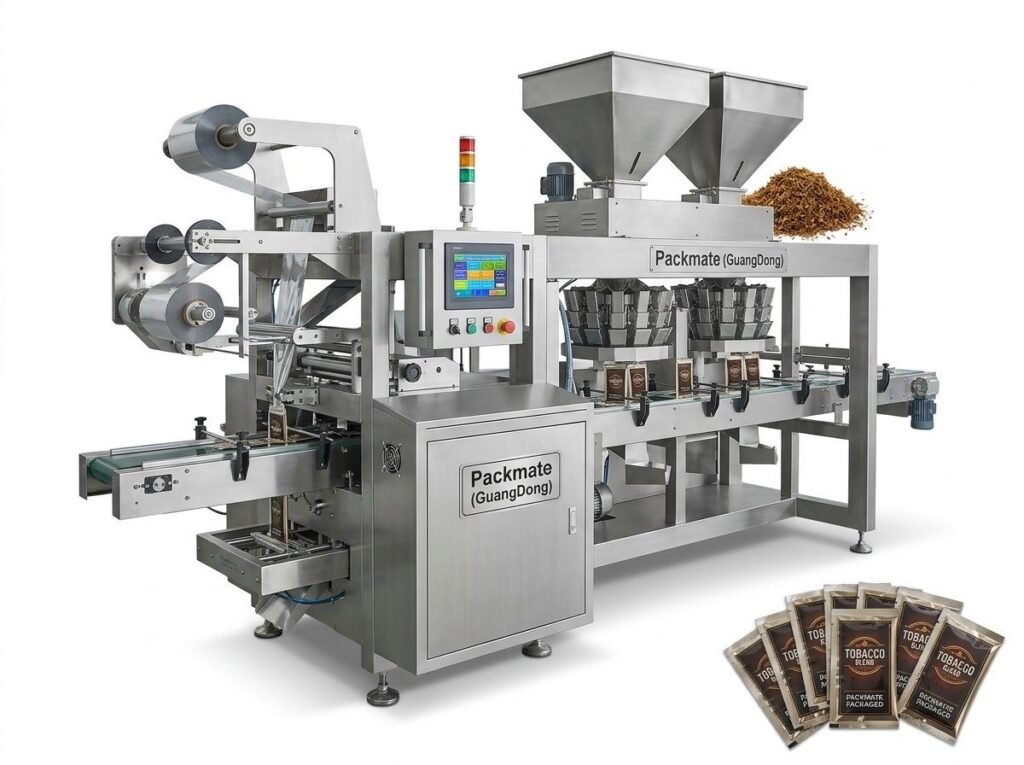
The first step is to define the exact product you will package. Snus and nicotine pouch products vary by moisture level, pouch material, size, fill weight, and whether a sachet or stick pack is used. Key packaging formats include stick packs, sachets, and multi-lane pouches. Each format requires different filling systems, sealing designs, and film handling routines.
Tip: For nicotine pouches with very small doses and tight tolerances, prioritize machines with precision dosing and multi-lane capability to maximize output without compromising accuracy.
✅ Choose the Correct Machine Type
Different business models require different equipment:
– For flexible production with occasional format changes, consider modular stick pack or sachet machines that support quick changeovers.
– For high-volume standardized products, multi-lane systems deliver significant throughput and lower per-unit costs.
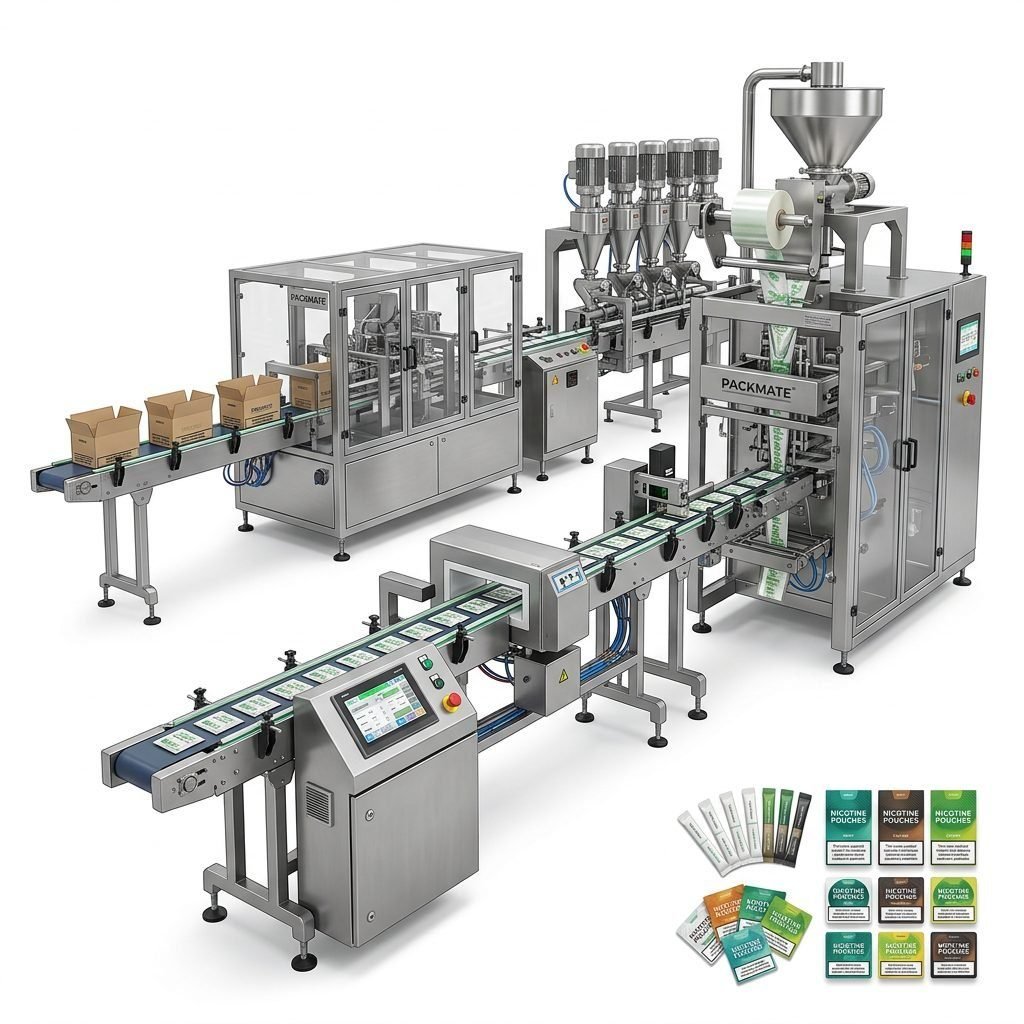
– If you need a complete line from dosing to cartoning, look at integrated filling & packaging lines that combine weighing, dosing, and packaging.
Learn more about typical machine families: Snus & Nicotine Packaging Machines and Sachet & Stick Pack Machines.
⚙️ Key Performance Metrics: Speed, Accuracy, and Yield
Compare machines by rated speed (pouches per minute), dosing accuracy (acceptable deviation in mg), and overall yield (rate of good pouches). For snus and nicotine pouches, dosing accuracy is often far more important than headline speed. A machine with slightly lower speed but better accuracy and lower waste may give a better return on investment.
Must check: dosing mechanism (volumetric vs. weigh-dosing), fill tolerance, and validation data from the manufacturer.
📦 Material Compatibility and Thermo-Sealing
Packaging material selection directly affects sealing performance. Ensure the machine supports the film materials and laminates you plan to use (aluminum foil, PE, PET/PE blends). Look for temperature control, adjustable sealing pressure, and quality monitoring systems to reduce sealing faults and leaks.
🔧 Automation, Controls and Operator Interface
Modern snus packaging machines offer PLC controls, touchscreen HMIs, recipe management, and remote diagnostics. These features reduce setup time and simplify training for operators. Key questions:
– Does the machine support recipe recall for different pouch sizes and weights?
– Is the HMI available in your preferred language?
– Can the supplier provide remote support and software updates?
Important: Remote support and clear diagnostics can dramatically reduce downtime, especially when importing equipment into Turkmenistan where local spare parts might take time to arrive.
🧰 Maintenance, Spare Parts and Local Service
Evaluate the supplier’s spare parts availability and after-sales service network. A competent local agent or reliable international supplier that ships OEM parts quickly will minimize production interruptions. Also check whether the supplier provides training, detailed manuals, and preventive maintenance plans.
Packmate’s factory capability and extensive model range make it straightforward to source standardized parts and receive technical assistance. For factory and model details check About Packmate.
📑 Certifications, Compliance and Documentation
Verify CE, ISO, electrical safety documentation, and machine performance validation reports. Compliance documentation can help during customs clearance and when proving equipment meets local health and safety standards. If your product will be exported or sold in regulated markets, ensure traceability systems and batch marking are supported.
💡 Site Requirements and Installation Considerations
Before purchase, confirm the production site can support the machine:
– Electrical supply (voltage, phase) and power protection;
– Compressed air quality and capacity for pneumatic components;
– Floor load and available footprint for the machine and ancillary equipment;
– Cleanroom or dust-control needs for nicotine handling.
Checklist: provide the supplier with exact site drawings, power specs, and environmental conditions to avoid surprises during installation and commissioning.
💵 Total Cost of Ownership (TCO) and Return on Investment
Purchase price is only part of the equation. When comparing machines, calculate TCO by factoring in energy consumption, spare parts cost, expected downtime, labor requirements, and yield losses due to rejects. Often a higher initially priced machine equipped with advanced controls and durable components yields a lower TCO.
🔁 Flexibility and Future-Proofing
If you anticipate product range expansion, demand seasonal spikes, or desire product format experimentation, select machines with modular design and plugin capability for auxiliary equipment (weighers, checkweighers, cartoners). See Weighing & Packaging Systems and Filling & Packaging Lines for integrated solutions.
🧾 Supplier Evaluation and Factory Audit
Perform thorough supplier due diligence. Key activities:
– Request references and recent case studies of similar installations (ask for video of machine running).
– Visit the manufacturer factory if possible or request a live remote demonstration. Packmate often showcases machines at international exhibitions; see Our Exhibition.
– Confirm production capacity, CNC capabilities, and quality control processes at the manufacturer’s site.
Red flag: suppliers who refuse to provide machine performance data, references, or on-site demonstrations. Reliable manufacturers will offer clear proof of equipment capability and third-party certificates.
📦 Logistics, Customs and Lead Times for Turkmenistan
Shipping heavy machinery to Turkmenistan involves lead time planning and customs documentation. Confirm delivery timelines, whether the supplier offers DDP/FOB/EXW terms, and whether they will handle customs clearance and local installation support. Factor in potential delays for spare parts and warranty service calls.
🔐 Warranty, Training and After-Sales Service
A solid warranty, remote technical support, and structured training program are critical. Confirm what is included in the warranty, response time for service requests, and whether the supplier provides startup assistance and operator training at your site. Many top manufacturers also offer an extended service contract and annual maintenance visits.
For direct service queries and more information on product lines, you can contact the manufacturer via their Contact Us page.
📈 Final Decision Checklist
Before signing a purchase order, ensure you have:
– A clear technical spec sheet aligned with your product;
– Agreed acceptance test protocol (FAT/SAT) and performance guarantees;
– Detailed quote including spare parts, tooling, training, and warranty;
– Site installation plan and utility requirements;
– References and demo evidence of the exact machine model.
Decision rule of thumb: prioritize machines with clear service pathways, documented accuracy, and modular designs that protect future product flexibility.
📝 Further Resources and Case Studies
Study real-world installations and line configurations to estimate true performance. Browse case examples from established suppliers for lines similar to your requirements: Case studies provide practical insights into production layout, cycle times, and integration challenges.
Frequently Asked Questions
Q1: How quickly can a snus packaging machine be shipped and installed in Turkmenistan?
A1: Lead times depend on model, customization, and current factory schedule. Standard machines often ship in 8–16 weeks plus transit and customs time. Plan additional weeks for installation and validation on site.
Q2: What levels of dosing accuracy are realistic for nicotine pouches?
A2: With high-quality dosing systems and proper calibration, many lines achieve tight tolerances suitable for nicotine pouches (variations of a few milligrams). Ask suppliers for measurement data from FATs and sample run reports.
Q3: Can machines be upgraded from single-lane to multi-lane later?
A3: Some manufacturers design modular machines that can accept lane expansion kits. Confirm upgrade paths and costs before purchase to maintain flexibility.
Q4: What after-sales support should I insist upon?
A4: Include remote troubleshooting, spare parts availability guarantees, start-up assistance, and operator training in your contract. Fast response times and local support options are highly valuable.
Q5: Where can I see machines and request detailed specifications?
A5: Visit manufacturer product pages for technical datasheets and request live demos. Explore product lines here: Snus & Nicotine Packaging Machines, Bag & Pouch Packaging Machines, and the Catalog.