Choosing the right nicotine packaging machinery supplier in Spain is a strategic decision that affects product quality, regulatory compliance, production efficiency, and long-term cost of ownership. Whether you’re launching a new nicotine pouch brand or scaling an existing line, this guide walks you through the critical steps and local considerations to identify a supplier who meets Spanish market expectations and EU requirements.
Understand the Spanish Market and Regulatory Landscape
Spain sits within the European Union regulatory framework, which means your packaging partner must be familiar with EU directives, CE certification requirements, and local labeling practices in Spanish. Choosing a machine that can produce legally compliant labels, tamper-evident seals, and traceability codes is essential. Also consider consumer preferences in Spain: compact formats, discreet resealable pouches, and clear Spanish-language labeling are common expectations in retail and online stores.
Key local considerations
– Logistics hubs: Valencia, Algeciras and Barcelona are major ports and distribution centers in Spain—work with suppliers who understand shipping to these ports and local customs documentation.
– Language & documentation: Ask for user manuals and training materials in Spanish or bilingual Spanish/English versions.
– Business etiquette: Spanish buyers often value clear technical documentation and reliable after-sales relationships; expect a balance of professionalism and relationship-building during negotiations.
Match Machine Types to Your Product and Volume Needs
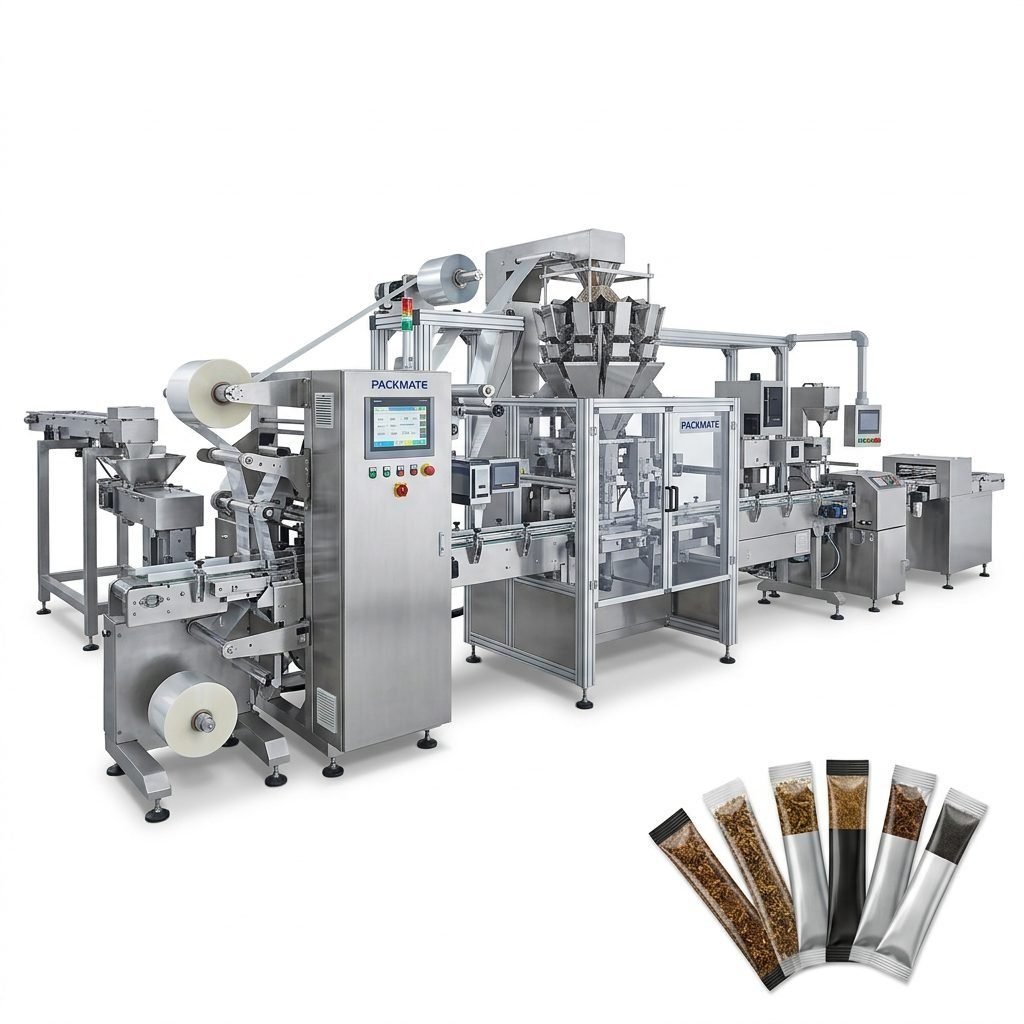
There are multiple packaging formats for nicotine products: single-dose pouches, multi-lane pouch systems, sachets, stick packs, and flow-wrapped cartons. Selecting the right machine family depends on dose size, material (paper, foil, laminated films), production speed, and downstream requirements such as cartoning and case packing.
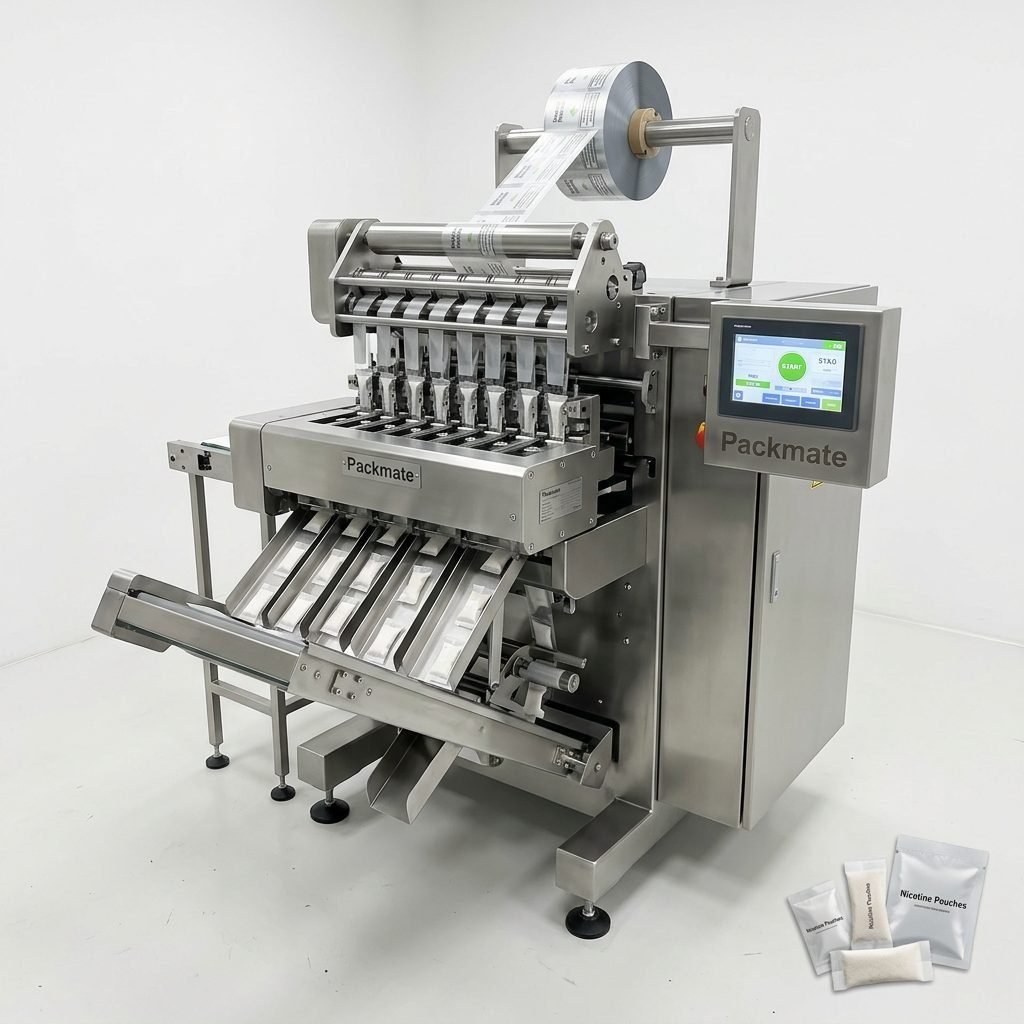
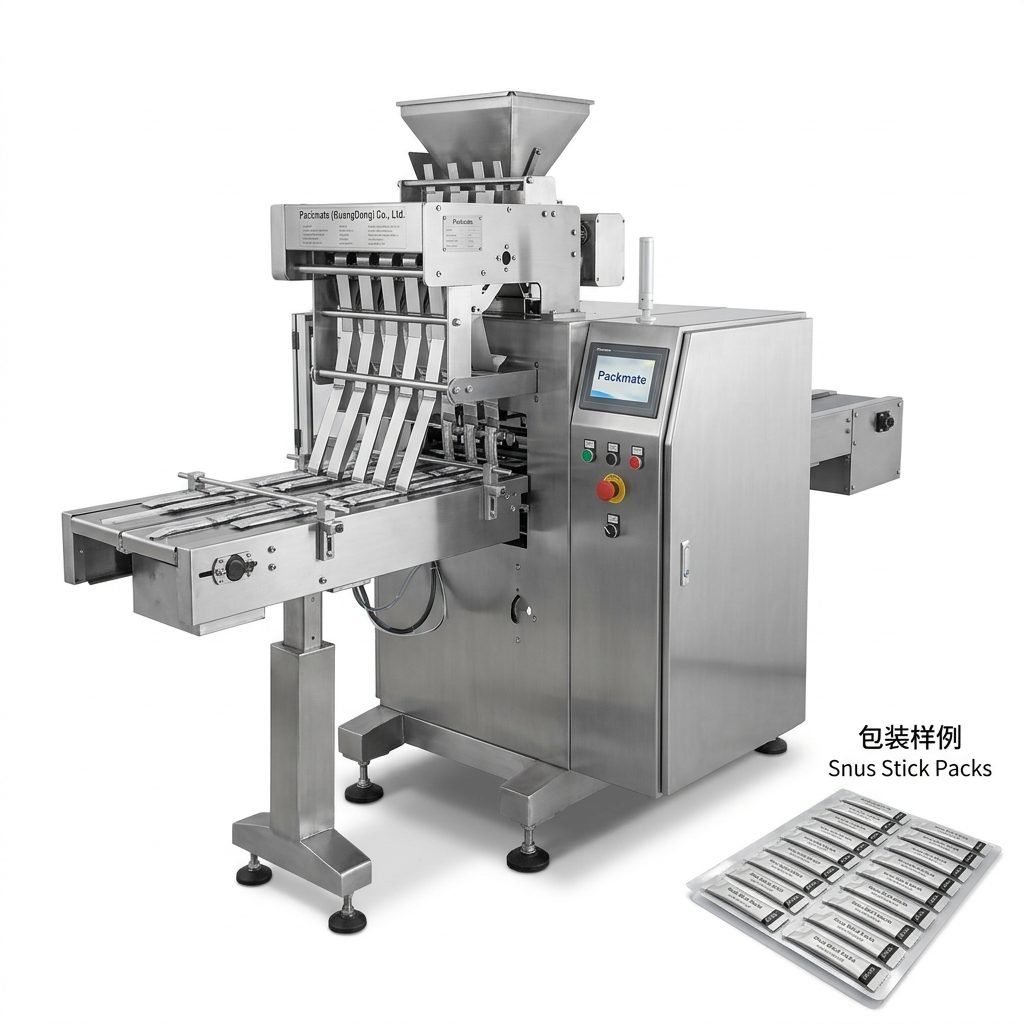
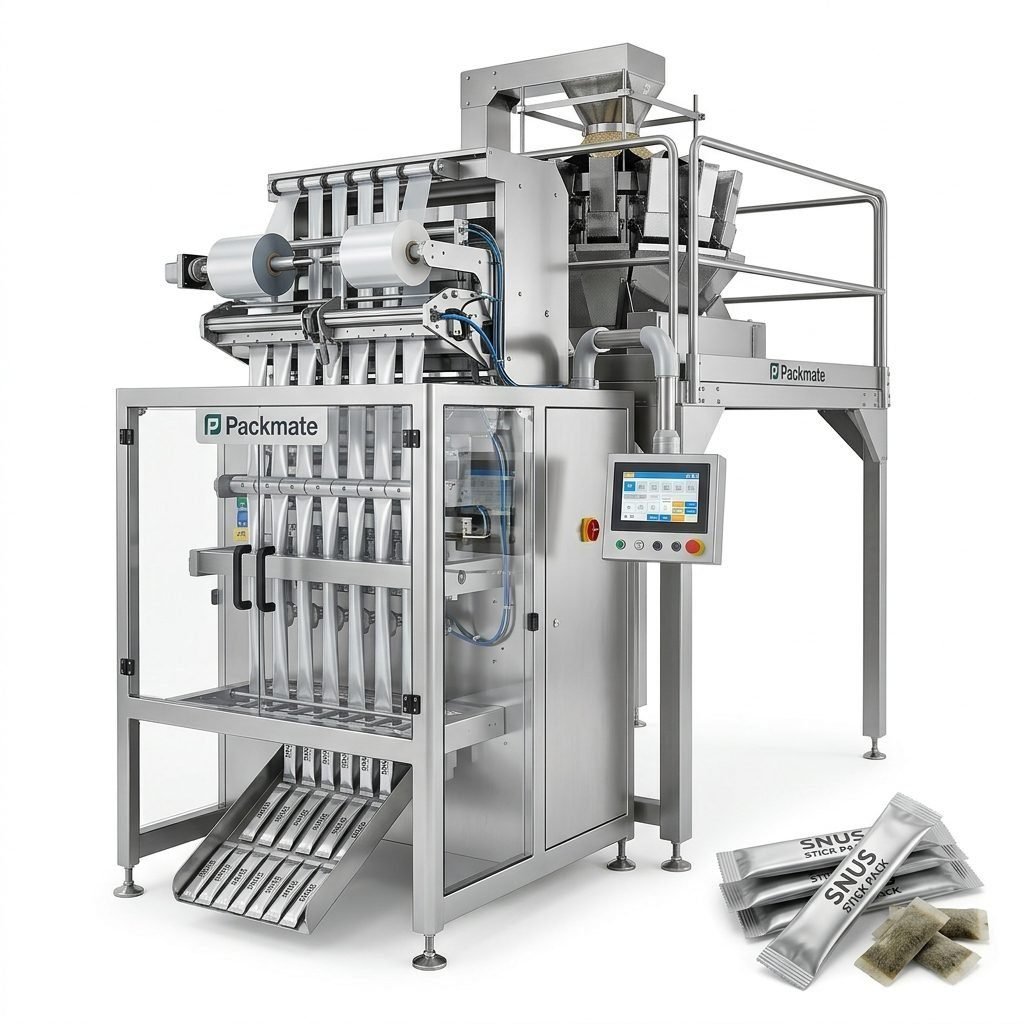
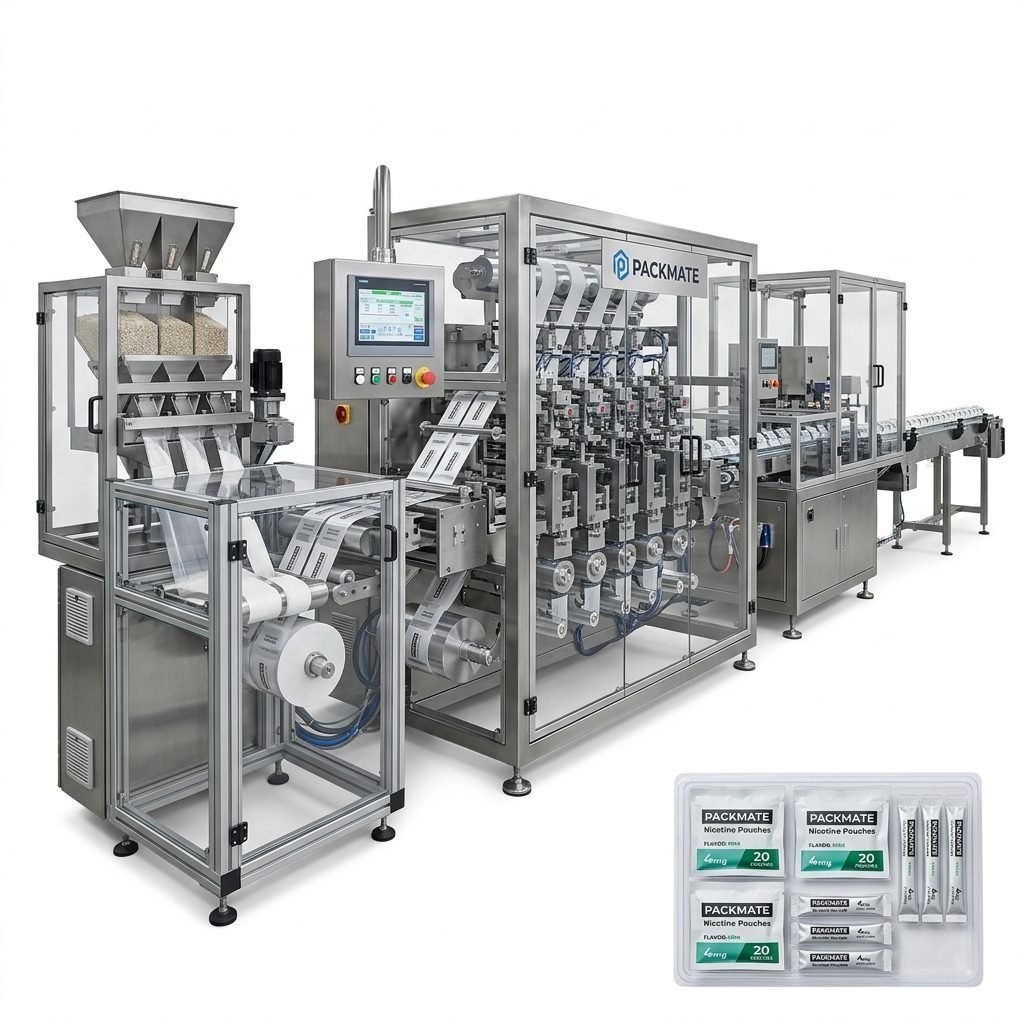
✅ Practical tip: If you produce small-dose nicotine pouches, consider multi-lane snus packaging machines that increase throughput without a proportional footprint increase. See examples of specialized equipment:
Snus & Nicotine Packaging Machines.
Which machine families to evaluate
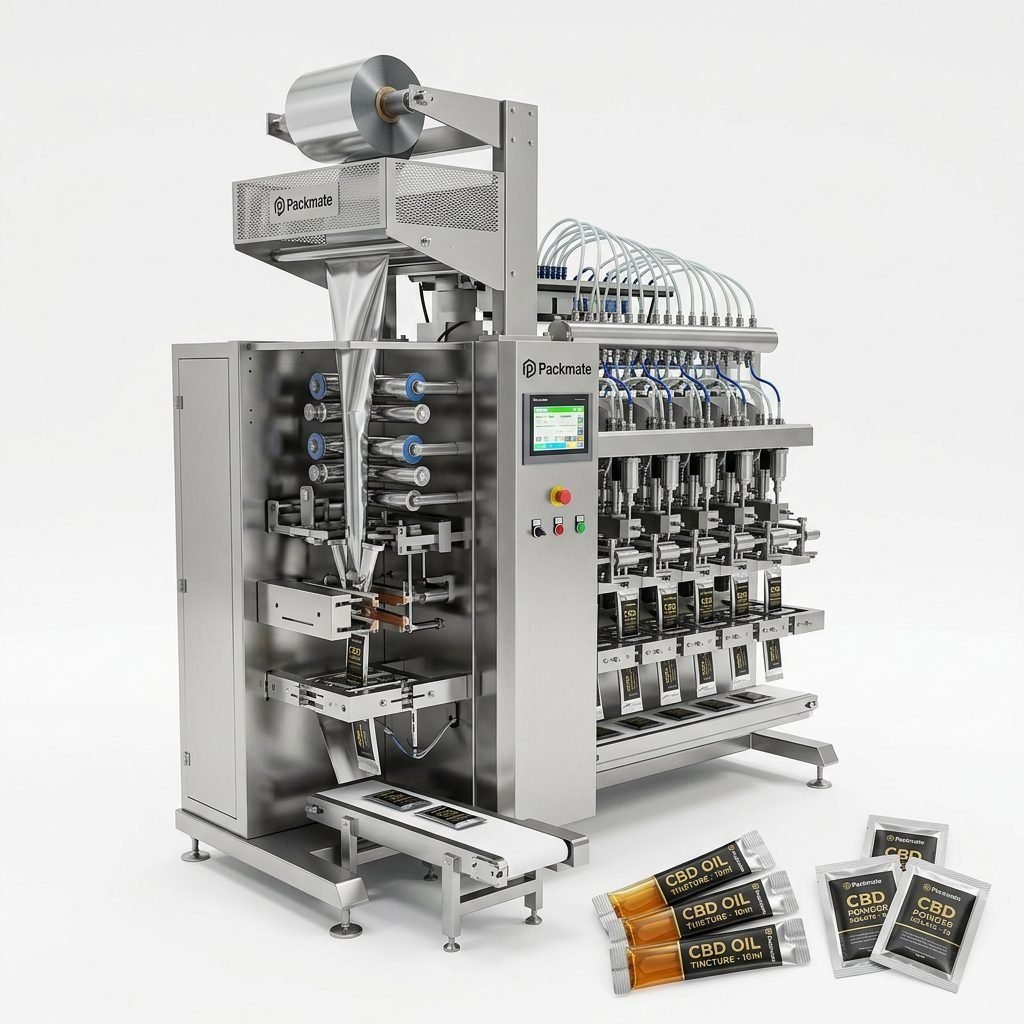
– Stick pack and sachet machines for single-dose sticks or sachets.
– Multi-lane snus pouch machines for small pouches and high throughput.
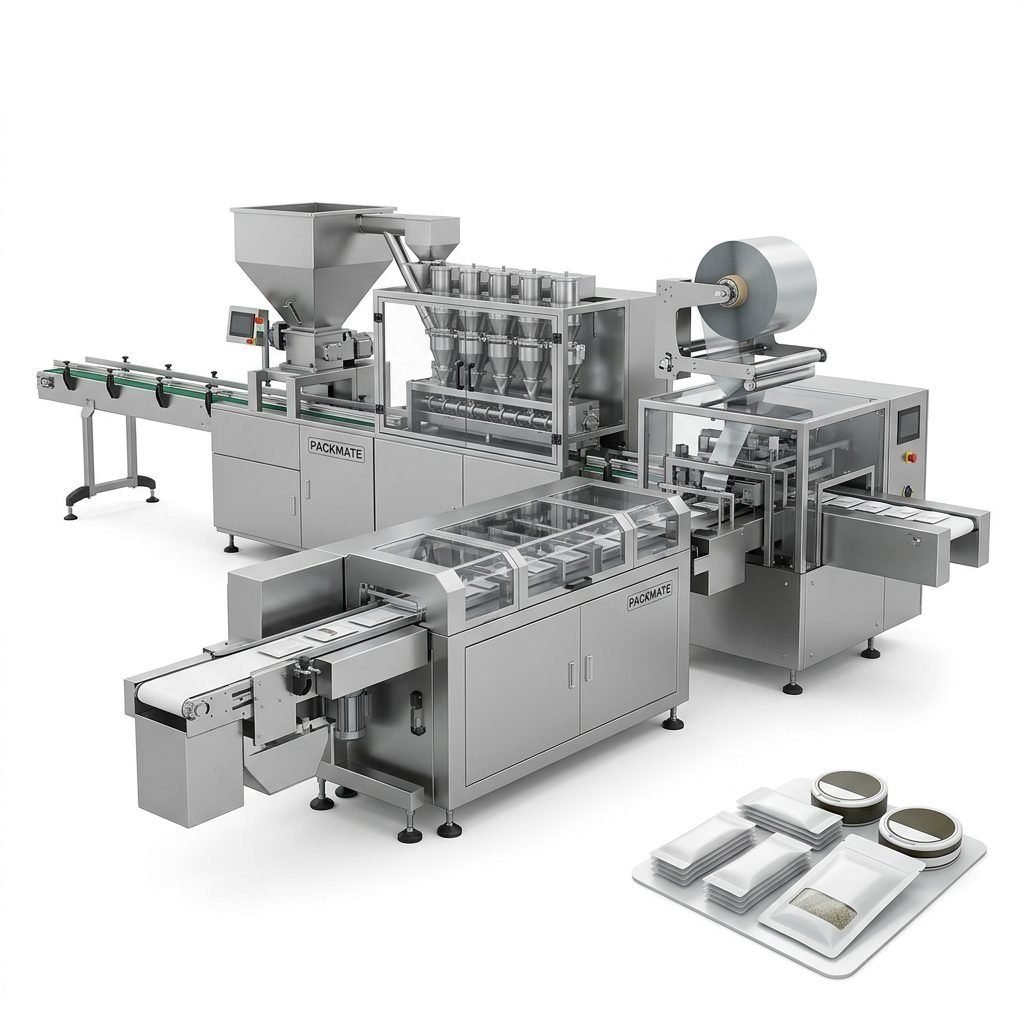
– Integrated filling and packaging lines for powder, granule, or liquid components—useful if you control dosing and dosing accuracy is critical (Filling & Packaging Lines).
Assess Supplier Capabilities and Factory Strength
A strong supplier demonstrates manufacturing scale, quality control, and engineering depth. Look for a partner with CNC machining centers, precision assembly lines, and a documented history of machine models that match your needs. A factory with a portfolio of 50+ machine models and turnkey experience typically means they can tailor solutions and integrate auxiliary equipment.
Ask for the supplier’s factory facts, lead times, and evidence of production capacity. If possible, request video tours or references from existing European customers to verify consistency in build quality and shipping times to Spain.
Verification checklist
✅ Factory size and advanced equipment (CNC centers, testing rigs).
✅ Number of machine models and customization experience.
✅ ISO and CE certifications for equipment safety and quality controls—request documentary proof (Certificate).
Quality, Testing, and Compliance Procedures
Quality is non-negotiable for nicotine products. Demand clear test procedures: factory acceptance tests (FAT), sample runs with your actual materials, and documented stability and performance data. Machines must reliably handle film types, dosers, and sealing parameters while achieving the target yield and low downtime.
🔍 Checklist: Request demonstration videos, a FAT report, and at least one sample packaging run using your materials and formulations before final acceptance.
Customization, Turnkey Solutions, and Integration
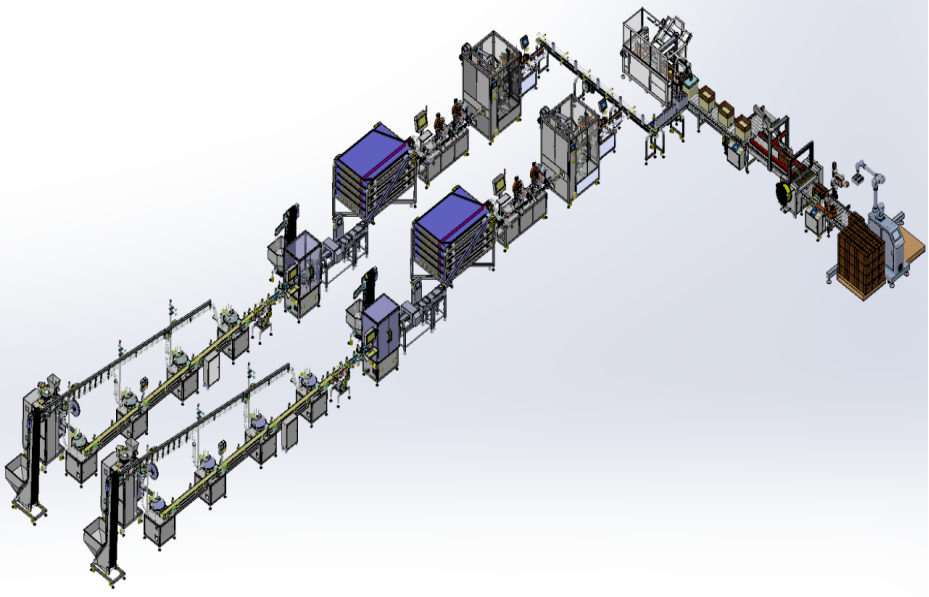
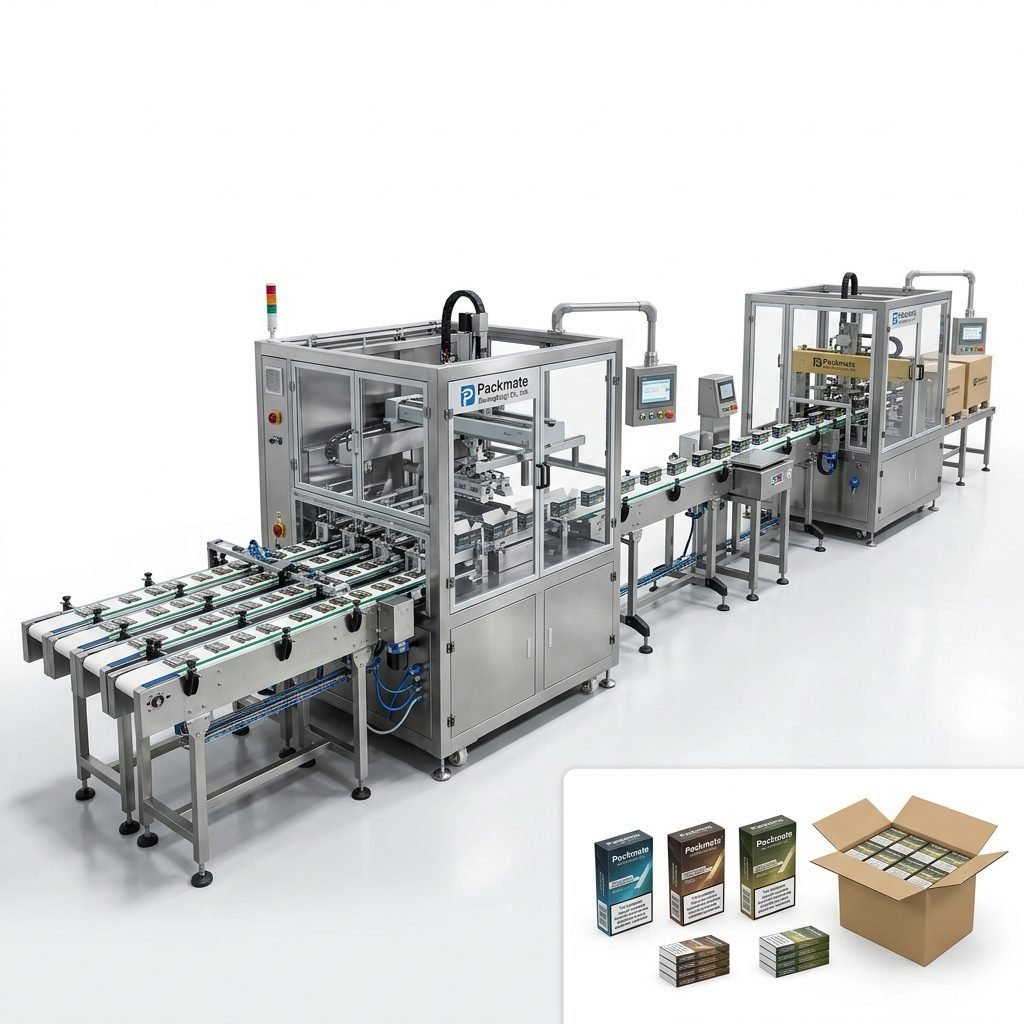
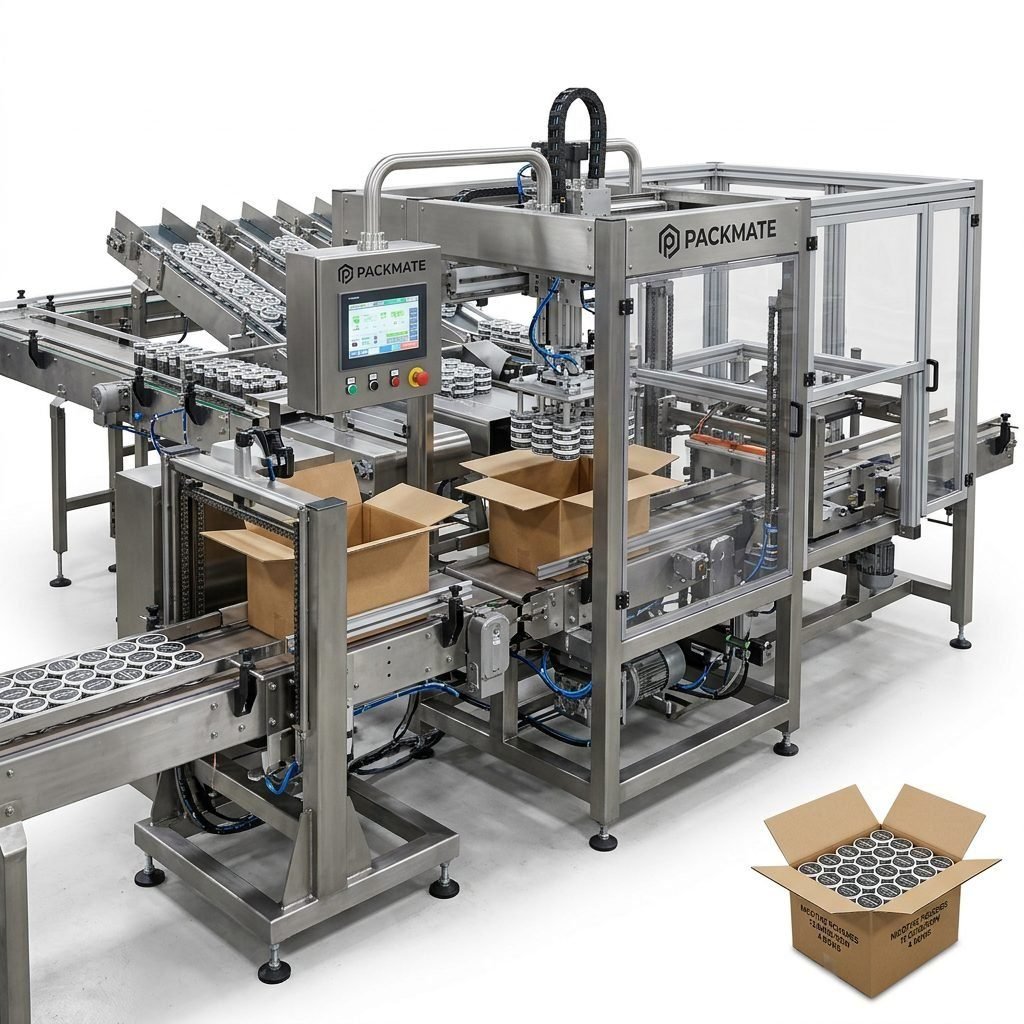
Many producers require more than a standalone machine—cartoning, labeling, case packing, metal detection, and weighing systems are often part of a production line. Working with a supplier that offers turnkey integration reduces coordination effort and ensures components communicate well together.
If bespoke tooling, custom film handling, or multi-lane synchronization is needed, choose a supplier with documented turnkey projects. Examples of complementary equipment include weighing and packaging systems and auxiliary devices—ask about their integration experience (Weighing & Packaging Systems).
After-sales Service, Spare Parts, and Local Support in Spain
After-sales support is often the deciding factor between an OK investment and a great one. Confirm what the supplier offers: remote troubleshooting, on-site commissioning, spare parts kits, training for operators, and SLA response times. Ideally, your supplier or local agent can supply critical wear parts quickly to Spain without long lead times.
What to negotiate up front
– Warranty coverage and what constitutes warranty repairs.
– Spare parts list and recommended inventory for the first 12 months.
– Training scope and whether training in Spain or at the factory is included.
– Remote service capabilities (VPN, PLC access, diagnostics).
Logistics, Installation, and Commissioning
Expect to coordinate shipping, import documentation, VAT handling, and customs clearance when importing machinery into Spain. Reliable suppliers will assist with packing lists, machine declarations, and suggested Incoterms. Plan for installation windows, site requirements (power, compressed air, floor load), and FAT before shipment where possible.
Use local port options and freight forwarders experienced with industrial machinery to minimize delays. Suppliers with experience shipping to Spanish ports will advise on palletization, lifting requirements, and on-site crane access.
Cost, Financing, and Total Cost of Ownership (TCO)
Don’t make decisions based on initial purchase price alone. Evaluate energy efficiency, changeover times, consumable costs (films, seals, jaws), maintenance routines, and expected uptime. A higher-capital machine that reduces downtime and material waste often delivers a lower TCO.
💡 Pro evaluation metric: Calculate cost per pouch over a 5-year horizon including energy, maintenance, spare parts, operator labor, and material waste.
Factory Visits, References, and Trade Shows
Where possible, visit the supplier’s factory or attend live demonstrations at an exhibition. Face-to-face inspection helps verify build quality, engineering talent, and production discipline. Trade shows and exhibitions are also good opportunities to see machines in operation and speak with current customers. Check upcoming events and demonstrations on the supplier’s exhibition page (Our Exhibition).
Contract Terms, Warranties, and Intellectual Property
Carefully review contract terms. Confirm delivery milestones, acceptance criteria, payment schedules, and penalties for late delivery. Ensure warranties are documented and that intellectual property for custom tooling or software is clearly assigned or licensed. Ask about source code access or control for critical PLC/HMI logic if long-term maintainability is a concern.
Negotiation tips
– Include acceptance testing with your materials as a contractual milestone.
– Define spare parts delivery times and minimum stock levels.
– Request clear escalation paths for technical issues.
Quick Supplier Scorecard: What to Check in One Page
✅ Technical fit (machine family, speeds, materials)
✅ Factory capability (CNC, assembly lines, models offered)
✅ Certifications and compliance documents (CE, ISO)
✅ FAT and sample-run guarantees
✅ After-sales service, spare parts availability, and training
✅ Logistics experience shipping to Spanish ports and customs support
✅ Turnkey integration capability for downstream equipment (Sachet & Stick Pack Machines)
✅ References and exhibition or factory visit options
Working with a Global Supplier from Spain — Practical Next Steps
1. Define product specs (pouch size, materials, target speed, downstream requirements).
2. Shortlist suppliers and request machine datasheets, FAT plans, and references.
3. Request a sample run with your materials and a detailed acceptance criterion.
4. Agree delivery timelines, installation, training, and spare parts supply.
5. Plan logistics: select Spanish ports, arrange local installation partners if needed, and prepare site utilities.
Why Choose an Experienced Snus/Nicotine Packaging Manufacturer
Working with a manufacturer that specializes in snus and nicotine pouch machines brings domain expertise in dosing accuracy, film sealing, contamination control, and multi-lane synchronization—capabilities that directly affect pouch integrity and regulatory compliance. A supplier who understands nicotine pouches will help optimize your packaging for shelf appeal, consumer convenience, and manufacturing efficiency.
If you are evaluating suppliers, consider reaching out for a technical discussion and request case studies or references that demonstrate experience in nicotine pouch projects and complete packaging lines. For direct inquiries and tailored solutions, contact the supplier to review models, customization options, and service plans (Contact Us).
Final practical reminders
– Prioritize machines that minimize waste and speed up changeovers if you plan multiple SKUs.
– Verify spare parts lead times to Spain and negotiate critical part kits as part of the purchase.
– Insist on FAT with your materials and clear acceptance tests before shipment.
Frequently Asked Questions
Q1: How long does delivery and installation usually take for a nicotine packaging line to Spain?
A: Typical lead times depend on customization, but expect factory build and FAT to take several weeks to a few months. Shipping and customs add more time; plan for 8–16 weeks overall for standard machines. Turnkey lines and heavy customization will extend this timeline.
Q2: What certifications should I insist on?
A: CE marking and ISO quality management evidence are baseline requirements for machinery in Spain. Also verify electrical safety and any industry-specific compliance the supplier can provide. Request copies of certificates and related test reports.
Q3: How do I ensure fast spare parts delivery in Spain?
A: Negotiate a spare-parts breakdown, recommended local stocking list, and agreed delivery times. If possible, ask the supplier to maintain a regional hub or partner with a Spanish distributor to reduce shipping time and import complications.
Q4: Can suppliers run sample packs with my materials before I buy?
A: Reputable suppliers will perform sample runs and provide FAT documentation. This is a critical contractual milestone—ensure it is included in your purchase agreement so performance is validated before shipment.
Q5: How important is attending fairs or visiting the factory?
A: Very valuable. Seeing equipment live, meeting engineers, and evaluating a supplier’s organization firsthand provides confidence in build quality and service capability. If travel is difficult, request live video demos and references from European customers.