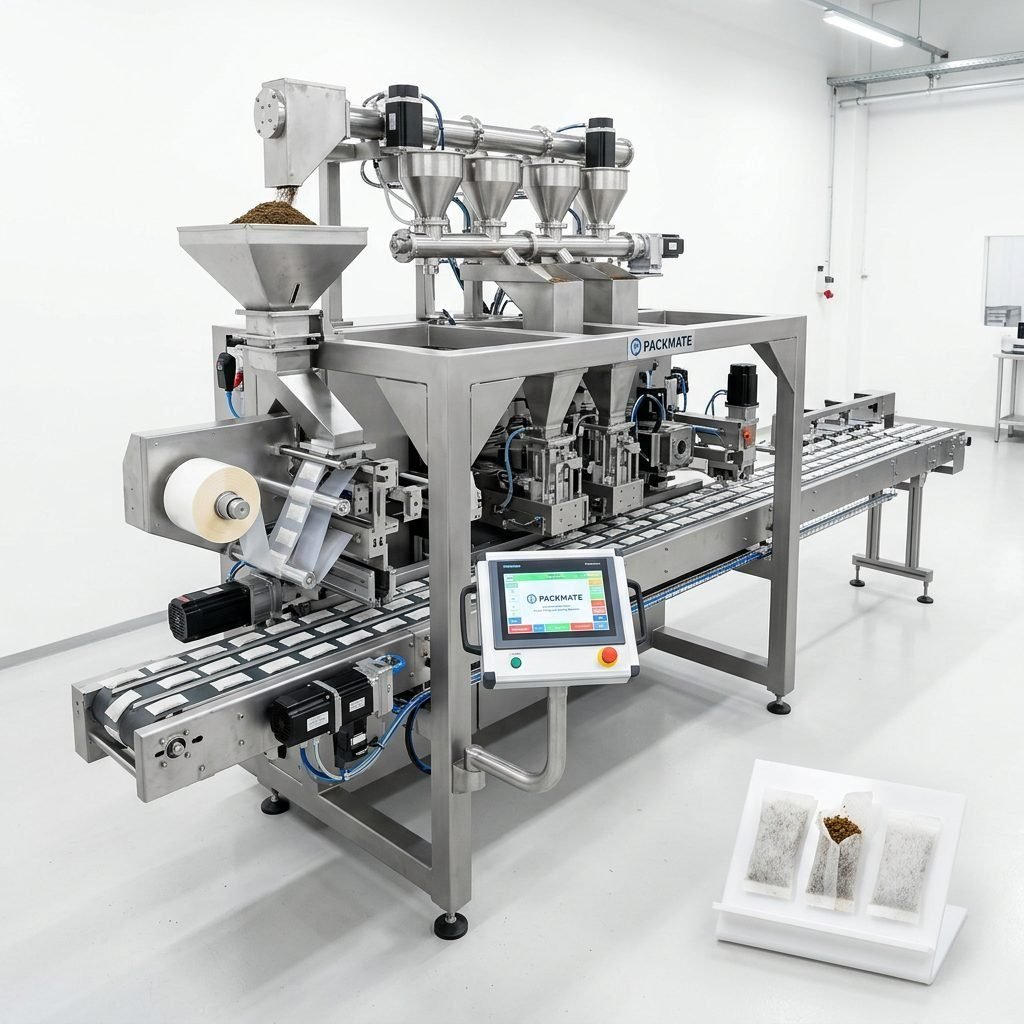
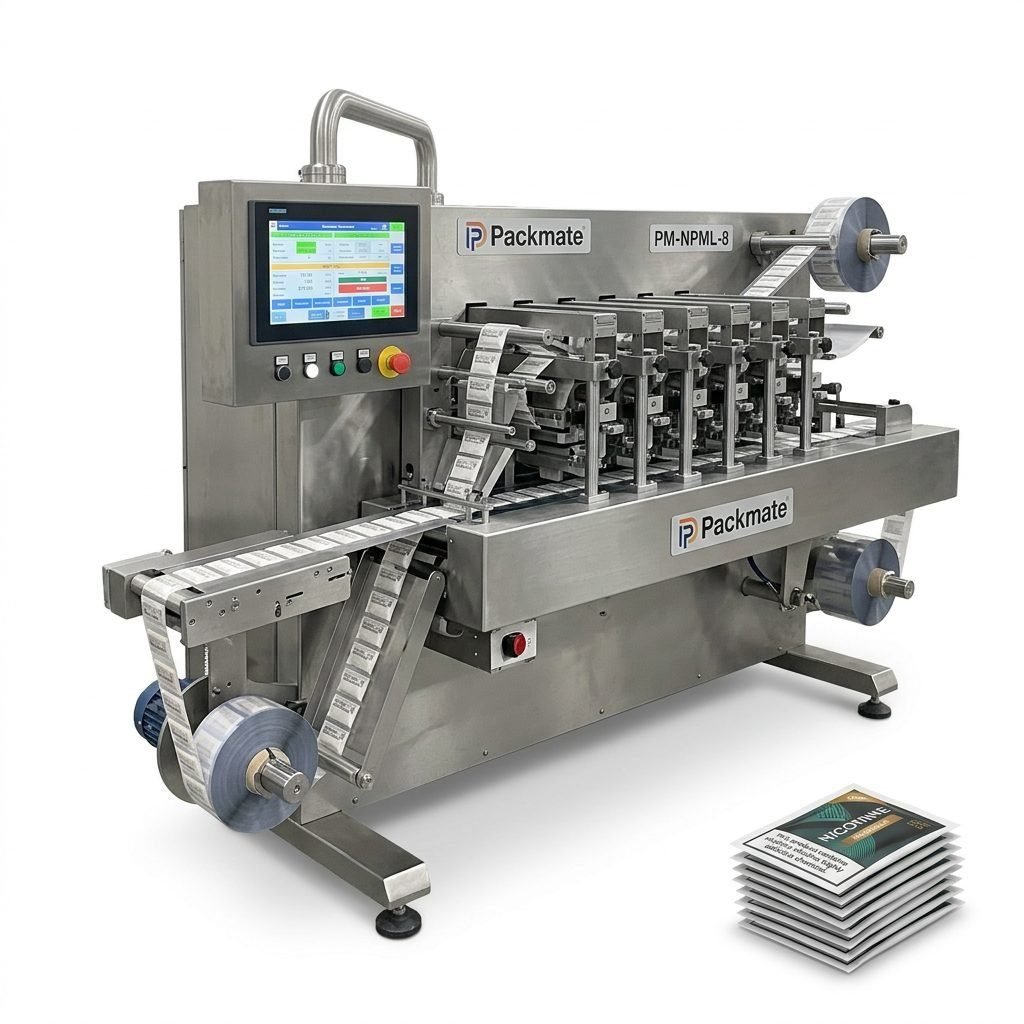
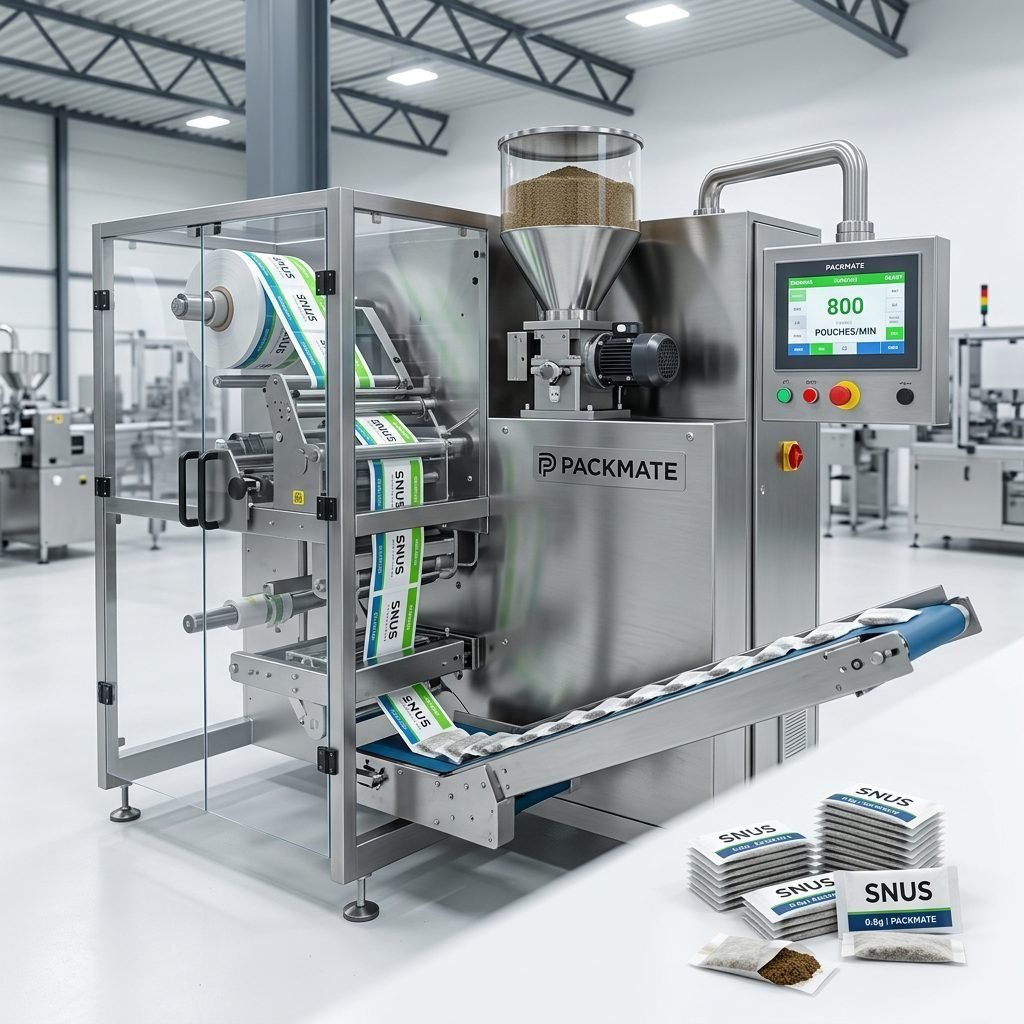
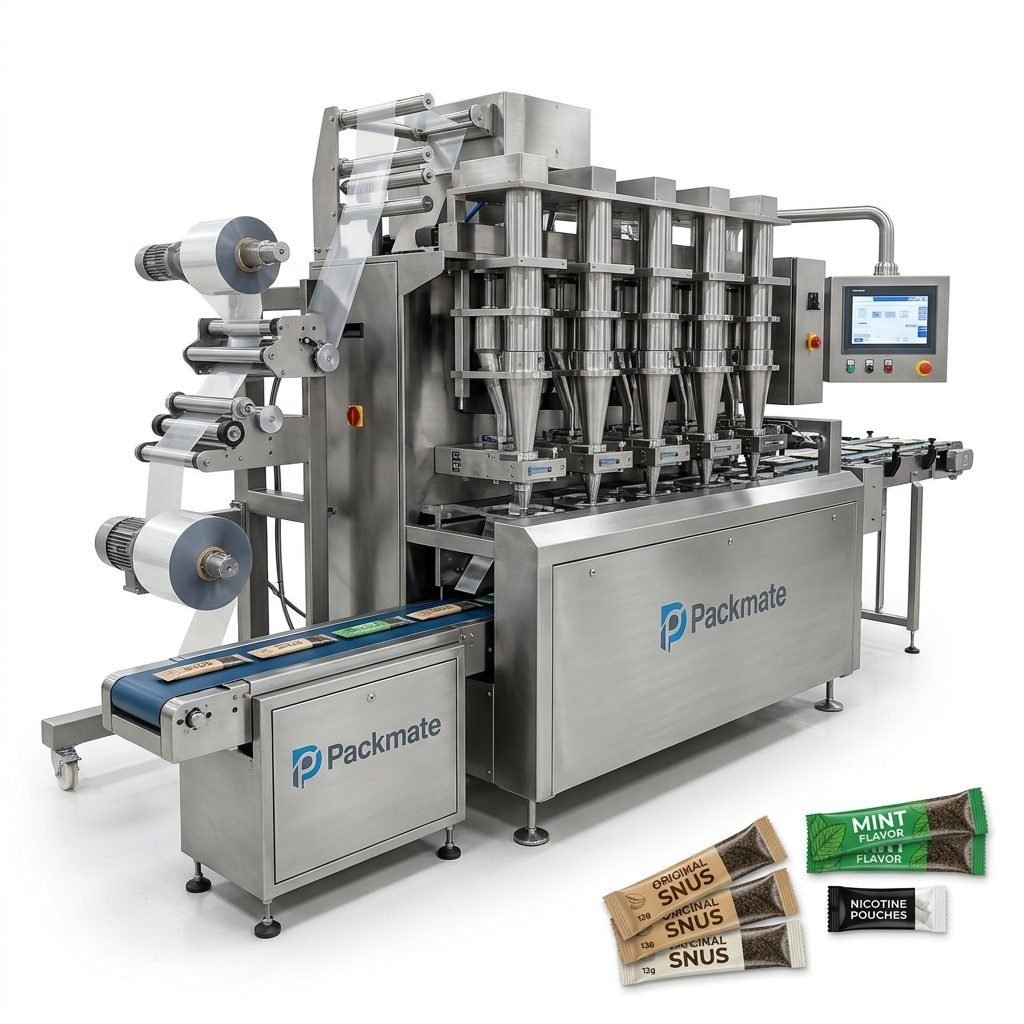
Choosing the right snus packaging machine supplier for production in Syria requires a balanced approach that blends technical specifications, local logistics realities, cultural awareness, and long-term service commitments. This guide helps manufacturers, importers and brand owners in Syria assess options, compare capabilities, and select a partner who can deliver reliable, compliant, and cost-effective snus or nicotine pouch packaging solutions.
Understand Your Product and Production Requirements
Before contacting suppliers, clearly define the characteristics of your product: single-dose nicotine pouches, stick packs, sachets, or multi-lane small-dose lines. Consider volume targets (pieces per minute, shifts per day), pouch sizes, fill materials (powder, granules, moisture content), and required packaging formats. Syrian manufacturers often prioritize flexibility due to fluctuating demand and import constraints, so plan for scalable machines that can grow with your business.
Types of Snus Packaging Machines to Evaluate
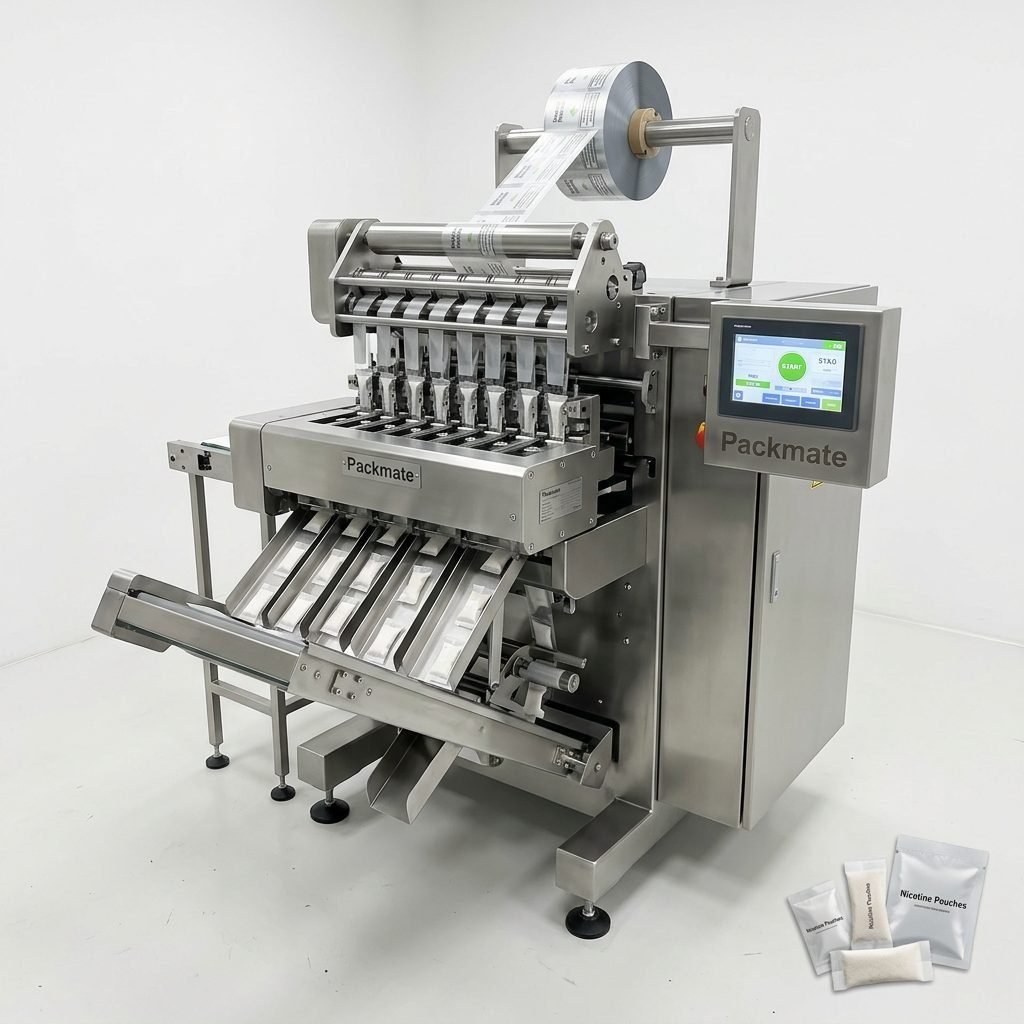
Stick Pack Machines
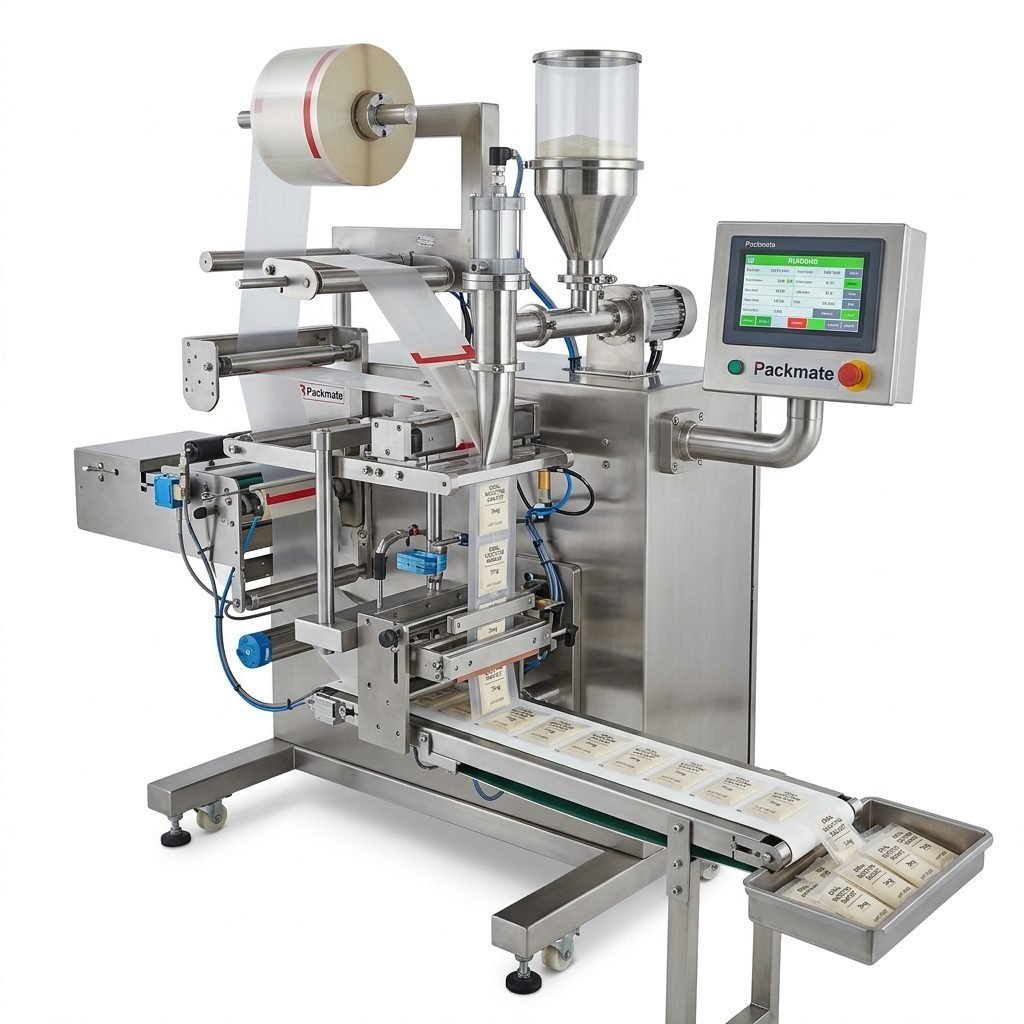
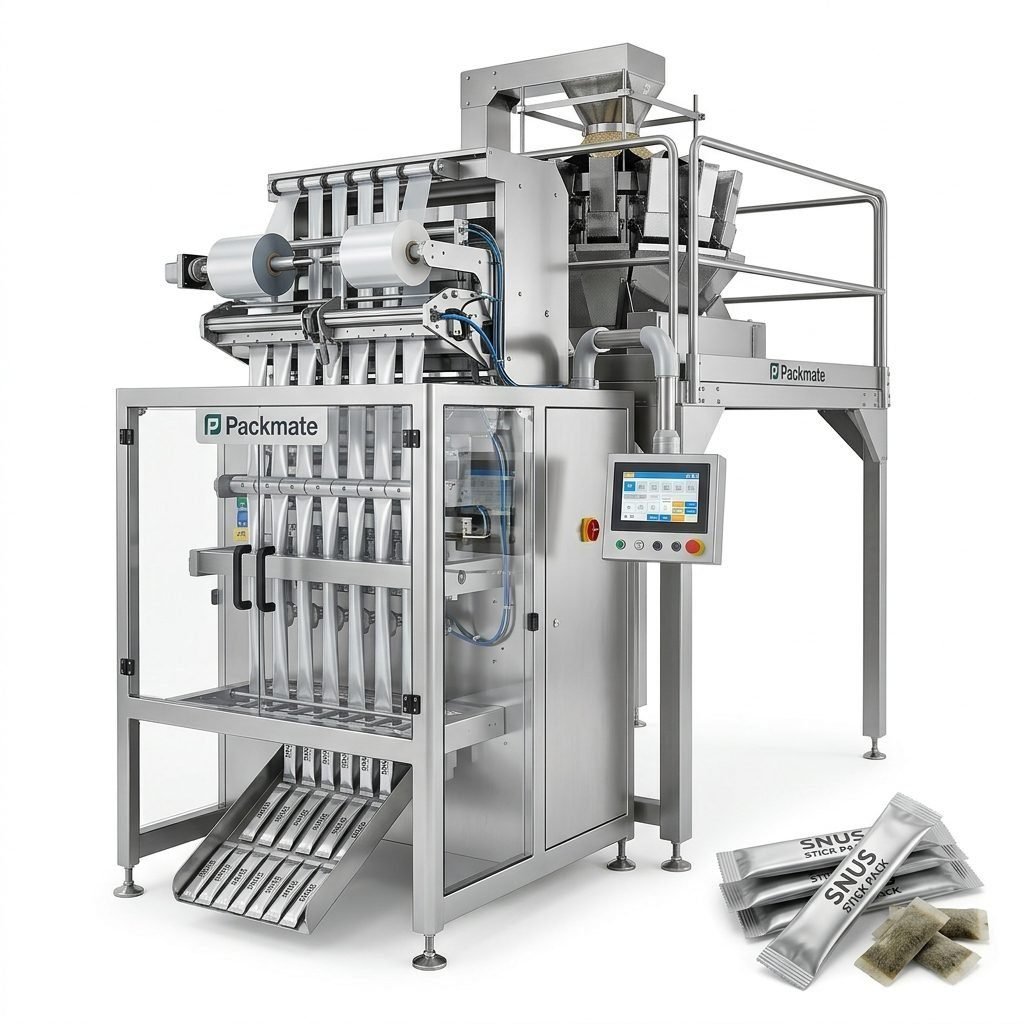
Ideal for single-serve nicotine pouches or powdered inserts. Look for precision dosing, stable sealing for shelf life, and easy format changeovers.
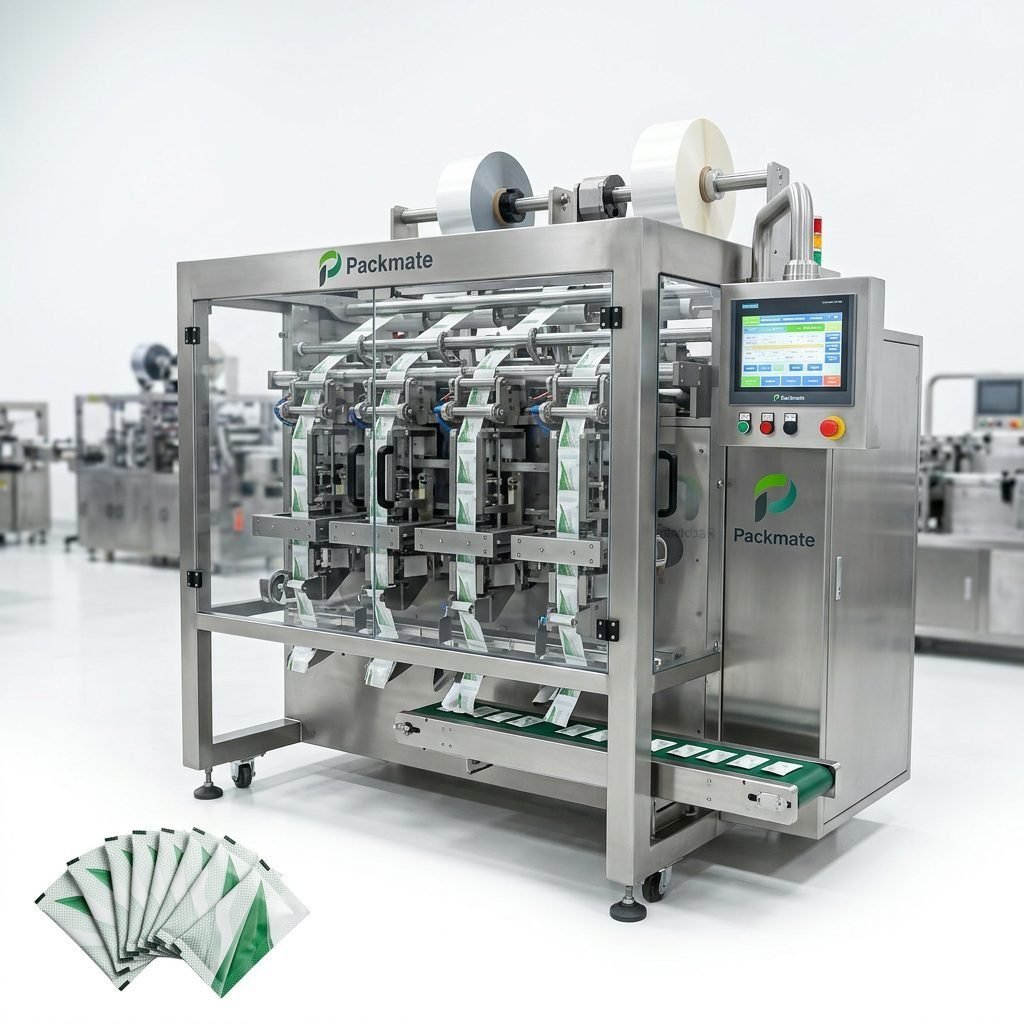
Sachet & Multi-Lane Systems
For higher throughput, multi-lane sachet lines increase output without a proportional increase in floor space. Multi-lane machines are often a smart choice for growing Syrian brands aiming to export regionally.
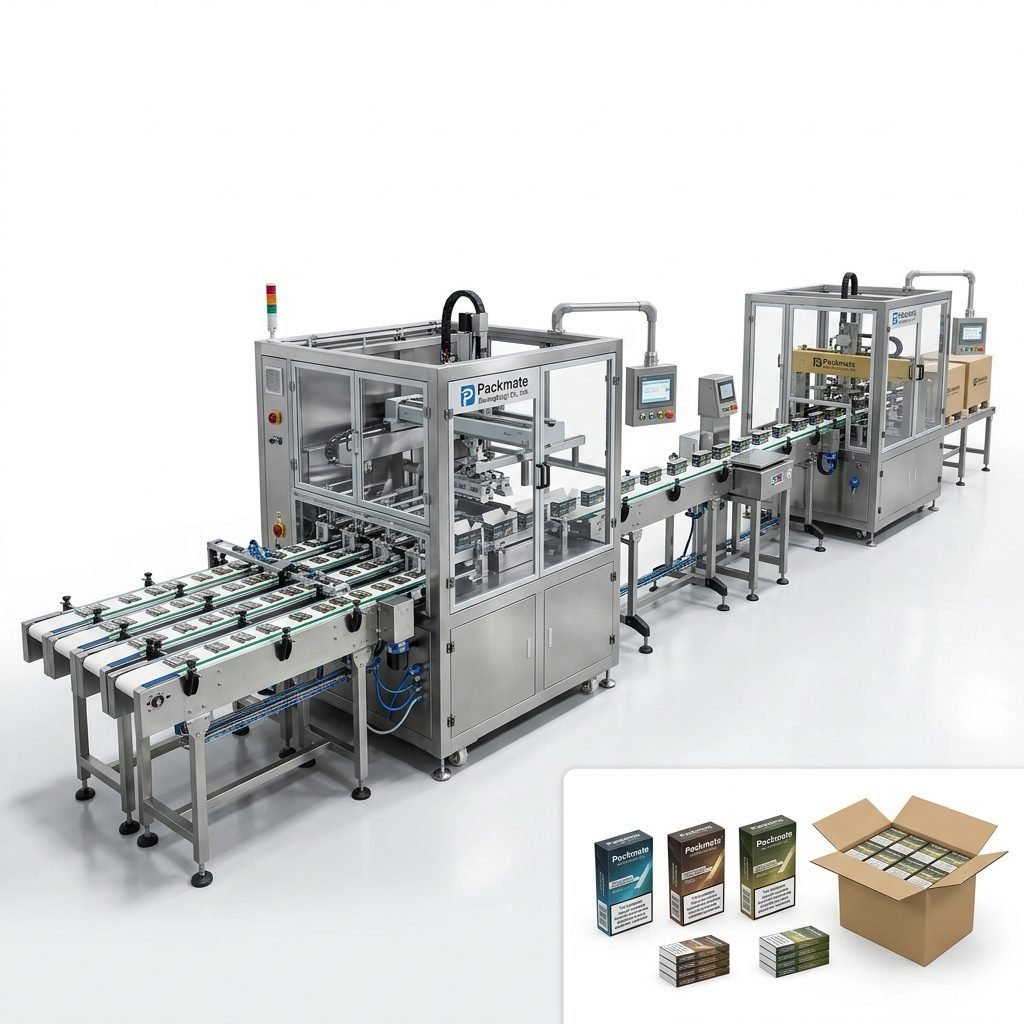
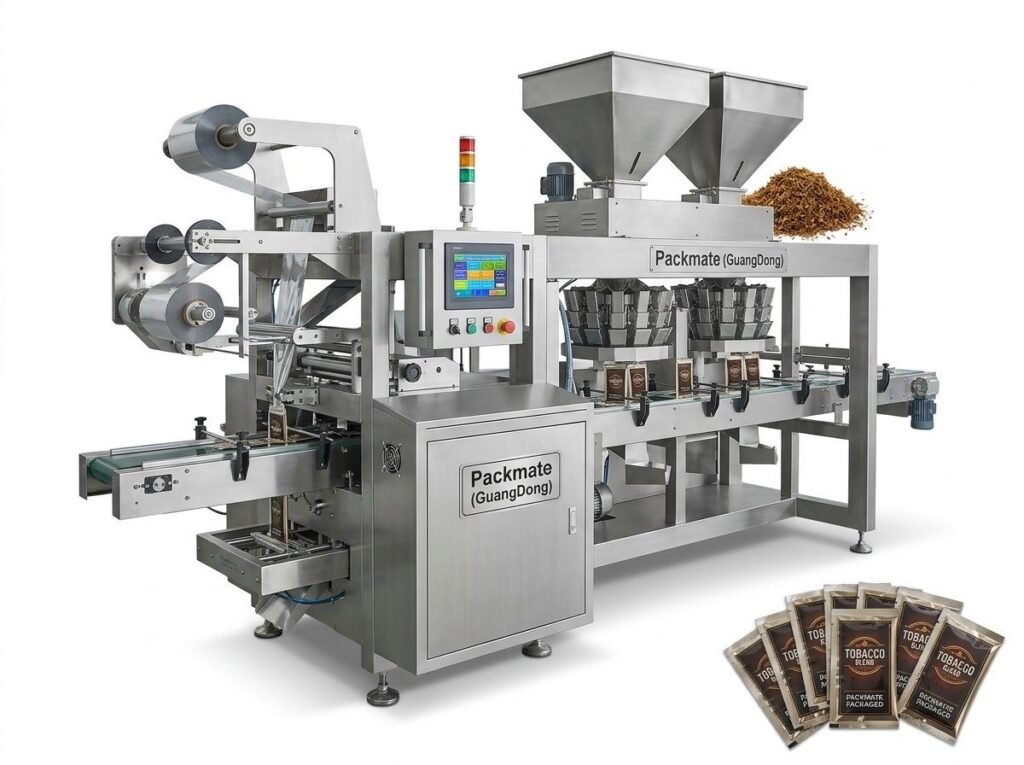
Custom Filling & Pouch Lines
For complex products (mixed solids and liquids or controlled humidity), consider combined filling and packaging systems with integrated weighing and environmental control.
Key Technical Criteria: What to Inspect
✓ Precision Dosing: Consistent portion control reduces waste and ensures compliance with regulatory labelling.
✓ Sealing & Barrier Quality: High-quality sealing prevents moisture ingress and preserves nicotine pouch integrity.
✓ Ease of Changeover: Quick format changes and modular tooling minimize downtime for product trials or seasonal shifts (important during Ramadan or festival seasons when purchasing patterns change).
✓ Automation & HMI: Modern controls, recipe management, and remote diagnostics speed up troubleshooting and training.
Quality, Certifications and Standards
Verify supplier certifications and compliance records. International certificates such as CE and ISO signal adherence to safety and quality processes. Ask for factory test reports, material traceability, and environmental control capabilities. Suppliers that publish detailed certificates or lab testing (for example, hygienic design for food/pharma contact surfaces) reduce the risk of non-compliant equipment.
Assess Manufacturing Capacity & Customization Options
A supplier with a sizeable factory and CNC machining capability can deliver tailored solutions. When sourcing machines for Syria, prioritize suppliers who can:
- Provide multi-model choices to fit budget and floor space (from compact sachet machines to full multi-lane lines).
- Offer custom tooling and pouch formats so local brands can preserve unique packaging identities.
- Share real-world case studies and machine performance data under similar operating conditions.
After-Sales Service, Spare Parts and Training
Service is a decisive factor for operations in Syria where logistics and spare part lead times can be long. Confirm the supplier’s spare part inventory, average shipping times, and whether they provide:
• On-site installation and commissioning; remote commissioning via video; bilingual manuals (English and Arabic) and operator training. Rapid response and local-language support are invaluable when production cannot stop.
Local Considerations in Syria
📌 Power & Infrastructure: Expect variable electricity quality in some regions — ask suppliers about voltage tolerance, stabilizers, or built-in UPS options for electronics.
📌 Import & Customs: Sanctions and customs procedures may affect lead times. Choose a supplier experienced in international shipping who can provide complete documentation (packing lists, certificates, and export invoices).
📌 Cultural & Market Habits: Smoking and tobacco consumption in Syria often focus on shisha and cigarettes. Snus or nicotine pouches are an emerging niche; packaging that emphasizes discreet, hygienic single-dose formats and Arabic labeling will resonate better with local consumers, especially younger adults seeking alternatives.
📌 Seasonal Demand: Religious observances like Ramadan and national holidays can shift consumption and distribution patterns. Flexible production planning and supplier willingness to adjust schedules are advantages.
Logistics, Lead Times and Total Cost of Ownership
Look beyond purchase price. Estimate installation, commissioning, spare parts inventory, customs duties, and anticipated downtime costs. A lower upfront price may lead to higher operational costs if service is slow or parts are hard to source. Prioritize suppliers who provide transparent total cost calculations and options for spare parts kits to hold locally.
Warranty, Upgrades and Remote Support
Confirm warranty length, what it covers, and the supplier’s policy for software/automation upgrades. Remote diagnostics and PLC/HMI backup services reduce travel time for technicians and provide faster troubleshooting. Ask whether machine controls use widely available components to ease local maintenance.
Why Choose an Experienced Manufacturer Like Packmate?
Suppliers with decades of engineering experience and a complete manufacturing facility bring clear advantages: precision machining, rigorous quality control, and a product range covering sachet, stick pack and multi-lane systems. Packmate Snus Machine, for example, offers extensive experience in snus and nicotine packaging, factory capacity to customize lines, and certifications such as CE and ISO — all important when importing into Syria.
Explore product families for greater detail: Snus & Nicotine Packaging Machines, Sachet & Stick Pack Machines, and Filling & Packaging Lines to compare specifications and modular options.
Practical Steps to Select a Supplier
Step 1: Create a clear specification sheet (formats, speeds, tolerances, environmental needs).
Step 2: Request factory videos, test runs, and references from customers in similar markets.
Step 3: Ask for an itemized quote with shipping, installation, training, and spare parts lead times.
Step 4: Confirm post-sale arrangements: local partner for fast parts, remote support SLA, and training in Arabic if needed.
Negotiation Tips and Contract Clauses
Include acceptance tests (Factory Acceptance Test — FAT) and Site Acceptance Test (SAT) clauses in the contract. Define spare parts kits, maximum part delivery time, and penalties for missed delivery or underperformance. Where possible, secure a training package and remote diagnostics support for the first 12 months.
Installation, Commissioning and Operator Training
Effective commissioning reduces teething problems. Request supplier commitment to: deliver erection drawings, attend on-site commissioning, train operators and maintenance staff, and provide maintenance schedules in Arabic or bilingual format. A well-trained local team will ensure faster mean-time-to-repair and higher production uptime.
How to Validate Supplier Claims
Verify machine performance during a FAT using your product or a close substitute. Request demonstration videos of similar products and customer case studies. Check the supplier’s factory capability — a 20,000㎡ plant with CNC machining centers and precision assembly demonstrates the ability to deliver robust solutions.
Final Checklist Before Purchase
• Confirm CE/ISO certificates and request translations if required by local authorities.
• Verify spare part lists and recommended stocks for 12 months of operation.
• Agree FAT and SAT procedures with pass/fail criteria (including packaging integrity and dosing accuracy).
• Ensure training scope and language are included in the contract.
Next Steps: Where to Learn More and Contact Suppliers
For detailed machine specifications and turnkey solutions, review suppliers’ product pages and catalogs. Useful links for reference include the supplier’s catalog and case studies such as Catalog and Case. To inquire directly about machines, installation, or exhibitions, use the supplier’s contact page: Contact Us.
Summary
Selecting a snus packaging machine supplier for Syria is a strategic decision that should be grounded in technical fit, manufacturing capability, service responsiveness, and sensitivity to local market dynamics. Prioritize suppliers with a track record in snus and nicotine pouch packaging, clear certifications, robust spare parts support, and the willingness to provide localized training and documentation.
Common Questions (FAQs)
Q1: How important are CE and ISO certificates when importing machines into Syria?
Certifications like CE and ISO demonstrate adherence to international safety and quality standards. They simplify customs checks and give confidence that equipment meets basic regulatory expectations. Always request copies of certificates and cross-check with issuing bodies if needed.
Q2: What lead time should I expect for custom snus packaging lines?
Typical lead times vary by complexity — from 8–16 weeks for standard machines to 16–30+ weeks for fully customized multi-lane lines. Add shipping and customs clearance time; plan for contingencies when importing to Syria.
Q3: Can suppliers provide Arabic manuals and training?
Reputable suppliers usually provide bilingual documentation and can arrange Arabic-language training or work with local partners for translation. Specify this requirement early in negotiations to ensure proper inclusion.
Q4: What spare parts should I keep in stock locally?
Keep critical wear parts (sealing jaws, belts, sensors, nozzles), an electrical spare kit (fuses, PLC modules, HMI touch panels), and consumables. Suppliers often recommend a 3–6 month kit based on production speed.
Q5: How can I verify a supplier’s machine performance before purchase?
Request a Factory Acceptance Test (FAT) with your actual product or a close equivalent. Ask for live video demonstrations, performance logs, and references from customers operating similar lines in comparable markets.