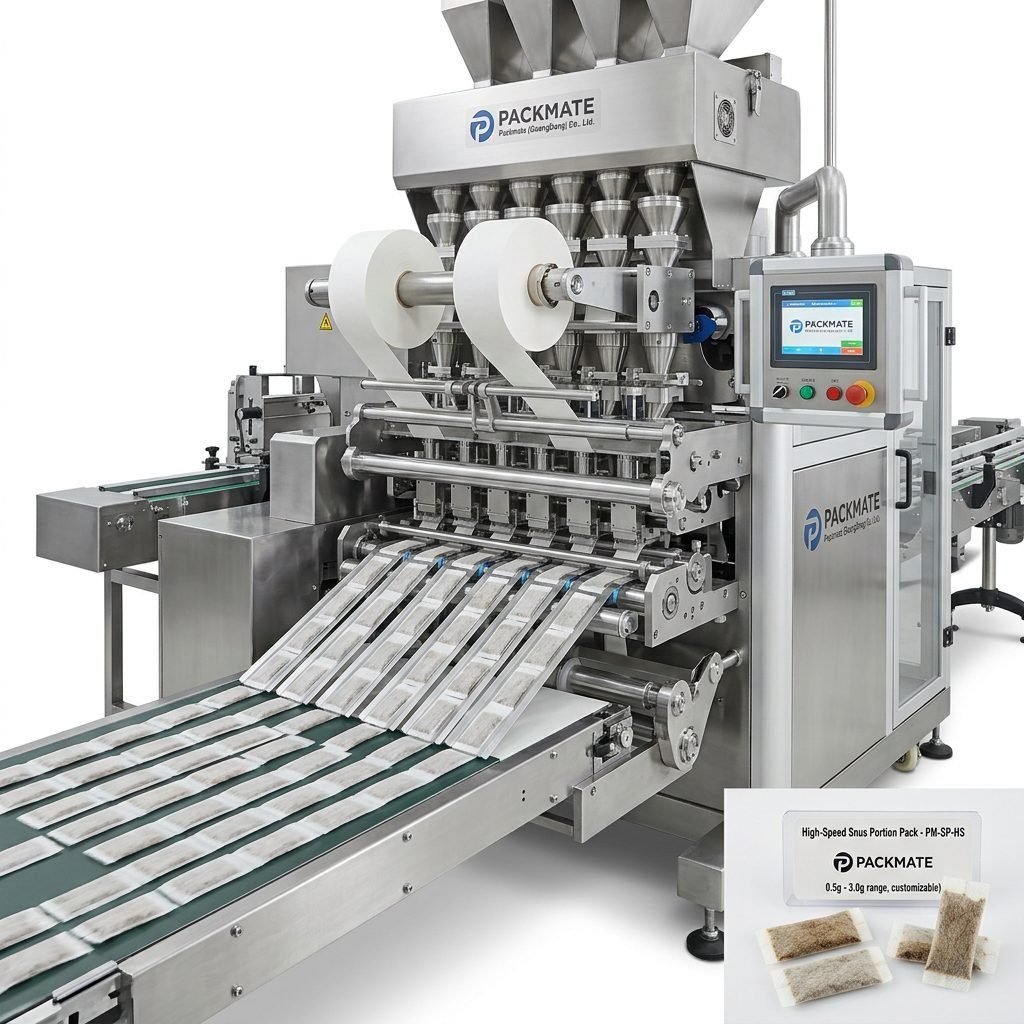
Choosing the right snus packaging machinery manufacturer for your factory in Brunei is a strategic decision that affects product quality, regulatory compliance, and long-term operational costs. This guide walks you through practical considerations—technical, cultural, and logistical—so you can select a supplier who supports reliable production, meets local market expectations, and helps your business scale sustainably.
🔎 Understand Brunei’s Market & Cultural Context
Brunei is a conservative, predominantly Muslim country with strict regulations and cultural sensitivities around tobacco and nicotine products. When evaluating machinery suppliers, prioritize partners who understand:
• Local regulatory requirements — labeling in Malay/English, import rules, and customs documentation.
• Discreet packaging preferences to respect cultural norms.
• Climate adaptation — Brunei’s tropical humidity can affect pouch sealing and material choice; machines should support moisture-resistant packaging grades.
⚖️ Compliance and Certification
Ensure any potential manufacturer provides equipment that helps you meet international and local standards. Look for CE, ISO certifications, and documentation that simplifies Brunei customs clearance and regulatory audits. A transparent supplier will share test reports, certificate copies, and machine calibration logs.
🧭 Key Technical Criteria to Evaluate
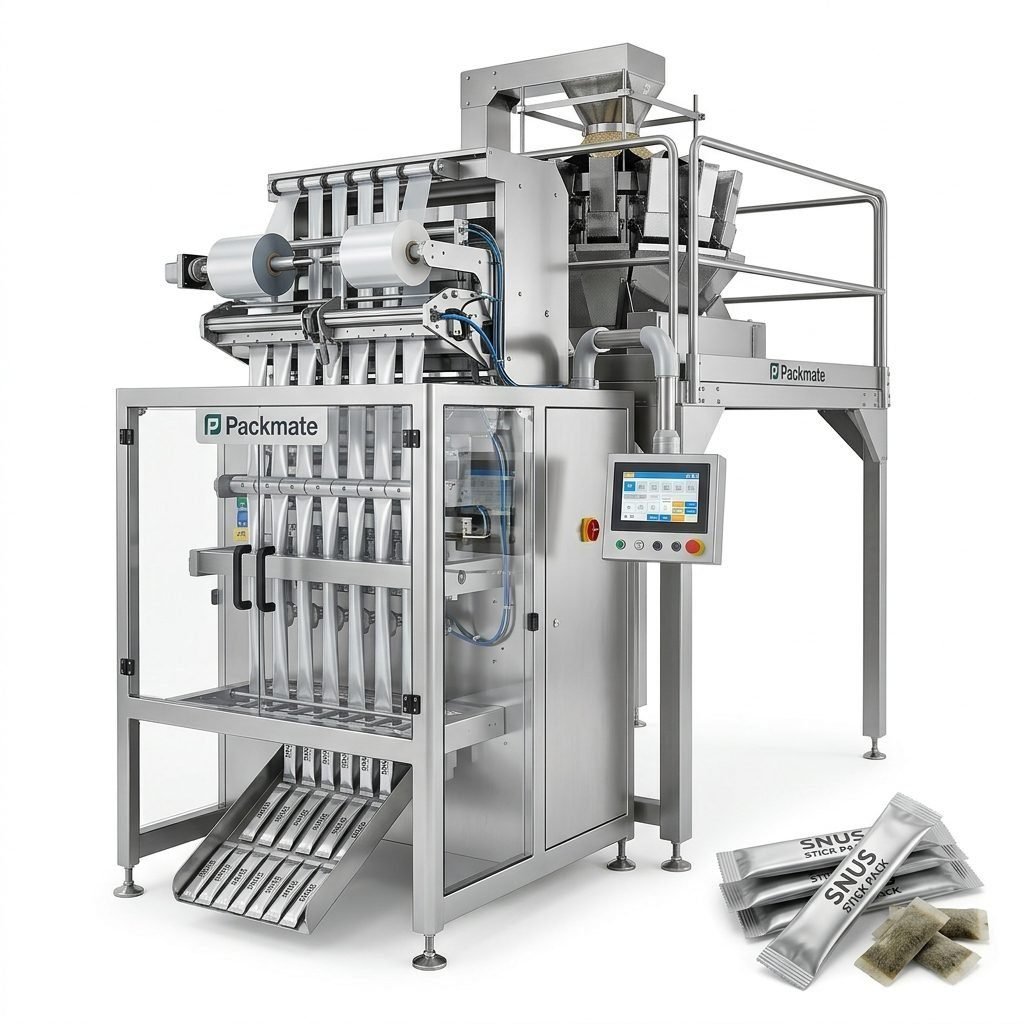
Technical performance determines throughput, waste rate, and product consistency. Prioritize machines that match your product format (snus pouch, stick pack, sachet, multi-lane) and production targets.
1. Format flexibility & product compatibility
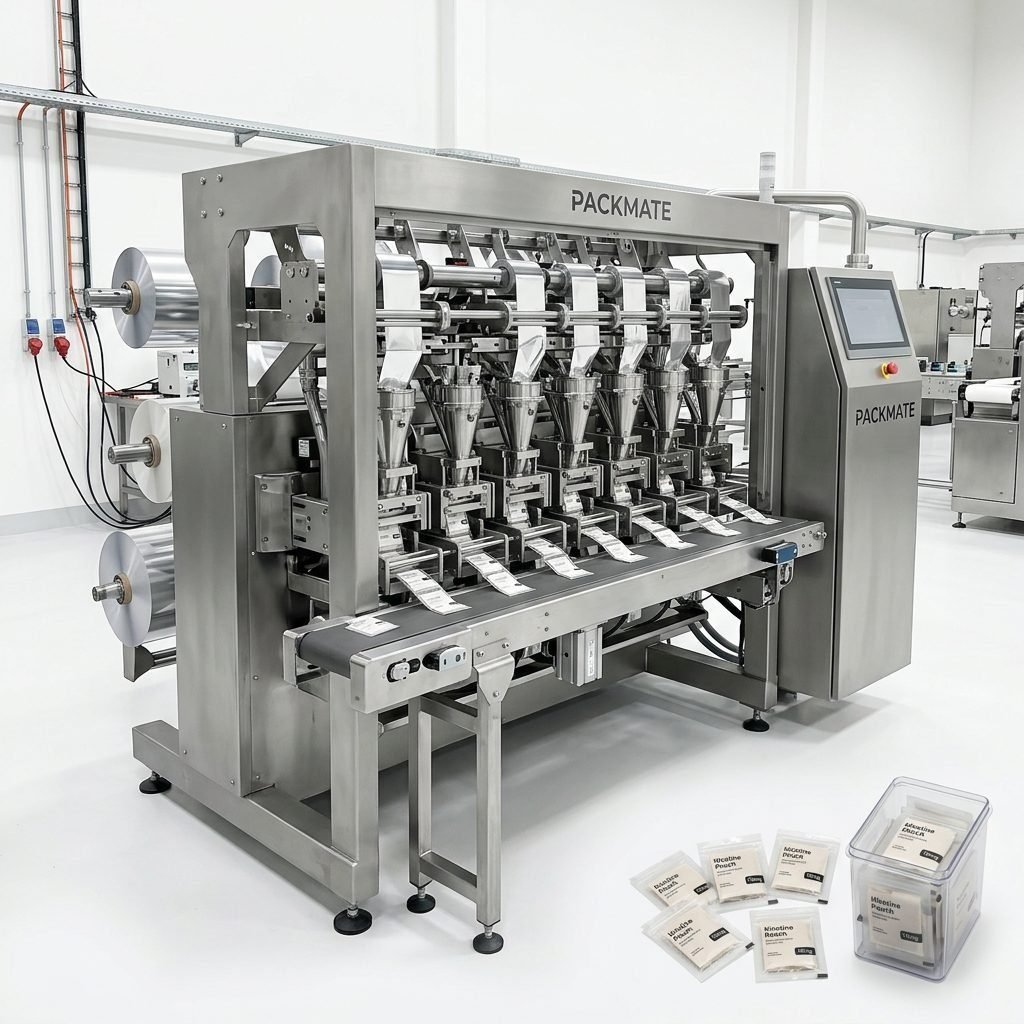
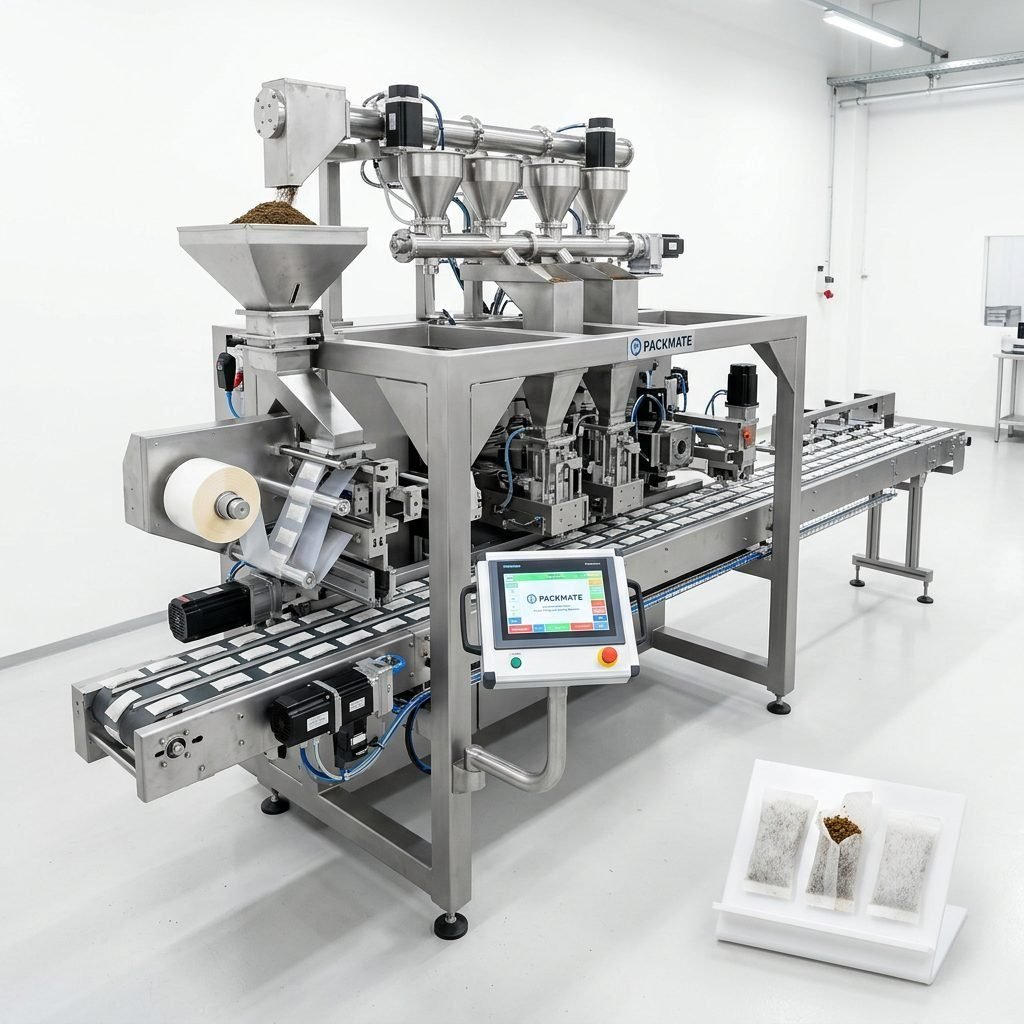
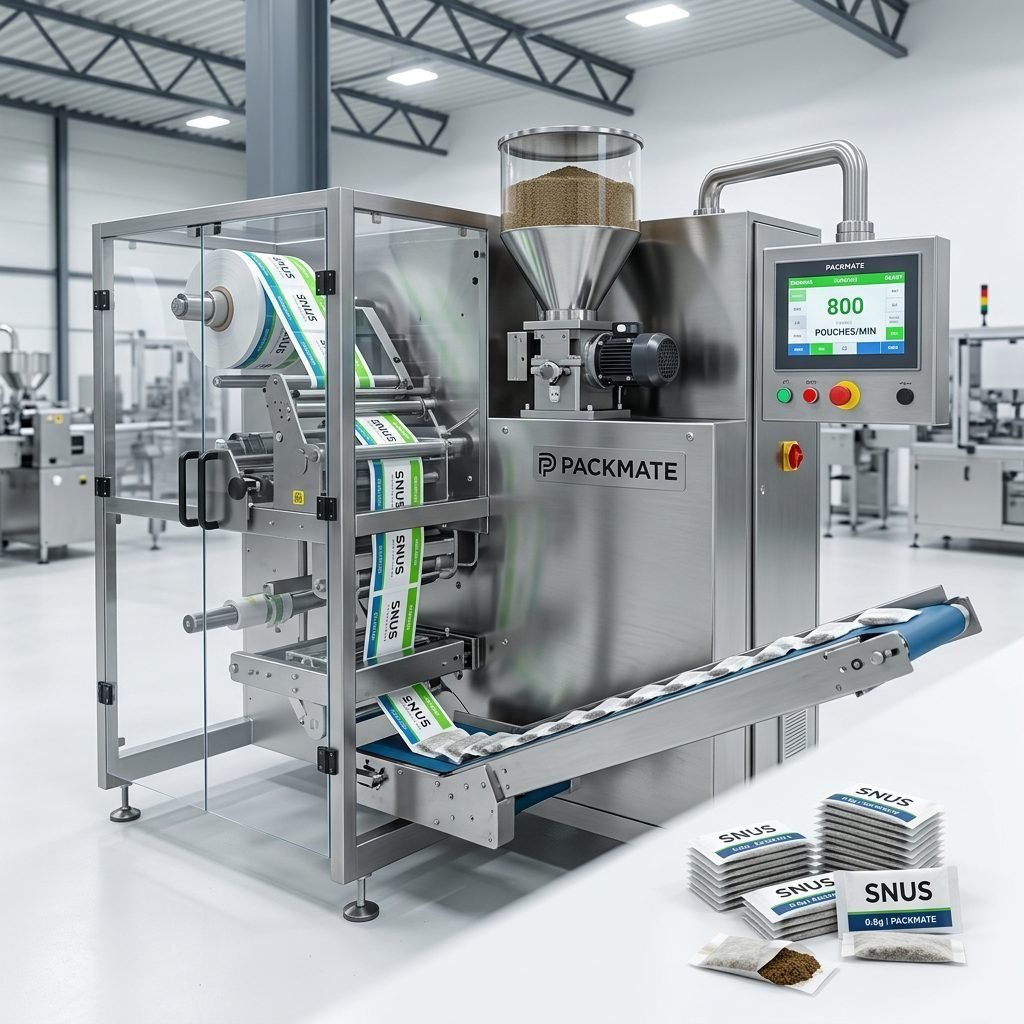
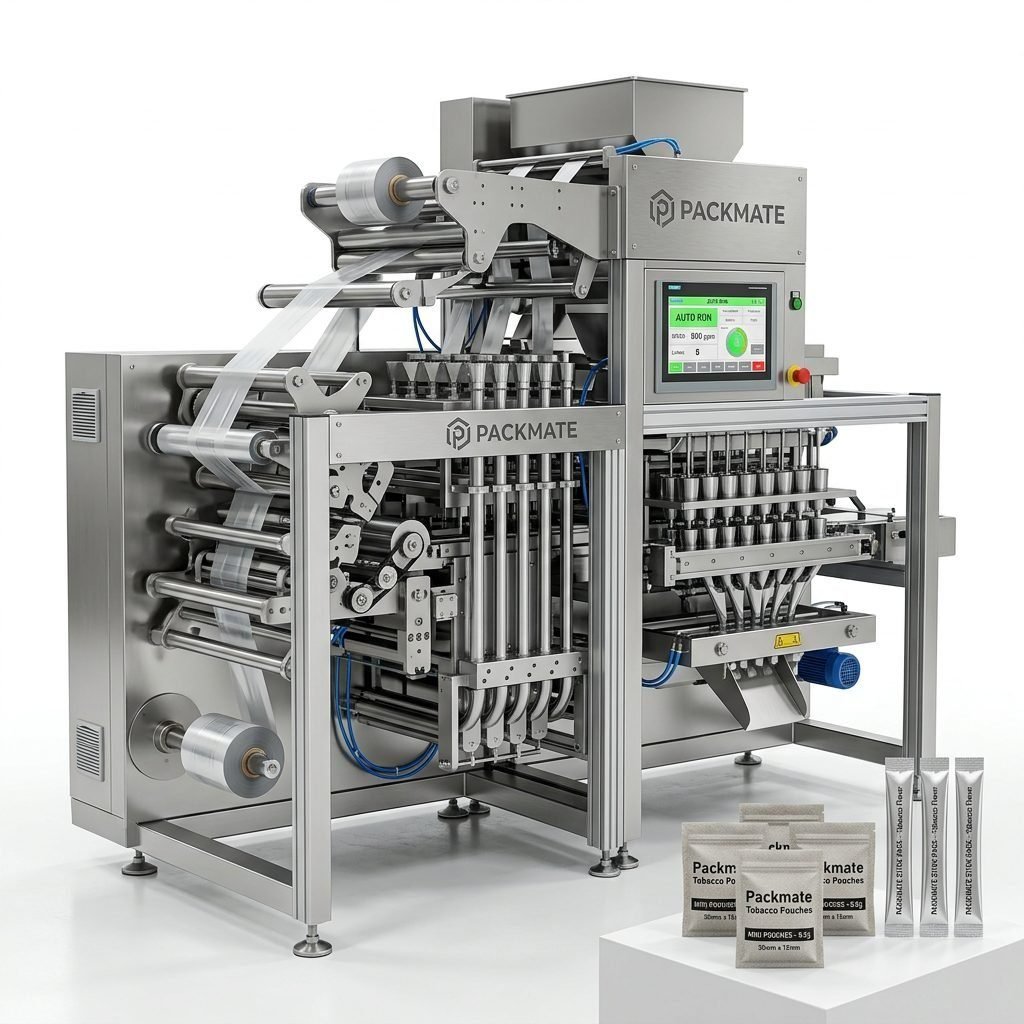
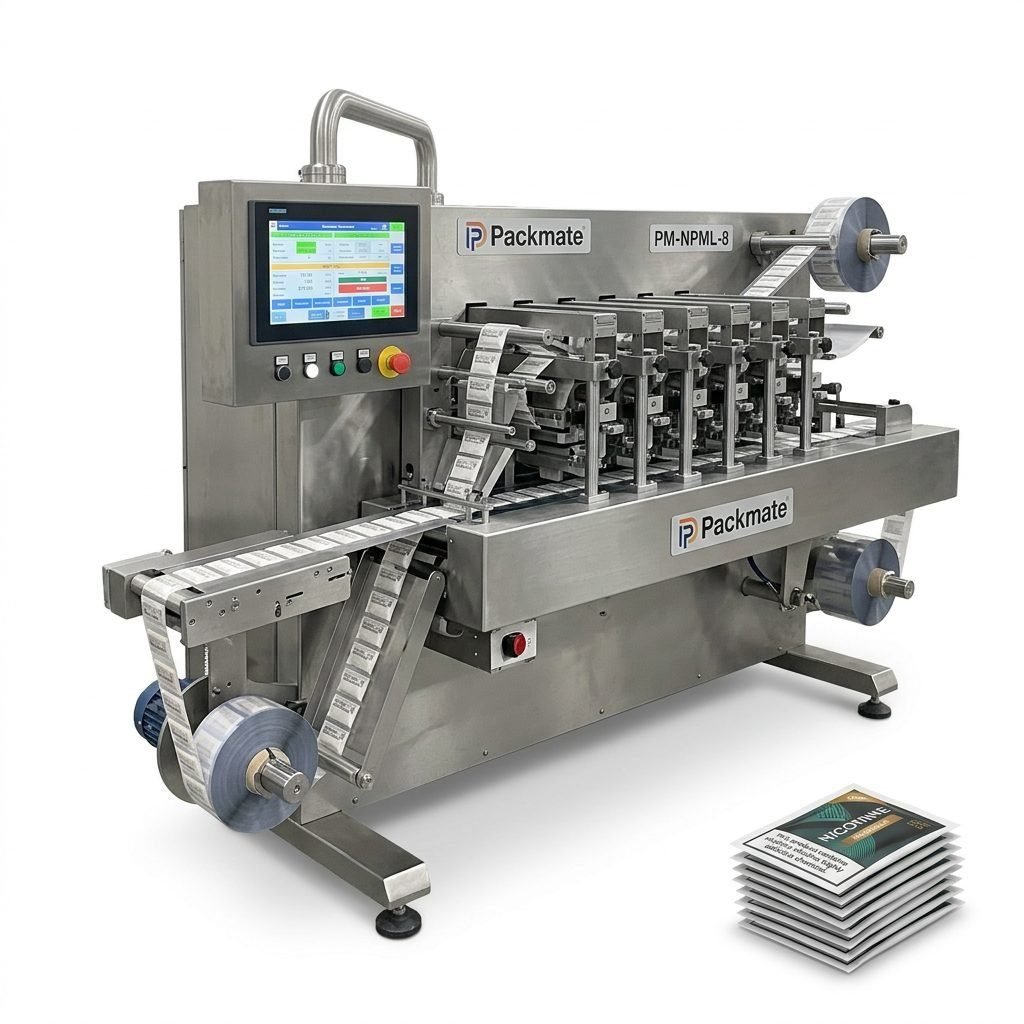
Choose manufacturers offering models designed specifically for nicotine pouches and snus. Machines should handle the precise dosing, pouch material, and sealing requirements of low-dose tobacco alternatives. For reference, explore specialized lines such as Snus & Nicotine Packaging Machines.
2. Throughput & lane scalability
Assess whether single-lane or multi-lane systems fit your expected volumes. Multi-lane systems reduce floor space per pouch produced but require precise synchronization. Confirm the machine’s speed, changeover time, and ability to run continuous production with minimal stoppages.
3. Filling accuracy & hygienic design
Accurate dosing minimizes wastage and regulatory risk. Check for advanced weighing or auger systems and easy-to-clean surfaces. Machines with quick-release parts and washdown-compatible components help maintain hygiene in humid environments.
4. Material & seal compatibility
The manufacturer should support a variety of web materials and laminated films suitable for tropical climates. Proper heat-seal control, ultrasonic sealing options, and nitrogen flush capabilities are important for shelf stability and freshness.
🏭 Manufacturing Strength & After-Sales Support
A supplier’s factory capacity and service network are crucial for uptime and parts availability. Evaluate the manufacturer’s production base, machining capabilities, and commitment to spare parts inventory.
Packmate Snus Machine, for example, operates a 20,000㎡ facility with advanced CNC centers and 50+ machine models—attributes that typically indicate stable production capacity and consistent quality. Consider suppliers with a documented timeline and case studies of global installations.
📦 Turnkey Solutions & Line Integration
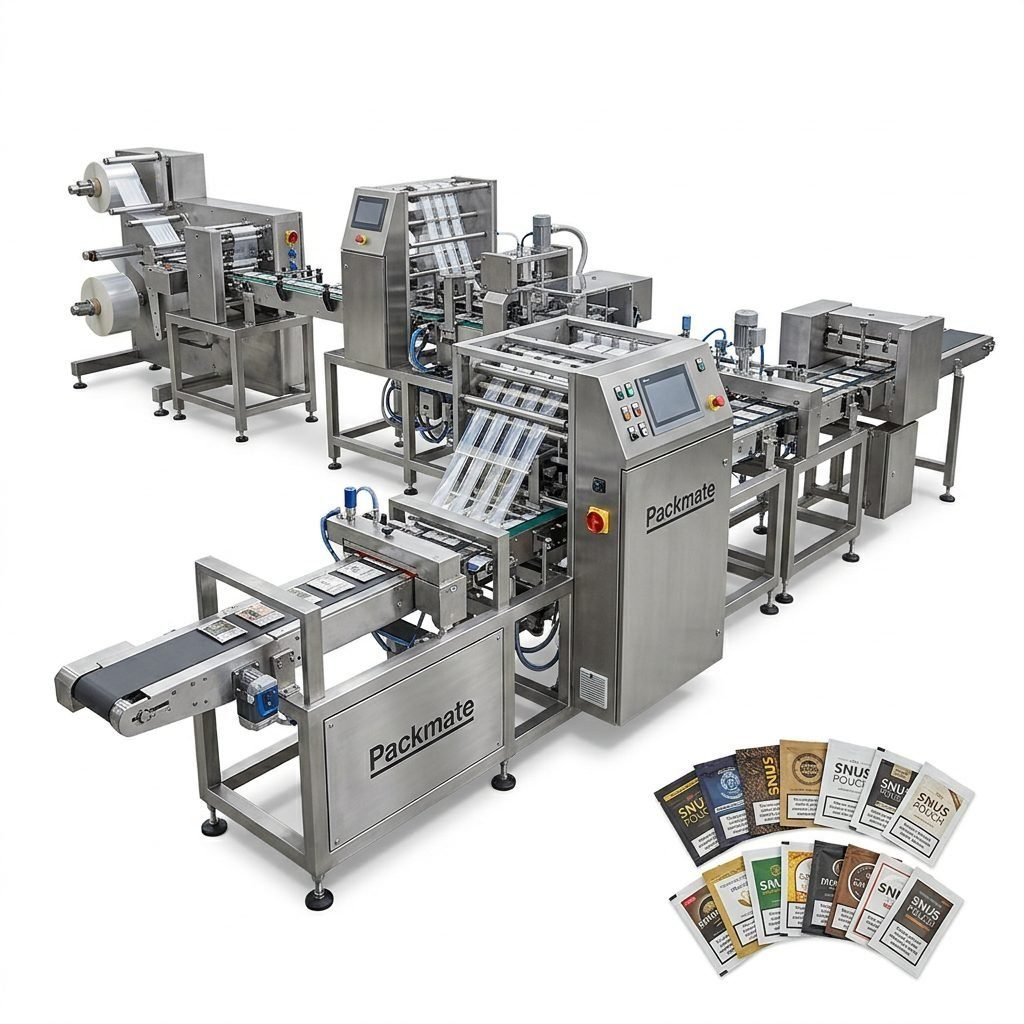
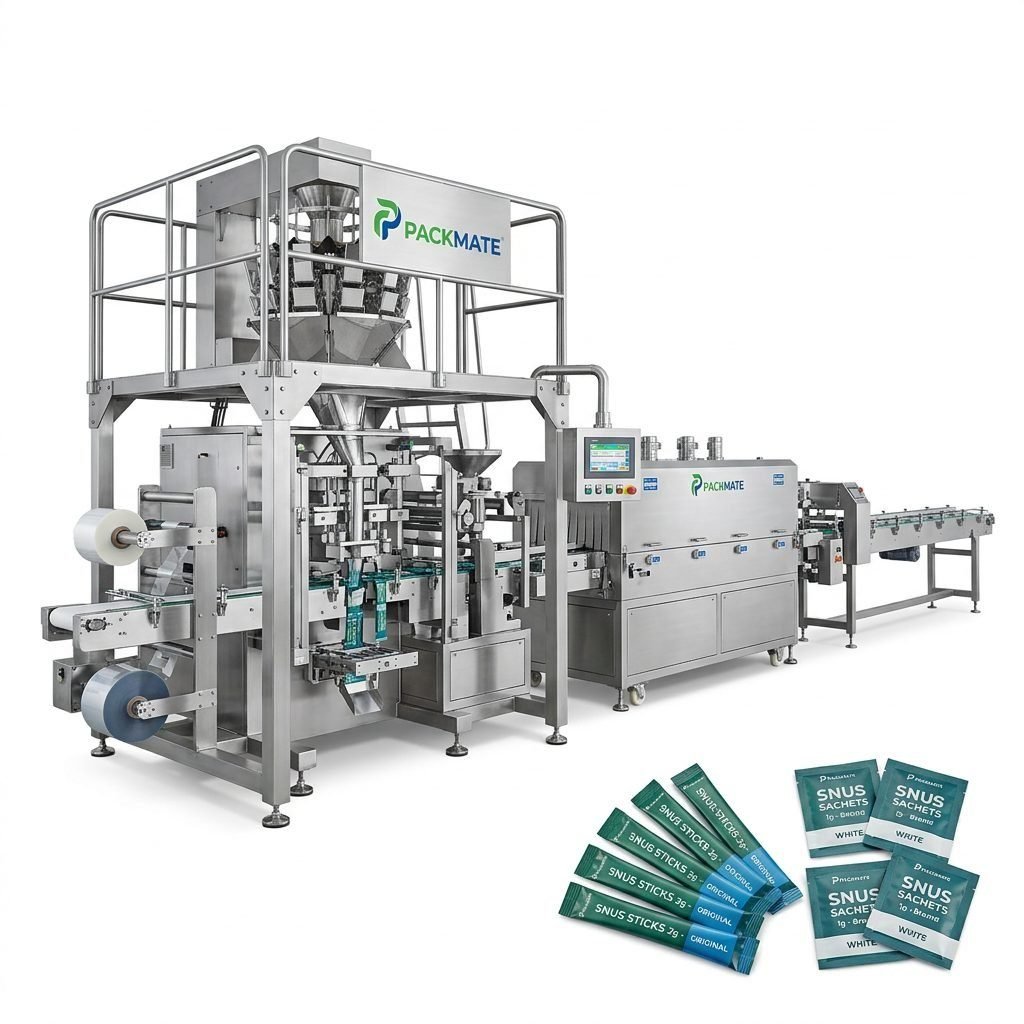
For a new factory, turnkey capabilities reduce integration complexity. Seek providers who can supply upstream and downstream equipment—fillers, weighers, conveyors, and auxiliary gear—and who offer electrical and PLC integration services. You can review modular product families like Filling & Packaging Lines and Weighing & Packaging Systems.
💬 Service, Training & Spare Parts
Reliable after-sales support reduces downtime. Ask the manufacturer about:
- Local or regional technicians and response time commitments.
- Training programs for operators and maintenance staff.
- Spare parts lead times and local stocking options.
A reputable supplier also documents routine maintenance schedules and provides remote troubleshooting tools or software updates to help Brunei-based teams manage machines efficiently.
🔧 Warranty & Performance Guarantees
Negotiate warranty terms covering key components like PLCs, servo systems, and dosing units. Request a factory acceptance test (FAT) video or to witness the machine in operation—this builds confidence in promised throughput and quality.
💡 Financial & Logistic Considerations
Total cost of ownership goes beyond the purchase price. Factor in installation, commissioning, training, spare parts, and shipping. Brunei’s import procedures and duties can affect delivery timelines—work with manufacturers who assist with export documentation and customs compliance.
Consider staging spare parts shipments or local stocking arrangements to minimize production interruptions. A supplier offering modular installation can ease site constraints and shorten commissioning time in Brunei.
🧾 How to Vet Suppliers — A Practical Checklist
Use this quick checklist during vendor evaluation:
- Review certifications: CE, ISO, and any safety documentation.
- Inspect case studies and references—ask for machines running similar products.
- Confirm spare parts availability and estimated lead times.
- Request FAT records and production samples or demo runs.
- Assess training offerings and remote support capability.
- Verify climate adaptation features for tropical humidity control.
🔗 Helpful Resources & Next Steps
Explore manufacturer pages and case portfolios to compare technical specs and real-world installations. Examples of useful resources include product lines and company information that detail machine models and service offerings:
• About Packmate
• Case studies
• Contact the supplier
✅ Final Selection Tips
1) Prioritize manufacturers who demonstrate experience with nicotine/snux formats and environmental adaptations for Southeast Asia.
2) Favor suppliers offering turnkey lines or strong integration support to minimize start-up risk.
3) Validate service responsiveness and parts logistics to ensure continuous operation in Brunei.
Key takeaway: Choosing the right snus packaging machinery manufacturer is about technical fit, regulatory insight, and reliable after-sales support. Partner with a supplier who combines proven machine design, strong manufacturing capacity, and clear service commitments to succeed in Brunei’s unique market.
❓ Frequently Asked Questions
Q1: What machine format is best for small-scale snus production in Brunei?
A1: For small-scale production, multi-function stick/sachet machines or low-lane snus pouch machines with flexible dosing are recommended; they allow gradual scaling with relatively lower capital expense.
Q2: How important is humidity control for packaging in Brunei?
A2: Very important—tropical humidity can impact seal integrity and product shelf life. Select machines that support moisture-resistant films and consider nitrogen flushing or desiccant-compatible packaging.
Q3: Can manufacturers assist with Brunei import paperwork and customs clearance?
A3: Many experienced suppliers provide export documentation and commercial invoices, but you should confirm whether they offer dedicated customs support or local agent recommendations.
Q4: How do I verify a supplier’s claims about throughput and yield?
A4: Request FAT videos, sample production runs, and customer references. Ask for detailed breakdowns of changeover times, average downtime, and yield percentages for similar products.
Q5: Where can I find more information about snus packaging solutions and services?
A5: Visit manufacturer catalogs and service pages to compare models and support options; explore product families like Sachet & Stick Pack Machines and consult their service offerings for after-sales assistance.