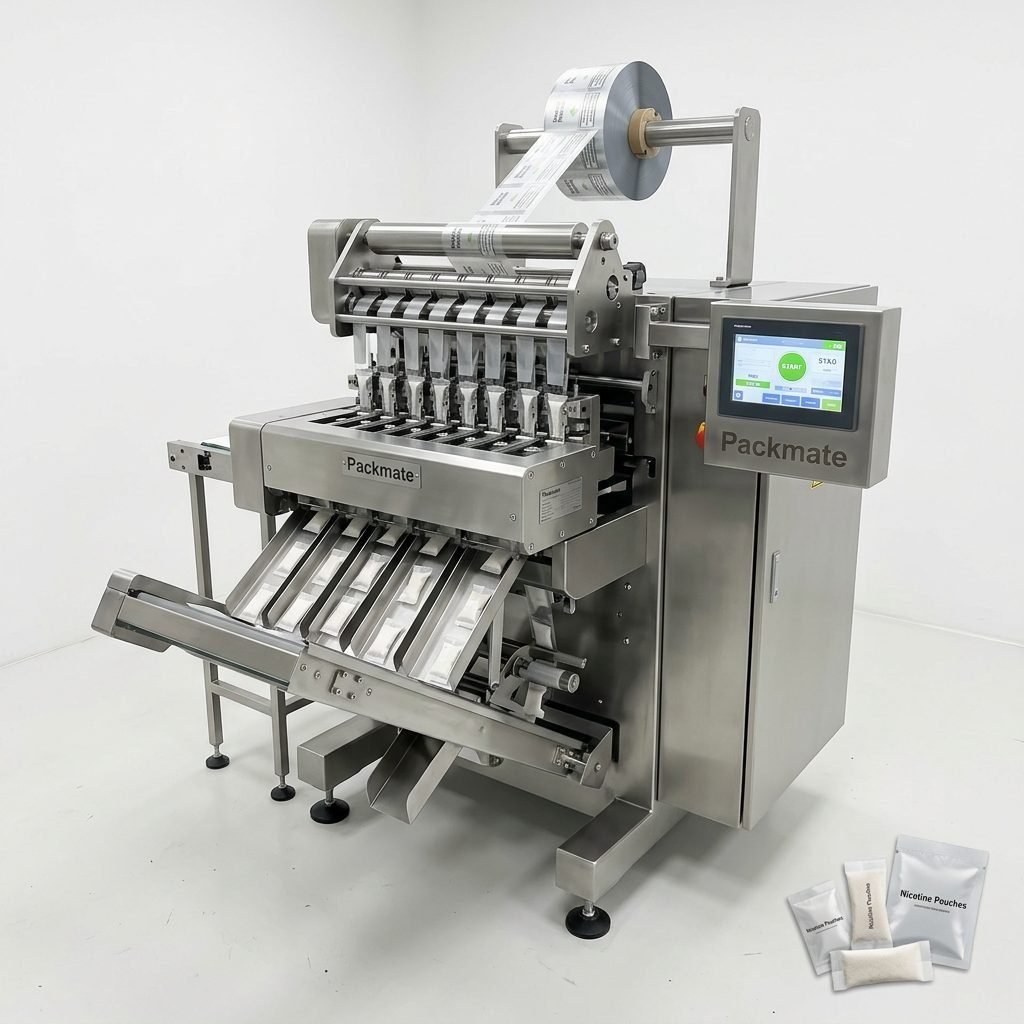
Starting a small-scale snus production business can be a lucrative opportunity for entrepreneurs who understand packaging technology, regulatory constraints, and market positioning. This guide explains how to select the best snus machine for small business operations, outlines the production workflow, highlights cost and ROI considerations, and provides practical tips for scaling while maintaining compliance and product quality.
Why small-scale snus production is attractive
Demand for nicotine pouches and snus-style products has grown steadily in many markets. Small businesses can enter this niche with relatively modest capital compared to large tobacco manufacturing, focusing on specialized flavors, premium packaging, or niche distribution channels. Crucially, packaging machines adapted for small-batch runs enable high product quality without the overhead of massive production lines.
Core considerations when choosing the best snus machine
🔍 Production capacity — Estimate daily pouch volume. Small businesses often start at 5,000–50,000 pouches/month. Choose a machine with throughput that matches near-term sales, but allows modest scaling.
⚙️ Flexibility — Look for machines that support multiple pouch sizes, sachets, or stick packs so you can test different formats without heavy downtime.
🔧 Ease of operation & maintenance — Small teams benefit from intuitive HMI panels, quick tool-free changeovers, and clear maintenance intervals.
Recommended machine types for small businesses
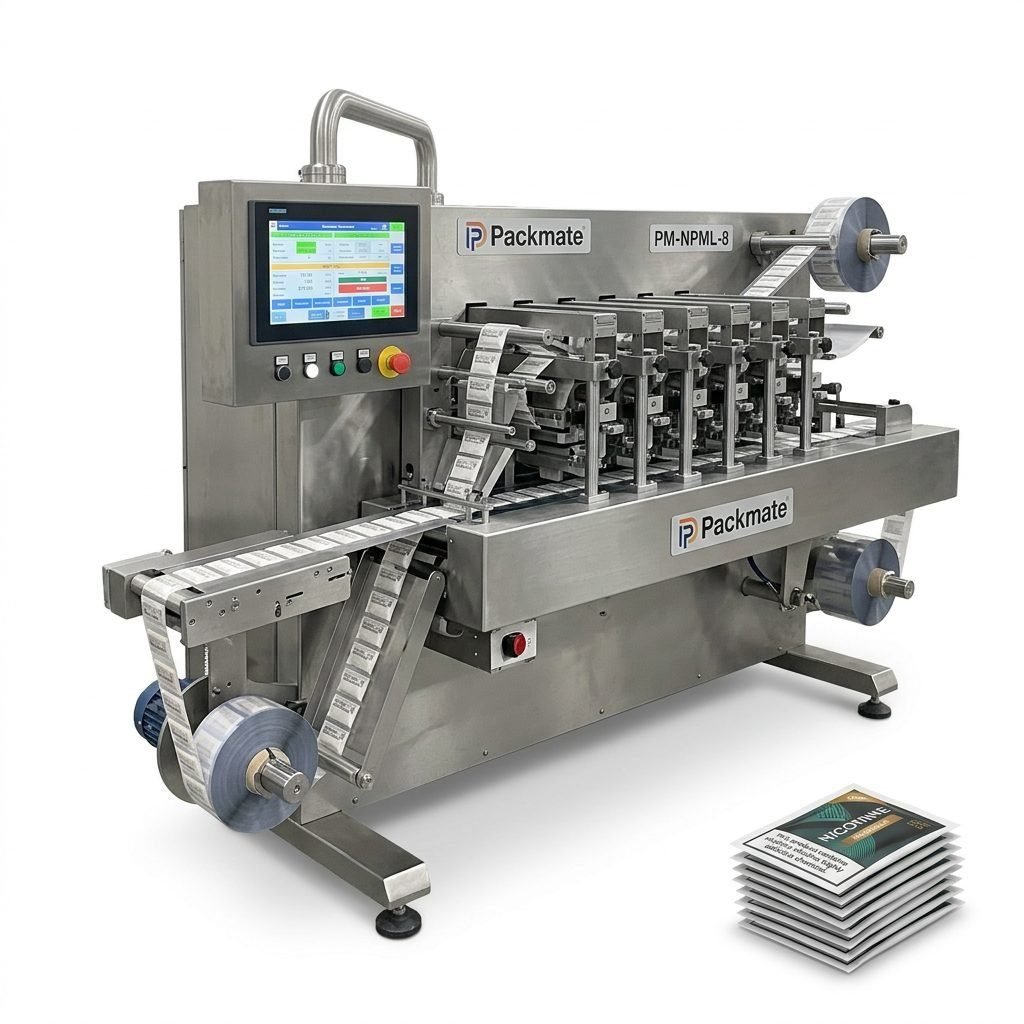
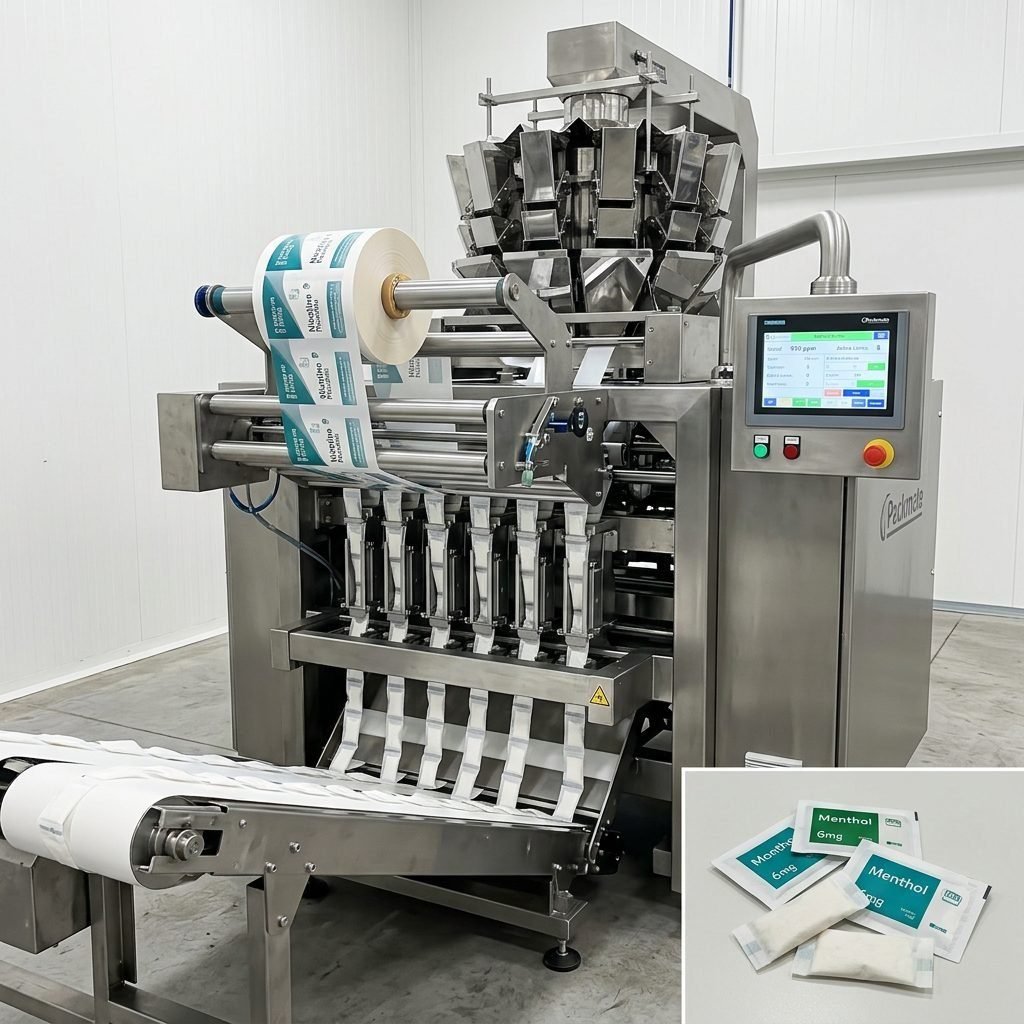
For small-scale snus production, the most relevant machine types include: multi-lane nicotine pouch machines (for small-dose pouches), sachet packaging machines, and stick pack machines. Each offers specific advantages depending on product format and branding goals.
Multi-lane nicotine pouch machines
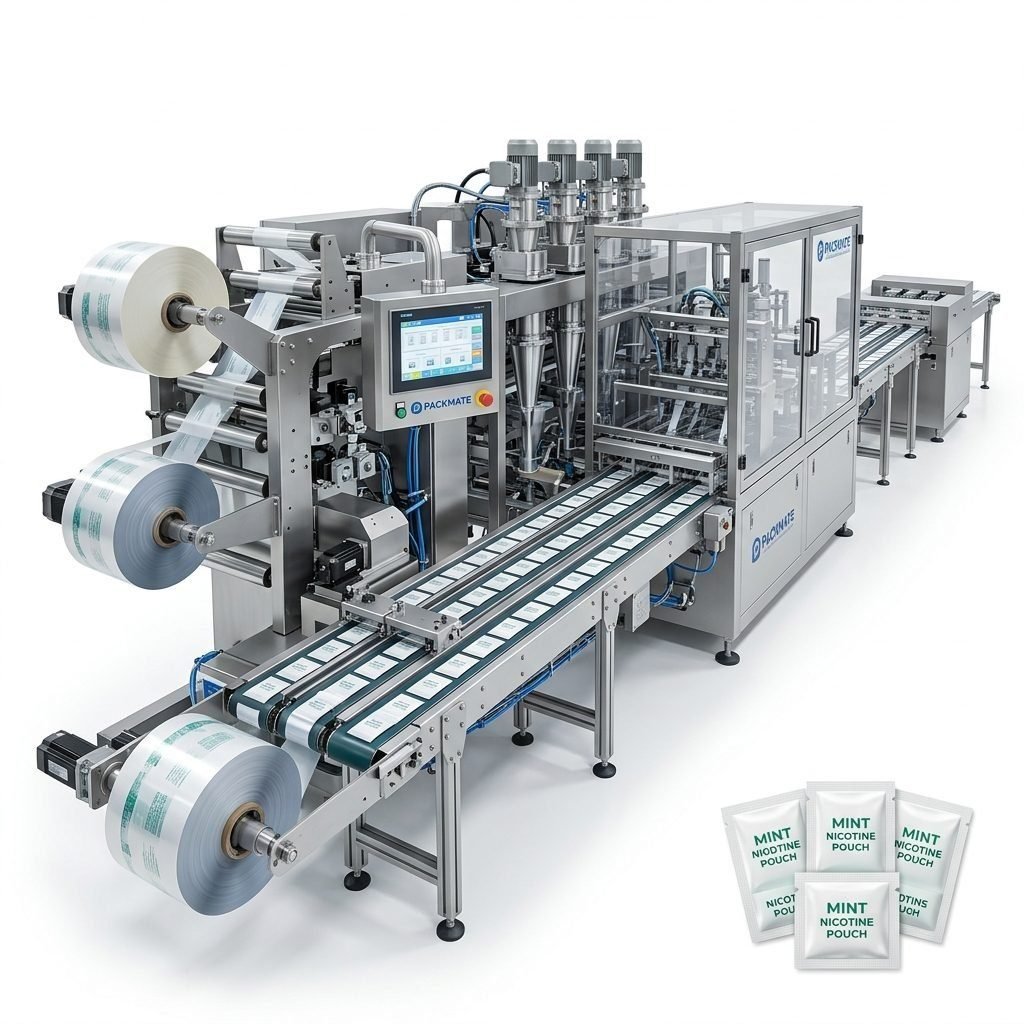
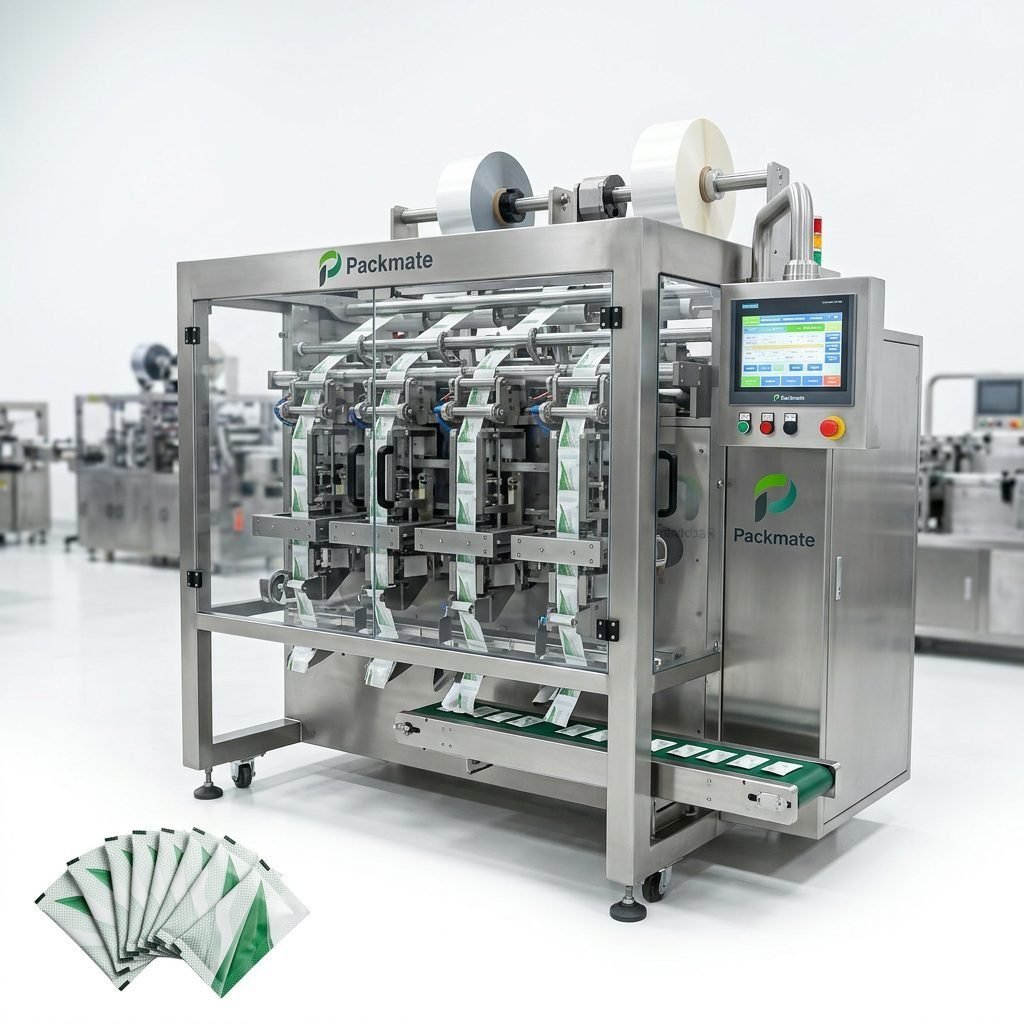
Multi-lane systems can produce several lanes of pouches simultaneously, increasing throughput while retaining compact footprint. Ideal for businesses that want to run multiple SKUs or need higher output without large single-lane investment.
Sachet and stick pack machines
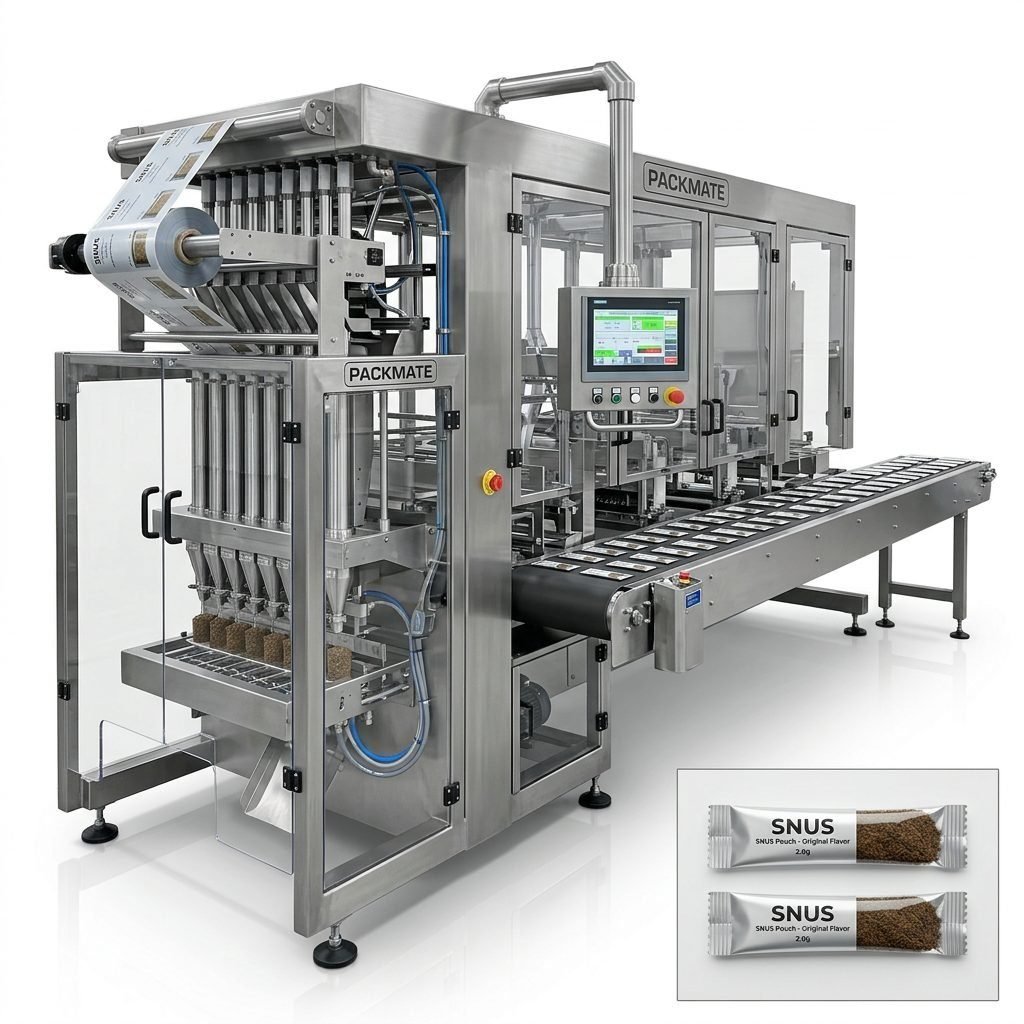
Sachet & stick pack machines are versatile for trial-size pouches or promotional formats. They support precise dosing for powders or moist snus blends and are typically straightforward to operate for small teams.
Explore specific product lines and machine options at Snus & Nicotine Packaging Machines and Sachet & Stick Pack Machines.
Evaluating machine features: a checklist
✅ Servo-driven precision for consistent pouch weight
✅ HMI with recipe management for quick SKU changeover
✅ Multi-lane capability if planning parallel SKUs
✅ Quick-clean design for frequent flavor changes
✅ Compliance with CE / ISO and compatibility with local regulations
Budgeting: upfront and ongoing costs
A realistic budget must include the cost of the machine, tooling, installation, training, spare parts, and consumables like pouch film and filters. Small-scale snus machines vary widely in price depending on automation level and lane count. Factor in:
- Machine purchase and shipping
- Local installation and electrical work
- Validation and operator training
- Materials: pouches, lids, sealing film
- Quality control equipment and lab testing
- Regulatory compliance costs (testing, labeling)
ROI expectations
Return on investment depends on margins per pouch, sales channels, and operational efficiency. Typical small operations aim for payback within 12–36 months. Increasing automation can reduce unit labor cost but raises capital needs. Carefully model scenarios with conservative sales estimates.
Regulatory and compliance considerations
Nicotine-containing products are heavily regulated in many regions. Before purchasing equipment or launching products:
ℹ️ Register product formulas and submit required lab tests where necessary.
ℹ️ Ensure labeling meets local health warnings and ingredient disclosure rules.
ℹ️ Machinery should comply with electrical and safety standards (CE, ISO) — verify certificates and documentation.
Workflow: from raw material to finished pouch
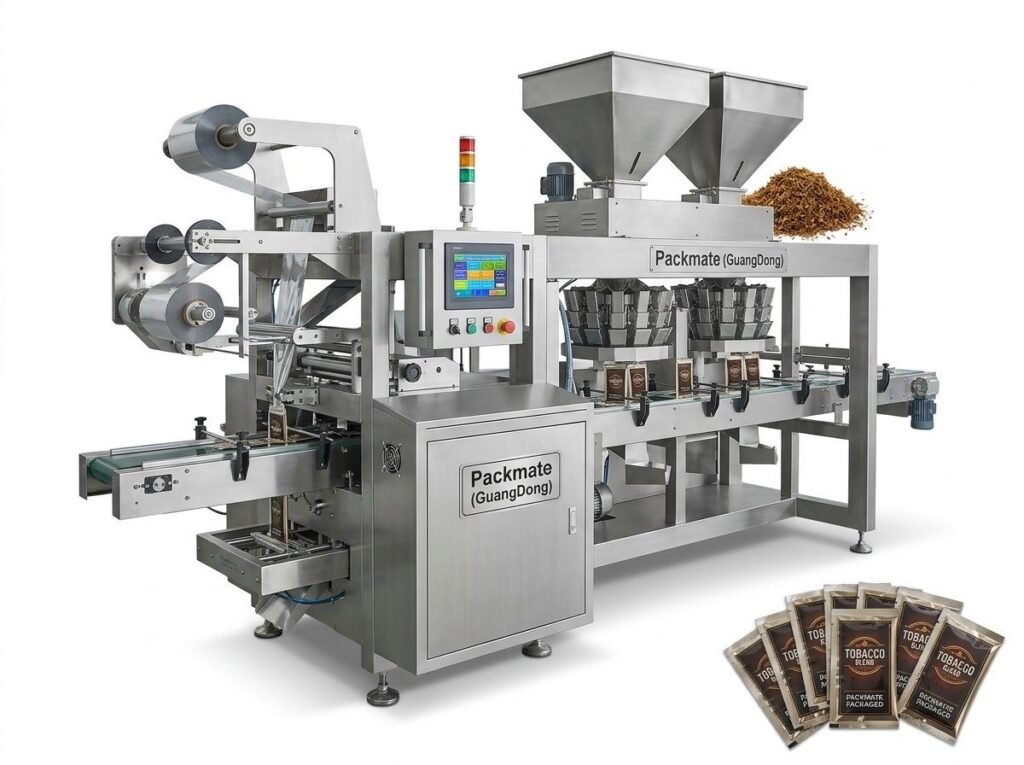
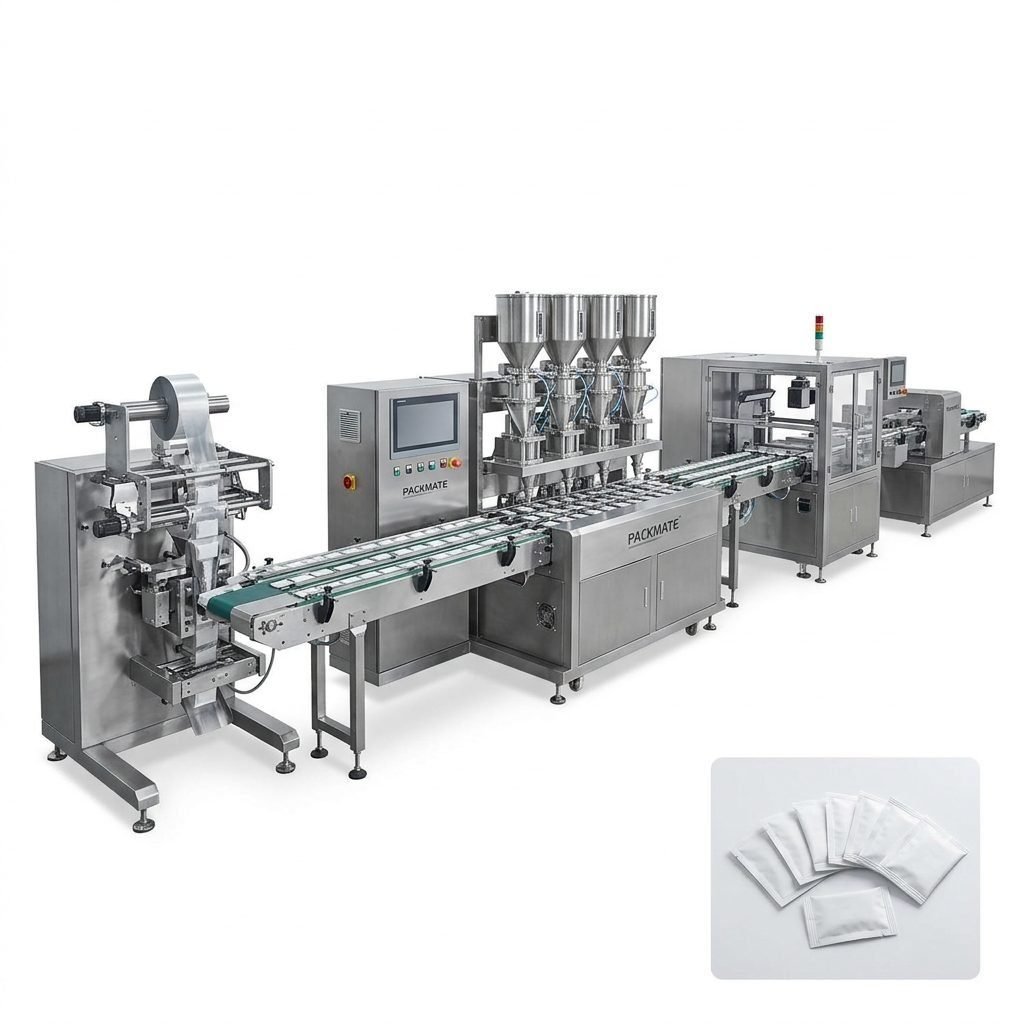
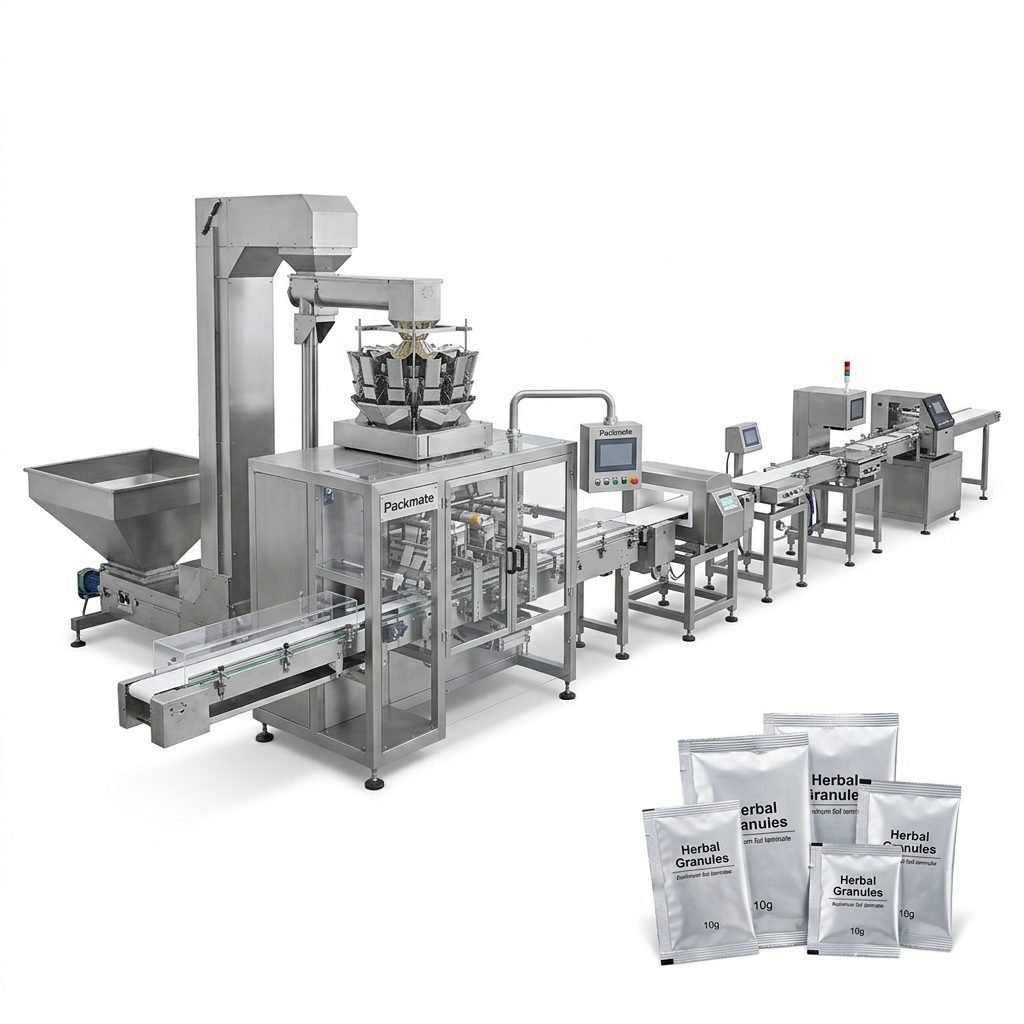
A typical small-scale snus production line includes: raw material preparation, dosing/weighing, pouch forming & filling, sealing, secondary packaging, and QC. Integration with auxiliary equipment (weighing and packaging systems) can streamline operations.
Step-by-step
1) Raw material blending and moisture control to ensure consistent texture. 2) Precise dosing into pouches via volumetric or gravimetric dosing. 3) Form-fill-seal operation for hygienic packaging. 4) Visual inspection and weight checks. 5) Secondary packaging (boxes, cartons) and labeling.
Choosing a supplier: what to look for
Suppliers should offer more than equipment: look for full-line capability, spare parts availability, and after-sales service. Packmate Snus Machine has decades of experience and a broad product range suited to small producers — see About Packmate for company background and factory strength.
📦 Turnkey solutions — choose suppliers able to provide packaging, filling, and auxiliary systems to reduce integration risks.
🤝 After-sales support — remote diagnostics, spare parts shipping, and local service partners shorten downtime.
📈 Proven cases — ask for references and performance data from similar small-batch customers (see Case).
Factory & technical strengths to prefer
When vetting a manufacturer, prioritize those with modern CNC machining, precision assembly, and strict testing. A 20,000㎡ facility with dedicated assembly lines and quality control systems indicates capacity to deliver consistent machines and spare parts.
Operational best practices for small teams
– Train operators on quick-change procedures and cleaning to minimize cross-contamination.
– Implement simple SPC (statistical process control) checks for weight and seal integrity.
– Keep a small stock of critical spare parts (seals, sensors, bearings) to avoid long downtime.
– Maintain clear sanitation protocols, especially if changing flavors or nicotine levels frequently.
Packaging materials and branding
Packaging choice influences shelf appeal and barrier properties. For nicotine pouches, choose laminate films with high moisture and oxygen barrier. Consider printed pouches for premium positioning, or simple foil pouches for low-cost runs. Work closely with film suppliers to match machine sealing temperature and speed.
Scaling from small-batch to higher volumes
Start with a flexible machine that supports increased lane counts or modular add-ons. As demand grows, invest in faster fillers, automated cartoning, and in-line QC systems. Keep a roadmap: first secure local sales channels, then expand regionally, always ensuring compliance in new markets.
Why Packmate is a reliable partner
Packmate Snus Machine combines 30+ years of engineering experience, a diverse machine portfolio (50+ models), and a large manufacturing facility with CNC and precision assembly capabilities. Their machines support multi-lane configurations and turnkey solutions spanning weighing, filling, and packaging — see their product range and contact for inquiries.
📣 Pro tip: Request machine demonstrations at exhibitions or via supplier videos and ask for test runs with your actual product mix. Packmate regularly participates in global exhibitions — check Our Exhibition for details.
Common pitfalls and how to avoid them
1) Underestimating regulatory timelines — engage compliance consultants early.
2) Skimping on spare parts — maintain critical spares on-site.
3) Choosing machines only by price — prioritize total cost of ownership, uptime, and service.
4) Ignoring packaging compatibility — validate film and sealing parameters before production runs.
How to work with suppliers for best results
Develop clear specifications, request FAT (Factory Acceptance Test) videos, and define acceptance criteria. Ensure training is part of the package and agree on lead times for spare parts. Consider service contracts for critical first-year support.
Final checklist before purchase
• Production capacity aligned with sales forecast
• Clear warranty, spare parts, and service terms
• Compliance certificates (CE/ISO) and documentation
• Successful test run with your materials
Next steps to get started
Start by documenting your product specs and target monthly volumes. Request quotes from reputable manufacturers that provide turnkey options, including auxiliary equipment like weighing systems and filling lines — see Weighing & Packaging Systems and Filling & Packaging Lines. Arrange demonstrations and ask for a detailed timeline from order to commissioning.
Useful resources
Visit manufacturer catalogs and FAQ pages to clarify technical questions. Packmate provides documentation and support resources that can accelerate setup — see their Catalog and FAQs.
Summary: choosing the best snus machine for your small business
Selecting the right snus machine involves balancing capacity, flexibility, and total cost of ownership. Prioritize suppliers with strong manufacturing capabilities, clear documentation, and responsive after-sales service. Start with a machine that fits your current demand but allows measured scaling, and ensure regulatory compliance from day one to avoid costly delays.
FAQs (Common questions)
1. What is the ideal starter capacity for a small snus business?
Most small businesses begin with capacity sufficient for 5,000–50,000 pouches per month, selecting machines that can run multiple SKUs without excessive changeover time. Choose a machine with some headroom to avoid immediate upgrades.
2. How important is multi-lane capability?
Multi-lane systems dramatically increase throughput in a limited footprint and enable parallel production of variations. They are highly recommended if you anticipate expanding SKUs or want to maximize output from a compact production area.
3. What regulatory checks should be completed before production?
Complete product registration where required, perform lab testing for nicotine content and contaminants, ensure labeling complies with local laws, and verify machine safety certifications (CE/ISO). Early engagement with regulators or consultants shortens approval times.
4. Where can I see demonstrations or get technical support?
Attend industry exhibitions or request FAT videos and on-site demos from suppliers. Packmate participates in global exhibitions and offers comprehensive service — see Our Exhibition and Service pages for more information.
5. How do I handle flavor changes and contamination risks?
Implement thorough cleaning procedures between runs, maintain separate tooling when feasible, and schedule production to minimize cross-flavor exposure. Quick-clean machine designs and clear SOPs help keep contamination risks low.