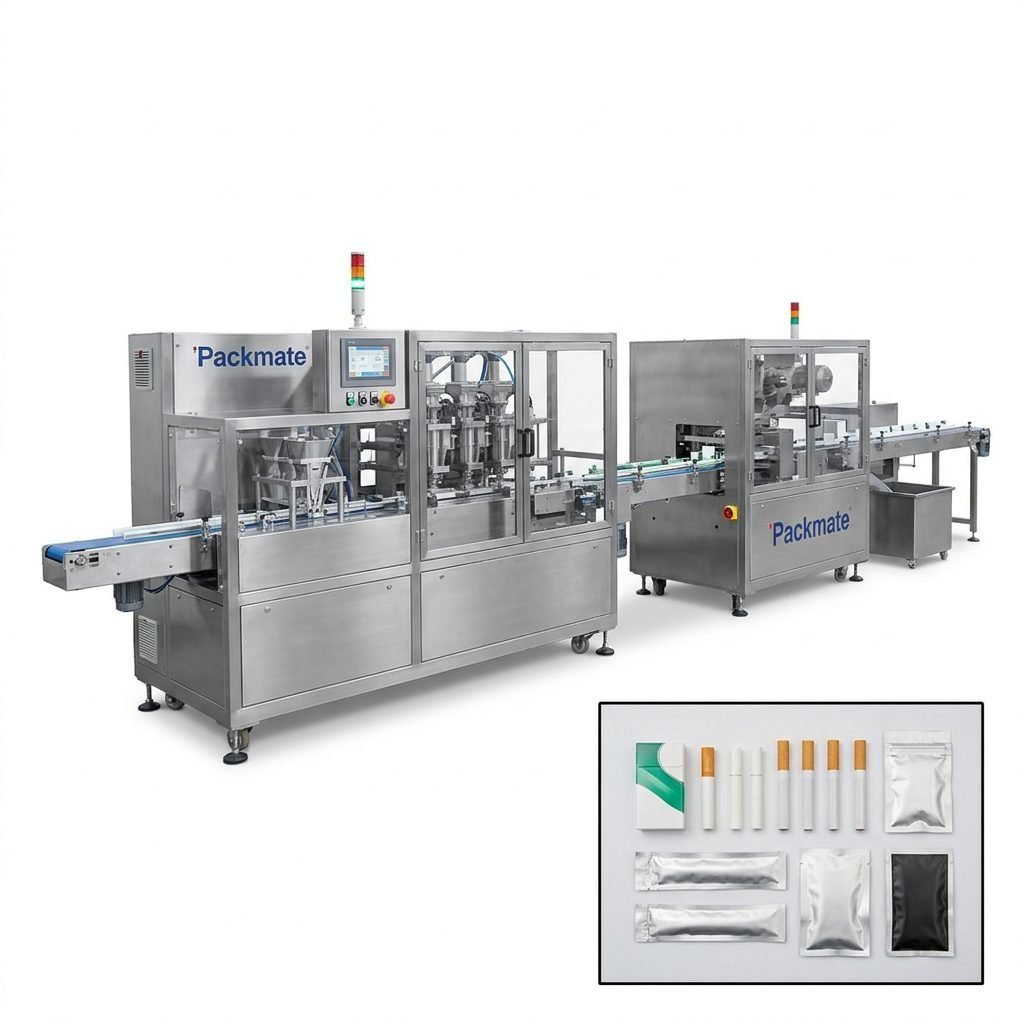
Choosing the right snus packaging machine for your European operation is more than a purchase—it’s a long-term production strategy. This guide walks you through the technical, operational, regulatory, and commercial considerations to help you select the best snus or nicotine pouch packaging equipment for speed, reliability, compliance, and cost-effectiveness.
Understand Your Product and Market Needs
Before evaluating machines, define the product you will package: snus tins, nicotine pouches, sachets, stick packs, or multi-lane micro-pouches. Product characteristics that influence machine choice include moisture content, powder fineness, fill weight tolerances, pouch size and shape, and whether you need single-dose sachets or multi-lane continuous packs.
Consider market demands in Europe: batch sizes, SKU variety, traceability, and regulatory labeling requirements. If you serve multiple markets with variable labeling rules, choose a machine with flexible printing and data integration capabilities.
Key questions to answer now
🔍 What are your daily and weekly production targets?
🔍 Do you need single-lane precision or high-speed multi-lane output?
🔍 Is product hygroscopic or abrasive, requiring special feeding or wear-resistant components?
Machine Types and When to Use Them
There are several machine families tailored to snus and nicotine pouches. Match the machine type to your product and business model:
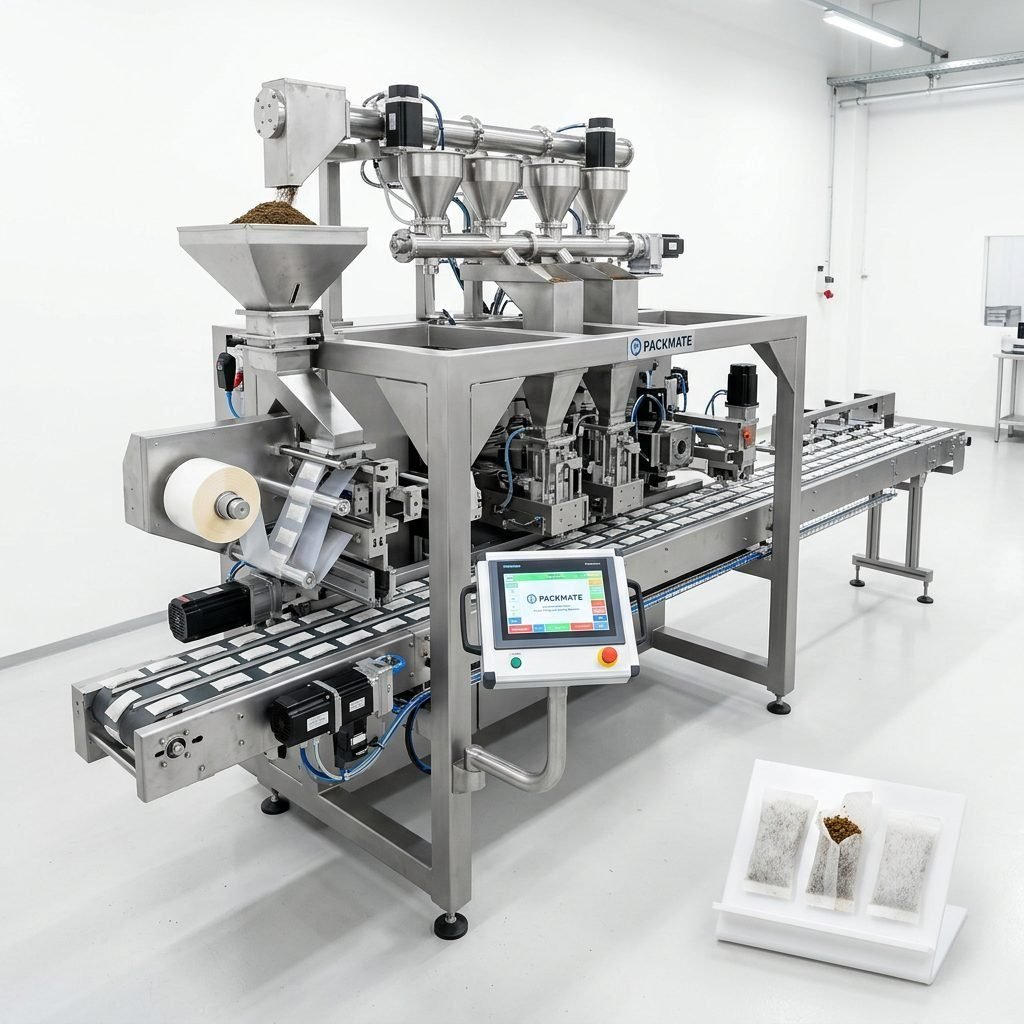
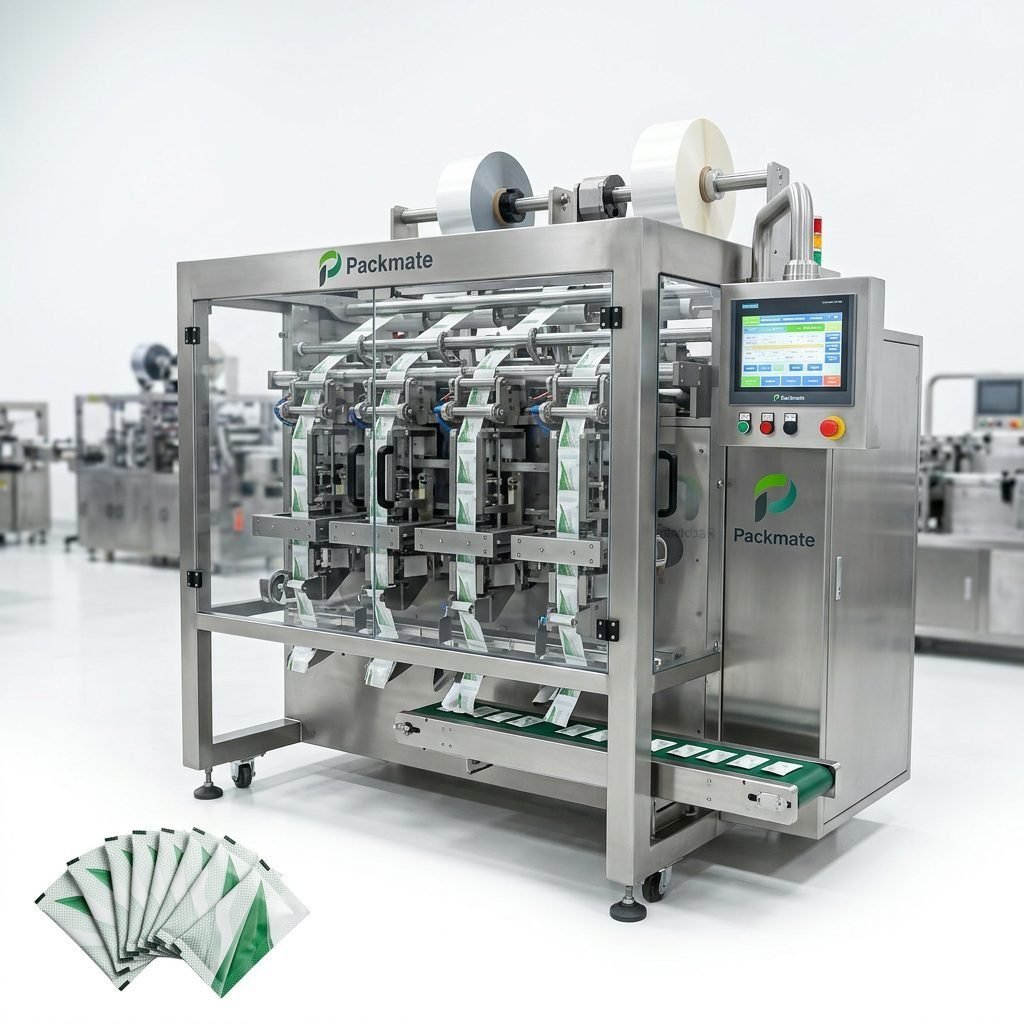
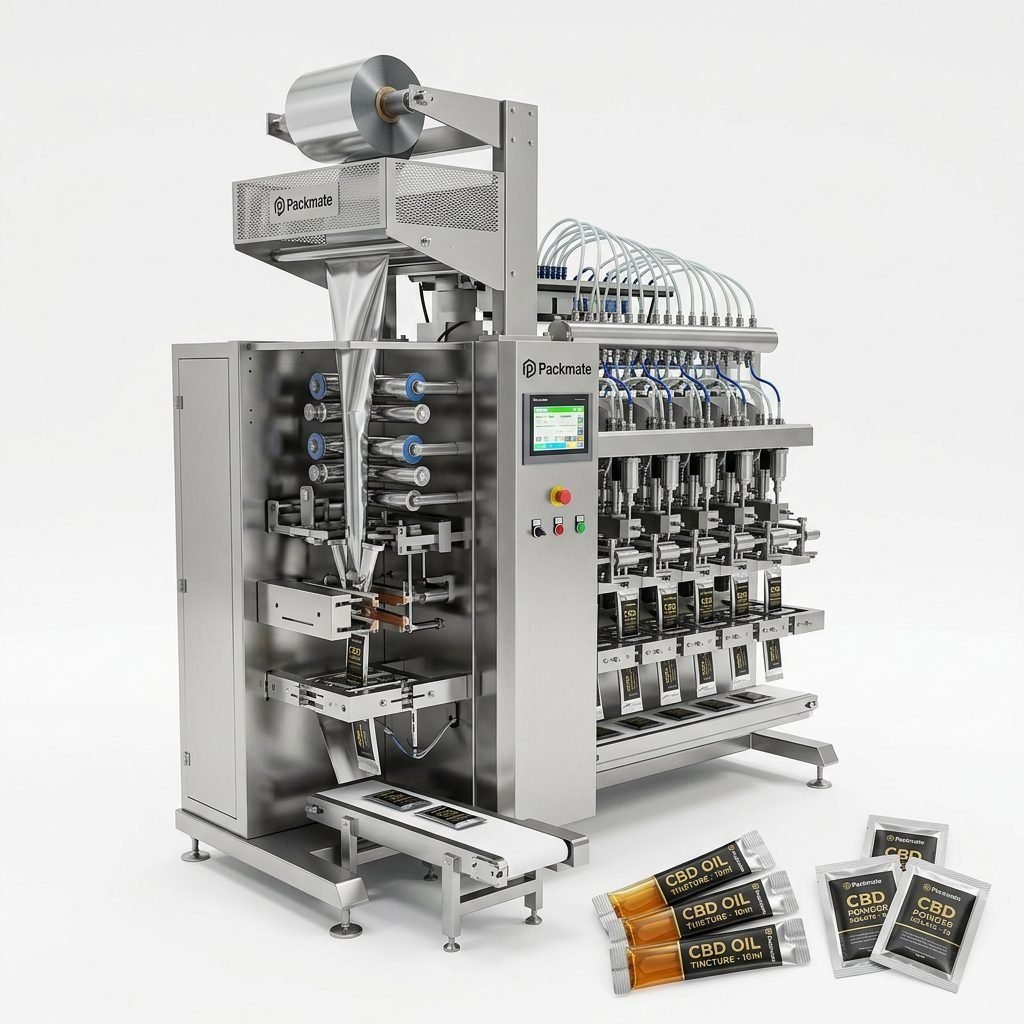
⚙️ Sachet & Stick Pack Machines — ideal for single-serve sticks and sachets. They excel at high-speed continuous sealing and are suitable for powdered or granular fillings. See real examples: Sachet & Stick Pack Machines.
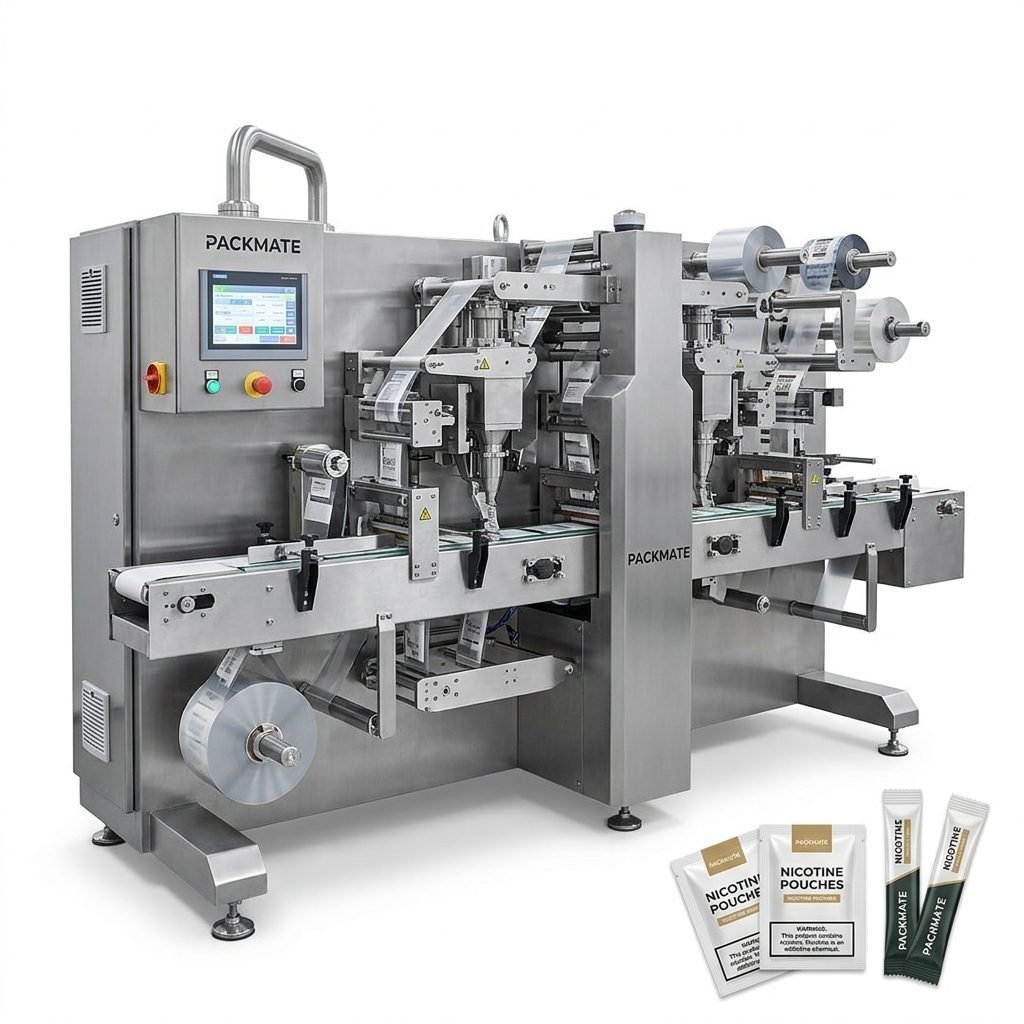
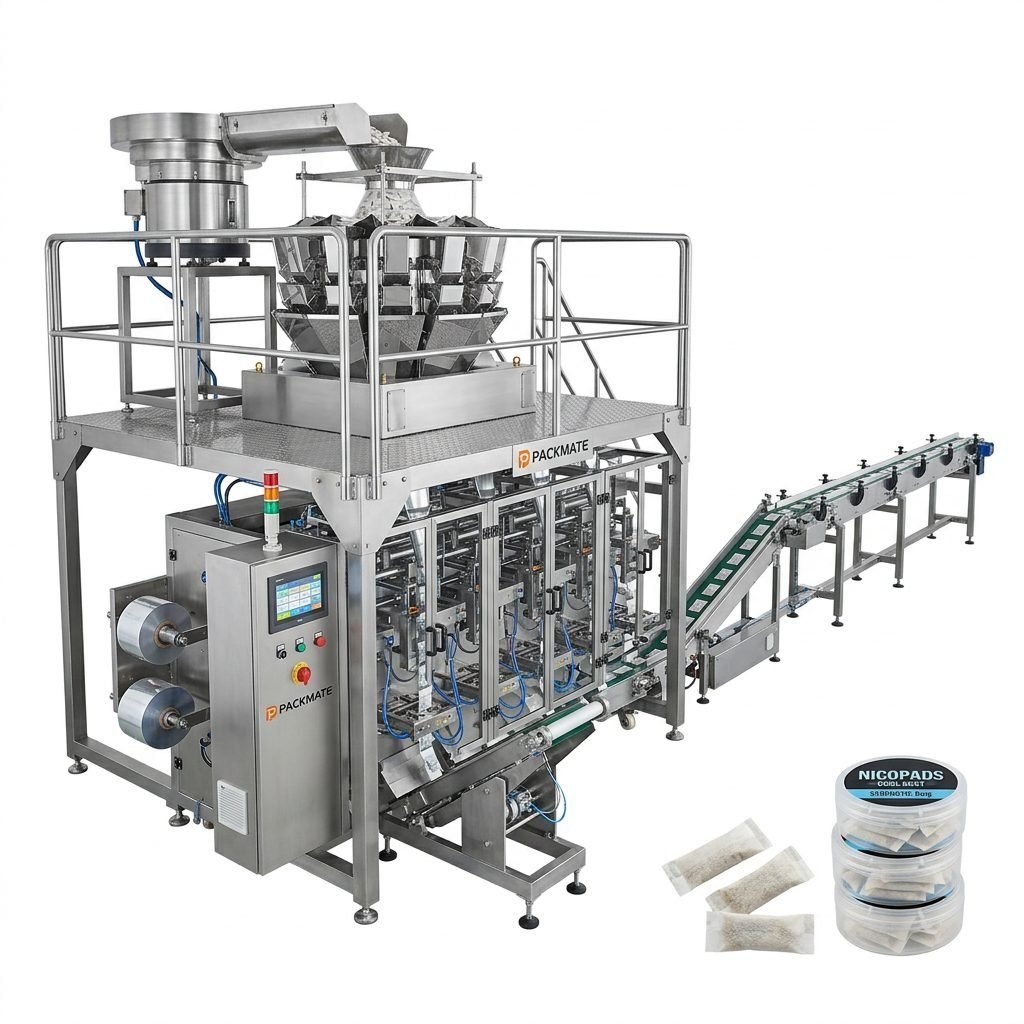
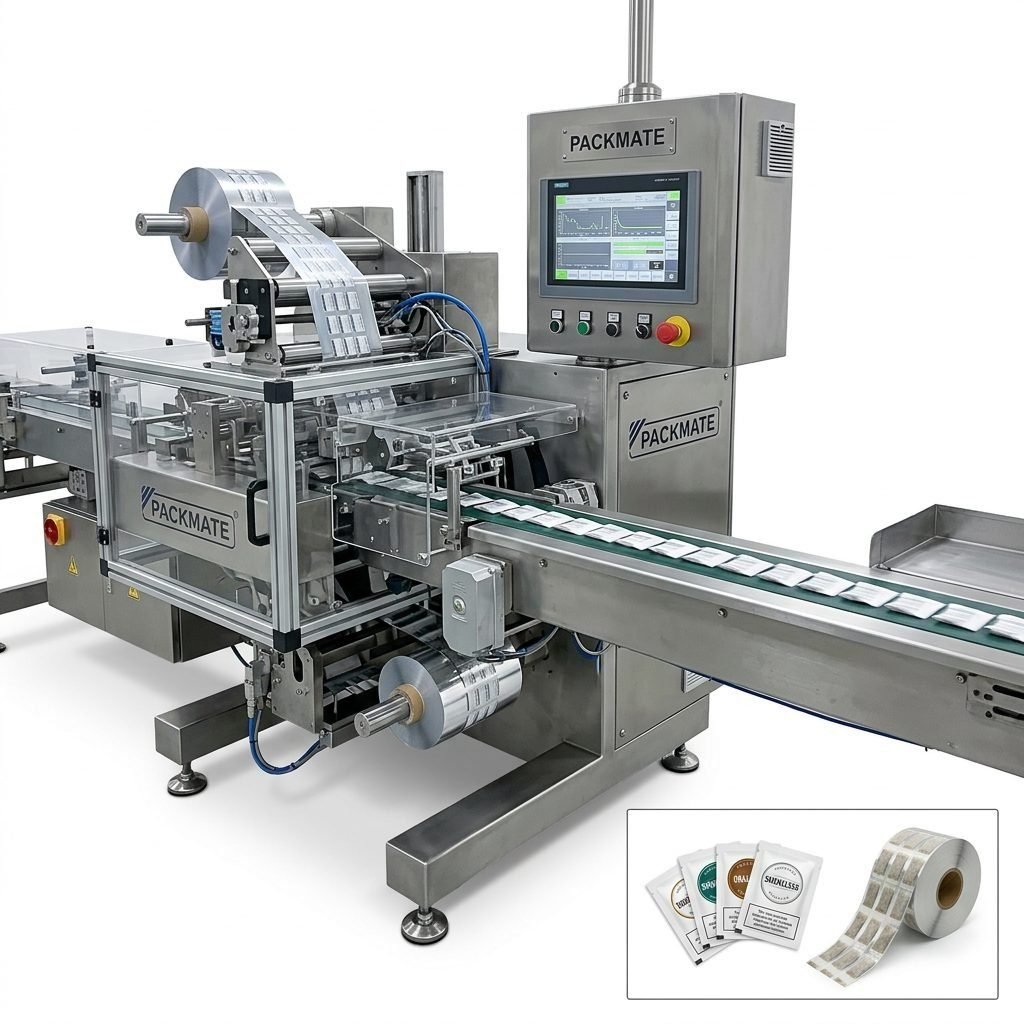
🧾 Snus & Nicotine Packaging Machines — specialized lines for portioned nicotine pouches and snus, often featuring multi-lane options for micro-pouch production. For dedicated snus lines, review models here: Snus & Nicotine Packaging Machines.
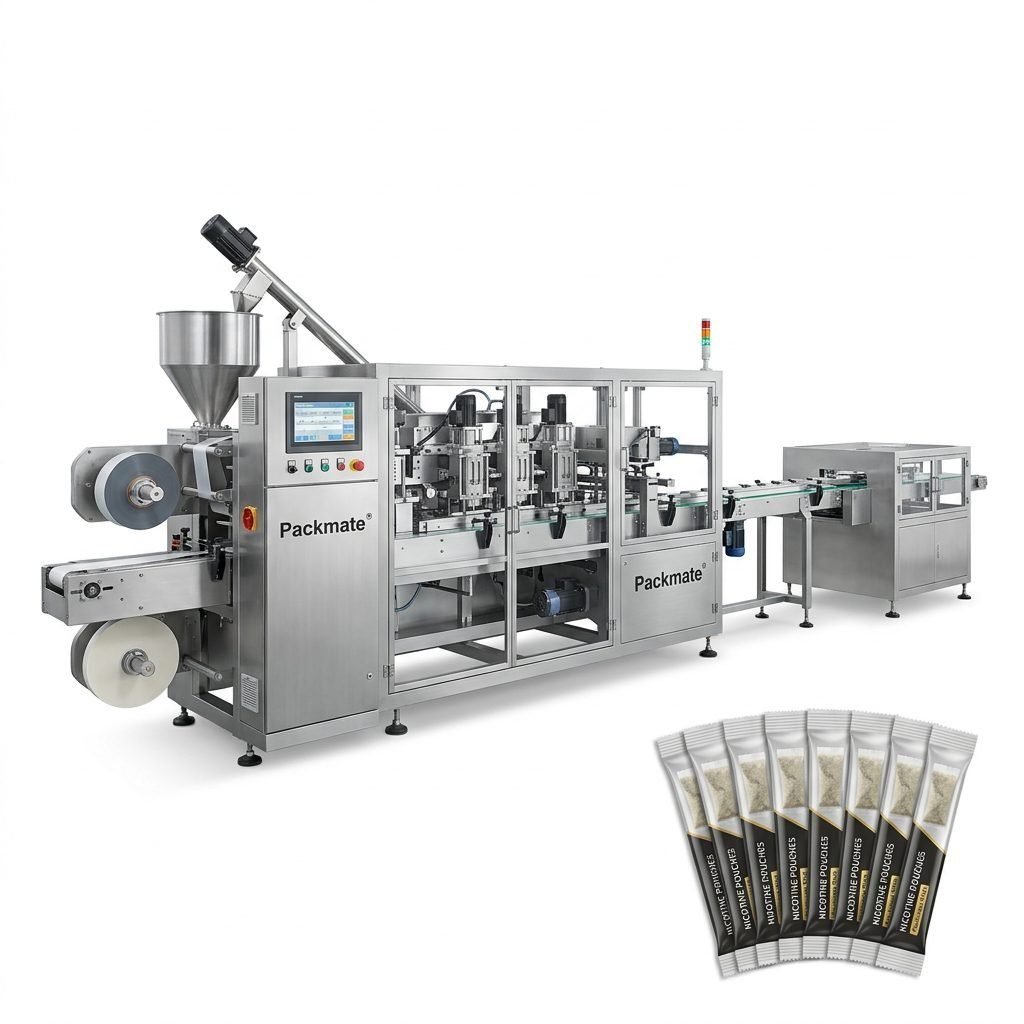
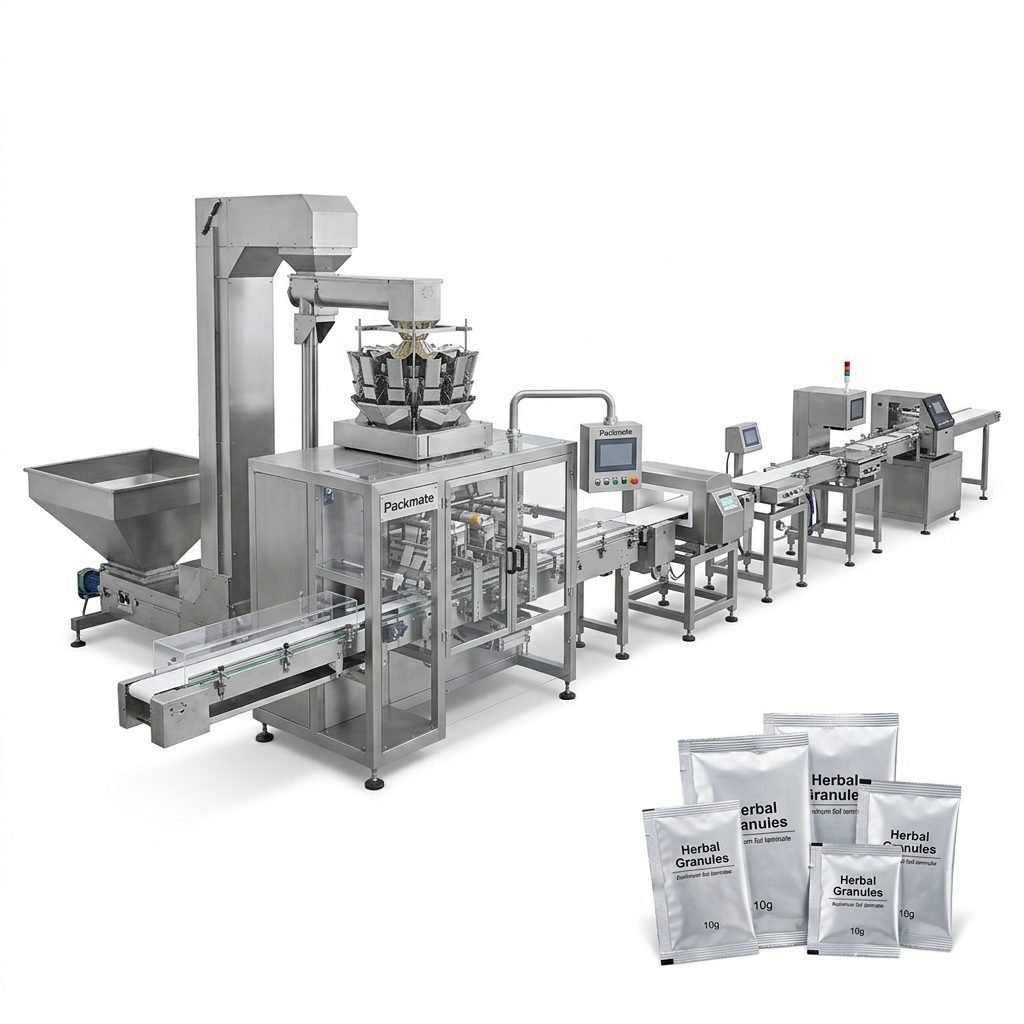
🔗 Full Filling & Packaging Lines — when you need integrated upstream dosing, weighing, and downstream case packing. These systems reduce manual handling and deliver turnkey production. Learn more: Filling & Packaging Lines.
Production Capacity, Speed and Scalability
Match machine throughput with realistic production forecasts. Machine speeds are often rated in pouches per minute or sachets per minute; however, effective output depends on changeover times, maintenance windows, and operator skill.
If your business is growth-focused, prioritize scalability: modular designs, multi-lane options, and the ability to add auxiliary equipment like automatic feeders, check-weighers, and case packers. A flexible system reduces future CAPEX when demand rises.
Practical throughput considerations
✅ Short runs and many SKUs: choose machines with fast, simple changeovers and recipe management.
✅ High-volume stable SKUs: invest in high-speed multi-lane systems with automated feeding.
Precision, Product Protection and Hygienic Design
Snus and nicotine pouch products demand precise fill weights and hygienic handling. Look for machines with gentle product transfer, quick clean-down features, and stainless-steel contact parts.
🧼 Hygiene & CIP readiness — choose equipment with sealed bearings, sloped surfaces for drainage, and easy access to contact components to meet stringent European standards.
Consider dust extraction or local exhaust ventilation for powder handling. Also verify that seals and cutting assemblies are replaceable and that the vendor provides spare parts and wear components.
Automation, Controls and Data Integration
Modern packaging lines require more than mechanical performance. PLC control, HMI recipe management, remote diagnostics, and integration with MES or ERP systems are essential for traceability and efficient operations.
Ask potential suppliers about: PID control accuracy, servo-driven motion for repeatable pouch handling, PLC brand and support, and available communication protocols (OPC-UA, Modbus, Ethernet/IP). The ability to log production data and print batch codes is a must for compliance and quality control.
Regulatory Compliance and Certification
European customers expect equipment that supports regulatory compliance. Machines should be designed per CE requirements and ideally built in factories with ISO quality systems. Confirm electrical panels, machine guarding, and safety interlocks meet local standards.
Packmate Snus Machine emphasizes compliance—review their certifications and factory practices to confirm quality and traceability before purchase. Additional documentation like FAT protocols, IQ/OQ/PQ packages and material certificates can simplify your validation process.
Service, Spare Parts and Local Support
Service capability often determines uptime. Choose a supplier with demonstrable European support, spare parts availability, and training programs. Remote service via VPN or built-in diagnostics can reduce downtime and expedite troubleshooting.
Check whether the vendor offers commissioning in-country, training for operators and maintenance staff, and long-term spare parts contracts. A reliable supplier will have a clear spare parts list and preventive maintenance schedule to protect your investment.
Questions to ask suppliers
⚠️ What is the typical lead time for critical spares?
⚠️ Do you provide service staff in Europe or remote commissioning?
⚠️ What warranties and SLAs are offered for installed machines?
Total Cost of Ownership (TCO) and ROI
Beyond the purchase price, calculate energy consumption, spare parts, downtime costs, changeover labor, and consumables (e.g., sealing jaws, belts, cutting blades). A slightly higher upfront investment in a high-efficiency, low-maintenance machine often yields a faster ROI.
📈 Calculate realistic ROI — factor in reduced scrap, lower labor costs through automation, and improved yield due to accurate dosing.
Factory Capabilities and Manufacturer Reputation
A supplier’s factory and engineering depth matter. Vendors with established manufacturing capability, advanced CNC centers, and long-term industry experience are more likely to deliver stable, well-engineered machines. Check references, site visits, and case studies.
Packmate Snus Machine, for example, has over 30 years of experience and a 20,000㎡ facility with precision assembly lines—attributes that support reliable machine supply and customization for niche snus applications. Explore their profile and case examples: About Packmate and Case.
Factory Acceptance Testing (FAT) and Site Acceptance Testing (SAT)
A thorough FAT reduces commissioning surprises. Insist on witnessed FATs, comprehensive run tests with your product or a close simulant, and documented performance criteria. After installation, SAT should confirm the line meets agreed KPIs under production conditions.
Ensure test protocols include run time, changeover times, product weight checks, seal integrity tests, and safety verification. Proper FAT/SAT protects both buyer and supplier and streamlines validation for regulatory purposes.
Customization and Future-Proofing
Your chosen supplier should support customization for product-specific features—special dosing heads, modified pouch shapes, or integrated in-line quality inspection. Discuss upgrade paths: can the line accept additional lanes, automatic palletizing, or vision inspection later?
Future-proofing, like modular machine frames and open communication protocols, allows you to evolve your line with minimal disruptions, keeping pace with market changes and regulatory updates.
Integration examples
🔗 Auto feeders and vibratory hoppers for reliable dosing.
🔗 Vision systems for pouch integrity and code verification.
🔗 In-line checkweighers and metal detectors for product safety.
How to Evaluate Suppliers: A Short Checklist
Use this checklist during supplier meetings and quotes:
✅ Experience with snus/nicotine pouch packaging and references in Europe
✅ Detailed equipment specs: speeds, tolerances, material contact surfaces
✅ Clear spare parts lists, lead times and support SLAs
✅ FAT/SAT procedures and acceptance criteria
✅ Compliance documentation: CE, ISO, and material certificates
Making the Final Decision
Balance technical capability, supplier reliability, total cost of ownership, and after-sales support. Get multiple quotes, compare apples-to-apples specifications, and request a demonstration with your product whenever possible. Consider a phased approach—start with a reliable single-lane machine or modular line that can expand to multi-lane as volumes grow.
If you need a full solution, explore integrated systems and complementary equipment such as weighing and packaging systems: Weighing & Packaging Systems and auxiliary equipment to maximize uptime: Auxiliary Packaging Equipment.
Conclusion: Practical Steps to Buy
1) Define product specs and required throughput. 2) Shortlist machine types and suppliers with snus experience. 3) Request FATs and site references. 4) Evaluate TCO and support infrastructure. 5) Negotiate warranties, spare parts, and training as part of the contract. A methodical approach minimizes risks and accelerates ROI.
Need help next?
For turnkey lines and multi-lane snus solutions, you can review detailed product ranges and download catalogs to match your needs: Catalog. To contact a specialist for a tailored quote or technical consultation, visit Contact Us.
Common Questions
Q1: How long does it take to commission a snus packaging line in Europe?
A1: Commissioning varies with complexity; single machines can be commissioned within days after delivery and utility hookup, while integrated lines with FAT/SAT may take several weeks including validation and staff training.
Q2: What certifications should I expect from a reputable manufacturer?
A2: At a minimum, expect CE marking and ISO-quality manufacturing processes. Additional documentation like material certificates, FAT reports, and compliance declarations for electrical and safety components are standard.
Q3: Are multi-lane snus machines worth the cost for small companies?
A3: Multi-lane machines increase throughput and reduce per-unit labor costs but involve higher upfront investment. For growing businesses with predictable demand increases, they can deliver a faster ROI compared to multiple single-lane units.
Q4: How do I handle spare parts and maintenance planning?
A4: Establish a spare parts contract with lead times and recommended stock levels. Regular preventive maintenance and scheduled downtime help avoid unplanned production stops. Ask suppliers for a preventive maintenance plan and common wear item lists.
Q5: Where can I see real machine demonstrations before buying?
A5: Many manufacturers host demonstrations during trade shows or at their factory open days. Packmate participates in global exhibitions and offers live demos—check Our Exhibition to find upcoming events.