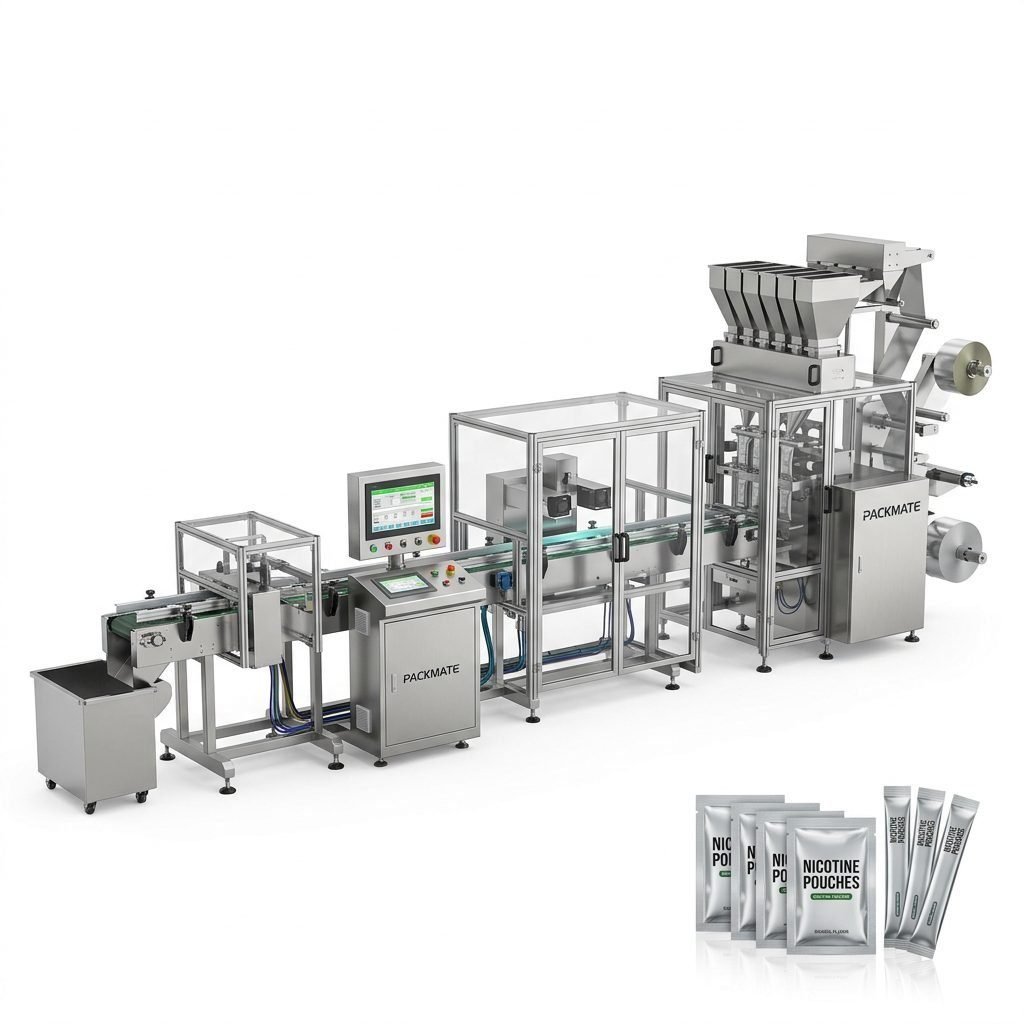
Choosing the right nicotine packaging machinery supplier in North America can be the difference between a production line that consistently meets regulatory requirements and product quality expectations, and one that causes costly downtime or compliance risks. This guide walks you through practical selection criteria, North American market considerations, technical checkpoints, and negotiation tips so your business can select a partner that delivers performance, support, and long-term value.
Why the supplier choice matters
In the nicotine pouch and snus market, packaging machinery does more than fill and seal — it protects product integrity, supports branding, and helps ensure regulatory compliance. A high-quality supplier can provide machines that run reliably at high throughput, reduce waste, and simplify changeovers for multiple SKUs. Conversely, choosing an underqualified vendor can cost you in repairs, lost production days, and potential non-compliance with local laws.
Key North American considerations
North American buyers — especially in the United States and Canada — face a unique mix of regulatory scrutiny, consumer trends, and distribution dynamics. Consider these regional factors when evaluating suppliers:
- Regulatory oversight (e.g., FDA reviews in the U.S.) means traceability and documentation are essential.
- Sustainability and recyclable materials are increasingly demanded by retailers and consumers.
- Multi-lingual markets (English and Spanish in the U.S.; English and French in parts of Canada) influence labeling and packaging design.
- Retail packaging expectations vary: some channels want premium branding, others prefer child-resistant features.
🔍 Tip:
Suppliers that already export to North America or have local partners will be familiar with documentation and technical support expectations — a major advantage.
Essential technical capabilities to verify
Your supplier should demonstrate core technical strengths across machine design, control systems, and production integration. Look for:
- High-precision filling and dosing — essential for consistent nicotine pouch weight and regulatory compliance.
- Multi-lane and high-speed options for scale-up without multiplying machinery footprint.
- Servo-driven motion and PLC controls for fast changeovers and recipe management.
- Easy-to-use HMI with recipe storage to reduce operator error and training time.
- Sanitary and durable construction for long-term reliability under continuous use.
Certifications, testing, and quality systems
Reputable suppliers provide evidence of quality control and international compliance. Inquire about:
- CE, ISO quality management systems, and machine safety documentation.
- Factory acceptance testing (FAT) procedures and video reports before shipment.
- Traceable parts testing and CNC machining standards used in the facility.
📌 Essential:
Ask for FAT videos and references from customers with similar products and line speeds.
Range of machine models and customization
Suppliers that offer a broad model portfolio and custom engineering are more likely to support your long-term product roadmap. Key checks:
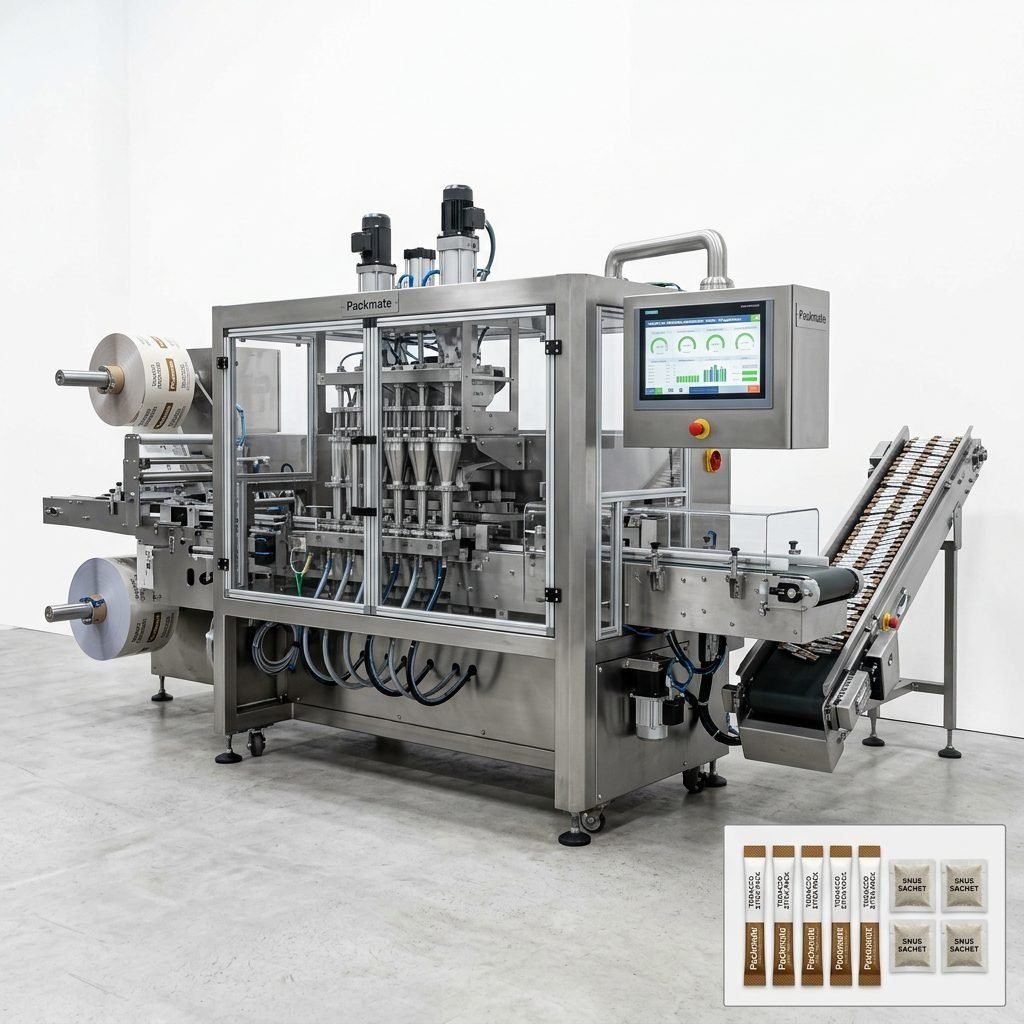
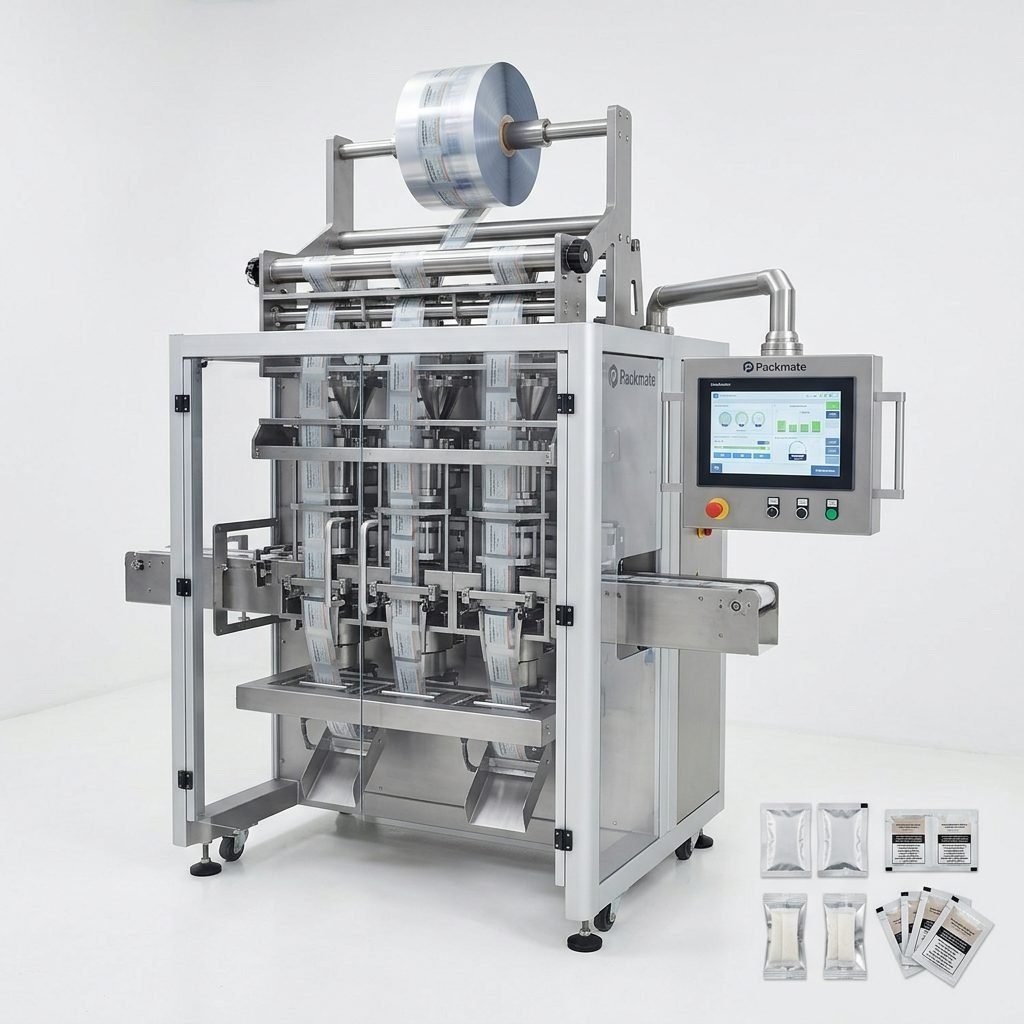
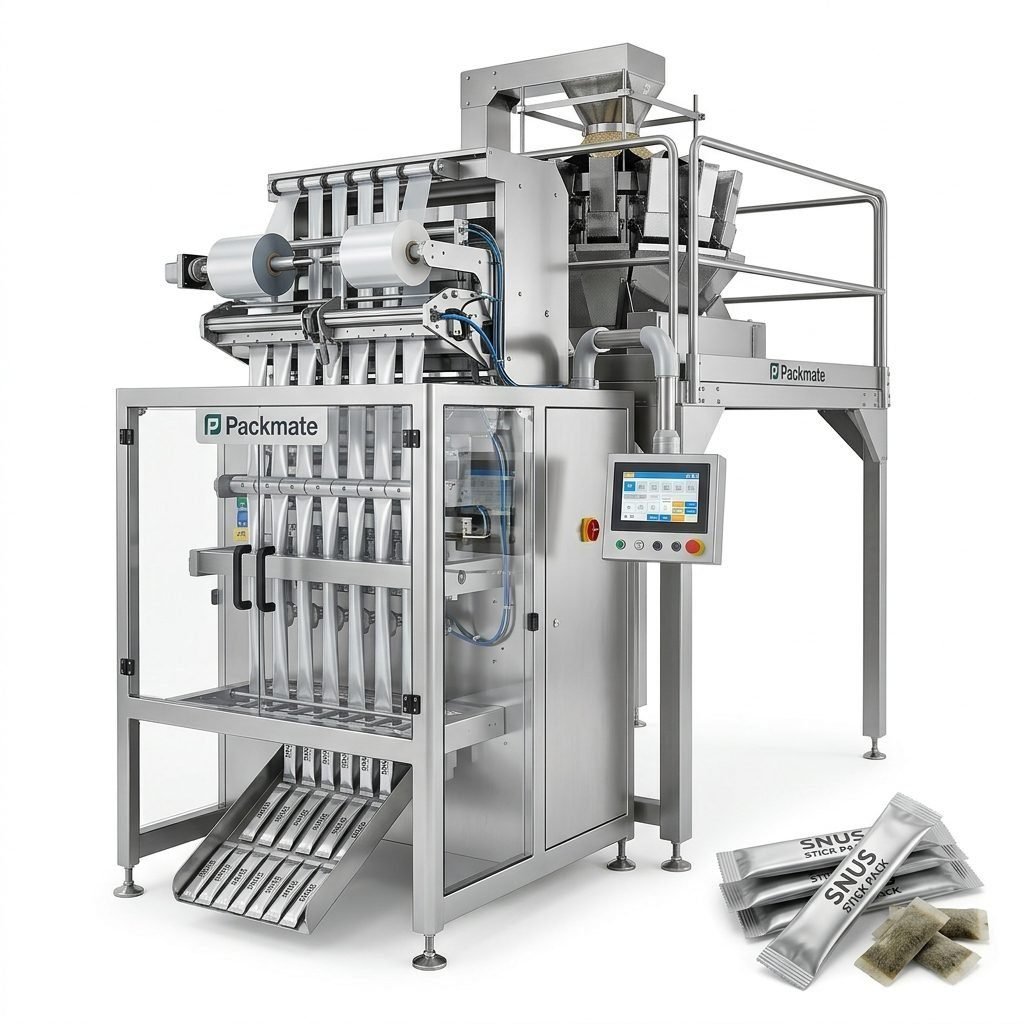
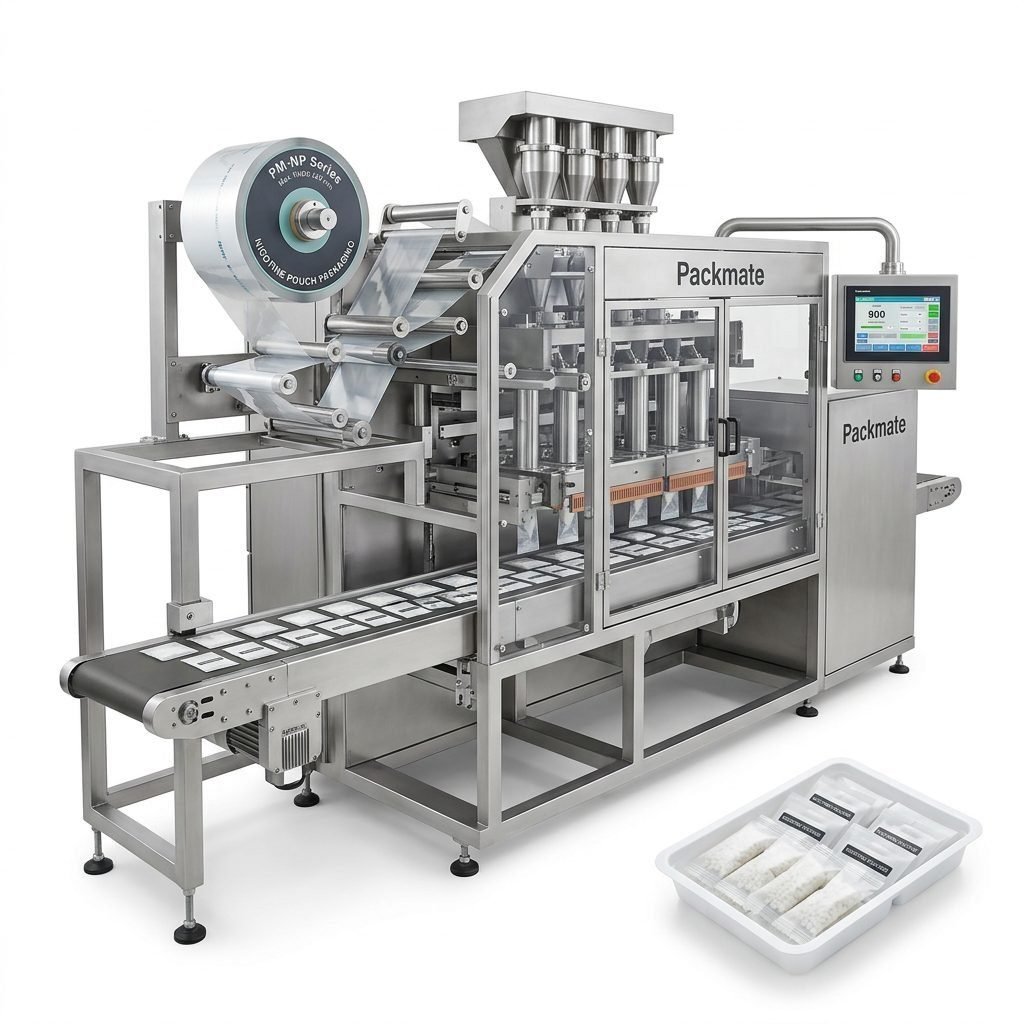
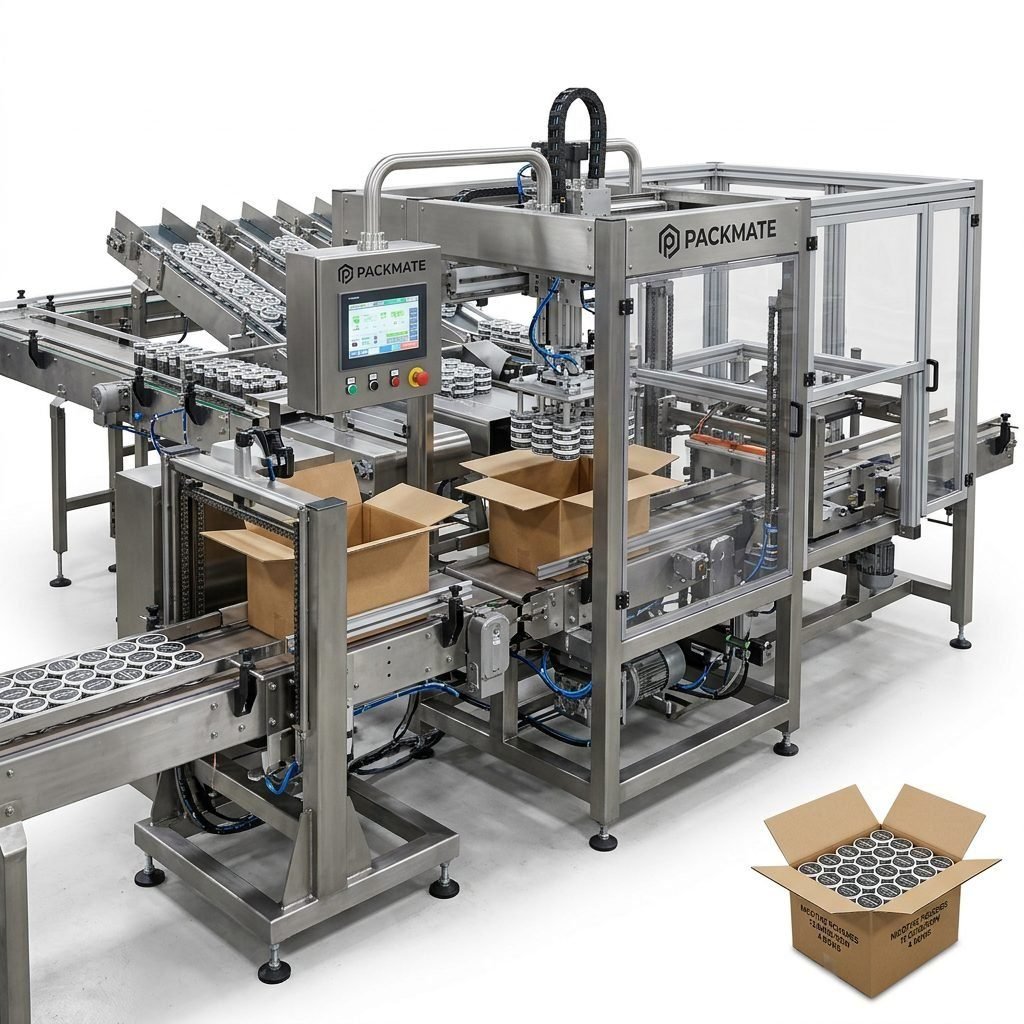
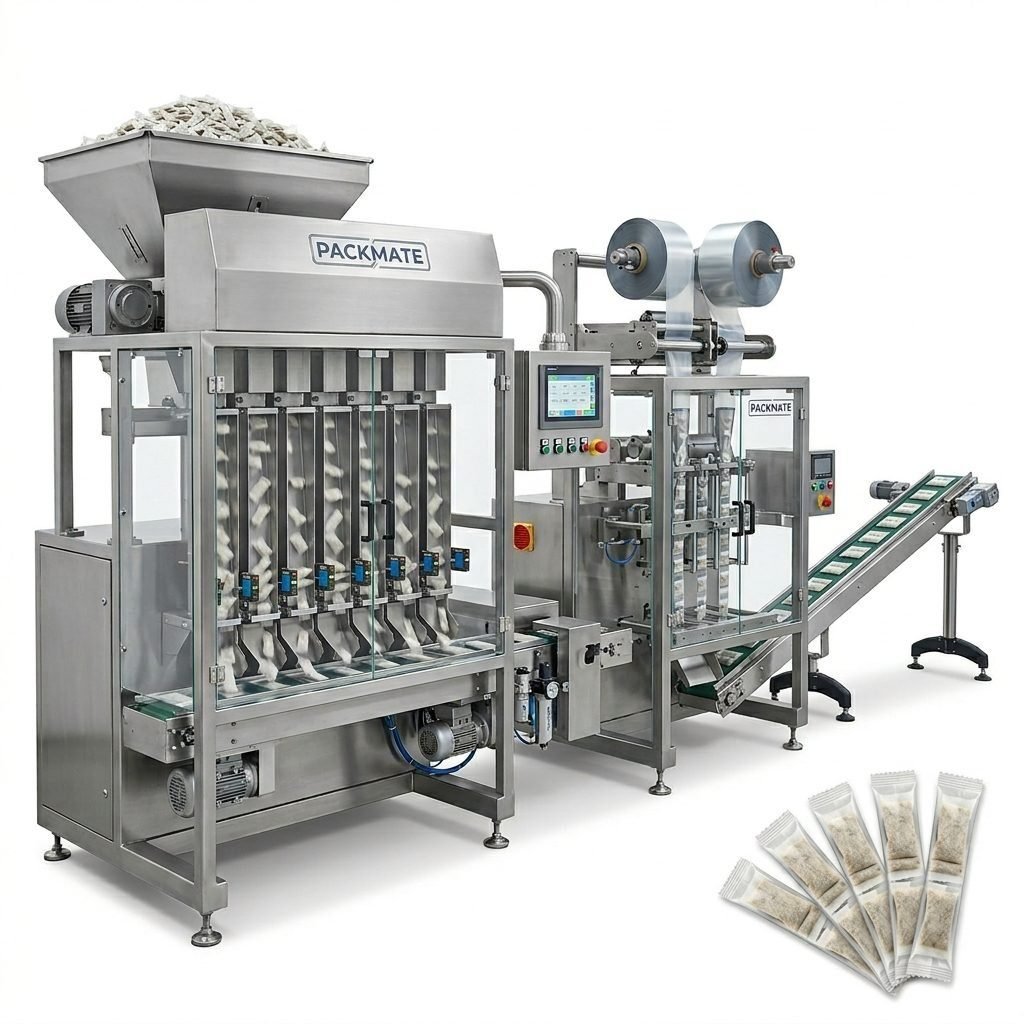
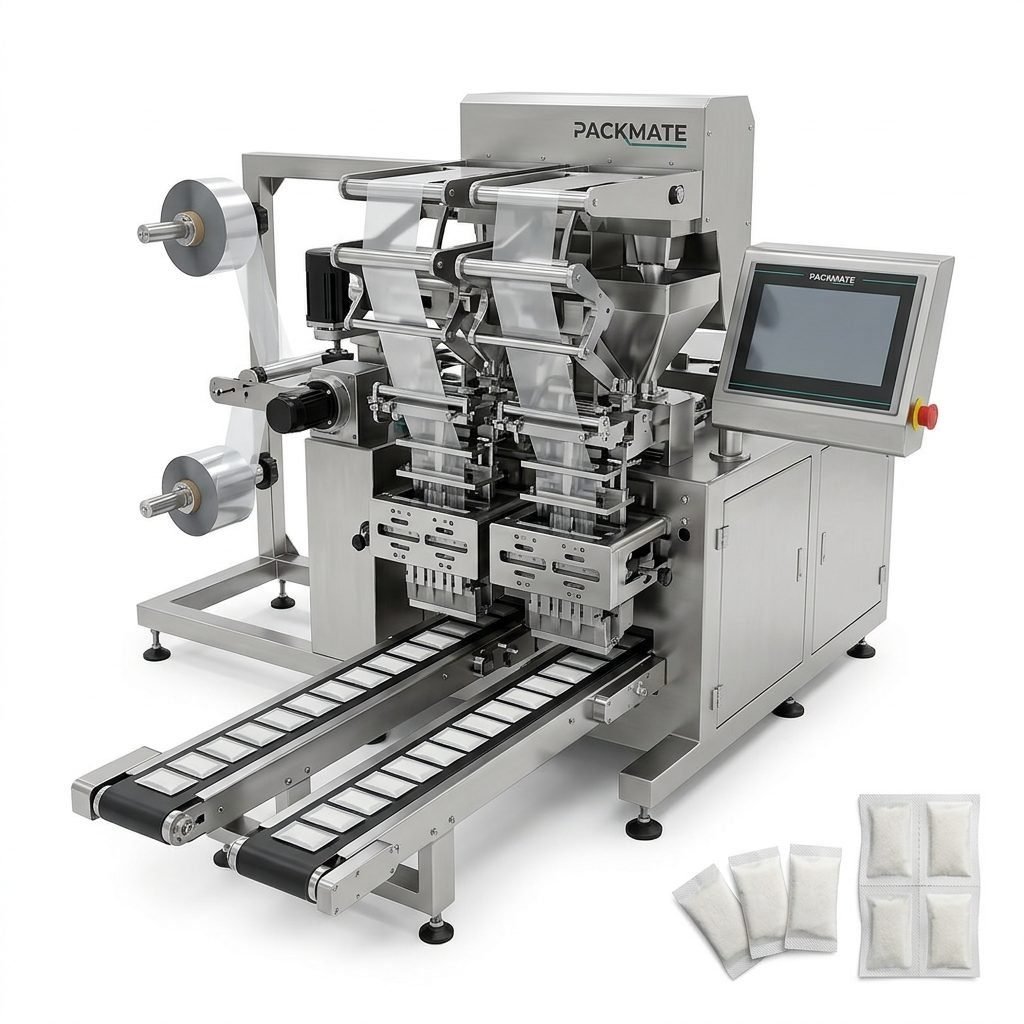
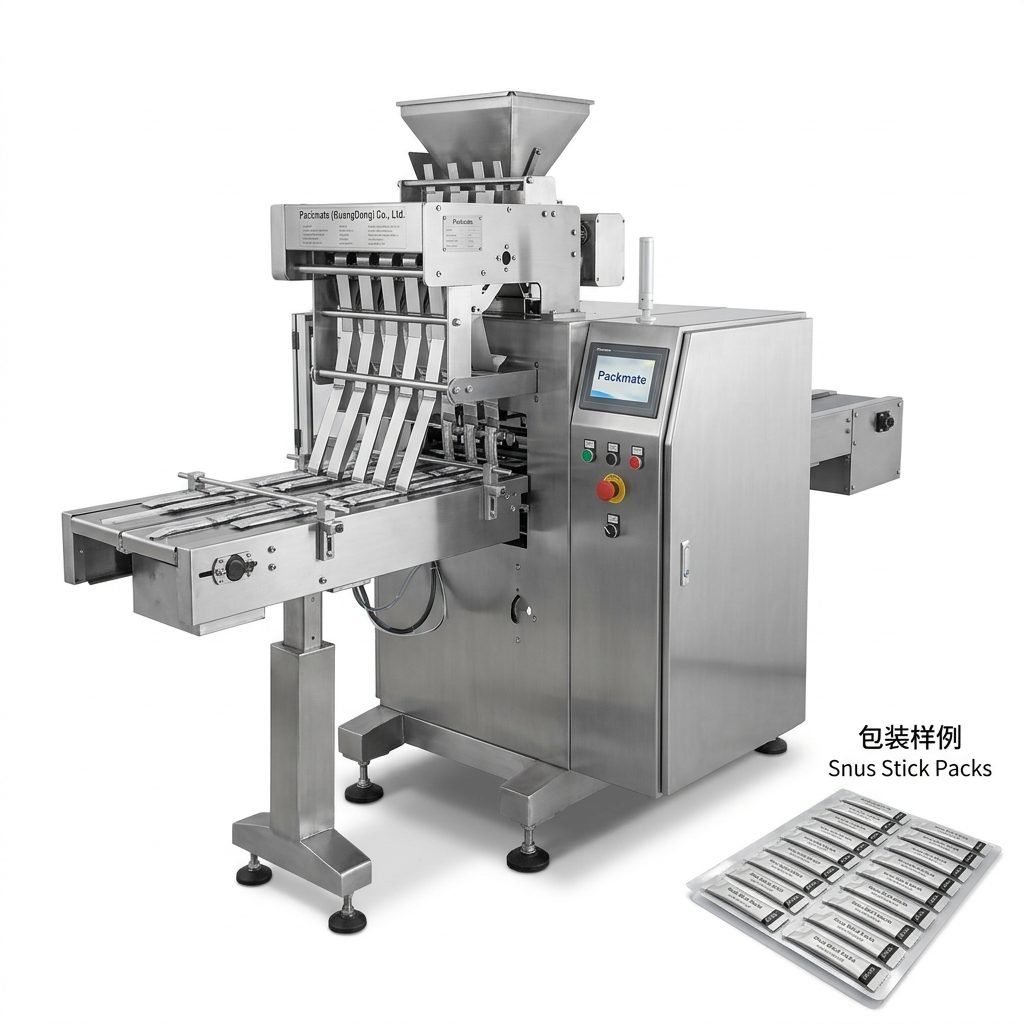
- Multiple machine types: sachet, stick pack, multi-lane snus/nicotine pouch systems, and peripheral equipment.
- Modular designs for quick upgrades as production needs change.
- Ability to design unique end-of-line packaging (e.g., cartons, reclosable pouches).
Explore machine examples and specifications directly: Snus & Nicotine Packaging Machines and Bag & Pouch Packaging Machines are useful starting points when comparing capabilities.
Turnkey solutions and integration services
For many buyers, a single trusted supplier providing a full line — filling, packaging, weighing systems, and auxiliary equipment — reduces integration headaches and warranty disputes. Look for suppliers that can deliver:
- Complete production lines with synchronized controls.
- Local installation support or detailed remote commissioning plans.
- Training programs for operators and maintenance staff.
Evaluating support, spare parts, and spare-machine strategy
Fast, competent support is critical for uptime. When vetting suppliers, confirm:
- Availability of spare parts and typical lead times to North America.
- Remote troubleshooting capabilities via secure VPN and clear escalation procedures.
- Field service agreements and options for local technicians.
⚠️ Warning:
Low initial machine cost may lead to higher lifetime expense if spare parts and service are delayed or priced highly.
Factory capability and transparency
A supplier’s manufacturing capacity and test protocols directly affect delivery reliability. Verify:
- Factory size and machining capabilities (e.g., CNC centers, assembly lines).
- Quality testing stations and calibration routines for weighing systems.
- Willingness to share production timelines and provide on-site visits or virtual factory tours.
Packmate Snus Machine highlights these strengths: decades of engineering, a 20,000㎡ manufacturing facility, advanced CNC machining, and a variety of machine models. Learn more about the company background and capabilities at About Packmate.
Regulatory compliance and documentation
North American regulators expect documentation and traceability. Ask your supplier for:
- Electrical and safety schematics that meet local codes.
- Material certificates for contact parts and cleaning instructions.
- Batch records and integration options with your ERP for traceability.
Commercial terms, warranties, and delivery
Price is only part of the purchase decision. Negotiate commercial terms that protect your operations:
- Clear warranties (mechanical and electrical) and defined response times for service calls.
- Payment milestones matched to delivery and FAT completion.
- Detailed packing and shipping plans that address customs clearance and inland transport in North America.
✅ Checklist:
Ensure FAT is a contract milestone and that the machine will be tested with your product or a close simulant.
References, case studies, and exhibitions
References and case studies reveal how a supplier performs in the field. Look for:
- Case studies from customers producing nicotine pouches or similar products.
- Exhibition participation and live demos — these show confidence and transparency.
- Customer feedback on long-term reliability and spare-part availability.
See real-world examples at Case and find exhibition engagements at Our Exhibition.
Cultural and market fit — packaging aesthetics & consumer expectations
Packaging trends in North America lean toward minimal, premium designs and sustainable materials. Consider:
- Tamper-evident and child-resistant features for retail acceptance.
- Materials that support recycling targets and retailer programs.
- Flexible packaging solutions for on-the-go consumers and single-dose convenience.
Practical steps to finalize a supplier
Follow this sequence to make an informed selection:
- Create a technical request (RFP) that includes product specs, expected throughput, and regulatory requirements.
- Shortlist suppliers based on portfolio, references, and proximity to service partners.
- Request FAT with your product or an agreed test material and obtain video evidence.
- Negotiate warranty, spare parts, and clear delivery milestones tied to FAT sign-off.
- Plan installation, commissioning, and operator training before shipment.
When you’re ready to contact a proven supplier, you can start a conversation and request detailed quotes via Contact Us. If you want full-line capabilities including weighing and packing lines, review options under Weighing & Packaging Systems and Filling & Packaging Lines.
🔧 Final reminder:
Perform a documented risk assessment and include spare-part kits in your first order to minimize startup interruptions.
Negotiation and procurement tips
Be clear on lifecycle costs, not just purchase price. Negotiate:
- Spare parts discount tiers and lead times.
- Training packages and documented maintenance schedules.
- Options for future upgrades and software licensing terms.
Conclusion
Selecting the best nicotine packaging machinery supplier in North America requires balancing technical capability, regulatory understanding, and reliable local support. Prioritize suppliers with proven machine families, clear documentation, FAT processes, and strong after-sales service. Doing so ensures your production lines run reliably, comply with local rules, and respond to evolving market preferences.
Frequently Asked Questions
Q1: What certifications should a packaging machine have for North American use?
Machines should comply with international safety standards (CE as a baseline), and suppliers should provide electrical and safety documentation aligned with local codes. For nicotine products, ensure the supplier can support traceability and documentation needed for FDA or local agency reviews.
Q2: How important is FAT before shipment?
FAT is crucial. It validates machine performance with your product or a close simulant, reduces surprises at installation, and acts as a contractual milestone for payment and acceptance.
Q3: What lead times should I expect?
Lead times vary by complexity and customization. Standard models may ship faster, while full turnkey lines require longer planning, FAT, and shipping. Confirm milestones and include buffer time for customs clearance in North America.
Q4: How can I minimize downtime during installation?
Order spare-part kits, schedule operator training before installation, and arrange for remote commissioning support. A supplier that provides clear mechanical and electrical drawings will speed on-site work.
Q5: Where can I view examples and request quotes?
Review product ranges and request quotes through published product pages and the company contact portal — for example, check Snus & Nicotine Packaging Machines and reach out via Contact Us.