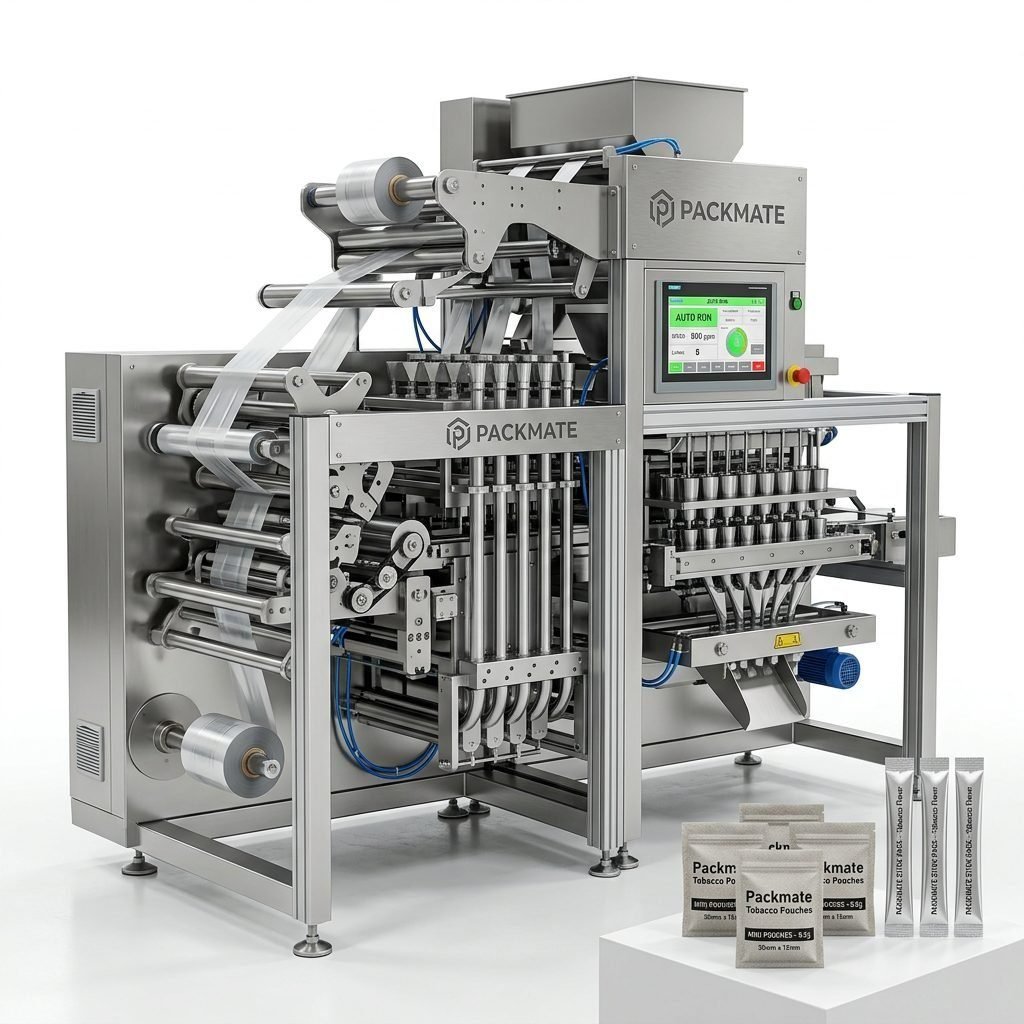
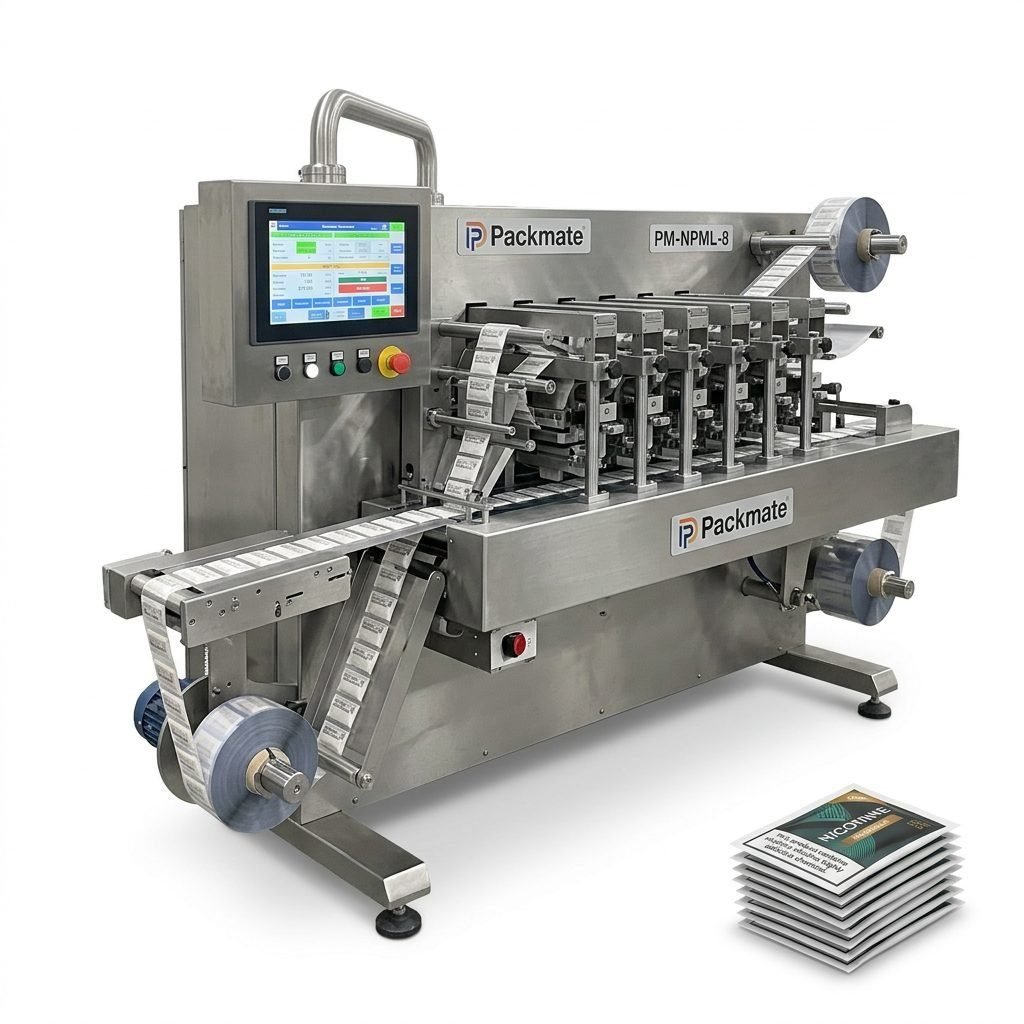
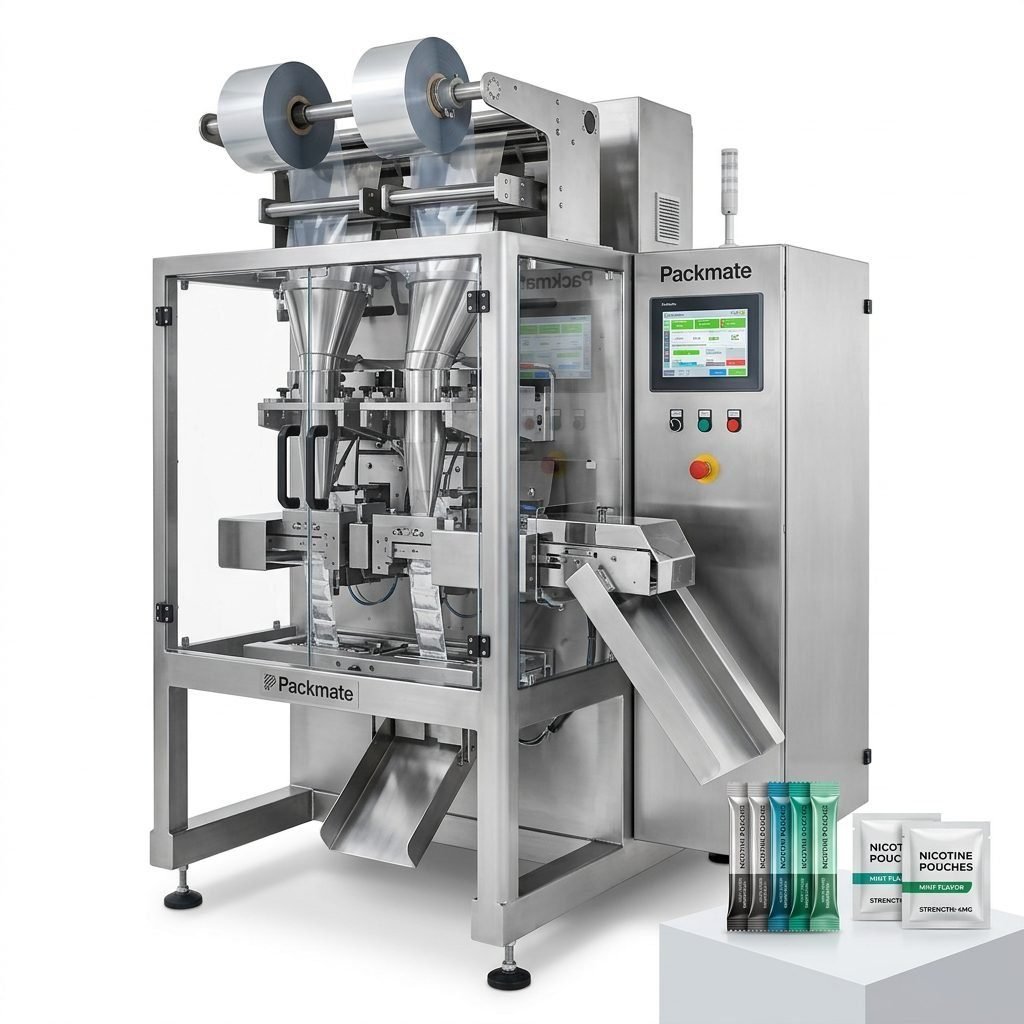
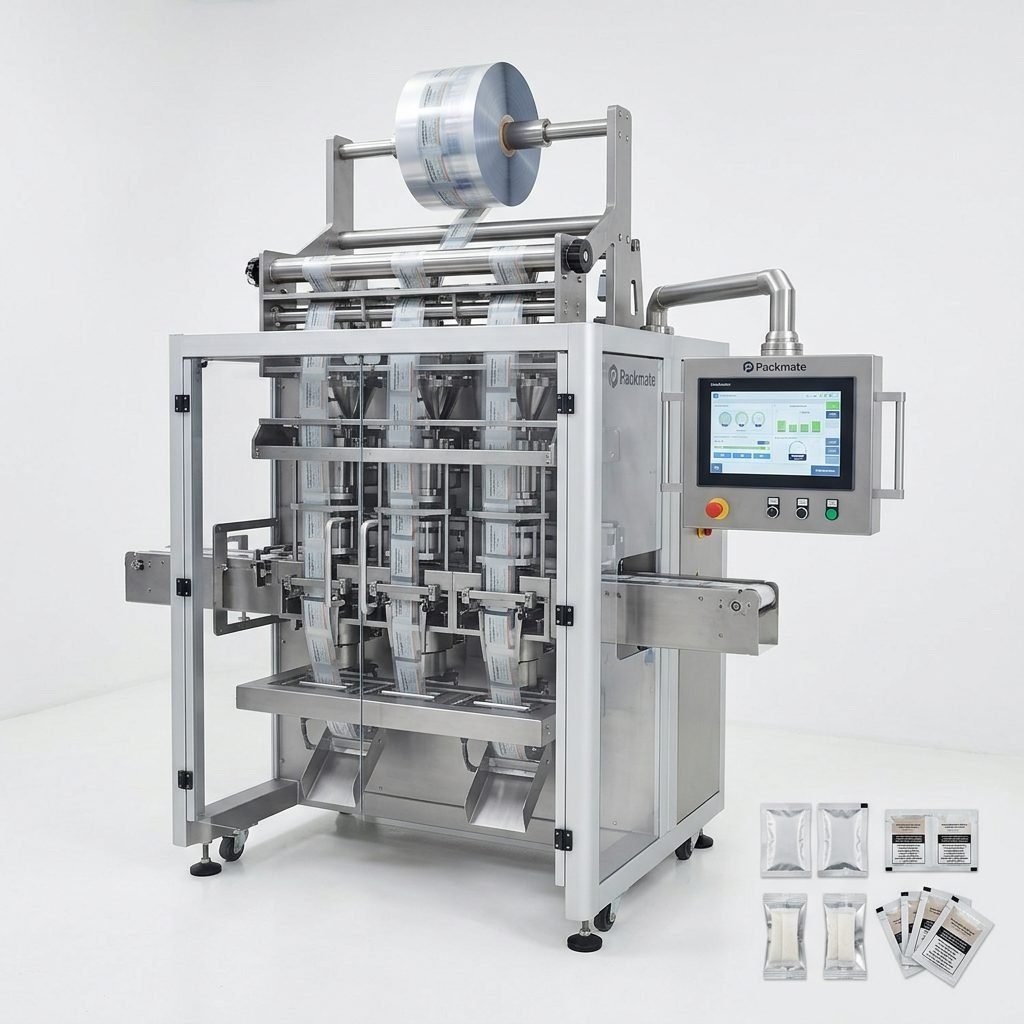
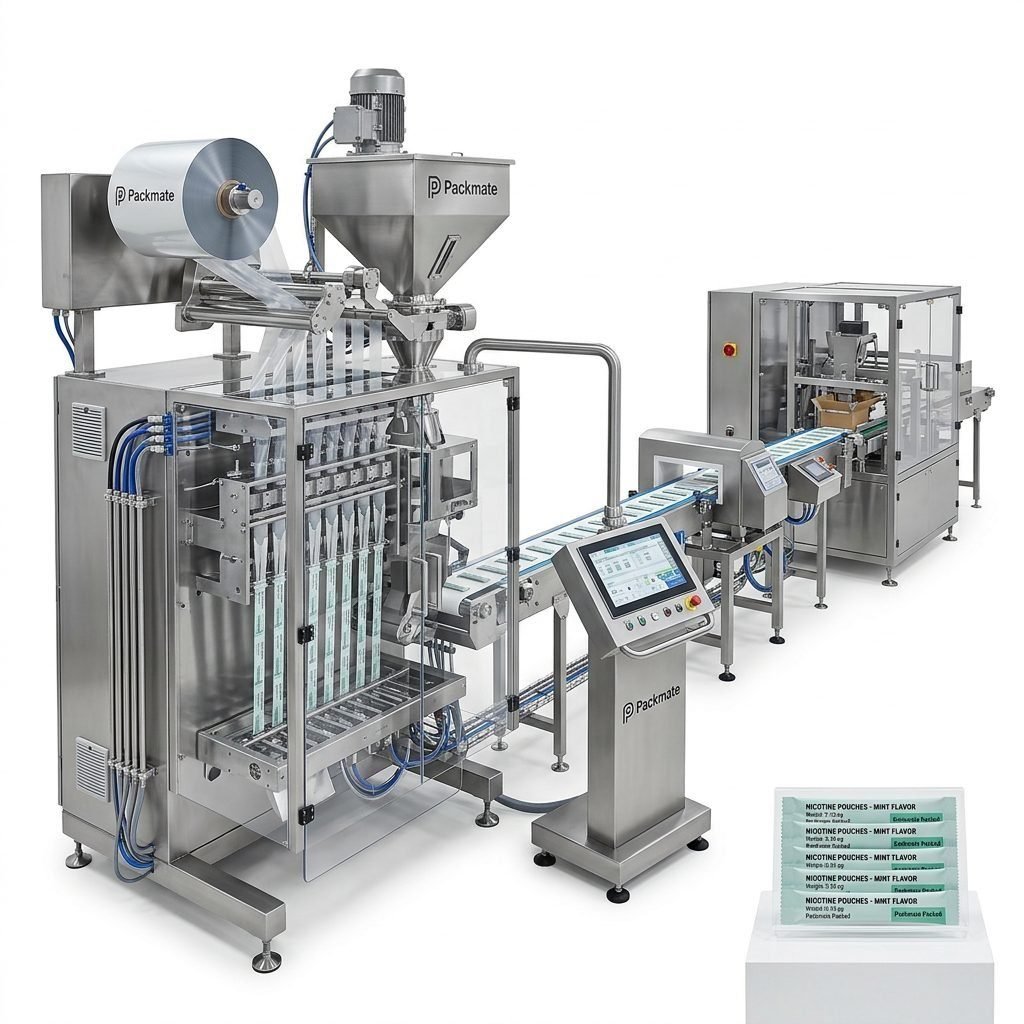
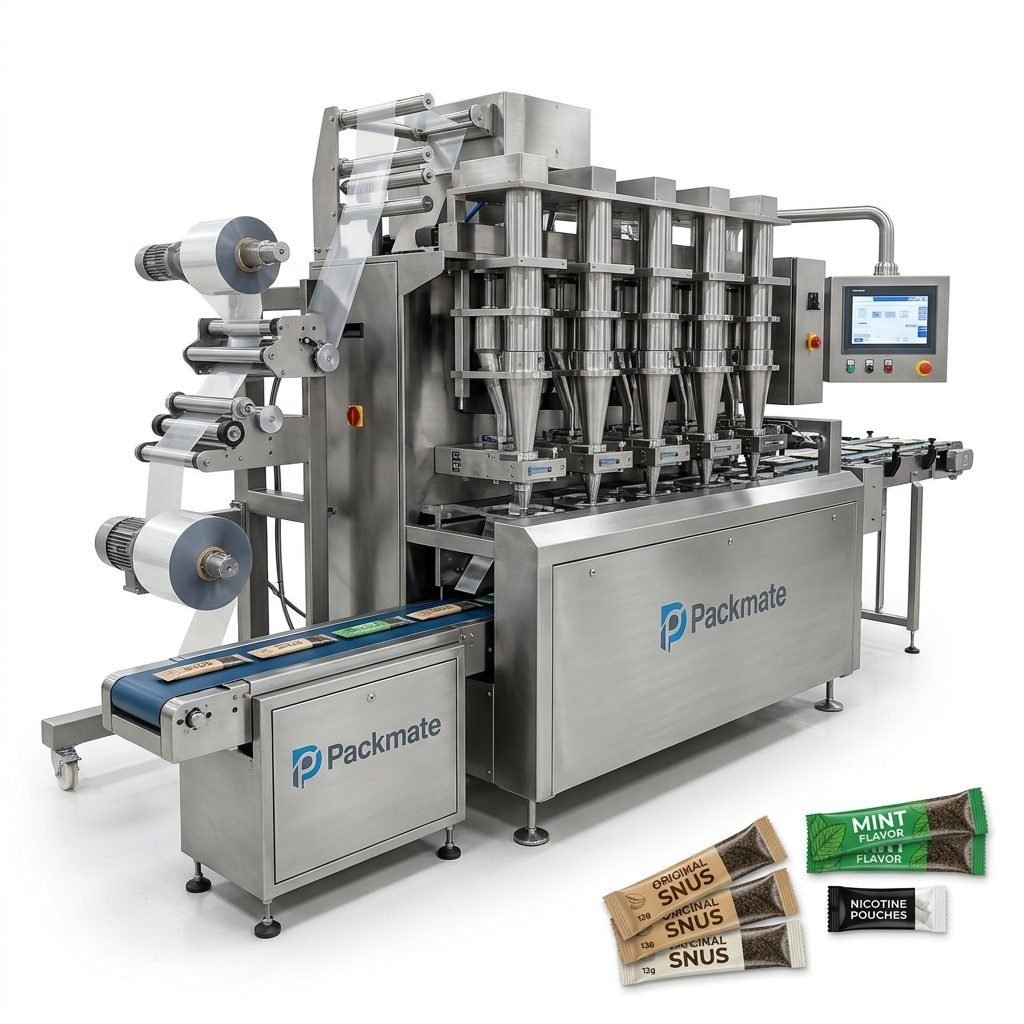
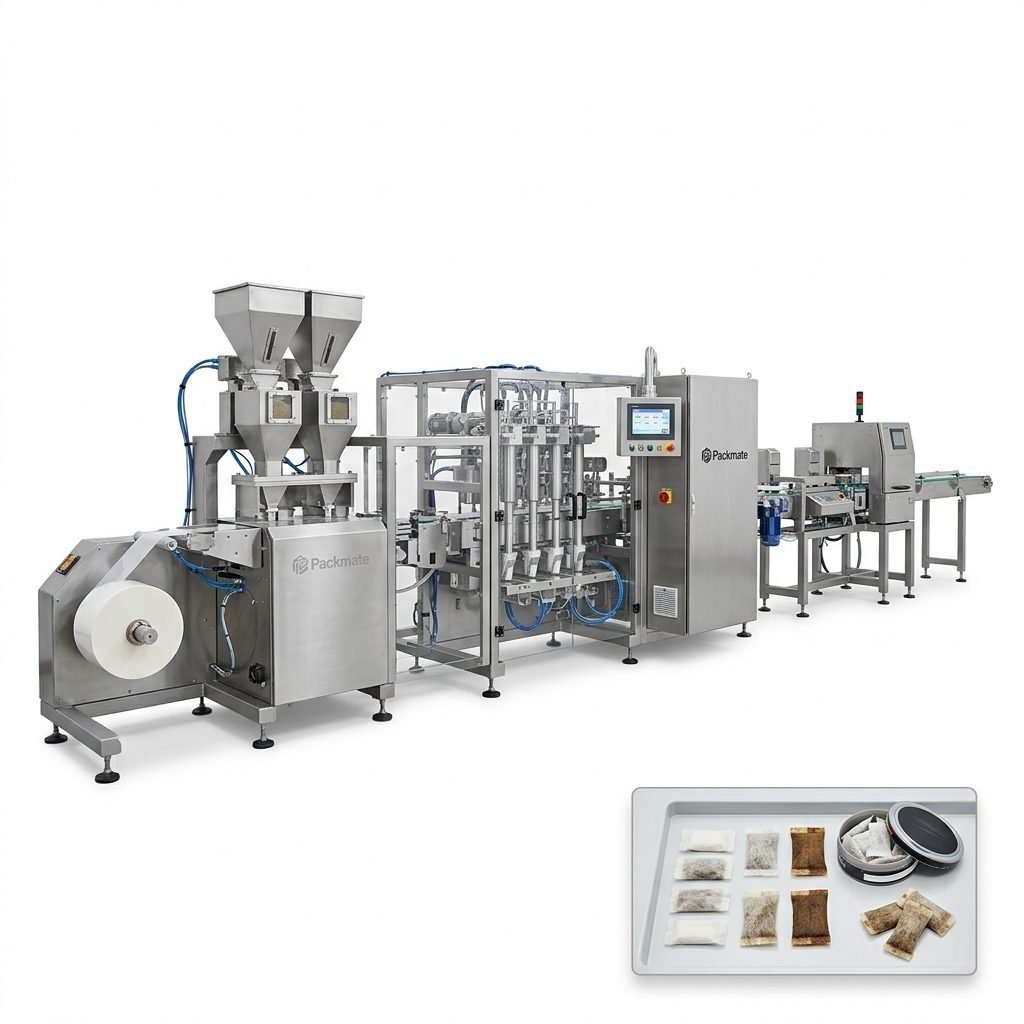
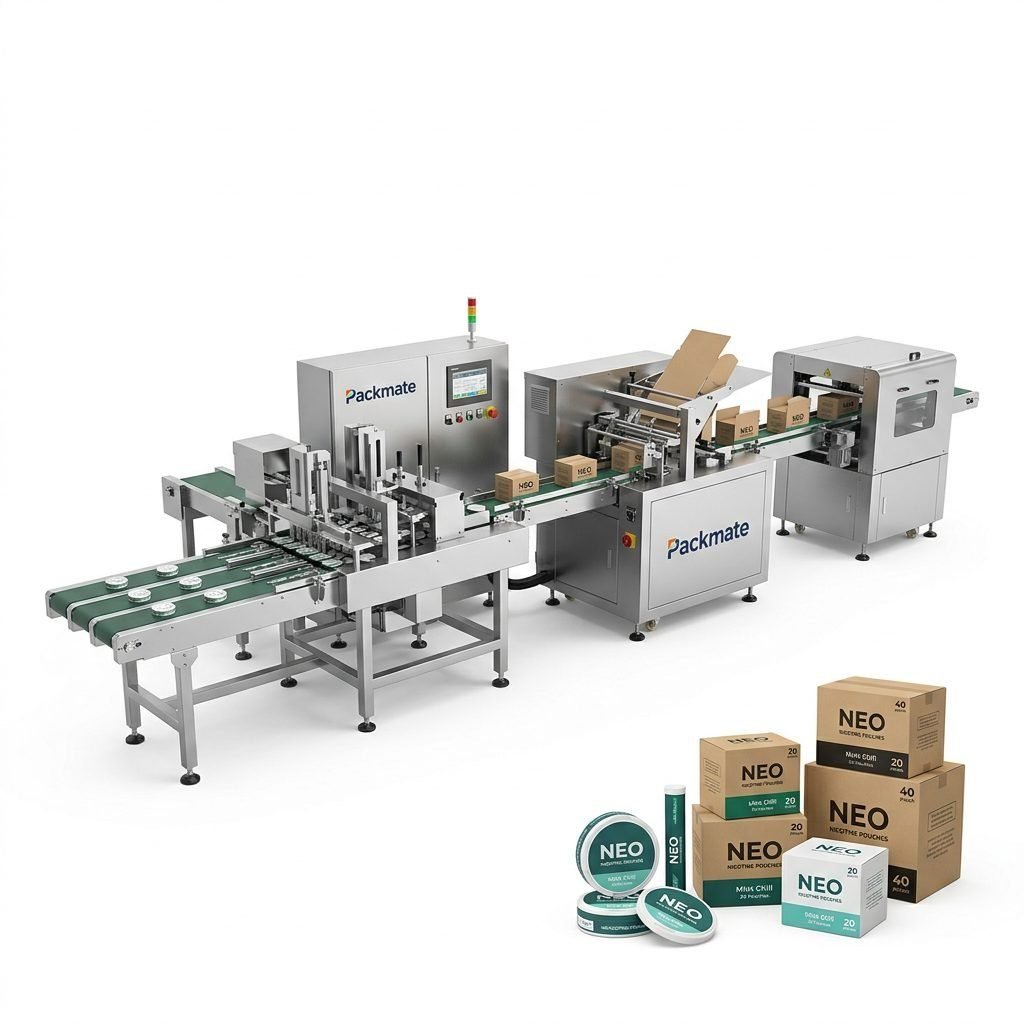
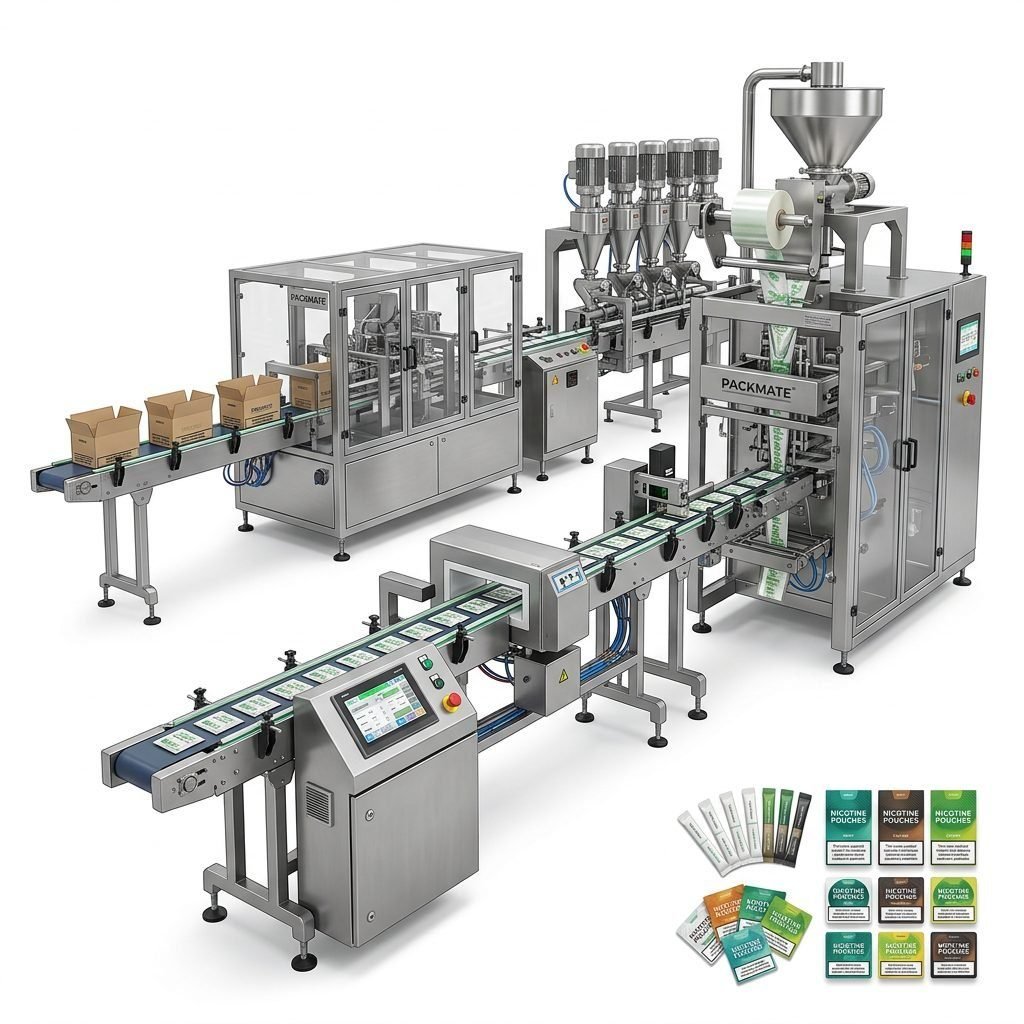
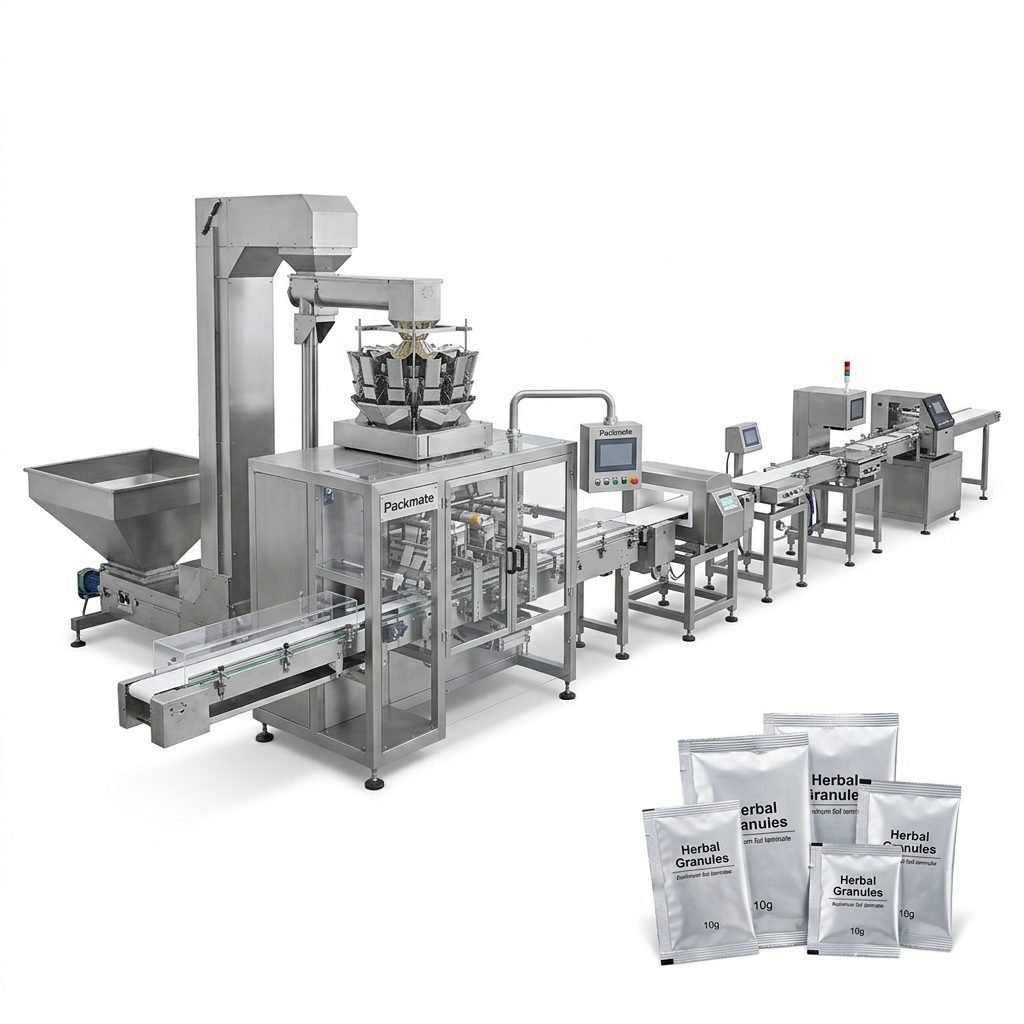
Snus Line Automation is reshaping how nicotine pouches and snus products are produced, packed, and delivered. Modern automated production lines combine precision dosing, high-speed sachet and stick pack forming, and integrated secondary packaging to deliver consistent product quality, reduced labor costs, and rapid scaling. This guide covers the core technologies, common line layouts, vendor selection considerations, compliance points, and practical tips to maximize uptime and ROI for snus manufacturing plants.
🔧 Why Automate Snus Production?
Automation brings predictable throughput, minimized human error, and the ability to run small-dose pouches at multi-lane speeds. For manufacturers scaling from pilot to commercial volumes, automated lines enable:
- Higher throughput with synchronized upstream and downstream processes
- Consistent pouch weight and seal integrity through precision weighing and sealing
- Reduced manual handling and contamination risk
- Flexible format changeovers for sachet, stick pack, and multi-lane operations
Key benefit: Automated snus lines deliver repeatable performance and lower per-unit costs as volumes grow — an essential advantage for brands entering regulated markets or expanding globally.
⚙️ Core Components of an Automated Snus Line
A typical fully automated snus production line integrates several specialized machines. The most common modules include:
- Bulk Handling & Dosing: Accurate feeders and multi-head weighers for powder or tobacco blend dosing.
- Form-Fill-Seal Units: Stick pack and sachet machines form pouches and seal with precise temperature and pressure control. See examples of Snus & Nicotine Packaging Machines and Sachet & Stick Pack Machines.
- Multi-Lane Conveyance: Synchronization systems to handle several lanes in parallel for small-dose pouches.
- Secondary Packaging: Cartoning, bagging, and case-packing systems for retail-ready formats.
- Quality Inspection: Checkweighers, vision systems, and leak/fill detectors to ensure compliance.
- Automation & HMI: PLC controls, recipe management, and touchscreen interfaces for quick changeovers.
Line Configurations: Layouts to Match Production Goals
Different business models require different layouts. Common configurations include:
- Single-Lane Pilot Lines: Ideal for R&D and small-batch launches — minimal footprint, easy product changeover.
- Multi-Lane High-Speed Lines: Combine 4–12 lanes for high output of small-dose pouches; critical for high-volume contract manufacturers.
- Integrated Turnkey Lines: From raw material handling to final case packing, turnkey solutions minimize integration risk and shorten time-to-market.
Tip: For many producers, a modular multi-lane stick pack combined with centralized weighing offers the best compromise between flexibility and throughput.
Production Workflow: Step-by-Step
A robust snus line follows a tightly controlled workflow to ensure product safety and consistency:
- Raw material intake and storage (controlled humidity and traceability).
- Precision dosing and blending; gravimetric or volumetric systems depending on material.
- Feeding into the form-fill-seal machine; pouch forming and filling synchronization.
- Sealing and cooling to stabilize pouch integrity.
- Inline inspection and rejection of non-conforming pouches.
- Grouping, secondary packaging, and final case packing for distribution.
Quality, Traceability & Regulatory Considerations
Regulated nicotine products demand rigorous documentation, batch traceability, and validated filling accuracy. Important controls include:
- Calibration schedules for weighers and checkweighers.
- Electronic batch records and recipe locking.
- Hygienic machine design and easy-clean features to avoid cross-contamination.
- Compliance with international standards (CE, ISO), which reputable manufacturers provide — see company certifications for reference via Certificate.
Compliance highlight: Choose machines with accessible validation documentation and service support to simplify regulatory audits and reduce downtime.
Customization & Turnkey Solutions
Not all snus producers have the same product formats or regulatory needs. A reliable equipment partner provides:
- Custom tooling for unique pouch shapes and sizes.
- Integration with upstream dosing and downstream cartoning modules.
- Control system customization for recipe management, SCADA linkages, and multi-language HMIs.
- On-site commissioning, training, and lifetime technical support.
Packmate Snus Machine’s factory and turnkey offerings are designed for producers who want an end-to-end solution; visit About Packmate to learn more about company capabilities and production facility scale.
Manufacturing Strength & Quality Assurance
A strong manufacturer invests in precision tooling, CNC machining, and strict QC processes. Key indicators of manufacturing strength include:
- Large factory area with dedicated assembly lines and precision machining centers (e.g., a 20,000㎡ facility).
- Multiple machine models with customization options to match different production scales.
- On-site testing and performance validation before shipment.
Installation, Commissioning & After-Sales Service
Reliable after-sales is as important as the machine itself. Essential services to verify before purchase:
- On-site startup and process optimization.
- Operator and maintenance training tailored to your team.
- Spare parts availability and global service support.
- Remote troubleshooting and software upgrades to reduce on-site visits.
Service note: Look for manufacturers with exhibition presence and global cooperation cases — this often signals mature logistics and spare parts networks. See recent Our Exhibition participation and Case examples.
Estimating Costs & Return on Investment
Initial CAPEX for a snus line varies with configuration. Consider:
- Equipment complexity (single-lane vs. multi-lane).
- Automation level (manual feeding vs. fully automated dosing and packing).
- Required validation and cleanroom modifications.
ROI typically improves as throughput increases and manual labor is reduced. A clear production model and scheduled maintenance plan minimize unexpected costs and maintain consistent OEE (Overall Equipment Effectiveness).
Maintenance & Uptime Best Practices
To protect throughput and product quality:
- Implement a preventive maintenance schedule and keep critical spares on hand.
- Use trained technicians for mechanical and electrical adjustments.
- Log incidents and perform root-cause analysis for repeat issues.
- Keep firmware and software backups and version control for control systems.
Operational insight: Many high-performing lines combine local preventive maintenance with remote OEM support for complex troubleshooting, enabling faster mean time to repair.
Selecting the Right Equipment Partner
When evaluating suppliers, compare:
- Proven snus/nicotine packaging experience and a diversified product range.
- Factory capacity, precision machining capabilities, and on-site testing facilities.
- Customer references, long-term service, and global logistics capabilities.
- Transparent warranty and spare parts policies.
For detailed product families and auxiliary equipment, review the manufacturer’s product lines such as Snus & Nicotine Packaging Machines, Weighing & Packaging Systems, and Auxiliary Packaging Equipment.
📌 Final Recommendations
Invest in modular, scalable lines with strong local service and documented compliance. Prioritize equipment that simplifies sanitation, provides robust traceability, and supports recipe-driven production for quick changeovers.
Frequently Asked Questions
Q1: What is the lead time for a turnkey snus production line?
Typical lead times vary by complexity, from several weeks for simple single-lane units to 3–6 months for fully integrated multi-lane turnkey lines. Custom tooling or extensive validation can extend lead time.
Q2: How do I ensure compliance for nicotine product packaging?
Choose equipment that supports traceable batch records, easy-clean design, and validated weights. Work with manufacturers who provide compliance documentation and CE/ISO certificates.
Q3: Can I run multiple formats on one line?
Yes — modern form-fill-seal machines and modular dosing systems support recipe-driven changeovers. However, check tooling changeover time and the need for spare parts for different formats.
Q4: What after-sales services should I expect?
On-site commissioning, operator training, preventive maintenance plans, spare parts supply, and remote technical support are standard services offered by reputable manufacturers.
Q5: How do I request a quote or demo?
Contact the manufacturer directly via their contact page to request machine specifications, demos, and site visits: Contact Us.