Choosing the right nicotine packaging machinery supplier for your factory in Bolivia requires a careful balance of technical criteria, local market understanding, and long-term partnership potential. This guide walks you through practical steps to evaluate suppliers, highlights regional considerations for Bolivian operations, and explains how to secure after-sales support, compliance, and return on investment. Whether you are setting up a new production line for nicotine pouches or upgrading existing equipment, these insights will help you make an informed decision.
Understand Your Production Needs First
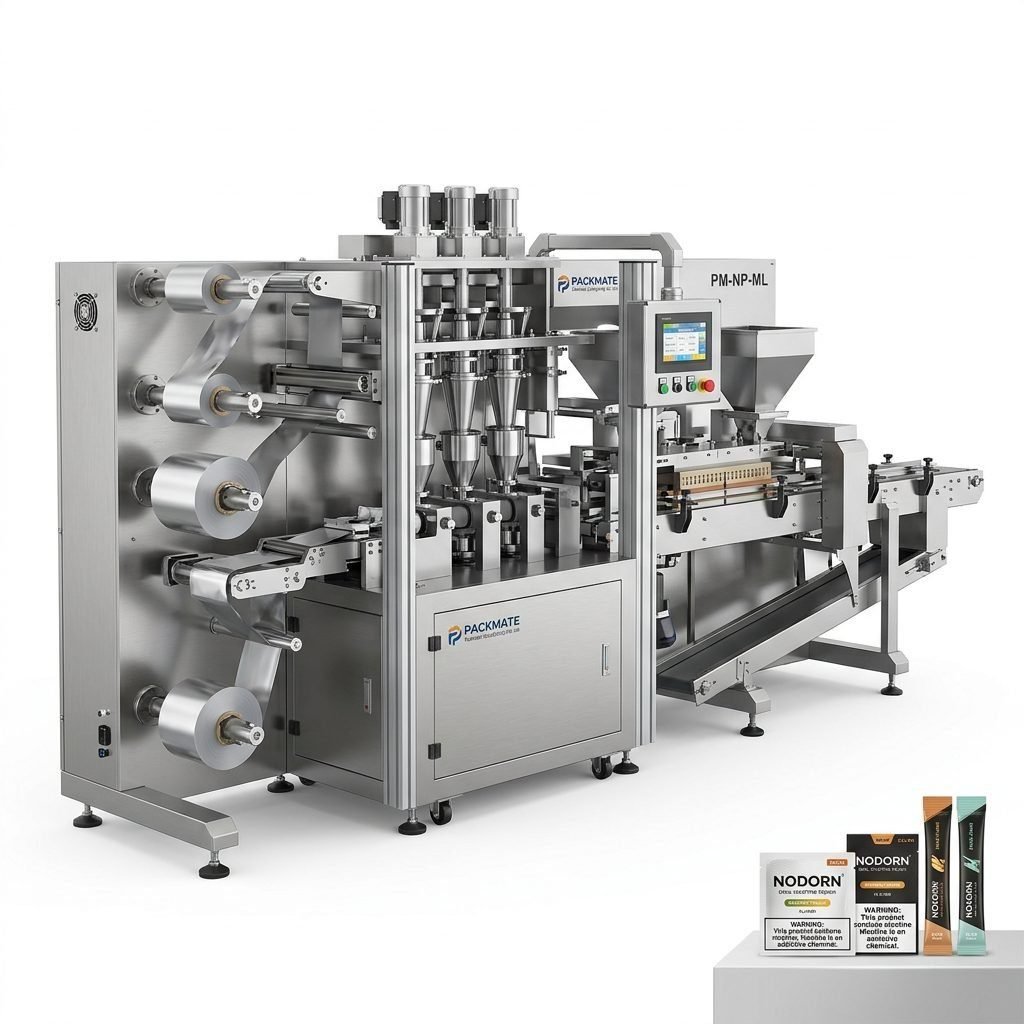
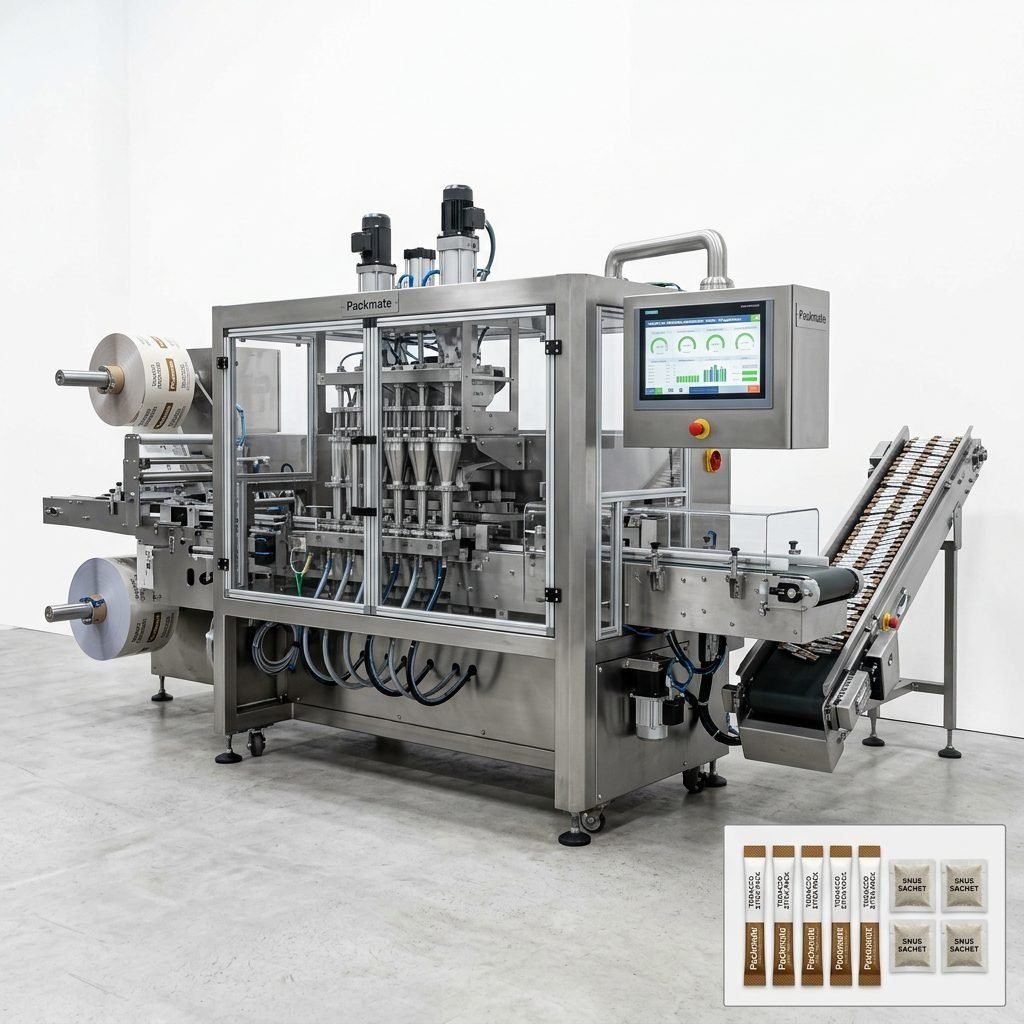
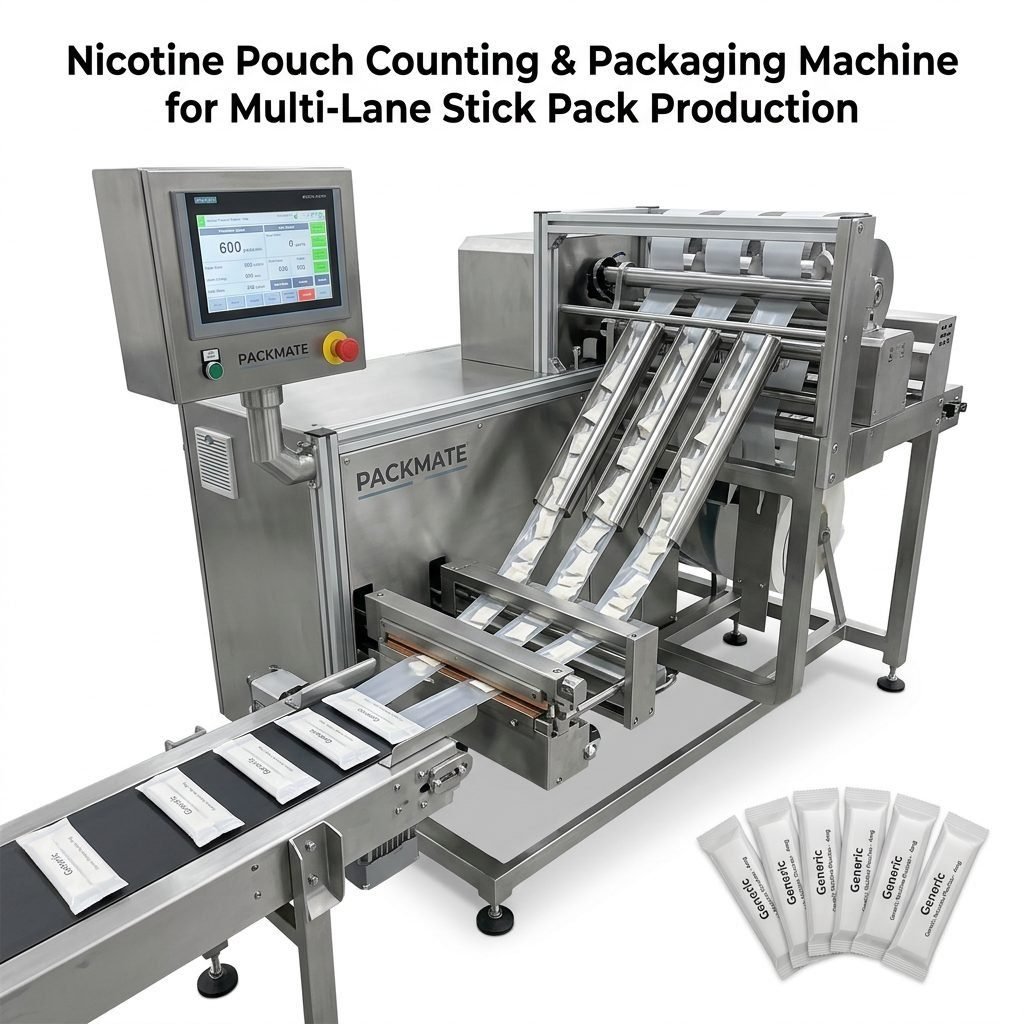
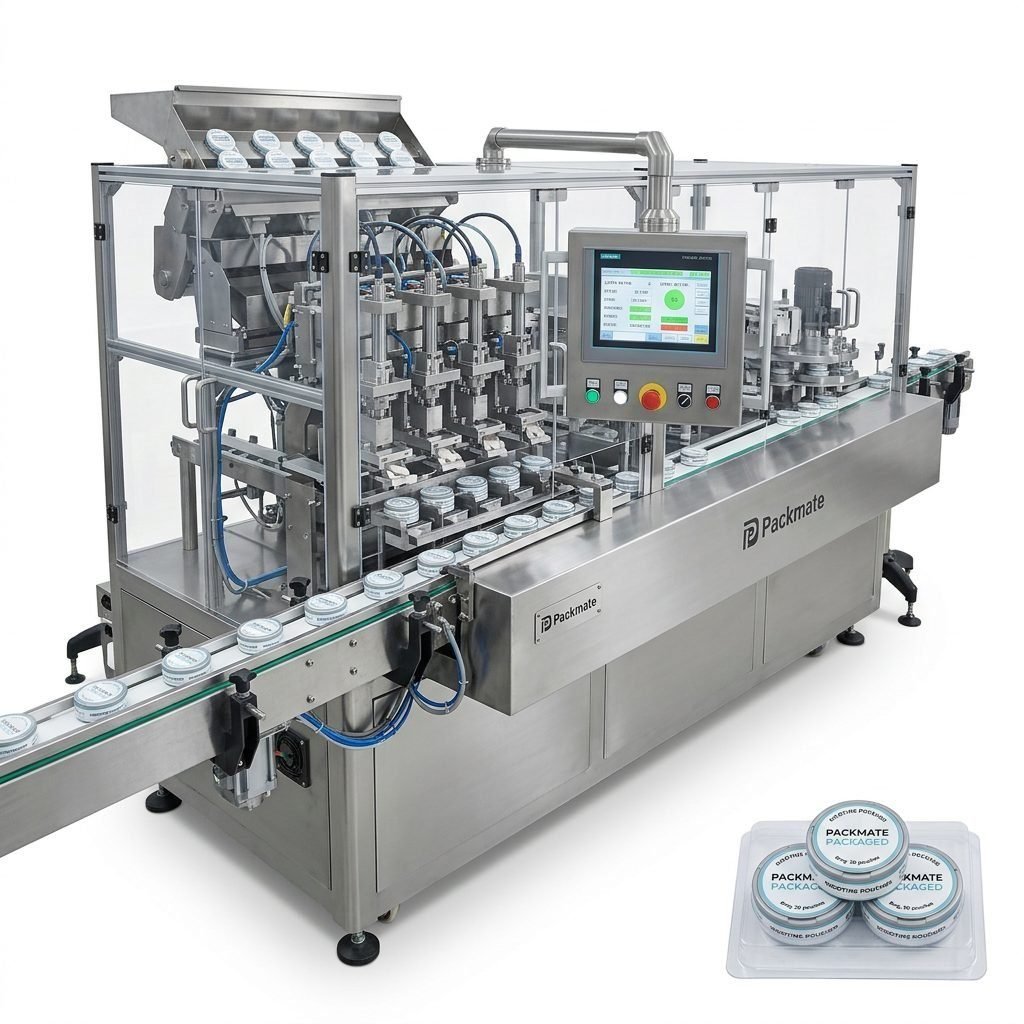
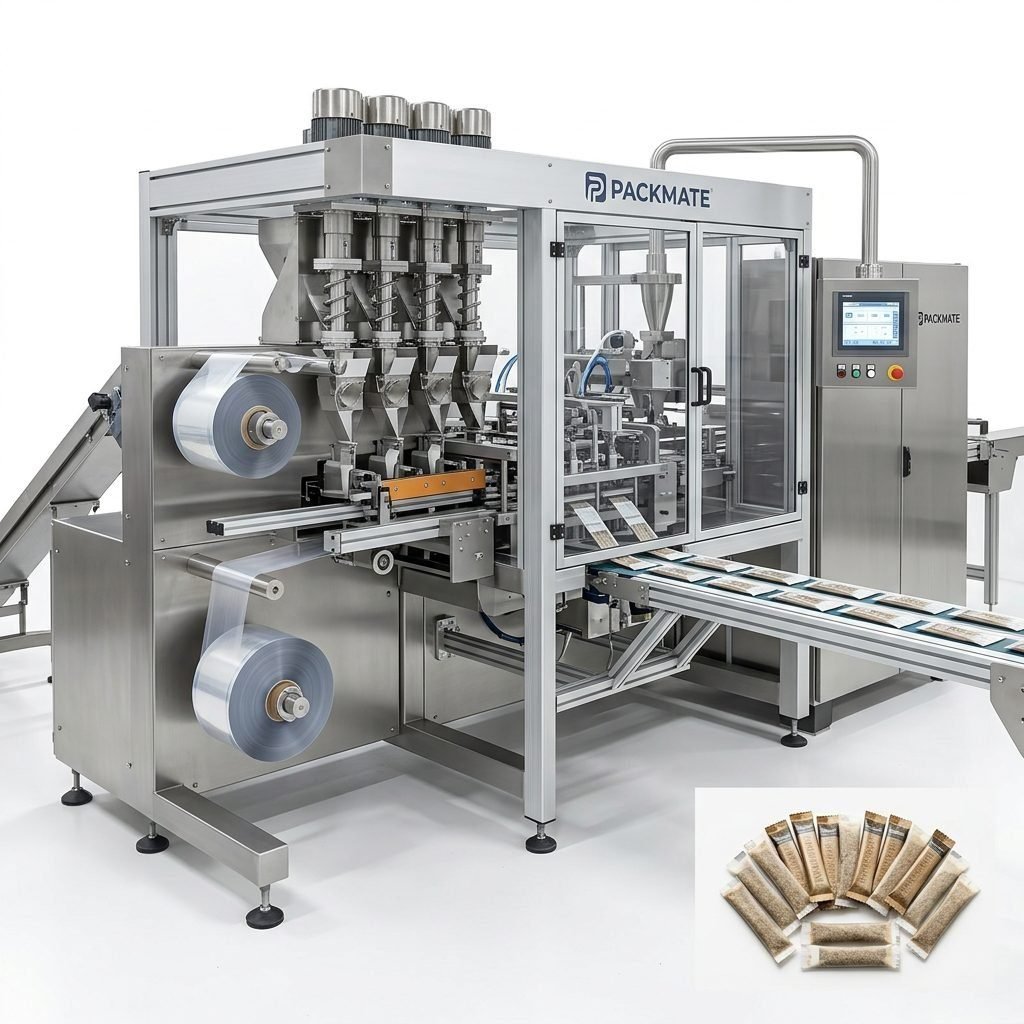
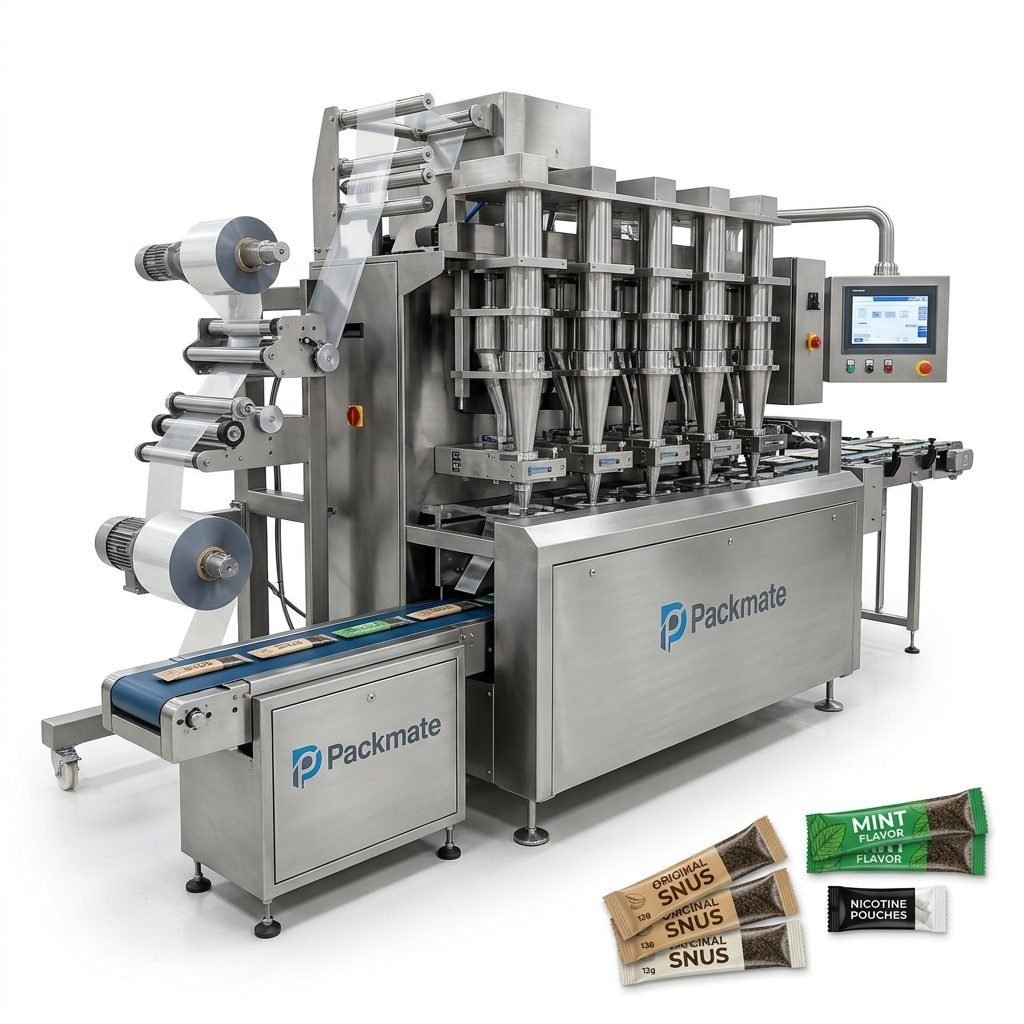
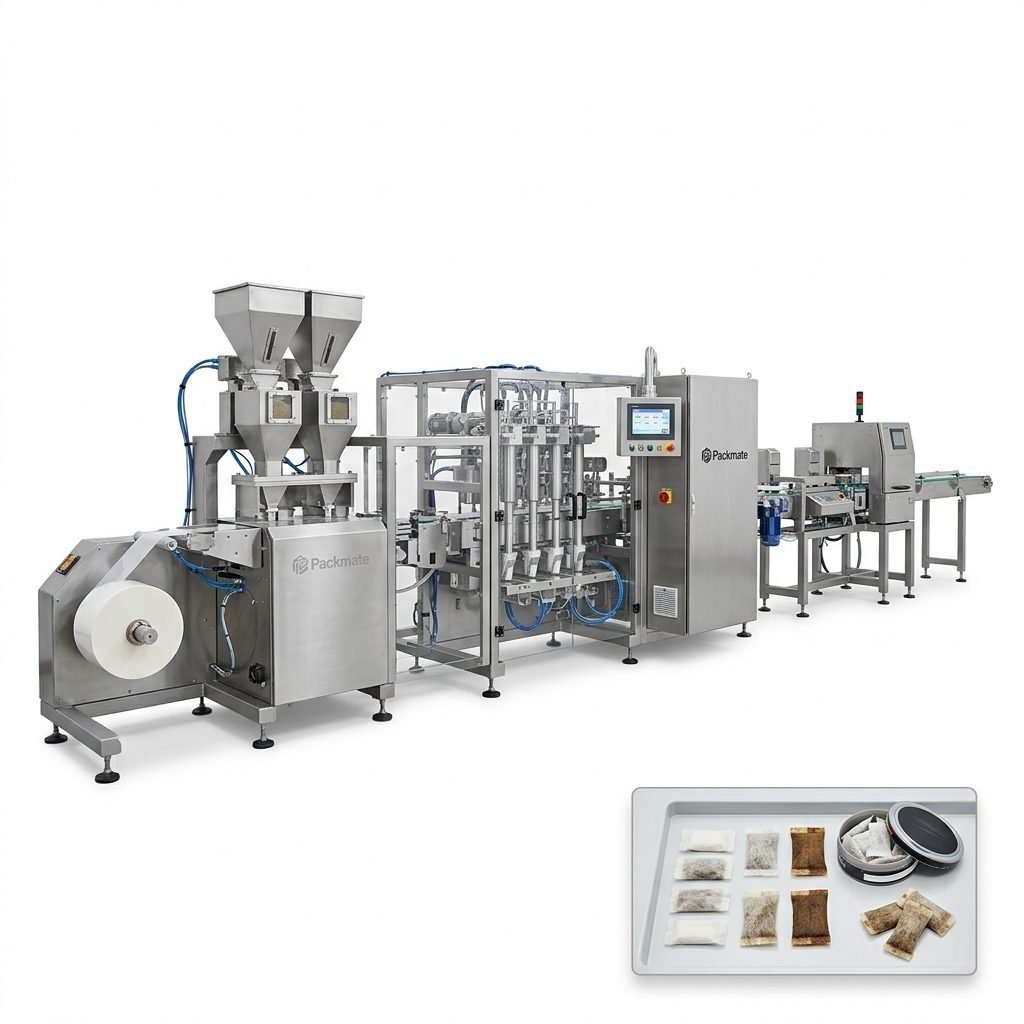
Before you evaluate suppliers, clarify your factory’s requirements: expected daily output, pouch formats (snus, sachet, stick pack), dosing accuracy, multi-lane options, and the types of materials you will use. Suppliers like Packmate specialize in a range of systems — from single-lane stick pack machines to high-speed multi-lane snus packaging machines — so knowing your specifications shortens the shortlist quickly.
Key technical questions to answer
✓ What is your daily/weekly production target?
✓ Which pouch sizes and materials will you run?
✓ Do you need multi-lane synchronization for small-dose pouches?
✓ Do you require integrated weighing, filling, or secondary packaging?
Evaluate Supplier Credentials and Experience
Experience matters when it comes to packaging lines for nicotine products. Look for suppliers with proven engineering history, extensive model ranges, and certifications that align with international safety and quality standards. Packmate, for example, highlights decades of R&D and a factory with advanced CNC machining centers — details that indicate manufacturing capability and quality control.
📌 Tip: Ask for references and case studies from other customers in South America or similar operating environments. Real-world performance is the best indicator of reliability.
Supplier checklist
– Years in business and number of machine models available.
– Factory size, CNC capabilities, and assembly process control.
– Compliance with CE, ISO, or other certifications.
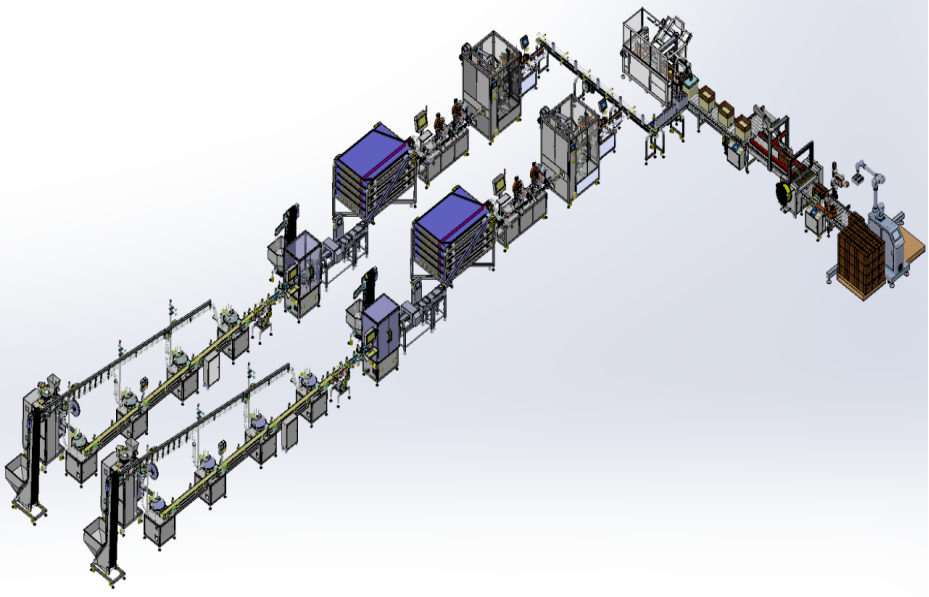
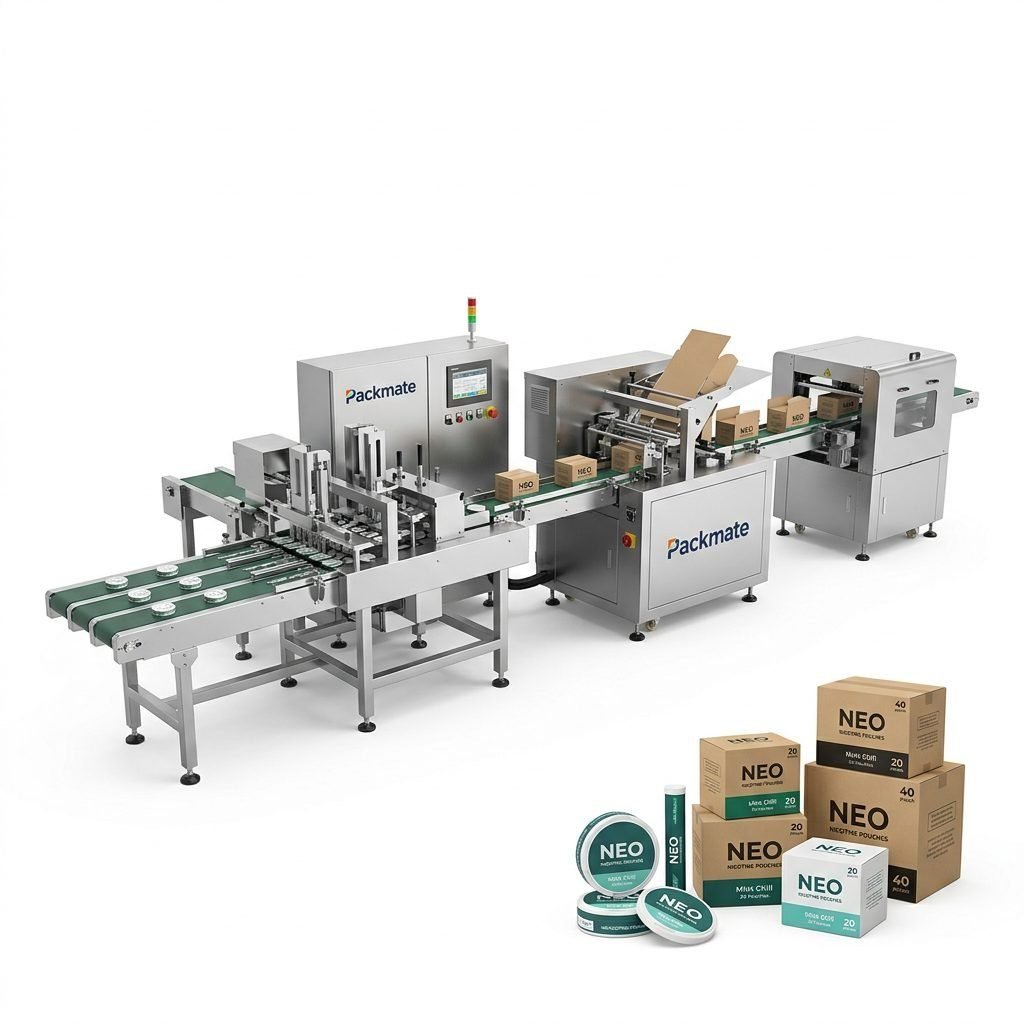
– Evidence of turnkey solutions including auxiliary equipment and line integration.
Prioritize Local Market & Regulatory Knowledge in Bolivia
Bolivia has its own import rules, taxation, and sometimes regionally varying enforcement around nicotine-related products. A supplier who understands Bolivian customs clearance, local labeling requirements, and logistics will save time and money. Additionally, consider local energy supply characteristics and whether machinery needs adaptation for voltage or frequency differences in certain regions.
Cultural & regional factors to keep in mind
Bolivian business culture places high value on trust and personal relationships. If possible, arrange face-to-face meetings or virtual demonstrations in Spanish. Local support and Spanish-language documentation and training can accelerate onboarding and reduce misunderstandings. Also factor in altitude and climate: factories in La Paz are at high elevation while Santa Cruz and Cochabamba have different humidity profiles that can influence material handling and machine behavior.
Inspect Machine Performance & Customization Options
A supplier should offer machine specifications, performance curves, and the ability to customize for your products. Important attributes include dosing accuracy, sealing quality, changeover time, lane synchronization, and hygiene features. If your production will handle fragile pouches or powders with flow variability, look for advanced weighing and feeding systems that integrate seamlessly with packaging heads.
Explore models and capabilities such as those detailed in supplier catalogs — for example, you can view specific machine families for nicotine applications on pages that outline snus & nicotine packaging machines and auxiliary equipment. These resources often include schematics, material recommendations, and layout options that will shape your factory floor plan.
Links for reference:
Snus & Nicotine Packaging Machines,
Auxiliary Packaging Equipment,
Filling & Packaging Lines.
Evaluate automation and expansion potential
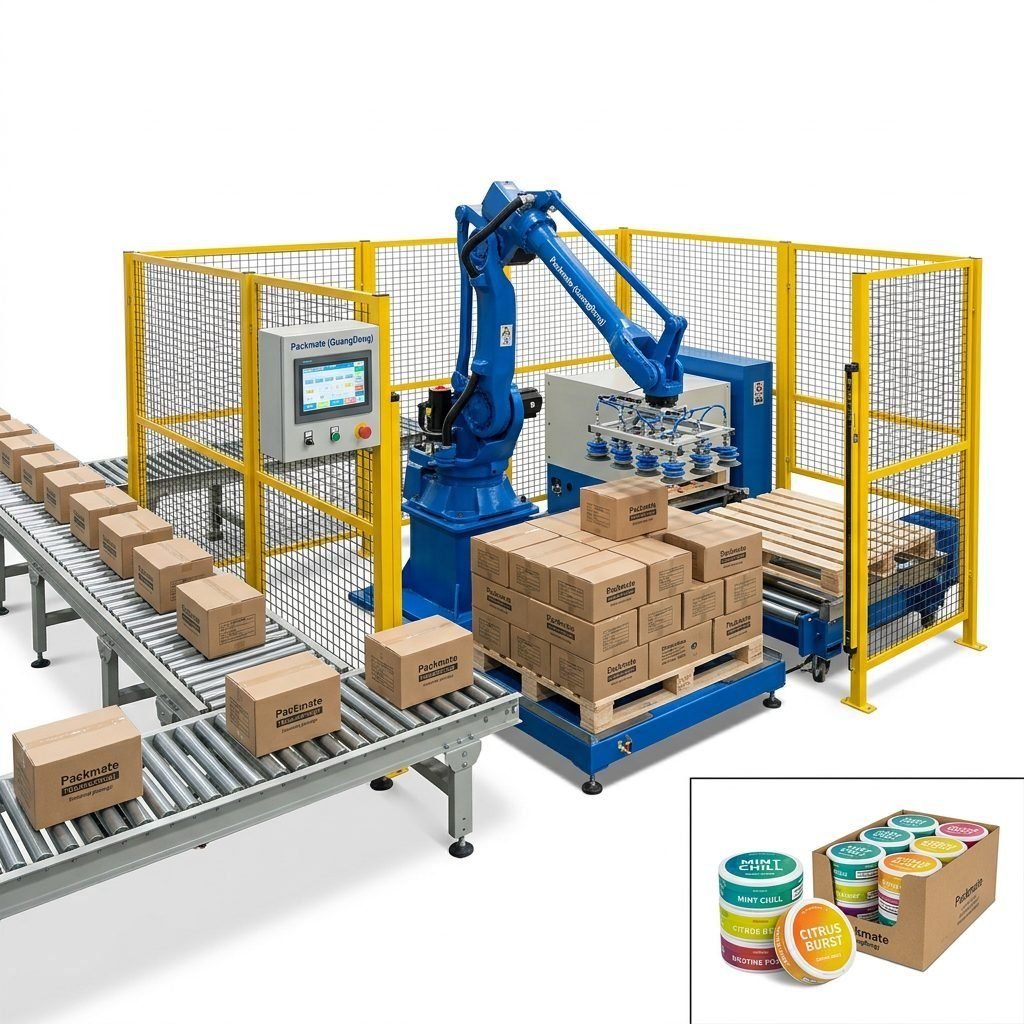
If you plan to scale, choose machinery that supports modular upgrades: additional lanes, higher-speed feeders, or automated palletizing. A supplier offering full turnkey solutions is often better equipped to design an expandable line that grows with your business goals.
After-Sales Service, Spare Parts & Local Support
After-sales care is critical for continuous production. Confirm warranties, spare parts availability, and average lead times for replacement components. Ask whether the supplier has established partners or technicians in South America or can provide remote diagnostics and training in Spanish. A clear service agreement reduces downtime and long-term costs.
🔧 Must-have: Documented SLA (service-level agreement) and a local contact for urgent support.
Training, Documentation & Language
Training is often the difference between a machine that underdelivers and one that reaches its full potential. Ensure all manuals, spare-parts lists, and training sessions are available in Spanish. Insist on on-site or virtual training for operators, maintenance staff, and engineers. Packmate and similar manufacturers typically offer commissioning, operator education, and remote support packages.
Factory Acceptance Test (FAT) and Site Acceptance Test (SAT)
A FAT at the supplier’s factory verifies performance before shipment. Request video evidence or live-streamed demonstration runs using materials similar to yours. After installation, an SAT ensures the equipment performs under local conditions in Bolivia. These tests should be clearly defined in the purchase contract.
What to include in FAT/SAT
– Line speed, pouch quality, and sealing integrity verification.
– Dosing accuracy tests across different lanes and speeds.
– Changeover time demonstration and user interface walkthrough.
– Noise, electrical consumption, and safety interlocks check.
Logistics, Import Duties & On-site Installation in Bolivia
Plan logistics well: large machines require careful packing, port clearance, and sometimes special handling through inland transport to sites in Bolivia. Determine import duty rates, necessary documentation, and whether the supplier assists with shipping logistics. Also plan for local rigging, concrete foundations, and electrical work needed for installation.
Consider working with a supplier who can coordinate shipping and local installation or a partner who has executed projects in Bolivia or neighboring countries. Case studies and exhibition participation are good indicators of global delivery capability — you may want to review the supplier’s track record and past projects.
Useful links:
Project Cases,
About Packmate.
Total Cost of Ownership (TCO) vs. Initial Price
Focus on TCO — not just the purchase price. Calculate energy consumption, spare parts needs, expected mean time between failures (MTBF), and labor requirements. Higher initial investment in reliable equipment often pays off through reduced downtime and longer machine life. Ask suppliers for typical lifecycle cost data or references from customers in similar climates and production profiles.
Negotiation & payment terms
Negotiate payment milestones tied to FAT, shipment, and successful SAT. Secure guarantees for performance and clarity on spare parts pricing. If possible, include a clause for training or minor commissioning visits post-installation to support the ramp-up period.
⚠️ Note: Clarify warranty scope and which team covers on-site travel, customs return or repair, and emergency parts.
Sustainability, Efficiency & Future-Proofing
Consider energy-efficient drives, recyclable packaging compatibility, and the supplier’s roadmap for new technologies. Future-proof machines with modular electronics and control systems that can be updated remotely help protect your investment as product formats evolve and regulatory demands increase.
Integration with digital systems
Look for compatibility with MES (Manufacturing Execution Systems) and Industry 4.0 features that allow remote monitoring, production analytics, and predictive maintenance — features that significantly improve overall equipment effectiveness (OEE).
Making the Final Decision
Once you have evaluated technical fit, local support, TCO, and supplier credibility, create a matrix to score each vendor on core criteria. Visit the supplier’s factory if possible, attend exhibitions where live demos are shown, and request detailed proposals with FAT plans and lead times. A balanced scorecard that includes technical, commercial, and cultural fit will point you to the most suitable partner.
For further information and to explore machine options and service offerings, you may find these pages helpful:
Sachet & Stick Pack Machines,
Service,
Contact Us.
Final checklist before signing
– Confirm FAT and SAT criteria and acceptance thresholds.
– Verify Spanish-language manuals and on-site training availability.
– Lock in spare parts shipment times and emergency response windows.
– Ensure clear payment milestones and warranty terms.
– Validate local logistics and installation support in Bolivia.
Common Questions (FAQs)
Q1: How long does it take to install a full snus/nicotine pouch packaging line in Bolivia?
A1: Typical timelines vary from 8 to 16 weeks after machinery arrival for installation and commissioning, depending on site preparation, electrical work, and complexity of integrated systems. FAT completion and timely shipping logistics can shorten this time.
Q2: What are common additional costs when importing packaging machinery into Bolivia?
A2: Expect customs duties, port handling, inland transport, rigging and foundation work, local electrical adaptation, and potential VAT or administrative fees. A supplier experienced in South American deliveries can help estimate these costs.
Q3: Can suppliers provide remote support and spare parts quickly for Bolivian factories?
A3: Many global suppliers offer remote diagnostics and can express-ship critical parts. For faster turnaround, negotiate local stocking options or regional parts hubs to minimize downtime.
Q4: Is Spanish-language training and documentation typically available?
A4: Reputable suppliers that serve Latin America generally provide Spanish manuals and can deliver operator training in Spanish, either onsite or via virtual sessions. Confirm this before purchase.
Q5: How important is attending a supplier’s factory acceptance test (FAT)?
A5: Highly important — FAT ensures the line meets agreed performance before shipping. If you cannot attend, insist on a live-streamed FAT and detailed machine run videos using your materials.