Entering the Tonga market with nicotine pouches or snus requires more than choosing any packaging machine — you need the right balance of reliability, corrosion resistance, local logistics planning, and regulatory awareness. This buyer’s guide walks manufacturers, importers, and packagers through practical decisions when selecting a nicotine packaging machine for Tonga, with operational tips that reflect Tonga’s island climate, small population dynamics, and business customs.
Understanding the Types of Nicotine Packaging Machines
Machines differ by pouch format, production speed, and level of automation. Choose a type that fits product format and market size:
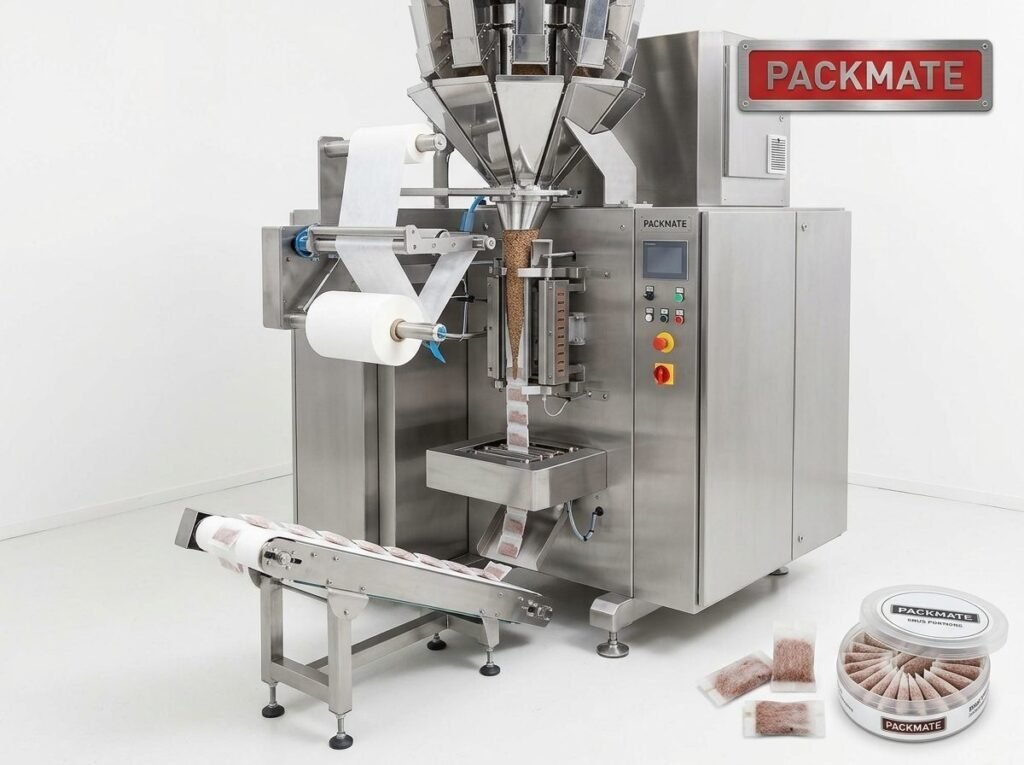
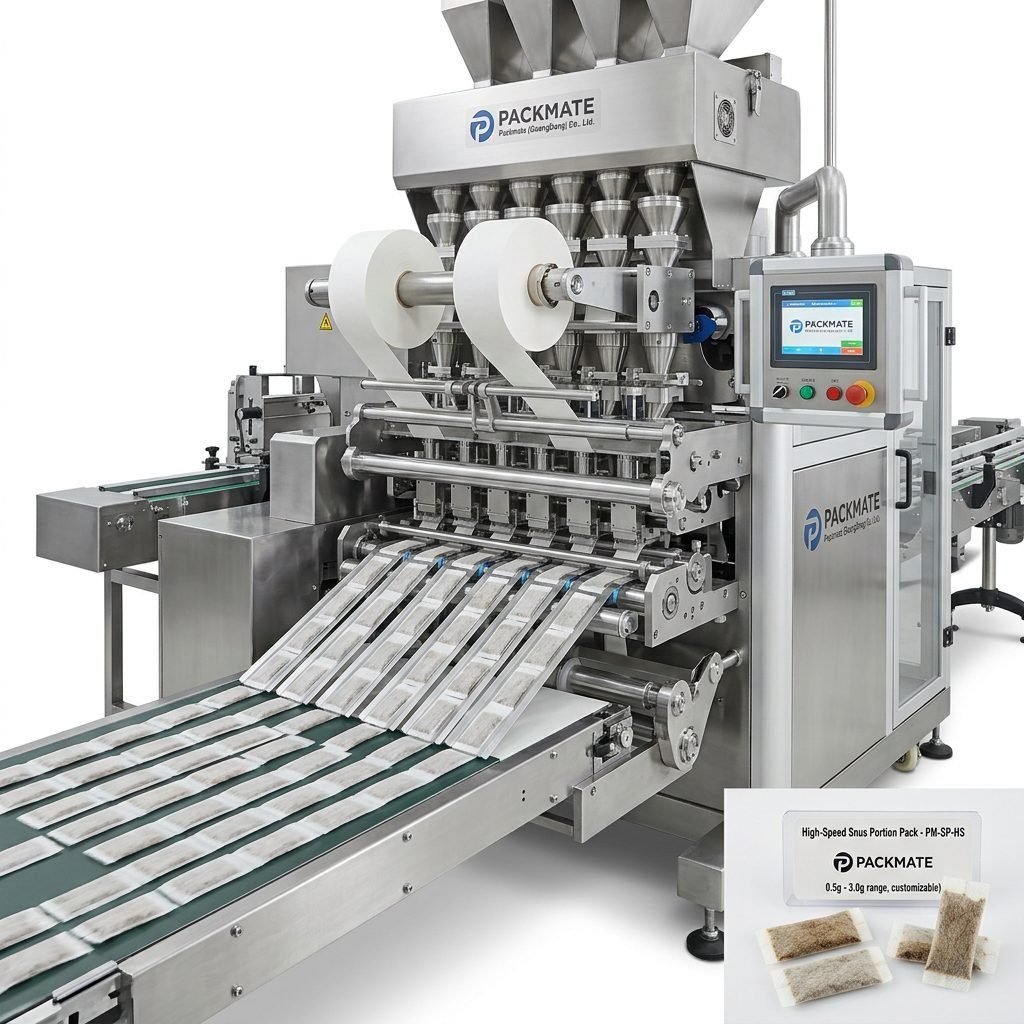
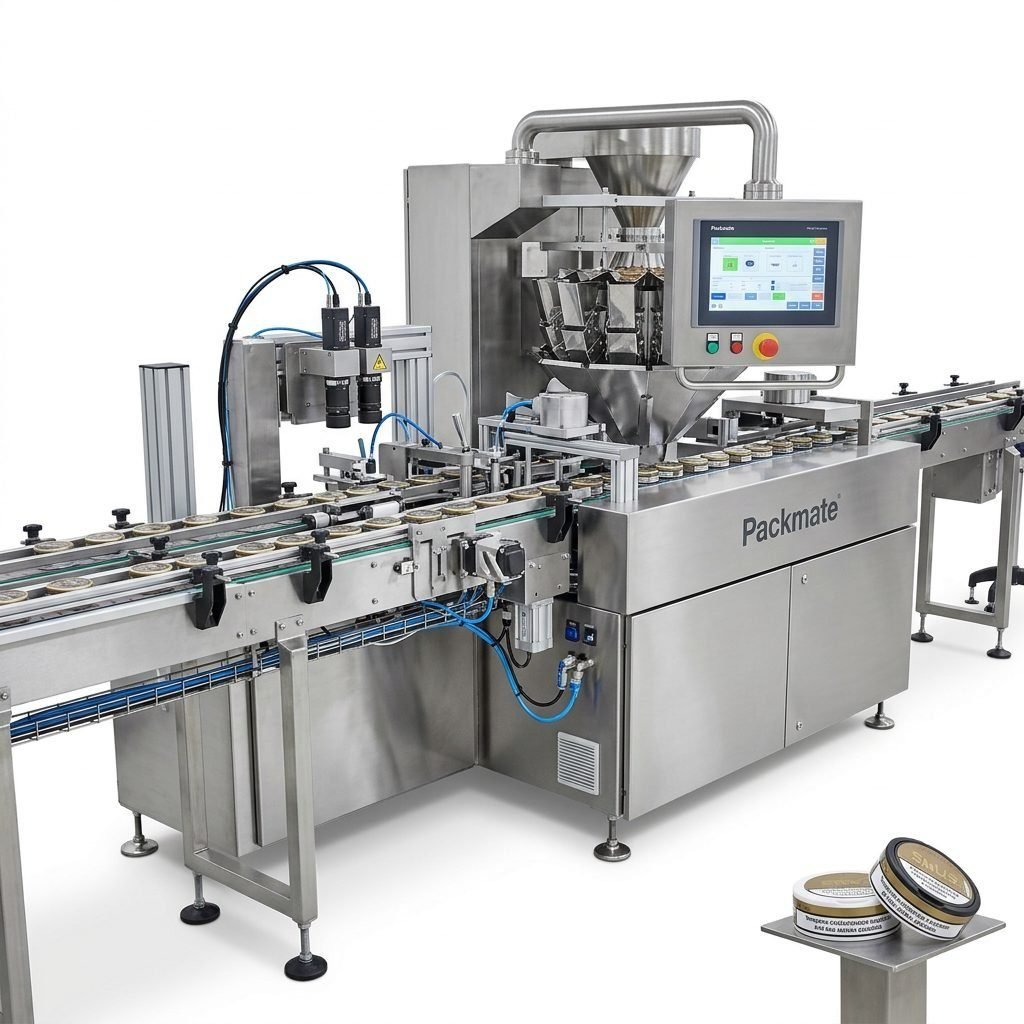
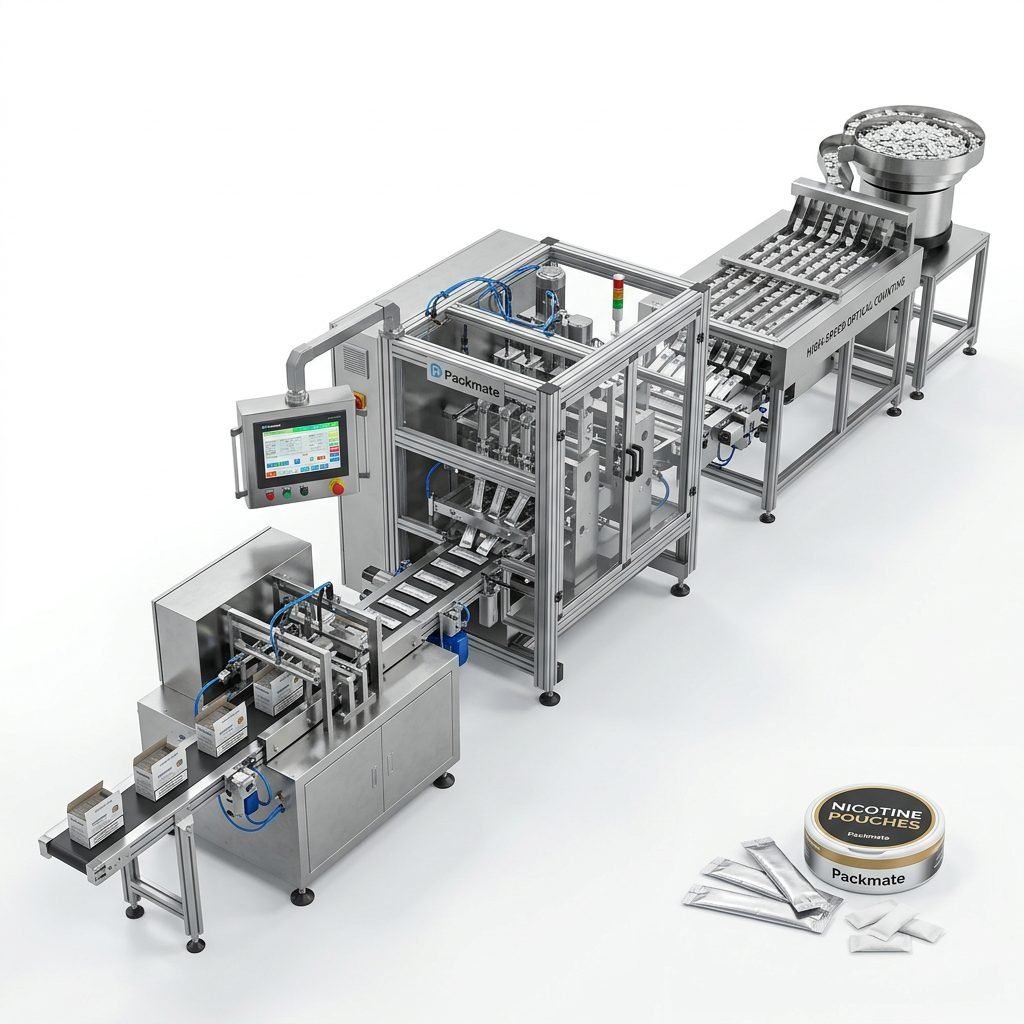
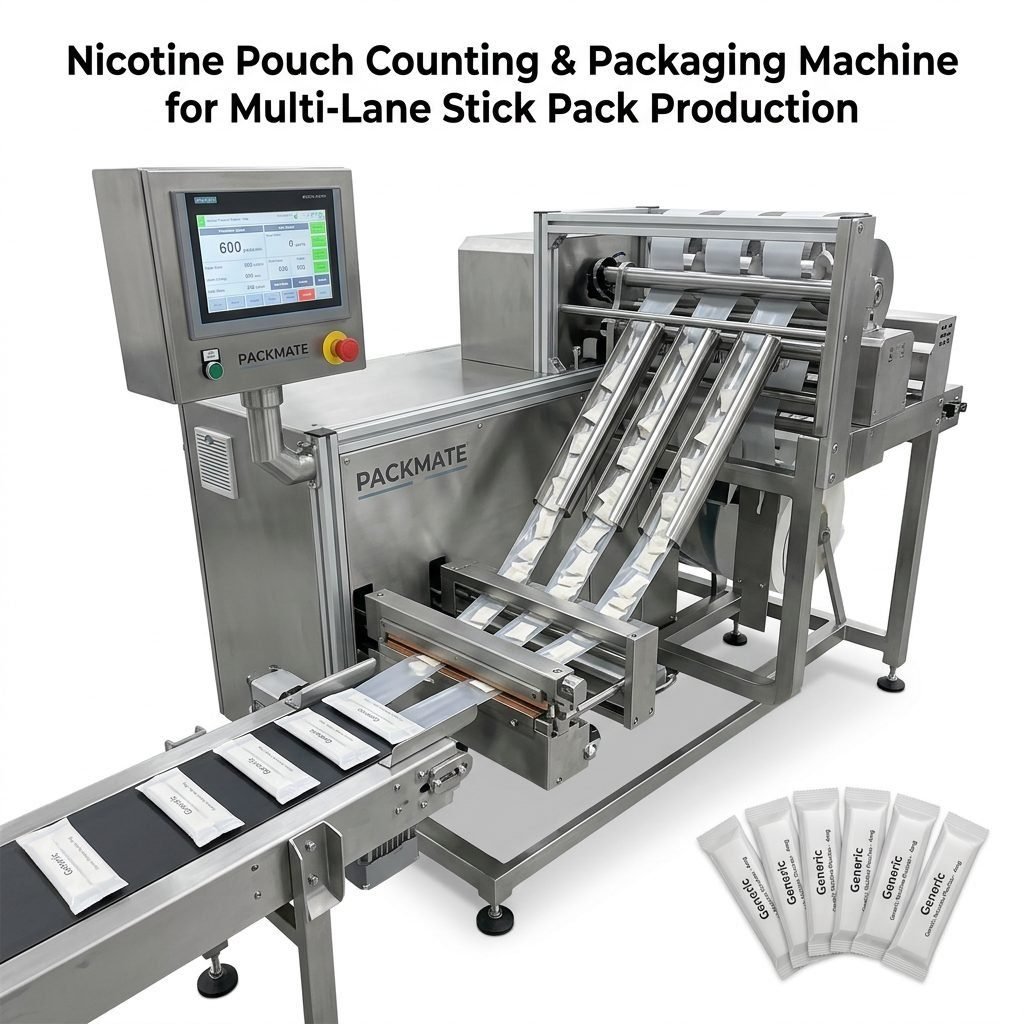
✓ Snus / Nicotine Pouch Machines — optimized for small-dose pouches with precise dosing, heat-sealing and high multi-lane throughput; ideal for manufacturers targeting high consistency and low variation. See sample models at Snus & Nicotine Packaging Machines.
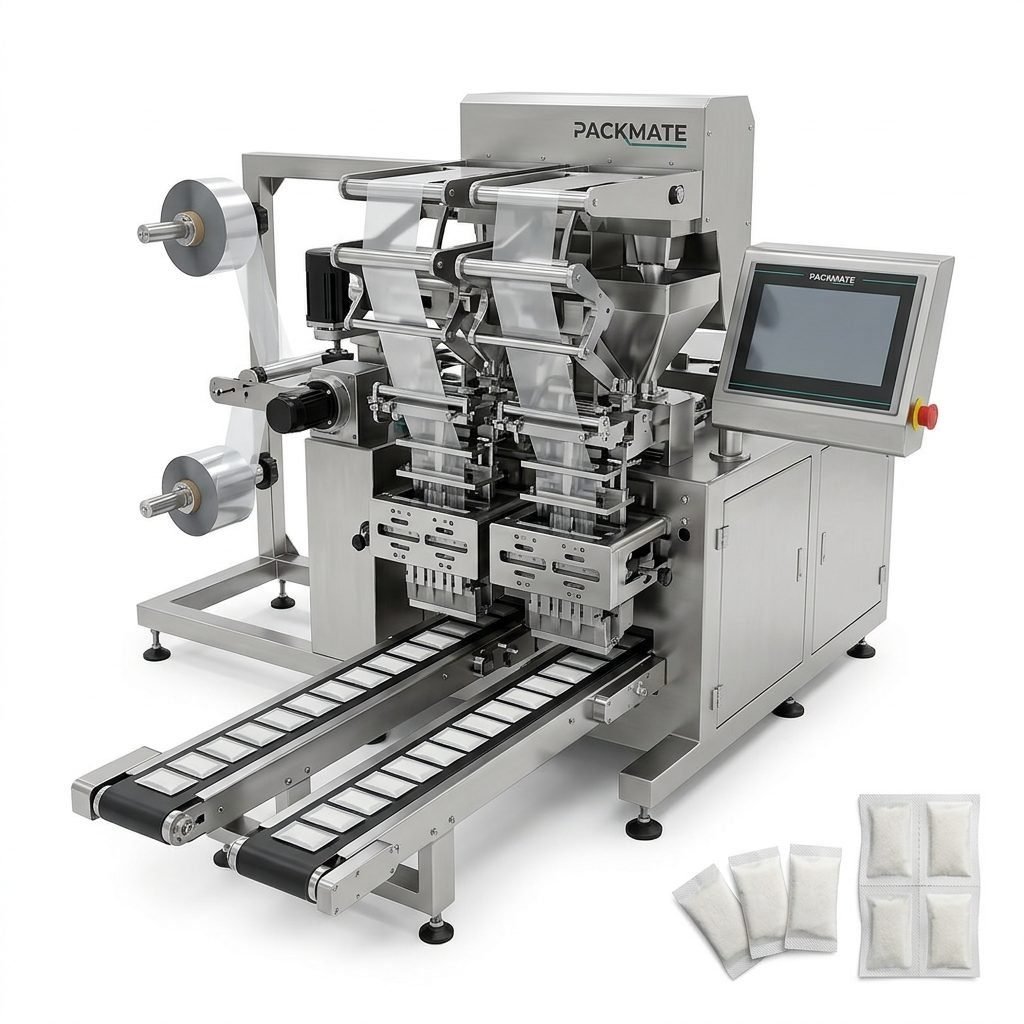
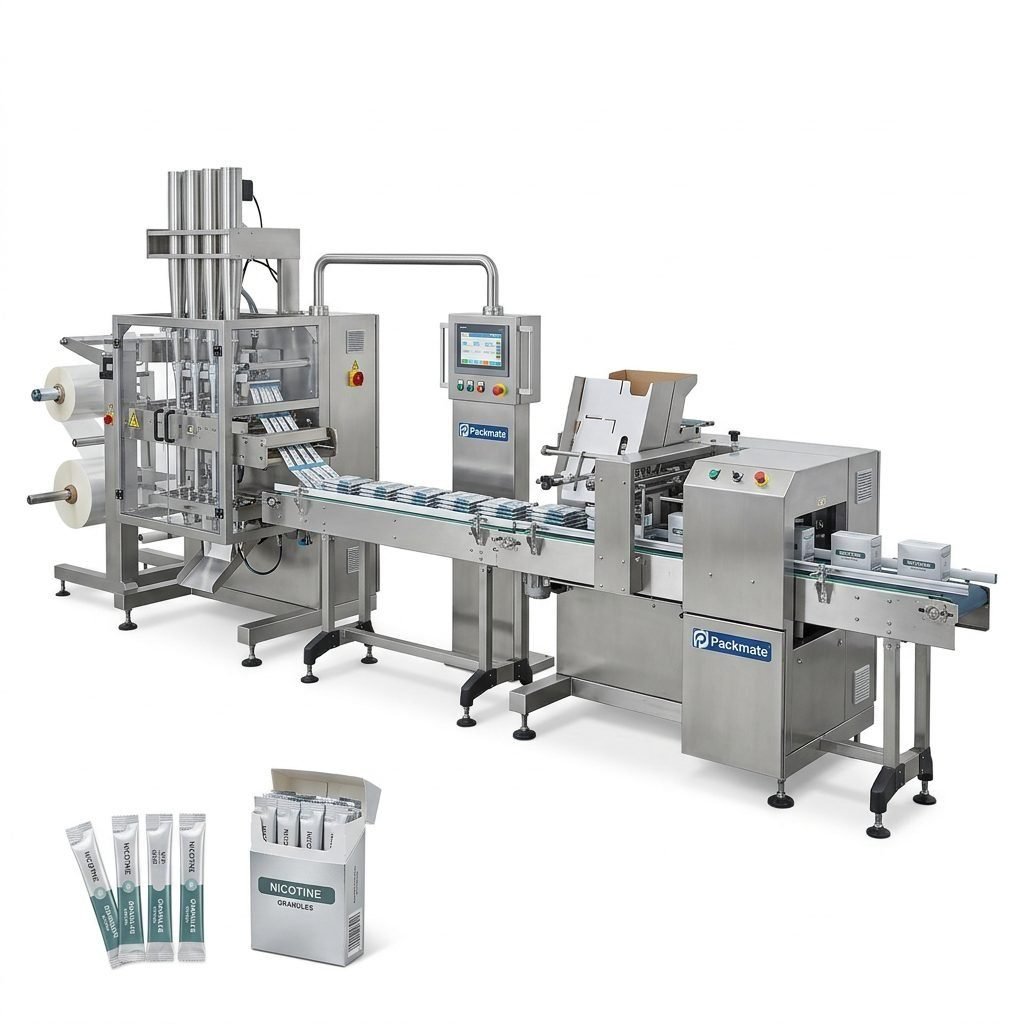
✓ Stick Pack & Sachet Machines — great for single-serve sachets or sticks; flexible formats for promotional or trial packs. Explore options at Sachet & Stick Pack Machines.
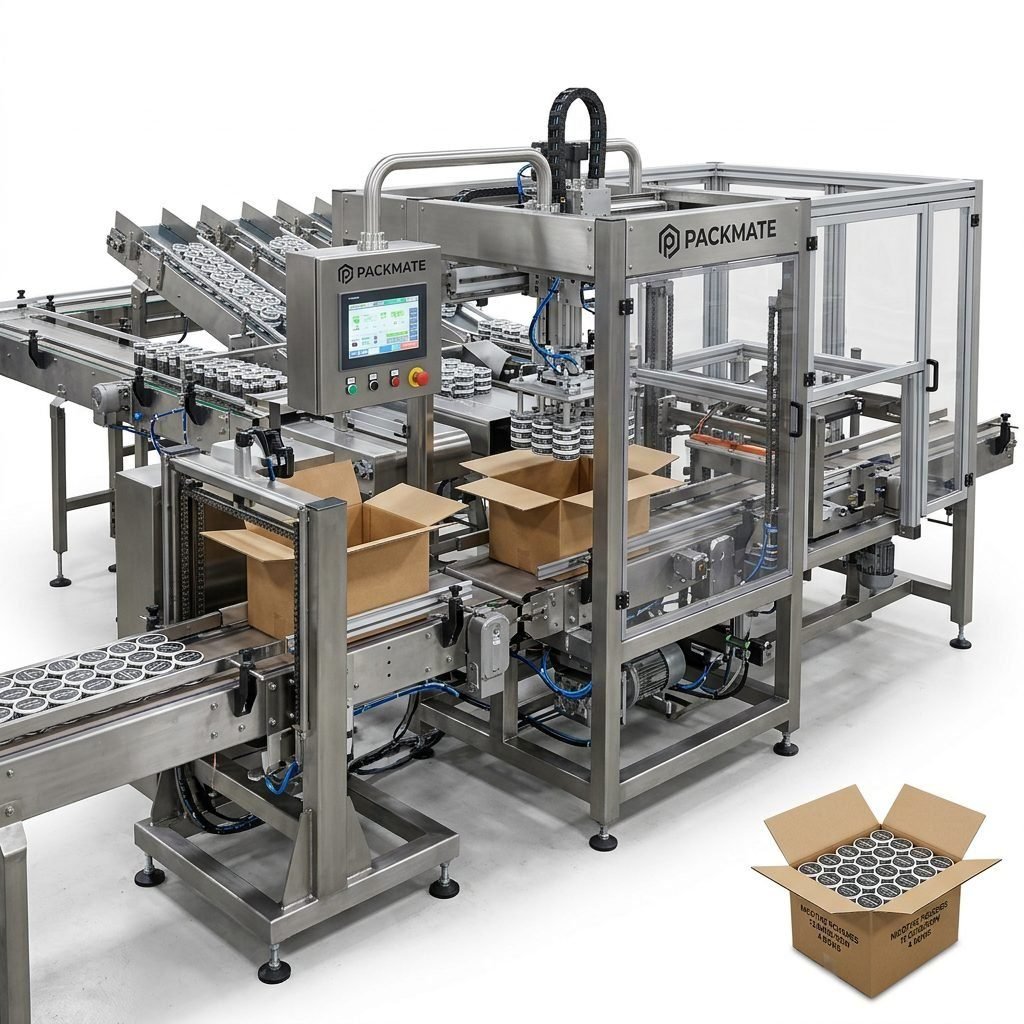
✓ Multi-Lane Systems — necessary if you plan higher volume while minimizing floor space; multi-lane machines increase output without proportional increases in labor.
Why format choice matters for Tonga
Tonga’s market is small and often favors smaller pack sizes or test runs. Machines that can run short batches economically and switch formats quickly will help you test demand without excessive inventory risks. Also consider consumer preferences — English is widely used, and Tongan language labeling may be necessary for local retail; your packaging machine should support label printing integration or inline coding.
Environmental and Reliability Considerations for Island Operations
Tonga’s tropical, coastal environment exposes equipment to high humidity and salt-laden air. These factors influence material choices, maintenance schedules, and spare parts strategy.
📌 Stainless steel & protective coatings: Choose machines with food-grade stainless steel (304 or 316 where salt exposure is high) and protective coatings on exposed components to reduce corrosion risk.
📌 Humidity control features: Look for dehumidified enclosures for sensitive measuring systems and motors with adequate IP ratings.
Power and Infrastructure
Tonga can have variable power quality; confirm the machine’s voltage compatibility and whether it includes built-in stabilizers or requires external UPS/generator support. Machines with lower power spikes and simple electrical requirements reduce risk in environments with frequent brownouts.
Key Purchasing Criteria: What to Compare
When evaluating suppliers, create a checklist with quantifiable parameters. Below are the most impactful criteria.
Production speed & capacity
Specify required packs per minute and use-case (single shift vs continuous). Machines often list nominal max speed; request real-world throughput data for your product formulation and pouch material.
Weighing & dosing accuracy
Nicotine pouches require precise dosing for quality and compliance. Check dosing tolerance, repeatability, and if the supplier offers high-precision weighing systems. Consider integrated weighing systems available in turnkey lines: Weighing & Packaging Systems.
Material compatibility & sealing
Ensure the machine supports the pouch films you plan to use (laminates, foil, biodegradable options) and provides consistent seal integrity in humid climates. Machines with adjustable sealing temperatures and vision inspection systems reduce rejects.
Automation level & integration
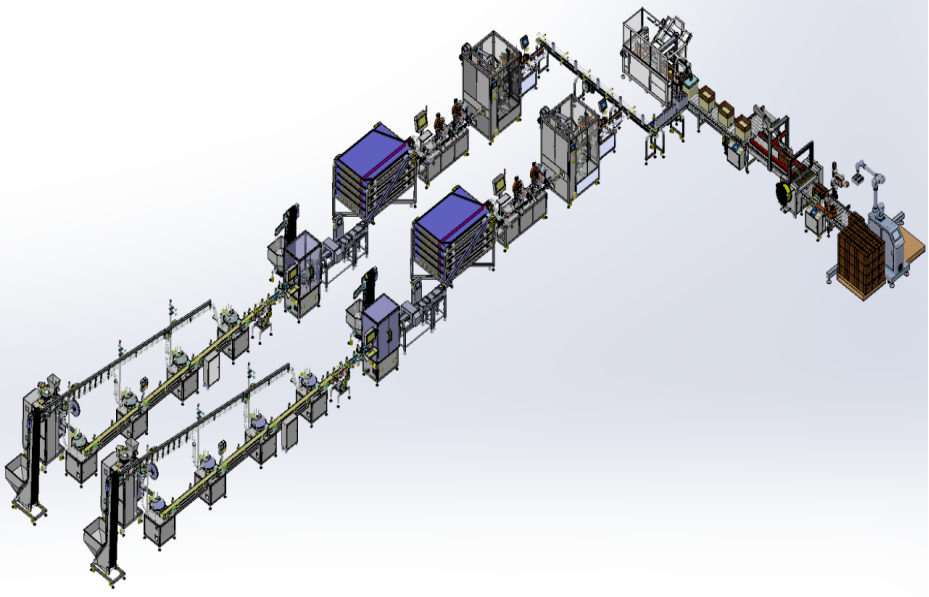
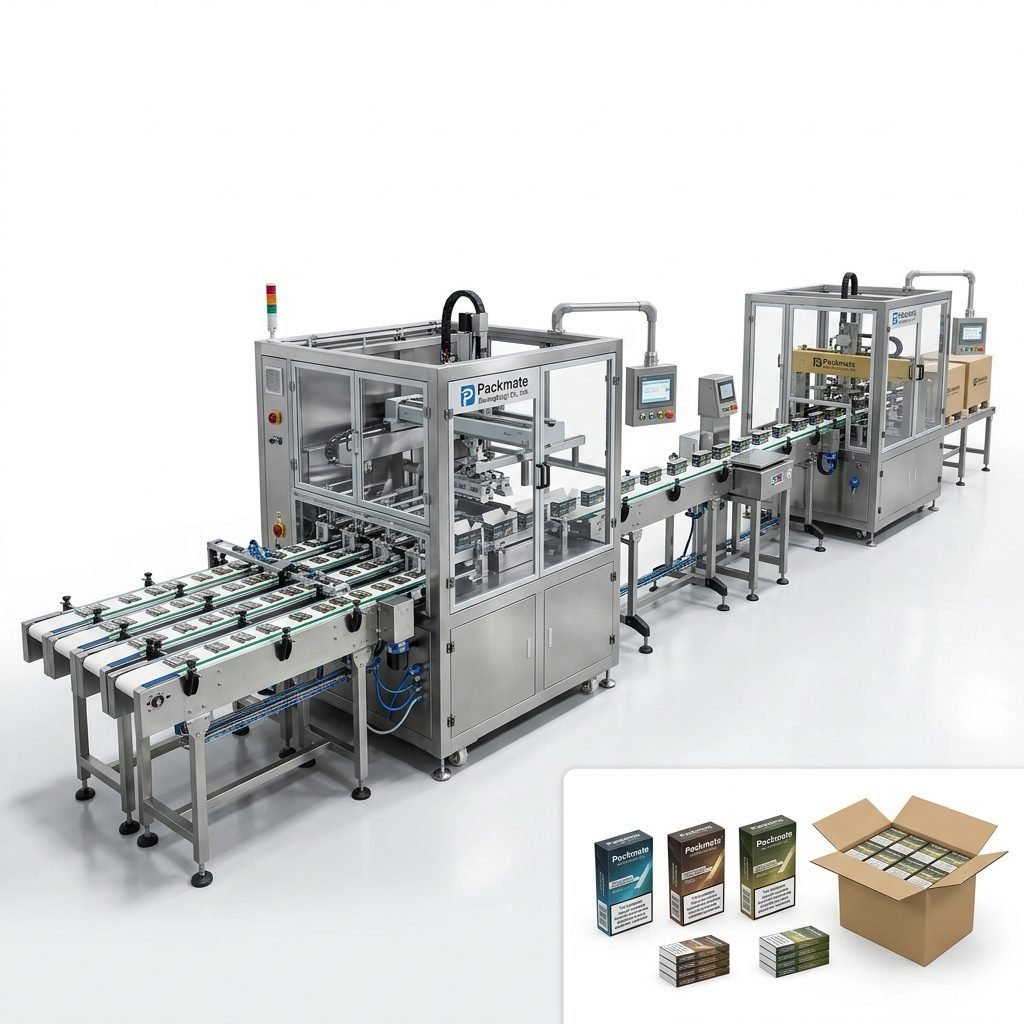
Consider if you need a fully automated line (feeders, pouch forming, dosing, sealing, labeling, case packing) or a semi-automatic solution for smaller runs. Fully integrated lines minimize labor but require more investment and shipping coordination. See turnkey packaging lines at Filling & Packaging Lines.
🔧 Spare parts & local support: Prioritize suppliers who provide spare parts, timely shipping, and remote service options. For Tonga, spare parts inventories and clear customs documentation save significant downtime.
Regulatory Compliance and Labelling in Tonga
Carefully research nicotine and tobacco product regulations for Tonga. Requirements may include health warnings, ingredient disclosures, and import permits. Work with legal counsel or local customs agents to confirm labeling language and warnings. Always verify that your machinery provider offers solutions compatible with labeling printers and inline coding systems.
Logistics: Shipping, Installation & Training
Tonga’s remoteness affects transit time and freight costs. Consider machine footprint and whether it can be shipped in standard containers to minimize freight complexity. Ask the supplier about:
✓ Crating & export documentation ease (commercial invoice, packing list, CE/ISO certificates)
✓ On-site installation, commissioning and operator training — remote commissioning options are valuable for first-time imports
✓ Spare parts kits tailored to island service constraints
Cost, ROI and Financing
Calculate total cost of ownership (TCO): machine price, shipping, customs duties, installation, spare parts, and expected downtime. Factor in local labor rates and expected production volume. A machine with slightly higher upfront cost but lower downtime and lower scrap rate can yield better ROI in Tonga’s small-scale market.
Negotiation tips for working with overseas suppliers
Be clear about delivery terms (EXW, FOB, CIF), warranty scope, and payment terms. Ask for references, documented performance numbers, and videos of the model running your product. Larger, experienced manufacturers like Packmate provide documented case studies and factory photos to support purchase decisions — learn more about the company at About Packmate.
Service & After-Sales: Critical Factors
After-sales service determines long-term success, especially in remote locations. Confirm the supplier provides:
✓ Remote technical support and training resources (video guides, manuals)
✓ Fast replacement parts shipping and local courier options
✓ Service contracts for preventive maintenance
For examples of service offerings and common questions answered by the manufacturer, consult the supplier’s support pages: Service and FAQs.
Checklist: Questions to Ask Potential Suppliers
1. What is the real-world throughput for our pouch size and formulation?
2. Can you provide references from similar island or tropical customers?
3. What corrosion protection options are available for coastal environments?
4. What does your warranty cover, and how are spare parts dispatched to remote locations?
5. Can you supply certificates (CE/ISO) and necessary export documentation?
Choosing a Reliable Manufacturer: Why Experience Matters
Manufacturers with decades of experience in snus and nicotine pouch machinery understand dosing precision, sealing integrity, and process automation nuances. A provider with an established track record offers validated machine designs, multi-lane systems for scaling production, and a portfolio of models to match investment levels. Packmate (GuangDong) Co., Ltd., for example, has more than 30 years of engineering experience and a wide range of models, plus turnkey solutions that integrate filling, weighing, and packaging — review product categories at Bag & Pouch Packaging Machines and Auxiliary Packaging Equipment.
Local partnerships & cultural fit
Tonga values long-term relationships and respectful business practices. Suppliers who provide clear communication, patient onboarding, and localized documentation tend to be more successful. Make sure contacts are responsive and willing to adapt installation schedules to local festivals or shipping constraints.
Installation, Training and Running Pilot Batches
Schedule a phased approach: machine delivery → installation & commissioning → pilot runs → staff training → gradual ramp-up. Pilot batches help tune dosing, sealing parameters, and packaging printer alignment before scaling.
💡 Pro tip: Keep an initial inventory of the most common wearing parts (belts, heaters, sensors) on-site to avoid long downtimes while waiting for parts from abroad.
Final Selection Roadmap
Follow this simple roadmap to select the best machine for Tonga:
1. Define product specs: pouch size, fill type, desired volumes.
2. Shortlist machine types (single-lane, multi-lane, stick pack).
3. Verify corrosion resistance & humidity adaptations.
4. Request factory acceptance tests (FAT) and video of your product run.
5. Confirm shipping, installation, spare parts policy and training schedule.
Where to Learn More & Next Steps
If you want to compare models or request specifications and quotes, visit the manufacturer’s product pages and case studies to view real-world installations: Case, Catalog. For direct inquiries and support, use the supplier contact page to arrange a consultation: Contact Us.
Conclusion
Successfully bringing nicotine pouch products to Tonga depends on selecting machines that combine dosing accuracy, corrosion-resistant construction, flexible format handling, and dependable after-sales service. Prioritize suppliers with proven snus packaging experience, clear spare parts logistics, and the ability to support remote commissioning. With careful planning and the right partner, you can minimize risk, control costs, and scale production reliably in Tonga’s unique island market.
Frequently Asked Questions
Q1: What machine features are most important for Tonga’s climate?
A1: Prioritize stainless steel construction (304/316), IP-rated electrical components, dehumidified or climate-protected measurement systems, and protective coatings for exposed parts to resist salt corrosion.
Q2: How do I handle spare parts and maintenance in Tonga?
A2: Keep a small initial stock of critical wearable parts on-site, secure a parts list and lead times from the supplier, and negotiate a spare-parts kit and annual maintenance contract to reduce downtime.
Q3: Do packaging machines need special certification for export to Tonga?
A3: While Tonga may not require specific machine certifications beyond import documentation, suppliers that offer CE and ISO certificates provide better assurance of quality and safety. Always confirm local import and nicotine product regulations before purchase.
Q4: Can I start with a smaller machine and scale later?
A4: Yes. Many manufacturers offer modular or multi-lane upgrade paths. Start with a smaller format that supports short runs and choose a supplier who can upgrade your line as demand grows.
Q5: Where can I view product models and get a quote?
A5: Visit the manufacturer’s product pages and request quotes directly via their contact page. For Packmate’s range and project examples, see product listings and case studies linked above or contact them to arrange a factory demonstration.