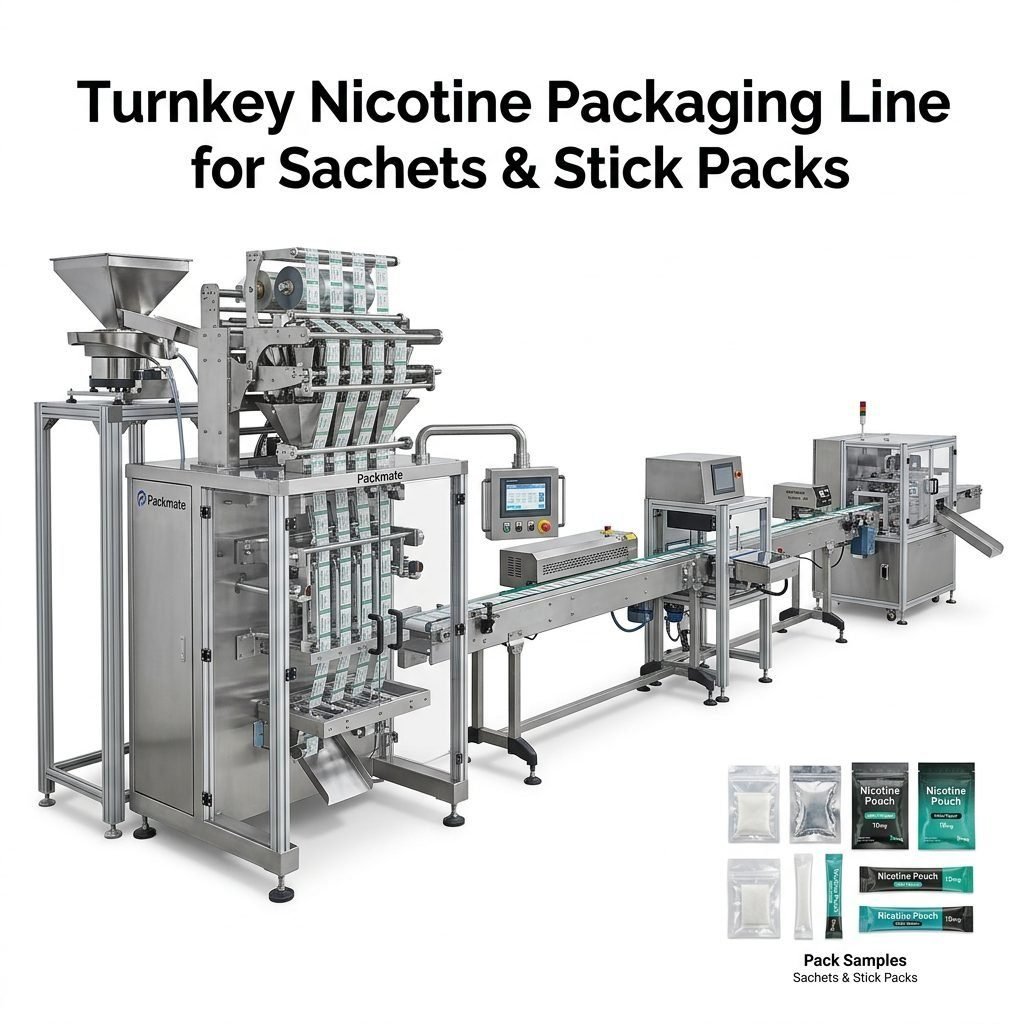
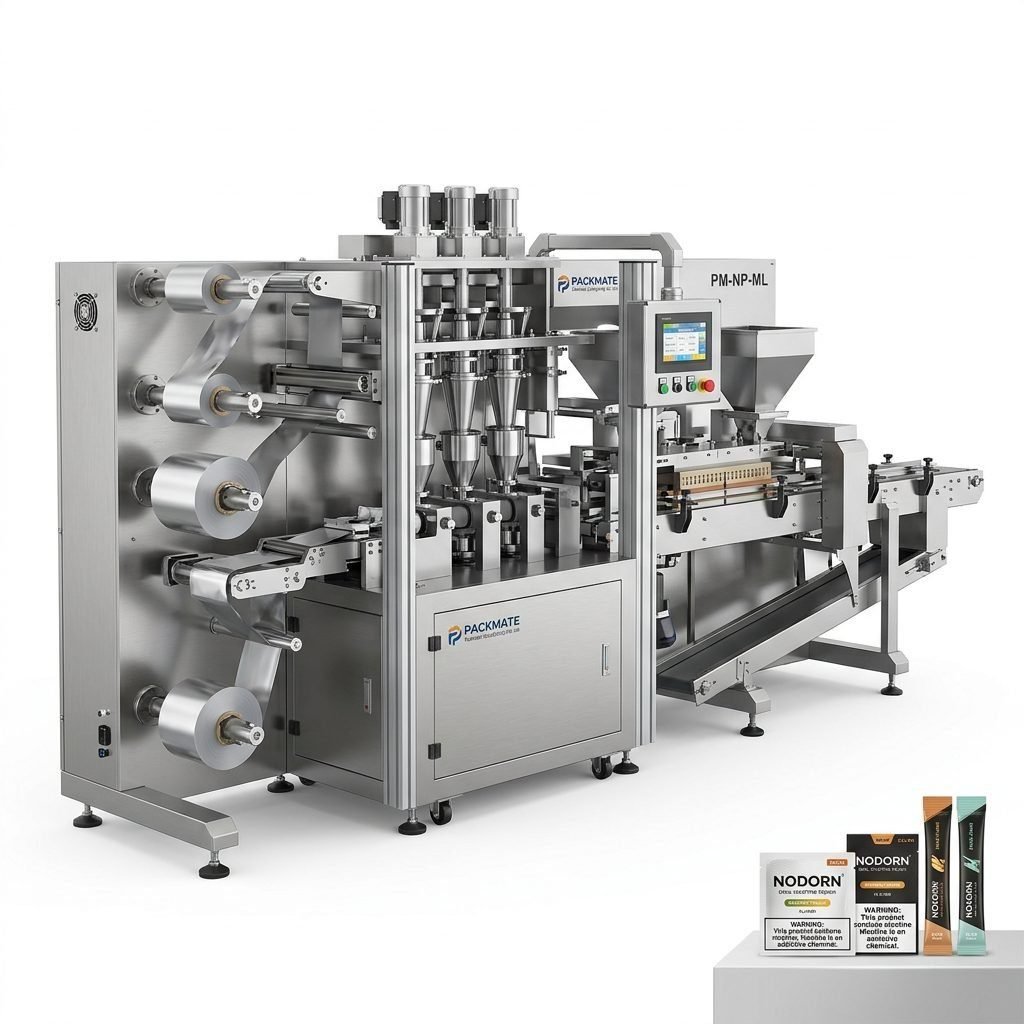
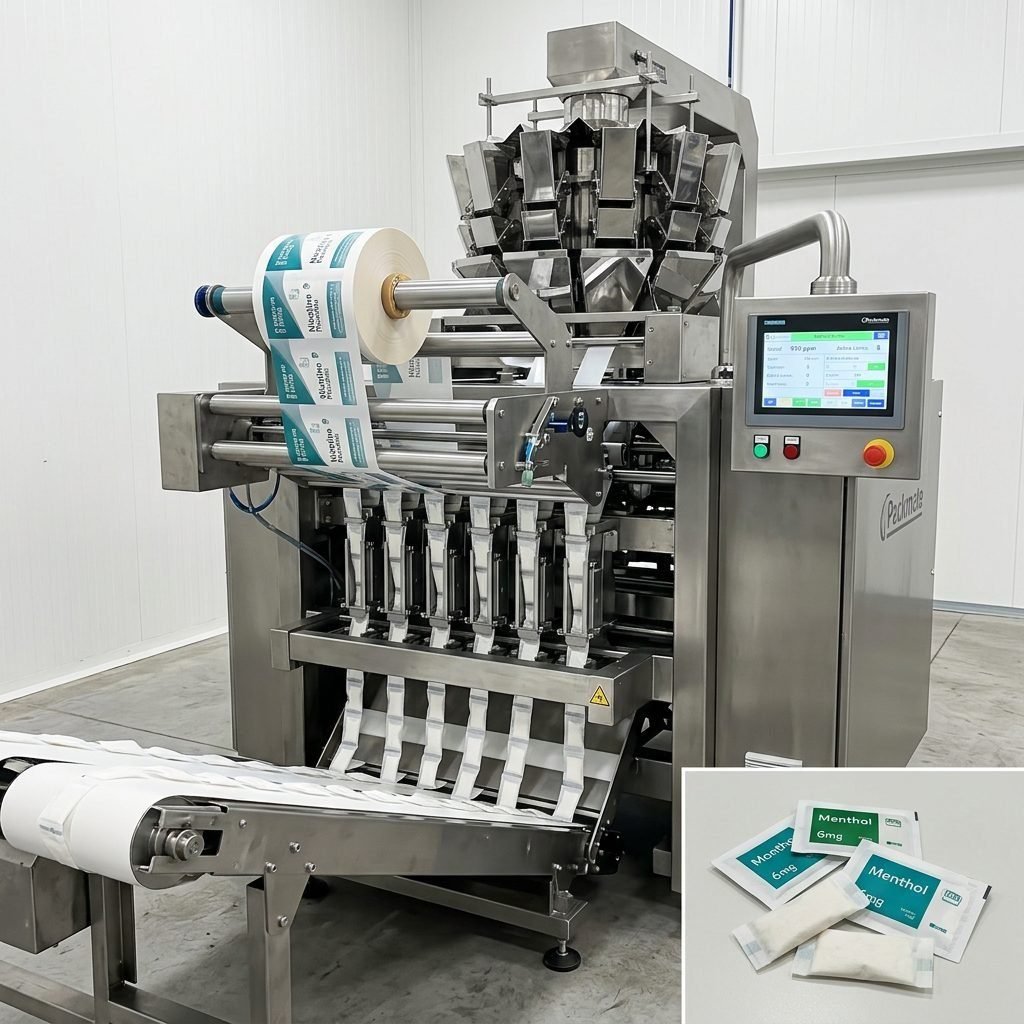
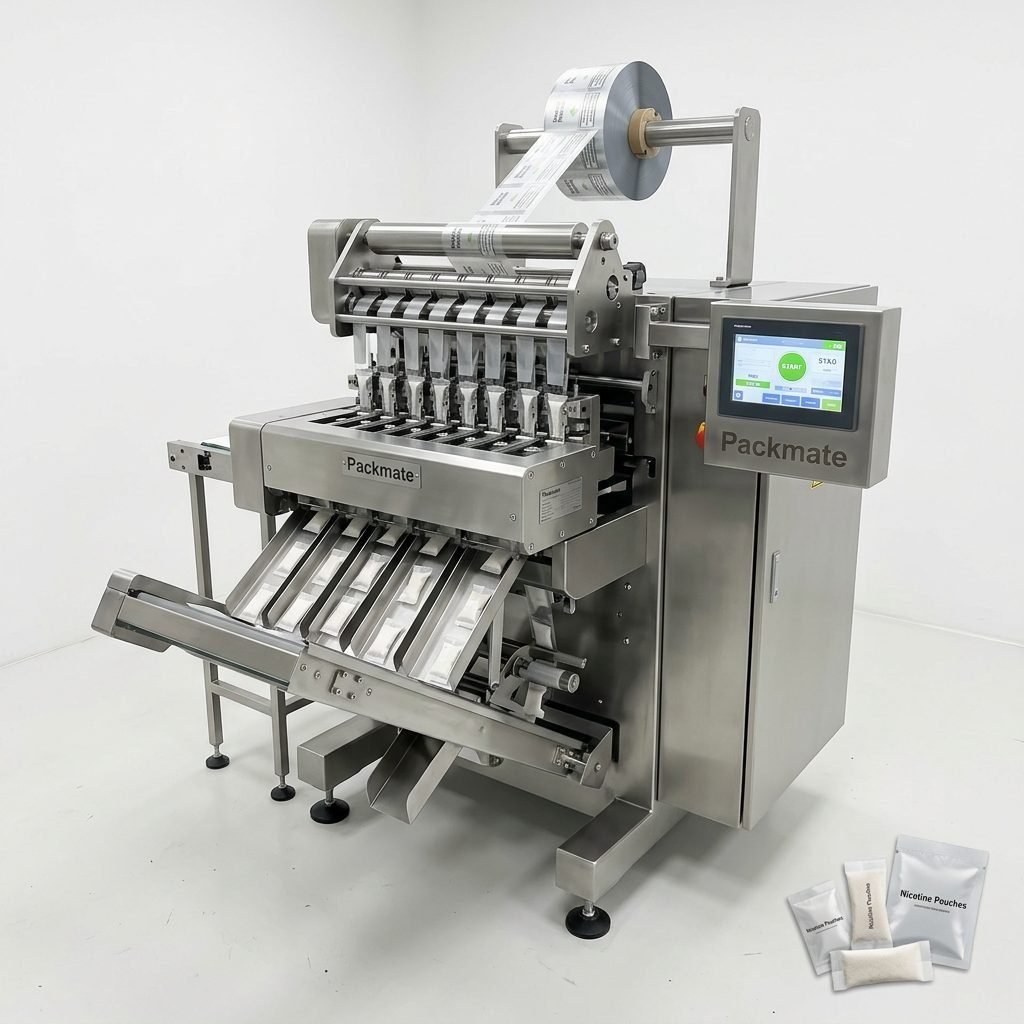
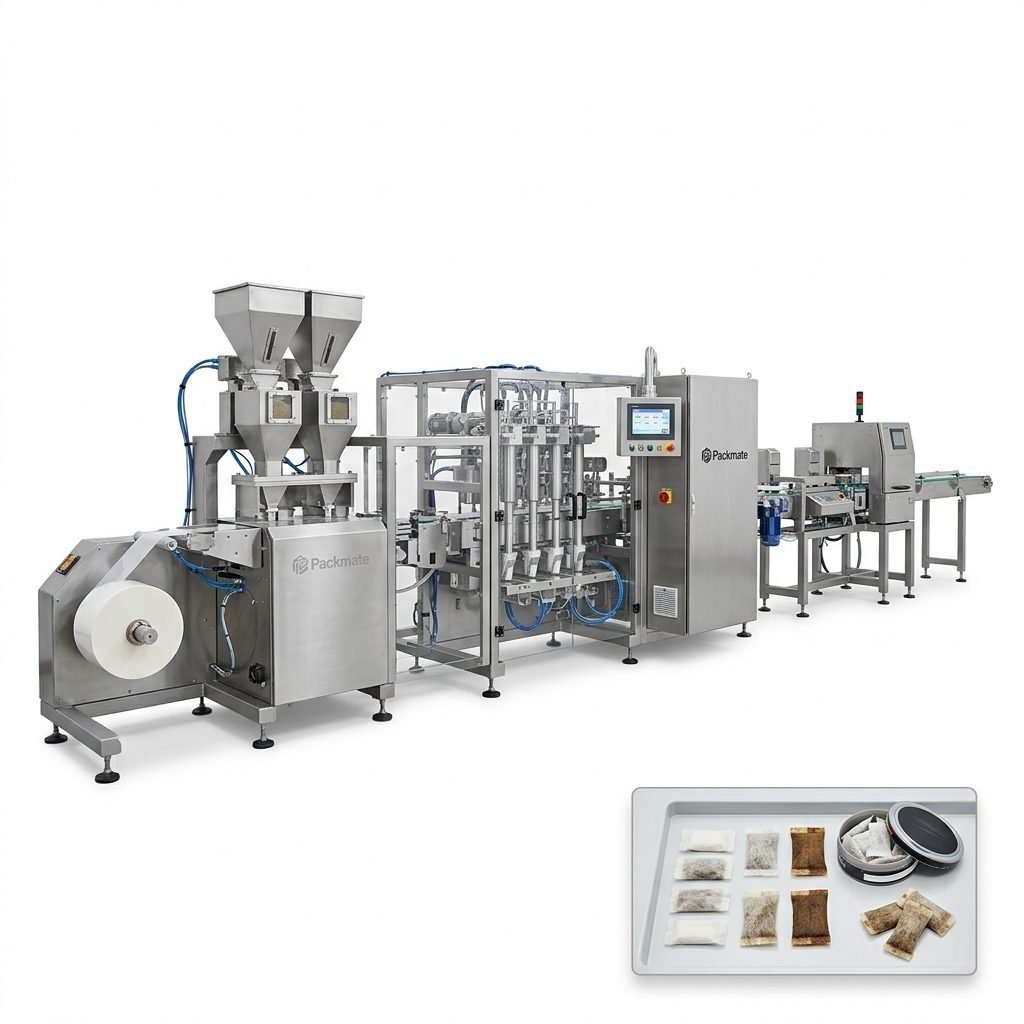
Finding a reliable snus packaging machinery supplier in Mali requires a mix of technical due diligence, cultural understanding, and a realistic plan for logistics and after-sales support. This practical buyer’s guide walks Malian entrepreneurs, importers, and production managers through the key steps — from assessing local market needs to verifying supplier credentials, understanding import and regulatory realities in Mali, and ensuring long-term machine uptime. Use these pointers to minimize risk and choose a supplier who delivers performance, compliance, and dependable service.
Understand the Mali Market and Local Business Culture
Mali is a West African country with deep regional trade connections and a business culture that values relationships and trust. French is widely used in formal business settings, while local languages underpin community relationships. When sourcing machines for snus or nicotine pouch production, remember:
⚠️ Cultural sensitivity: build personal contacts, take time for meetings, and use French (or work with a trusted local interpreter) for contracts and technical discussions.
📌 Local usage and regulation: tobacco and nicotine products are treated variably across West Africa. Verify local laws, advertising limits, and any age-restriction rules in Mali before launching production or import.
🔌 Infrastructure note: expect intermittent power supply in some regions — plan for voltage compatibility (usually 220V) and consider UPS/generator support for continuous production.
Define Your Production Needs First
Before contacting suppliers, outline clear production goals. A well-prepared requirements list saves time and helps suppliers give accurate quotes. Key questions to answer:
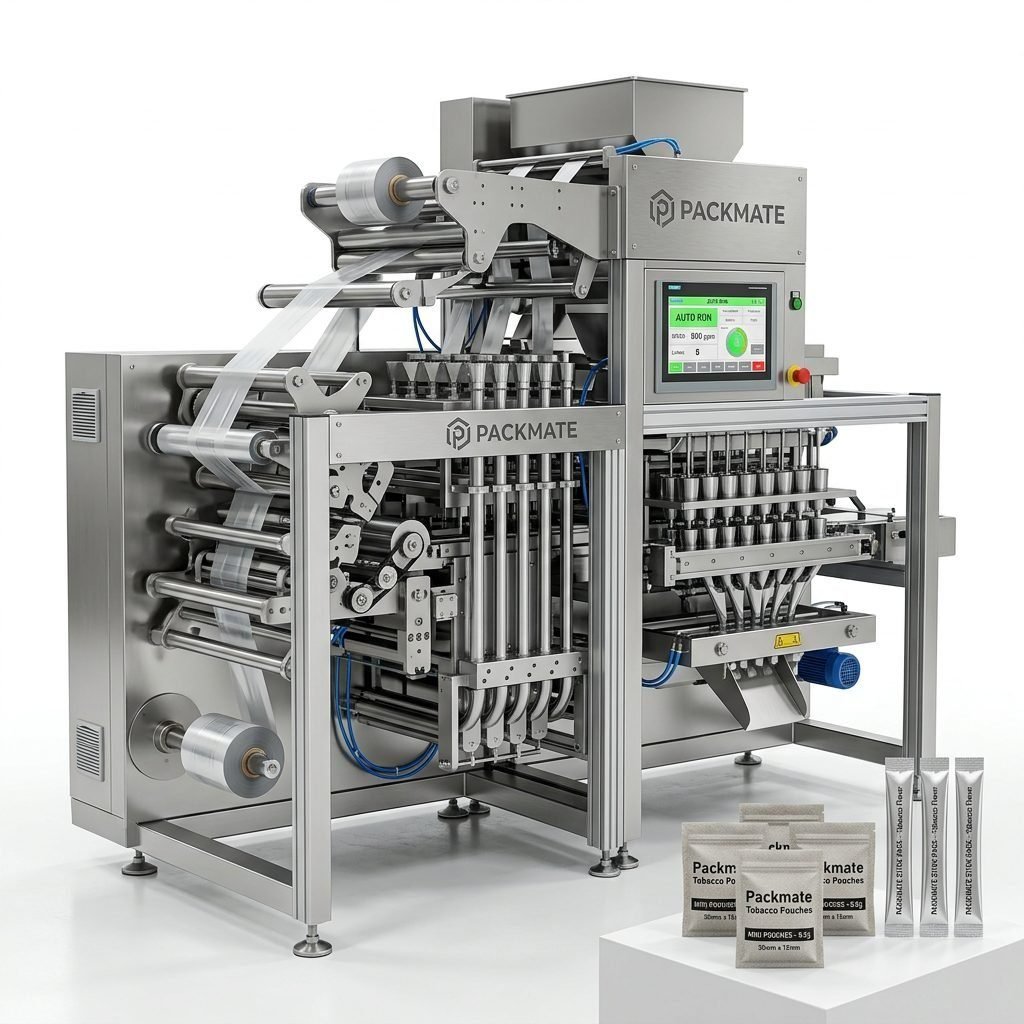
What product formats will you produce (snus pouches, nicotine pouches, sachets, stick packs)? Different machines are optimized for different pouch shapes and fill types.
What daily output do you aim for (pieces per minute / per day)? This determines single-lane vs multi-lane lines.
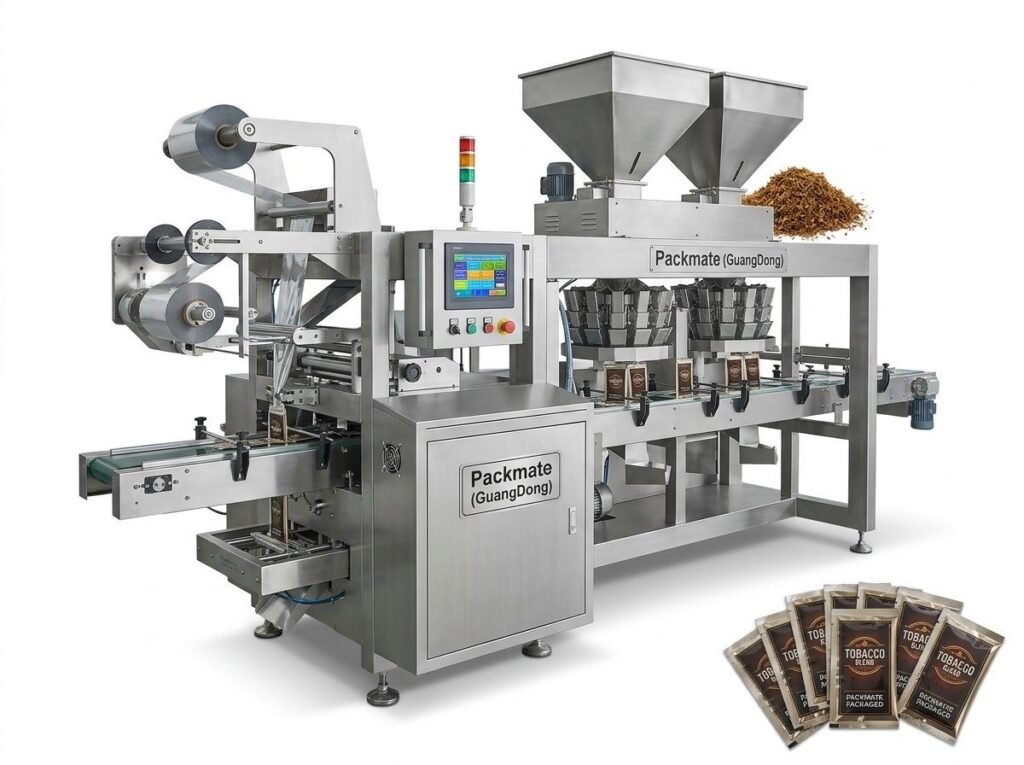
What fillings will you run (powder, granules, wet mixes)? Choose machines with compatible feeders and dosing systems.
Space, utilities, and environment: measure the production area, note humidity/temperature extremes, and check available power and compressed air capacity.
Technical and Compliance Checklist for Suppliers
Use this checklist when comparing offers. Ask suppliers to confirm each point in writing.
✅ Certifications: CE and ISO compliance for safety and quality. For export to Mali, CE can simplify acceptance by local technical inspectors.
✅ Machine performance: validated speed, yield rate, and waste percentages under real production conditions.
✅ Material compatibility: contact parts made of food-grade stainless steel where applicable and corrosion resistance for humid climates.
✅ Electrical fit: machines configurable for 220V/50Hz and with options for voltage stabilizers or inverters.
✅ Spare parts & consumables: availability, delivery lead time, and recommended stock levels.
✅ Training & documentation: operator manuals in French, remote/onsite training, and troubleshooting guides.
Step-by-Step: How to Find and Vet Suppliers
Follow these practical steps to reduce risk and choose a supplier who can support production in Mali.
1. Shortlist Suppliers with Relevant Experience
Look for manufacturers who specialize in snus, nicotine pouch, or small-dose pouch packaging. Suppliers with experience in multi-lane systems and turnkey lines will better handle scale-up. For example, explore dedicated product pages such as Snus & Nicotine Packaging Machines and Sachet & Stick Pack Machines to compare models and capabilities.
2. Verify Factory Strength and Quality Controls
Request factory photos, videos of machines running, and details about production capacity. A reputable supplier will have CNC machining centers, precision assembly lines, and clear quality-check procedures. If possible, review their case studies or factory tours; Case and About Packmate pages often show real installations and manufacturing evidence.
3. Ask for References and Real-World Case Studies
Contact other customers in similar markets or climates. Real references should confirm uptime, spare parts speed, and responsiveness of after-sales teams. Review published case studies and exhibition demonstrations; attending shows or watching recorded demos helps evaluate machine stability.
4. Evaluate After-sales Service and Local Support
In Mali, quick access to spare parts and competent technicians can make the difference between minor hiccups and costly downtime.
🔧 Spare parts policy: confirm lead times for common wear parts and whether the supplier keeps parts in regional warehouses.
🌍 Local partners: suppliers who work with regional agents or have local service partners can greatly reduce response times. Check the supplier’s Service and Contact Us pages for local contacts.
💻 Remote support: confirm availability of remote diagnostics, PLC backups, and software updates to keep lines running between visits.
Commercial Terms, Contracts and Payment Security
Carefully negotiate delivery, acceptance testing, warranty, and payment terms. Typical protections include factory acceptance testing (FAT) before shipment, detailed packing lists, and a clear warranty period with defined exclusions.
Consider letters of credit (LC) or escrow structures for large orders, and ensure the supplier includes a clear commissioning and training plan for when machines arrive in Mali.
Logistics, Import Duties and Local Regulations in Mali
Mali is a member of ECOWAS, which affects customs procedures. Work with a knowledgeable freight forwarder experienced in Mali imports. Key points:
📦 Shipping options: sea freight to Abidjan or Dakar with onward road transport, or direct shipping to ports serving Mali via regional transit. Airfreight is faster but costlier.
🧾 Documentation: ensure commercial invoice, packing list, bill of lading/airway bill, CE/ISO certificates, and any required technical dossiers are included to smooth customs clearance.
💼 Local licensing: double-check any special permits for nicotine-related production and local health regulations; engage a local legal advisor if needed.
Installation, Commissioning and Training
A good supplier will offer onsite commissioning and operator training in French. Confirm the schedule for:
🔍 Pre-shipment FAT: witness machines running your product at the supplier’s factory or via a certified FAT video.
🛠️ Onsite commissioning: supplier engineers install, tune the line, and certify performance acceptance at your Malian facility.
👨🏫 Training: provide technical manuals and operator training sessions in French, plus a plan for training replacements as staff turnover occurs.
Why Choose an Experienced Snus Packaging Manufacturer
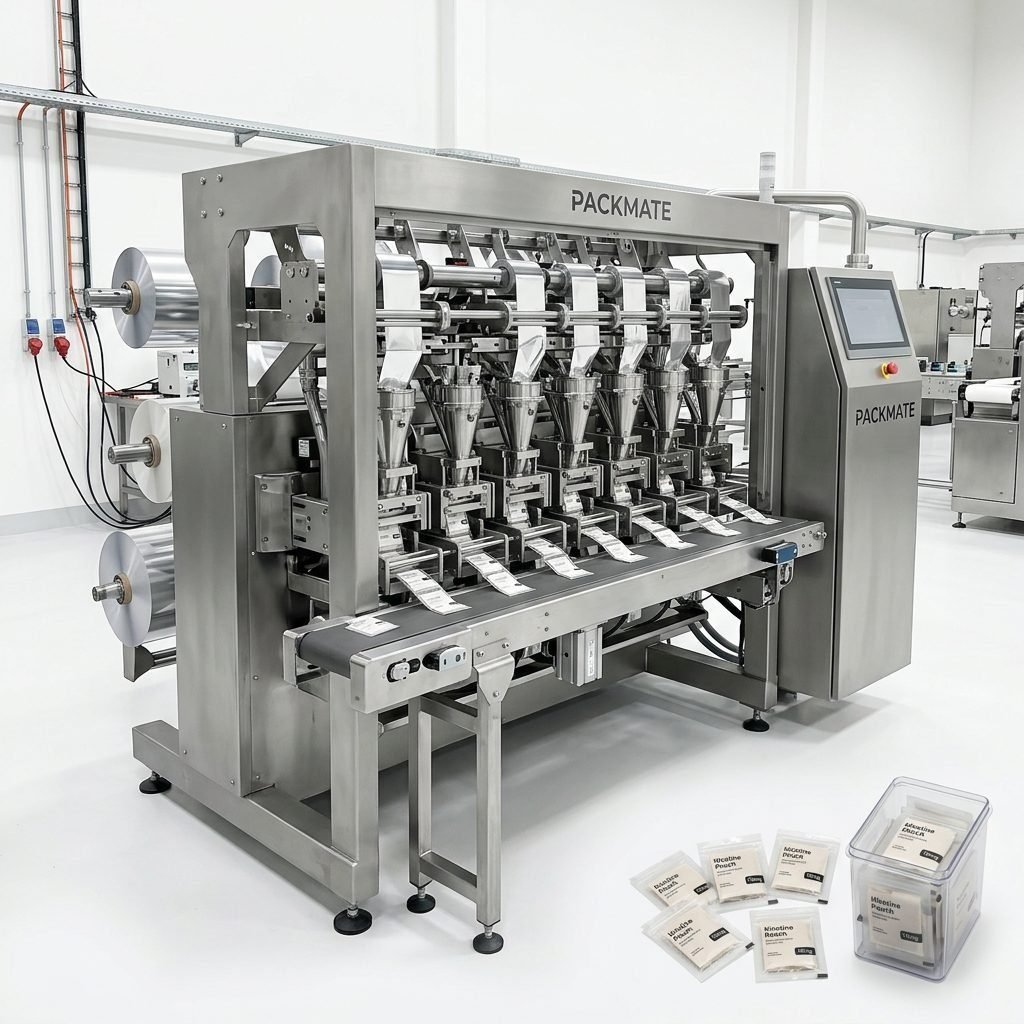
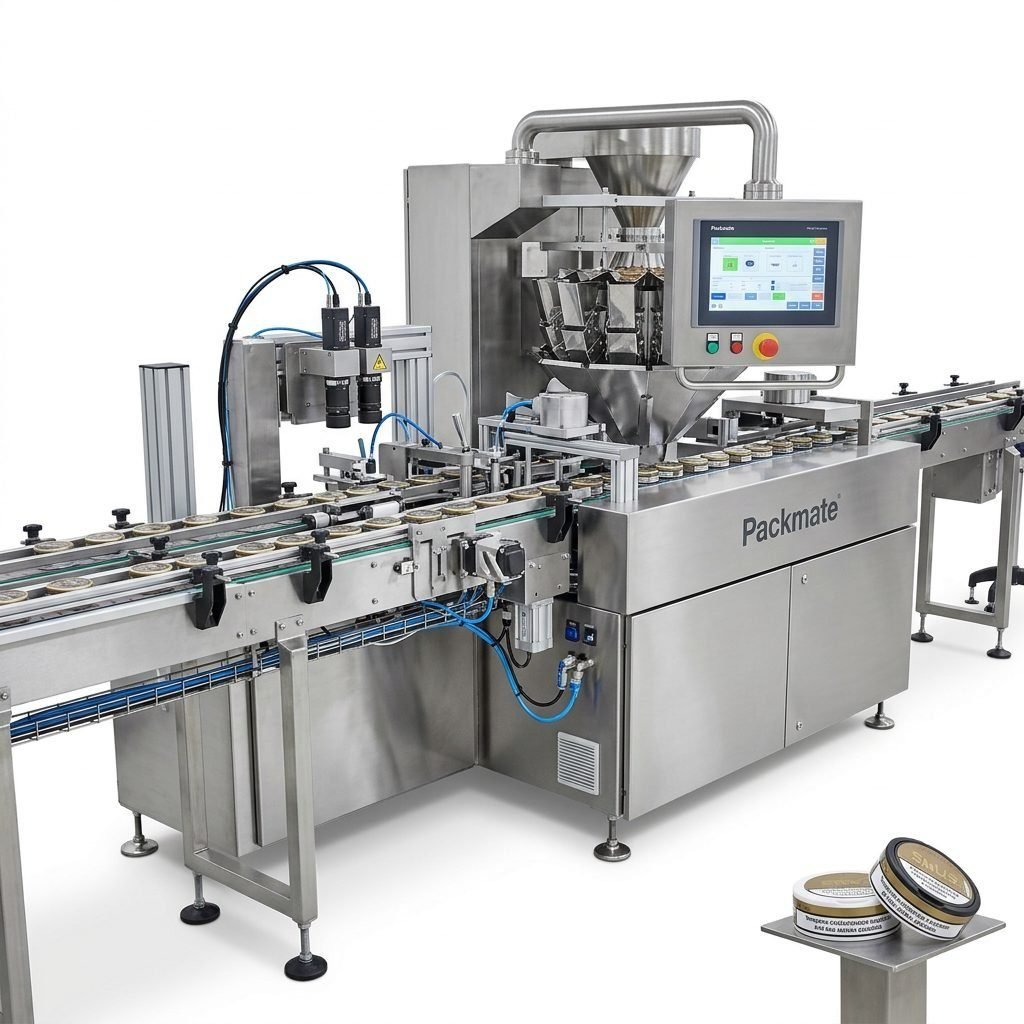
Manufacturers focused on snus and nicotine pouch lines understand small-dose accuracy, dust control, hygienic design, and cross-contamination risks. They provide specialized solutions such as multi-lane systems and precise dosing equipment. Explore relevant product lines to match your needs, for example Snus & Nicotine Packaging Machines, Bag & Pouch Packaging Machines and Weighing & Packaging Systems for complete options.
Red Flags to Watch For
Be cautious if a supplier:
❌ Provides vague technical specs or avoids FAT demonstrations.
❌ Has no verifiable references or refuses to share factory footage of machines running similar products.
❌ Offers extremely low prices with unclear spare parts policies and long lead times for critical components.
Tips for Long-Term Success in Mali
• Keep a small inventory of wear parts and consumables locally to reduce downtime.
• Establish a clear local maintenance schedule and train multiple staff members to handle routine tasks.
• Maintain good relations with customs brokers and local authorities to speed up any re-exports or spare part imports.
• Consider joining regional business groups to stay informed about regulatory changes affecting nicotine and tobacco products.
Useful Resources and Next Steps
Start by shortlisting manufacturers with documented snus and pouch expertise, then request FAT evidence and references. For detailed product overviews and company background, visit supplier product pages and company information such as Snus & Nicotine Packaging Machines, Case and About Packmate. Use those resources to build a comparison matrix and request formal quotations and commissioning plans.
Final Checklist Before You Sign
✔ Factory Acceptance Test documented and agreed
✔ Written warranty terms and spare parts lead times
✔ Clear training and commissioning schedule in French
✔ Logistics plan including transit routes, customs paperwork, and local partner contacts
Frequently Asked Questions
Q1: How do I verify a supplier’s factory capabilities remotely?
A1: Request high-resolution videos of machines running your product, live FAT sessions via video call, recent client references, and photos of CNC and assembly areas. Insist on seeing serial numbers and test reports for comparable installations.
Q2: What basic spare parts should I stock in Mali?
A2: Keep essential wear items (seals, belts, cutting knives, dosing spares, sensors), electrical components (PLC backup, fuses), and any proprietary modules that are slow to replace. Your supplier should recommend a tailored spare parts list.
Q3: Can suppliers help with local regulatory questions in Mali?
A3: Many experienced suppliers provide documentation and certificates (CE, ISO) that help with customs and regulatory filings, but local legal/regulatory counsel is recommended for country-specific nicotine regulations.
Q4: Is onsite training necessary or is remote training enough?
A4: For initial commissioning, onsite training is highly recommended — especially where language, local electricity conditions, or unique product formulations are involved. Remote follow-ups are useful for refresher sessions.
Q5: How important is the choice between single-lane and multi-lane systems?
A5: It depends on your target capacity. Multi-lane systems are efficient for high-volume small-dose pouches, while single-lane machines can be more economical for small batches or market tests. Discuss planned growth with suppliers to avoid early obsolescence.
For more detailed inquiries, product catalogs, or to view real case studies and certifications, consult supplier product pages and company information such as Filling & Packaging Lines, Weighing & Packaging Systems, and Contact Us to request quotations and FAT arrangements.