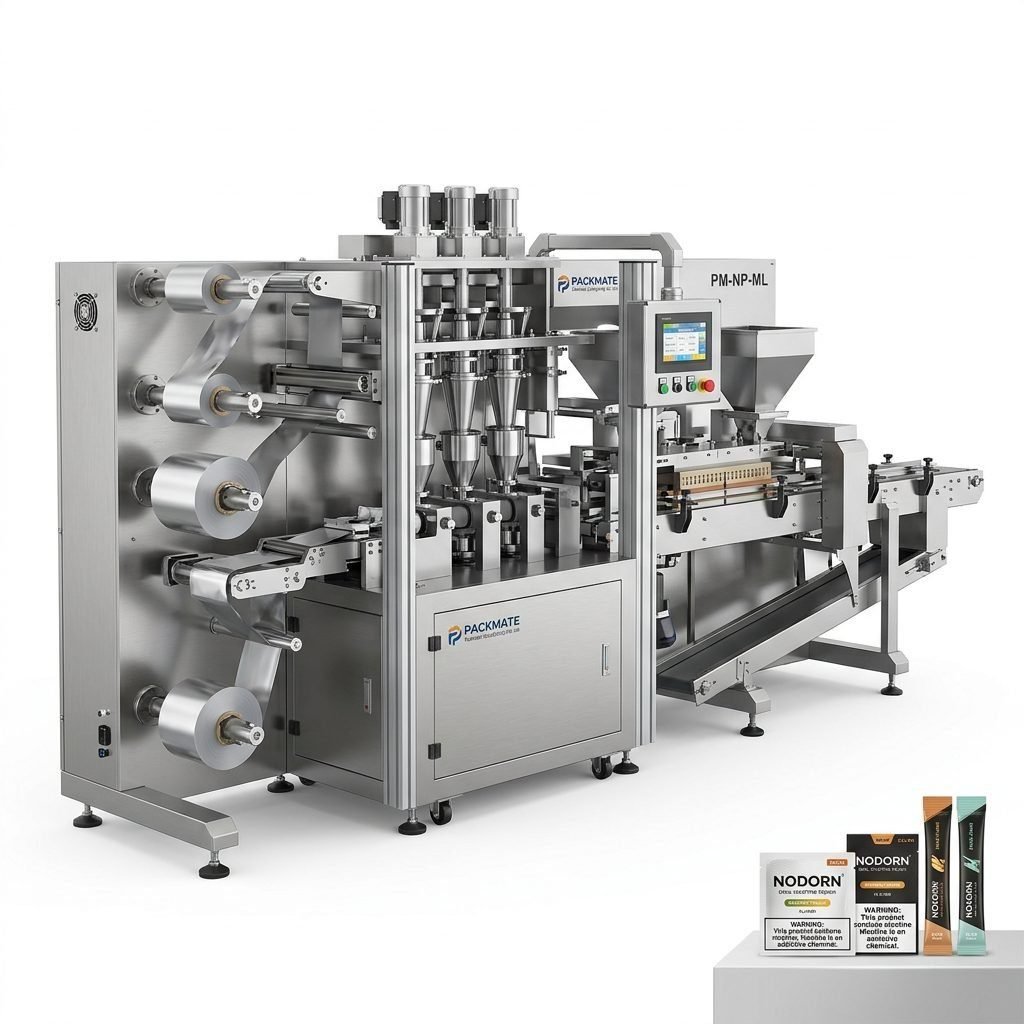
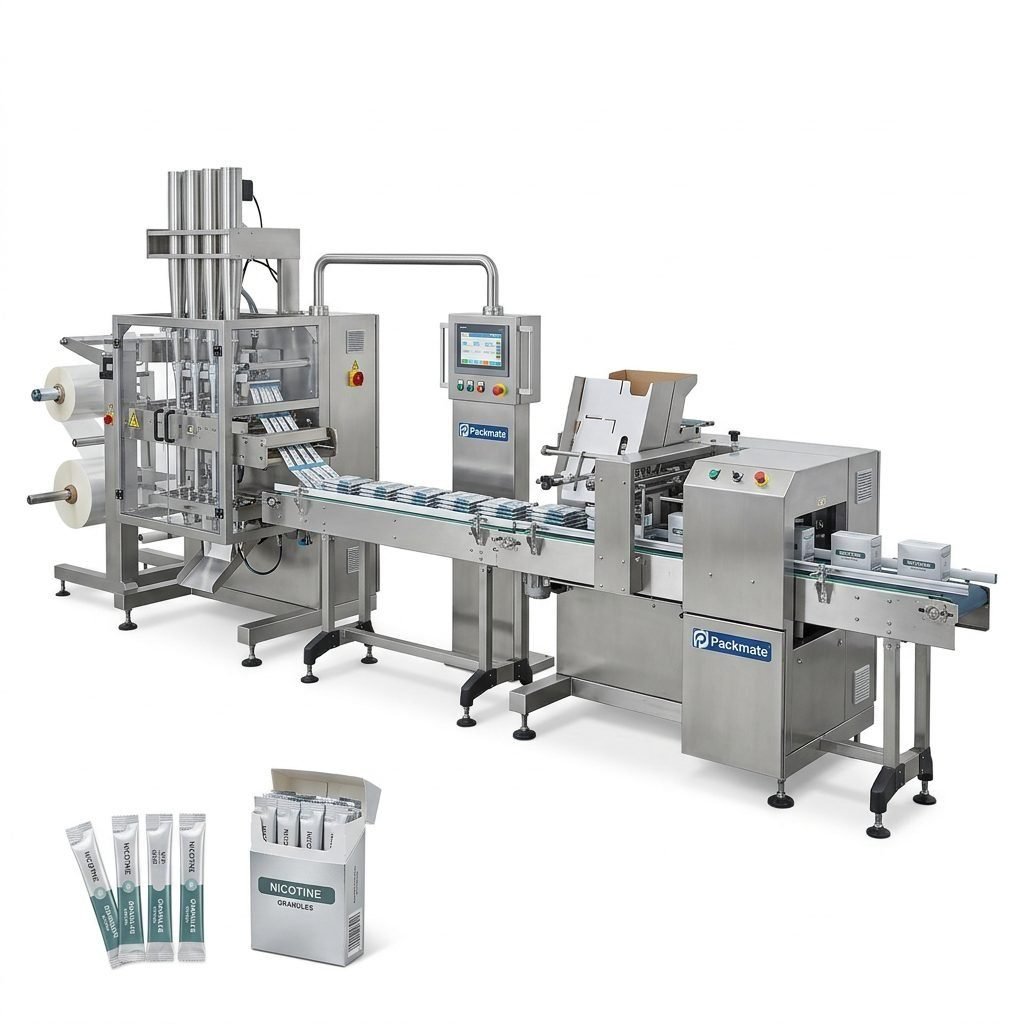
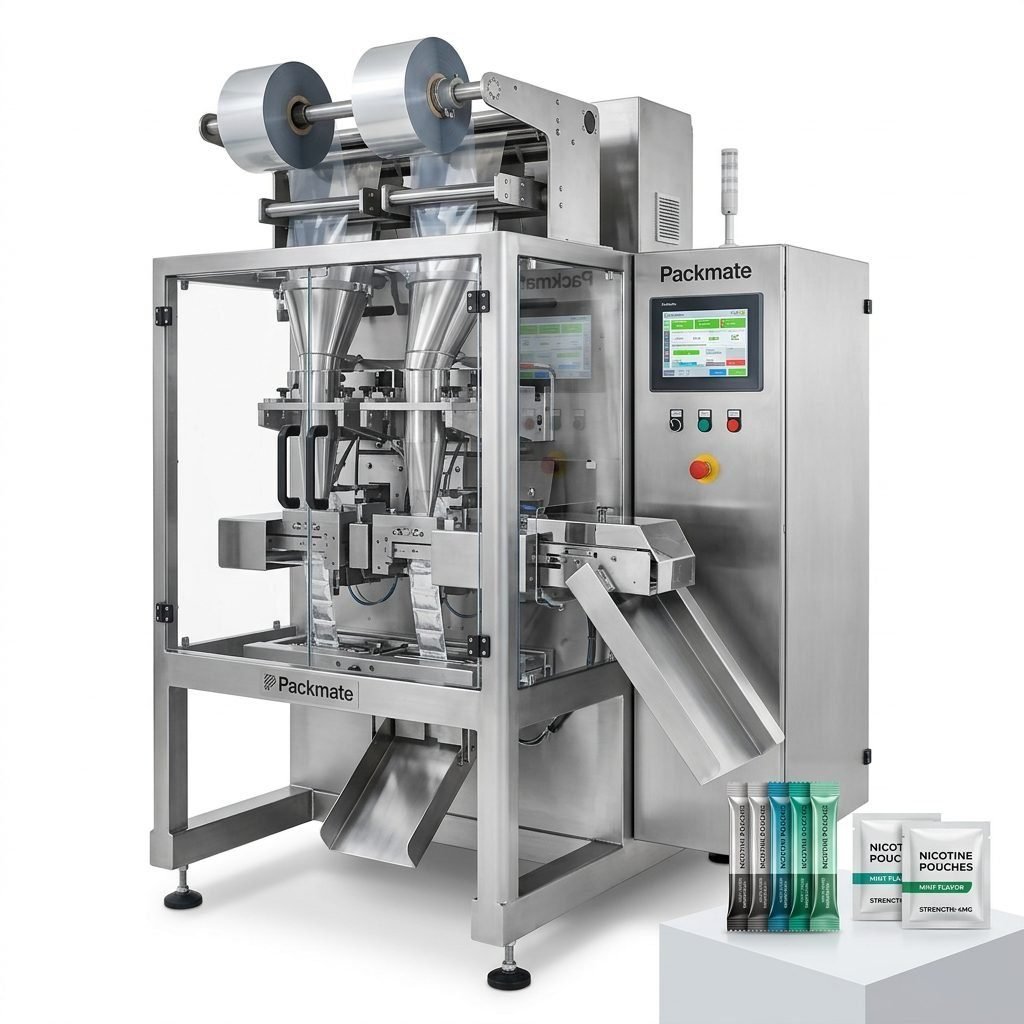
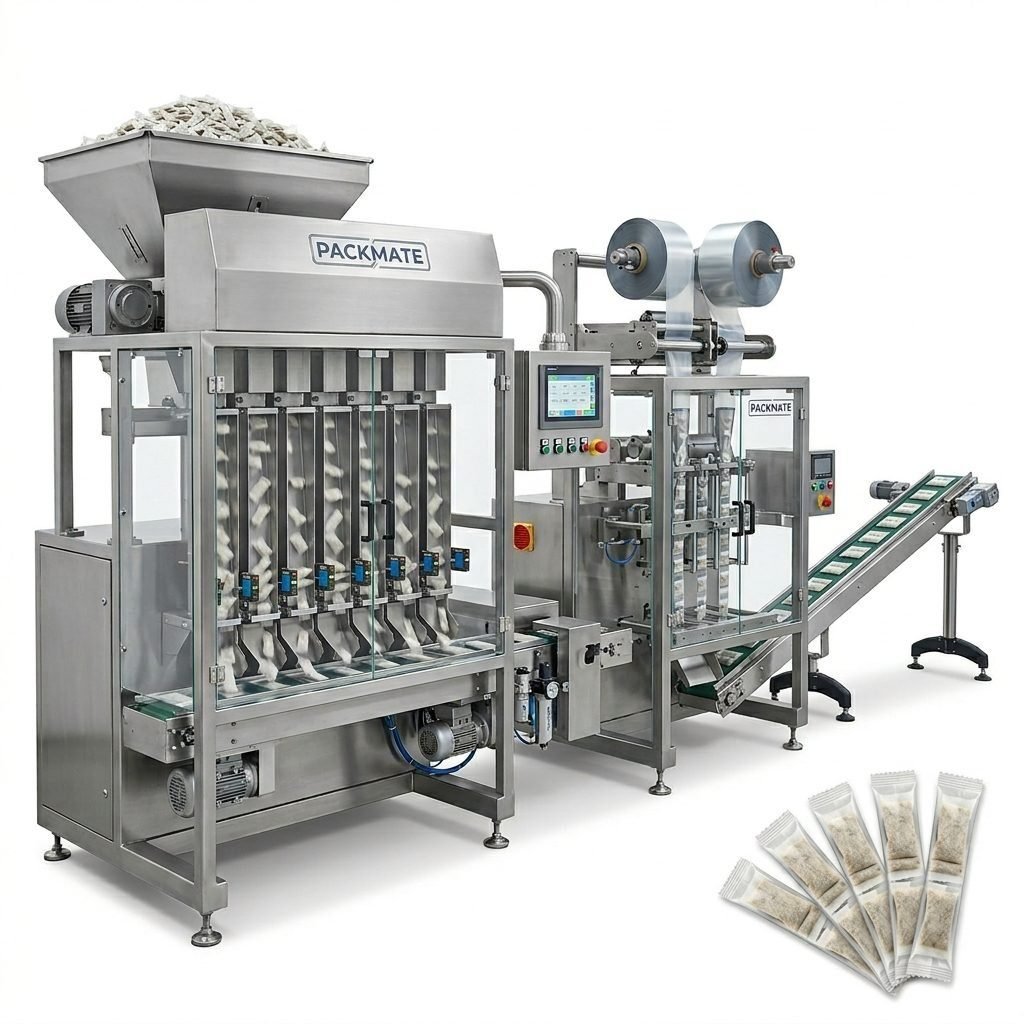
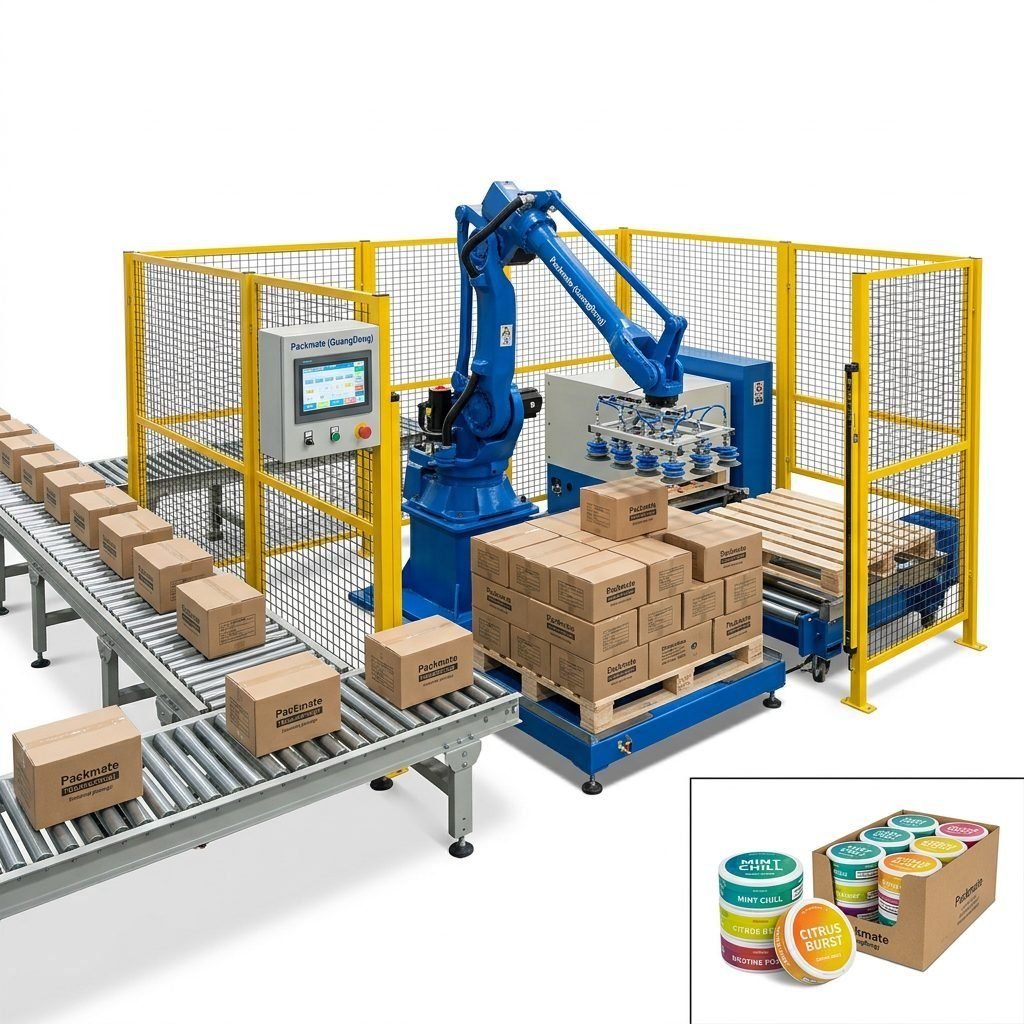
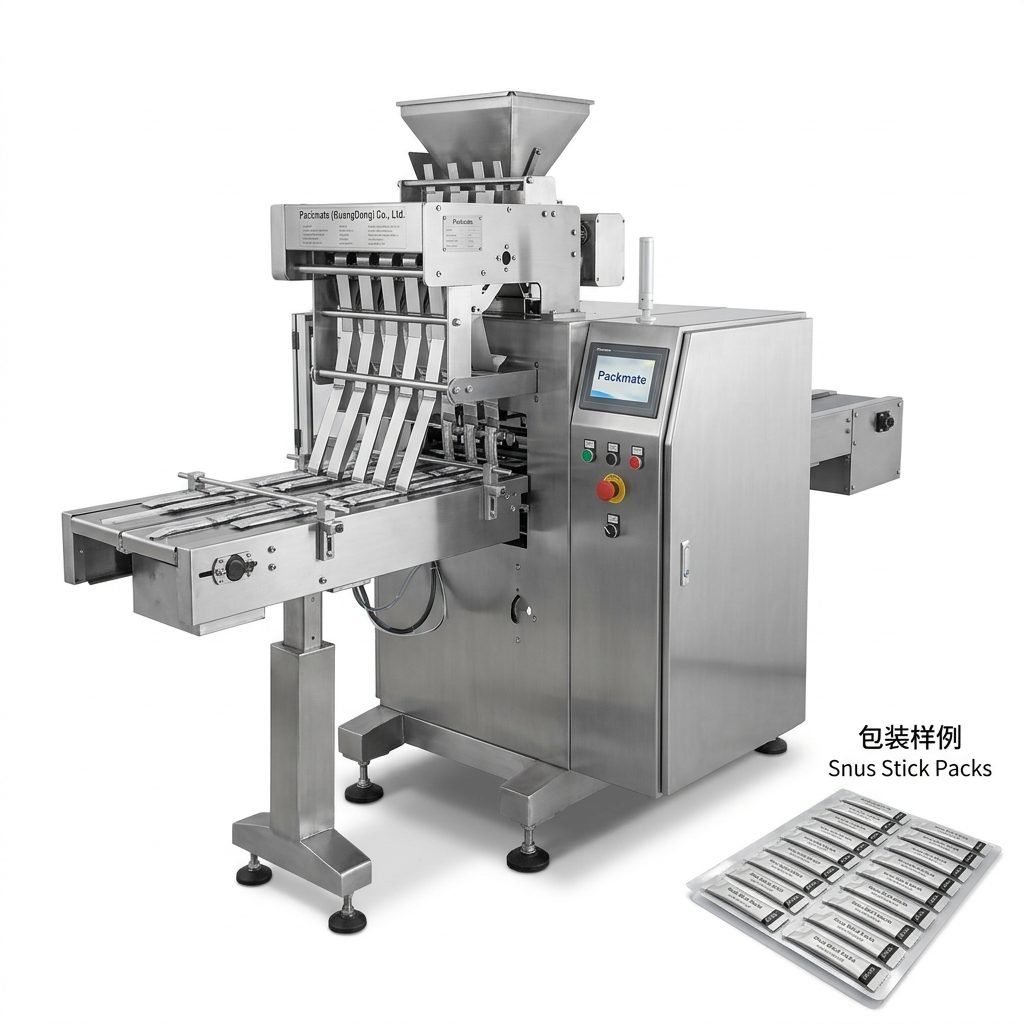
In competitive snus and nicotine pouch manufacturing, machine upgrades are one of the fastest ways to increase throughput, improve product quality, and reduce operational costs. Upgrading existing packaging equipment or investing in targeted improvements can deliver measurable returns in yield, downtime reduction, and regulatory compliance. This guide outlines practical, high-impact upgrades for snus packaging lines and offers an implementation roadmap that aligns with modern production requirements.
Why Upgrades Matter for Snus Packaging
Upgrades are not just about speed. They address multiple pain points manufacturers face: inconsistent pouch fill weights, frequent film jams, cross-contamination risks, and insufficient traceability. For nicotine pouches and snus — where dosing accuracy and hygienic handling are critical — targeted machinery enhancements improve both product consistency and regulatory readiness. The cumulative effect is better brand reputation and reduced waste.
The Business Case: ROI and Efficiency
🔸 Lower material waste through improved film control and accurate cutting — fewer reworks.
✦ Higher uptime when predictive maintenance and easy-change components are added.
✅ Faster product changeovers with modular tooling and pre-set recipes.
⚙️ Better compliance via integrated serialization, batch tracking, and validated weighing systems.
Top Machine Upgrades to Prioritize
1. Multi-lane & High-Speed Converting Systems
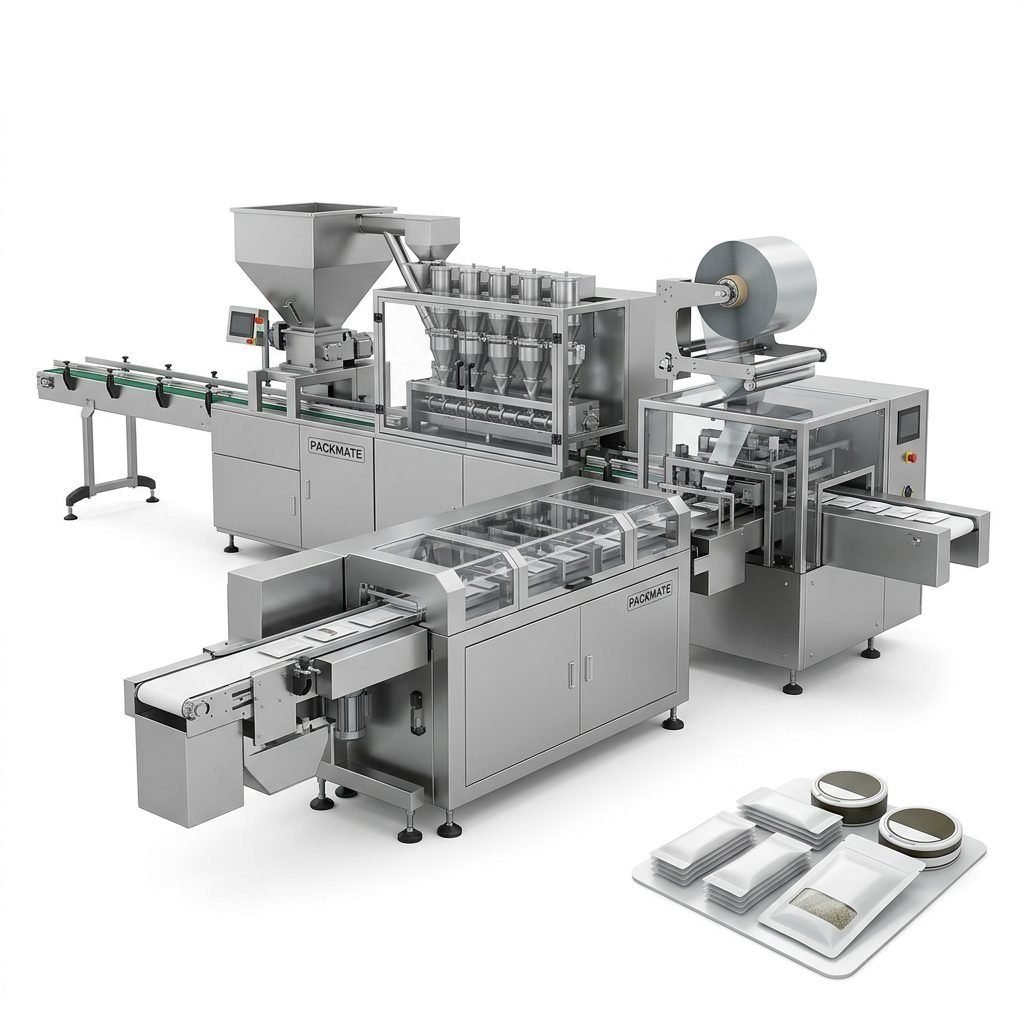
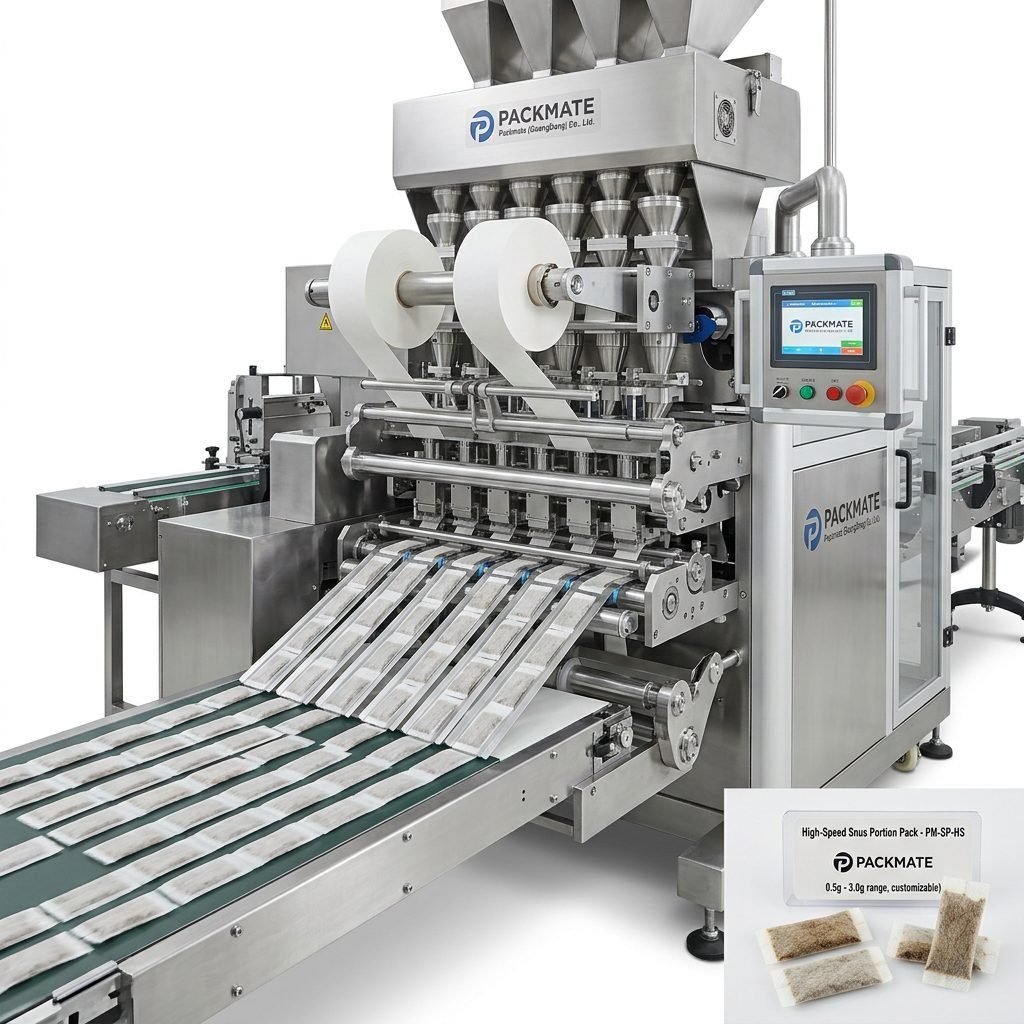
Converting single-lane lines to multi-lane systems multiplies output without a proportional increase in footprint. Modern multi-lane setups are engineered for small-dose pouch production typical of snus and nicotine pouches, providing stable web handling, synchronized cutting, and robust sealing. Manufacturers with seasonal demand spikes can benefit greatly from multi-lane retrofits that increase production lanes and introduce automatic lane balancing.
2. Servo Drives and Motion Control
Upgrading to servo-driven components (feeders, cut systems, and indexing conveyors) improves positioning accuracy and reduces mechanical wear. Servo motion control allows precise synchronization between dosing, forming, and sealing processes — leading to consistent pouch weights and minimized seal defects.
3. Integrated Weighing & Feeding Systems
Accurate micro-dose filling is a must for nicotine pouches. Integrating high-precision weighing and automated feeding systems ensures each pouch meets target weight tolerances. Consider adding closed-loop feedback from weighing modules to adjust feed rates in real time — this reduces overfilling and material wastage.
4. Advanced HMI & Industry 4.0 Connectivity
A modern HMI with recipe management, remote diagnostics, and production dashboards enhances operator efficiency. Networked machines can feed performance data into MES or SCADA systems for predictive maintenance and process optimization. Remote support features enable quick troubleshooting and firmware updates, shortening downtime significantly.
5. Precision Forming, Sealing & Film Handling
Film tracking, corrected tensioning, and precision forming plates reduce wrinkles and seal misalignment. Upgrading vacuum transport and infeed systems prevents contamination and ensures pouches form correctly at high speeds. Consider anti-static and corona-treatment options for certain film types to improve sealing performance.
6. Automated Cleaning & Sanitation Features
For nicotine products, sanitation matters. Retrofit options like tool-less access panels, quick-release parts, and CIP-capable modules shorten clean-in-place cycles and reduce manual cleaning errors. This also helps manufacturers meet stricter hygiene audits and reduces cross-contamination risks between SKUs.
Quality & Traceability Enhancements
✦ Vision inspection systems for seal integrity, print accuracy, and pouch alignment.
✦ Serialization & batch coding to support recalls and supply chain tracking.
✦ Metal detection & X-ray options where foreign object detection is required.
Energy, Maintenance & Lifecycle Upgrades
Energy-efficient motors, variable frequency drives, and optimized pneumatic systems reduce utility costs. Predictive maintenance sensors and vibration monitoring provide early warnings for part failures. Upgrading critical wear parts to longer-life materials (ceramic seals, hardened cams) extends MTBF and lowers total cost of ownership.
Implementation Roadmap
Phase 1 — Assessment
Conduct a process audit: identify bottlenecks, failure modes, and quality issues. Gather cycle time data and scrap rates. Include operators and maintenance staff in the assessment to capture practical pain points.
Phase 2 — Prioritization & Pilot
Rank upgrades by ROI, lead time, and implementation complexity. Start with pilot retrofits on a single line — for example, fit a new dosing/weighing module or a servo-driven feeder to validate gains before scaling.
Phase 3 — Scale & Integrate
Roll out successful upgrades across additional lines, integrate data capture for plant-wide analytics, and standardize spare parts. Train operators on new HMI features and ensure documentation is updated.
Case Example: Real-World Gains
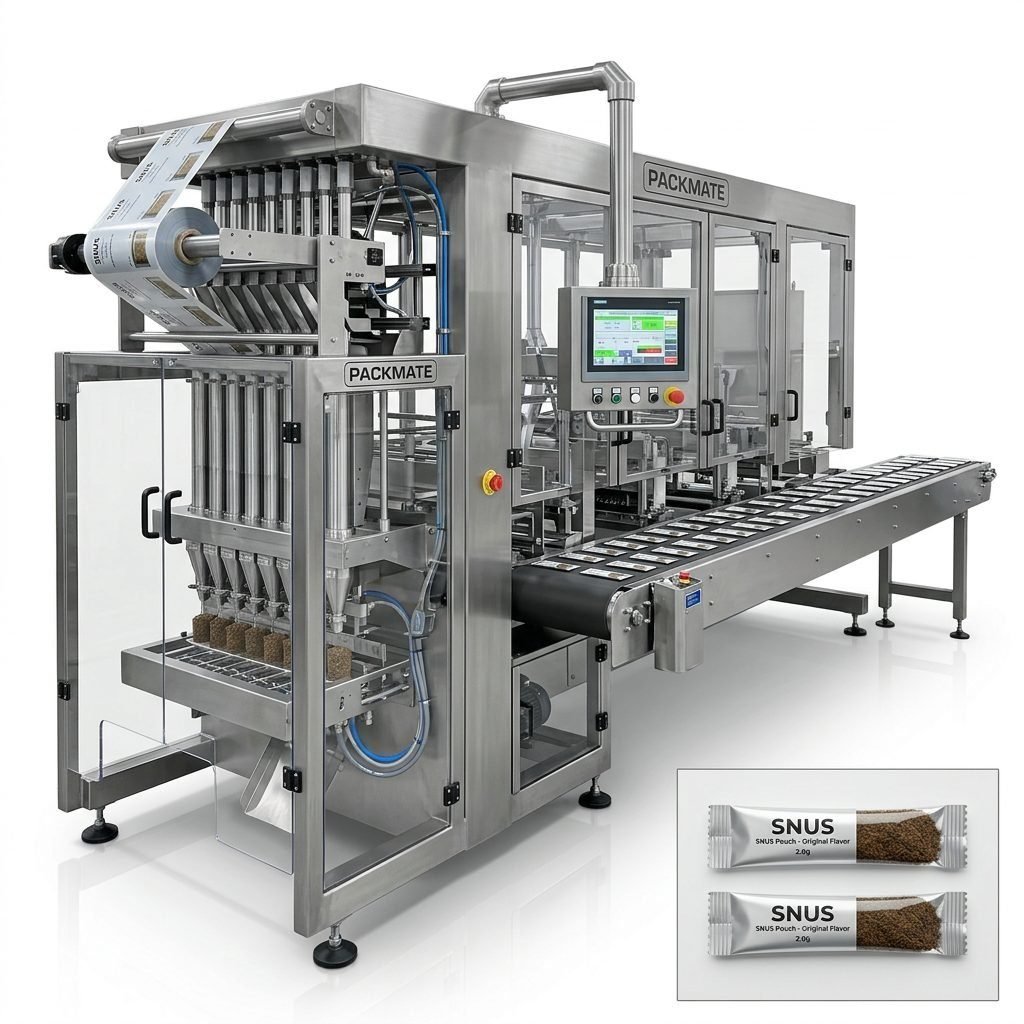
A mid-size manufacturer retrofitted a stick-pack line with multi-lane converting and integrated weighing; production capacity increased by 220% while scrap rates dropped by 47%. Another customer added vision inspection and achieved an 80% reduction in customer complaints related to seal defects. For reference examples and equipment selection, explore product categories like Snus & Nicotine Packaging Machines and Sachet & Stick Pack Machines.
Selecting a Supplier: Key Criteria
When choosing a partner for upgrades, evaluate these points: engineering expertise in snus/nicotine pouch equipment, compliance with CE/ISO standards, local service capability, and turnkey integration experience. Packmate’s heritage in snus packaging and its global case portfolio make it a capable partner for tailored solutions. See About the manufacturer at About Packmate and view real installations at the Case page.
Practical Upgrade Checklist
🔸 Baseline performance metrics documented (OEE, scrap, changeover time).
🔸 Pilot plan with clear success criteria and timeline.
🔸 Training plan for operators and maintenance teams.
🔸 Spare parts kits and tools for new components.
🔸 Data integration plan for HMI/MES connectivity.
Common Challenges & Mitigations
Delays often come from parts lead times, undocumented legacy machine behavior, and insufficient operator training. Mitigate risks by ordering long-lead items early, conducting FAT/SAT for critical modules, and scheduling hands-on training during commissioning. Leverage vendor remote support to accelerate troubleshooting.
Regional Considerations & User Habits
In Europe, where snus usage and regulations are well-established, manufacturers prioritize traceability and batch control. North American markets often focus on flexible SKU changeovers and multi-format capability. Asia’s high-volume facilities emphasize compact multi-lane designs and automation density. Align upgrades with local compliance needs and consumer expectations for packaging aesthetics and labeling.
Getting Started — Contact & Resources
For practical consultation on retrofit scope, spare parts, or turnkey line design, review equipment categories such as Filling & Packaging Lines and reach out through the manufacturer’s Contact Us page. Experienced vendors provide feasibility studies and ROI projections prior to investment.
Final Recommendations
Start with data: identify the highest-impact bottleneck and pilot a single upgrade. Combine mechanical improvements with smart controls to compound gains. Prioritize hygiene design for nicotine products and ensure spare-part availability for critical components. Consider long-term partnerships with suppliers that offer global service and demonstrated experience in snus packaging lines.
Frequently Asked Questions
Q1: How quickly can an upgrade pay for itself?
A1: Payback depends on the scope but many upgrades (servo drives, weighing integration, film handling) show ROI within 6–18 months via reduced waste and increased throughput.
Q2: Can my existing line be retrofitted with multi-lane capability?
A2: Many older frames support multi-lane retrofits, but a line audit is necessary to confirm structural compatibility and required control updates.
Q3: What regulatory features should snus packaging upgrades include?
A3: Ensure traceability (batch coding, serialization), hygienic design for easy cleaning, validated filling accuracy, and compliance documentation such as CE and ISO certificates.
Q4: How do I choose between upgrading and buying a new line?
A4: Compare retrofit costs, expected performance gains, downtime during installation, and remaining machine life. For substantial capacity increases or when legacy controls limit integration, a new line may be more cost-effective.
Q5: Where can I find examples of upgraded snus lines?
A5: Manufacturer case studies and product pages provide real-world examples. Review the Case section and product pages like Snus & Nicotine Packaging Machines for detailed references.