Choosing the right packaging machine supplier is one of the most important strategic decisions for any business entering or expanding in Kenya’s nicotine pouch and snus market. This guide walks you through practical selection criteria, local considerations for the Kenyan market, procurement steps, and tips to secure reliable after-sales support. Whether you run a start-up kiosk in Nairobi, a mid-size manufacturer in Mombasa, or a distributor servicing East Africa, the right supplier will reduce production risks, improve product consistency, and help you meet local regulations.
Why the supplier matters more than the machine alone
⚙️ Reliability, service and compliance are the three pillars that transform a good packaging machine into a profitable production line. Machines break down, markets shift, and regulations change — a strong supplier partnership protects your business through timely spare parts, on-site training, and documentation that helps you certify products for local sale.
Key supplier selection criteria
1. Industry experience and proven track record
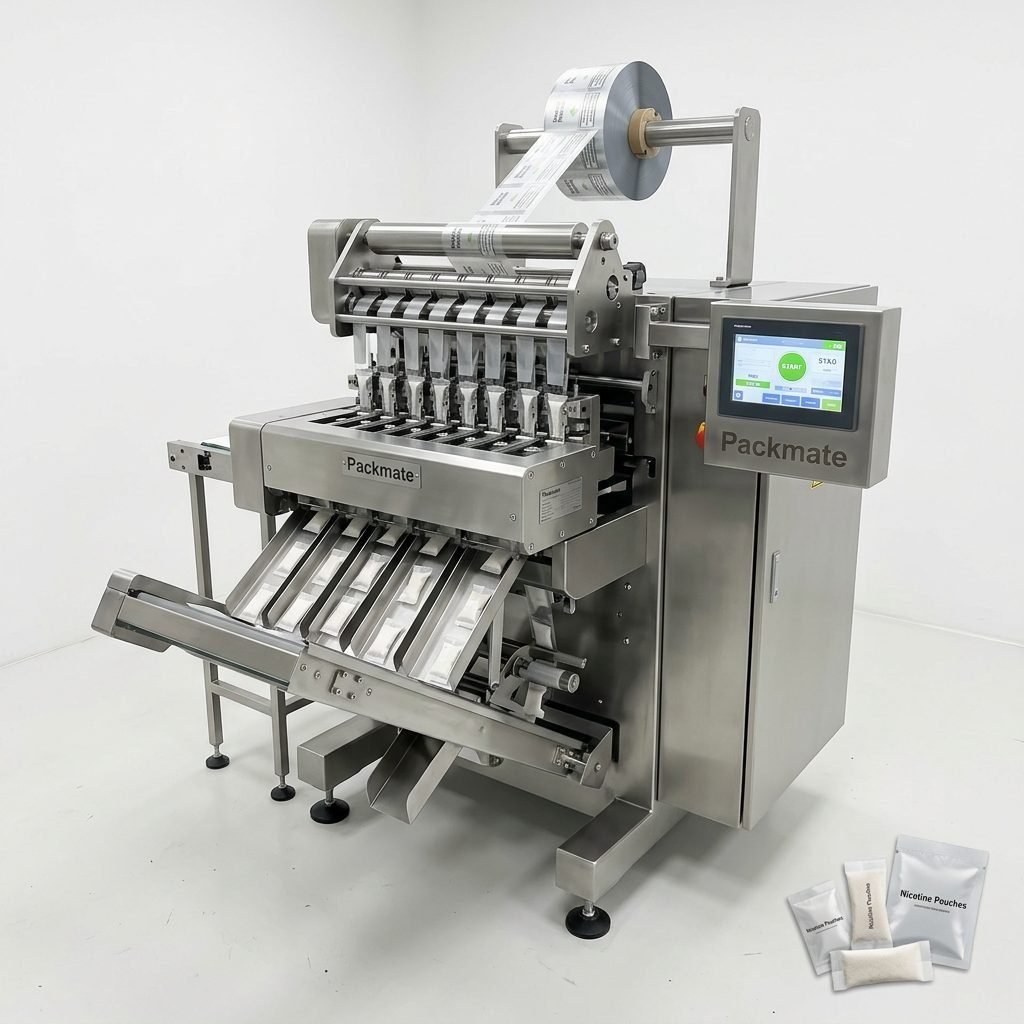
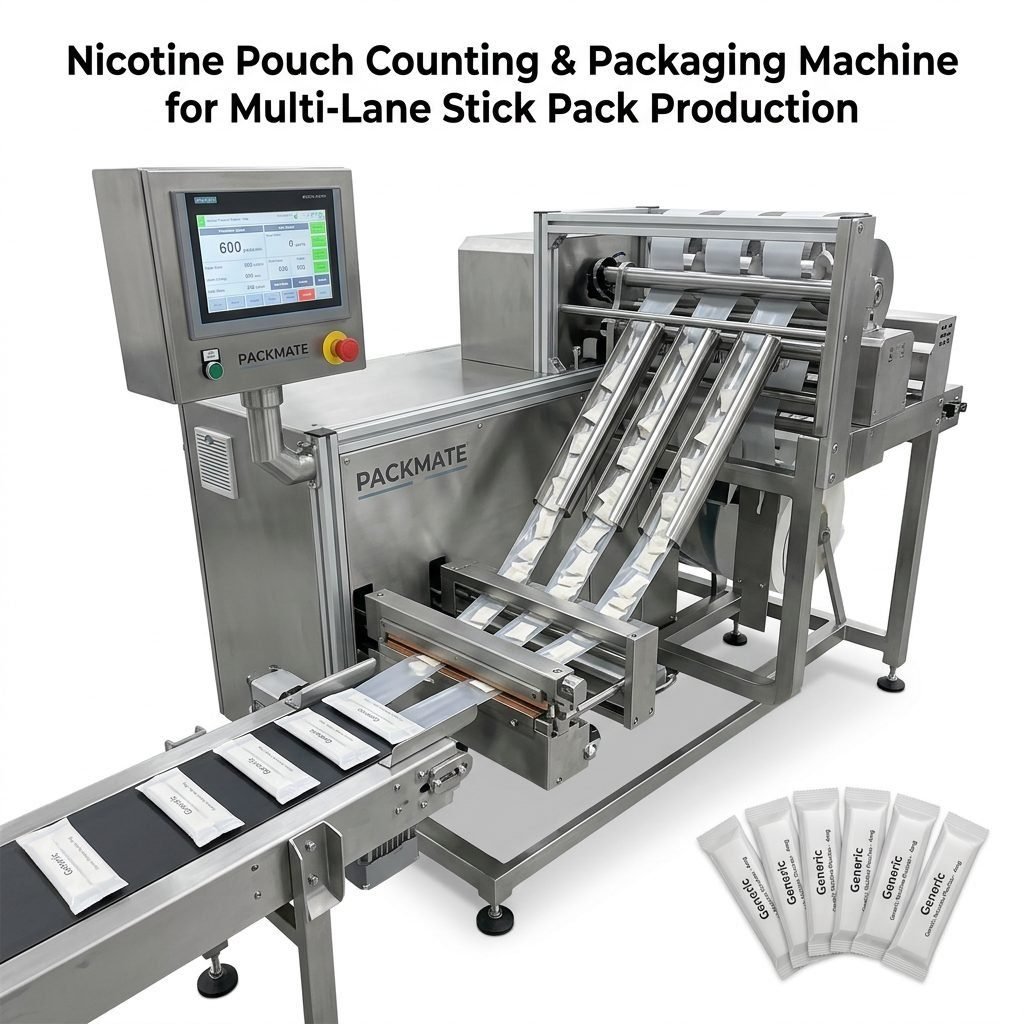
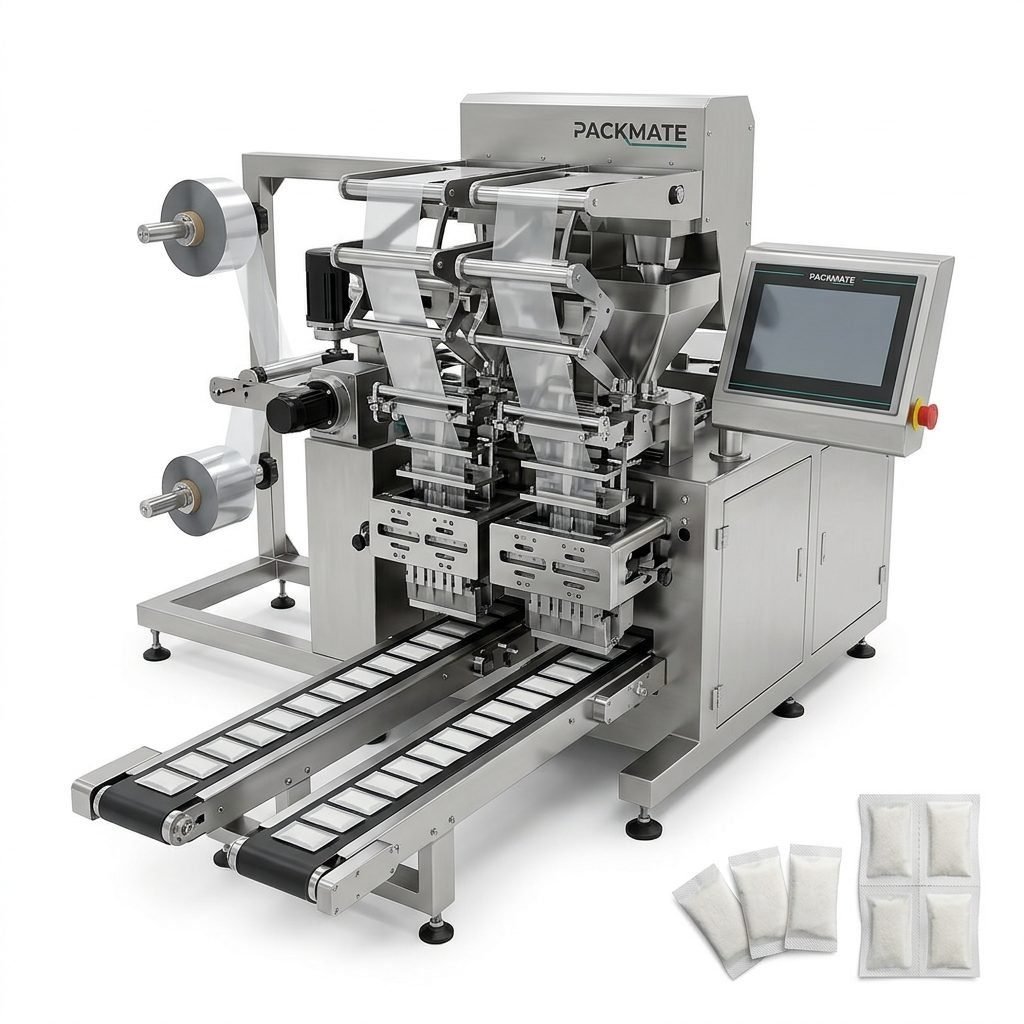
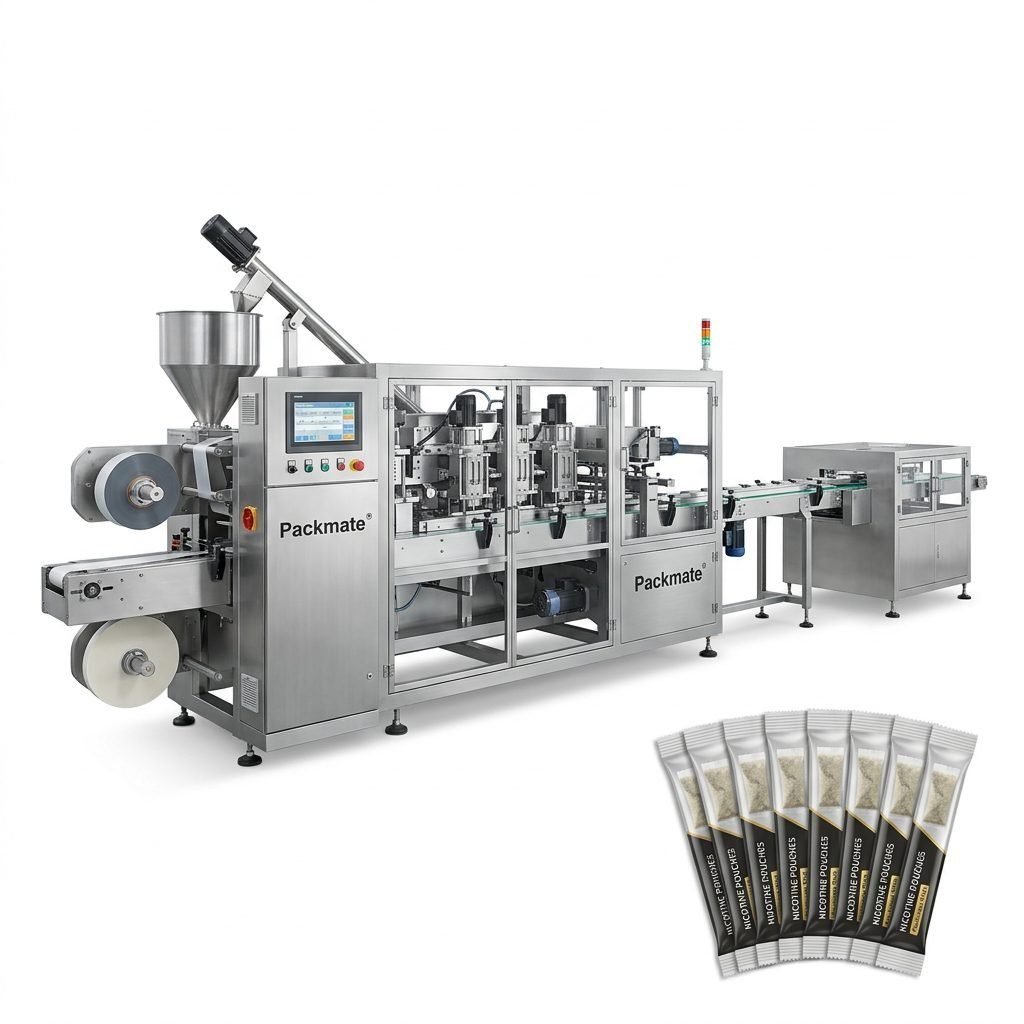
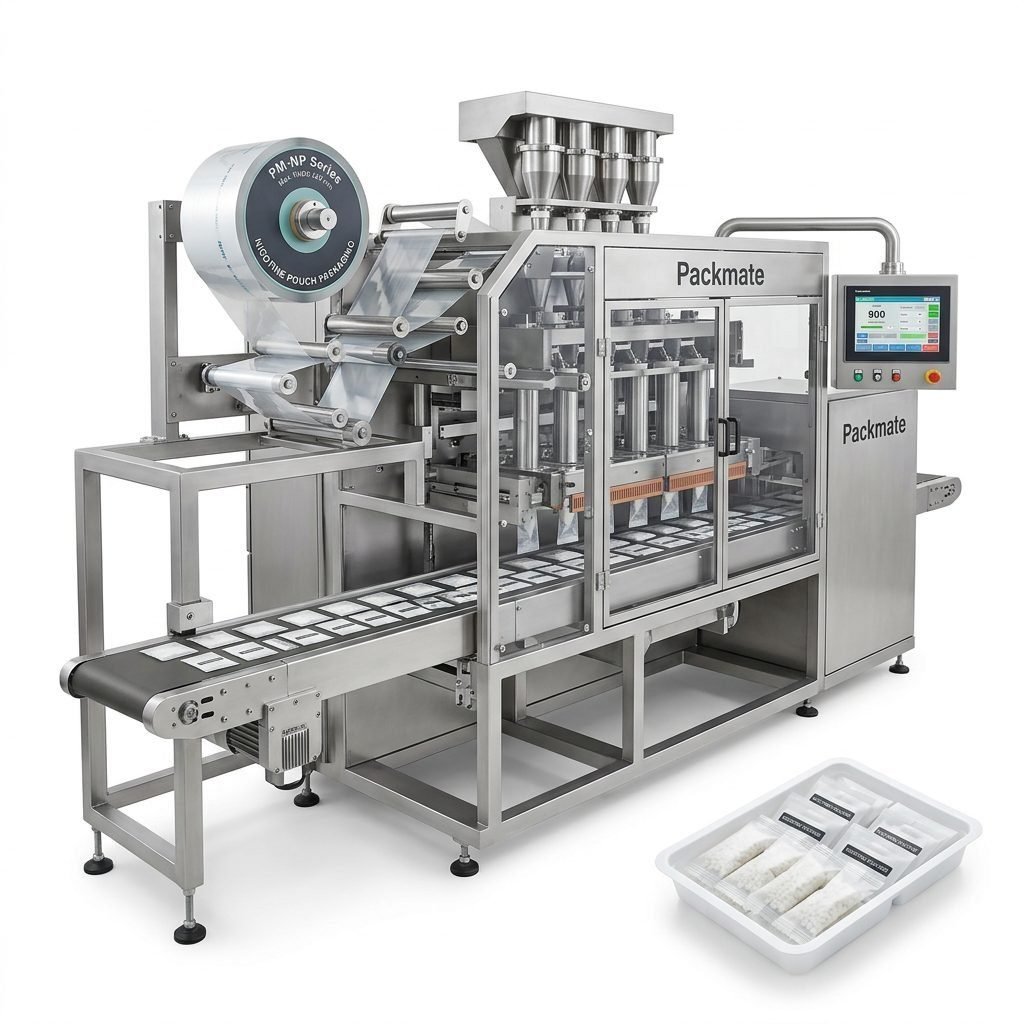
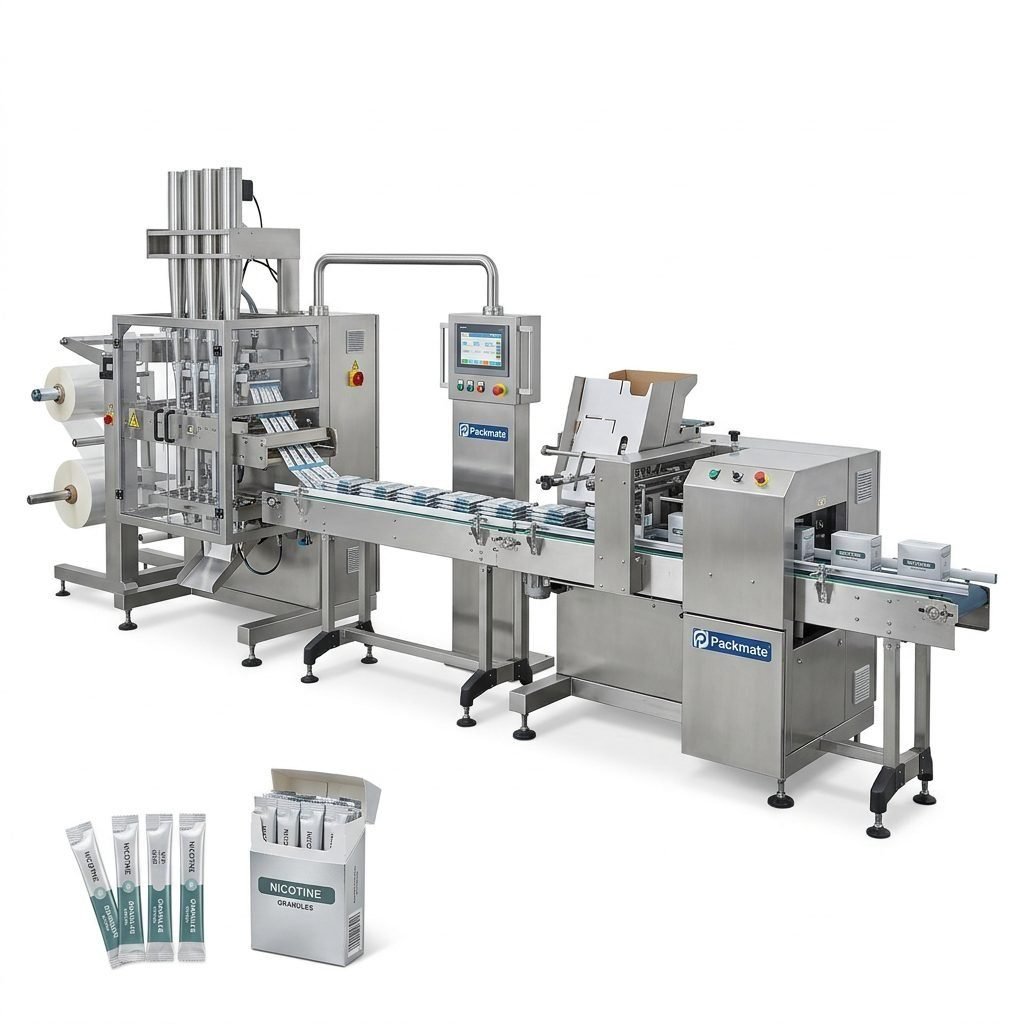
Look for suppliers with significant history in nicotine pouch or snus packaging equipment. A manufacturer with decades of engineering experience is more likely to have solved the common production problems you will face. For example, Packmate Snus Machine brings 30+ years of expertise and a broad model range that includes multi-lane systems and stick pack lines—important when scaling from pilot batches to full production.
2. Machine portfolio and customization
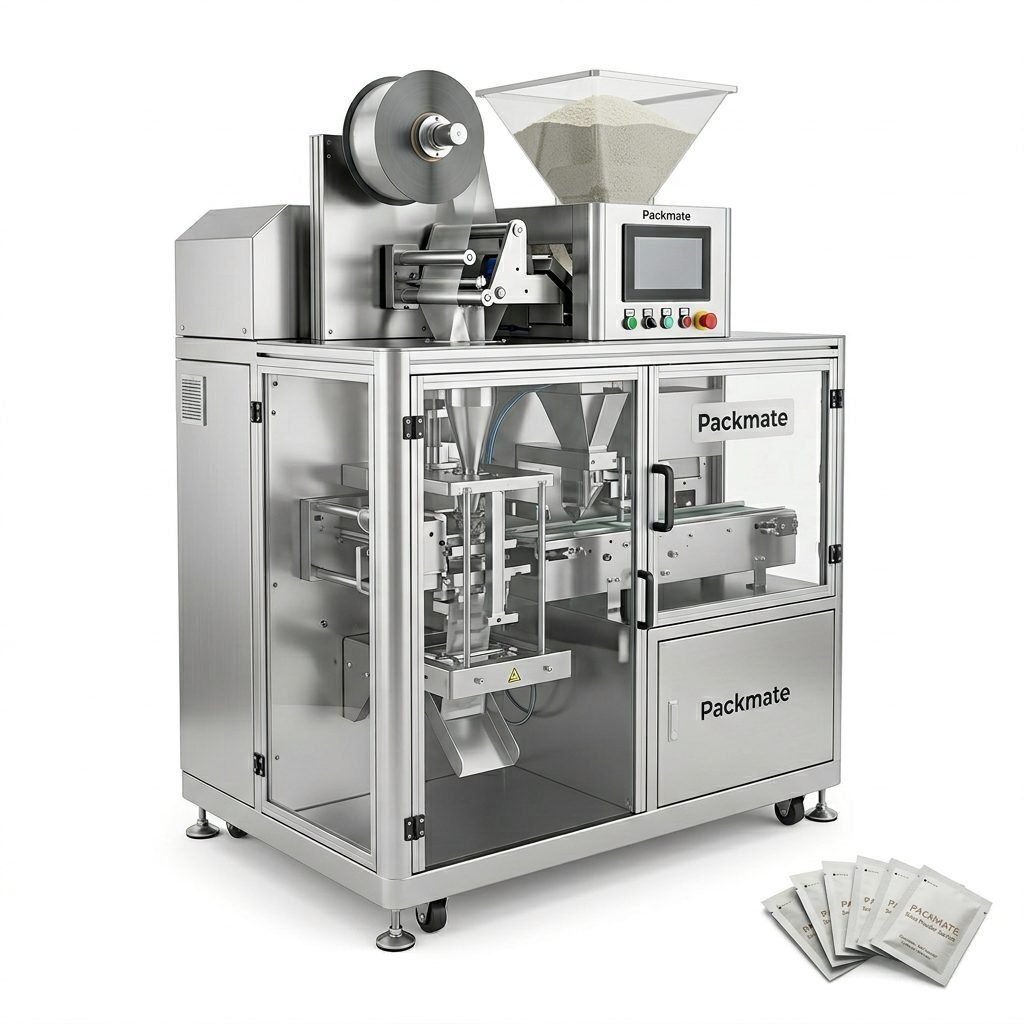
Evaluate the supplier’s models: can they provide single-lane and multi-lane lines, sachet/stick pack machines, and complete filling systems? A diverse portfolio means you can grow without switching vendors. Consider visiting product pages like
Snus & Nicotine Packaging Machines
or Sachet & Stick Pack Machines
to compare technical capabilities.
3. Certifications and compliance
International certifications such as CE and ISO indicate manufacturing and safety standards. For the Kenyan market, ensure machine hygiene, electromagnetic compatibility, and relevant local approvals can be supported with documentation and factory inspection records.
4. After-sales support and spare parts logistics
A supplier should offer spare part kits, remote diagnostics, and on-site commissioning. Lead times for parts shipped to Kenya matter: ask about regional stockists, recommended spares, and typical replacement intervals. Suppliers offering training for your Kenyan technicians will reduce downtime and reliance on external service visits.
Local considerations for Kenya
📍 When evaluating suppliers for Kenya, you must consider local customs, regulatory environment, and infrastructure. Kenya has a diverse market: retailers range from informal kiosks to modern supermarkets, and consumers are price-sensitive but quality-aware. Business is conducted in English and Swahili, with an emphasis on punctual meetings, clear documentation, and timely shipping schedules.
Regulatory and compliance notes
Kenya enforces tobacco control through legislation and health-focused regulations. Nicotine pouches and novel nicotine products may be scrutinized by regulators. Engage local legal or regulatory consultants early and ask your supplier for product testing protocols, machine sanitation documents, and packaging validation procedures. Suppliers like Packmate provide certificates and can support compliance documentation if requested.
Logistics, import duties and local distribution
Shipping routes to Kenyan ports (Mombasa) or airfreight to Nairobi have different lead times and costs. Confirm whether the supplier arranges CFR/CIF or DDP deliveries. Also, be aware of customs clearance paperwork—commercial invoices, packing lists, and certificates of origin—as delays can be costly. Discuss bundled shipments (machines + spare parts + tools) to reduce freight overhead.
Technical and operational questions to ask a potential supplier
📋 Before signing any purchase order, make sure you get clear answers to these core technical questions:
-
What is the machine throughput (pouches/min or packs/min) under real operating conditions?
-
What product types and pouch materials has the machine successfully packaged?
-
What is the installed power requirement and compressed air consumption?
-
Can the line integrate with existing weighing, filling, and cartoning equipment (see related systems at
Weighing & Packaging Systems)? -
What training and commissioning support is provided on-site in Kenya?
Evaluating supplier reliability and reputation
✅ Check global references and ask for case studies from similar markets. Reputable suppliers will share past projects, factory tours (virtual or in-person), and client contacts. For example, review supplier case pages or exhibition histories to validate performance and long-term relationships. Packmate’s case repository and exhibition participation highlight real-world installations and customer feedback across regions.
Ask about warranty terms in writing: duration, coverage, travel costs for service engineers, and the process for claiming parts. A clear service level agreement (SLA) reduces future disputes and keeps production predictable.
Cost considerations and total cost of ownership (TCO)
Price per machine is only one part of the equation. Consider installation costs, local electrical upgrades, operator training, spare parts inventory, consumables, and expected depreciation. A slightly higher upfront cost may be justified by better energy efficiency, lower maintenance frequency, and improved uptime. Ask suppliers for an estimated TCO over 3–5 years.
💡 Tip: Request a realistic production simulation using your exact pouch dimensions and product weight. Many suppliers can run product trials at their factory; visiting a demo can save weeks of trial-and-error later.
Implementation roadmap: from inquiry to full production
1) Initial inquiry and data exchange: Share SKU specs and expected volumes. 2) Factory demo or video trials: Validate machine handling of your specific product. 3) Quotation and delivery terms: Clarify payment milestones, lead times, and incoterms. 4) Contract and acceptance tests: Define acceptance criteria and FAT (Factory Acceptance Test). 5) Shipping, customs, and installation: Schedule on-site commissioning and operator training. 6) Ongoing support: Establish spare-part reorder points and remote support access.
Negotiation and contract tips
Negotiate clear acceptance criteria: specify sample throughput, packaging quality (seal integrity, weight variation), and uptime for acceptance. Insist on documented spare part lists and initial spare kits. Include penalty clauses or repair commitments for missed delivery dates if lead times are critical.
Training your Kenyan team for long-term success
Operator and maintenance training is essential. Confirm whether the supplier provides bilingual manuals or on-site training in English (and Swahili translations where possible). Local technicians trained by the supplier can drastically reduce foreign service visits and response times.
Sourcing reliable spare parts and consumables
Establish a spare parts strategy: maintain critical spares locally (sensors, belts, cutters) and rely on supplier-shipped items for less critical parts. Ask about parts life expectancy and consumable costs—these often dominate operating budgets.
When to consider turnkey production lines
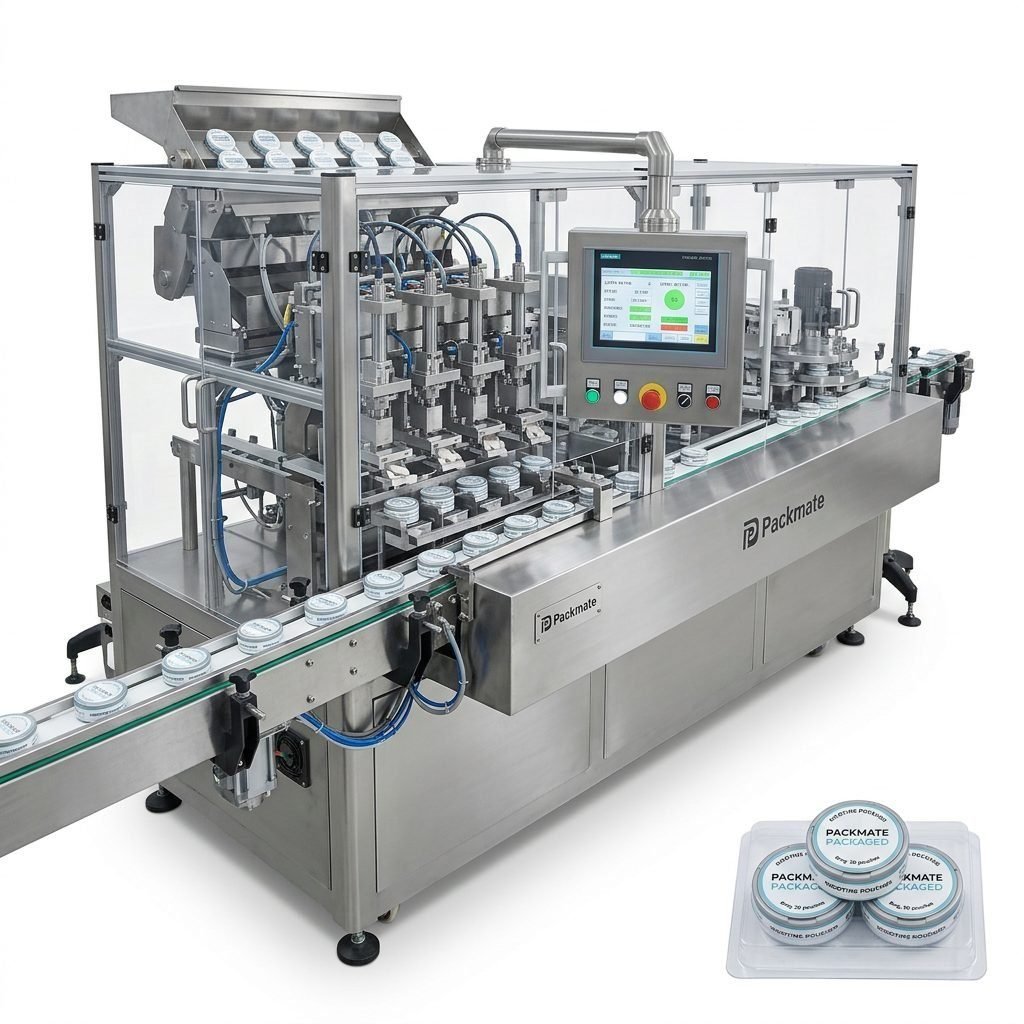
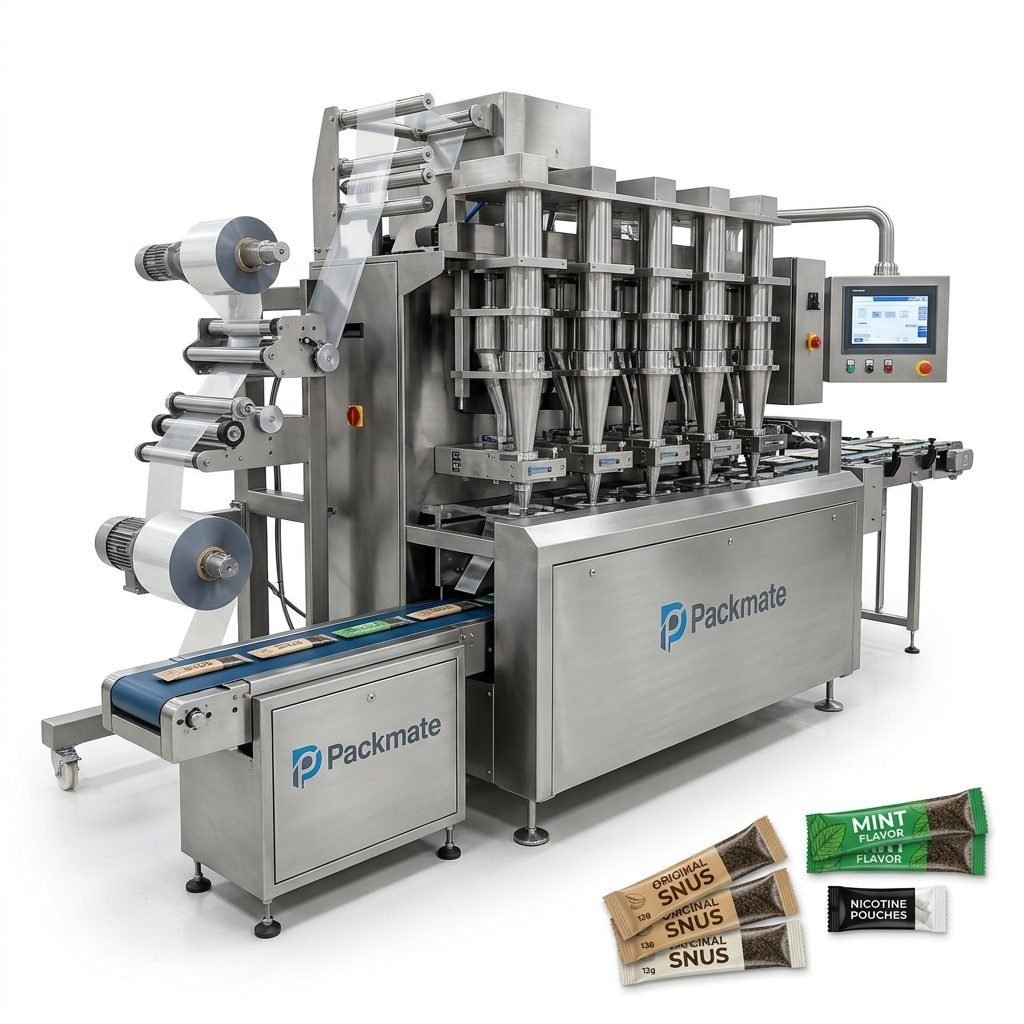
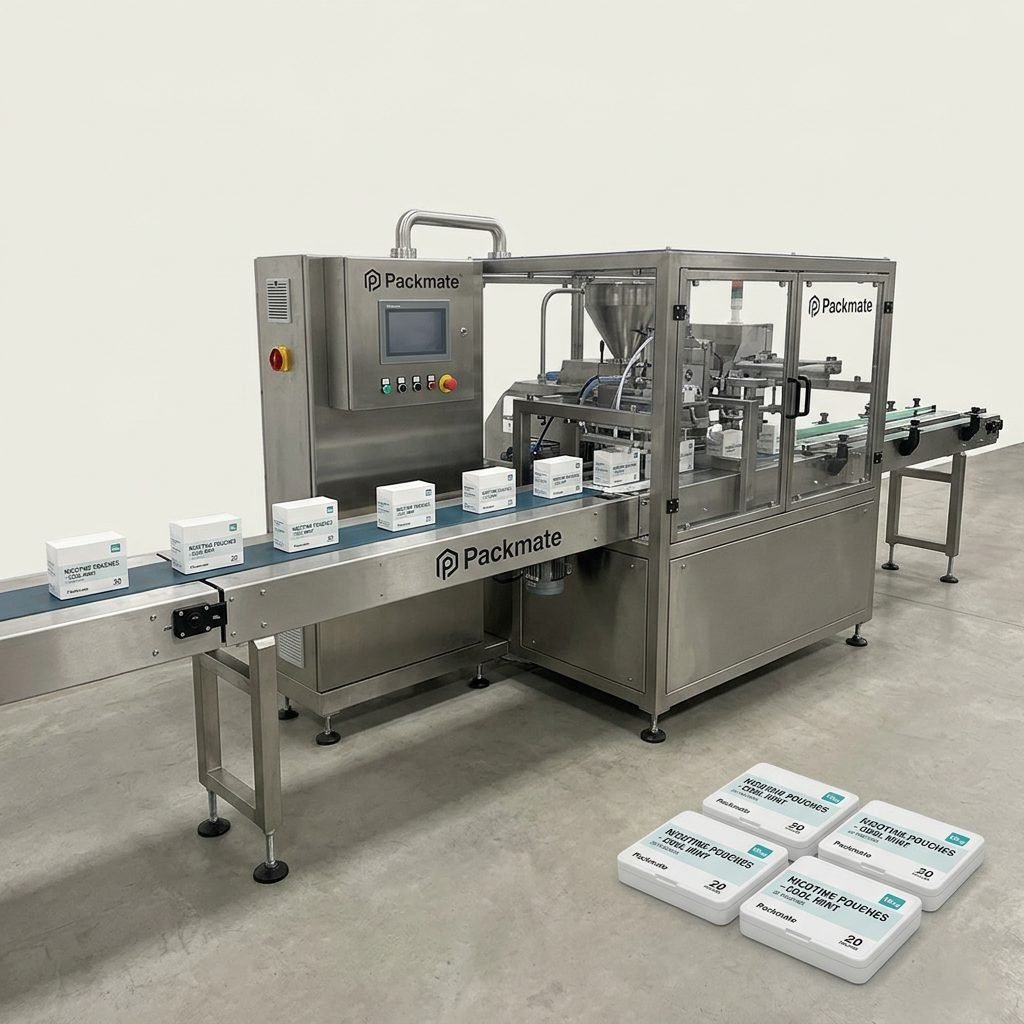
If you expect rapid growth or need integrated packaging, choose a supplier that offers turnkey solutions: filling lines, weighing systems, and end-of-line cartoning that work seamlessly together. Suppliers that provide full-line integration reduce risk and shorten commissioning time. Explore integrated options at
Filling & Packaging Lines.
Red flags to watch for
Be cautious if the supplier is evasive about certifications, cannot provide client references, or refuses factory visits and FATs. High-pressure sales tactics or vague warranty language are signs to step back and reassess. Reliable suppliers will be transparent and welcome inspections.
Useful resources and next steps
Visit the supplier’s about page and certificate listings to confirm credentials and factory capabilities: About Packmate and Certificate. For real-world examples of installations, see the Case section. If you’re ready to discuss specifics, use the Contact Us page to request customized quotations, FAT scheduling, or a demo booking.
Final checklist before you sign
📝 Must-have items:
-
Detailed technical specifications and electrical requirements
-
Factory Acceptance Test (FAT) plan and acceptance criteria
-
Warranty, SLA, and spare-parts list
-
Training plan for operators and maintenance team
-
Shipping terms and customs support agreement
Conclusion
Selecting a nicotine packaging machine supplier for Kenya requires a mix of technical due diligence, local market understanding, and contractual safeguards. Prioritize suppliers who demonstrate deep industry experience, transparent documentation, and strong after-sales networks. With the right partner, your production line will be reliable, compliant, and ready to scale as the Kenyan market evolves.
Frequently Asked Questions
Q1: Do I need local certification to operate nicotine pouch machines in Kenya?
Regulations change and differ by product classification. You should consult a local regulatory advisor and request compliance documentation from your supplier. Suppliers often provide hygienic design documentation and testing protocols to support certification efforts.
Q2: How long will it take to install and commission a packaging line in Nairobi?
Typical timelines depend on machine complexity and customs. Expect 4–12 weeks for shipping and customs clearance, plus 1–3 weeks for on-site installation and commissioning. Plan for additional time if electrical or facility upgrades are required.
Q3: What are the common spare parts to stock locally?
Common items include belts, cutters, sealing jaws, sensors, and frequently replaced pneumatic components. Your supplier can recommend a tailored spare parts kit based on expected throughput and local supply chain lead times.
Q4: Can the supplier provide pilot runs with my product before I buy?
Many reputable manufacturers offer factory trials or pilot runs. Request a Factory Acceptance Test (FAT) with your product samples to validate performance and packaging quality before shipment.
Q5: How do I evaluate total cost of ownership for different supplier options?
Calculate TCO by summing purchase price, shipping and import costs, installation, energy consumption, expected maintenance, and downtime costs over a 3–5 year period. Include training and spare parts costs to compare offers accurately.