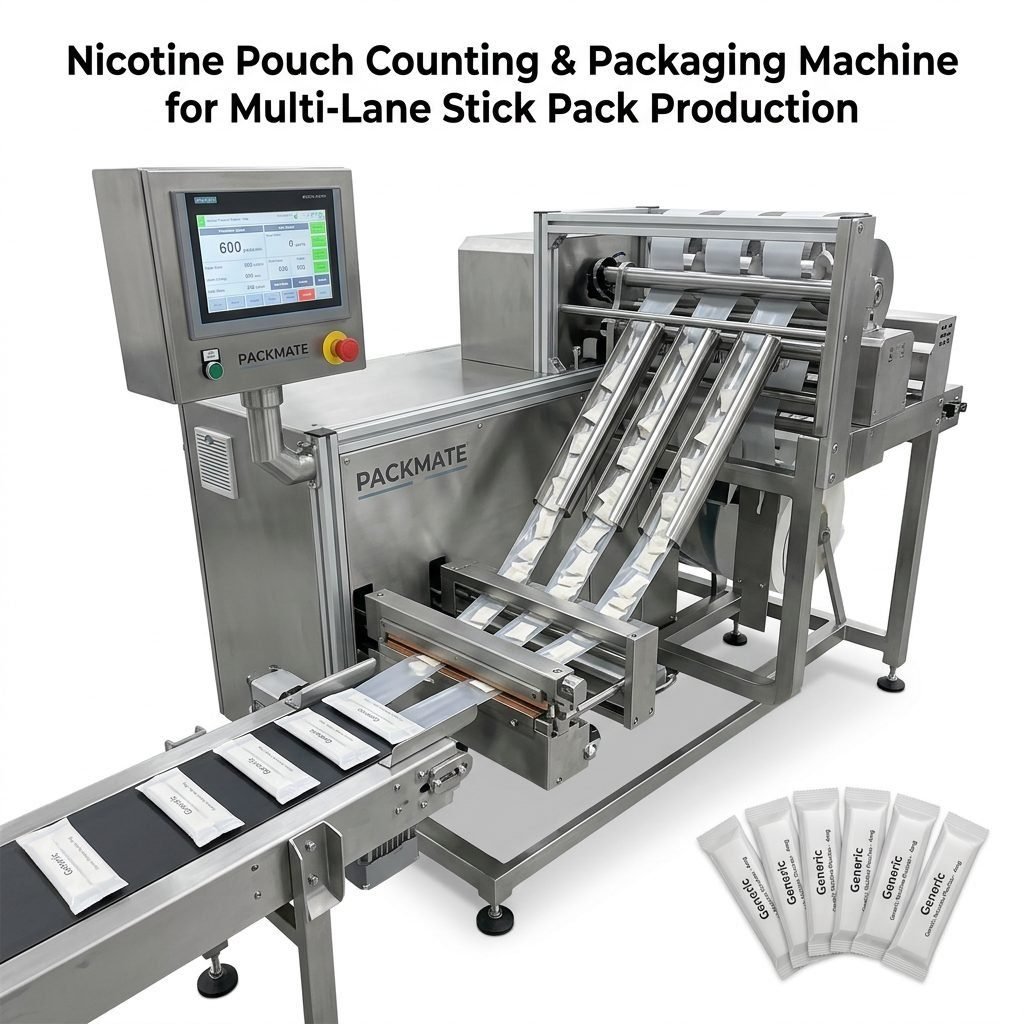
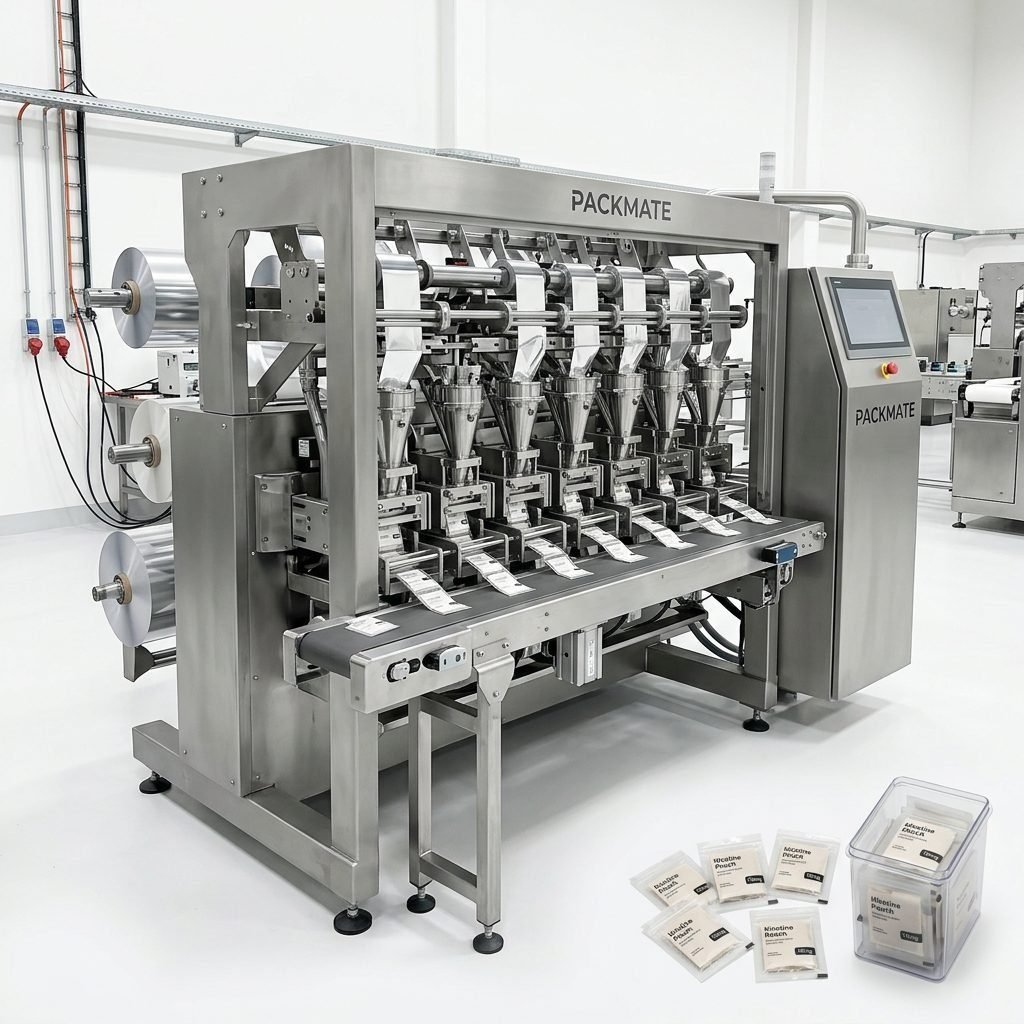
Choosing the right supplier for nicotine packaging machinery in Argentina is a critical decision that affects product quality, uptime, regulatory compliance, and long-term cost of ownership. Whether you are launching nicotine pouches, snus, or other oral nicotine products, the right partner will deliver consistent machine performance, timely after-sales service, and packaging solutions tailored to local market preferences. This guide walks you through practical criteria and local considerations to help you select the best supplier for your production needs.
Understand Argentina’s Market and Cultural Context
Argentina has diverse consumer preferences and a retail landscape shaped by city hubs such as Buenos Aires and Córdoba. In many urban areas, discreet and compact packaging is often preferred due to social norms and on-the-go consumption patterns. Additionally, climatic factors—hot summers and moderate humidity in many regions—affect material choices and sealing requirements. When evaluating suppliers, prioritize machines designed to handle local packaging sizes and materials with robust sealing performance under variable temperatures and humidity levels.
Practical local points to consider
Electrical standards: Argentina typically uses 220V and 50Hz, so verify machine compatibility or the need for transformers.
Language and documentation: Spanish-language manuals, training, and technical support are valuable for faster commissioning and operator training.
Regulatory awareness: Packaging labelling and nicotine product rules evolve—work with suppliers that understand global and Latin American compliance practices and can support adaptable production lines.
Key Technical Criteria for Nicotine Packaging Machines
When comparing suppliers, evaluate machines across several technical dimensions. These criteria determine throughput, product consistency, and long-term value.
1. Throughput and Scalability
Match machine speed with your production forecast. For startups, multi-lane or modular machines that can be scaled by adding lanes or parallel units are advantageous. If you plan frequent SKU changes, choose equipment with quick-change parts and recipe storage to minimize downtime.
2. Packaging formats and versatility
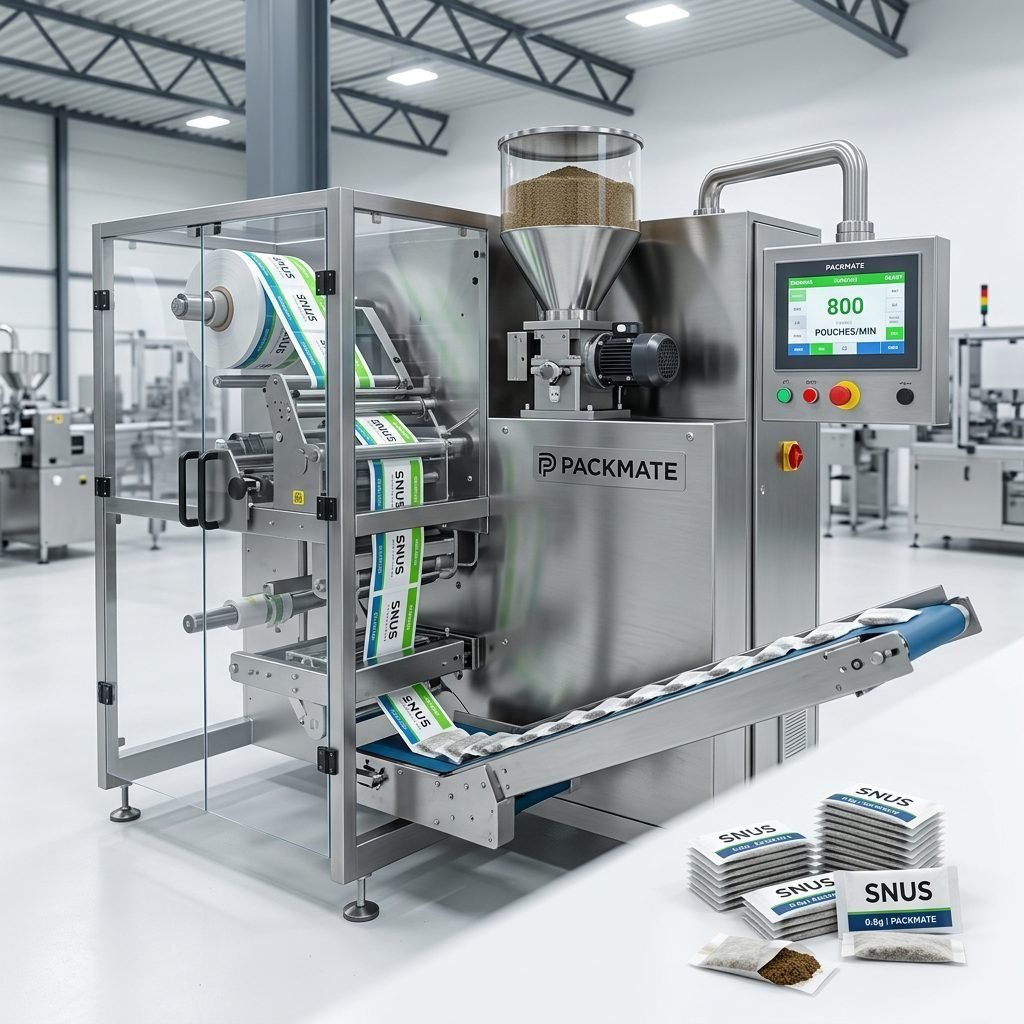
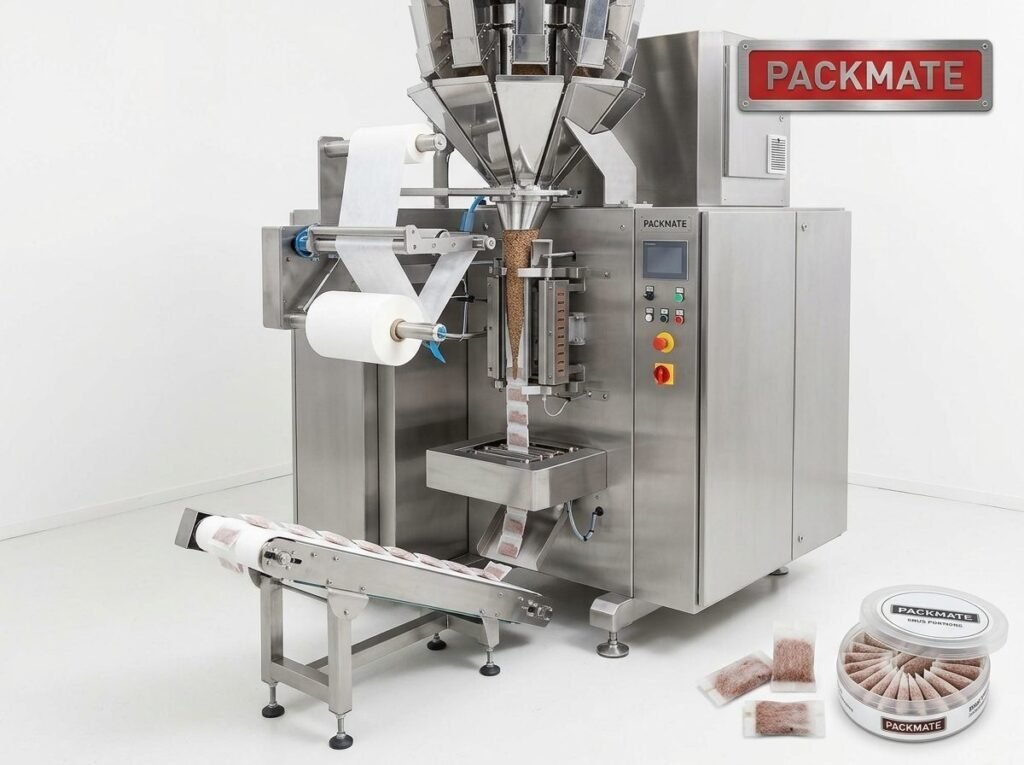
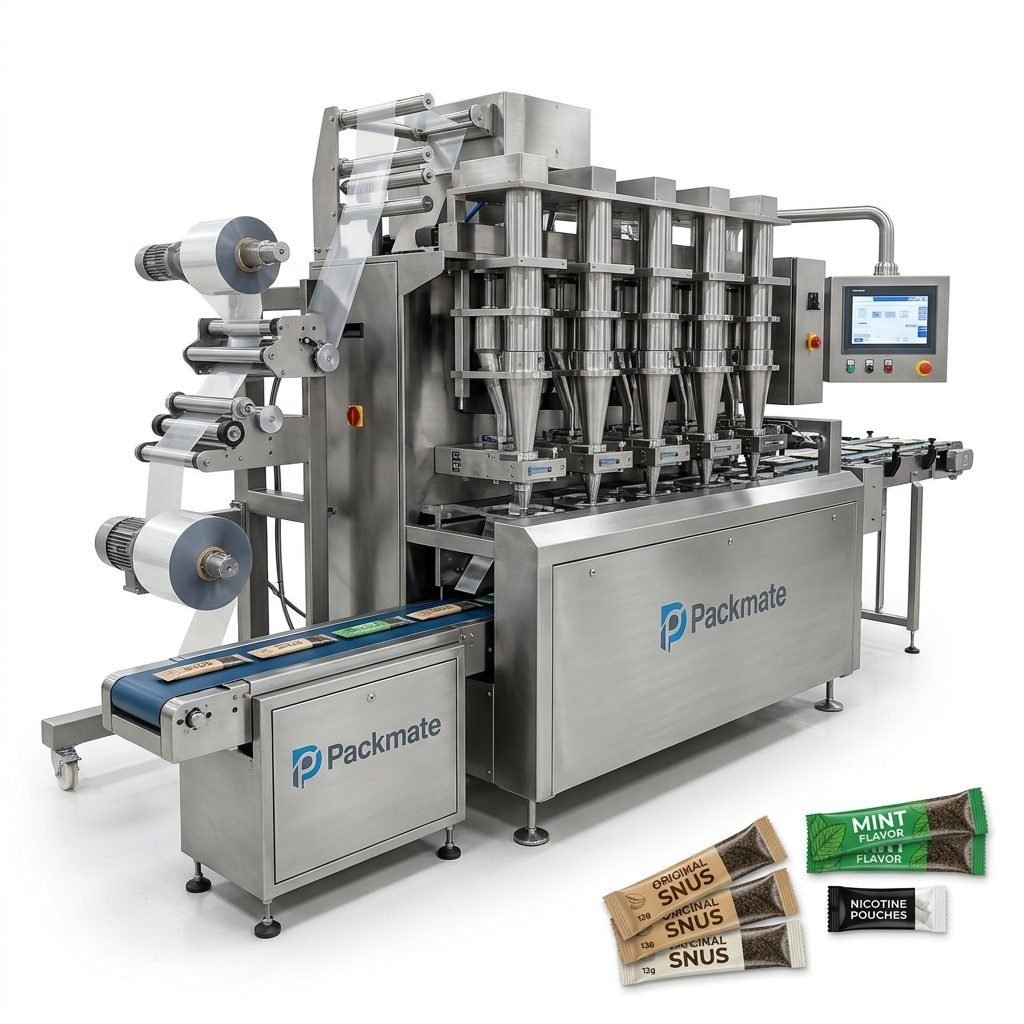
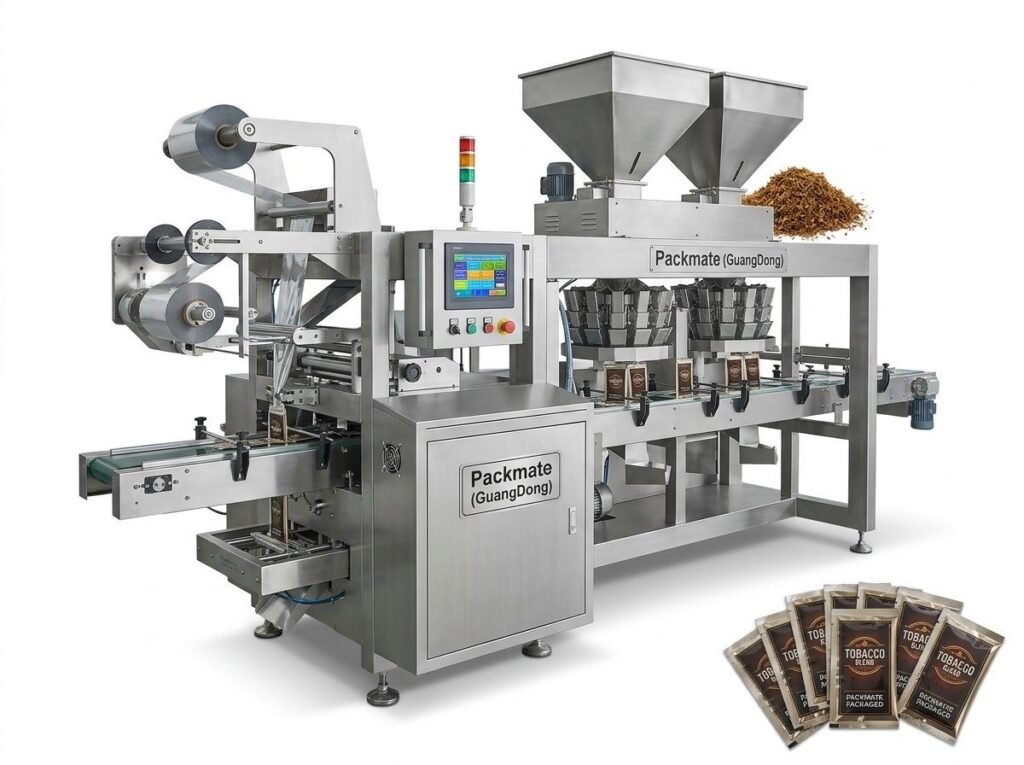
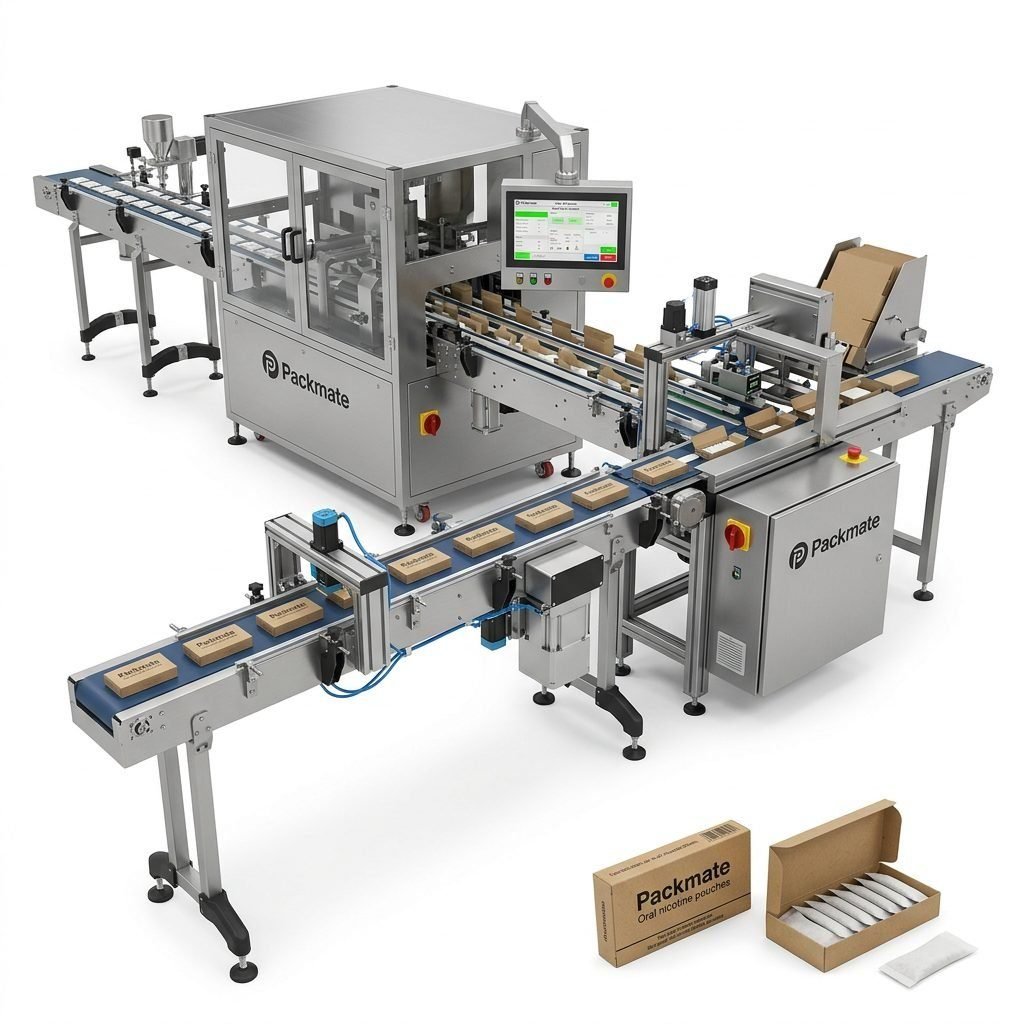
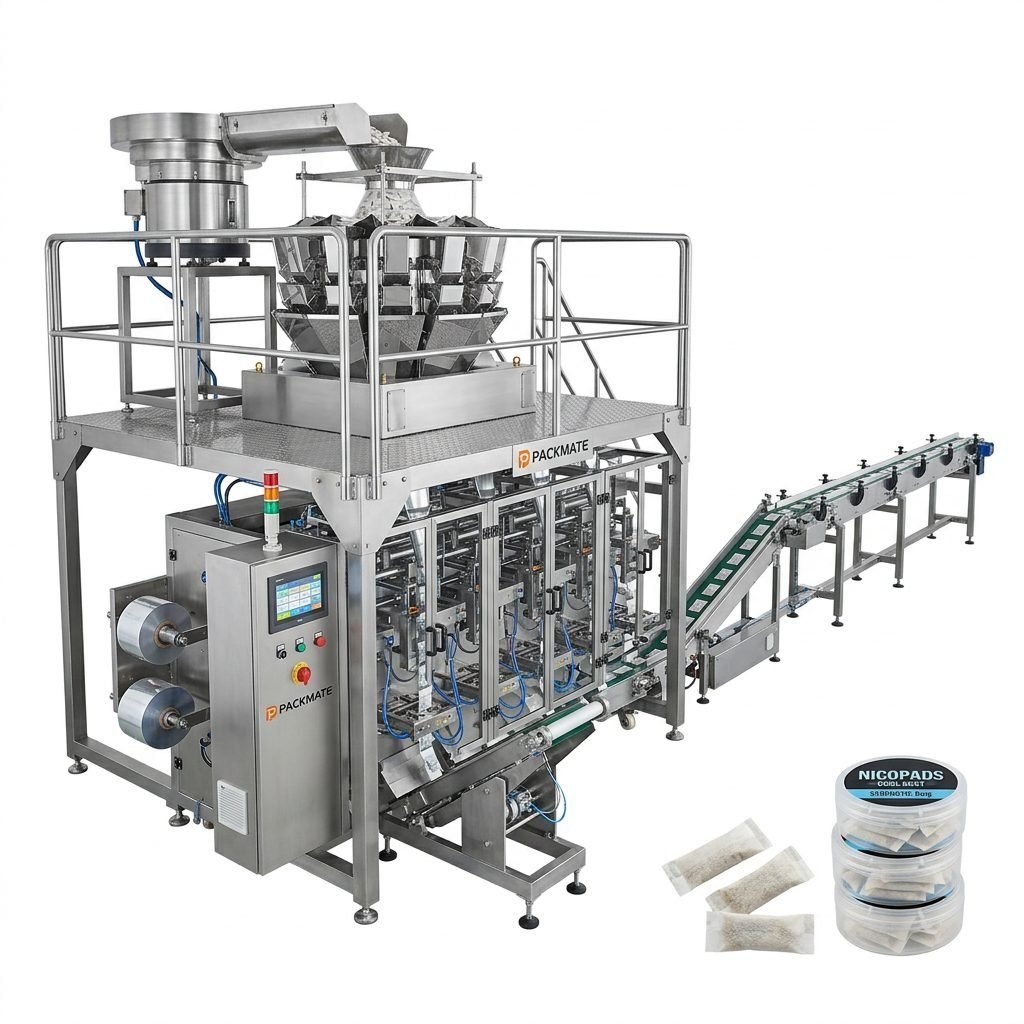
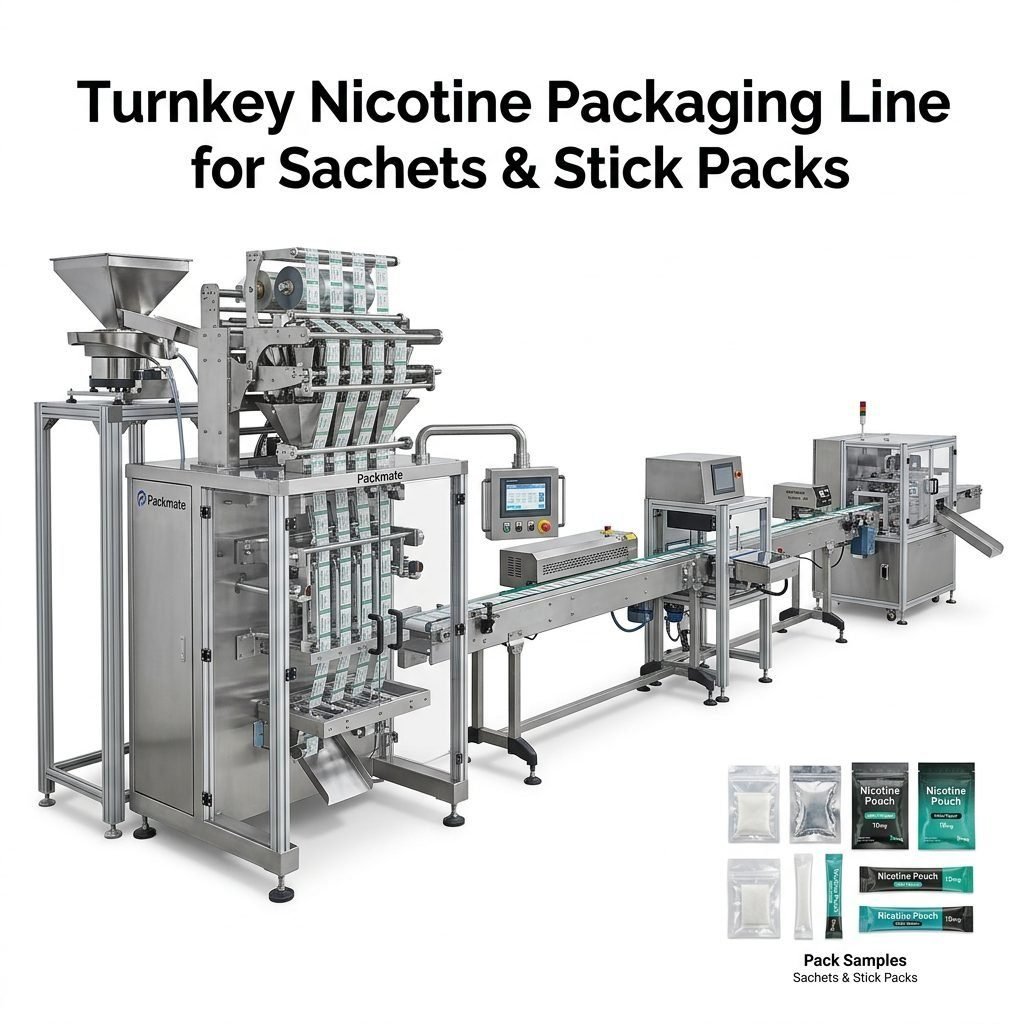
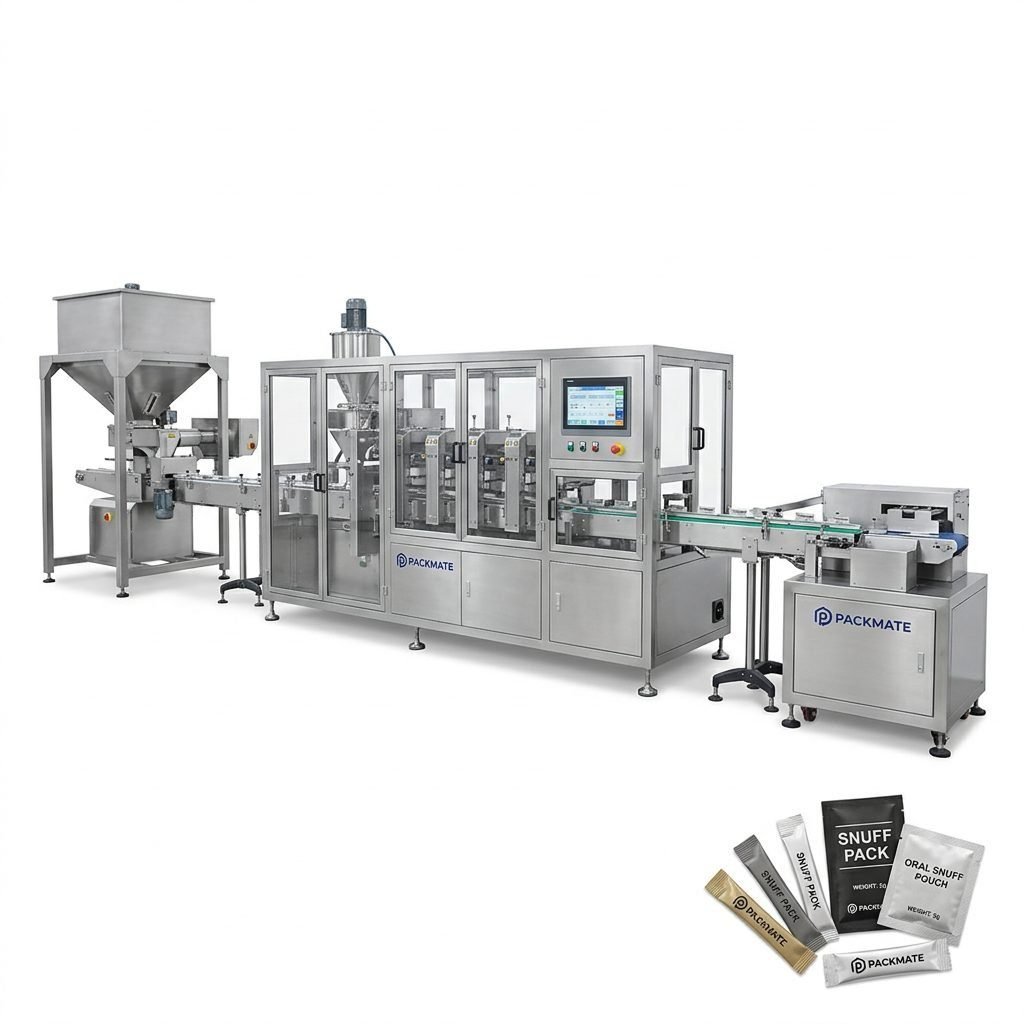
Nicotine pouches and snus may require stick packs, sachets, or multi-pouch formats. Look for suppliers with proven lines across formats—this flexibility reduces the need for multiple specialized machines. A supplier that offers integrated weighing and filling, such as combined pouch-forming and dosing systems, simplifies line integration.
Tip: Consider suppliers with dedicated product pages and machine ranges for nicotine products—this often signals focused R&D and experience. For example, see providers that showcase Snus & Nicotine Packaging Machines or Sachet & Stick Pack Machines.
3. Precision and Consistency
Accurate dosing and uniform pouch weight are essential for regulatory compliance and customer satisfaction. Verify tolerance specifications, repeatability figures, and whether the supplier provides in-line weighing systems and automatic rejection for off-spec pouches.
4. Material Compatibility and Barrier Solutions
Packaging films, foil laminates, and resealable features all influence machine choice. Ensure the supplier supports the film types you plan to use and can handle barrier materials that extend shelf life under local climate conditions.
Supplier Capabilities Beyond the Machine
A machine is only part of the value chain. The best suppliers offer a suite of services that reduce lifecycle cost and risk.
After-Sales Support and Spare Parts
Local or regional spare parts availability shortens downtime. Ask about lead times for consumables and critical components, and whether the supplier stocks spares in nearby warehouses or can ship quickly to Argentina.
Training, Installation, and Commissioning
Strong suppliers provide operator and maintenance training at your site or at their factory. Verify training language options (Spanish is ideal for Argentina), documentation, and whether a full commissioning package is included in the offer.
Local Service Network and Remote Support
Suppliers offering remote diagnostics, video-assisted troubleshooting, and a trained local partner network can dramatically reduce mean time to repair. Confirm service SLAs and whether preventive maintenance plans are available.
Quality, Certifications, and Proven Cases
Quality management and machine safety certifications are non-negotiable. Look for CE and ISO standards, factory acceptance tests (FAT), and documented case studies that show successful installations in similar product segments.
A reputable supplier will offer references and case studies detailing production capacities, uptime, and how machines handled particular product challenges. If available, visit exhibitions or request video demos and FAT reports before purchase.
Example: Packmate (Packmate Snus Machine) showcases factory capabilities, machine categories, and case studies—useful for verifying technical depth and factory strength. Consider reviewing an about page and machine galleries for details.
Commercial Considerations and Total Cost of Ownership
The lowest purchase price rarely equals the best long-term value. Evaluate TCO by comparing energy efficiency, spare parts cost, mean time between failures, and ease of maintenance.
Warranty and Performance Guarantees
Ensure warranties cover critical components and that performance acceptance tests are clearly defined in the contract. Request penalties or remediation clauses for underperforming equipment.
Logistics, Import and Local Taxes
Shipping heavy equipment to Argentina may involve customs duties, inspections, and port handling. Ask the supplier for experience shipping to Buenos Aires and whether they provide DDP (Delivered Duty Paid) options or local import assistance.
Validation, Trials and Sample Runs
Before finalizing a purchase, insist on sample runs with your actual product formulation and packaging materials. A supplier that runs trials at their factory (or provides guaranteed on-site trials) demonstrates commitment to delivering a ready-to-run solution.
Factory Acceptance Tests (FAT)
FATs should include speed demonstration, sealing integrity tests under simulated climatic conditions, and checks for dosing accuracy. Also review documentation for electrical schematics and spare parts lists.
Choosing a Supplier: Checklist
Use this checklist when evaluating proposals and visiting supplier facilities:
🔧 Supplier experience in nicotine/snustype products and documented case studies.
⚙️ Clear performance metrics, FAT options, and trial runs with your materials.
📦 Availability of spare parts, local service availability, and Spanish documentation/training.
💡 Scalability—multi-lane or modular options that match growth plans.
🇦🇷 Practical shipping/export experience to Argentina and understanding of local electrical standards and labelling expectations.
Quick Action: If you need tailored solutions, request a turnkey offer that includes filling, weighing, pouch forming, and packaging lines to simplify vendor coordination.
Why a Specialized Supplier Matters
Nicotine pouch manufacturing has unique demands: small-dose precision, hygiene, and controlled filling environments. A supplier focused on snus and nicotine products will understand material nuances, dosing systems, and packaging lines such as stick pack and sachet machines. They can also provide integrated ancillary equipment like weighing systems and conveyors that reduce integration friction.
For more detailed machine categories and capabilities, review product portfolios such as Snus & Nicotine Packaging Machines, Bag & Pouch Packaging Machines, and Sachet & Stick Pack Machines to match your production goals.
Selecting between local dealers and direct factory suppliers
Local dealers may offer faster local support, while direct factory suppliers often provide better customization and pricing. Ideally, choose a factory-backed supplier with an authorized local representative or service partner in Argentina to combine deep technical knowledge with responsive on-the-ground support. Packmate’s global footprint and case references can be a helpful benchmark if you want to evaluate factory capabilities and global service networks.
Next Steps: How to Engage Prospective Suppliers
Begin with a clear technical brief: product specs, target throughput, film types, and environmental conditions. Ask for:
• Detailed technical proposals with a bill of materials and spare parts list.
• FAT and SAT (site acceptance test) plans.
• References for similar installations and documented case studies.
• After-sales and training plans with SLA commitments and remote support options.
Actionable step: Invite shortlisted suppliers to present at your facility or attend a regional exhibition where they demonstrate machines—this helps validate claims and performance under closer scrutiny. You can also review supplier credentials via their About page and Service pages to confirm factory scale and support capabilities.
Useful Resources & Supplier References
For technical comparison and machine categories, explore supplier product pages and catalogs to shortlist possible vendors:
– Snus & Nicotine Packaging Machines: https://www.snusmachinery.com/products/snus-nicotine-packaging-machines/
– Bag & Pouch Packaging Machines: https://www.snusmachinery.com/products/bag-pouch-packaging-machines/
– About Packmate (factory & company profile): https://www.snusmachinery.com/about-us/
– Contact & Service inquiries: https://www.snusmachinery.com/contact-us/
Final Recommendations for Argentina Buyers
Prioritize suppliers with experience in nicotine packaging, strong factory capabilities, clear FAT procedures, and local service arrangements. Validate proposals with real-product trials and ensure language-friendly documentation. Consider TCO rather than the lowest price and insist on clearly defined warranties and spare parts strategies. If possible, select a supplier who can offer turnkey solutions including weighing, filling, and pouch forming to reduce integration risks.
Quick checklist before signing
✔ Confirm electrical compatibility (220V/50Hz) and shipping readiness to Argentina.
✔ Review FAT plan and request sample runs with your packaging material.
✔ Verify local service, spare parts availability, and Spanish training materials.
Frequently Asked Questions
Q1: How important is multi-lane capability for nicotine pouch production in Argentina?
A1: Multi-lane machines are highly valuable if you expect rapid growth or need to run multiple small-dose products simultaneously. They maximize throughput while keeping footprint compact—important for Argentine facilities where floor space and cost control matter.
Q2: Do I need local certification or approvals to operate snus/nicotine packaging equipment in Argentina?
A2: Equipment typically needs to meet international safety standards (CE, ISO) and be installed with local electrical and safety compliance. Consult local authorities and your supplier for guidance on labeling, product registration, and facility requirements.
Q3: What after-sales services should I insist upon?
A3: Insist on SLAs for spare parts, remote support, training in Spanish, preventive maintenance plans, and clear warranty terms covering key components. A supplier with local partners will reduce repair lead times.
Q4: How can I test a machine before purchase?
A4: Request on-site factory trials (FAT) using your product and packaging material. If travel or visits are limited, ask for live video demonstrations and signed performance guarantees.
Q5: Where can I find reliable suppliers with nicotine packaging expertise?
A5: Start with suppliers that publish detailed product lines, case studies, and factory information. Review Snus & Nicotine Packaging Machines and related product pages to assess experience and reach out to the supplier’s contact or service pages for direct inquiries.