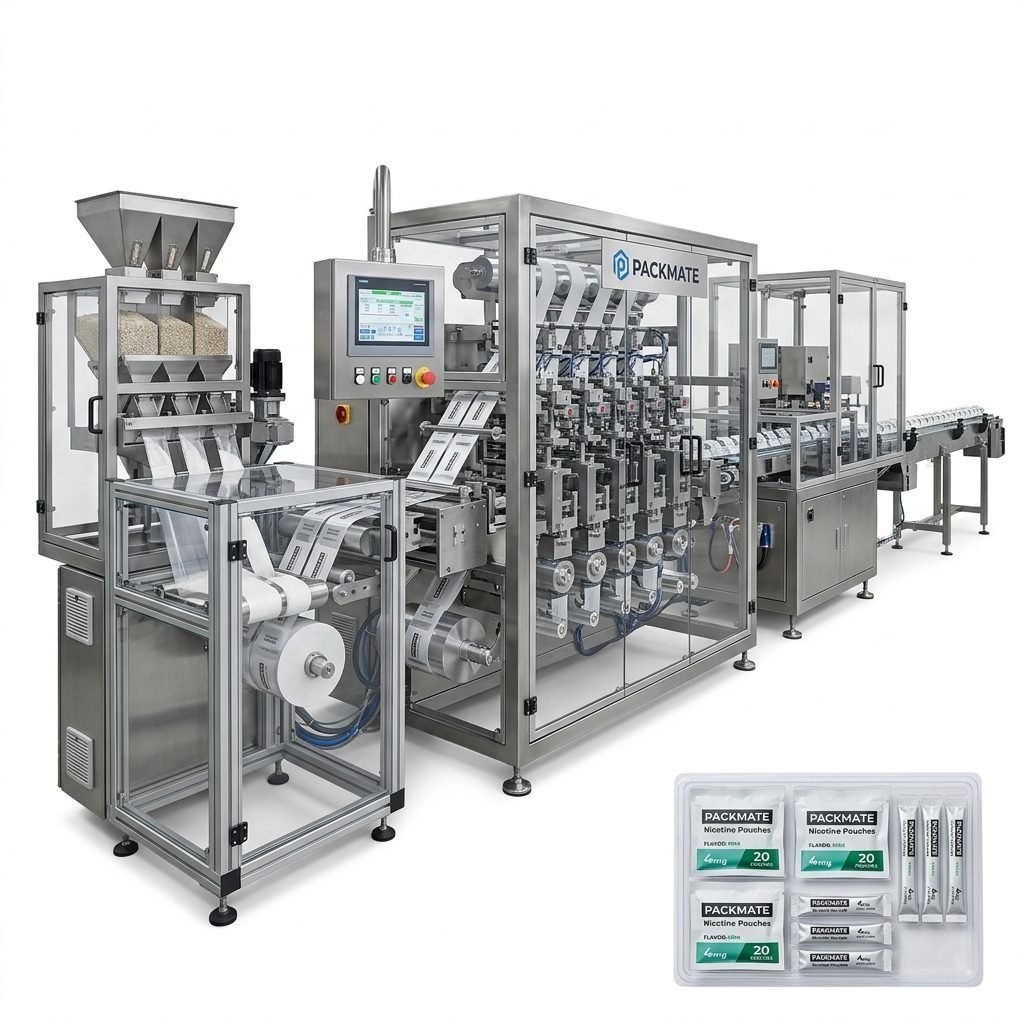
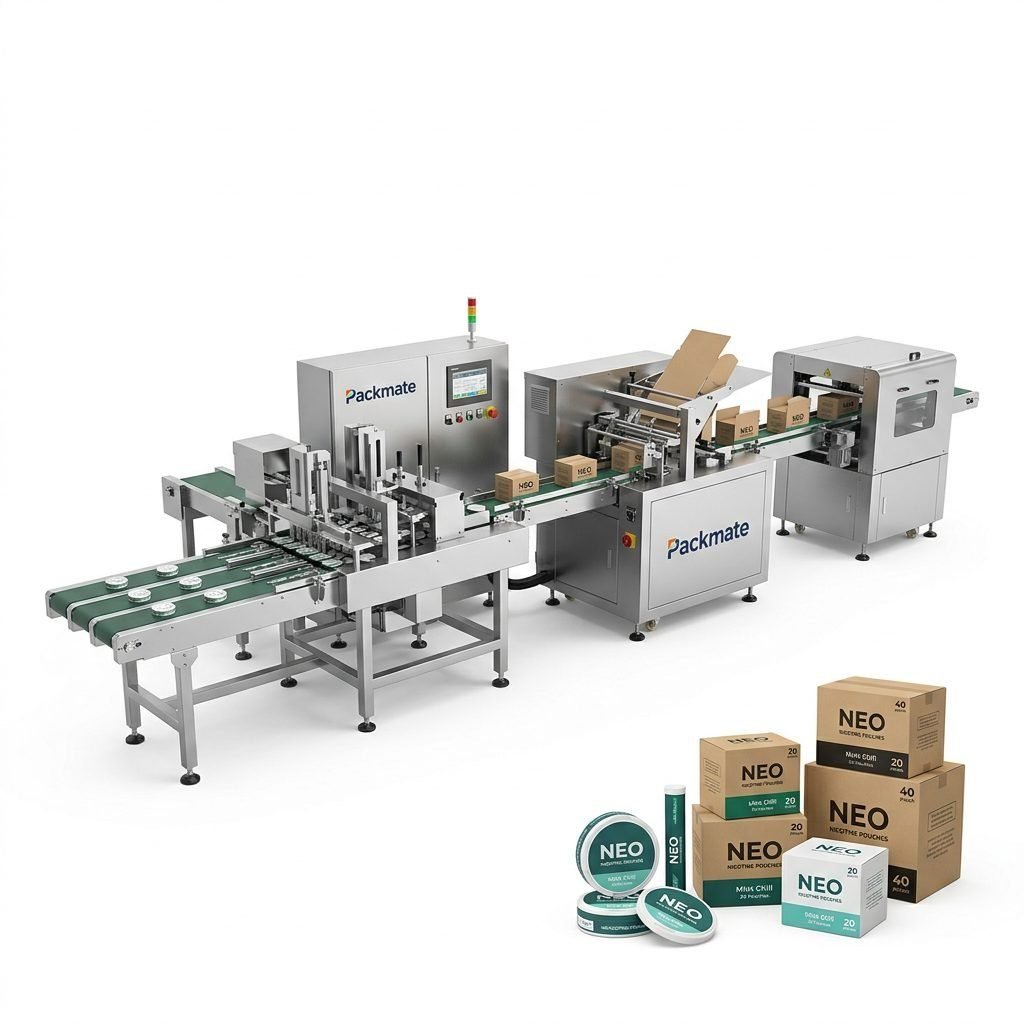
Selecting the right nicotine packaging machinery supplier for your factory in Nepal is a strategic decision that affects product quality, regulatory compliance, and long-term operational efficiency. This guide walks you through practical, Nepal-specific considerations — from customs and climate to workforce skills and financing — and helps you evaluate suppliers like Packmate Snus Machine, a proven global manufacturer of snus and nicotine pouch packaging equipment.
Understand Nepal’s Market and Regulatory Context
Nepal has unique market dynamics: import-centric industrial supply chains, seasonality influenced by festivals, and a regulatory environment that often requires local approvals for nicotine-related products. Before engaging suppliers, ensure you understand national import duties, customs timelines, and any special permits for nicotine product machinery. Local business practices prioritize relationship-building and trust, so expect extended pre-purchase discussions and on-site visits.
Key Nepal-specific points to consider
• Customs and duties: Machinery can attract heavy duties and inspections. Plan lead times accordingly.
• Climate: Nepal’s varied climate (humid regions in the south, cold in highlands) affects machine storage and performance; ask suppliers about climate-resistant components.
• Workforce skills: Local operators may have limited exposure to high-speed multi-lane systems; factor in training programs.
• Festivals & logistics: Major festivals can delay shipments and local procurement; schedule deliveries early to avoid downtime.
Evaluate Technical Capabilities and Machine Fit
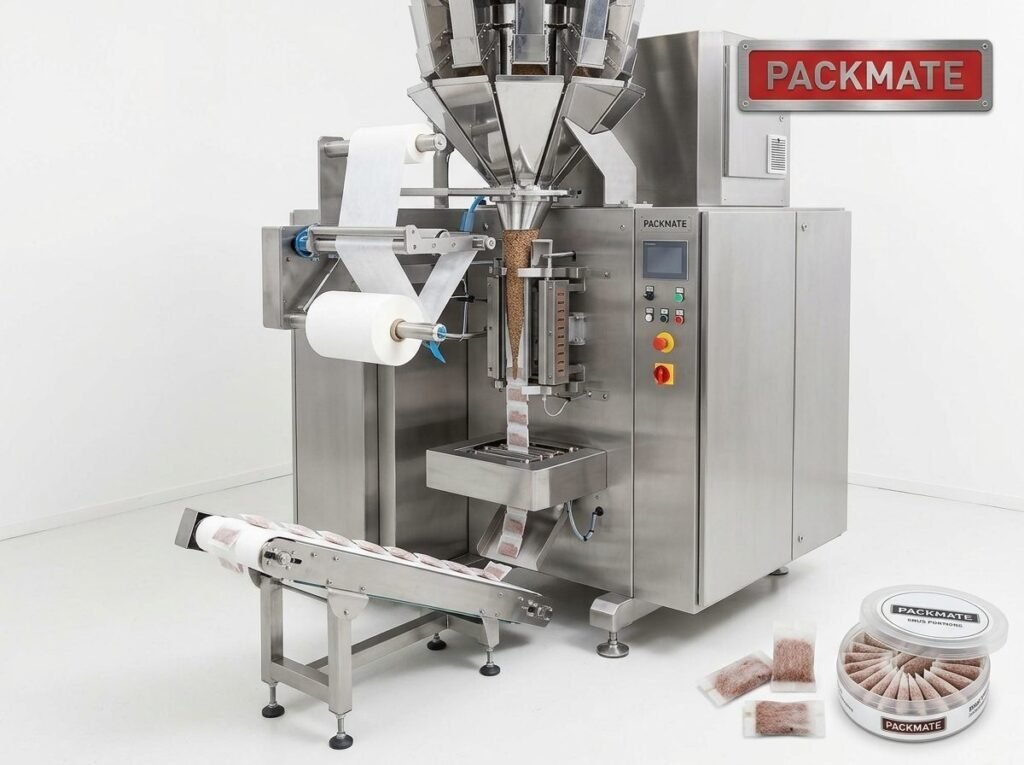
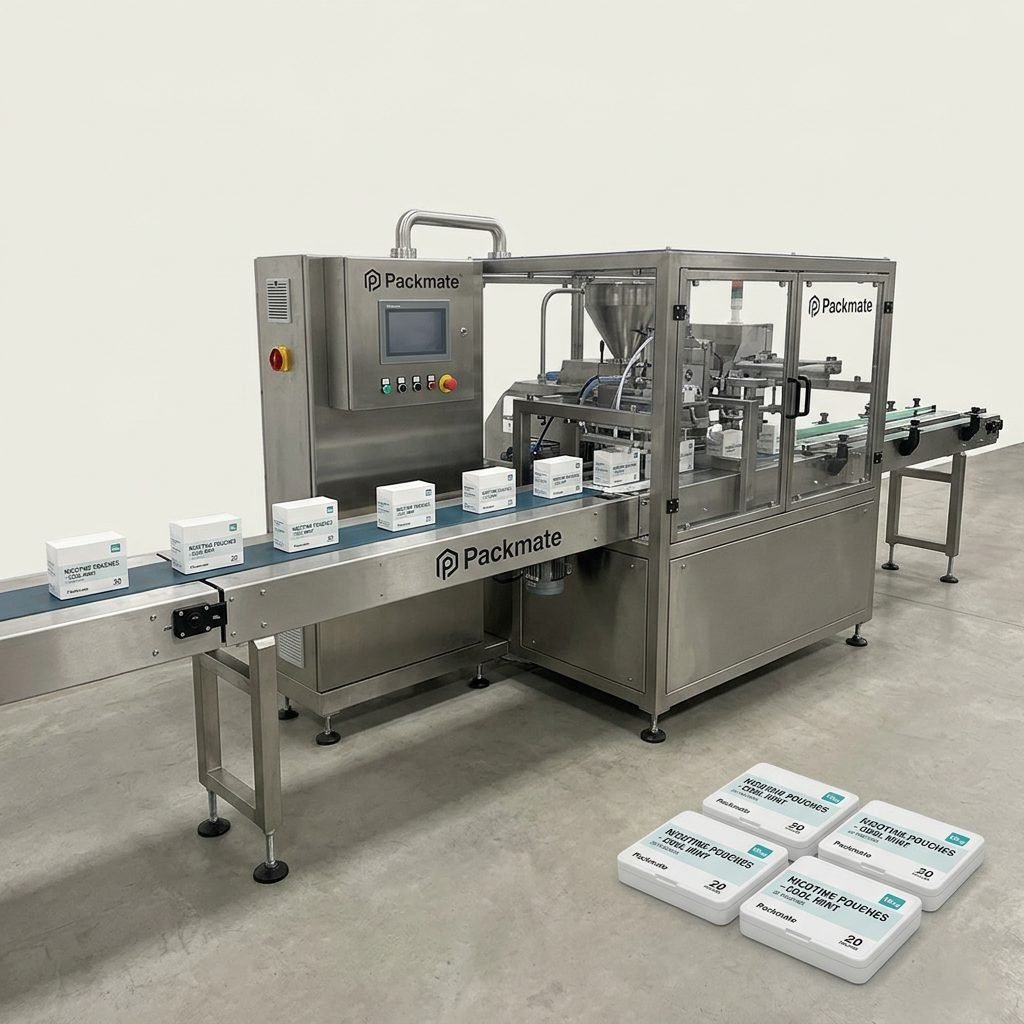
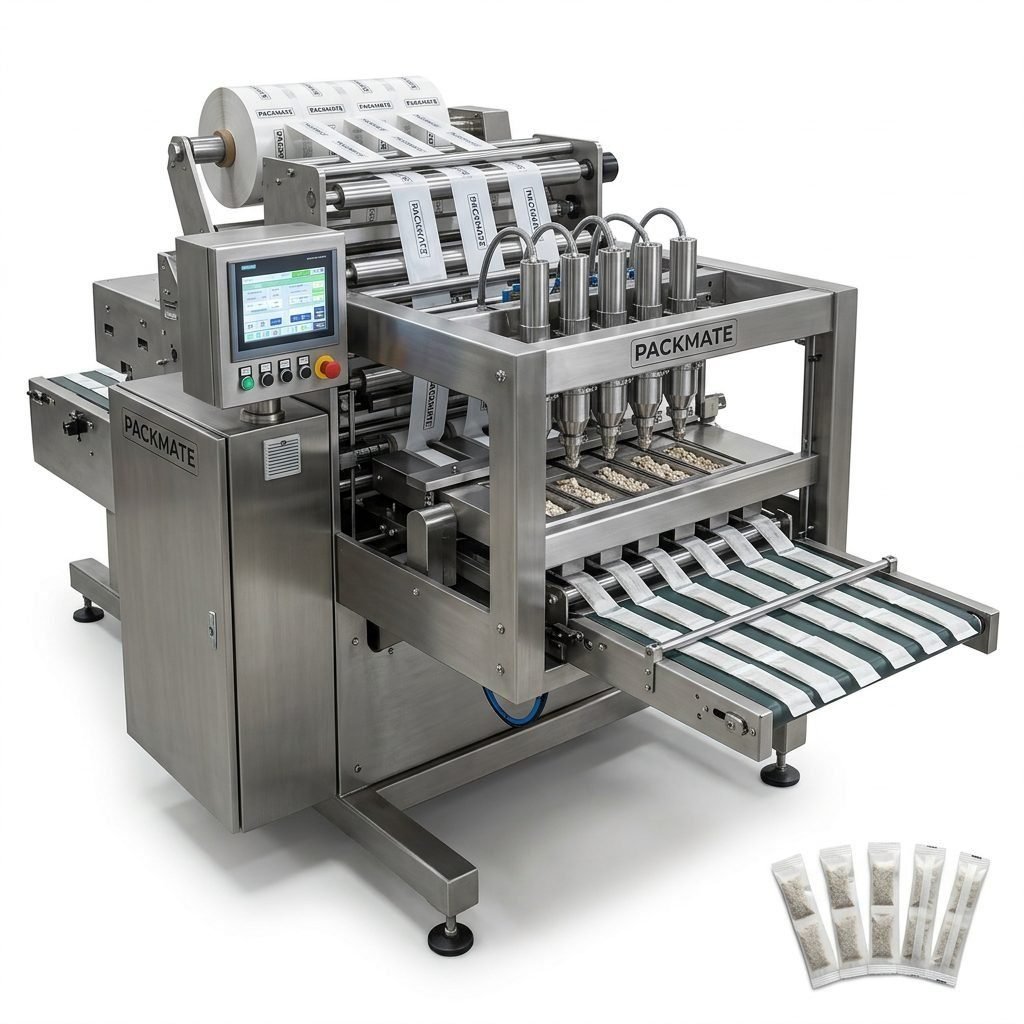
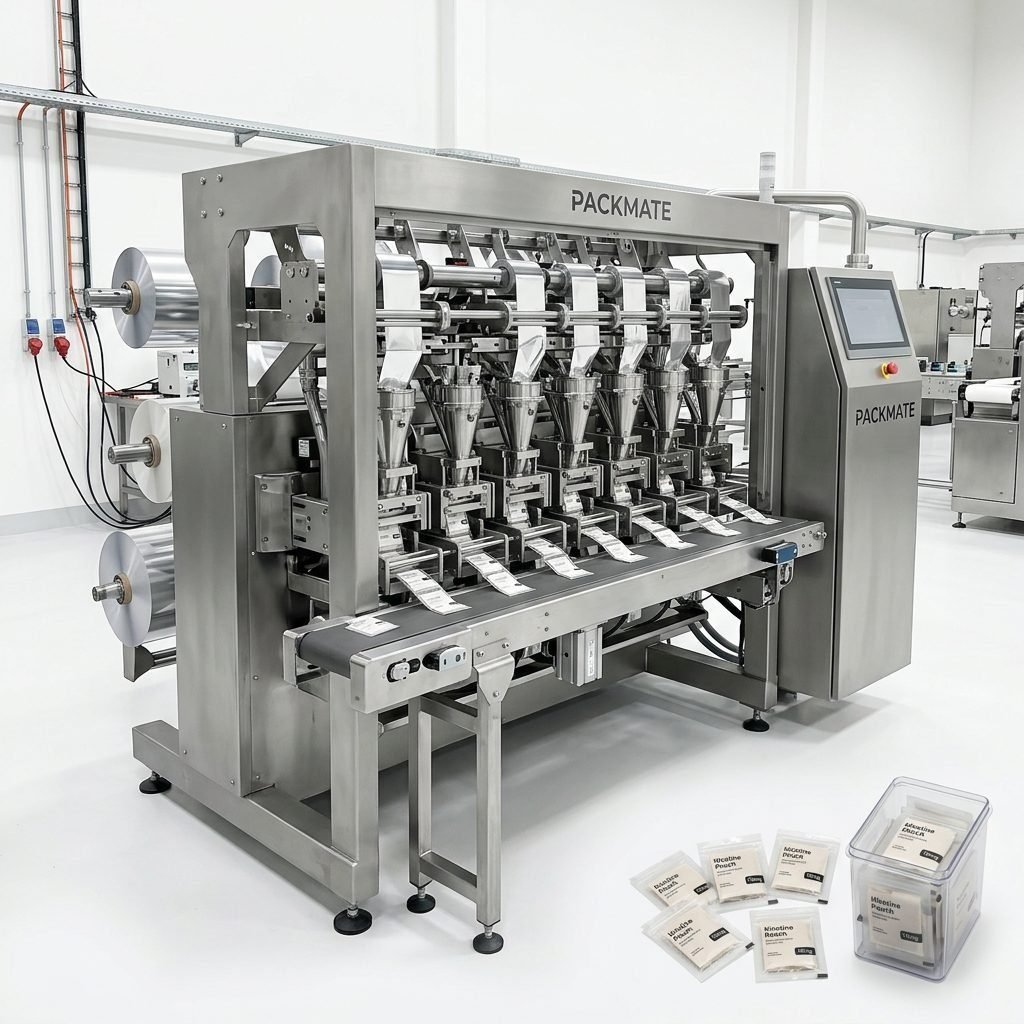
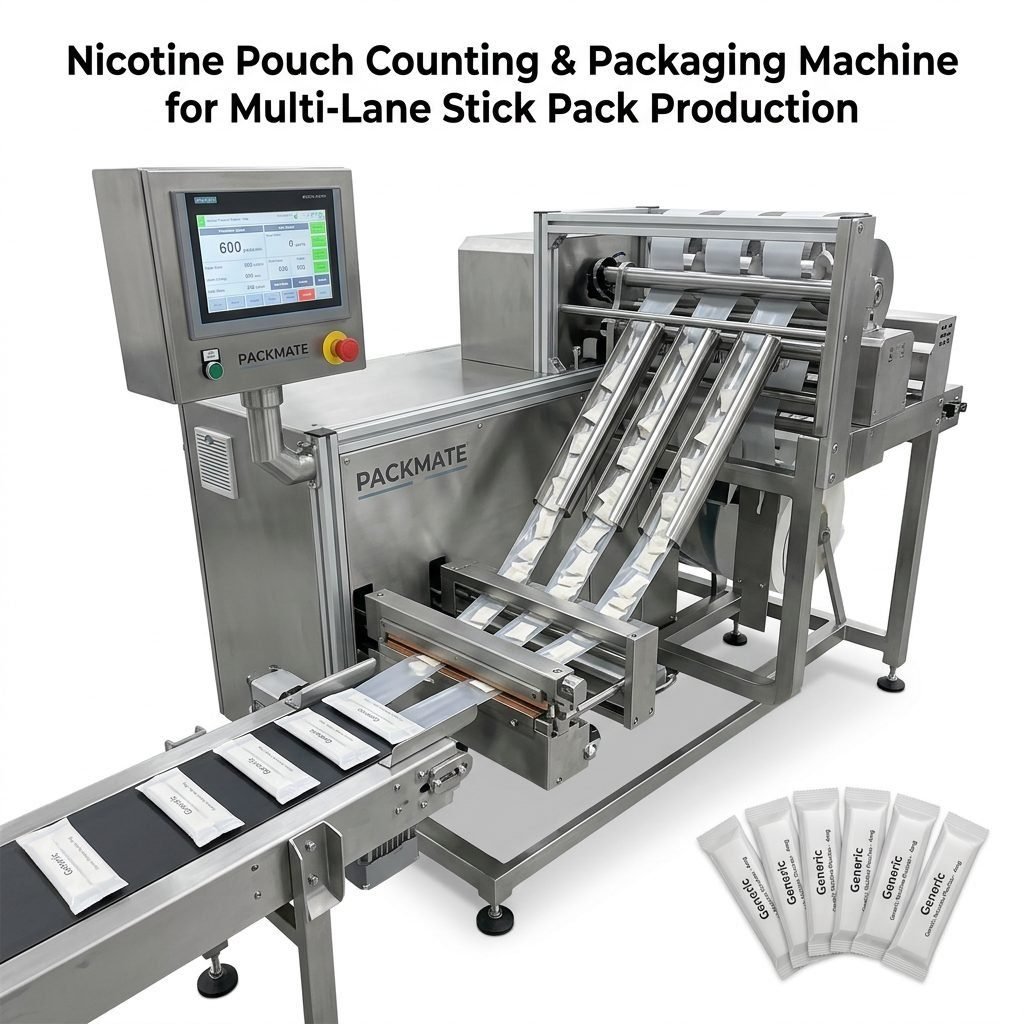
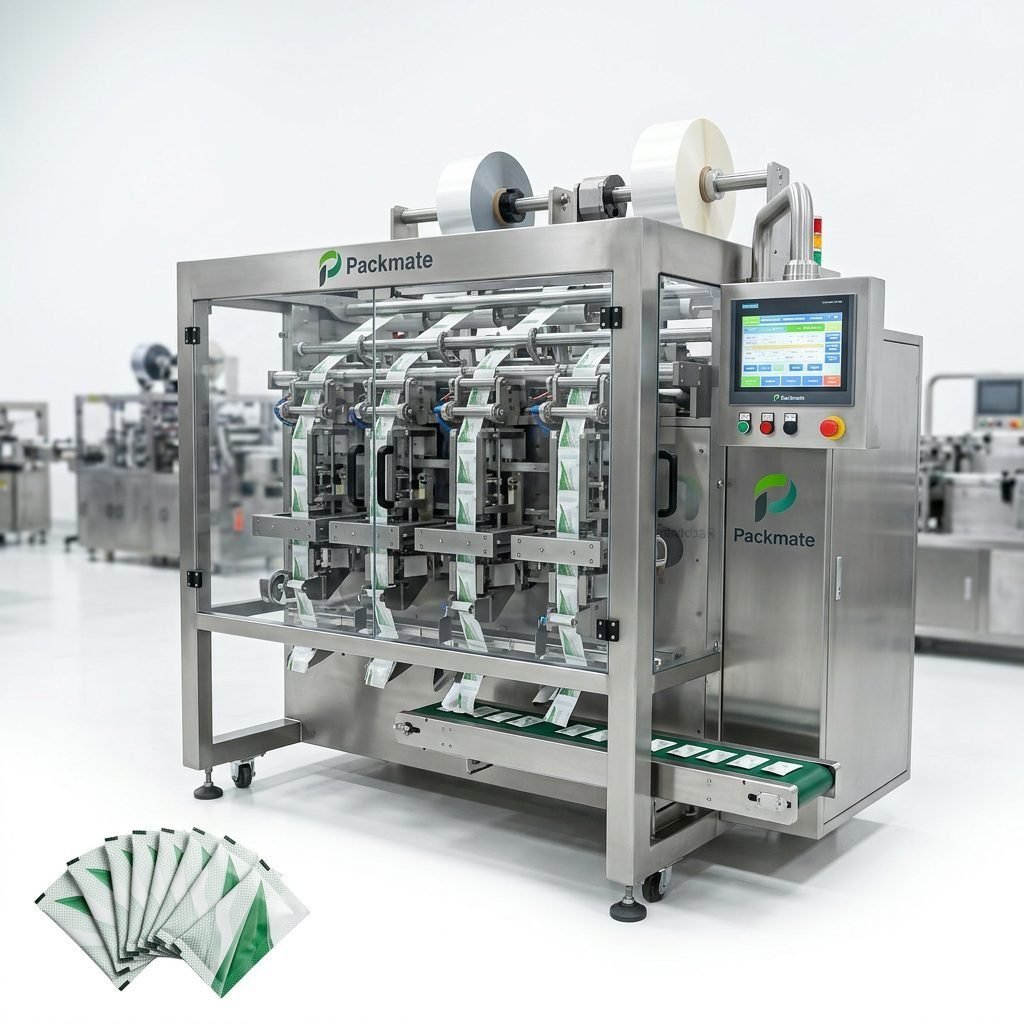
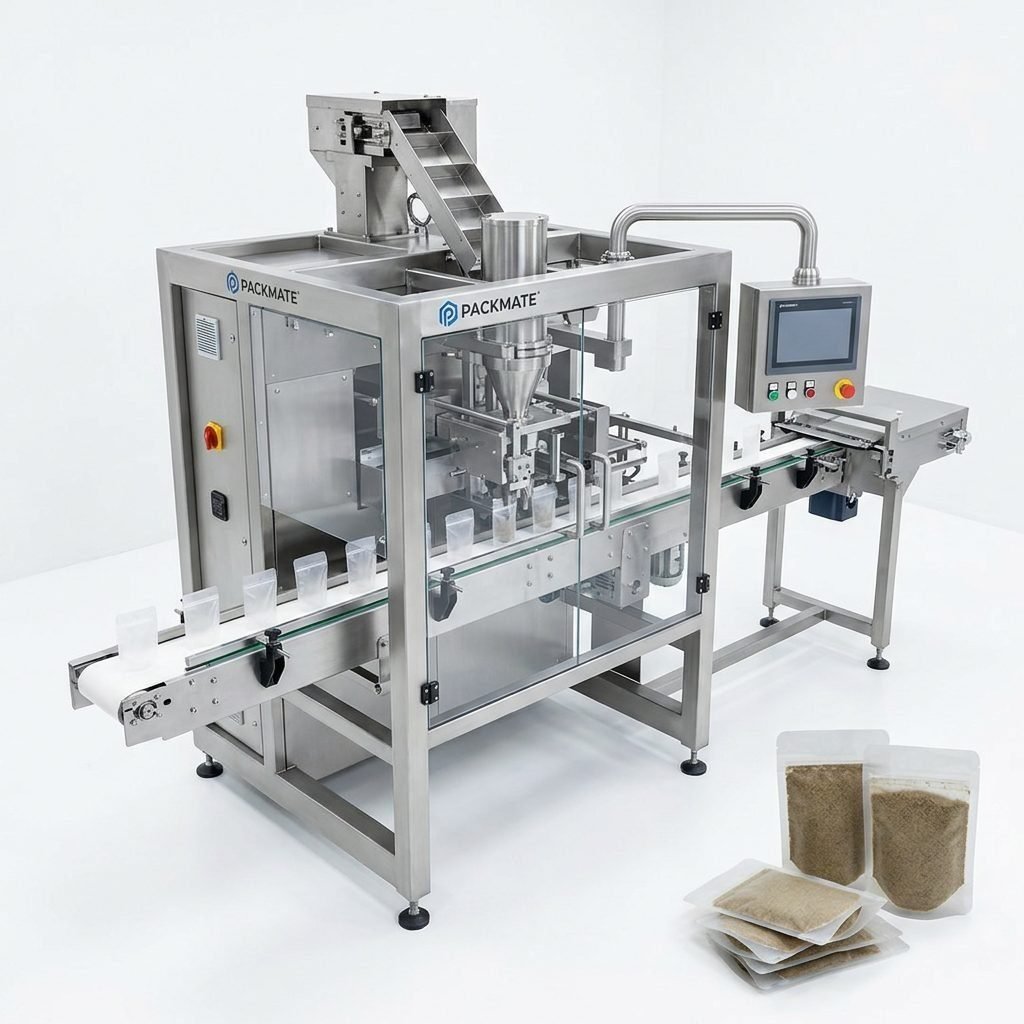
Look for suppliers who offer machines tailored to nicotine pouches (snus), including stick packs, sachets, and multi-lane pouch systems. Your production goals — output per minute, pouch size variation, fill types (powder, granule, liquid), and automation level — determine the best machine type. Suppliers with modular lines and scalable options are preferable for gradual capacity expansion.
🔧 Technical checklist: Confirm throughput rates, lane counts, dosing accuracy, sealing methods, and the machine’s compatibility with your brand’s pouch materials. Ask for performance reports and real-world case studies.
Assess Manufacturer Track Record and Certifications
A supplier’s longevity and certifications are direct indicators of reliability. Packmate Snus Machine, for example, has over 30 years of engineering experience, a 20,000㎡ manufacturing facility, and offers CE and ISO-compliant equipment — factors that reduce technical and regulatory risk. Request evidence of quality control, factory capabilities, and references from similar projects.
For detailed equipment options and product lines, review Snus & Nicotine Packaging Machines and related systems such as Bag & Pouch Packaging Machines and Filling & Packaging Lines to confirm the supplier’s range aligns with your needs.
Inspect Factory, Production Capacity, and Customization Ability
When possible, visit the supplier’s manufacturing site or request a virtual factory tour. Key capabilities to verify include CNC machining centers, precision assembly lines, and rigorous testing procedures. A supplier who can customize machines for small-dose multi-lane nicotine pouch production is especially valuable for niche product lines.
📦 Checklist for factory inspection: number of machine models, assembly process photos, QC reports, ISO/CE certificates, and examples of turnkey packaging lines.
Verify After-sales Support and Spare Parts Availability
After-sales support is critical in Nepal, where technical partners may be scarce. Confirm the supplier provides:
• Rapid response for technical assistance and remote diagnostics.
• Local or regional spare-parts inventory or express shipping to Kathmandu or your nearest hub.
• Training programs for operators and maintenance staff, delivered on-site or through detailed manuals and video guidance.
Service and warranty terms
Prefer suppliers who offer clear warranty terms, preventive maintenance packages, and optional extended service contracts. Ask for documented response time guarantees and examples of long-term service partnerships in markets similar to Nepal.
Compare Total Cost of Ownership (TCO), Not Just Initial Price
A low upfront price can hide higher long-term costs. Evaluate energy consumption, maintenance intervals, spare parts cost, downtime risks, and training expenses. Multi-lane machines that increase throughput can lower unit cost but may require more skilled technicians.
⚖️ TCO tip: Request a TCO breakdown covering a 5-year horizon. Include expected output, spare-parts consumption, and average downtime based on supplier case studies.
Check Customization, Integration and Turnkey Solutions
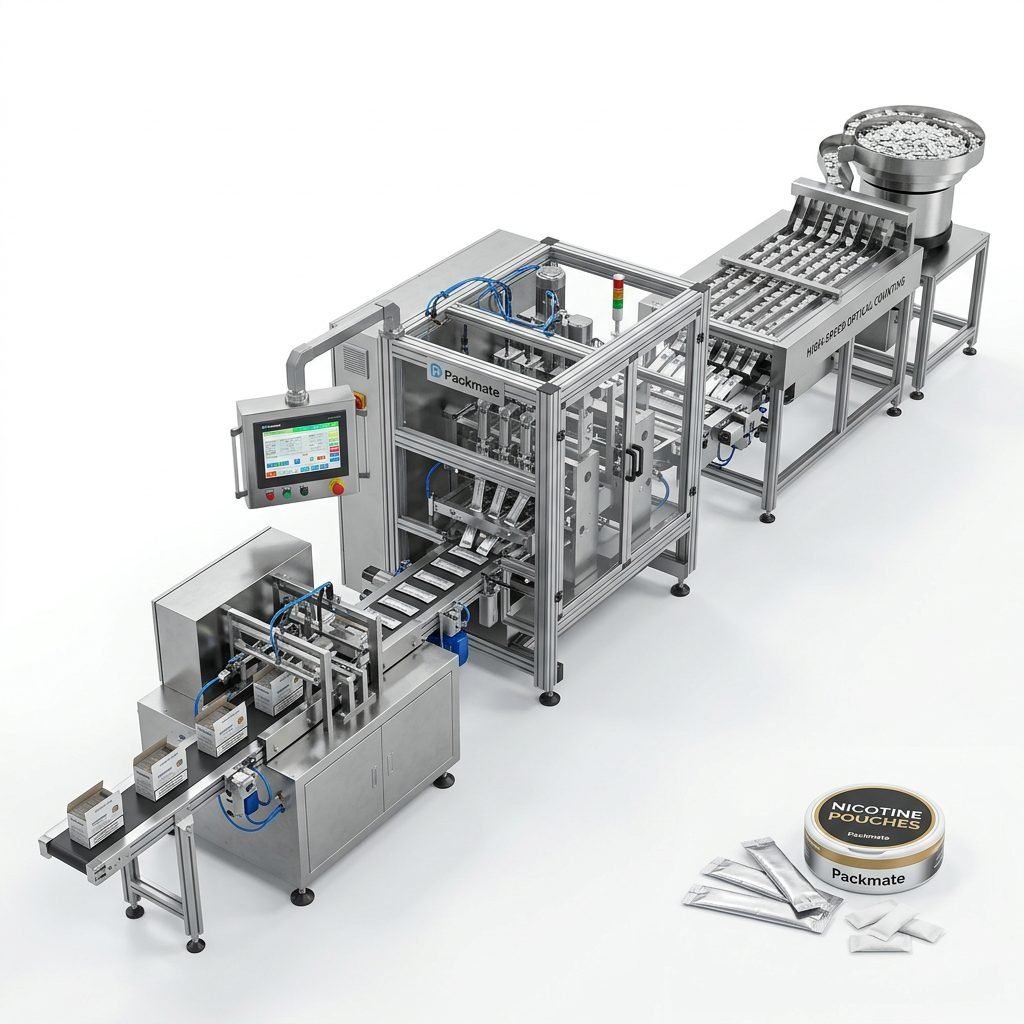
If your factory aims to run a fully automated line, choose suppliers offering turnkey solutions that integrate weighing, feeding, pouch forming, filling, sealing, and secondary packaging. Packmate Snus Machine provides complete production lines for snus, nicotine pouches, and related products — a valuable option for factories seeking end-to-end automation.
Explore related systems like Weighing & Packaging Systems and Auxiliary Packaging Equipment to ensure the supplier can design a cohesive line tailored to your product specifications.
Quality Control, Trials and Factory Acceptance Tests (FAT)
Insist on pre-shipment testing and FAT reports. A reliable supplier will conduct thorough run tests using your materials, prepare performance certificates, and allow you to witness acceptance tests either in person or via livestream. These steps protect against performance gaps on arrival.
Logistics, Installation and Commissioning in Nepal
Plan logistics carefully: large machines may need disassembly for sea/road freight and reassembly on arrival. Confirm whether the supplier provides installation teams or local partners in South Asia. Detailed installation guides, video support, and on-site commissioning reduce startup time.
For international suppliers, clarify Incoterms (FOB, CIF, DDP) and responsibilities for import clearance. If the supplier offers door-to-door service, it can substantially reduce customs headaches in Nepal.
Financial Options, Lead Times and Order Terms
Discuss flexible payment terms, part payments, and financing. Long lead times are common for custom machinery; get a detailed project timeline, production milestones, and penalties for delays if possible. Suppliers with large production capacity often fulfill orders faster.
Build Trust: Ask for References and Case Studies
Request references from customers who run nicotine pouch lines in climates and markets similar to Nepal. A vendor with global exhibition presence, documented case studies, and long-term clients demonstrates reliability. Packmate Snus Machine shares global cooperation cases and exhibition records that can help validate performance.
Useful links for deeper exploration: Snus & Nicotine Packaging Machines, Bag & Pouch Packaging Machines, and About Packmate.
Cultural Considerations and Business Etiquette in Nepal
Business in Nepal often places greater emphasis on relationships and face-to-face meetings. Respectful greetings, patience during negotiations, and awareness of public holidays and religious festivals (Dashain, Tihar) help maintain smooth supplier interactions. Small gifts and thoughtful gestures during initial visits are common and appreciated.
Operational Readiness: Training and Local Talent Development
Investing in operator and maintenance training is essential for long-term success. Choose suppliers who provide comprehensive, on-site training and documented SOPs. Consider hiring or training a local mechanical technician with experience in automation and pneumatics to reduce downtime and build in-house capability.
🌐 Recommended resource: Explore turnkey solutions and case studies on Filling & Packaging Lines and Weighing & Packaging Systems to understand full-line integration possibilities.
Negotiation Tips with International Suppliers
• Secure a clear specification list and acceptance criteria.
• Ask for spare parts kits and itemized spare parts lists with prices.
• Confirm language of manuals and translation availability for Nepali or Hindi if needed.
• Request performance guarantees and trial support until production benchmarks are met.
Common Pitfalls to Avoid
• Buying solely on price without validating TCO or service responsiveness.
• Overlooking local climate effects on electrical and pneumatic components.
• Failing to secure clear installation and commissioning responsibilities.
• Ignoring the need for operator training and spare part stock.
Making the Final Decision
To finalize, score each supplier on technical fit, references, certifications, TCO, spare parts strategy, and after-sales service. Schedule FAT, confirm logistics and customs handling, and align payment terms. A supplier who provides transparent documentation, factory tours, and sustained local support is the safest long-term partner.
✅ Quick checklist before signing: technical specs confirmed, FAT scheduled, warranty & service terms signed, spare parts list received, installation & commissioning plan agreed, and payment milestones set.
If you are investigating suppliers, review supplier catalogs and case histories such as Case, and get in touch using official contact pages like Contact Us to request tailored proposals and factory access details.
Final recommendations
Prioritize suppliers who combine proven nicotine packaging expertise with robust after-sales support. Consider local operational realities in Nepal — customs, climate, seasonal logistics, and workforce skills — when shaping your procurement and implementation timeline. A strategic supplier partnership will not only deliver machines but also secure your production quality, uptime, and scalability.
Frequently Asked Questions
Q1: How long does it typically take to receive and commission nicotine packaging machinery in Nepal?
Lead times vary by supplier and customization level. Basic standard machines can take 8–12 weeks for production plus sea freight and customs clearance. Custom turnkey lines commonly take 12–24 weeks. Add extra time for FAT, spare parts shipment, and on-site commissioning.
Q2: What documentation should I request before purchase?
Request detailed technical specifications, FAT reports, CE/ISO certificates, wiring and pneumatic diagrams, operation manuals, spare parts lists with prices, and documented warranty/service terms. Also ask for performance data using your materials.
Q3: Can suppliers provide local training and post-installation support in Nepal?
Many reputable suppliers provide on-site training and remote support. Verify whether the supplier has local partners or can dispatch technicians for commissioning. Ensure training includes routine maintenance and troubleshooting modules.
Q4: How should I handle spare parts inventory planning?
Maintain critical spare parts on-site (motors, belts, sealing jaws, sensors). Work with your supplier to create a prioritized spare-parts kit and lead-time estimates for less-critical items. Consider stocking consumables that wear quickly under your specific production profile.
Q5: Where can I find trusted supplier information and product catalogs?
Review supplier product pages and catalogs, including Snus & Nicotine Packaging Machines, Sachet & Stick Pack Machines, and auxiliary systems. Company pages like About Packmate and documented Case studies provide useful credibility checks.