Entering or expanding production in the South American snus and nicotine pouch market demands more than just choosing a machine — it requires partnering with a manufacturer who understands the regional infrastructure, regulatory environment, cultural preferences, and practical production challenges. This guide walks production managers, procurement teams, and entrepreneurs through how to choose the best snus packaging machinery manufacturer in South America for your specific needs, highlighting technical, logistical, and cultural considerations.
Understand Regional Market Dynamics and Local Customs
South America is diverse in languages, regulations, and consumer habits. Portuguese dominates in Brazil while Spanish is primary across most other countries. Consumption patterns for novelty nicotine products like snus and nicotine pouches are evolving — metropolitan consumers in cities such as São Paulo, Buenos Aires, and Santiago show early adoption, attracted by discreet single-dose formats and premium packaging. When evaluating a manufacturer, make sure they can support multilingual documentation and local labeling requirements, and that they understand the different retail channels (pharmacies, convenience stores, online marketplaces).
Cultural & market preferences to consider
📌 Consumers in South America often appreciate high-quality, visually appealing packaging with clear ingredient and usage information in Spanish or Portuguese. Packaging that highlights local flavor variants or offers eco-friendly materials can attract urban, health-conscious buyers. A good manufacturer will offer customizable pouch formats and printing options that support local language and regulatory statements.
Technical Capabilities: What Machines and Features Matter
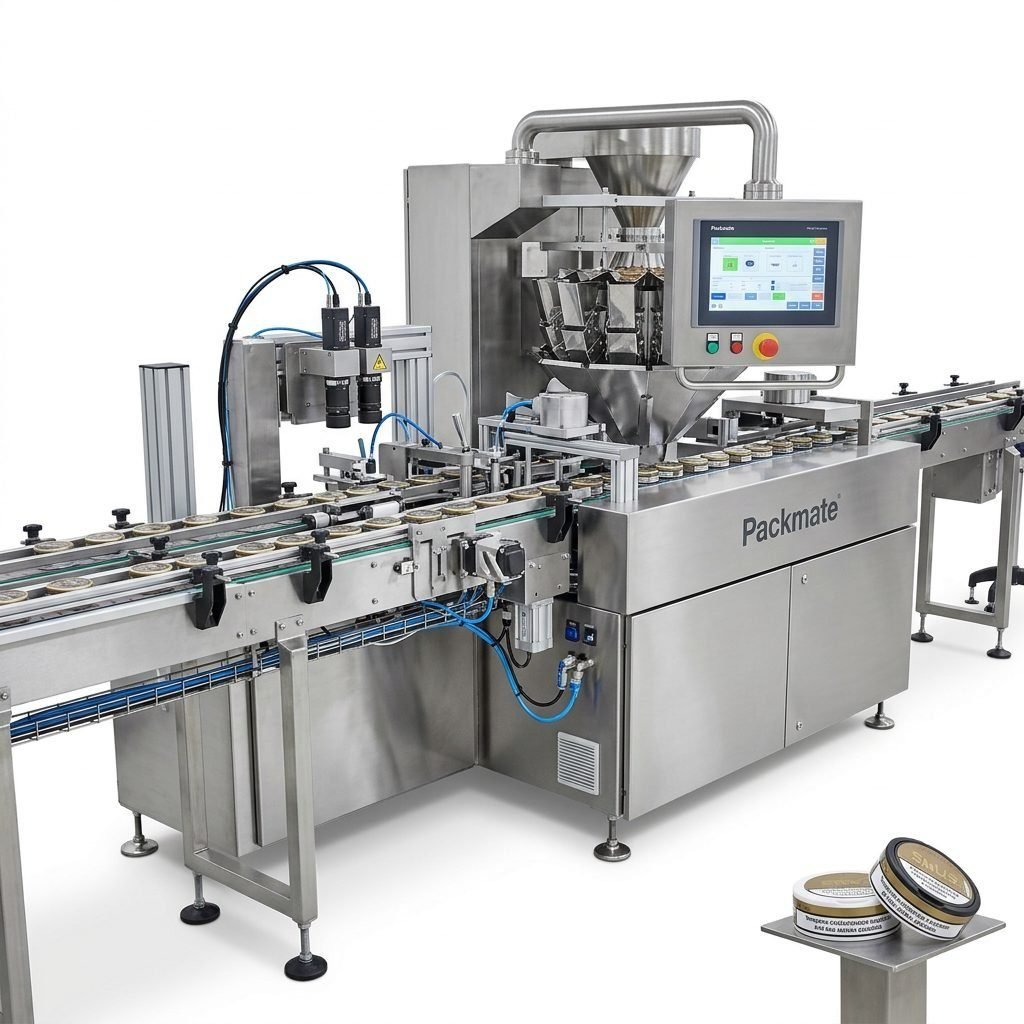
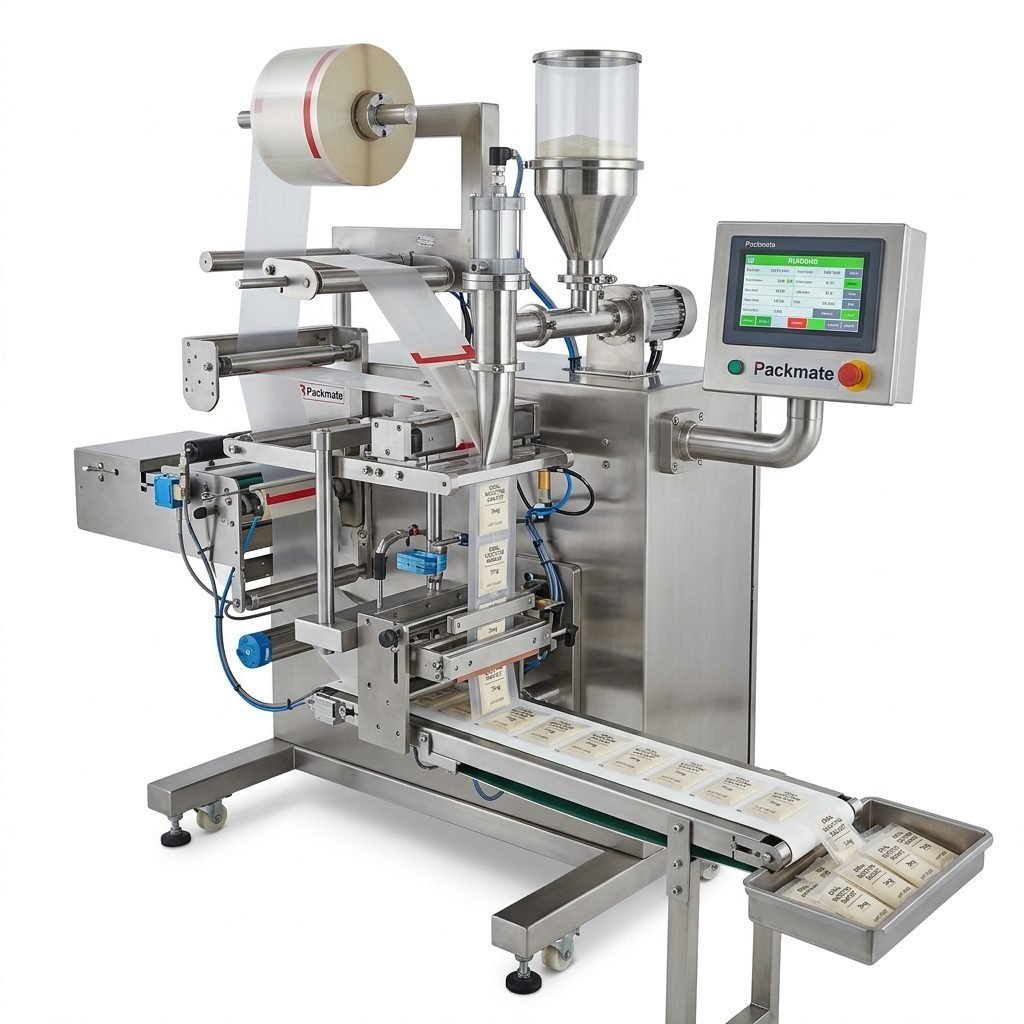
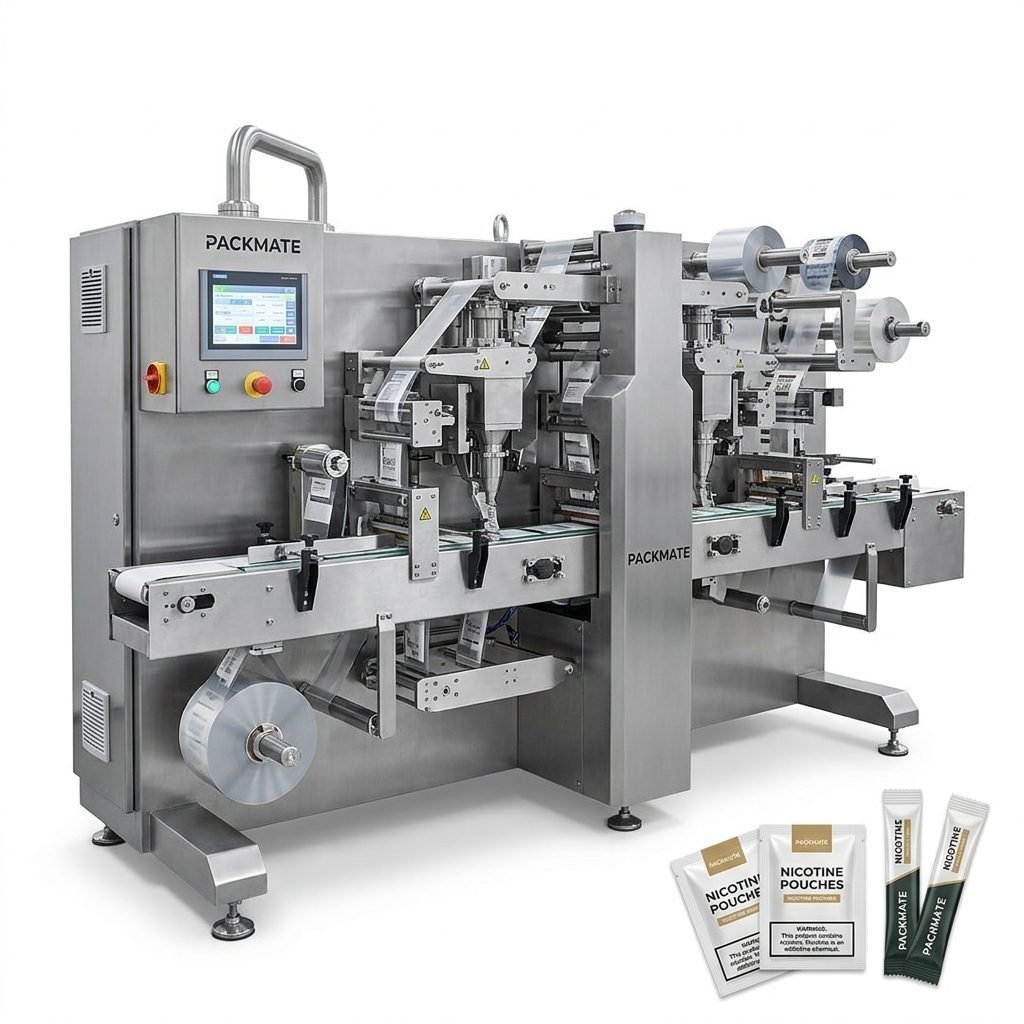
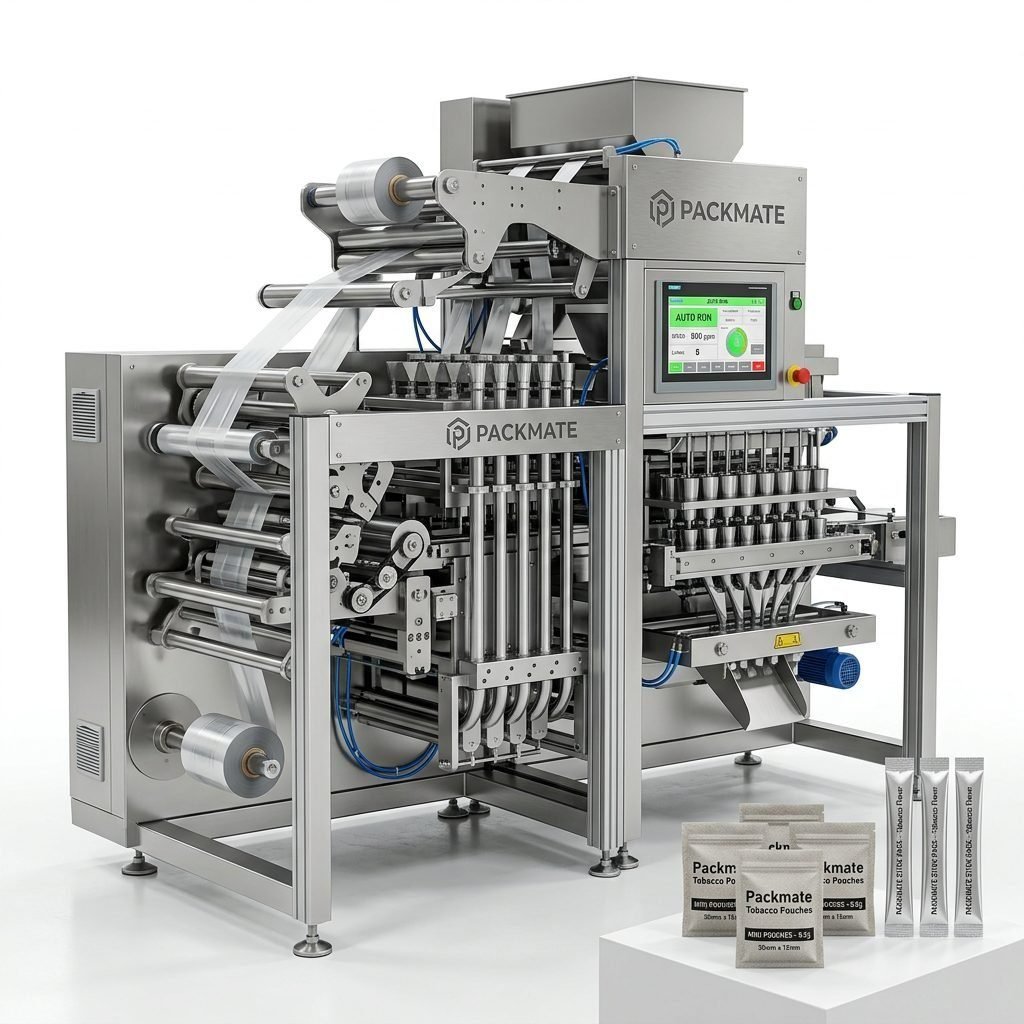
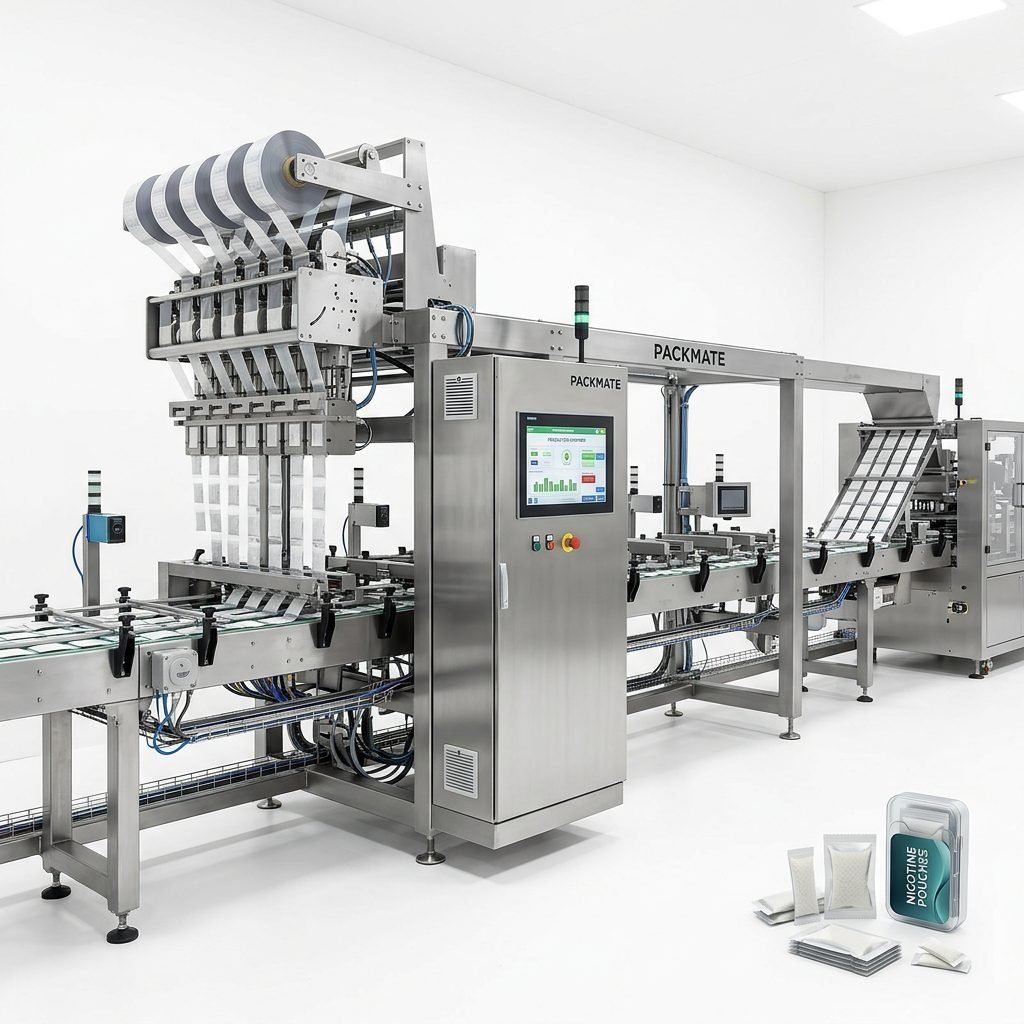
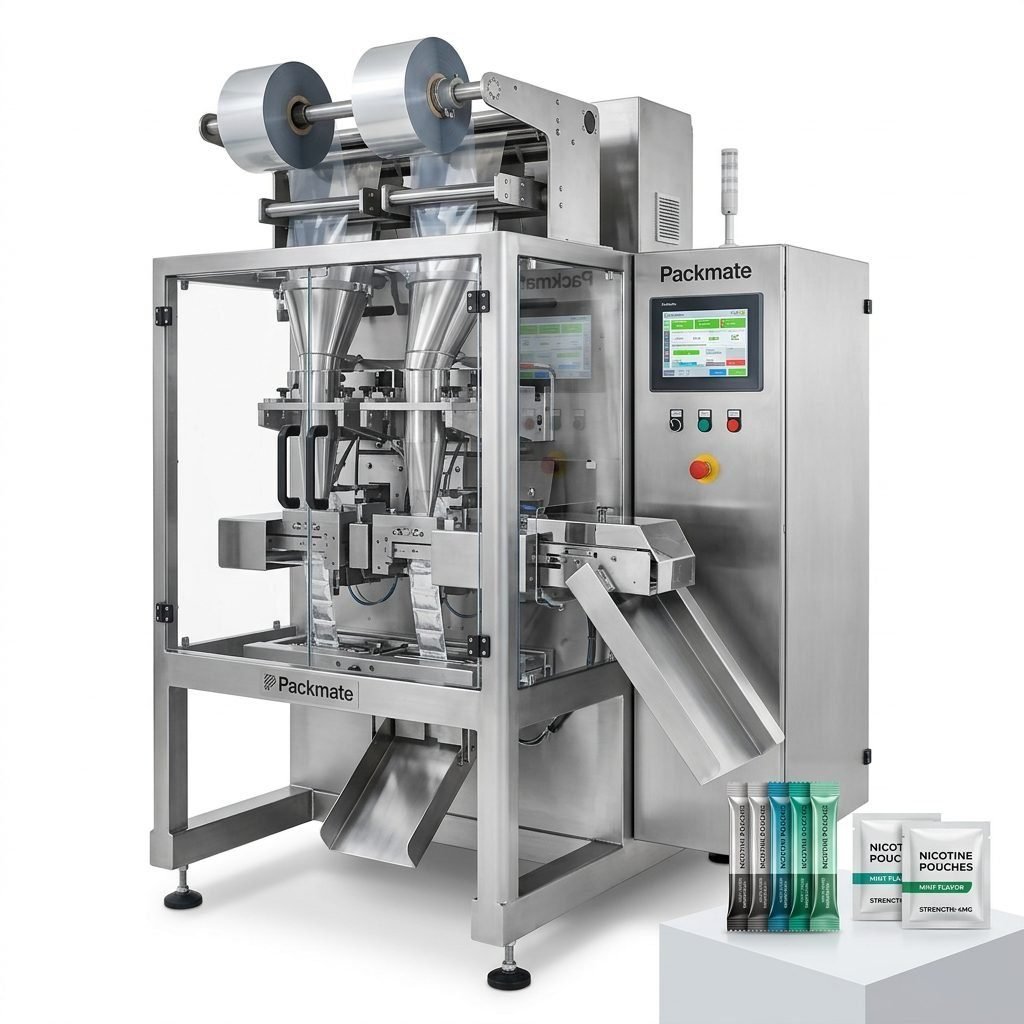
The right supplier should offer robust machines optimized for nicotine pouch production, including high-precision multi-lane lines for small-dose pouches, reliable filling systems for powders and granules, and flexible pouch formats such as stick, sachet, and multi-lane pouches. Look for manufacturers with comprehensive product lines (packers, weighers, fillers, and auxiliary equipment) and experience in turnkey packaging solutions.
✅ Technical checklist (must-have capabilities):
high-speed multi-lane pouch forming, precision powder dosing, humidity control, and servo-driven film handling. Also prioritize machines with easy changeovers, CIP-friendly parts, and CE/ISO compliance.
Recommended product types
📦 If you need examples or want to evaluate models, manufacturers often list specialized lines such as Snus & Nicotine Packaging Machines and Sachet & Stick Pack Machines, which are engineered for precision and throughput.
Quality, Reliability, and Factory Strength
Evaluate the manufacturer’s production capacity, machining capabilities, and quality control systems. A factory with advanced CNC machining centers, dedicated precision assembly lines, and a sizable footprint (for example, a 20,000㎡ facility) demonstrates the ability to produce reliable equipment at scale. Ask for references, service records, and documentation of compliance with international standards like CE and ISO.
📈 Look for manufacturers with a clear development timeline and proven global cases — these indicate mature engineering and after-sales processes. Packmate’s long history (30+ years, multiple exhibitions and global cooperation cases) is the kind of pedigree that reduces project risk.
Service, Spare Parts & Local Support
Local or regional technical support shortens downtime. Explore whether the manufacturer offers training, installation assistance, and remote diagnostics. Spare parts availability is critical: machines often use standard industrial components but also proprietary parts; confirm lead times and local stocking options. Service agreements, preventive maintenance plans, and readily accessible manuals in local languages are big advantages.
Important operational considerations
⚙️ Ensure compatibility with local utilities (voltage 110V/220V, frequency 50/60Hz) and environmental conditions — high humidity in some regions requires desiccant handling and humidity control on lines. Ask about retrofit options for climate-critical components.
Regulatory Compliance and Market Access
Regulatory landscapes for nicotine products differ across South America. Some countries treat nicotine pouches like tobacco, others like pharmaceuticals or novel products. A manufacturer experienced in international markets will help ensure machines produce compliant labels, tamper-evident seals, and batch coding capabilities for traceability. They can also support export documentation and certification if you plan to sell across borders.
🔒 Regulatory highlights: incorporate serialization and printing systems for batch codes, support packaging formats that comply with local health warnings, and choose materials that meet import/export requirements.
Customization, Flexibility and Packaging Design Support
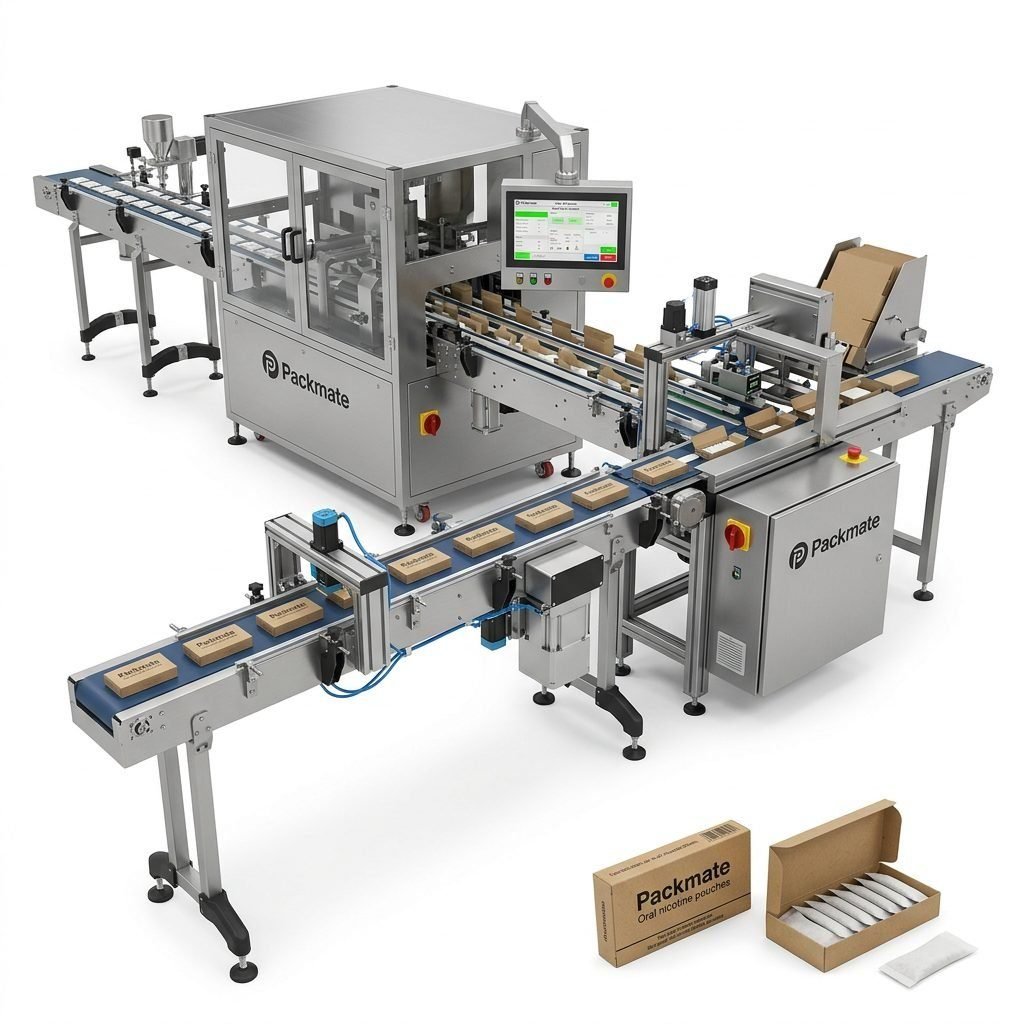
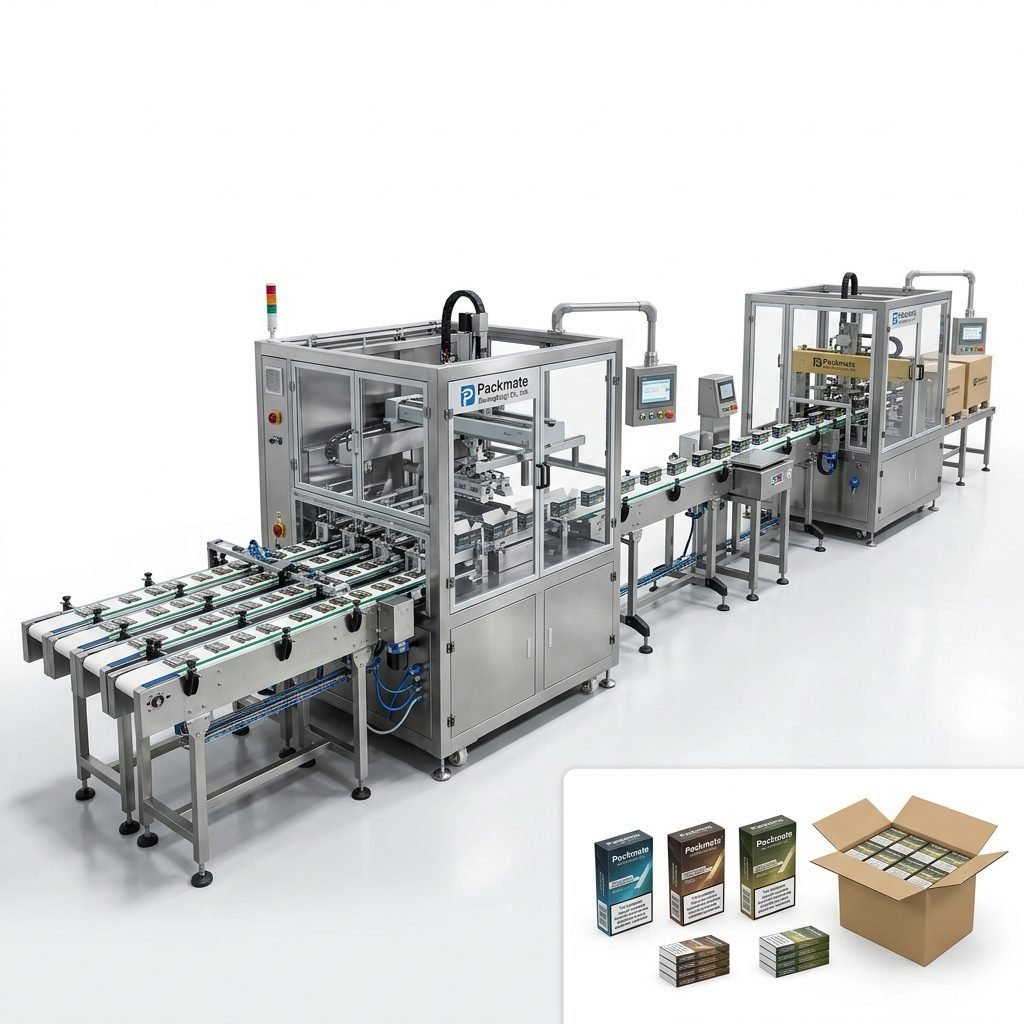
Manufacturers who offer customization help you stand out. This includes multi-lane formats, bespoke pouch sizes, specialized filling nozzles for sticky formulations, and integration with secondary packaging like cartons or display trays. Also consider vendors that provide prototype runs, sample packs, and co-development for artwork and barrier materials.
🔧 A willing engineering partner can adapt equipment to run seasonal flavors, local ingredient variations, or eco-friendly substrates — essential in markets where consumer preferences shift quickly.
Cost, Financing and Total Cost of Ownership
Evaluate machine pricing in the context of lifetime operating costs: energy consumption, spare parts, maintenance, and operator training. Some manufacturers provide financing options or lease models; others can help with phased equipment purchases to scale production capacity. Transparent pricing, documented warranty terms, and a clear spare parts policy indicate a trustworthy supplier.
Negotiation tips
💡 Negotiate for on-site commissioning days, a defined spare parts kit, and inclusion of operator training sessions. Seek a trial run to validate yield and pouch quality before final acceptance.
Logistics: Shipping, Installation and Lead Times
Lead time transparency is critical. Confirm factory lead times, shipping options to major South American ports (Santos, Buenos Aires, Callao, Cartagena), handling of customs documentation, and availability of local installation teams. A supplier with experience exporting to South America will advise on crate specifications, shock protection, and customs classification to minimize delays and extra charges.
🚚 Ask for detailed shipping quotes, estimated arrival windows, and options for expedited customs clearance if production timelines are tight.
References, Demonstrations and Factory Visits
Request client references and case studies relevant to nicotine pouch production. Attend live demonstrations at exhibitions or request video of your proposed machine running your product. If feasible, schedule a factory visit to inspect machining centers and assembly lines — this is where you can assess workmanship and factory management firsthand. For virtual evaluation, review technical documents and ask for a virtual FAT (factory acceptance test).
🔍 Reference links and resources:
About Packmate,
Contact Us.
Sustainability and Materials Sourcing
Sustainability increasingly affects purchasing decisions. Manufacturers who can work with recyclable or compostable film suppliers, or help reduce material waste through precision cutting and formation, offer long-term benefits. Also evaluate whether the manufacturer has a supplier network for barrier films and printed laminates that comply with local waste management rules.
♻️ Sustainability checklist: compatibility with recyclable laminates, ability to minimize film scrap, and partnerships with eco-friendly material suppliers.
Choosing a Partner: Final Evaluation Criteria
Use a weighted decision matrix including:
1. Technical fit and machine capabilities (throughput, accuracy, formats).
2. Manufacturer credibility and factory strength (CNC, QC, certifications).
3. After-sales support, spare parts, and local service availability.
4. Regulatory and localization support (labeling, language, compliance).
5. Total cost of ownership including logistics and lead times.
6. Customization, sustainability options, and willingness to co-develop.
📌 When these items align with your business goals, you’ve found a partner who can help you scale reliably across South America.
Why Packmate-Like Manufacturers Are a Strong Choice
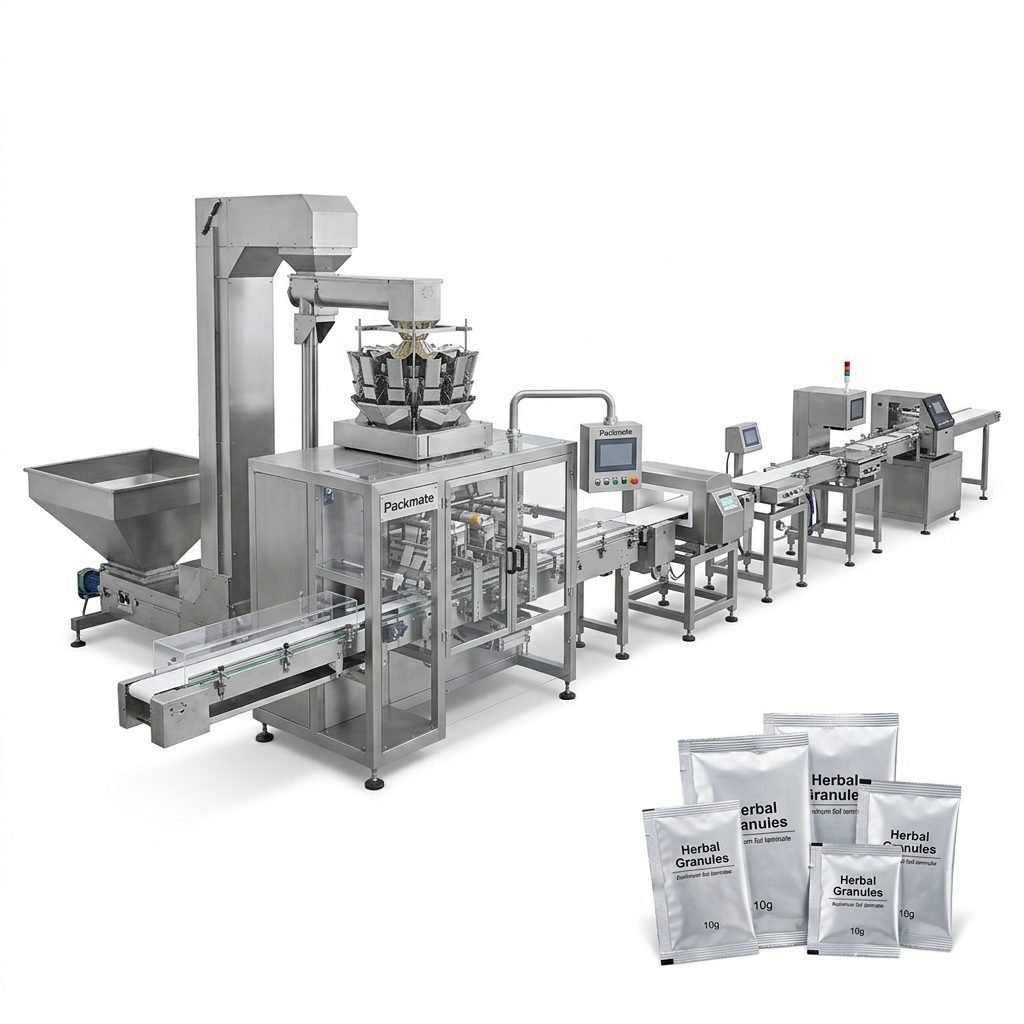
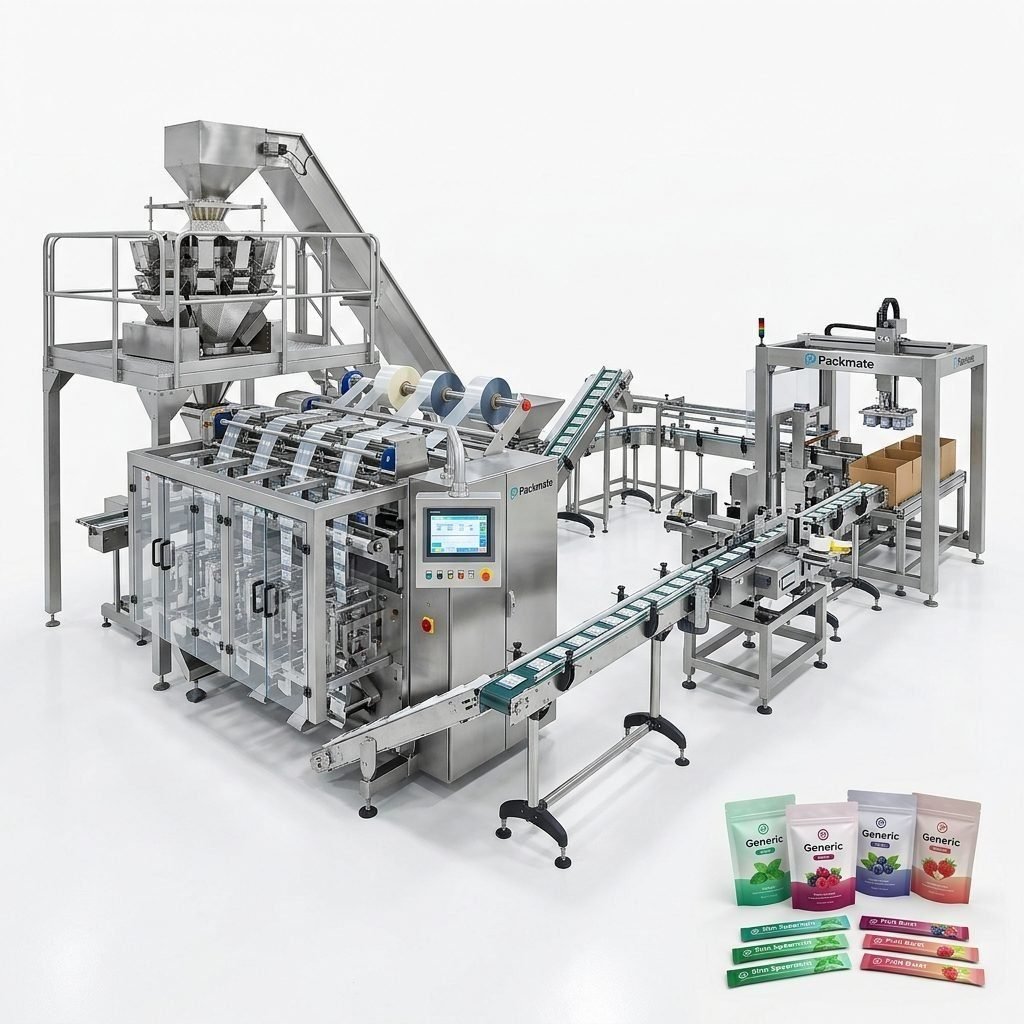
Companies with extensive experience in snus and nicotine packaging — offering a wide model range, factory capacity, and a track record of international turnkey projects — are well placed to serve South American markets. They typically provide complete lines including weighing systems, fillers, pouch machines, and auxiliary equipment. Explore product lines such as Filling & Packaging Lines and integrated solutions like Weighing & Packaging Systems when planning your investment.
By partnering with an experienced manufacturer, you benefit from proven engineering, global case studies, and after-sales processes designed to keep production running smoothly.
Next steps for procurement teams
📑 1) Draft a detailed RFP including desired pouch format, throughput, target yield, and regulatory requirements.
📑 2) Request FAT video demonstration and sample production runs.
📑 3) Evaluate total cost of ownership and negotiate for training and spare parts.
📑 4) Arrange logistics and local installation support with your selected vendor.
Conclusion
Selecting the best snus packaging machinery manufacturer for South America is a multi-dimensional decision: technical fit, local knowledge, regulatory support, and reliable service are equally important. Prioritize partners with proven snus/nicotine packaging experience, strong manufacturing capabilities, and the flexibility to support localization and customization. With the right evaluation process, you can secure equipment that delivers consistent product quality, efficient production, and long-term value.
Frequently Asked Questions
Q1: How do I ensure a machine complies with local South American regulations?
A1: Work with a manufacturer experienced in international compliance and request documentation for labeling, safety certifications (CE/ISO), and traceability features. Confirm they can adapt labeling languages and warning statements for specific countries.
Q2: What lead times should I expect for specialized snus packaging lines?
A2: Lead times vary by customization level and factory backlog; typical delivery can range from several weeks to a few months. Ask for a detailed production schedule, FAT plan, and shipping timeline to align expectations.
Q3: Can manufacturers help with packaging materials and artwork?
A3: Many manufacturers coordinate with material suppliers and offer support for artwork and sample runs. Confirm material compatibility, barrier properties, and print capabilities before finalizing your design.
Q4: How important is local after-sales service in South America?
A4: Extremely important. Local or regionally available support reduces downtime and shipping costs for spare parts. Verify service networks, training availability, and preventive maintenance programs.