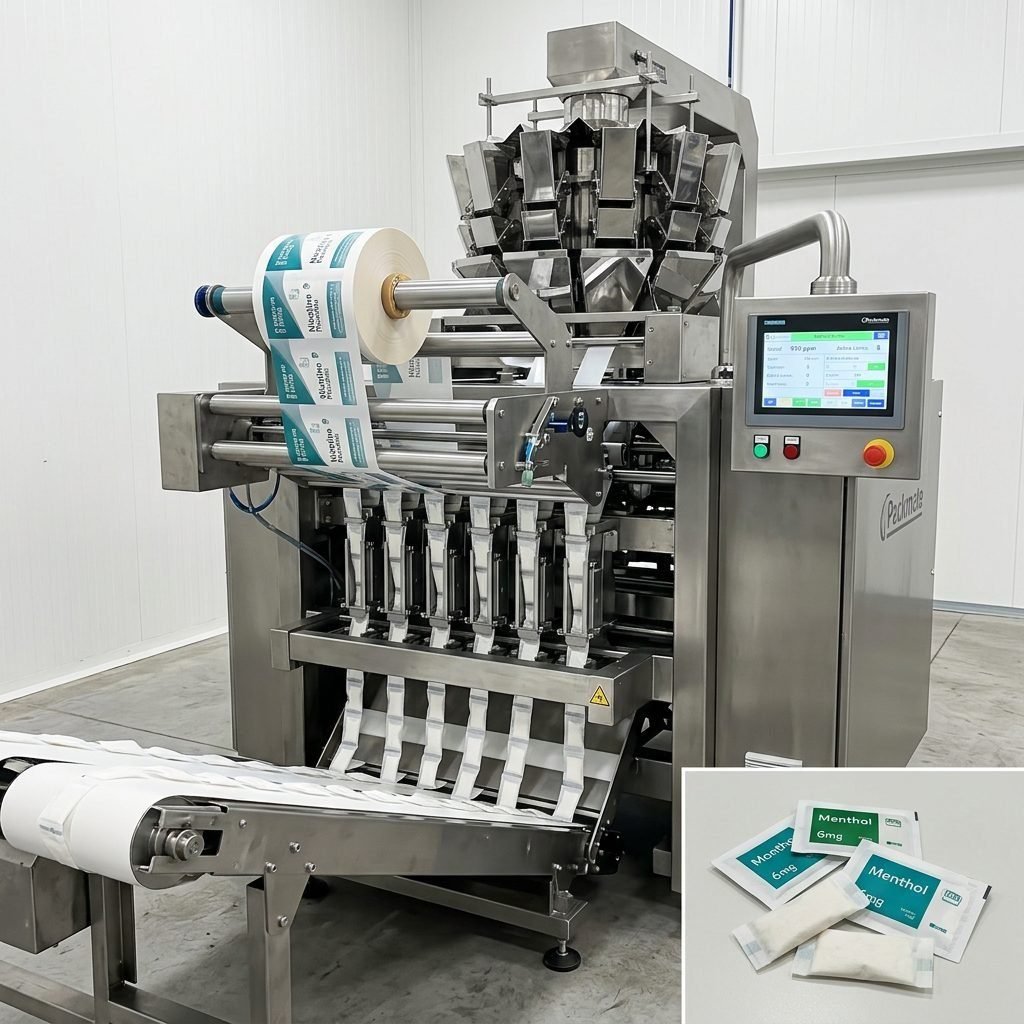
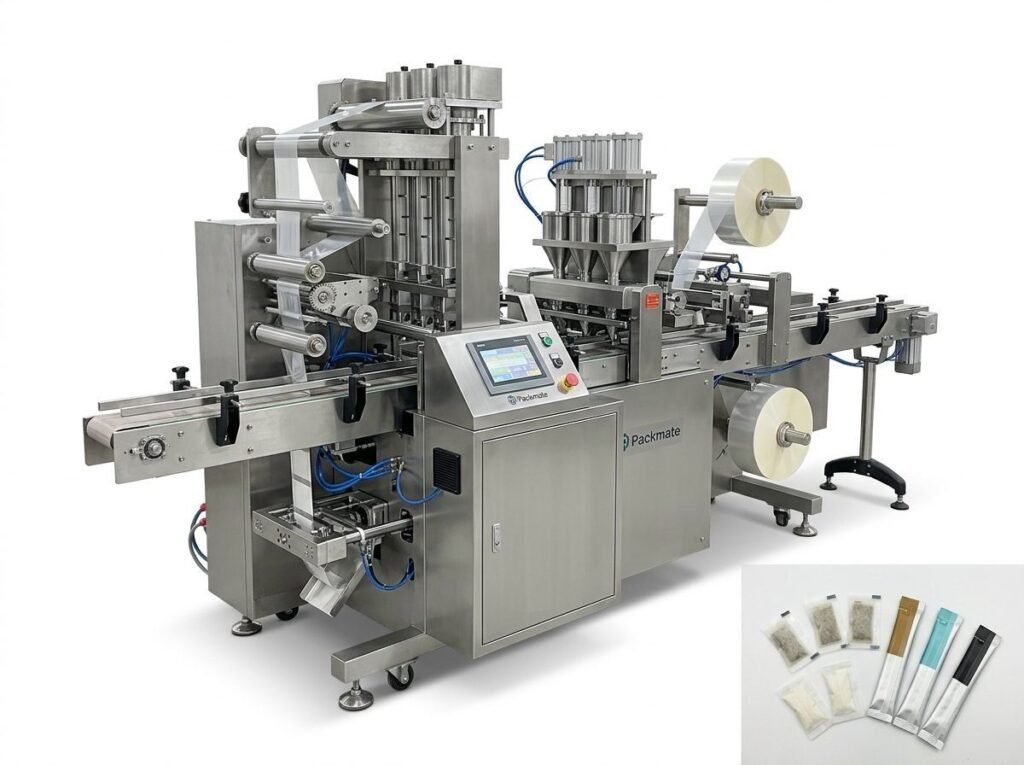
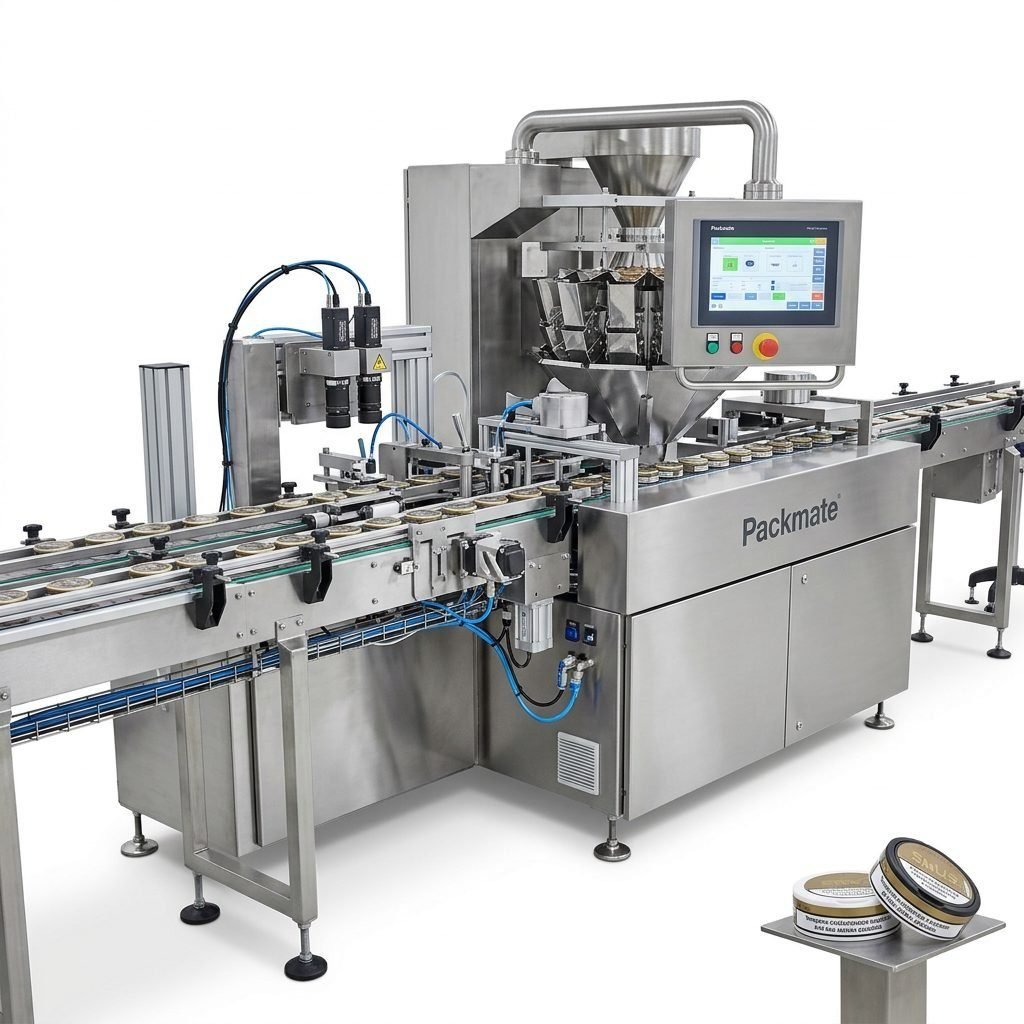
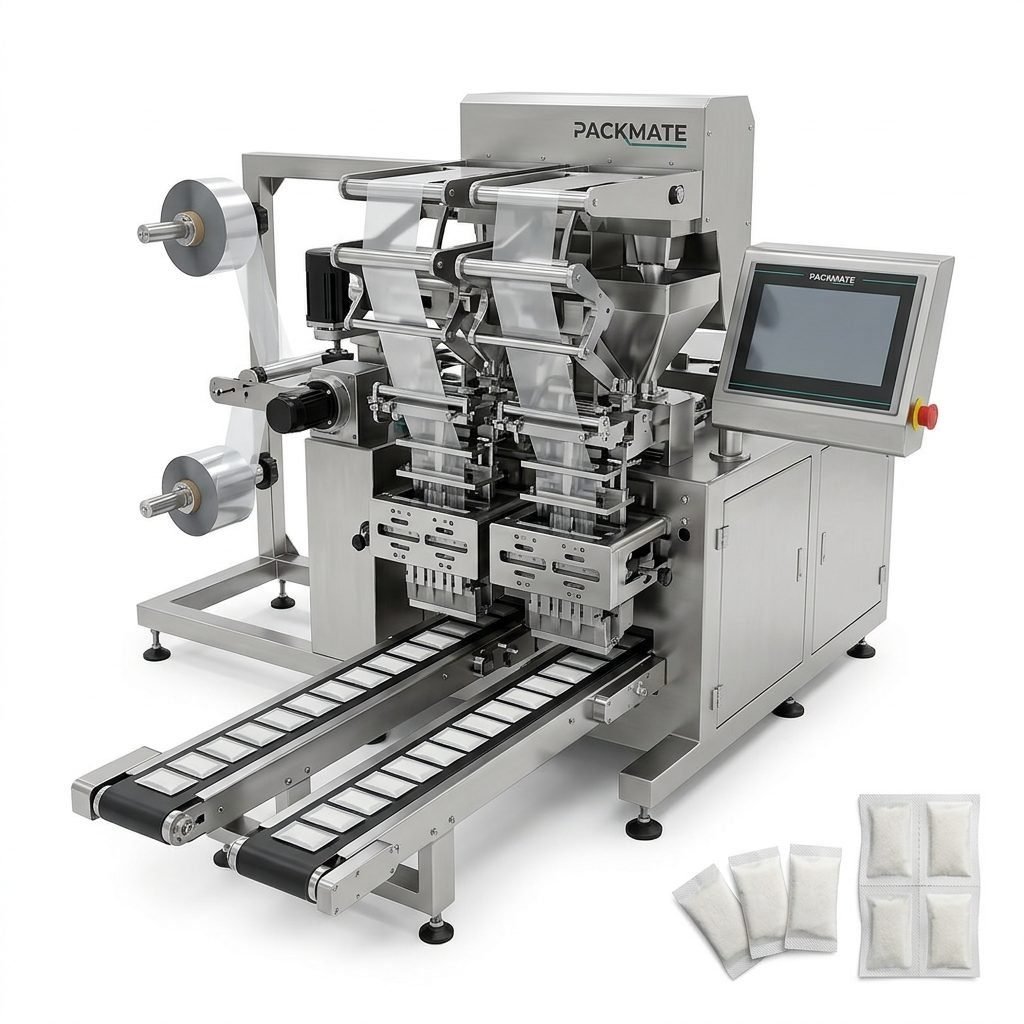
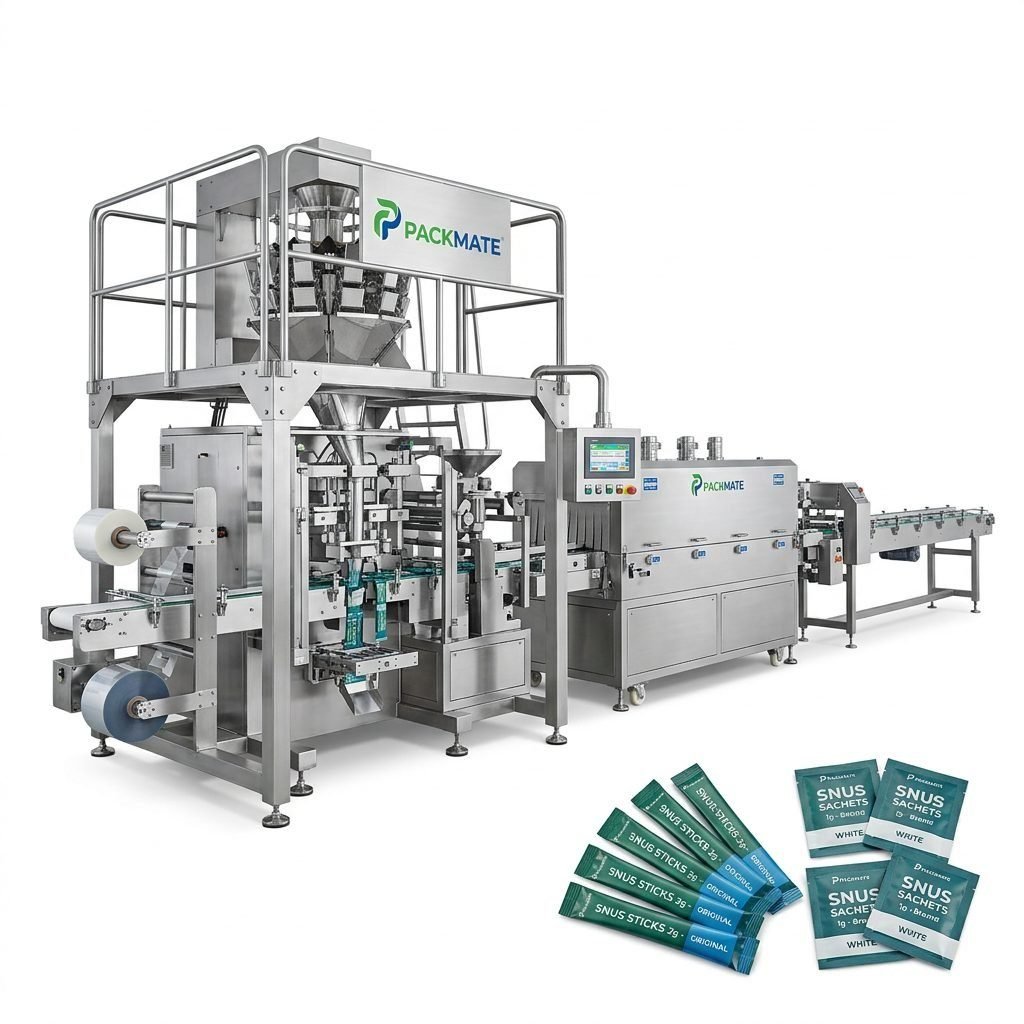
Entering the snus and nicotine pouch market in Romania requires careful thought about packaging reliability, regulatory compliance, and production scalability. Choosing the right packaging machine supplier is more than a transactional decision — it shapes product quality, production uptime, and your ability to respond to local market preferences and legal requirements. Below you’ll find a practical guide to selecting the best snus packaging machine supplier for your Romanian business, plus actionable checklists, inspection tips, and supplier evaluation criteria.
Understanding the Romanian Market & Regulatory Context
Romania is an EU Member State, so European-level tobacco and nicotine regulations will strongly affect product design, labeling, and sales. Note that traditional snus (moist tobacco pouches) sales are restricted in most EU countries (except Sweden). Many manufacturers now focus on nicotine pouches (tobacco-free) which have become a rapidly growing segment. Before selecting a packaging partner, confirm local legality and product classification with Romanian authorities or legal counsel.
- Romanian consumers value discreet, high-quality pouches and clear labeling in Romanian and English.
- Retail distribution often includes kiosks, tobacco shops, and online channels — packaging must suit multiple retail formats.
- Environmental awareness is rising; consider recyclable or mono-material packaging options to appeal to modern buyers.
Why supplier selection matters
A reliable supplier ensures consistent pouch sealing, accurate dosing, minimal downtime, and compliance documentation (CE, ISO). The wrong machine can create production bottlenecks, increase waste, and expose you to regulatory non-compliance — costly in a competitive market like Romania.
Key Criteria to Evaluate in a Snus Packaging Machine Supplier
1. Product Range & Technical Capabilities
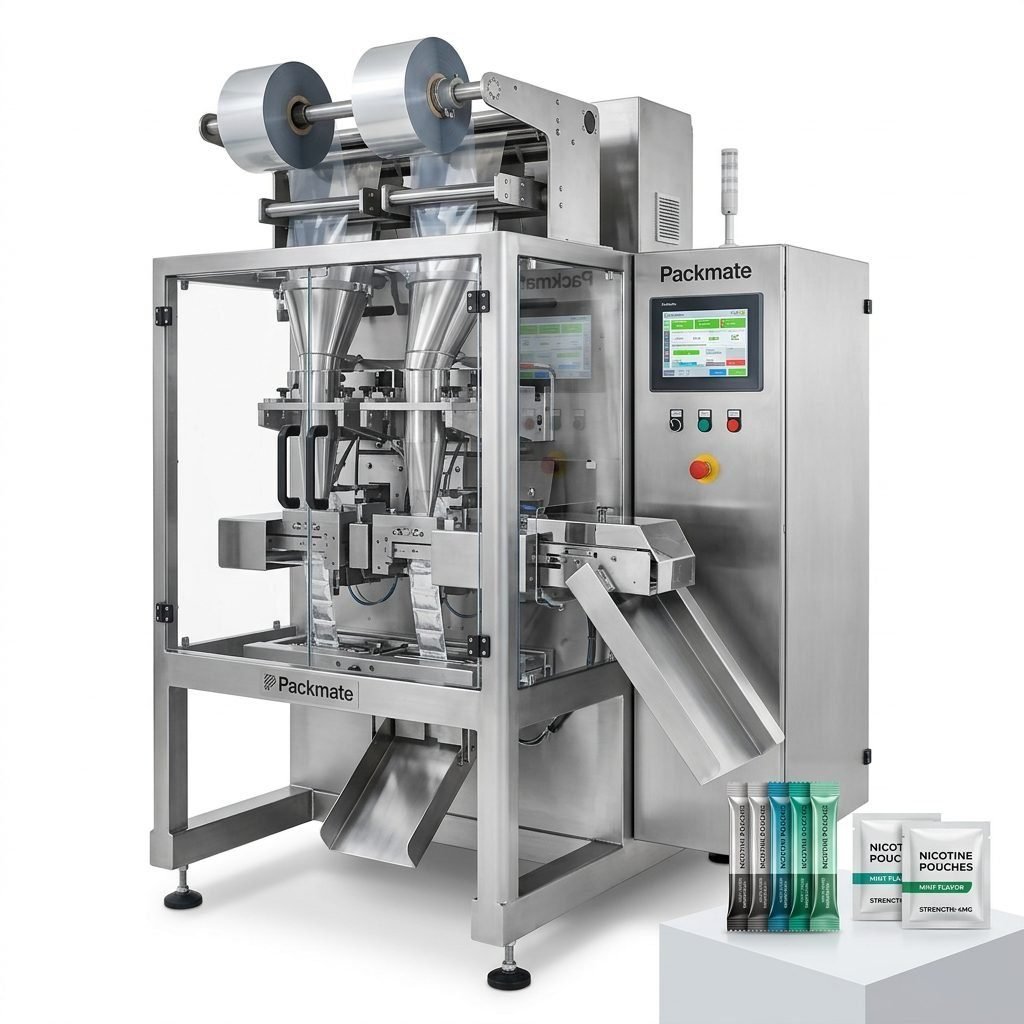
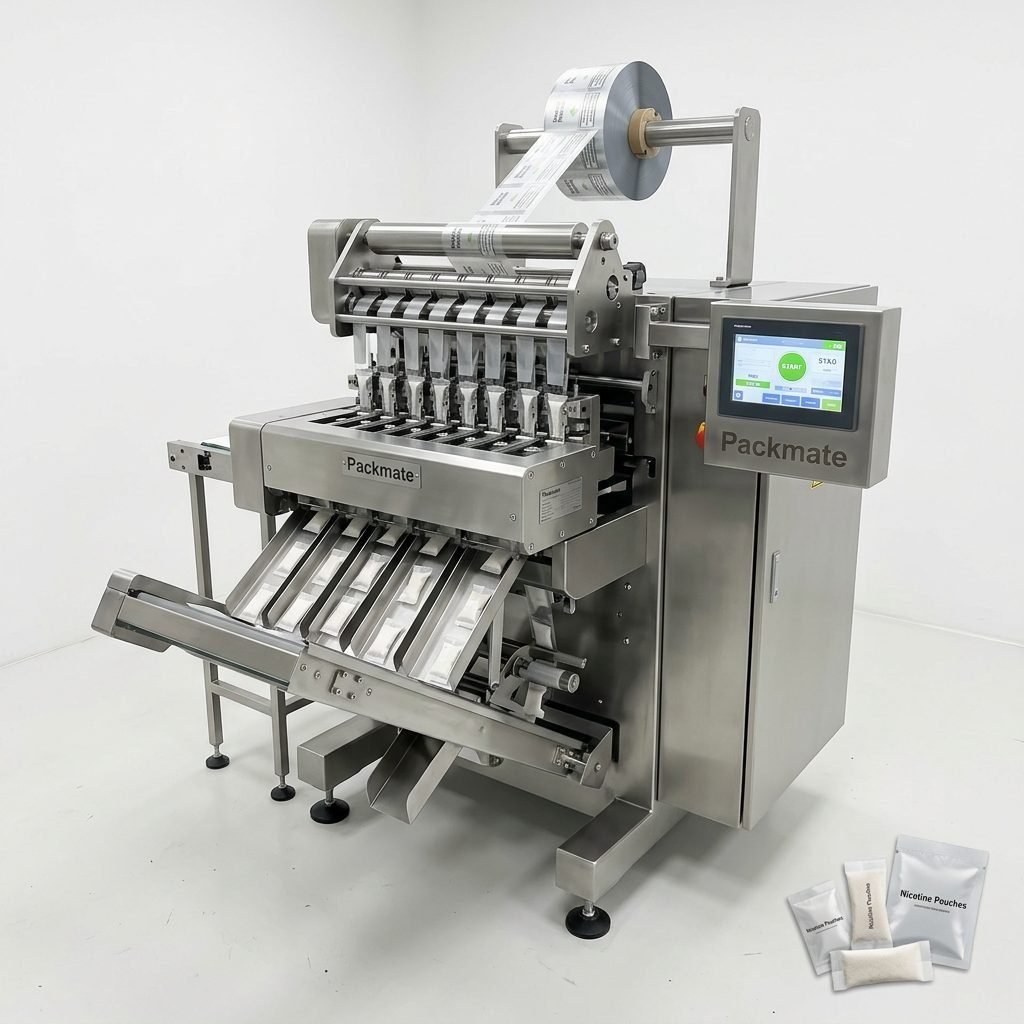
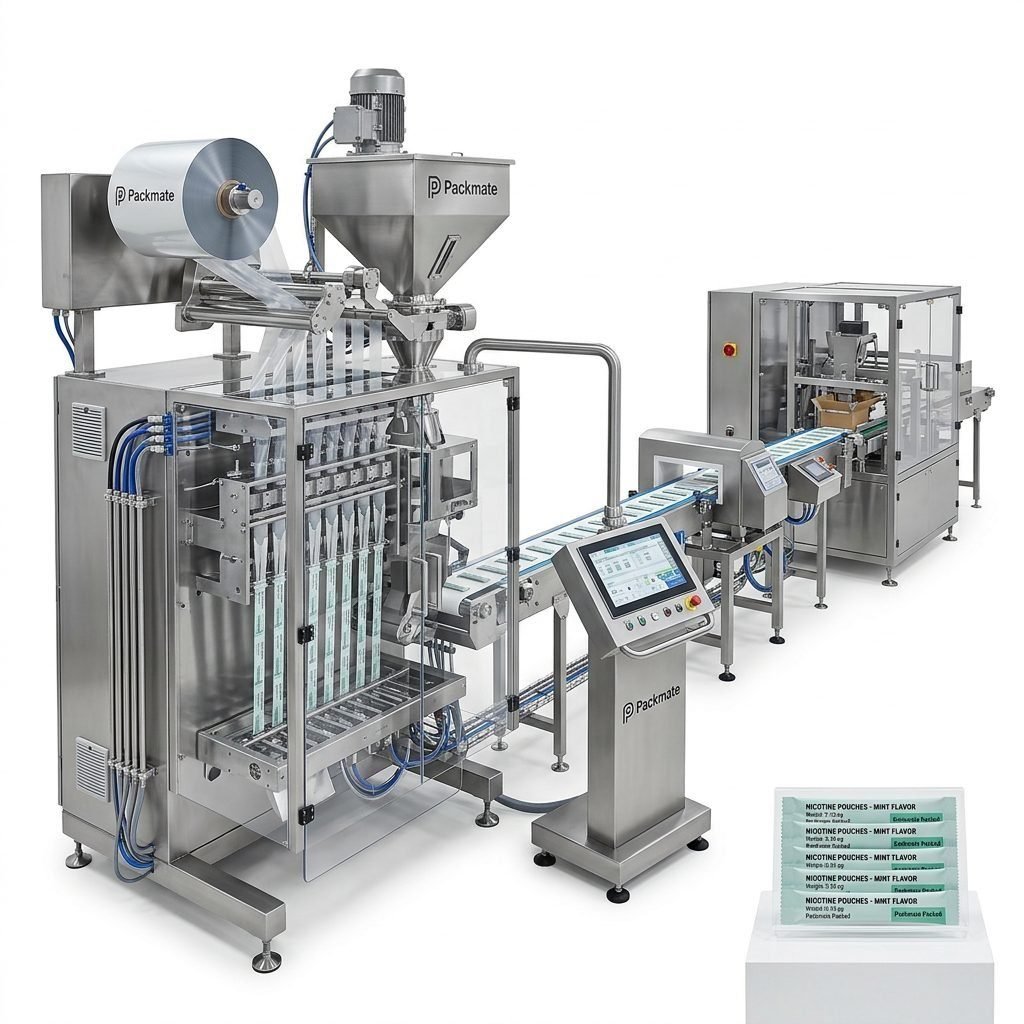
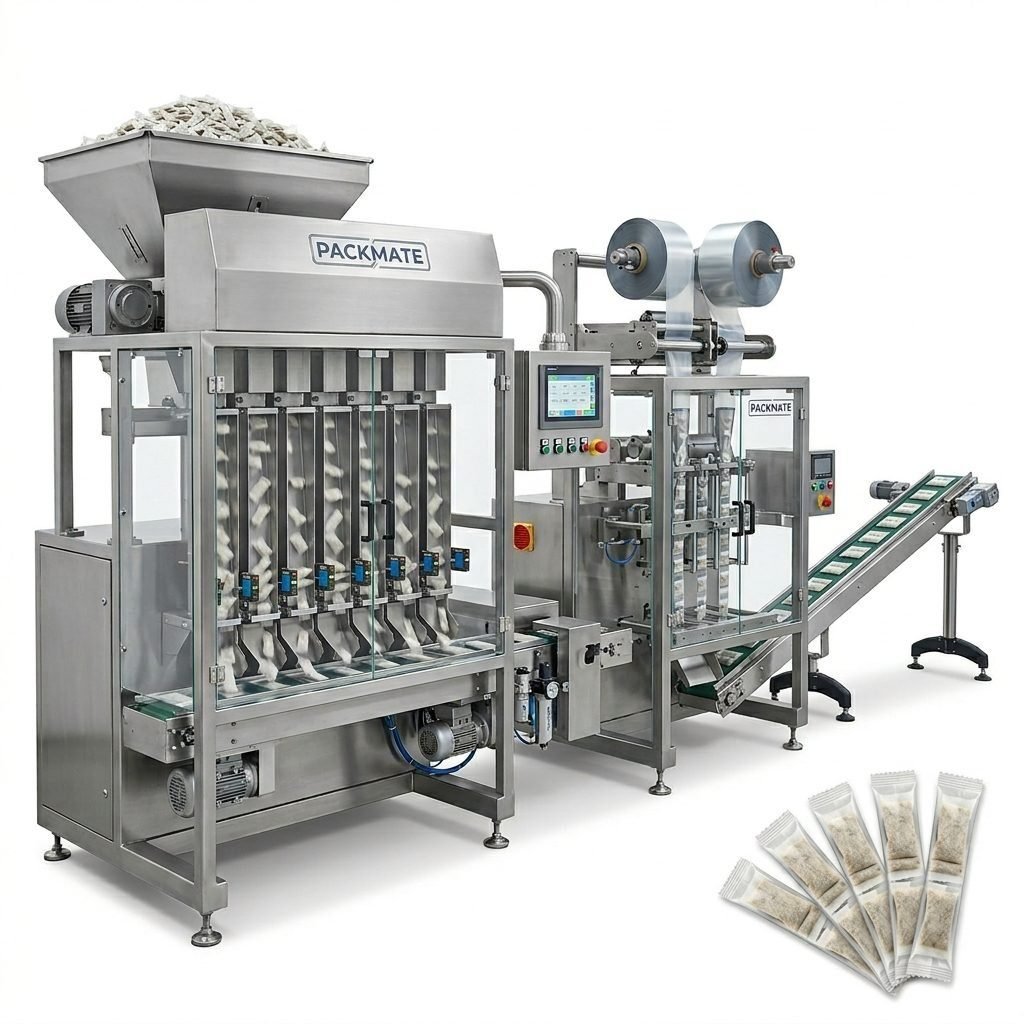
Look for suppliers offering a variety of systems: single-lane sachet/stick pack machines, multi-lane high-speed pouch machines, and complete filling & packaging lines. Machines must handle nicotine pouches, powders, granules, and possible liquids in your formula. Confirm dosing accuracy, sealing quality, and lane configuration flexibility.
✔ Recommended check: Request technical sheets showing speed (ppm), lane count, acceptable pouch sizes, and dosing tolerances.
2. Manufacturing Strength & Quality Control
A supplier with advanced CNC machining, precision assembly lines, and strict testing processes reduces the risk of defects. Factory scale and experience indicate their ability to deliver on time and to scale with your business.
- Years of engineering experience and real production cases in snus/nicotine pouch lines.
- Certifications such as CE and ISO to ensure compliance with European standards.
- On-site CNC and assembly capabilities for spare parts and rapid customization.
3. Customization & Turnkey Solutions
Romania-based brands may need tailored formats, labeling in Romanian, and batch coding. A supplier that offers turnkey solutions (from filling to packaging and labeling) and custom tooling will help reduce integration time.
4. After-sales Support & Spare Parts
Reliable after-sales service is essential. Look for clear guarantees on lead time for spare parts, remote support options, on-site commissioning, and operator training. Suppliers with regional partners or fast shipping to Romania reduce downtime risk.
Technical Features to Prioritize
Machines for snus/nicotine pouches have specialized needs. Below are must-have technical attributes:
- High-precision filling modules (to ensure consistent weight per pouch)
- Heat sealing systems suitable for your chosen film type and barrier requirements
- Multi-lane synchronization for scalable throughput
- HMI with recipe storage and diagnostics for fast changeovers
- Clean design for fast cleaning and minimal cross-contamination
Real-World Performance Metrics
When you evaluate machines, ask for performance validation: uptime percentages, average changeover times, and real production yields. Request references or case studies where similar formulations and formats were produced. A reputable supplier will readily share this information and offer site visits or remote demonstrations.
Factory Visit & Audit Checklist
If possible, visit the supplier’s factory. If travel is not practical, ask for a live video audit. Use the checklist below to stay focused.
- Observe CNC and assembly lines to confirm component quality.
- Watch a full machine run with your product or equivalent.
- Inspect quality control and testing reports (fatigue testing, sealing tests).
- Confirm spare parts inventory and lead times for replacement parts.
- Verify certifications (CE, ISO) and compliance paperwork for EU markets.
Certifications & Compliance — What to Demand
For Romania and the EU market, ensure machines are supplied with appropriate certification and technical files. At minimum:
- CE marking and declaration of conformity
- ISO quality management evidence (ISO 9001 recommended)
- Material safety data and electrical safety documentation
- Documentation for firmware/software updates and data logging (for traceability)
Cost, ROI & Total Cost of Ownership
Seek clarity on initial machine price, customization charges, installation and commissioning fees, training costs, and annual maintenance contracts. Calculate ROI by considering expected daily output, material costs, yield, and local labor savings. Conservative estimates often provide more realistic timelines for payback.
⚠ Note: Cheapest upfront price may hide higher running costs due to poor reliability or scarce spare parts.
Logistics & Delivery to Romania
Shipping heavy machinery involves customs clearance, import duties, and transport to your facility. Confirm the supplier’s experience with European logistics and ask for Incoterms (e.g., EXW, FOB, DAP). Suppliers that assist with documentation and local freight partners simplify the process.
After-sale Training & Local Support
Packaging machines are only as good as the team operating them. Insist on thorough operator and maintenance training, available manuals in English (and ideally Romanian), and video resources. Remote PLC/HMI diagnostics and firmware update support shorten troubleshooting time.
- Is there a local service partner or recommended technician in Romania or nearby EU countries?
- What is the guaranteed response time for service calls and spare parts?
- Are remote diagnostics and spare-part kits available?
Verifying Supplier Credibility — Packmate as an Example
Choose suppliers with: decades of engineering experience, a large factory footprint, and a portfolio of global case studies. For instance, Packmate Snus Machine brings over 30 years of engineering experience, a 20,000㎡ manufacturing facility, and 50+ machine models — evidence of manufacturing depth and product diversity. Explore their product offerings and case references when comparing options:
- Snus & Nicotine Packaging Machines
- Case studies & real production references
- About Packmate
- Contact for quotes and factory visits
Common Purchase Process — Step by Step
1. Requirements & Sample Provision
Provide product samples, desired pouch formats, target throughput, and regulatory labeling requirements. A qualified supplier will propose machine models and layout options.
2. Factory Acceptance Testing (FAT)
Insist on FAT — a full test run at the supplier’s factory using your product or an equivalent. FAT confirms performance and allows contractual acceptance criteria to be validated before shipping.
3. Installation, Commissioning & Training
After delivery to Romania, the supplier should support installation and commissioning. On-site training for operators and maintenance staff is essential to achieve target OEE (Overall Equipment Effectiveness).
Negotiation Tips & Contract Clauses to Protect Your Investment
- Include acceptance criteria based on FAT results and a warranty period with clear scope.
- Detail spare parts list and initial parts kit included with delivery.
- Define service-level agreements (SLA) for response times and remote support.
- Specify intellectual property and tooling ownership if custom dies are created.
Final Selection Checklist
- Manufacturer credibility: years in business, factory size, case studies.
- Technical match: filling accuracy, sealing quality, lane scalability.
- Compliance: CE, ISO, documentation for EU market.
- Service & Parts: lead times, local support, training options.
- Commercial terms: warranty, FAT, SLAs, spare parts kit.
Closing Advice for Romanian Businesses
Prioritize long-term reliability and regulatory readiness over initial price. Partnering with a supplier that understands EU requirements and offers robust after-sales support will accelerate time-to-market and minimize production disruptions. If you plan to scale across Eastern Europe, choose a partner experienced with cross-border logistics and EU documentation.
FAQs
Q1: Is it legal to sell snus in Romania?
A1: Traditional snus sales are restricted across much of the EU (except Sweden). Nicotine pouches (tobacco-free) have risen in popularity but are subject to national and EU regulations. Always confirm current legislation with local regulators or legal counsel.
Q2: What documentation should a supplier provide for EU compliance?
A2: Ask for CE declaration, ISO certificates, electrical safety reports, and FAT documentation demonstrating machine performance under real conditions.
Q3: How do I verify machine performance before purchase?
A3: Require a Factory Acceptance Test (FAT) with your product or a close equivalent. Observe speed, sealing consistency, and dosing accuracy. Get test data in writing and include acceptance criteria in the contract.
Q4: Can suppliers help with installation in Romania?
A4: Reputable suppliers offer installation, commissioning, and operator training. Confirm travel, lodging, and servicing terms in the purchase agreement.
Q5: Where can I view supplier product lines and case studies?
Visit product and case pages for detailed information: Snus & Nicotine Packaging Machines, Case, and About Packmate.