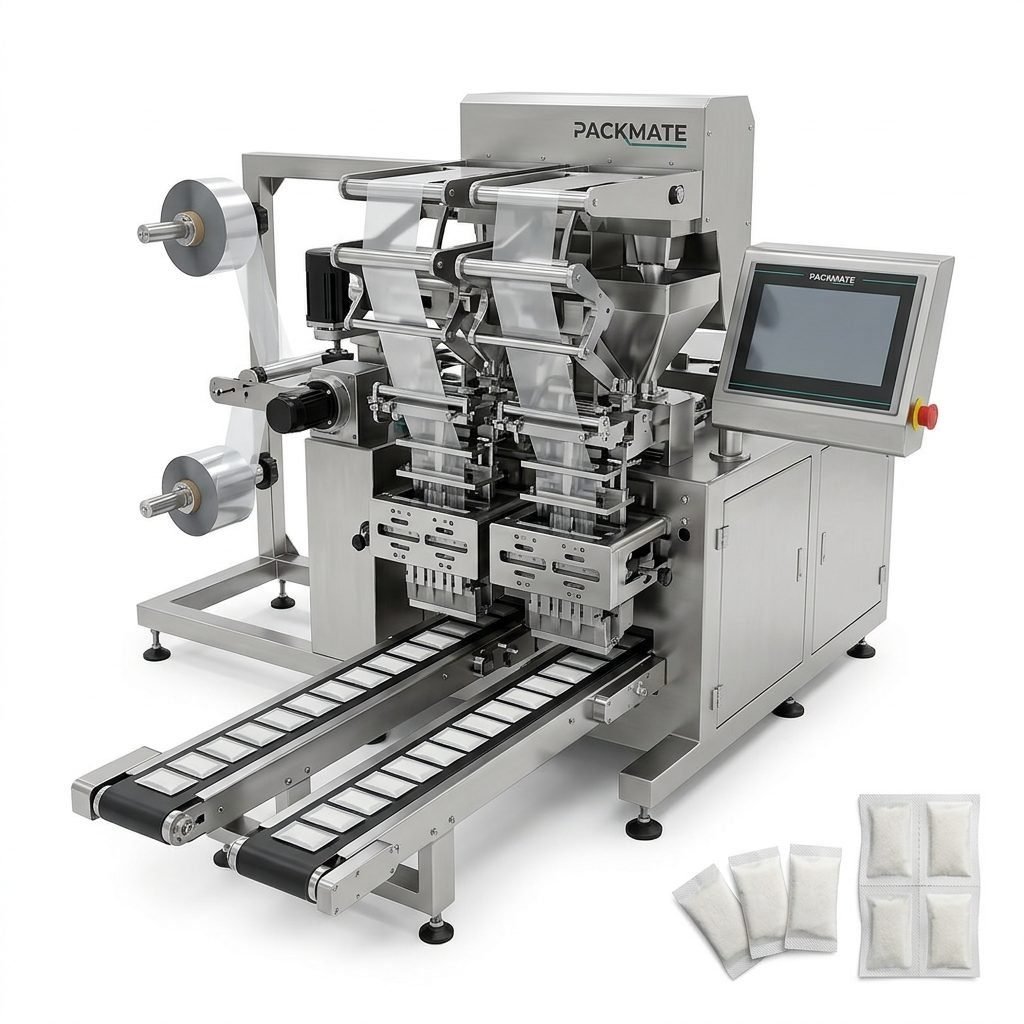
Choosing the right supplier for nicotine pouch and snus packaging machines in Ethiopia is a strategic decision that affects production efficiency, regulatory compliance, and long-term costs. Ethiopian manufacturers and importers face a unique combination of market growth, local customs, and regulatory requirements. This guide helps Ethiopian businesses evaluate suppliers, compare technologies, and secure a partner who offers robust equipment, reliable after-sales support, and tailored solutions for the local market.
Understand Local Context: Ethiopian Market & Business Culture
Ethiopia’s market dynamics differ from many other regions. Relationship-driven business culture, the importance of formal introductions, and the renowned coffee ceremony as part of building trust are practical realities when evaluating partners. Import regulations and health-related product controls can change rapidly; Ethiopian buyers should prioritize suppliers who can navigate customs clearance, provide proper documentation, and support regulatory compliance. Selecting a supplier who demonstrates respect for local customs and offers clear communication in business negotiations will reduce friction and accelerate project delivery.
Key local considerations
✔ Build relationships: Ethiopian business etiquette values trust — plan in-person meetings or video introductions.
✔ Regulatory checks: confirm the legal status of nicotine products and required documentation for import and sales.
✔ Language & support: consider suppliers who can offer English documentation and local-language assistance if needed.
Technical Requirements: Match Machine Capabilities to Your Product
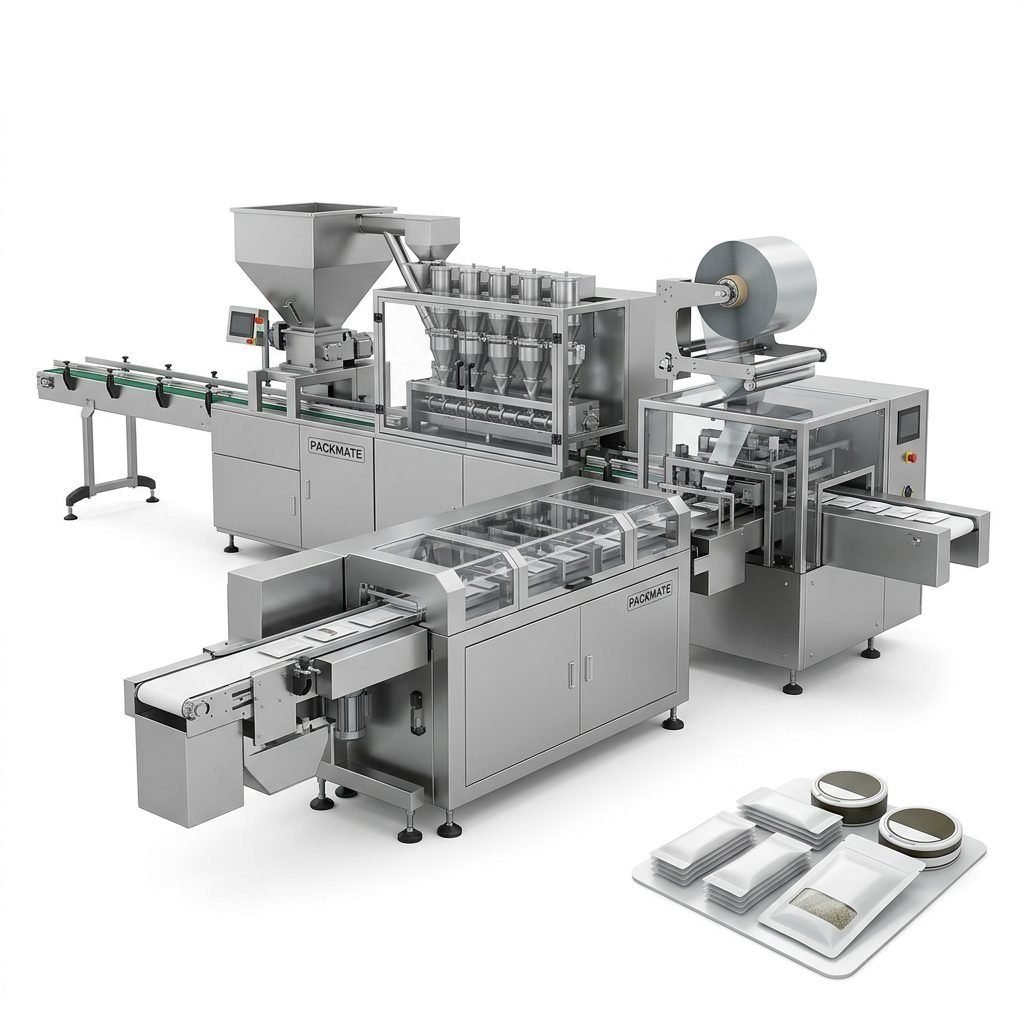
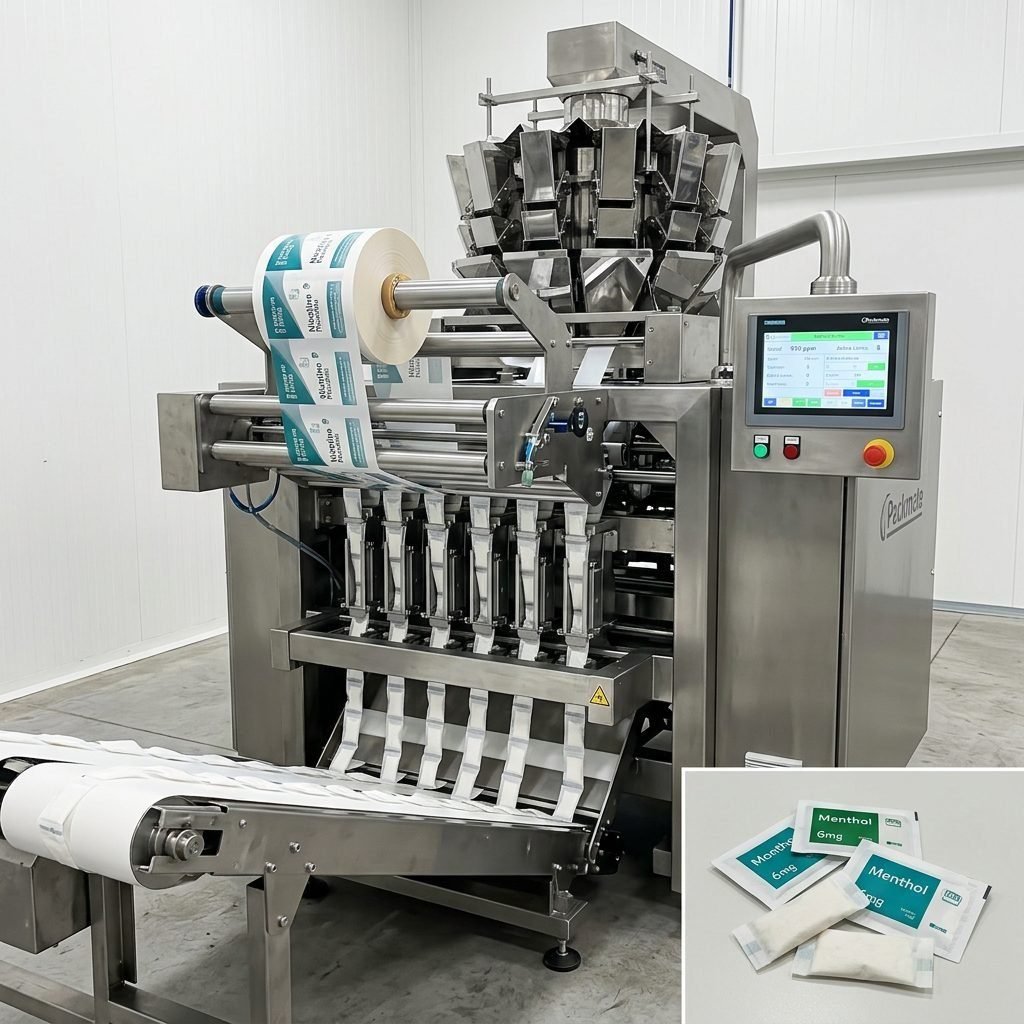
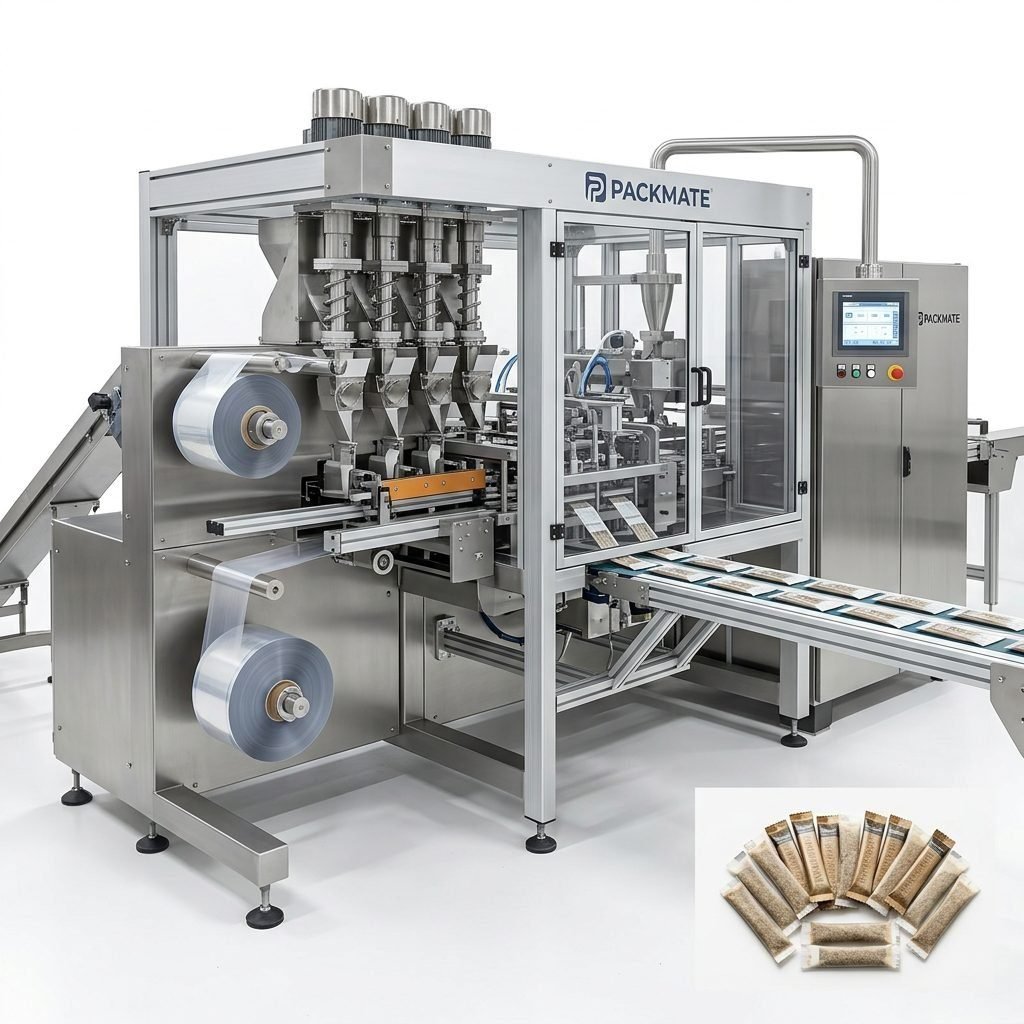
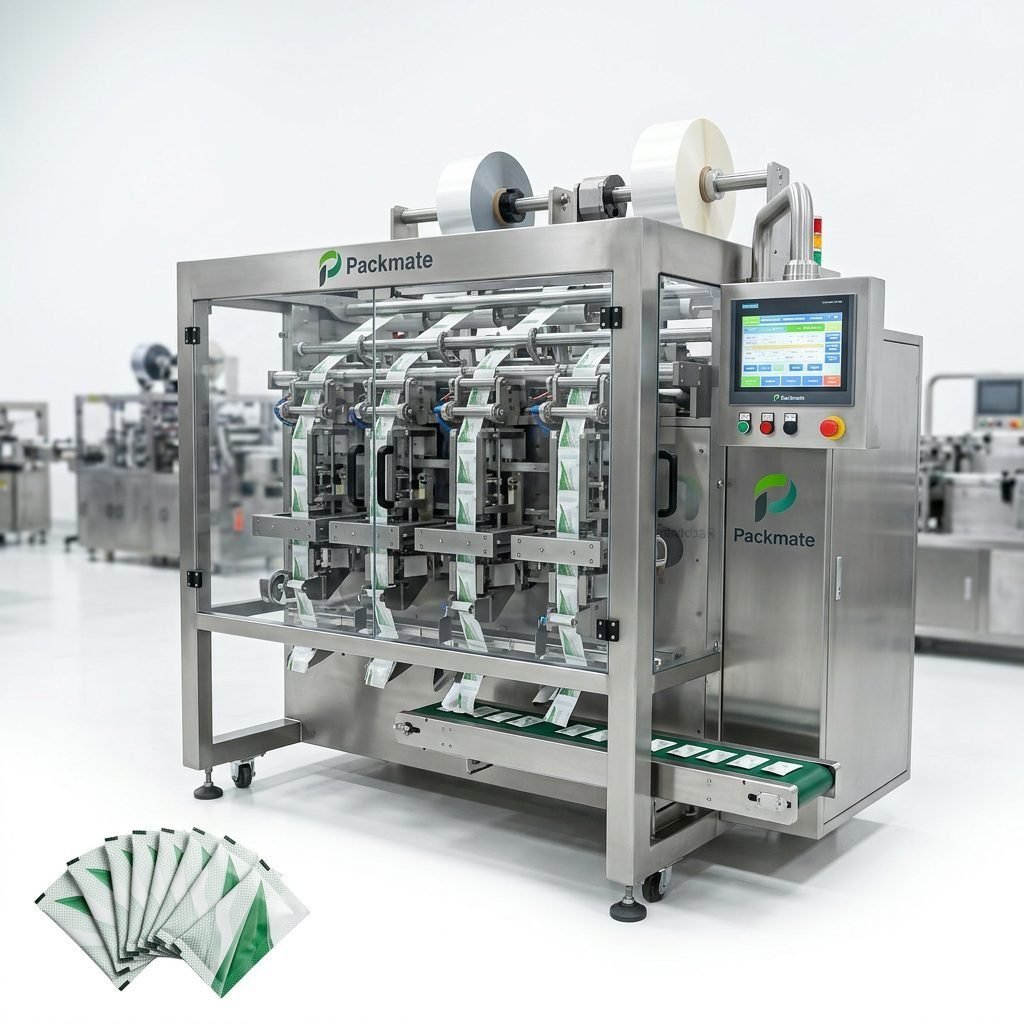
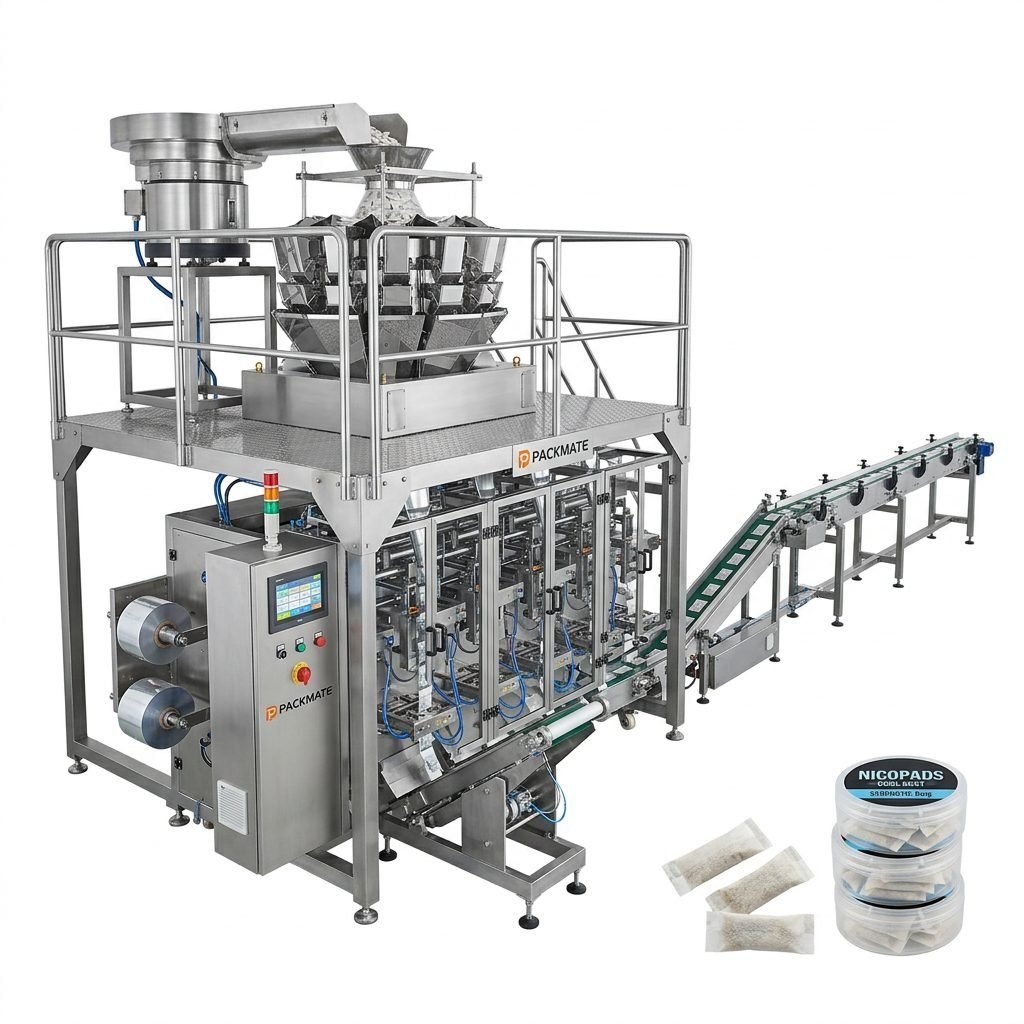
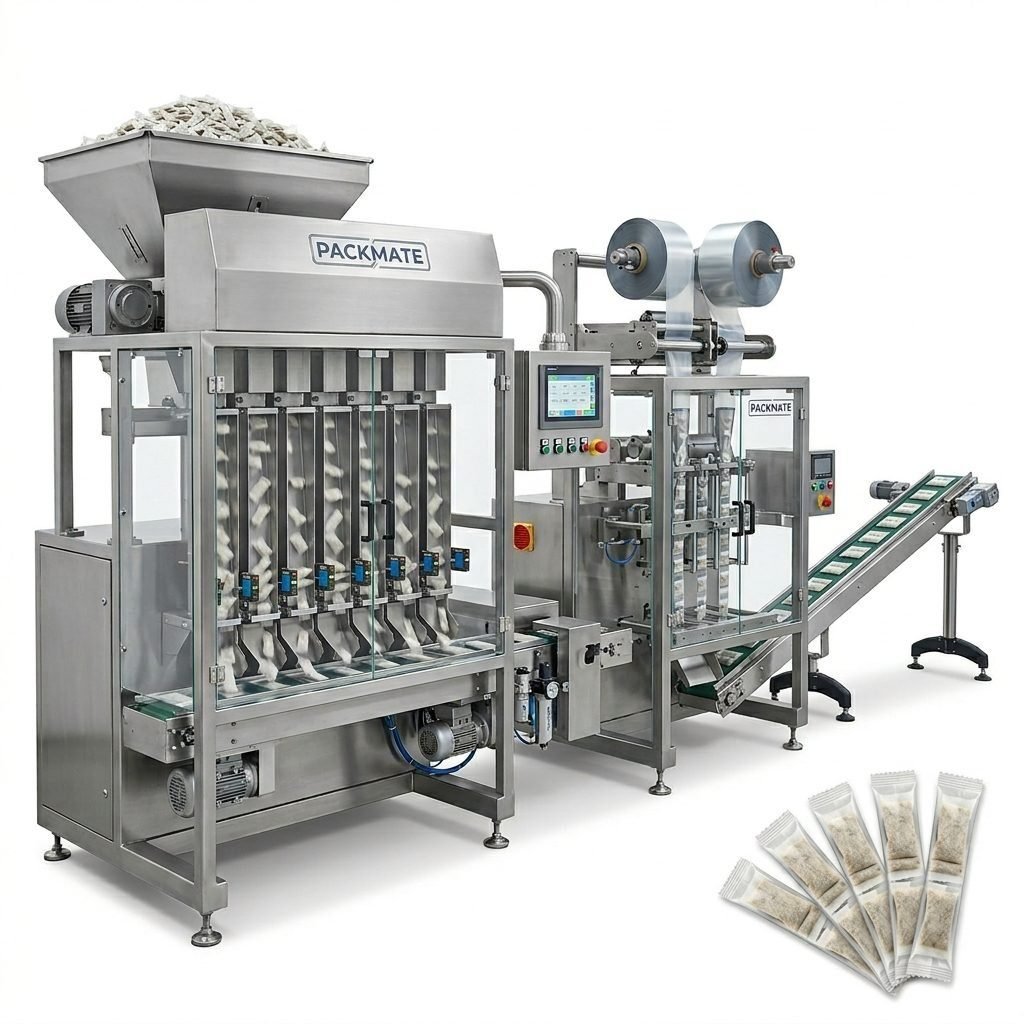
Not all packaging machines are created equal. For nicotine pouches and snus, you need machines that handle small doses, maintain hygiene standards, and ensure consistent pouch weight and seal quality. Important technical parameters to evaluate include speed (pouches per minute), accuracy of dosing, multi-lane capability for higher throughput, material compatibility (aluminum, barrier laminates, paper), and modularity for future upgrades. Manufacturers with experience in multi-lane systems and small-dose production often provide better long-term value for nicotine pouch lines.
What to verify in specifications
-
⚙️ Dosing accuracy and consistency across lanes.
-
⚙️ Sealing integrity for shelf life and moisture control.
-
⚙️ Ease of changeover and tooling for product variants.
-
⚙️ Availability of spare parts and local technical support.
Supplier Credentials: What to Prioritize
When selecting a supplier, prioritize manufacturers with proven experience in snus and nicotine packaging. Look for companies with robust manufacturing facilities, industry certifications, and a portfolio of successful installations. Packmate Snus Machine is an example of a supplier with over 30 years of engineering experience, a 20,000㎡ factory, more than 50 machine models, and a track record in multi-lane systems and turnkey lines. Such credentials indicate capability to deliver quality machines and reliable after-sales service.
Red flags and green flags
Green flags: CE/ISO certifications, case studies, global exhibition presence, and a broad product catalog.
Red flags: Vague technical specs, unwillingness to share references, limited spare parts availability, or no warranty terms.
Service & Support: Local Presence Matters
After-sales support is a deal-breaker for heavy equipment. Ethiopian buyers should confirm lead times for spare parts, availability of remote diagnostics, training programs for operators and maintenance staff, and options for site service visits. Ideally, a supplier provides thorough commissioning, operator manuals, and troubleshooting guides. Some international suppliers partner with local agents or distributors to reduce response times; this can be a major advantage in Ethiopia where on-site service turnaround is important.
Service checklist
-
🔧 Spare parts lead time and local stock options.
-
🔧 Remote support capabilities (video calls, PLC remote access).
-
🔧 Training programs for Ethiopian operators and maintenance teams.
Quality, Testing & Certifications
Quality assurance is central to nicotine pouch packaging. Ask for factory acceptance tests (FAT), performance validation reports, and sample production runs. Certifications such as CE and ISO are indicators of compliance with international standards. Packmate, for example, highlights CE and ISO compliance for its machines — having this level of certification reassures buyers in Ethiopia that equipment adheres to safety and manufacturing norms.
Total Cost of Ownership (TCO) — Beyond the Purchase Price
The upfront machine price is only part of the equation. Calculate TCO by factoring in installation, training, spare parts, energy consumption, maintenance intervals, and expected lifetime. High-quality machines with stable performance can save costs over time through reduced downtime and lower scrap rates. A trustworthy supplier should provide clear estimates on energy use, spare parts pricing, and recommended maintenance schedules to help you forecast operational budgets.
TCO considerations
Important: Request a detailed lifecycle cost breakdown and sample ROI scenarios based on your expected daily output and local labor costs.
Customization & Turnkey Solutions
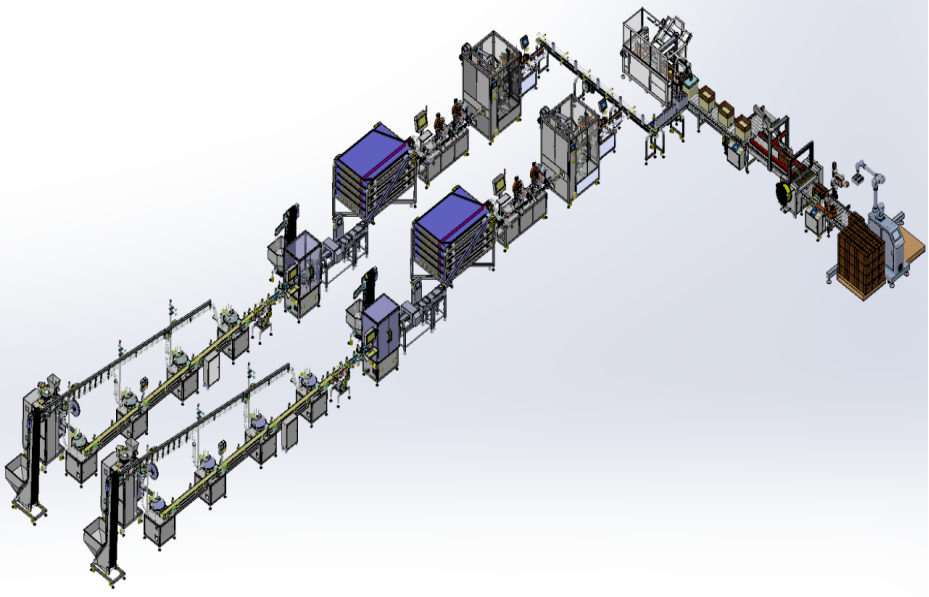
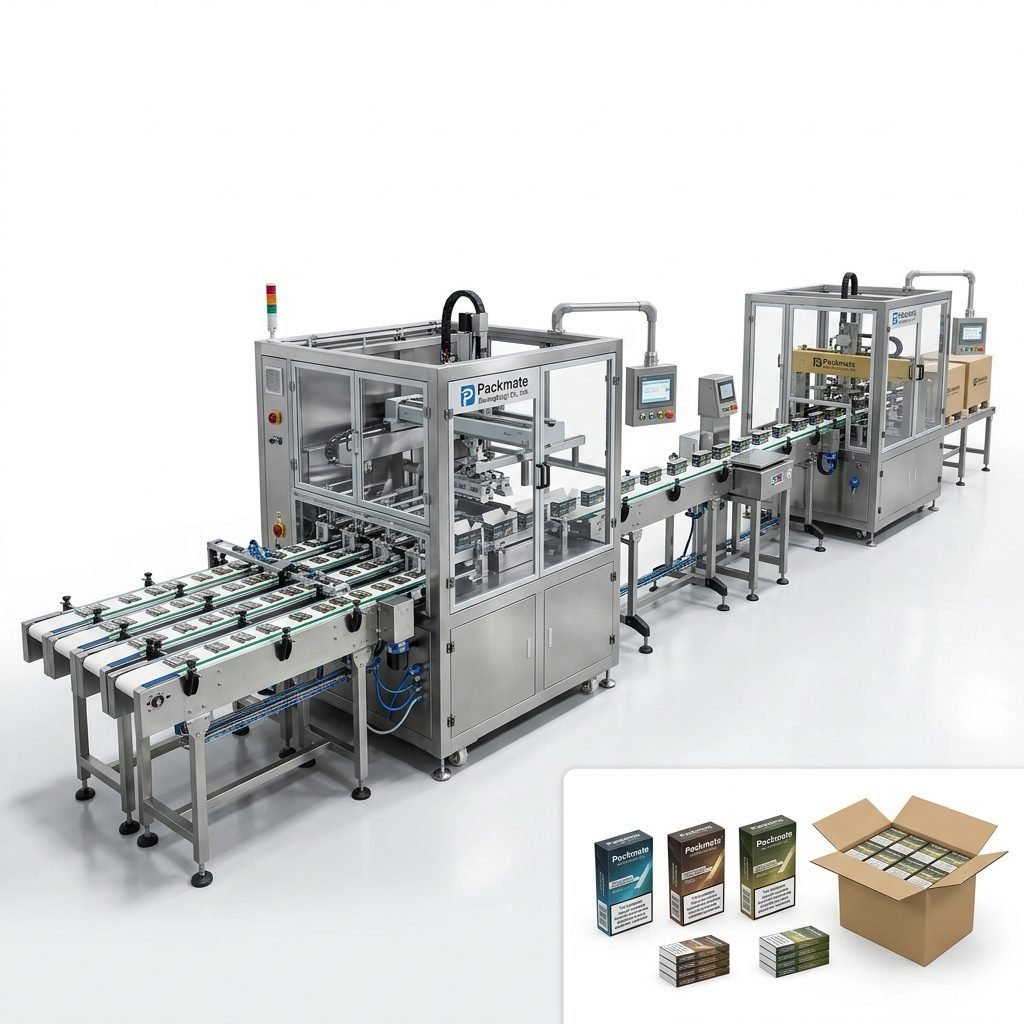
Many Ethiopian businesses benefit from turnkey solutions that include filling, weighing, pouch forming, and secondary packaging. Suppliers that offer modular lines and customized tooling can adapt to your product variations, packaging materials, and labeling requirements. Packmate’s offerings include snus/nicotine packaging machines, stick pack and sachet machines, and complete filling & packaging lines — making them an example of a supplier that can deliver integrated production lines tailored to industry needs.
For more details on machine types and turnkey options, review product categories like Snus & Nicotine Packaging Machines, Sachet & Stick Pack Machines, and Filling & Packaging Lines.
Factory Visits, Case Studies & References
Request references and case studies relevant to nicotine pouch production. If possible, arrange a factory visit or video tour to observe manufacturing practices, assembly lines, and quality control processes. Packmate’s Case page provides examples of global cooperation cases which can illustrate performance in similar projects. Real-world references help validate the supplier’s claims and provide insights into delivery timelines and post-sale support.
Logistics, Installation & Commissioning in Ethiopia
Shipping heavy machinery to Ethiopia requires careful planning: secure proper packing, clear customs documentation, and pre-arrange inland transport. Confirm the supplier’s experience with exporting to Africa and whether they provide assistance with customs declarations, certificates, and import permits. Commissioning services should include on-site setup, calibration, training, and a clear timeline for acceptance tests. A supplier who handles commissioning professionally will shorten the ramp-up time to full production.
Commercial Terms: Warranties, Payment & Lead Times
Negotiate warranties, spare parts packages, and payment terms that align with project risk. Typical commercial protections include equipment warranties, performance guarantees, and spare parts kits. Discuss realistic lead times for production and shipping, and confirm penalty clauses or remedies for delays. A supplier with transparent commercial terms and clear documentation is likely to be a reliable partner.
Selecting Your Supplier: A Practical Checklist
Use a simple scoring checklist to compare contenders across technical fit, certifications, service, references, TCO, and cultural fit. Consider conducting a trial order or pilot production run to validate performance before committing to a full-scale line. Prioritize suppliers who demonstrate long-term commitment to your market and who can adapt solutions for Ethiopian requirements.
Checklist highlights: technical fit, certifications (CE/ISO), FAT results, spare parts lead time, on-site commissioning, operator training, and clear warranty terms.
Why Choose Experienced Manufacturers Like Packmate
An experienced manufacturer brings engineering depth, reliable components, and a global support network. Packmate’s 30+ years of development, 20,000㎡ facility, and more than 50 machine models underscore the kind of capability that Ethiopian buyers should look for. Suppliers with a diverse product line and turnkey experience can help you build scalable, compliant, and efficient nicotine pouch lines.
Learn more about the company profile and capabilities at About Packmate, explore real-world implementations via their Case page, and contact the team for detailed inquiries at Contact Us.
Practical Next Steps for Ethiopian Buyers
Initiate a requirements document outlining product specs, target throughput, packing materials, and desired automation level. Request technical proposals and FAT schedules from shortlisted suppliers. Arrange reference checks, and plan for a pilot run or sample production. Prepare import documentation and consult with local authorities for any product-specific approvals. Finally, align training schedules so your operators are ready the day the line is commissioned.
Summary — Make an Informed, Relationship-Driven Decision
Selecting the best nicotine packaging machine supplier in Ethiopia combines technical evaluation with cultural and logistical considerations. Prioritize suppliers who offer certified, tested machines, strong after-sales support, clear TCO analysis, and the willingness to work closely with you through commissioning and training. Building a trusted relationship with a supplier will pay dividends in uptime, product quality, and long-term operational success.
Frequently Asked Questions
Q1: What certifications should I ask for when buying nicotine pouch packaging machines?
A1: Request CE and ISO certificates, factory acceptance test (FAT) reports, and any compliance documentation relevant to your target markets. These documents confirm safety and quality management systems.
Q2: How important is local service and spare parts availability in Ethiopia?
A2: Extremely important. Fast access to spare parts and responsive technical support reduce downtime. Prefer suppliers who stock critical spares or have local partners/agents to expedite service.
Q3: Can a single supplier provide a turnkey line for nicotine pouches?
A3: Yes. Many experienced manufacturers provide integrated filling, weighing, pouch forming, and secondary packaging lines. Review their turnkey project experience and ask for case studies to validate capabilities.
Q4: What should Ethiopian businesses consider regarding regulations?
A4: Check the legal status of nicotine products, labeling requirements, import permits, and health regulations. Work with suppliers who can supply necessary documentation and support compliance for Ethiopian authorities.
Q5: How can I validate a supplier before purchase?
A5: Request references, visit the factory or view video tours, ask for sample production, review FAT reports, and verify certifications. These steps provide confidence in machine performance and supplier reliability.