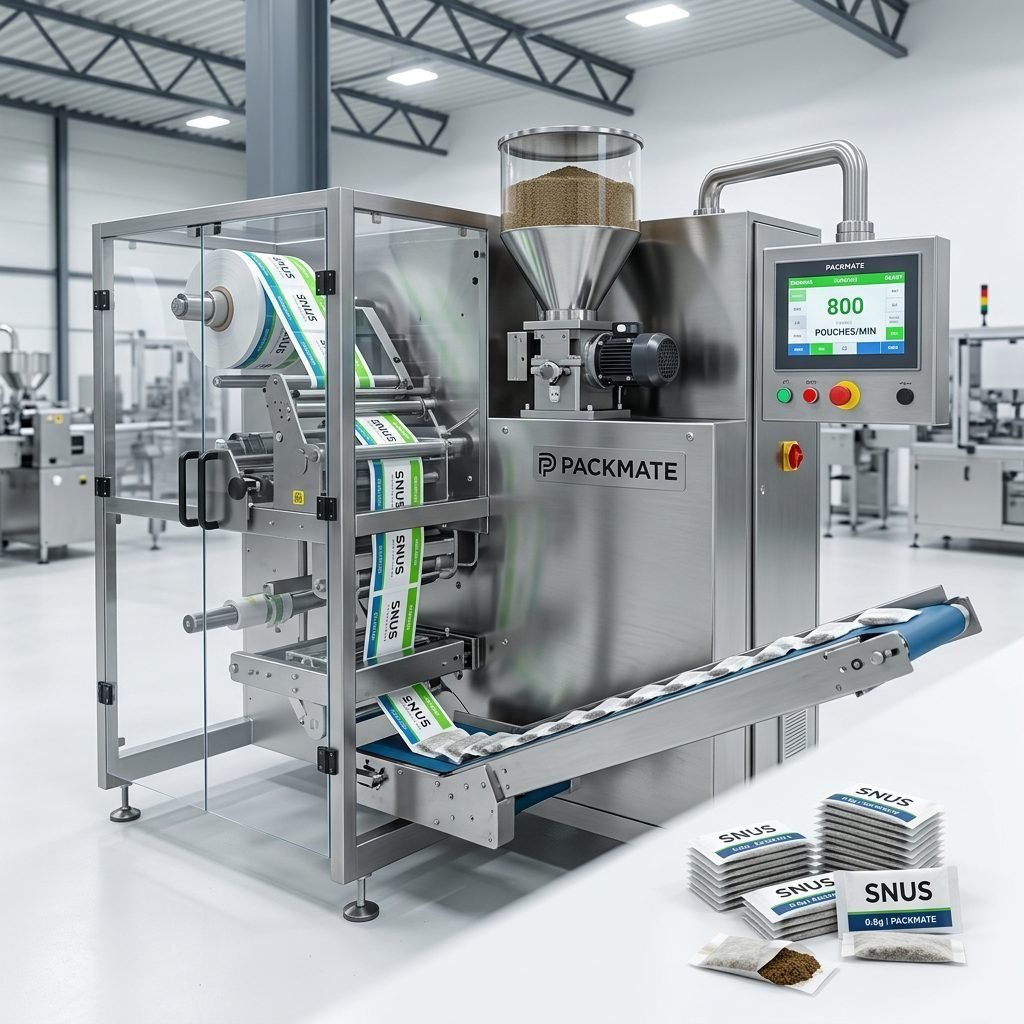
Entering the Italian snus and nicotine pouch market — or upgrading an existing production line — starts with choosing the right packaging machinery supplier. Italy’s market mixes strong design expectations, strict European regulatory requirements, and a growing consumer shift toward alternative nicotine products. This guide walks production managers, plant engineers, and procurement teams through practical steps to select the best snus packaging machinery supplier in Italy for your production needs.
Understand Italy’s Market Context and Regulatory Landscape
Italy follows EU-wide rules on tobacco and nicotine-containing products, while local preferences emphasize premium look and compliance with language and labeling requirements in Italian. When vetting suppliers, prioritize those with experience supplying the EU and knowledge of obligations such as CE marking, ISO-compliant production, and appropriate labeling for tobacco alternatives. Suppliers that provide documentation and a clear compliance roadmap will save time during market entry and inspections.
Quick checklist for Italy-specific needs:
🔍 Ensure CE and ISO compliance documentation is available.
🔍 Confirm support for Italian-language labeling and packaging formats.
🔍 Verify that the supplier understands EU waste and recycling directives for packaging materials.
Define Your Production Requirements Clearly
Before contacting suppliers, create a detailed specification sheet. Include target output (pouches per minute), pouch formats (portion size, stick, sachet, multi-lane pouches), product types (moist snus, dry nicotine pouches, powders, granules), and any downstream processes such as weighing, secondary boxing, or case packing.
Consider future scalability: choose machinery capable of growing with production demand. Multi-lane systems or modular solutions let you increase capacity without completely replacing equipment.
Key Technical Criteria to Compare
When assessing equipment, focus on reliability, uptime, ease of cleaning (critical for nicotine products), and spare parts availability. Look for machine features such as automated changeovers, servo-driven precision systems, and hygienic design. Packaging line balance — matching filling, pouch forming, sealing, and case packing speeds — is essential to avoid bottlenecks.
Technical must-haves:
✔️ Servo control for precise pouch dosing and consistent seals.
✔️ Quick-change tooling for multiple pouch sizes.
✔️ CIP-friendly surfaces and easy disassembly for cleaning.
✔️ Remote diagnostics and IoT options for preventive maintenance.
Supplier Reputation and Manufacturing Strength
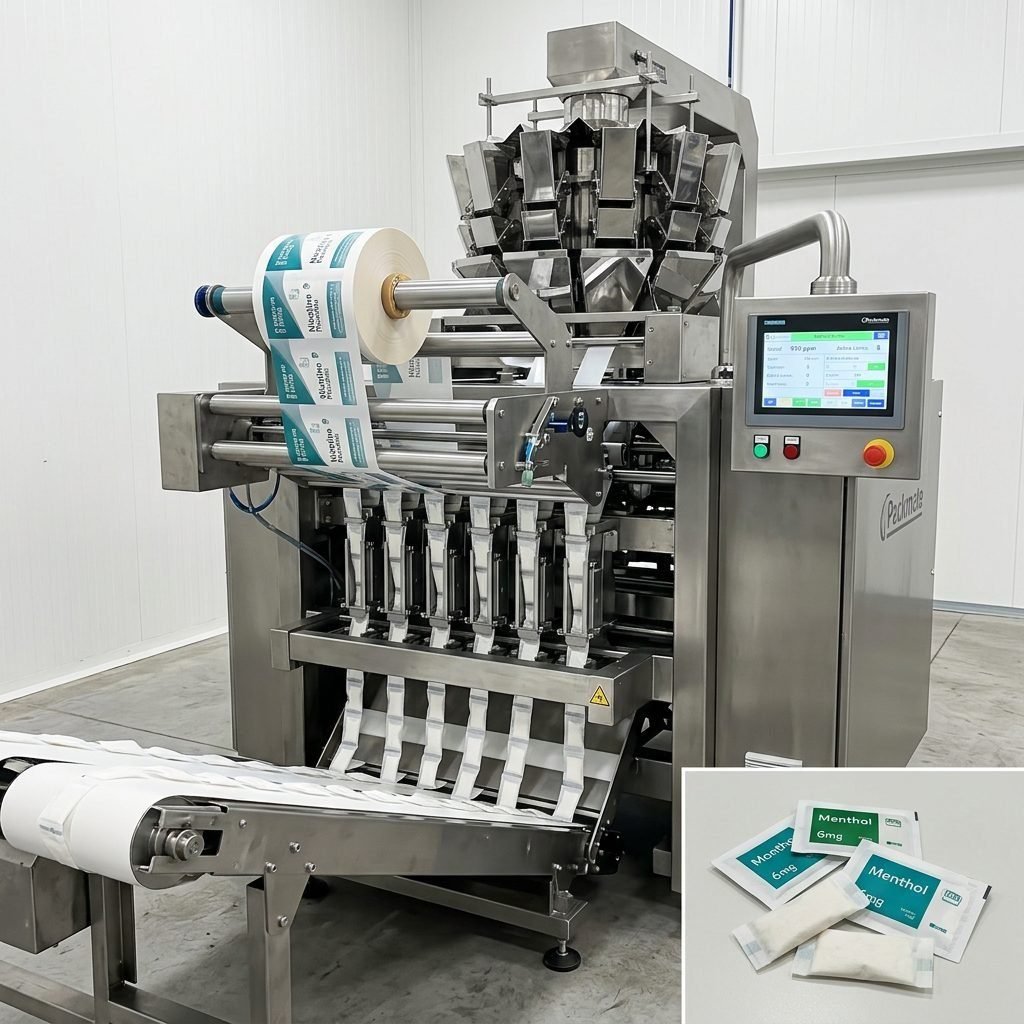
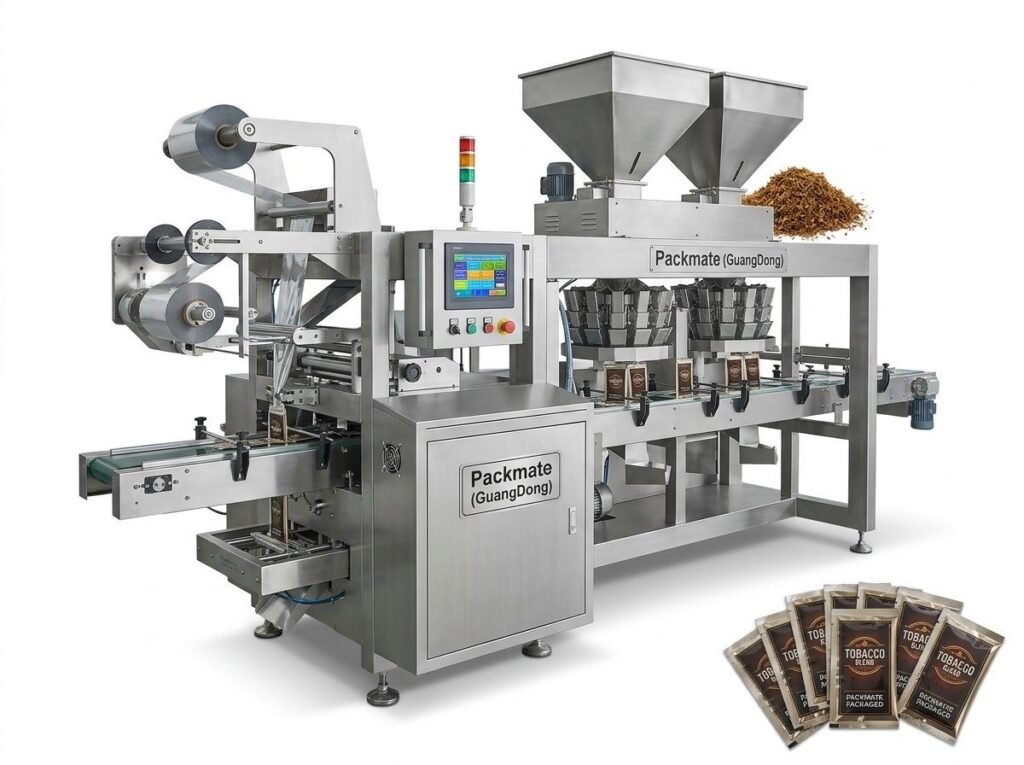
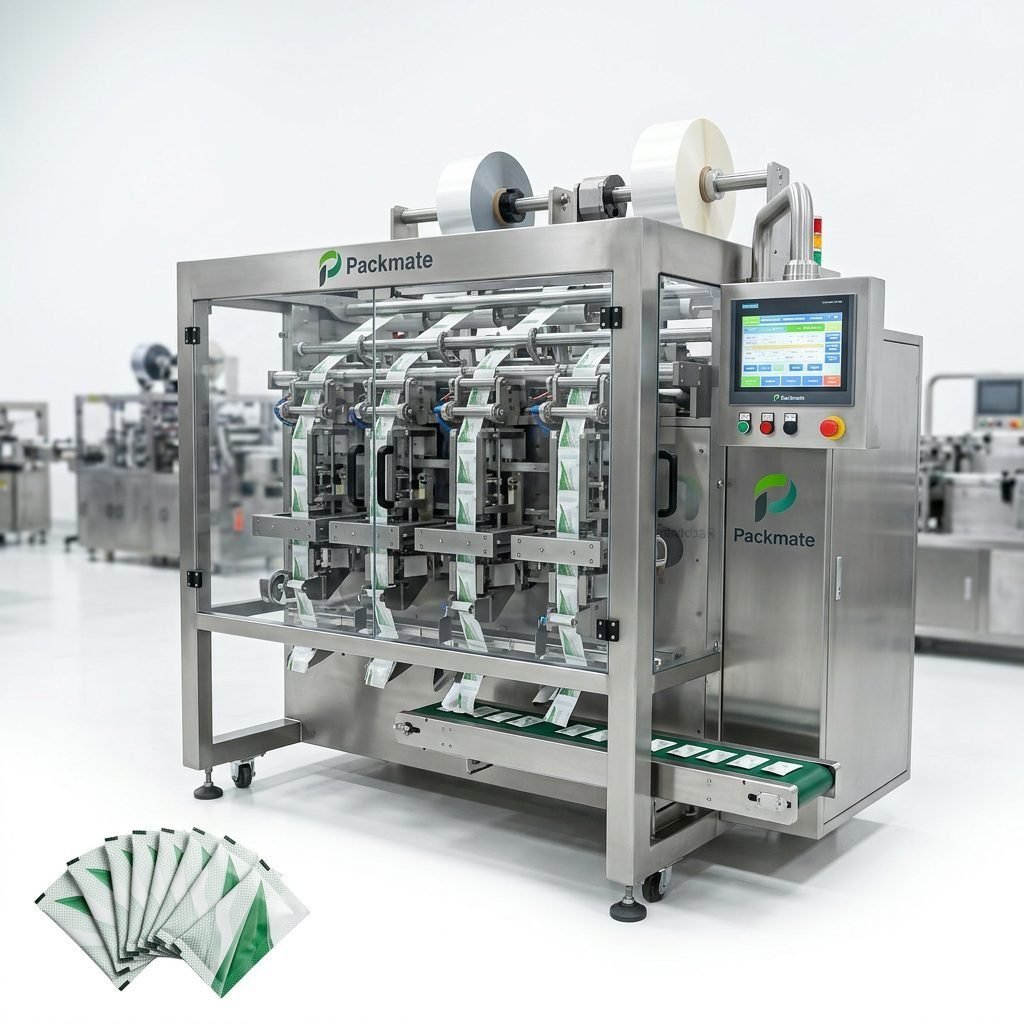
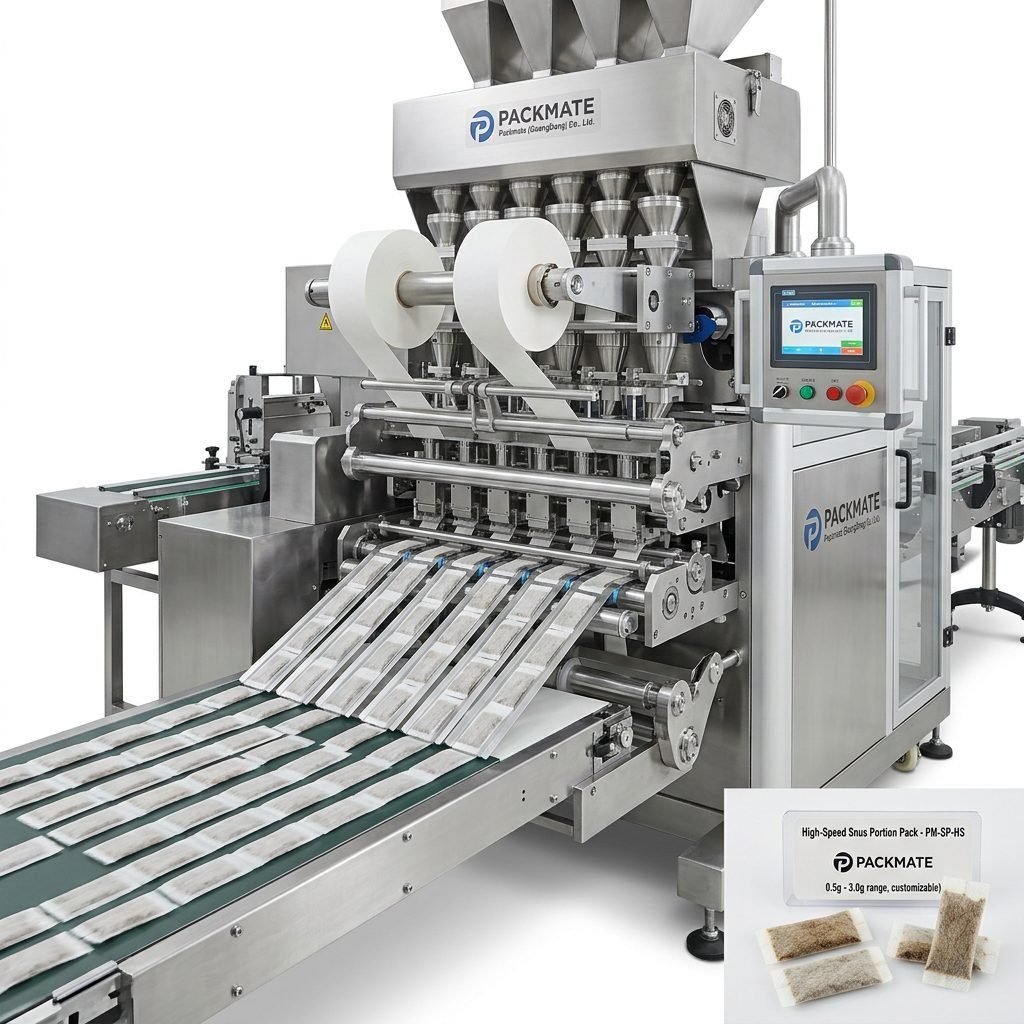
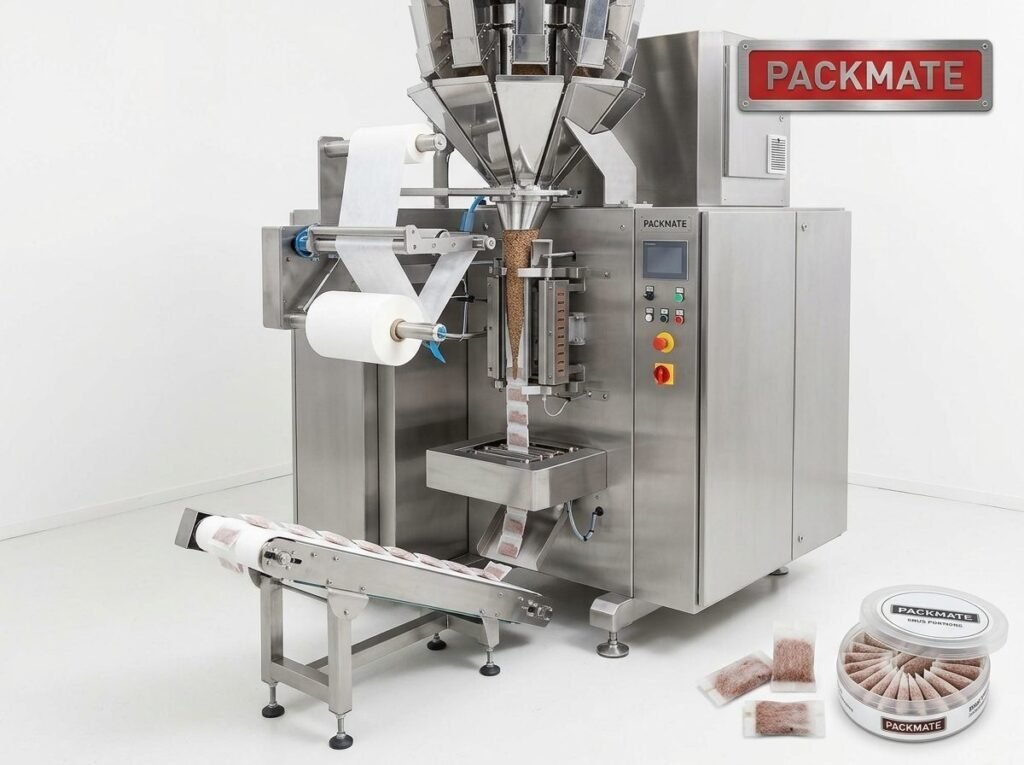
A supplier’s track record is often the best predictor of long-term performance. Companies with decades of engineering experience and large, well-equipped factories provide higher assurance on quality and customization. For example, Packmate Snus Machine brings over 30 years of industry expertise and a 20,000㎡ manufacturing facility with advanced CNC and precision assembly capabilities — factors that support consistent machine quality and timely delivery.
Ask for concrete evidence
Request factory photos, machine acceptance test reports, and customer references in Europe. A strong supplier should provide case studies of installations, preferably in similar markets. You can review product families and past projects on suppliers’ product pages like Snus & Nicotine Packaging Machines and Case examples to validate capabilities.
Certifications, Testing and After-Sales Support
Machines that comply with CE and ISO standards reduce regulatory friction in Italy and across the EU. Request third-party certificates and a copy of factory quality control procedures. After-sales support is equally important: confirm availability of spare parts, remote service, training for your operators and maintenance staff, and warranty terms. A supplier that attends European exhibitions and maintains local service partners will simplify commissioning and maintenance.
Packmate publishes certifications and participates in global exhibitions — a sign of transparency and global commitment. Learn more about such credentials on their Certificate and Our Exhibition pages.
Assess Customization, Turnkey Solutions and Line Integration
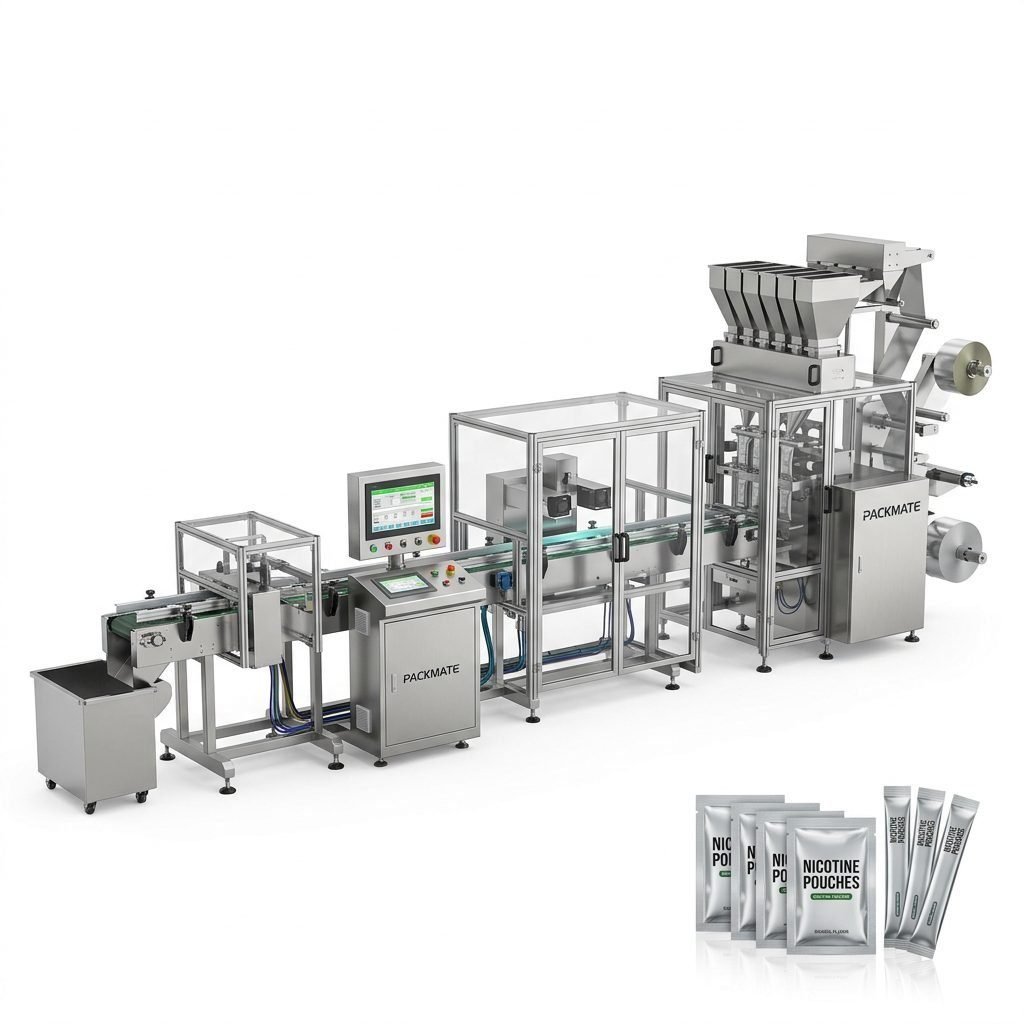
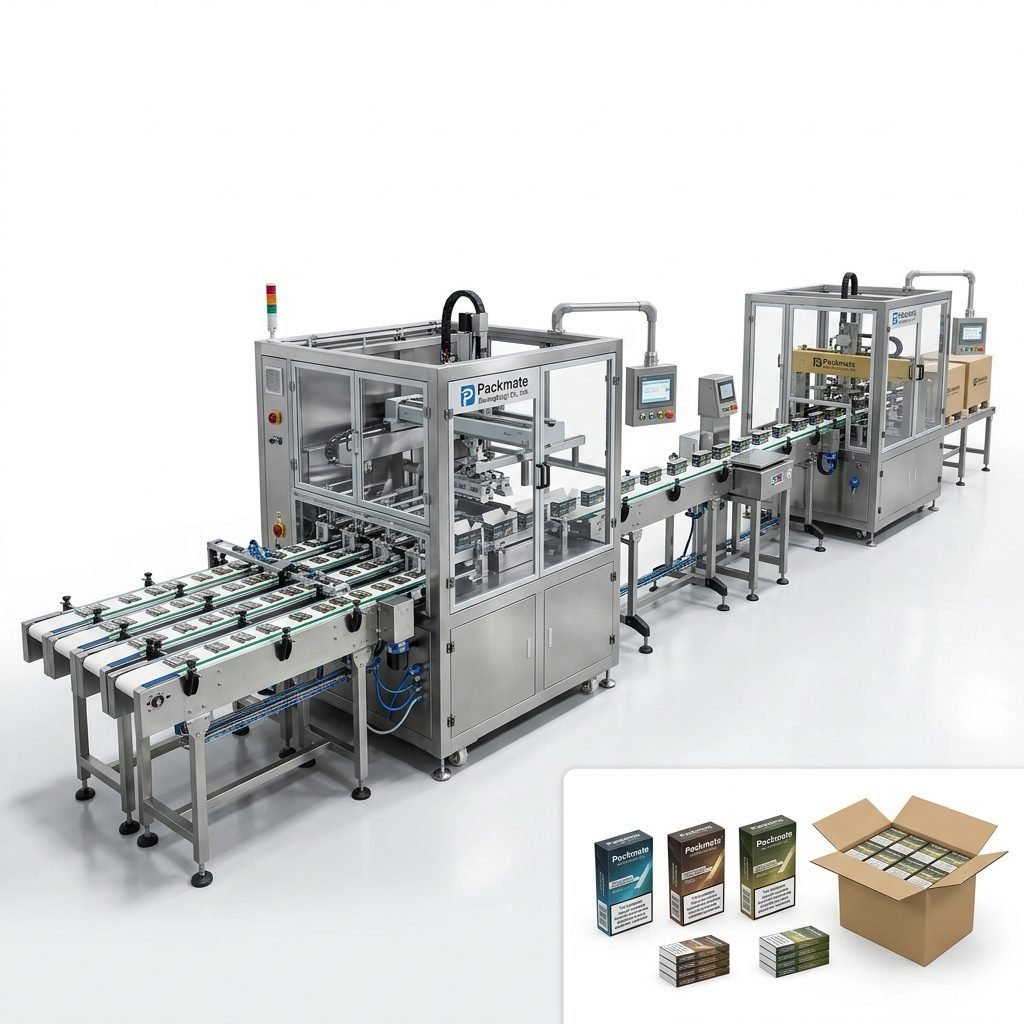
Italian customers often value bespoke aesthetics and flexibility for premium brands. Look for suppliers offering turnkey lines that combine pouch forming, filling, weighing, and secondary packing. Full-line suppliers reduce integration risk and provide more predictable lead times. Check whether the supplier supports auxiliary equipment and control system integration for a smooth production startup.
Integration checklist:
⚙️ Single-source responsibility for filling, packaging, and weighing systems.
⚙️ PLC/HMI compatibility and industry-standard communication protocols.
⚙️ On-site commissioning and operator training options in Italy or nearby EU hubs.
Evaluate Total Cost of Ownership (TCO) and ROI
Price is only one element. Calculate TCO including spare parts, maintenance contracts, downtime risk, and energy consumption. High-efficiency machines may cost more upfront but lower operating expenses and waste. Ask suppliers for real-world performance data and references to estimate realistic ROI timelines for your Italian operations.
Quality Assurance and Site Acceptance Testing
Insist on FAT (Factory Acceptance Test) and SAT (Site Acceptance Test) procedures. FAT conducted at the manufacturer’s facility should demonstrate the machine running your materials and pouch formats. SAT confirms the system performs in your production environment. For EU operations, documentation of FAT/SAT and traceable quality records are crucial for audits.
Spare Parts, Consumables and Local Support
Verify lead times for critical spare parts and whether the supplier maintains a European spare-parts warehouse or local agents. Quick access to wear parts reduces downtime. Also check if consumables like tooling sets and sealing dies are standardized or require long lead times for replacements.
Language, Documentation and Training
Ensure operation manuals, maintenance guides, and HMI interfaces are available in Italian or another language your staff prefer. Training is a major factor: ask for both operator and maintenance training, ideally performed on-site at commissioning or in the supplier’s facility.
Sustainability and Packaging Trends in Italy
Italian brands often emphasize sustainability and premium presentation. Suppliers who support recyclable materials, reduced film thickness with reliable seals, and efficient material handling help brands meet consumer expectations and regulatory targets. Discuss options for recyclable pouches, mono-material films, and reduced packaging waste with potential suppliers.
Visit Factory or Request Virtual Demonstrations
If possible, visit the supplier’s factory or watch live virtual demos. A factory visit reveals production discipline, inventory management, and assembly quality. For overseas suppliers, ask for detailed virtual walkthroughs and live machine demonstrations with your target material.
Negotiating Contracts and Payment Terms
Structure contracts with clear milestones, acceptance criteria, and penalties for missed deliveries. Define payment milestones around design approval, FAT completion, shipment, and SAT. Include spare parts agreements and service-level response times for critical failures.
Negotiation tips:
💡 Ask for bundled spare parts packages and on-site startup packages.
💡 Request a fixed price for tooling changes and upgrades within a defined period.
💡 Seek a trial period or performance warranty to protect against unseen issues.
Why a Proven Supplier Like Packmate Can Help
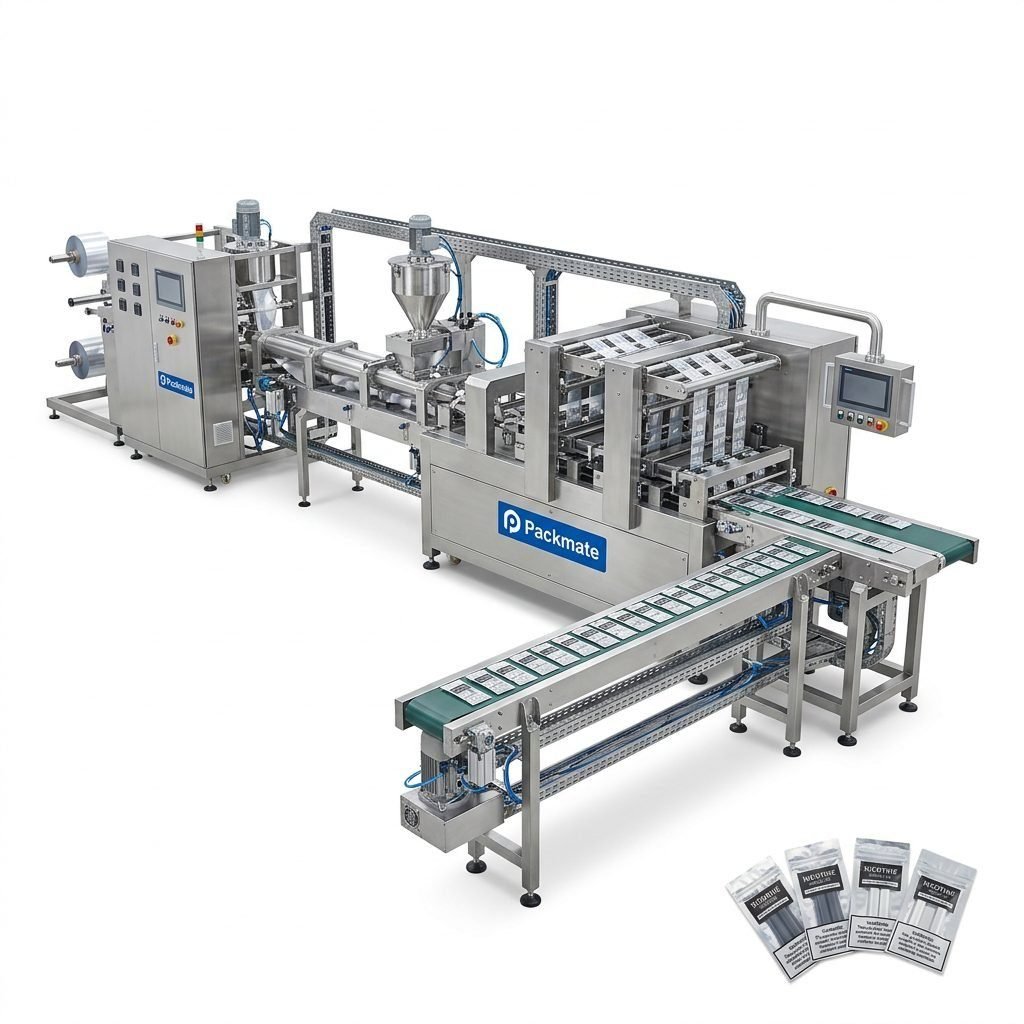
Suppliers with decades of R&D and production experience bring advantages in reliability and design maturity. Packmate Snus Machine, for instance, offers focused snus packaging expertise, 50+ machine models, and turnkey line options. Their experience with multi-lane systems and nicotine pouch lines helps ensure machinery that meets small-dose production needs and maintains high throughput and quality. Explore specific product families such as Snus & Nicotine Packaging Machines and Bag & Pouch Packaging Machines to get a sense of available technologies.
Final Selection Roadmap
Follow this practical roadmap:
1) Define your production and compliance requirements clearly.
2) Shortlist suppliers with relevant EU experience and certifications.
3) Request FAT and performance data using your materials.
4) Evaluate TCO and spare-parts strategy.
5) Confirm training, documentation in Italian, and local or remote support.
Useful links for further review
Explore product and company pages to validate capabilities: Snus & Nicotine Packaging Machines, About Packmate, Certificate, and their Case studies to see global installations and references.
Conclusion
Choosing the best snus packaging machinery supplier for Italy requires balancing regulatory compliance, machine performance, local market sensibilities, and total lifecycle costs. Prioritize suppliers that combine strong EU credentials, demonstrable experience in nicotine pouch equipment, comprehensive after-sales support, and the flexibility to customize aesthetic and functional packaging solutions for Italian consumers.
Frequently Asked Questions
Q1: How important is CE certification when buying snus packaging machinery for Italy?
A1: CE certification is essential. It demonstrates conformity with EU health, safety, and environmental requirements and streamlines customs and regulatory acceptance in Italy.
Q2: Should I choose a single supplier for a turnkey line or mix-and-match best-of-breed machines?
A2: Both approaches work. Turnkey suppliers reduce integration risk and simplify commissioning, while best-of-breed can optimize performance across functions. For faster market entry in Italy, turnkey solutions with proven EU references are often advantageous.
Q3: How can I ensure the supplier understands Italian labeling and consumer preferences?
A3: Request examples of prior Italian or EU installations, ask for Italian-language documentation options, and confirm the supplier can handle custom pouch printing or accommodate local label application equipment.
Q4: What are typical lead times and how can I reduce them?
A4: Lead times vary by complexity. Modular machines and suppliers with large production capacity typically deliver faster. Negotiate clear milestones, secure tooling early, and consider suppliers with European spare-part distribution to shorten time-to-production.
Q5: How do I validate a supplier’s on-the-ground support in Italy?
A5: Check exhibition participation in Europe, request local references, confirm remote diagnostic capability, and verify whether they maintain partner service networks or contingency plans for urgent on-site support.
If you need tailored recommendations for your production scale — from single-machine purchases to full turnkey snus packaging lines — contact the supplier directly via their Contact Us page or review their product catalog for machine models that match your pouch formats and output targets.