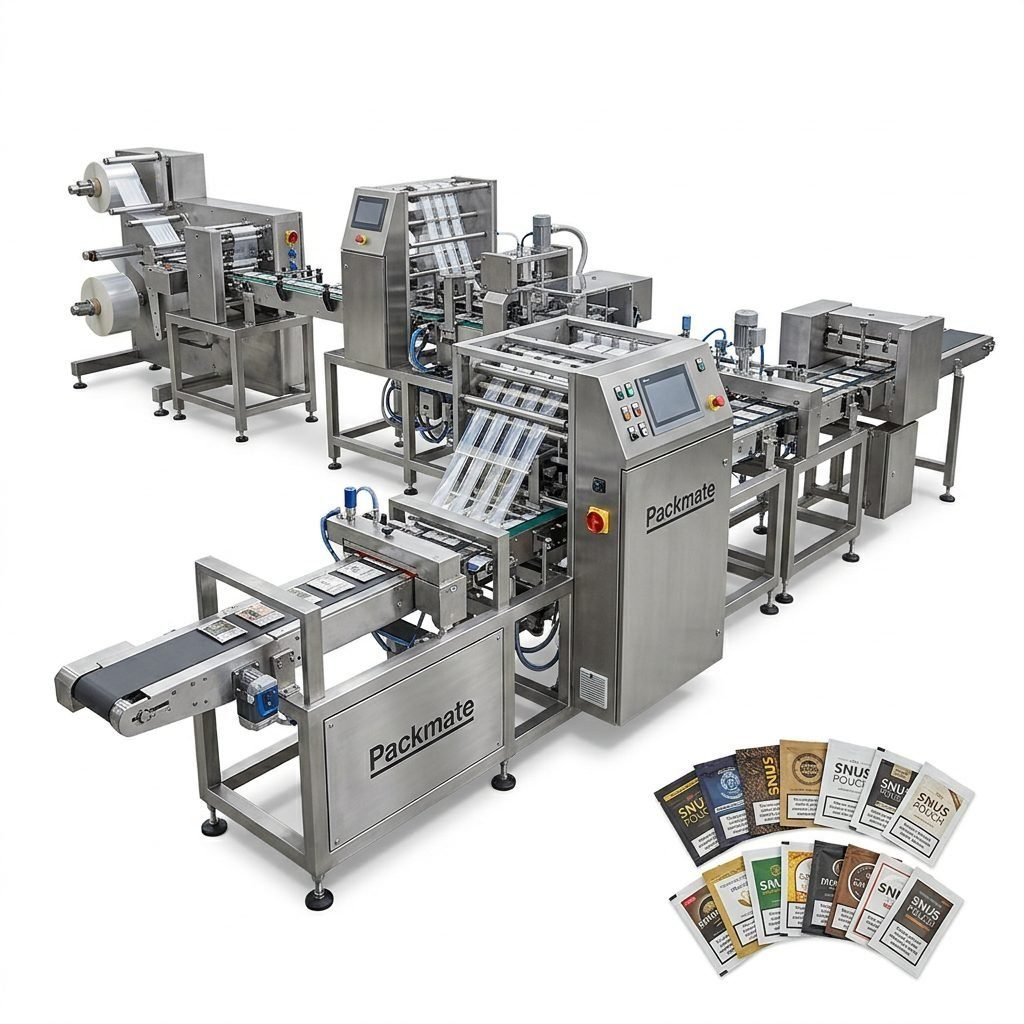
Entering the nicotine pouch and snus market in Saint Lucia means combining precise equipment choices with an understanding of local climate, regulations, and consumer habits. This guide walks you through how to choose the best nicotine packaging machinery manufacturer — from technical capabilities to after-sales support — so your business can start reliably producing compliant, high-quality products for the Caribbean market.
Why choosing the right manufacturer matters in Saint Lucia
Saint Lucia’s warm, humid climate and small, tourism-driven economy shape packaging priorities. A good manufacturer delivers machines that handle humidity, ensure strong seals to preserve shelf life, and offer reliable local support or spare-part logistics. Moreover, because nicotine products often face evolving regulations, you need a supplier who understands international compliance standards and can provide documentation such as CE and ISO certificates.
Understand local market, culture, and regulation
Saint Lucia is English-speaking with a business culture that values direct communication and long-term relationships. Key considerations:
Regulatory checks: Always verify local laws on nicotine products and labeling; rules can change quickly in Caribbean jurisdictions.
Consumer habits: Tourists and locals prefer compact, well-sealed pouches that remain dry and fragrant in humid climates.
Distribution: Consider partnerships with local distributors and duty implications when importing machinery and materials.
Machine types and technical capabilities to prioritize
Match machine selection to your production goals. For nicotine pouches and snus, typical options include:
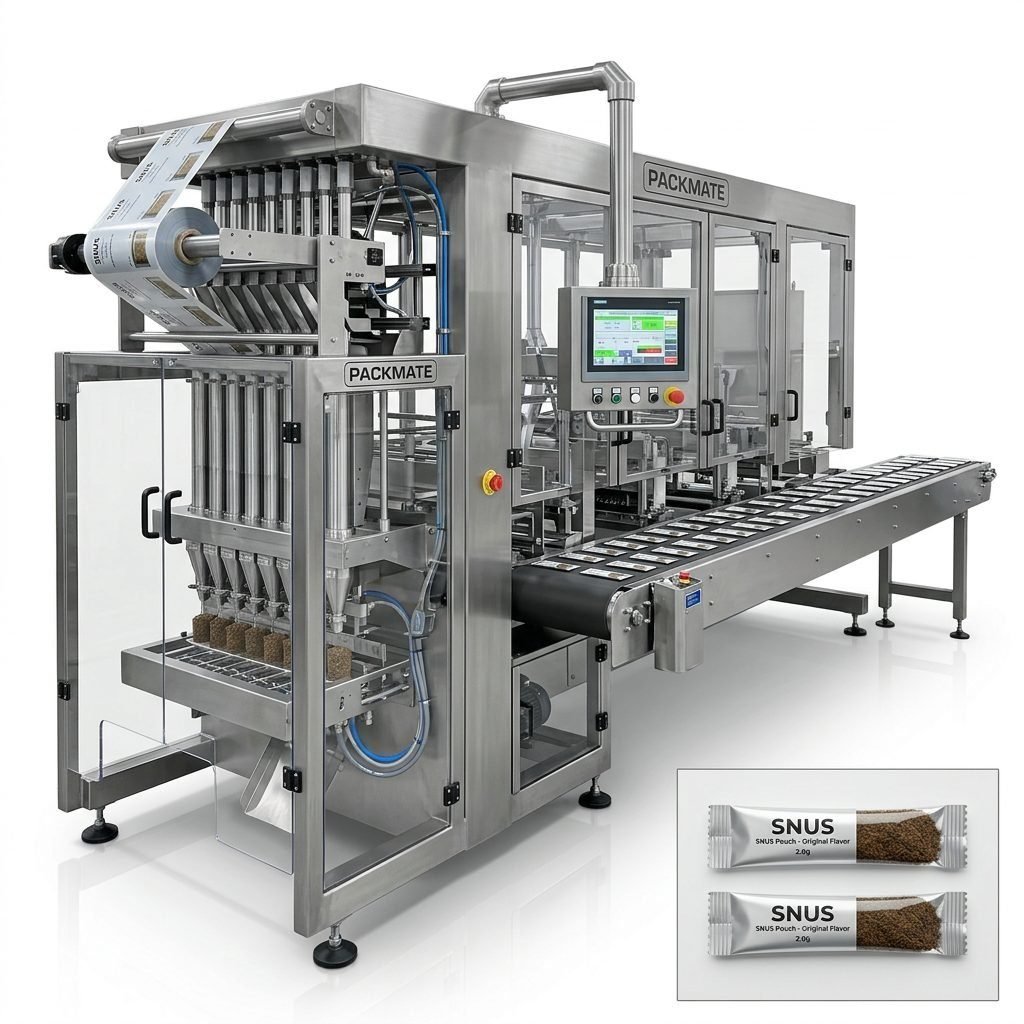
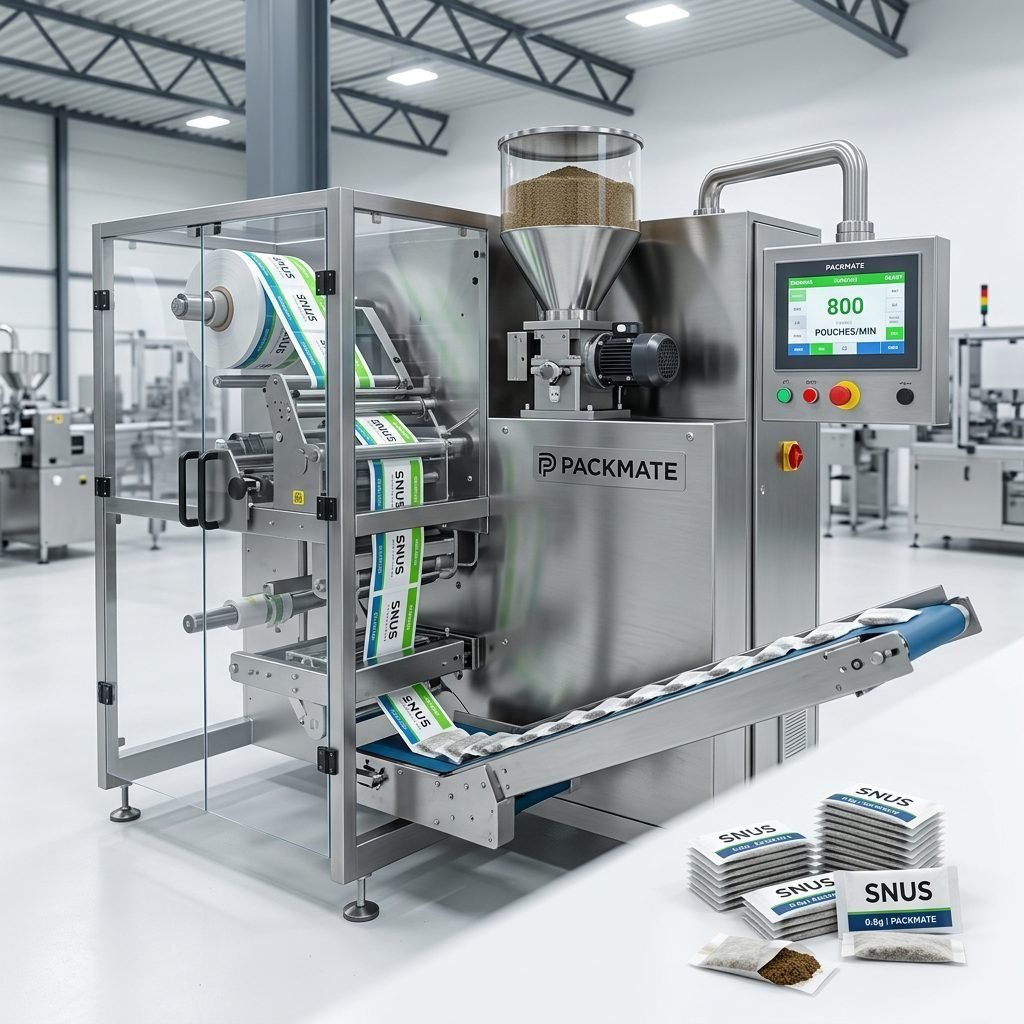
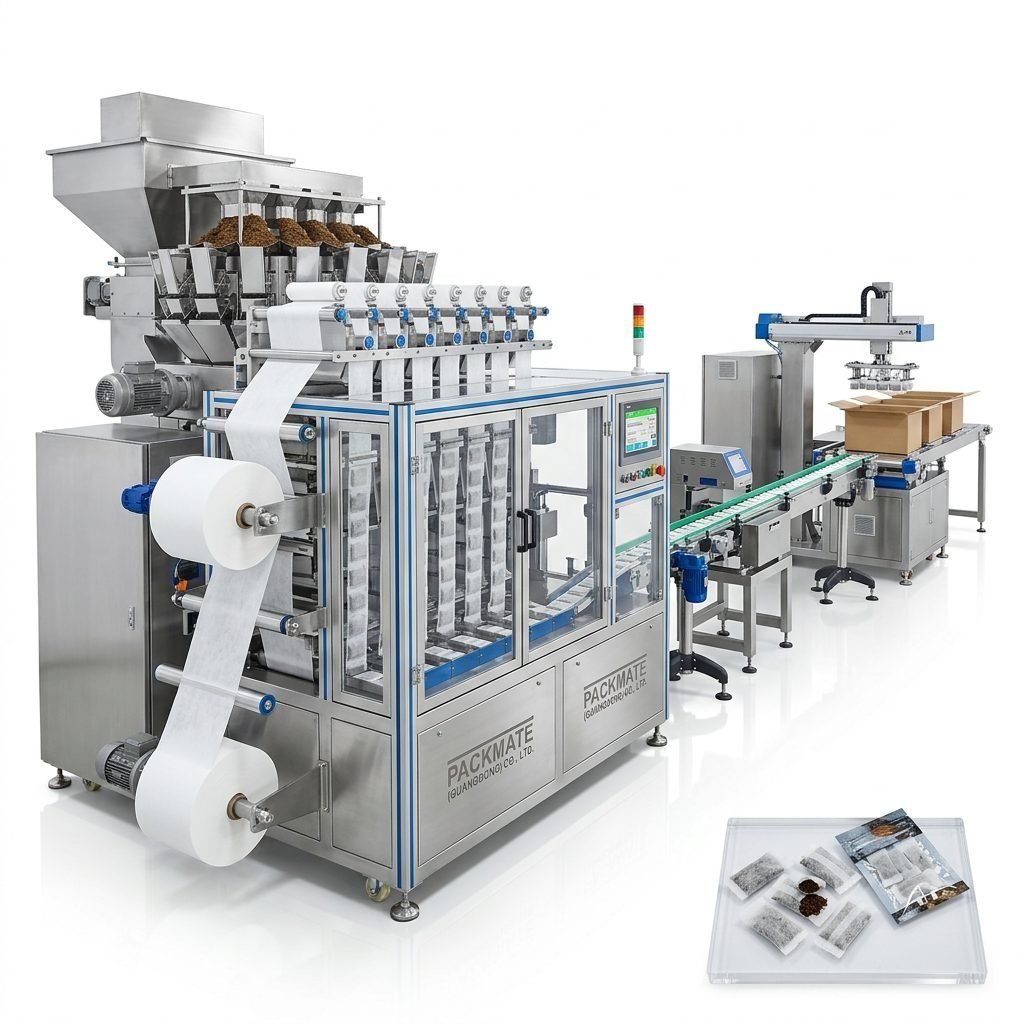
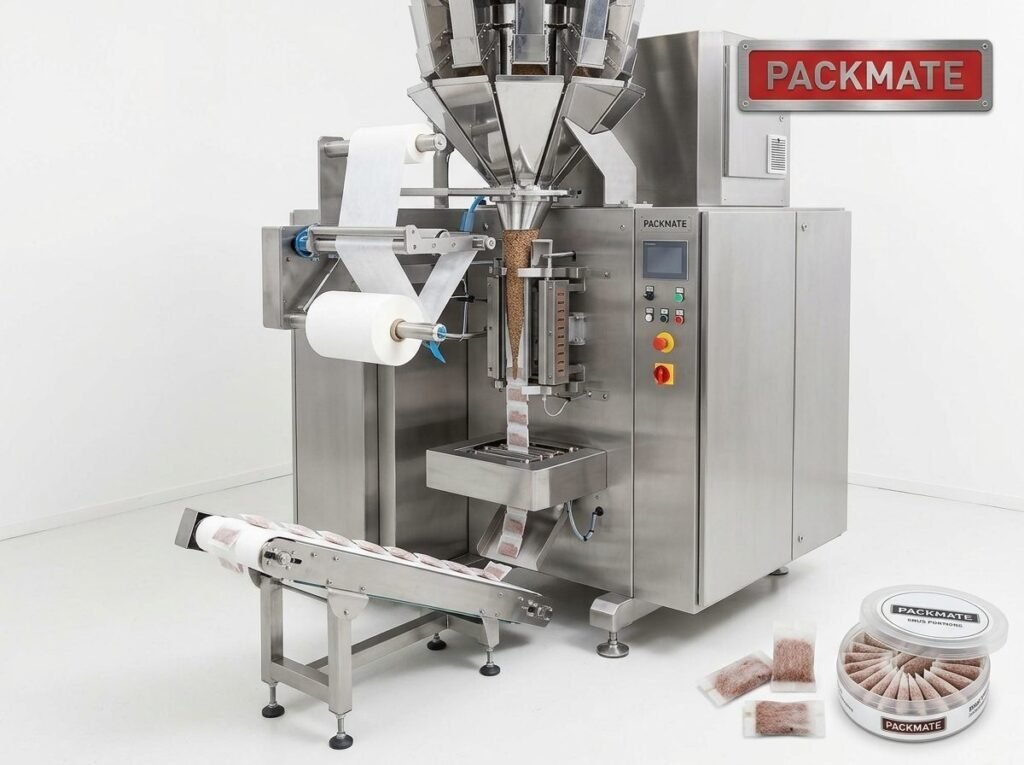
- Multi-lane snus pouch lines for high throughput small-dose pouches.
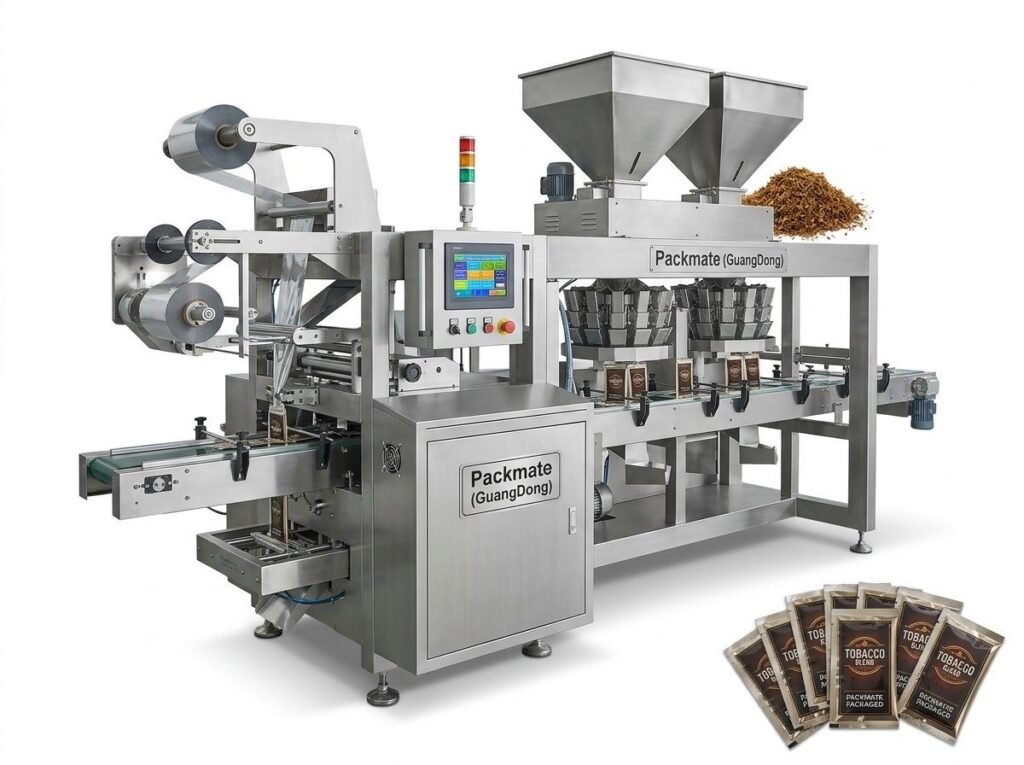
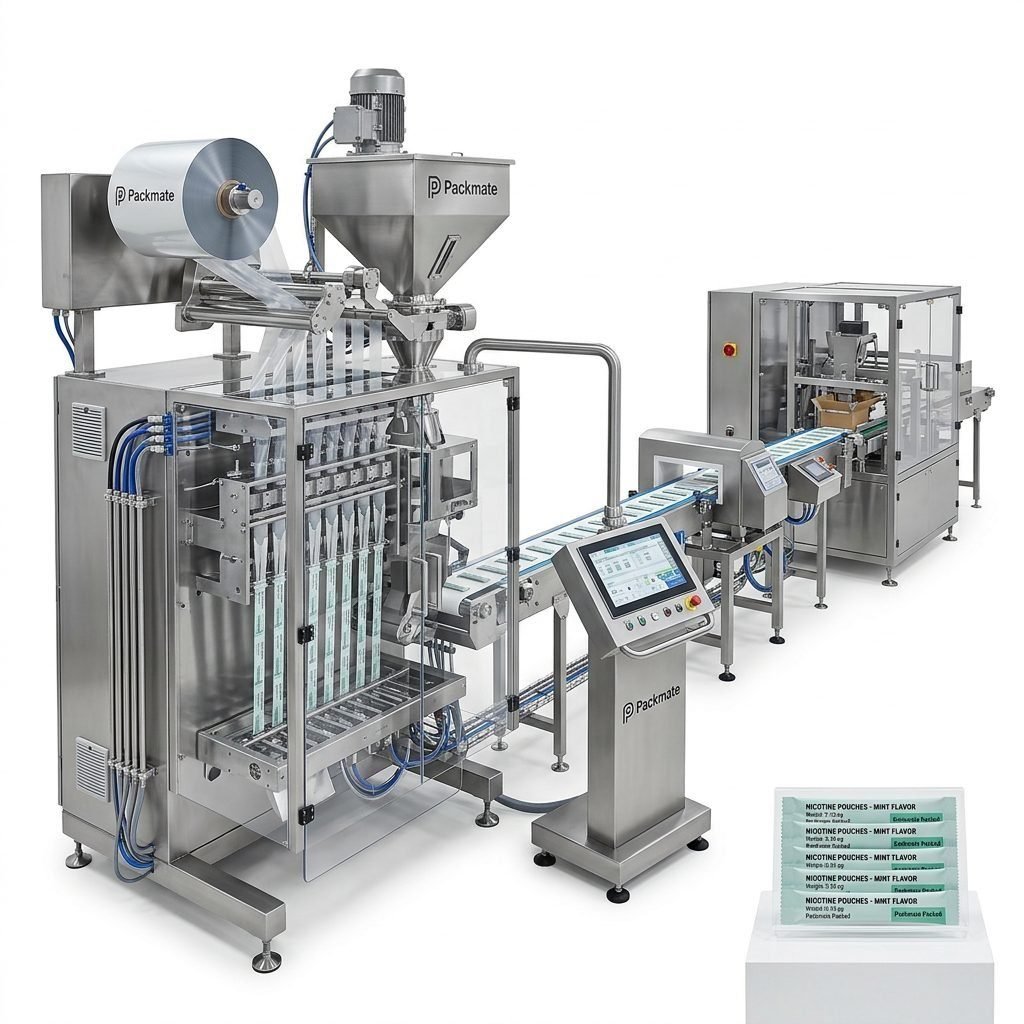
- Stick pack and sachet machines for single-serve formats.
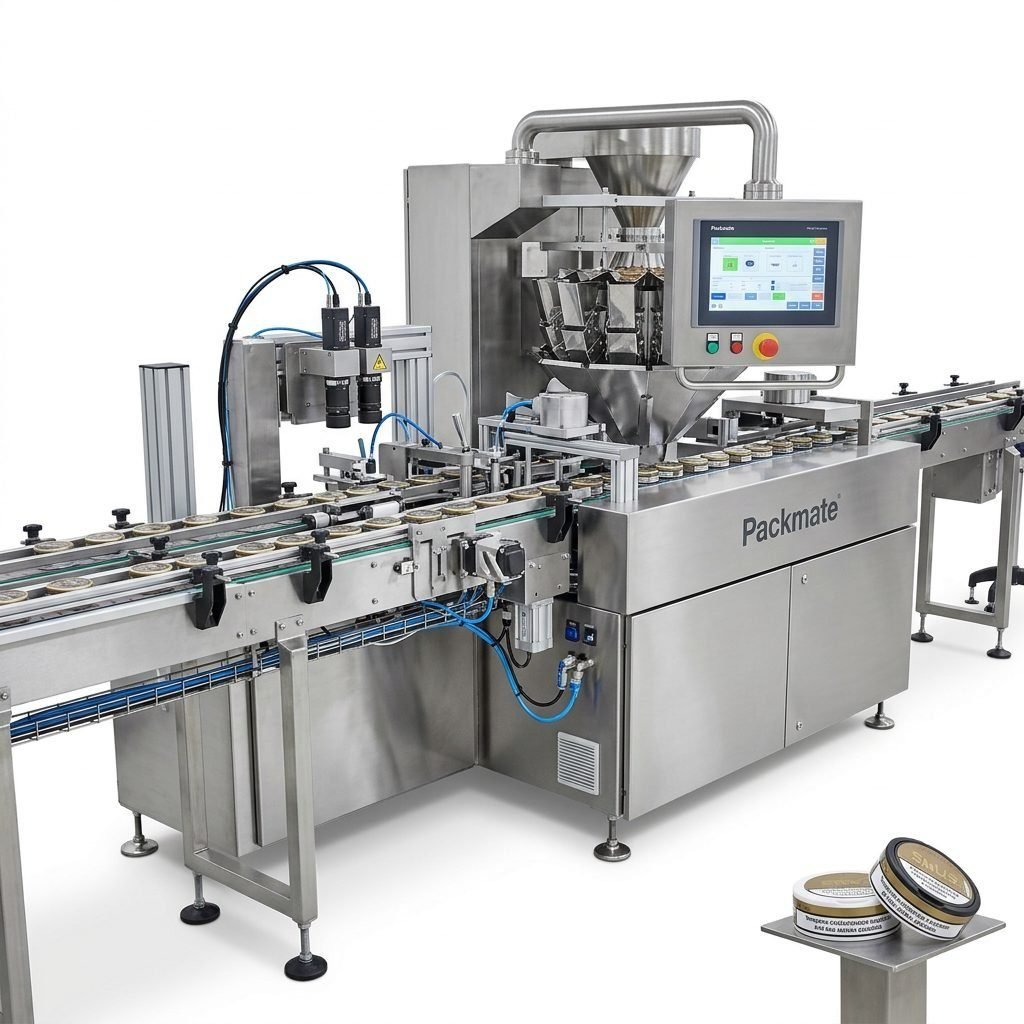
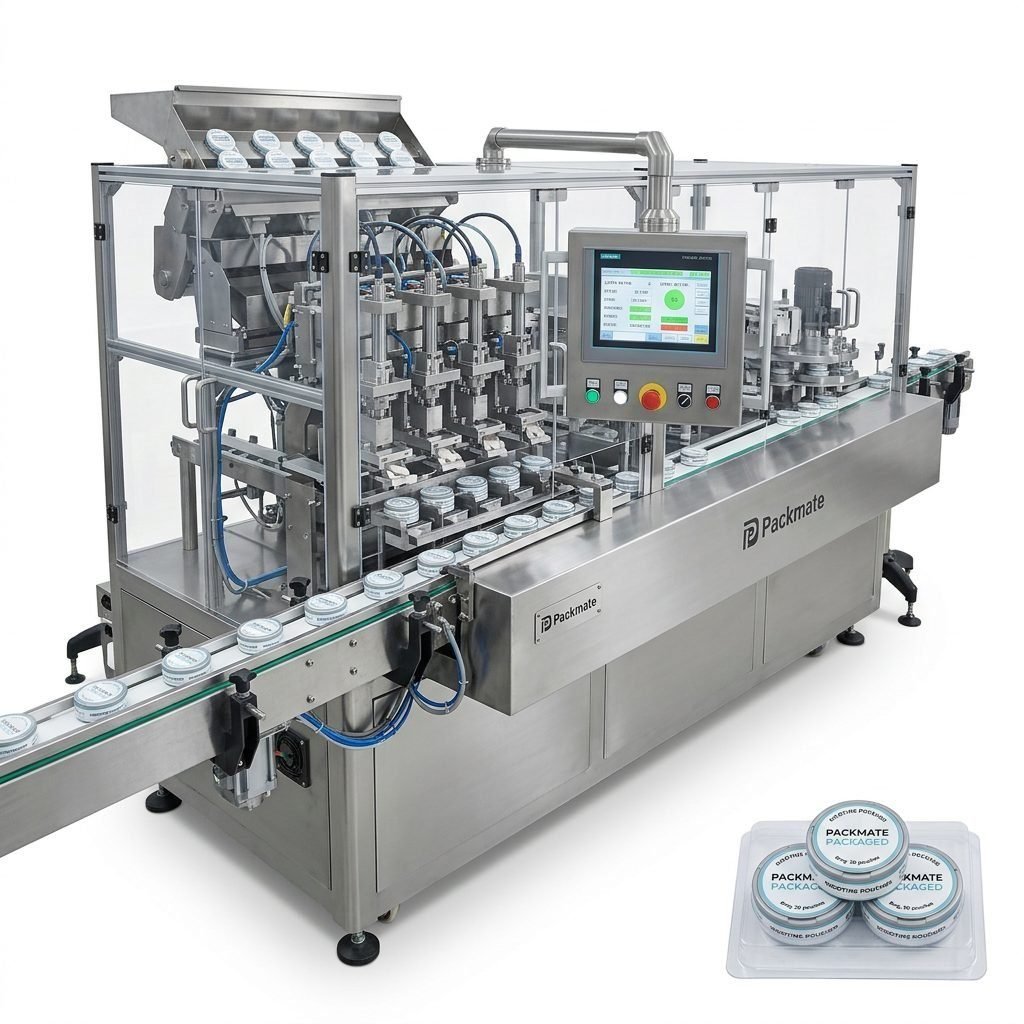
- Weighing & filling systems capable of handling powders and fine blends with precision.
- Auxiliary equipment such as metal detectors, checkweighers, and conveyors for automated lines.
Explore manufacturer portfolios — for example, a consolidated product lineup such as Snus & Nicotine Packaging Machines, Sachet & Stick Pack Machines, and Filling & Packaging Lines to compare capabilities and modular options.
Factory strength, certifications and quality control
A robust manufacturer shows evidence of infrastructure and process control: CNC machining centers, controlled assembly lines, and documented quality management. Certifications (CE, ISO) and factory audit records reduce risk. Look for:
✔️ Traceable manufacturing history and clear quality checks for each machine.
✔️ Certificates and testing reports such as CE/ISO for international trade compliance — see manufacturer credentials on pages like Certificate.
✔️ Manufacturing capacity (e.g., a large workshop or 20,000㎡ facility) to ensure on-time delivery and spare part stock.
Customization, installation, and after-sales support
For Saint Lucia, where local technical resources may be limited, prioritize manufacturers who provide:
- Turnkey solutions with on-site installation and operator training.
- Spare part availability and documented lead times.
- Remote diagnostics and maintenance guidance to reduce downtime.
- Clear contact channels — contact sales and service early; for instance, use the manufacturer’s Contact Us page to confirm support offerings.
Material selection and climate-adapted design
The Caribbean humidity accelerates corrosion and affects powders. Evaluate:
Stainless steel grades: 304 or 316L may be required depending on exposure; 316L offers better corrosion resistance in humid, salty air.
Sealing and humidity control: Choose machines with strong heat- and ultrasonic-sealing, and consider nitrogen-flush options for sensitive blends.
Electrical protection: IP-rated panels and protected electronics help reduce failures in humid environments.
Cost, ROI, and financing
Total cost = machine price + shipping, import duties, installation, and training. To estimate ROI:
- Calculate throughput (pouches/min) and yield (good units vs. rejects).
- Factor in downtime and spare part lead times in Saint Lucia.
- Ask about leasing or phased upgrades to spread capital expense.
Shipping, packaging, and customs considerations for Saint Lucia
Proper packing for sea freight reduces damage from humidity and salt air. Ensure:
⚙️ Factory Acceptance Tests (FAT): Witnessing FAT before shipment verifies performance and reduces commissioning time on arrival.
⚙️ Sea-worthy packing: Machines should be disassembled appropriately, wrapped with moisture barriers, and crated for ocean transport.
⚙️ Customs documents: Ensure complete documentation (packing lists, certificates, invoices) to avoid clearance delays in Castries or Vieux Fort ports.
How to evaluate suppliers: practical checklist
✅ Technical demo availability: Can they show live demos or send videos of similar lines running?
✅ Spare parts & lead times: How fast can critical parts reach Saint Lucia? Is there an overseas distribution partner?
✅ References and case studies: Review past projects — manufacturers often publish examples on a Case page.
✅ Service and training: Confirm on-site installation, local training, and remote support packages.
✅ Compliance & documentation: Certificates and complete machine manuals for regulatory review.
Negotiation tips and timeline
Start early: lead times for complex lines can be several months. Negotiate payment terms tied to FAT milestones, and request a breakdown of warranty, spare parts kits, and training days. Ask for a clear commissioning plan with timelines for customs clearance and local installation.
Local partnerships and distribution strategy
Partnering with local distributors or contract packagers in Saint Lucia can help with last-mile logistics and regulatory compliance. Consider pilot runs with a local co-packer before investing in a full production line to validate consumer acceptance and packaging stability in-market.
Real-world examples and exhibitions
Visit trade shows or schedule factory visits. Many manufacturers showcase lines at global exhibitions — check the manufacturer’s Our Exhibition page and arrange machine demos to compare performance firsthand.
Final practical checklist before signing
• Written FAT results and acceptance criteria.
• Complete spare-parts list and suggested starter kit.
• Training schedule for operators and maintenance staff.
• Service-level agreement (SLA) for remote support and parts delivery.
• Export packing and insurance terms for ocean freight to Saint Lucia.
Why Packmate-style manufacturers are often recommended
Manufacturers with decades of experience, a wide range of snus and nicotine packaging machines, and a full manufacturing facility can offer stability and customization. Look for teams with a clear company profile, visible factory capabilities, and global case studies to feel confident in long-term cooperation.
Summary: key decisions distilled
• Choose machines designed for humidity and corrosion resistance.
• Verify certifications, FAT processes, and spare parts supply.
• Prioritize manufacturers who offer turnkey solutions, training, and reliable remote support.
• Factor in shipping, customs, and local partnerships to shorten time to market in Saint Lucia.
Frequently Asked Questions
Q1: How important are CE and ISO certificates when importing packaging machines to Saint Lucia?
A1: Certificates such as CE and ISO indicate adherence to international manufacturing and safety standards; they simplify customs review and give confidence in machine reliability. However, always confirm any local certification or labeling requirements for nicotine-related production with Saint Lucian authorities.
Q2: What machine features help with Saint Lucia’s humid, coastal conditions?
A2: Look for stainless steel (304/316L), IP-rated electrical enclosures, strong heat/ultrasonic sealing, and options for protective coatings. Machines that minimize open product handling and allow easy cleaning will perform better in high-humidity environments.
Q3: How do I manage spare parts and maintenance when operating in Saint Lucia?
A3: Negotiate a starter spare-parts kit, confirm part numbers and average lead times, and establish remote support agreements. If possible, identify regional partners or freight-forwarders who can expedite critical parts into the Caribbean.
Q4: Should I start with a small line or invest in high-capacity multi-lane equipment?
A4: Base the decision on demand forecasts. Small or modular lines lower upfront risk and suit niche or test-market products. Multi-lane systems are efficient for scaling, but require higher capital and stronger logistics for parts and service.
Q5: Where can I find trusted manufacturer information and real project examples?
A5: Reliable suppliers publish product categories and project examples — review pages like Snus & Nicotine Packaging Machines and the manufacturer’s Case studies to compare real-world performance and references.