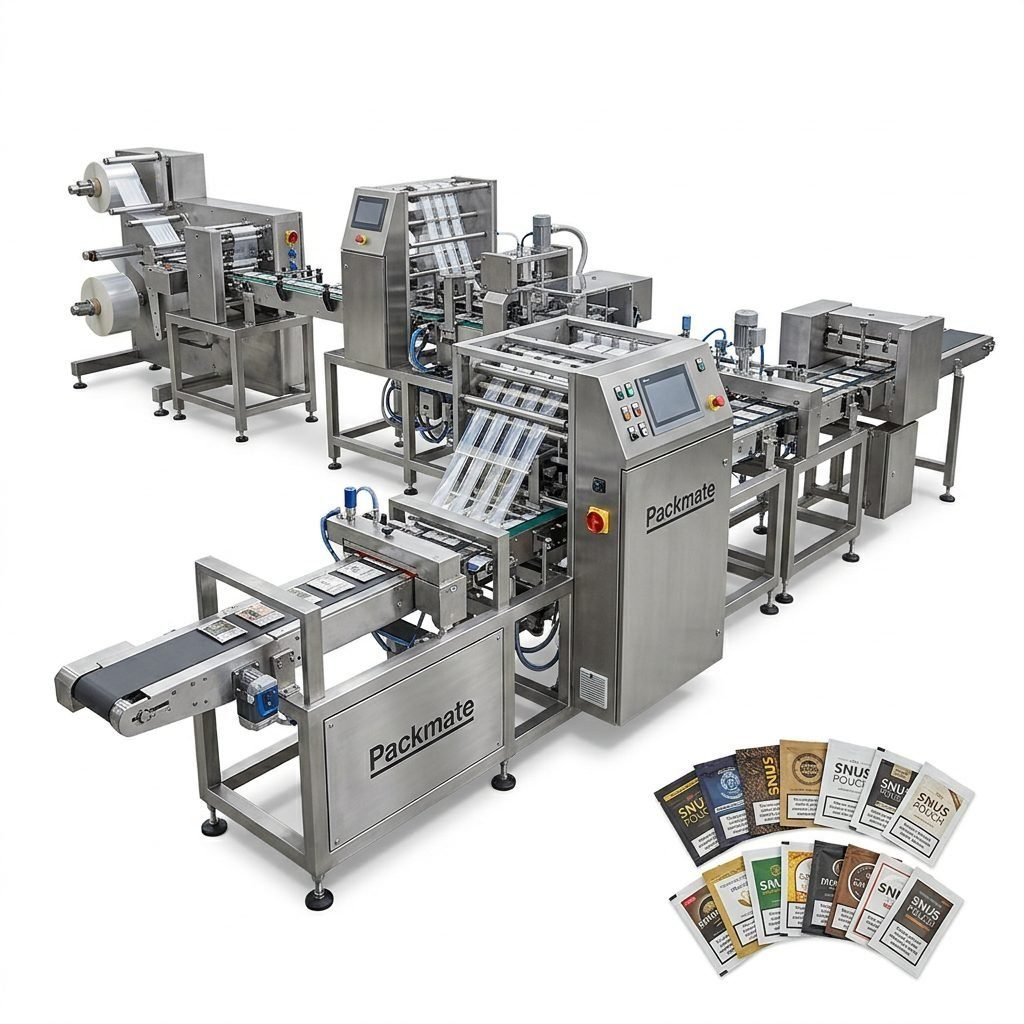
Choosing the right snus packaging machine supplier in Saudi Arabia requires careful attention to regulatory compliance, machine performance, after-sales support, and cultural preferences. This guide walks you through practical steps, technical checks, and negotiation tips so your investment delivers reliable production, minimal downtime, and compliance with local market needs.
Understand the Saudi Market and Regulations
Saudi Arabia has unique regulatory and cultural considerations you must factor into any packaging solution. Nicotine products face strict controls and varying import rules. Work with a supplier who understands local regulations, can supply compliant documentation, and helps you plan labeling and packaging that fits Saudi requirements and retail customs.
Know local compliance and documentation
Respect cultural packaging preferences
Arabic labeling is often expected for consumer products in Saudi retail. Packaging design should include Arabic and English text, and consider sensitive marketing periods such as Ramadan when consumer habits change. Also, design packaging for hot, dry climates — materials and sealing must withstand high temperatures and low humidity during storage and transport.
Technical Considerations When Choosing a Supplier
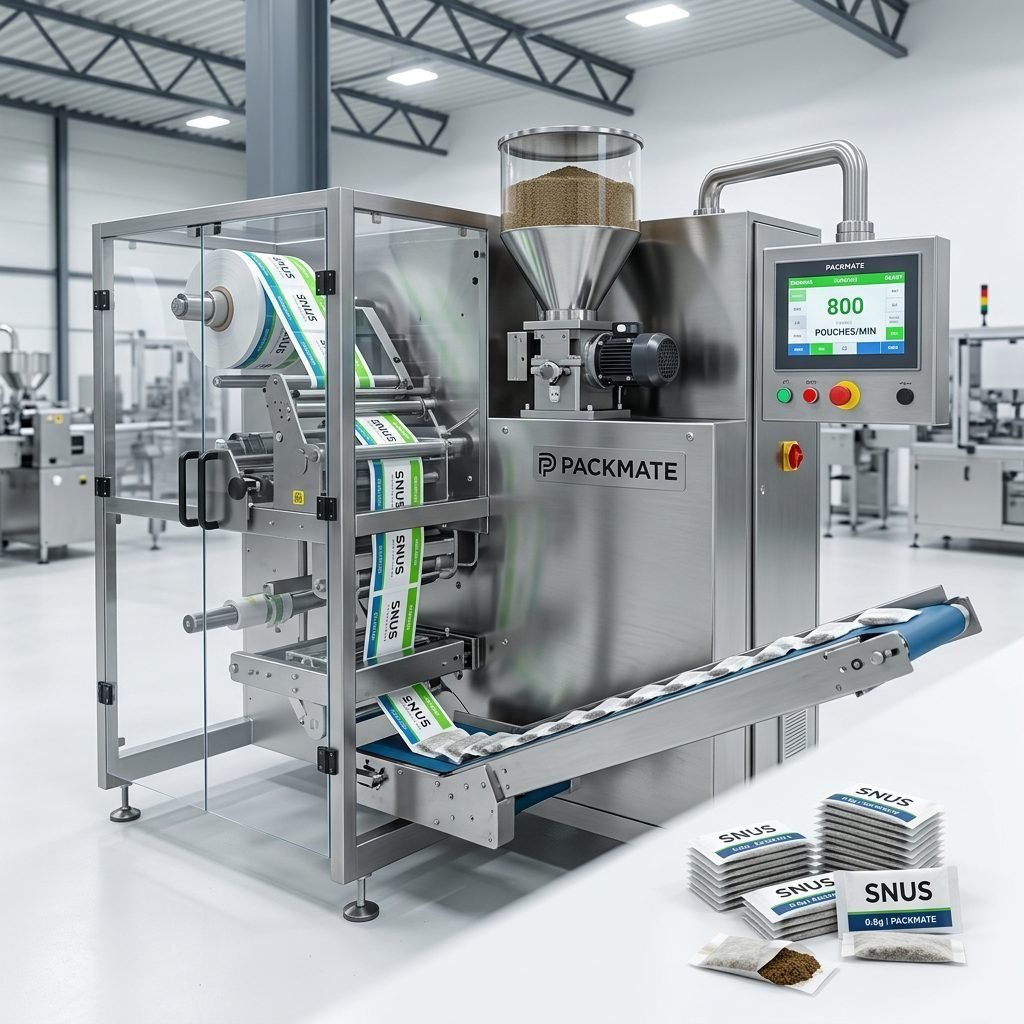
Evaluate the supplier’s machine portfolio and engineering depth. For nicotine pouches and snus, precision dosing, gentle product handling, and consistent sealing are critical. Look for suppliers with specialized snus/nicotine lines and multi-lane options to scale output.
Machine types and production formats
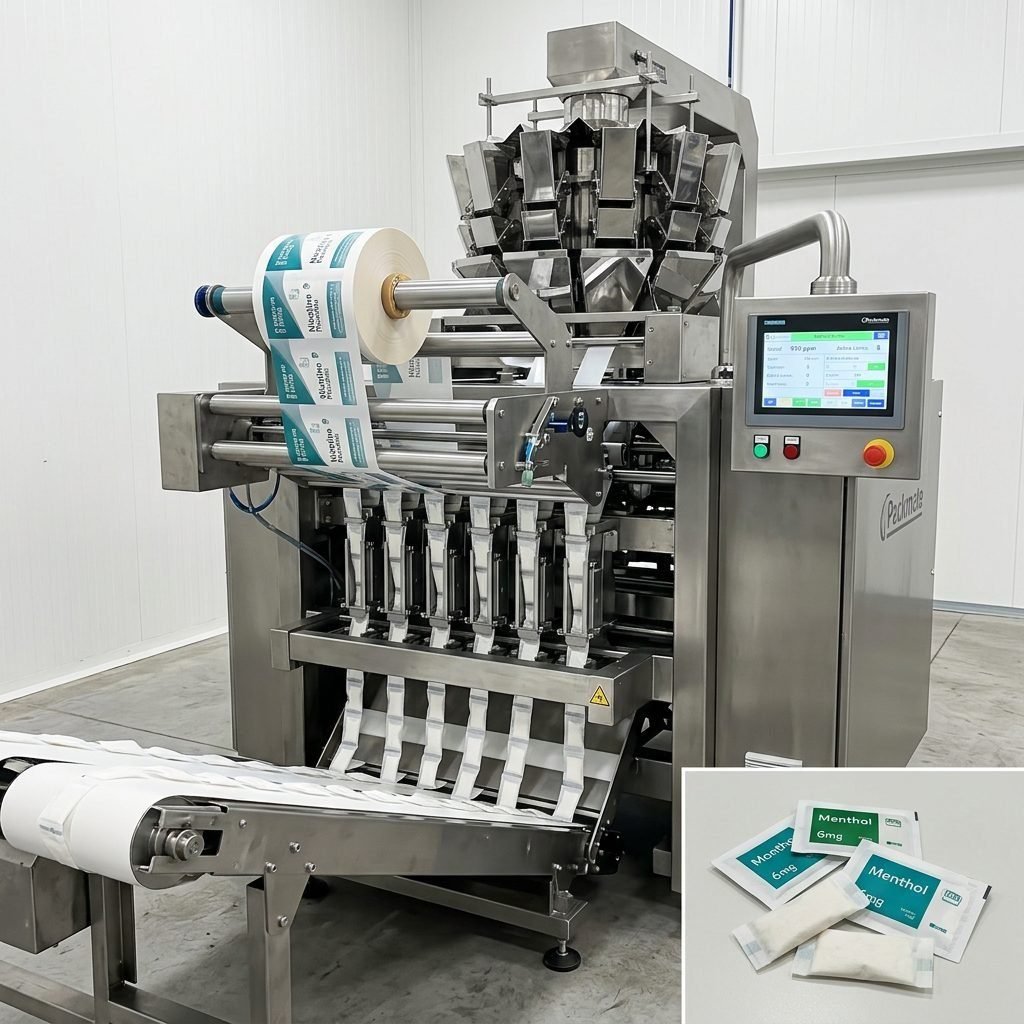
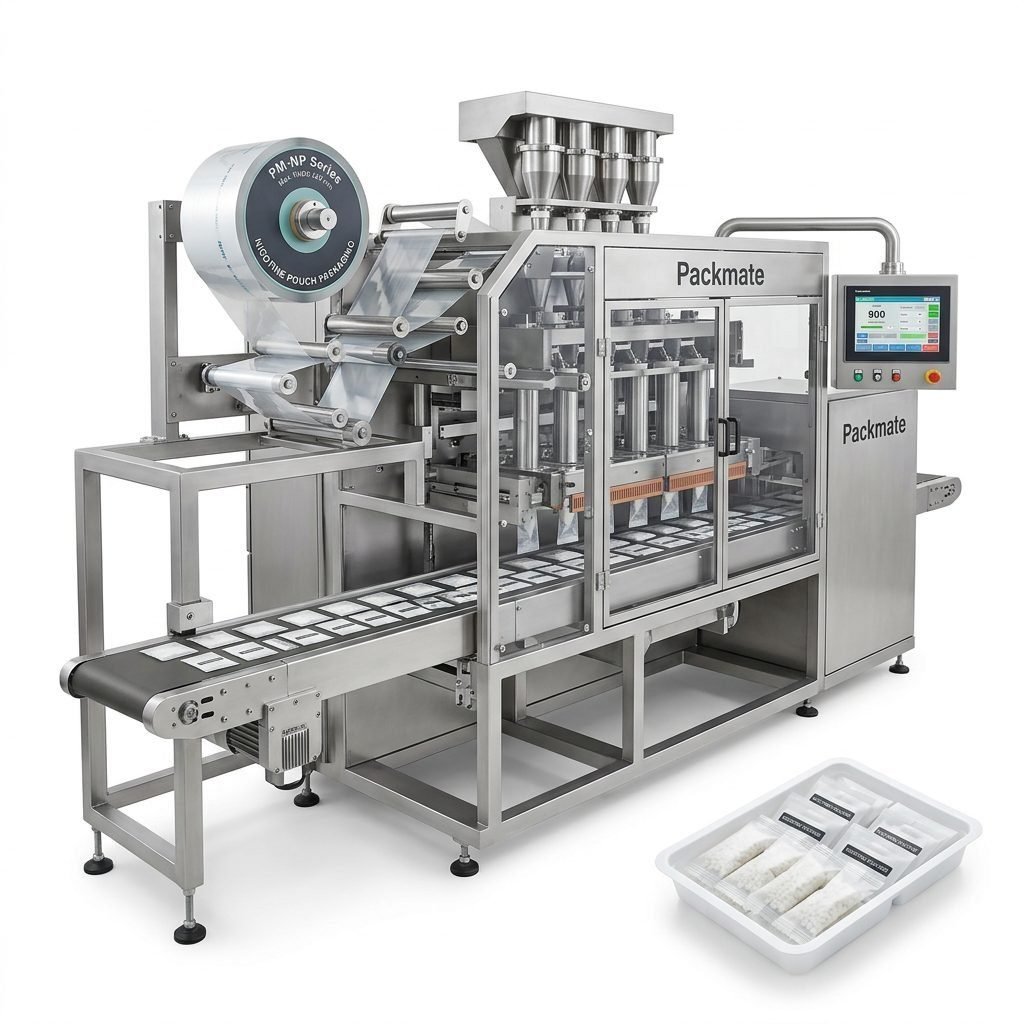
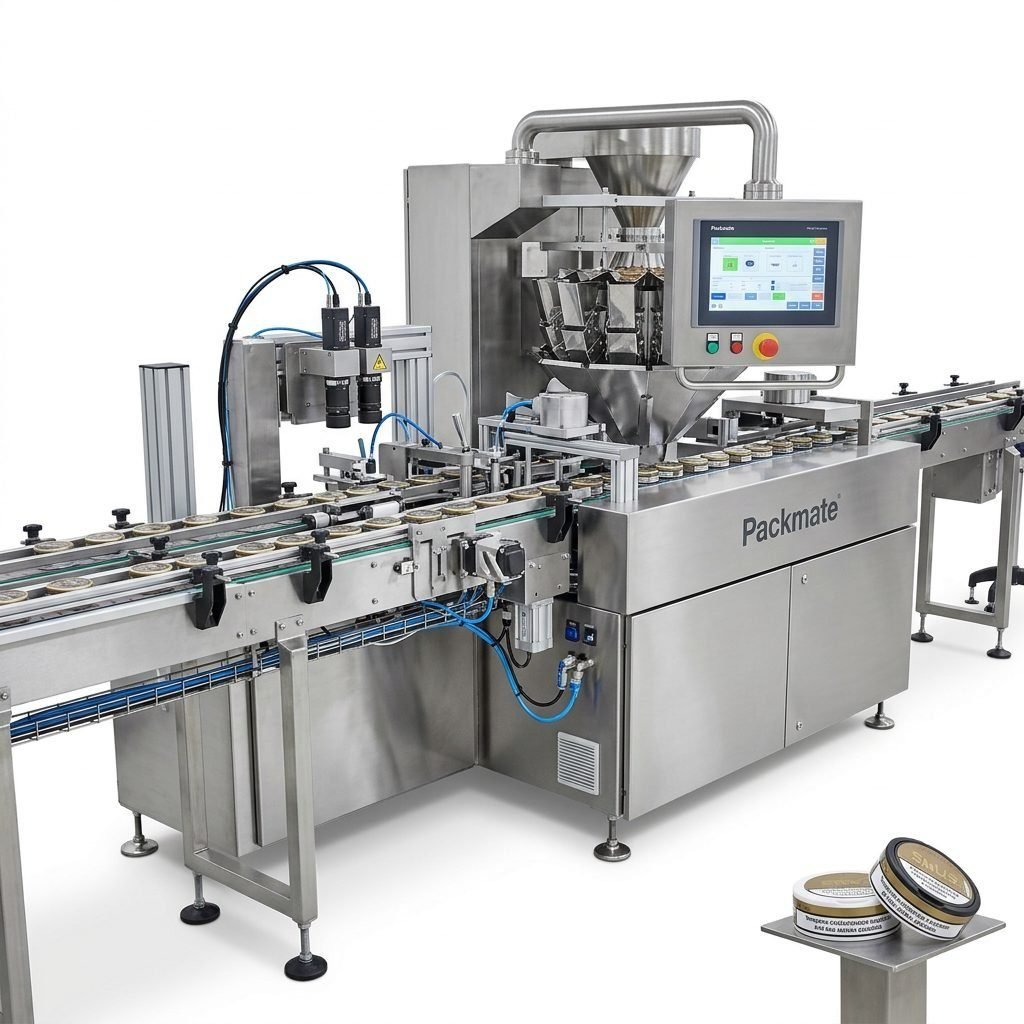
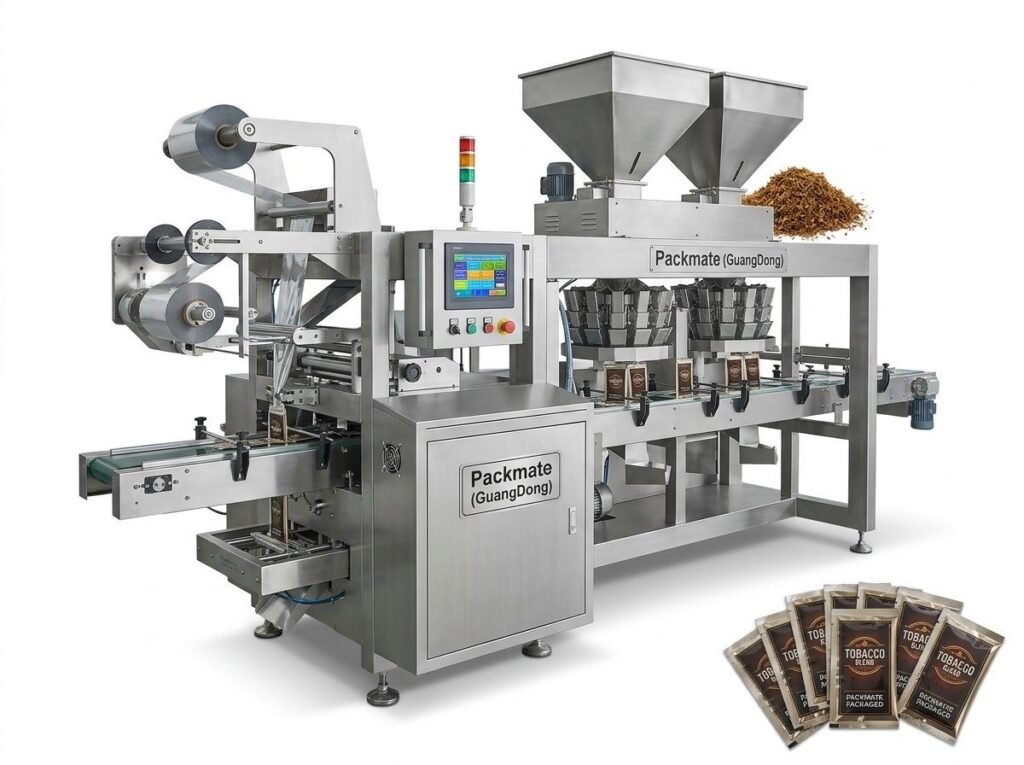
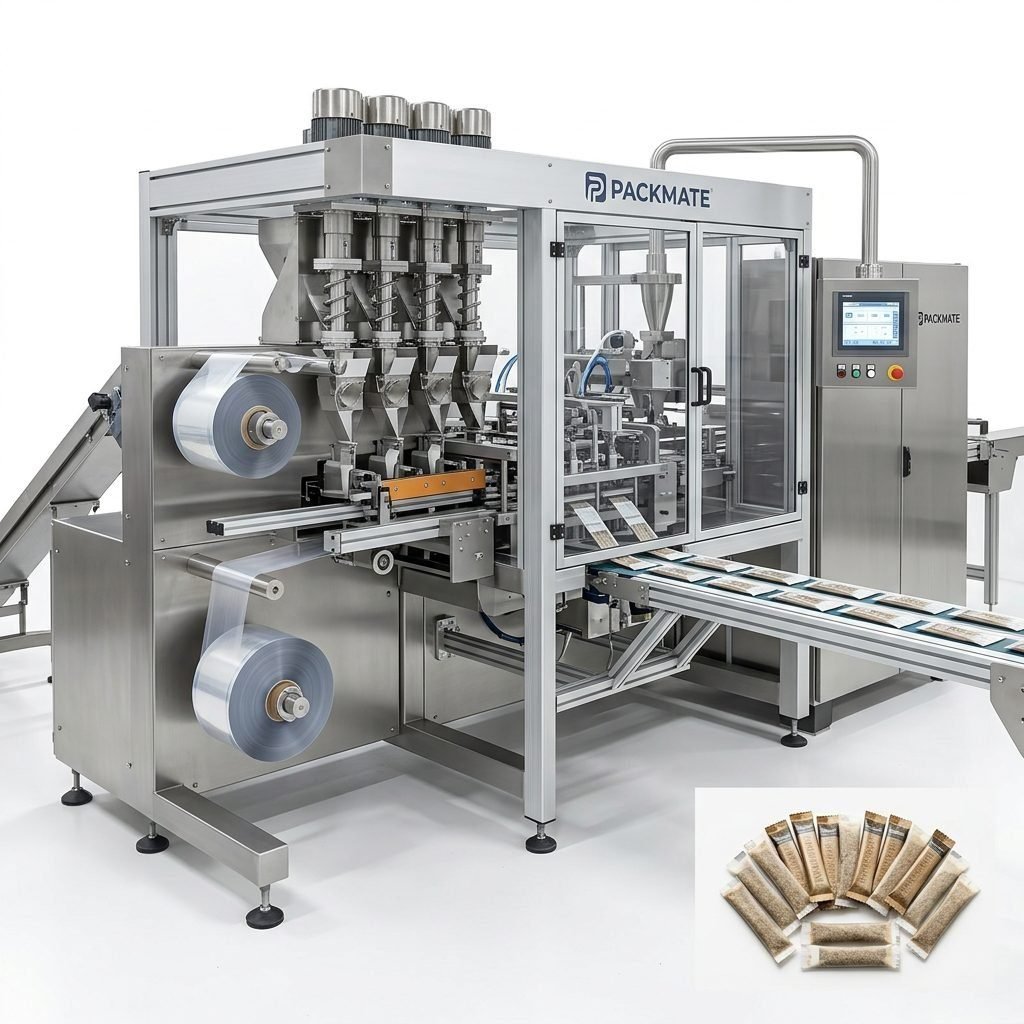
Common machine types for snus and nicotine pouches include stick pack, sachet, and multi-lane pouch systems. Compare snus & nicotine packaging machines against bag/pouch and stick pack lines to match your target formats, output speed, and pouch sizes.
Precision, materials and electronics
- Weighing accuracy and dosing repeatability for low-dose nicotine pouches
- High-quality sealing system for heat and humidity resistance
- PLC and HMI controls with language options (English, and preferably Arabic)
- Material compatibility (stainless steel contact parts, food-grade materials)
Factory Strength & Quality Assurance
A supplier’s manufacturing capacity and experience directly impact delivery, customization ability, and ongoing support. Choose partners with a robust factory setup, rigorous QC, and a history of snus packaging expertise.
What to look for in the supplier’s factory
Suppliers with advanced CNC machining, dedicated assembly lines, and standardized factory acceptance testing reduce the risk of surprises. For example, manufacturers with decades of R&D experience and large facilities can offer more consistent product quality and faster custom engineering.
Learn about a supplier’s capabilities and credentials — certifications like CE and ISO show compliance with international standards, while case studies and exhibition presence indicate industry recognition. See example references like About Packmate and their project cases.
Commercial Terms, Lead Times and After‑Sales
Beyond machine specs, commercial terms often determine whether a supplier is truly reliable. Consider warranty, spare parts stocking, training, remote support, and lead times — these are especially important when importing into Saudi Arabia.
Support and spare parts strategy
- Clear warranty terms and fast-response service
- Spare parts availability and recommended spare parts list
- On-site commissioning, operator training, and technical manuals
- Remote troubleshooting and firmware/software update support
Logistics, customs and local partners
Ask if the supplier has experience exporting to GCC markets, or if they work with local agents in Saudi Arabia who can aid customs clearance, installation, and spare part distribution. Participation in industry exhibitions can be a sign of commitment — check their exhibition history.
Packaging Design & Consumer Preferences in Saudi Arabia
Local consumer behavior and retail formats shape ideal packaging choices. In Saudi Arabia, convenience, discreetness, and language are important factors for nicotine pouch packaging.
Practical design considerations
- Arabic-friendly labels and pictograms for usage and warnings
- Robust seals and barrier films to handle desert heat
- Retail-ready formats: multi-count boxes, individual sachets, or travel pouches
- Discreet packaging solutions for modern retail and e-commerce channels
How to Evaluate Suppliers — Practical Checklist
Use this checklist during supplier selection and factory visits:
- ✅ Verify machine models and ask for live demo videos or remote demos
- ✅ Confirm accuracy and speed specs for your target pouch sizes
- ✅ Inspect the quality of sealing, filling, and cutting mechanisms
- ✅ Check QC processes and factory testing (FAT reports)
- ✅ Request references from customers in similar markets
- ✅ Confirm spare parts lead times and recommended stock levels
- ✅ Review warranty terms, training, and commissioning commitments
Red flags to watch for
Unclear documentation, unwillingness to perform FAT, or no spare parts plan are warning signs. Also be cautious if the supplier lacks any verifiable installations or cannot provide machine performance videos relevant to nicotine pouch production.
Negotiation Tips and Contract Clauses
Contracts should clearly state delivery terms, inspection criteria, acceptance tests, warranty coverage, intellectual property for custom tooling, training obligations, penalty clauses for late delivery, and spare parts commitments. Clarify the Incoterm used and who handles customs and local setup.
FAT, SAT and commissioning
Agree on a Factory Acceptance Test (FAT) protocol before shipment and a Site Acceptance Test (SAT) after installation in Saudi Arabia. Ensure the supplier provides a timeline for commissioning, operator training, and a list of consumables and spares to keep on hand.
Trial Orders and Scaling Production
Start with a pilot or trial order to validate machine performance with your actual product formulation and packaging materials. This reduces risk and provides real-world data for process optimization before full-scale investment.
Path to scale
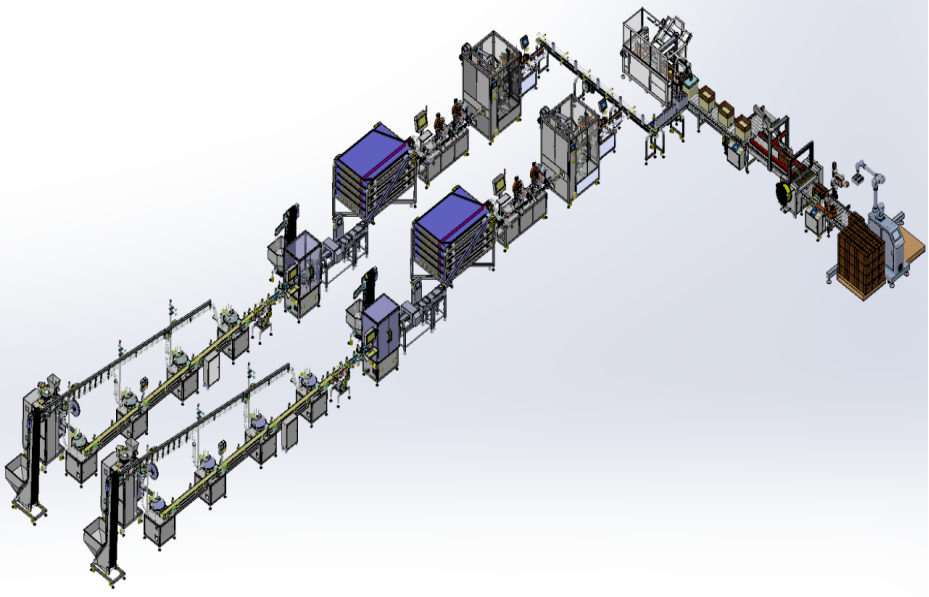
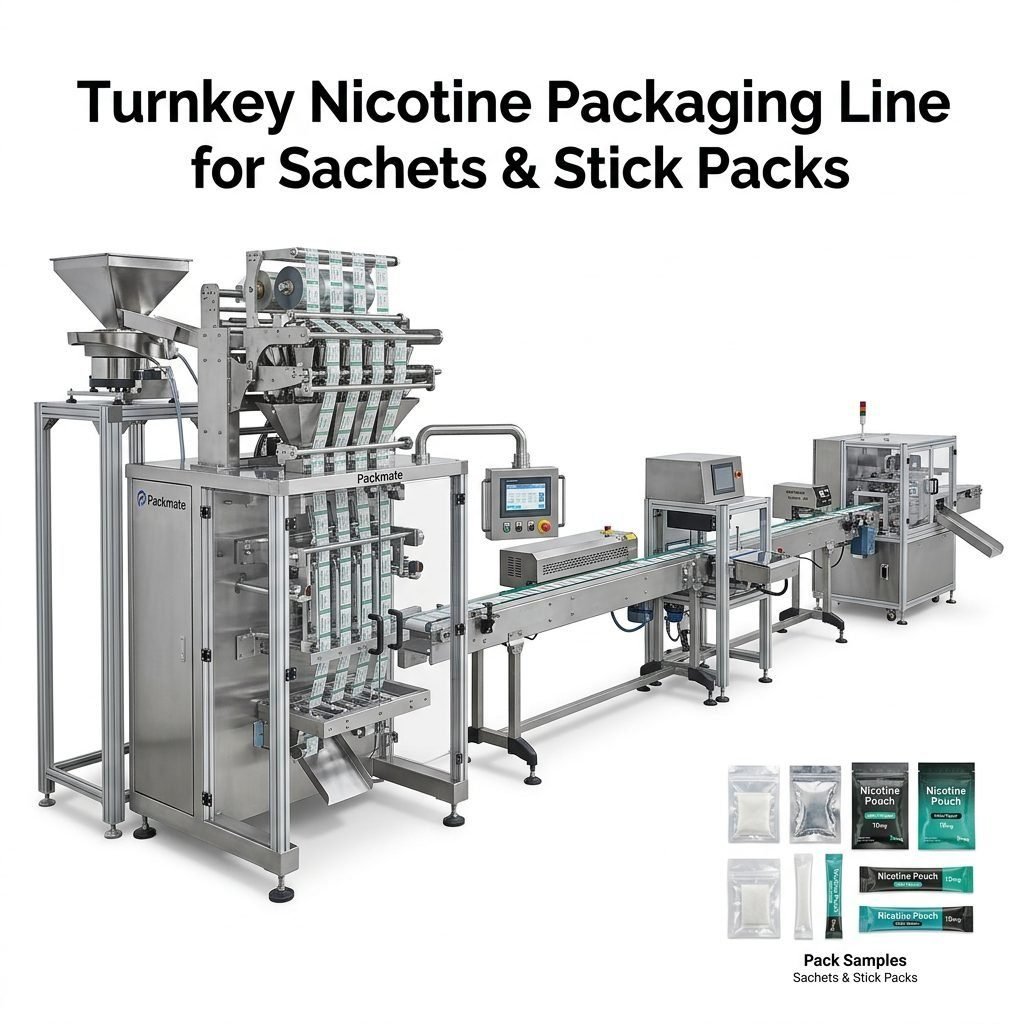
After successful trials, plan for spare machine lanes, modular upgrades, or additional multi-lane systems to increase capacity without lengthy requalification. Evaluate suppliers who offer turnkey solutions, including upstream weighing systems and downstream cartoning or case-packing lines — for example see their weighing & packaging systems and filling & packaging lines.
Why a Reputable Manufacturer Matters
Manufacturers with decades of experience and a large manufacturing footprint offer better engineering support, faster spare parts supply, and proven designs. When a supplier also participates in global exhibitions and provides detailed case studies, it demonstrates transparency and an ability to serve international markets reliably.
If you want to learn more about specific machine models, spare parts policies, or request a quotation, visit the supplier’s service and contact pages such as Service and Contact Us.
Quick decision checklist
Before signing a contract, make sure:
- The supplier demonstrated machine performance on similar products
- FAT protocol and acceptance criteria are agreed in writing
- Warranty, training and spare parts timeline are included
- Documentation is available in English (and Arabic if possible)
- Logistics, customs handling and local partner support are clarified
Closing Advice
Choosing a packaging machine supplier is as much about long-term partnership as it is about initial price. Prioritize quality, transparency, and after-sales support. A trusted supplier will help you navigate Saudi regulations, optimize packaging for the local market, and scale production reliably.
Frequently Asked Questions
Q: How important is CE/ISO certification when importing machines to Saudi Arabia?
A: CE and ISO certifications indicate the machine meets international safety and quality standards and can simplify regulatory review. However, you should also verify any local requirements or customs documentation specific to nicotine products.
Q: Can suppliers provide Arabic language support for manuals and HMI interfaces?
A: Many experienced suppliers can offer Arabic translations for manuals and may provide HMI language packs. Confirm this early in negotiations so operators in Saudi Arabia can work efficiently.
Q: What spare parts should I keep on hand for snus packaging lines?
A: Critical spares include sealing jaws, belts, sensors, servomotor components, and common wear knives or blades. Your supplier should provide a recommended spare parts list and stocking guidance.
Q: Is on-site commissioning necessary for complex multi-lane systems?
A: Yes. On-site commissioning, operator training, and process validation are essential to achieve target speeds and consistent product quality. Remote support can supplement but not fully replace in-person startup.
Q: Where can I see real-world examples of snus packaging lines?
A: Review supplier case studies and request videos or references. Many reputable manufacturers publish case pages and exhibition demonstrations that highlight installed lines and performance.