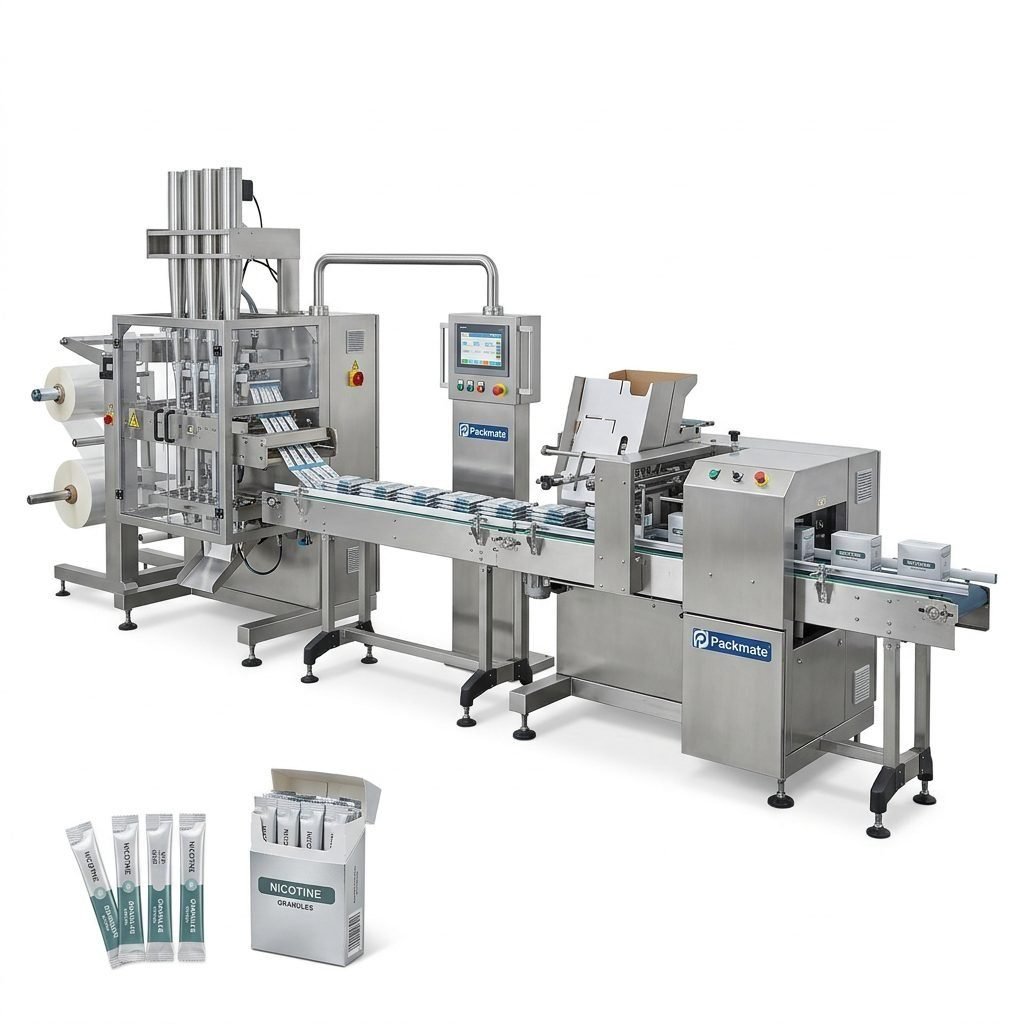
Entering the nicotine pouch and snus market in Guinea-Bissau requires careful selection of packaging machinery. Choosing the right manufacturer affects product quality, regulatory compliance, uptime, and return on investment. This guide walks you through practical, region-specific considerations to help small and medium enterprises, importers, and industrial partners in Guinea-Bissau select the best nicotine packaging machinery manufacturer for their business needs.
Why the right manufacturer matters in Guinea-Bissau 🚀
In Guinea-Bissau, logistics, local regulations, and market habits shape the success of a packaging investment. A trustworthy manufacturer delivers reliable equipment, clear documentation for customs, timely spare parts, and technical training in a language teams understand. Choosing poorly can lead to extended downtimes, hidden costs, and difficulties meeting local distribution demands.
Understand local market and cultural habits 🇬🇼
Portuguese is the official language in Guinea-Bissau, and French is commonly used in regional trade. Tobacco chewing and informal tobacco markets are familiar to many communities, but modern nicotine pouches and snus remain a niche product requiring consumer education and responsible marketing. When speaking with manufacturers, confirm that user manuals, training materials, and safety information can be provided in Portuguese or translated locally for worker safety and regulatory clarity.
Key machine types and production scale considerations ⚙️📦
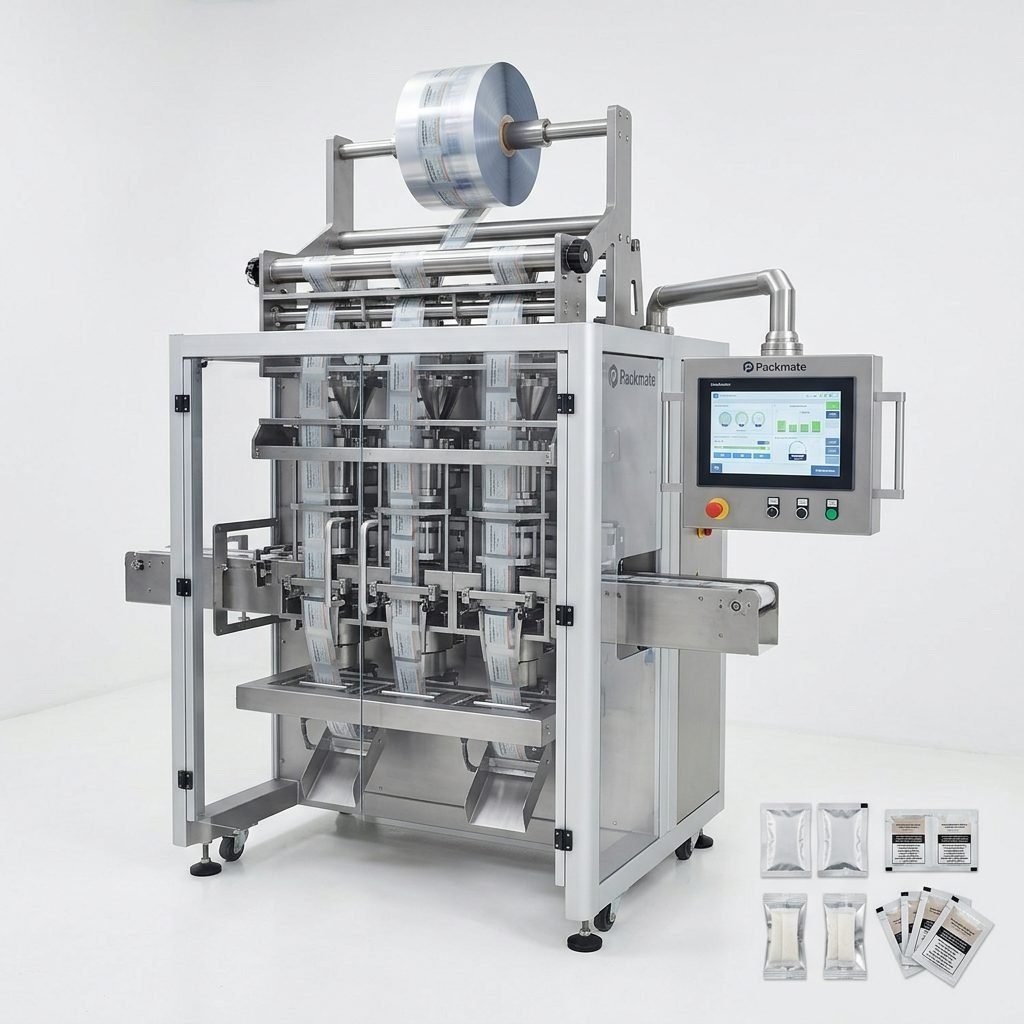
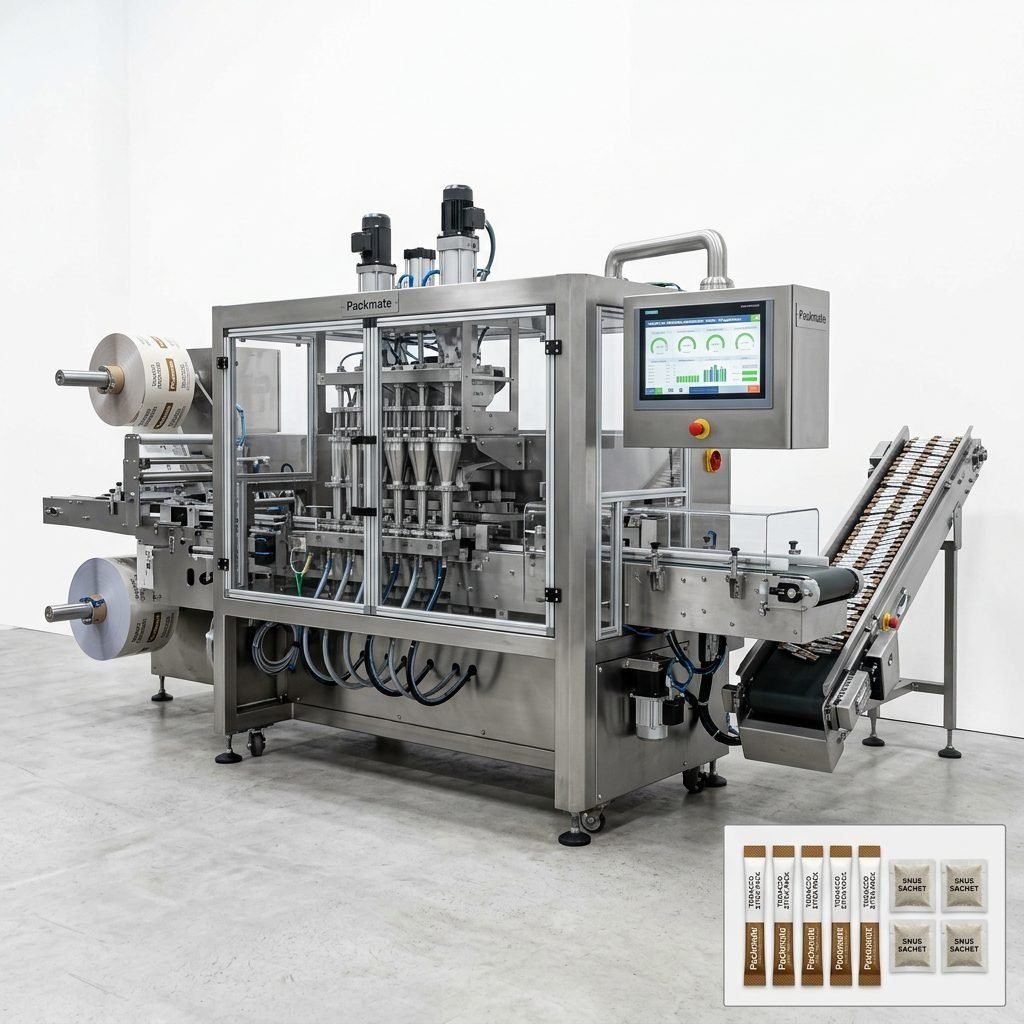
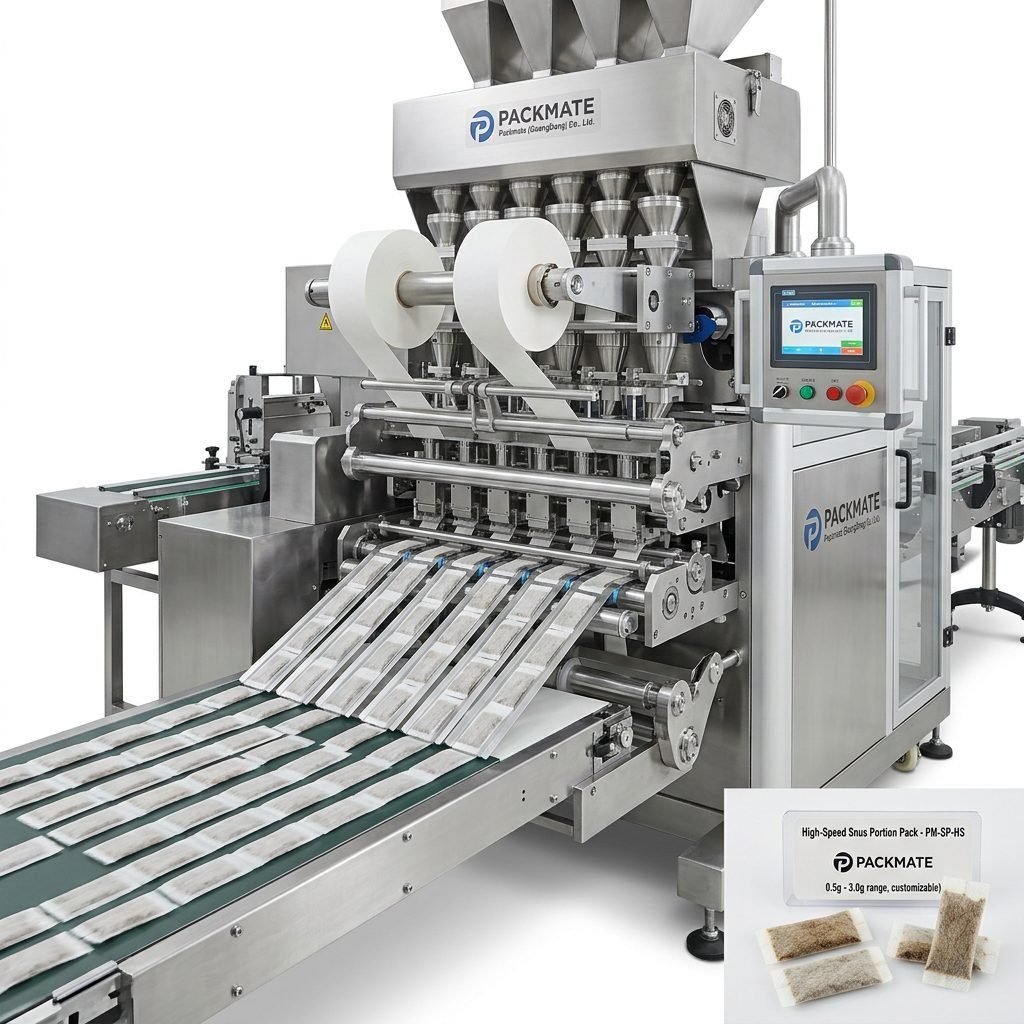
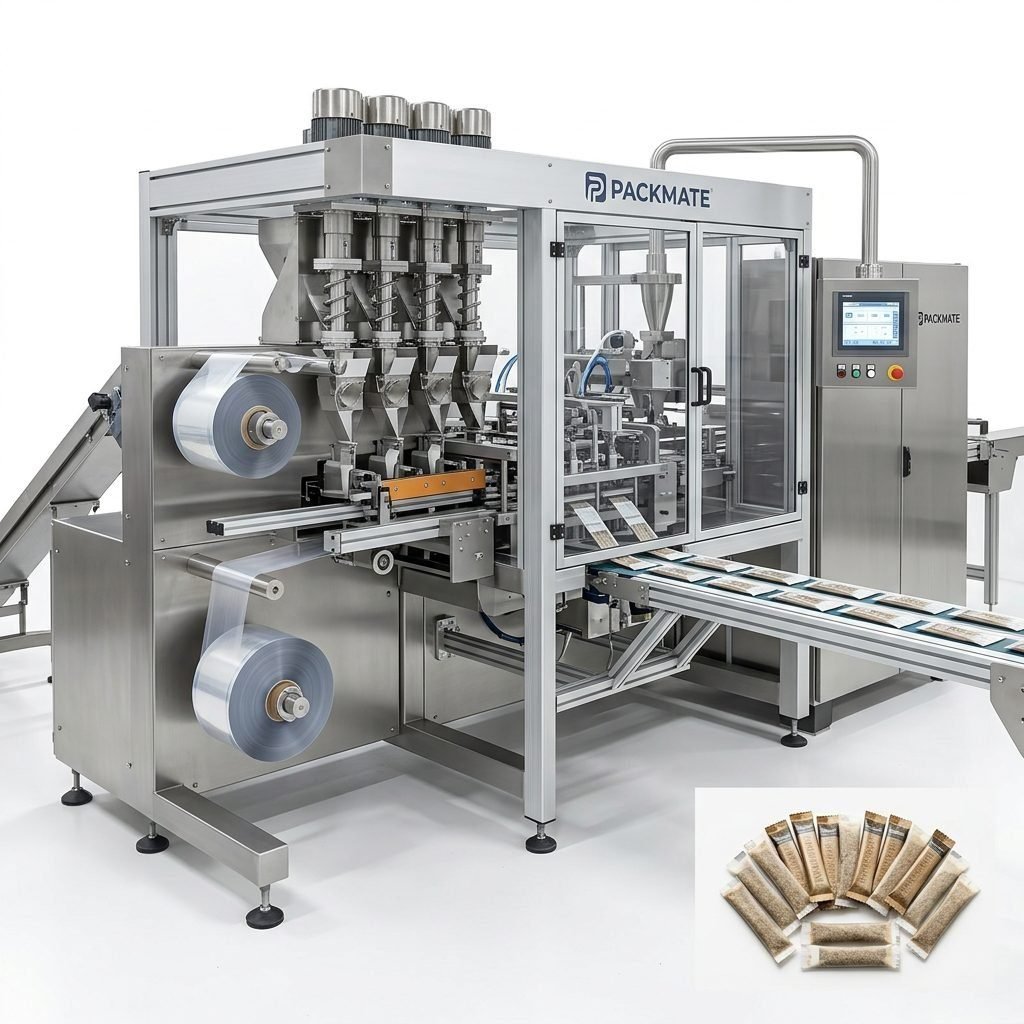
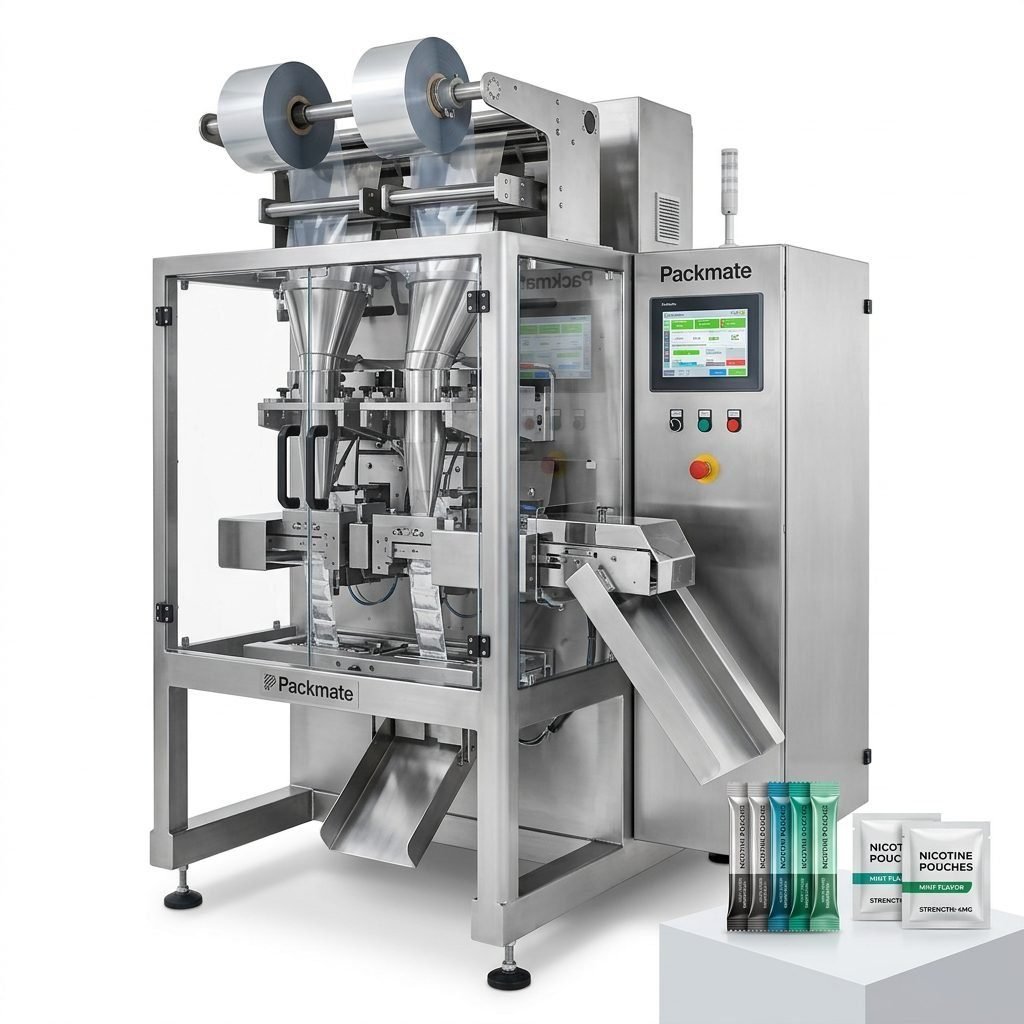
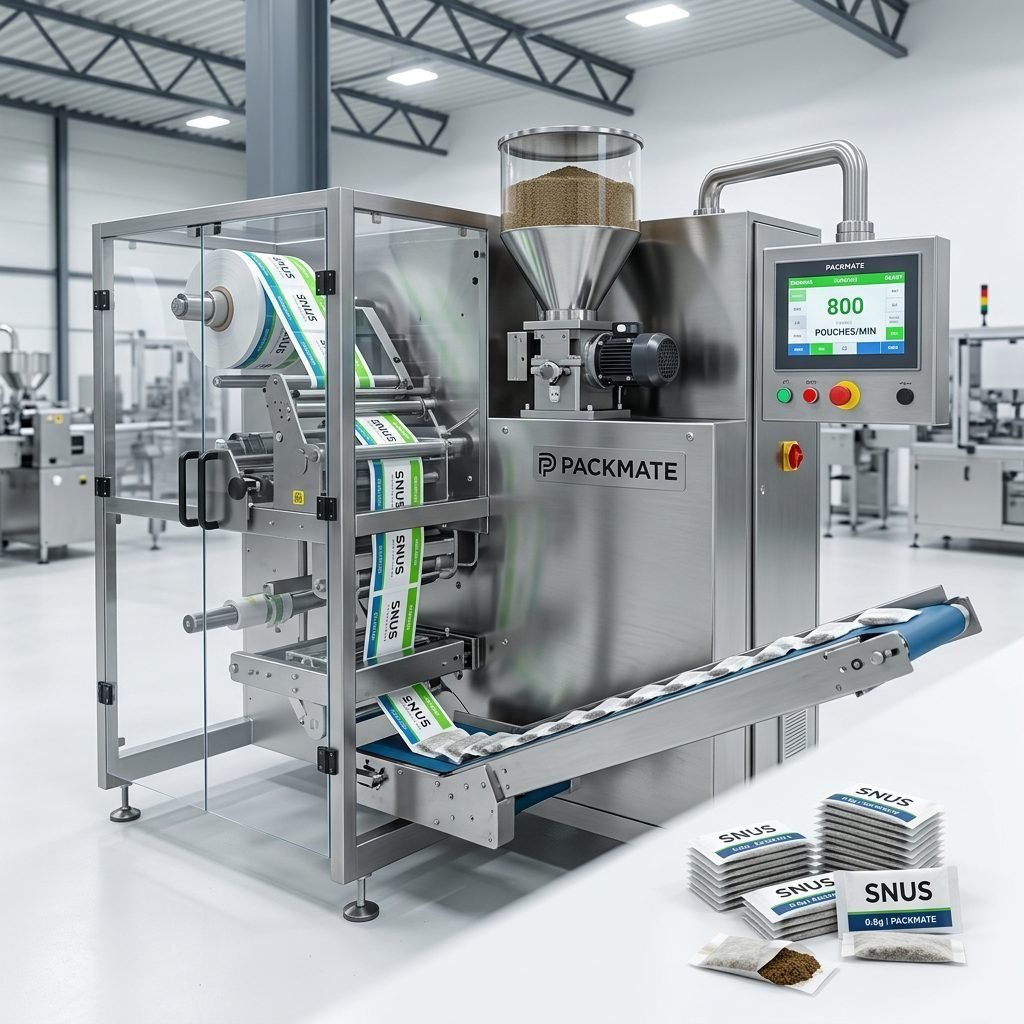
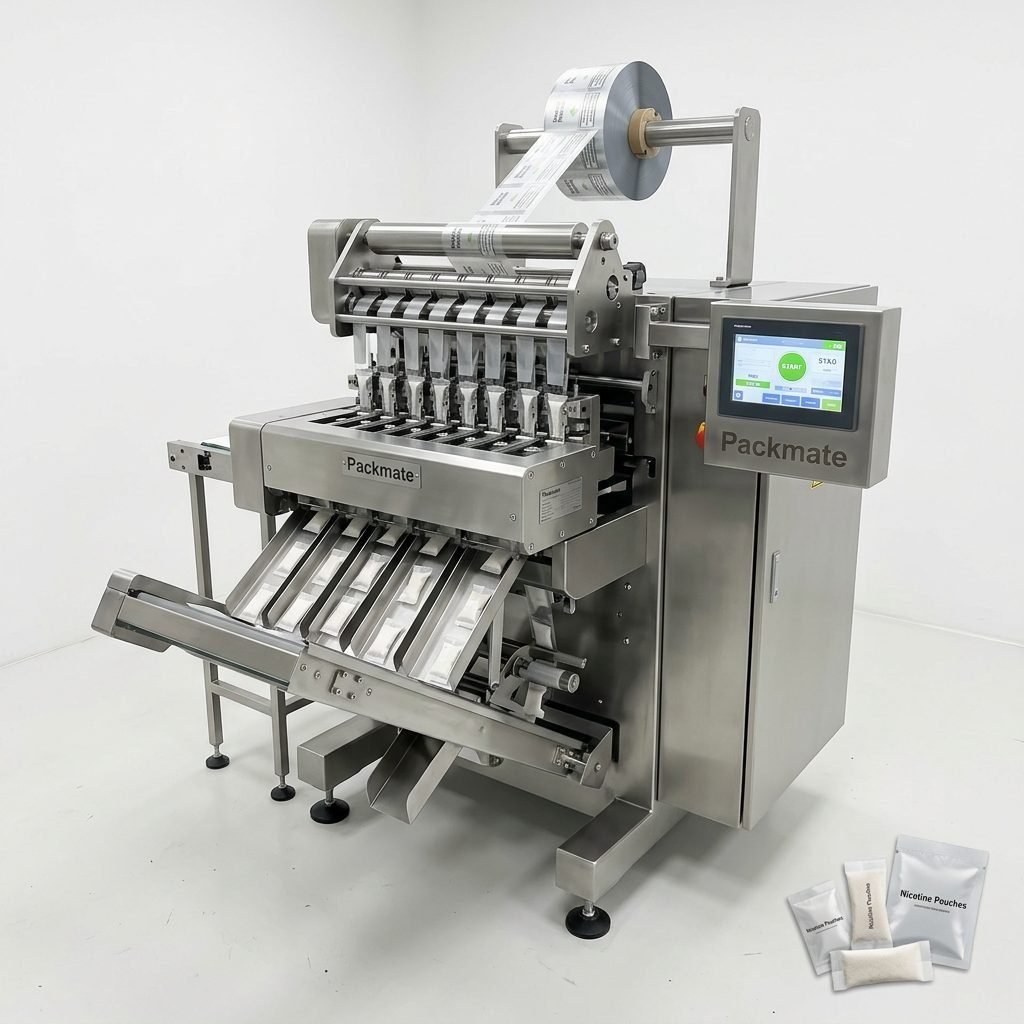
Manufacturers typically offer a range of solutions: single-lane sachet machines, stick pack systems, and high-speed multi-lane lines for small-dose nicotine pouches. Decide whether you need:
• Low-volume entry lines for pilot batches and local distribution.
• Mid-size semi-automatic lines for local retail channels.
• High-speed multi-lane packaging lines for export or regional distribution. Learn more about specialized equipment at Snus & Nicotine Packaging Machines and explore stick & sachet options at Sachet & Stick Pack Machines.
Technical specifications that matter most 🔍
When comparing manufacturers, evaluate these specs carefully:
• Production speed (packs/minute) and the ability to scale by adding lanes.
• Filling accuracy (important for nicotine dosage control).
• Machine hygiene design — full stainless-steel contact parts and easy-to-clean surfaces.
• Sealing technologies and materials compatibility for local pouch film suppliers.
Always request performance data and sample packs matched to your product formula and film to confirm sealing and dosing accuracy.
Factory capability, certifications and long-term reliability 🏭
A manufacturer with a strong factory footprint and international certifications reduces risk. Check for:
• Years of engineering experience and model variety. For example, manufacturers with 30+ years and 50+ machine models can typically offer better customization and proven designs.
• ISO and CE compliance — vital for safety and export clearance. See company credentials at Certificate and company background at About Packmate.
Ask for a factory brochure, photos of machining centers and assembly lines, and evidence of quality control processes.
✅ Quick checklist before you commit:
• Request FAT (Factory Acceptance Test) videos or live demo.
• Confirm spare parts list and local stocking options.
• Verify electrics: most machines use 220V 50Hz — match local supply or plan for transformers.
After-sales service, spare parts and training 🛠️
After-sales support is as important as the machine itself. Confirm the manufacturer’s policy on:
• Spare parts lead times and availability — stocking a critical parts kit locally saves weeks.
• Remote troubleshooting capability (video guidance, PLC remote access).
• On-site installation, commissioning, and operator training in Portuguese or with a translator.
Prefer manufacturers offering extended warranties and training packages. Ask for references from customers with similar production profiles.
Turnkey solutions and integration with auxiliary equipment 🔗
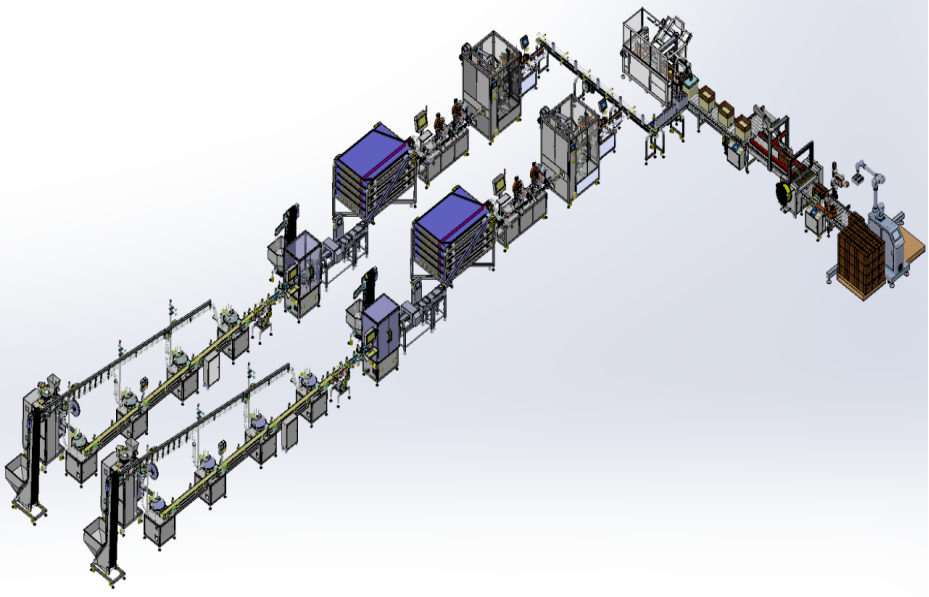
If you plan to build a complete production line, choose a supplier that can integrate weighing, filling, and auxiliary equipment. This reduces compatibility risk and simplifies commissioning. Explore integrated lines such as Filling & Packaging Lines and Weighing & Packaging Systems.
Logistics, customs and local compliance 📦🚢
Plan shipping and customs carefully. Consider:
• Port of entry — Port of Bissau handles container imports; check local clearance timelines and bonded warehousing options.
• Complete documentation — commercial invoice, packing list, machine manuals, CE/ISO certificates and any hazardous materials declarations for lubricants or batteries.
• Electrical converters and environmental protections — Guinea-Bissau’s climate is warm and humid; select machines with corrosion-resistant coatings and ensure storage in climate-controlled conditions where possible.
Work with freight forwarders experienced in West African imports to avoid common delays.
Cost breakdown and ROI considerations 💰
Evaluate total cost of ownership, not just the purchase price. Include:
• Freight, import duties and local installation costs.
• Spare parts, consumables (seals, films), and scheduled maintenance.
• Expected uptime and the impact on production targets — higher initial investment in quality machines often yields faster ROI through fewer stoppages and better yields.
Request a sample ROI calculation from each manufacturer based on your target daily throughput.
How to evaluate and shortlist manufacturers — a pragmatic checklist ✔️
• Factory visit or virtual tour: inspect CNC centers, assembly lines, and testing areas.
• Customer references: ask for contacts in similar climates or markets and inspect delivered product samples.
• After-sales network: check whether the manufacturer has regional partners or can ship parts quickly.
• Contract clarity: delivery dates, warranty terms, spare parts price list, and acceptance criteria.
Manufacturers that provide complete documentation and can demonstrate multi-year global cooperation cases are preferable — see real-world examples at Case.
Common red flags to avoid ❗
• Vague promises about lead times or unclear warranty coverage.
• No FAT or refusal to provide machine test videos with your product.
• Hidden fees for critical spare parts or a lack of documented spare parts lists.
Example pathway: buying from an experienced manufacturer like Packmate 🧭
An experienced supplier provides clear steps: technical consultation, proposal, FAT, shipping & customs support, on-site commissioning, and training. If you want to explore a manufacturer with industry focus, global exhibitions, and turnkey offerings, check About Packmate and contact them through Contact Us to request tailored proposals or schedule a demonstration. Also consider visiting their exhibition calendar at Our Exhibition to witness live demos.
Final tips for success in Guinea-Bissau ✔️
• Prioritize manufacturers that speak your language or provide localized documentation.
• Start with a pilot line to validate product formats and consumer acceptance before scaling.
• Build relationships with local distribution and regulatory advisors to secure long-term market access.
Making the right choice of nicotine packaging machinery manufacturer will help you control product quality, reduce operational risks, and build a sustainable business in Guinea-Bissau. Focus on proven technical capability, strong after-sales support, clear documentation, and a partner willing to work through local logistics and language needs.
Frequently Asked Questions (FAQs)
Q1: What certifications should I ask a packaging machine supplier for?
A1: Ask for ISO quality management certificates and CE compliance for electrical and safety standards. Also request calibration certificates for weighing systems and any food-contact material declarations.
Q2: How long does it take to receive and install a typical snus packaging line in Guinea-Bissau?
A2: Lead time varies by model and customization; basic machines may ship in 8–12 weeks, while complex turnkey lines can take 12–20+ weeks including FAT, shipping, customs clearance, and on-site commissioning.
Q3: Can manufacturers provide operator training in Portuguese?
A3: Many experienced manufacturers offer training in multiple languages or will provide translated manuals. Confirm language options before purchase and arrange for a translator if necessary.
Q4: What spare parts should I keep in stock locally?
A4: Keep critical consumables and wear parts: sealing elements, cutting blades, belts, sensors, and a basic PLC spare. Discuss a recommended parts kit with the supplier.
Q5: Where can I see machine examples and case studies?
A5: Review real project examples and machine portfolios provided by established suppliers — for instance, explore supplier case references and product categories available via the manufacturer’s website.