Choosing the right snus packaging machine manufacturer in the Philippines is a decision that can make or break your production efficiency, product quality, and long-term profitability. This guide walks you through the practical steps and key criteria to evaluate manufacturers, helping you select a supplier who delivers reliable machines, strong after-sales support, and measurable return on investment for your nicotine pouch or snus business.
Why the right manufacturer matters 🏭
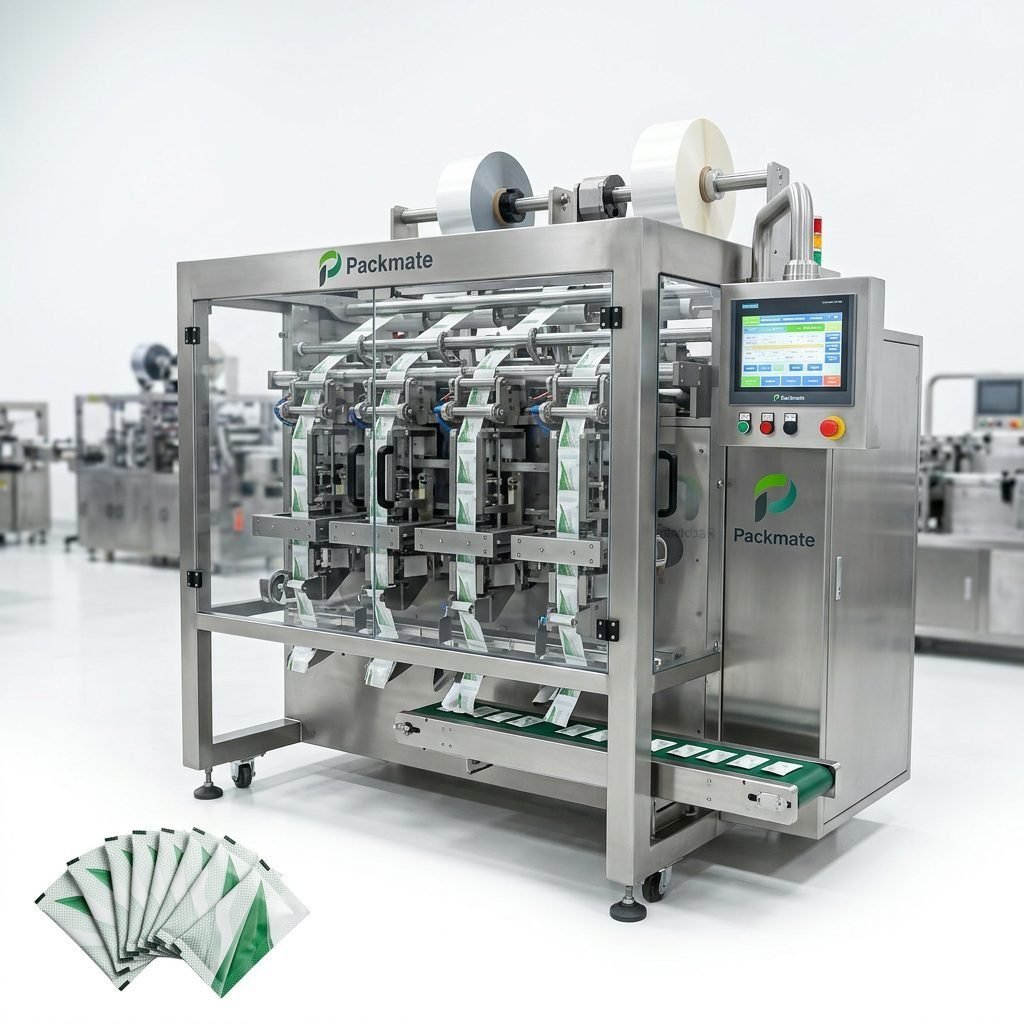
A high-quality snus packaging machine is not just a piece of equipment — it is a core component of your product’s market competitiveness. The right machine ensures consistent pouch weight, excellent seal integrity, minimal downtime, and compliance with local and international safety standards. Look for manufacturers that pair engineering depth with proven packaging designs for nicotine pouches, multi-lane production, and automated lines.
Quick reference: what top manufacturers offer
✅ Industry-grade machines with CE / ISO compliance
✅ Multiple machine models (stick pack, sachet, multi-lane snus machines)
✅ Turnkey packaging line integration and automation
✅ Strong factory capabilities (CNC machining, precision assembly)
✅ Global references and after-sales service
Understand your production needs first 🔎
Before contacting suppliers, define your production profile in detail: expected daily output, number of pouch lanes, pouch weight range, product forms (powder, granules, liquid, or tobacco-based), and desired level of automation. These inputs determine the appropriate machine type — single-lane sachet/stick pack machines for small runs or high-speed multi-lane systems for large volumes.
Key production questions to answer
• What is your target throughput (pouches per minute/hour/day)?
• How many lanes do you need today and in the future?
• Do you require dosing systems for powder or liquid filling?
• Is integrated weighing, metal detection, or packaging downstream required?
Machine types and how they match your business ⚙️
Manufacturers typically offer a range of machines. Understand which machine family fits your product:
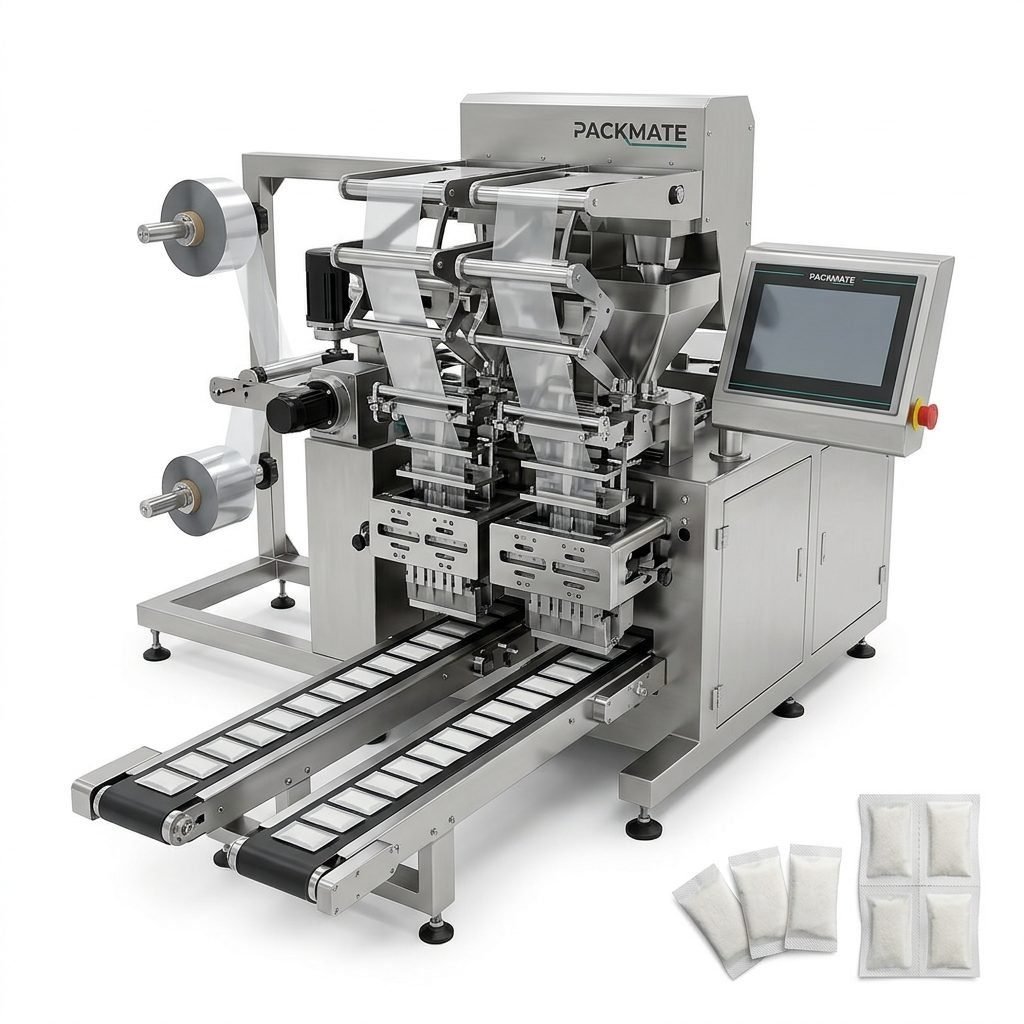
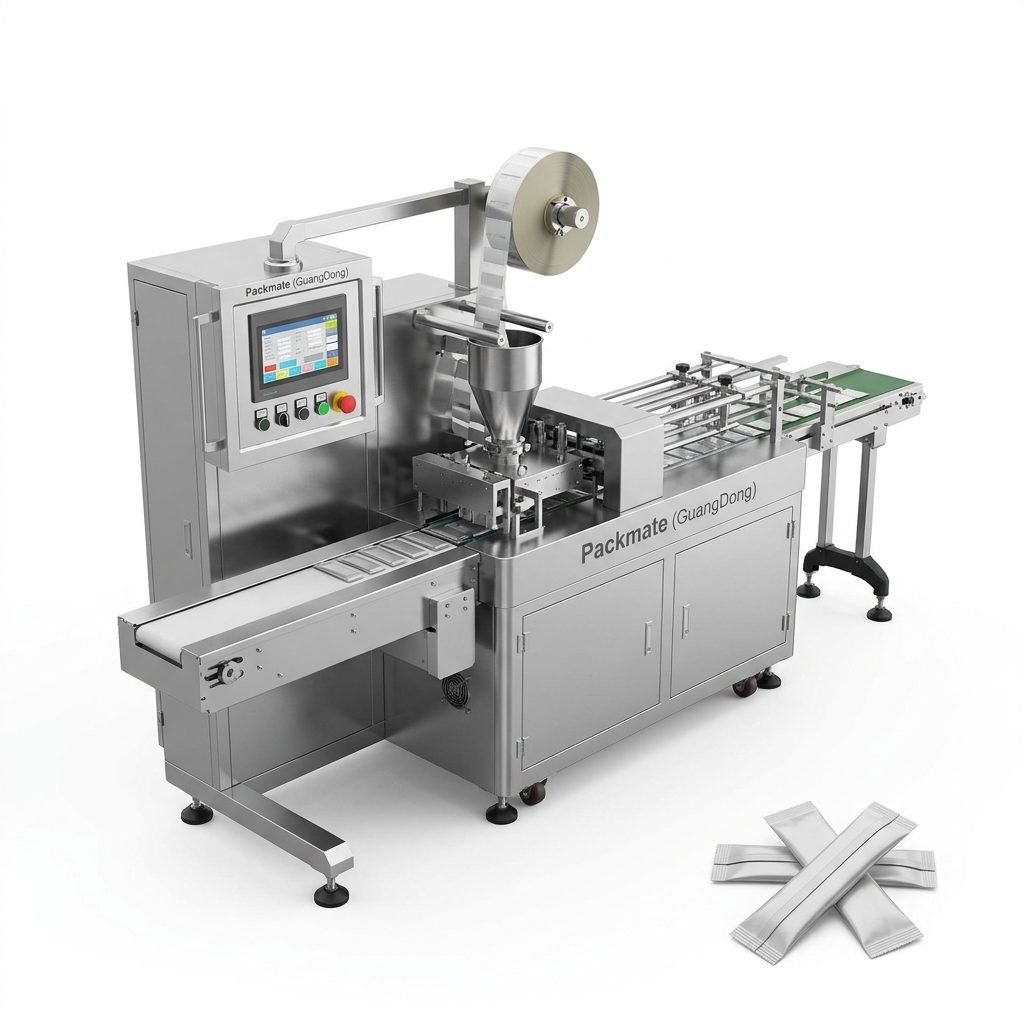
Sachet & Stick Pack Machines — good for single-serve sticks and sealed sachets; versatile and often lower capex for small to medium production. See models here: Sachet & Stick Pack Machines.
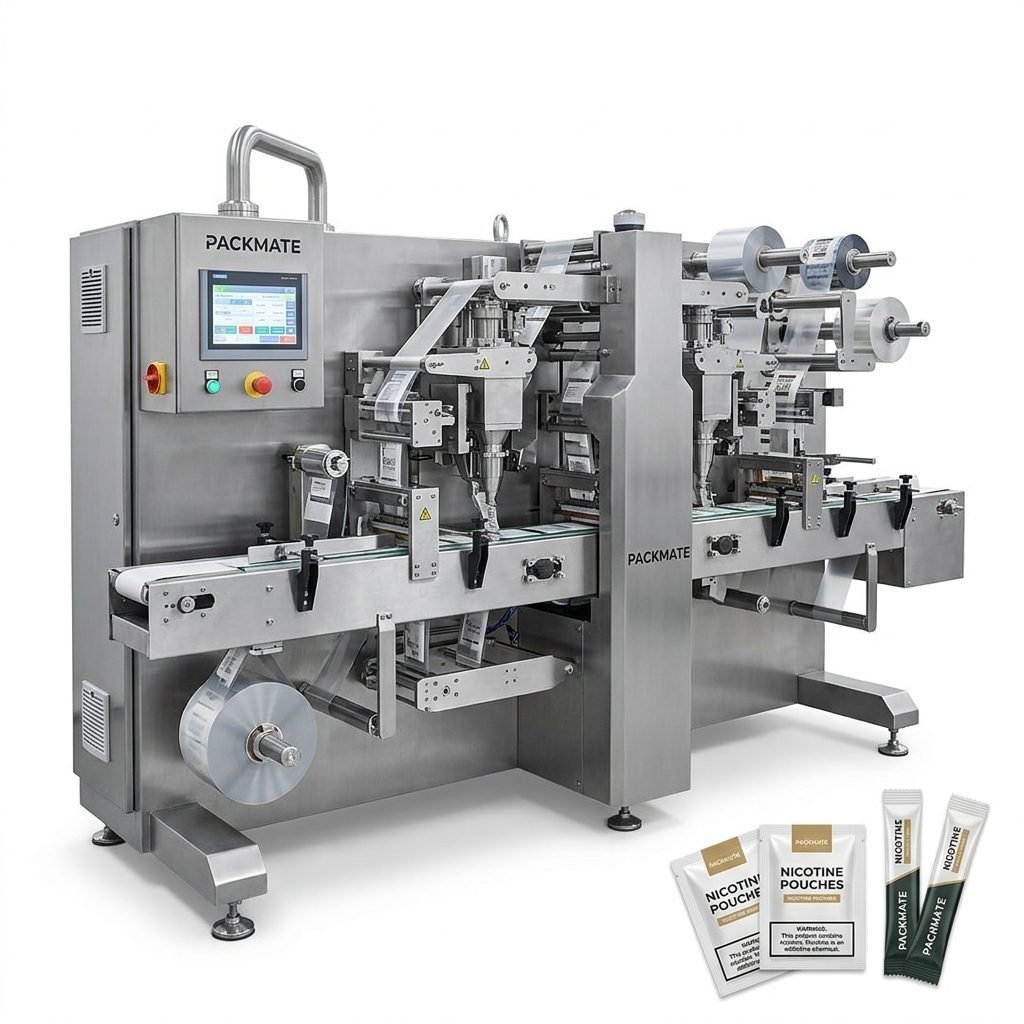
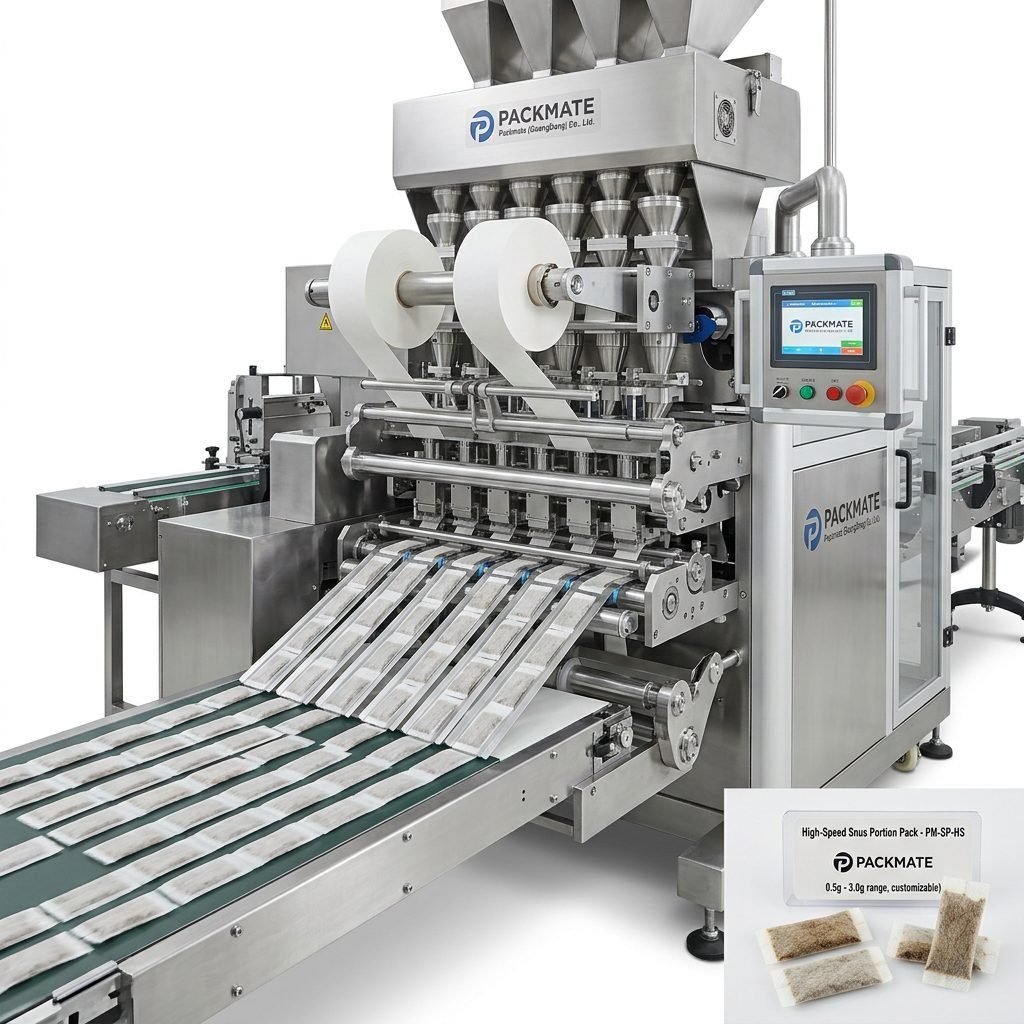
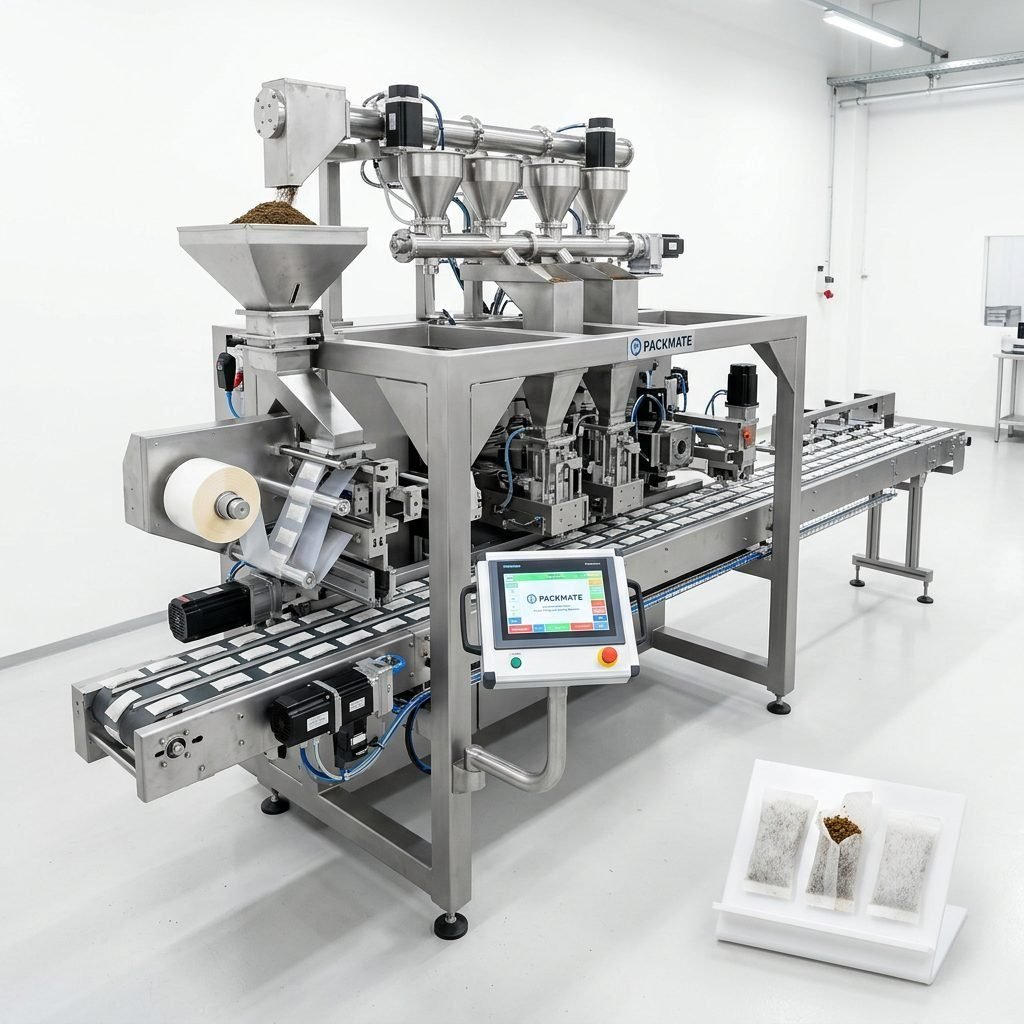
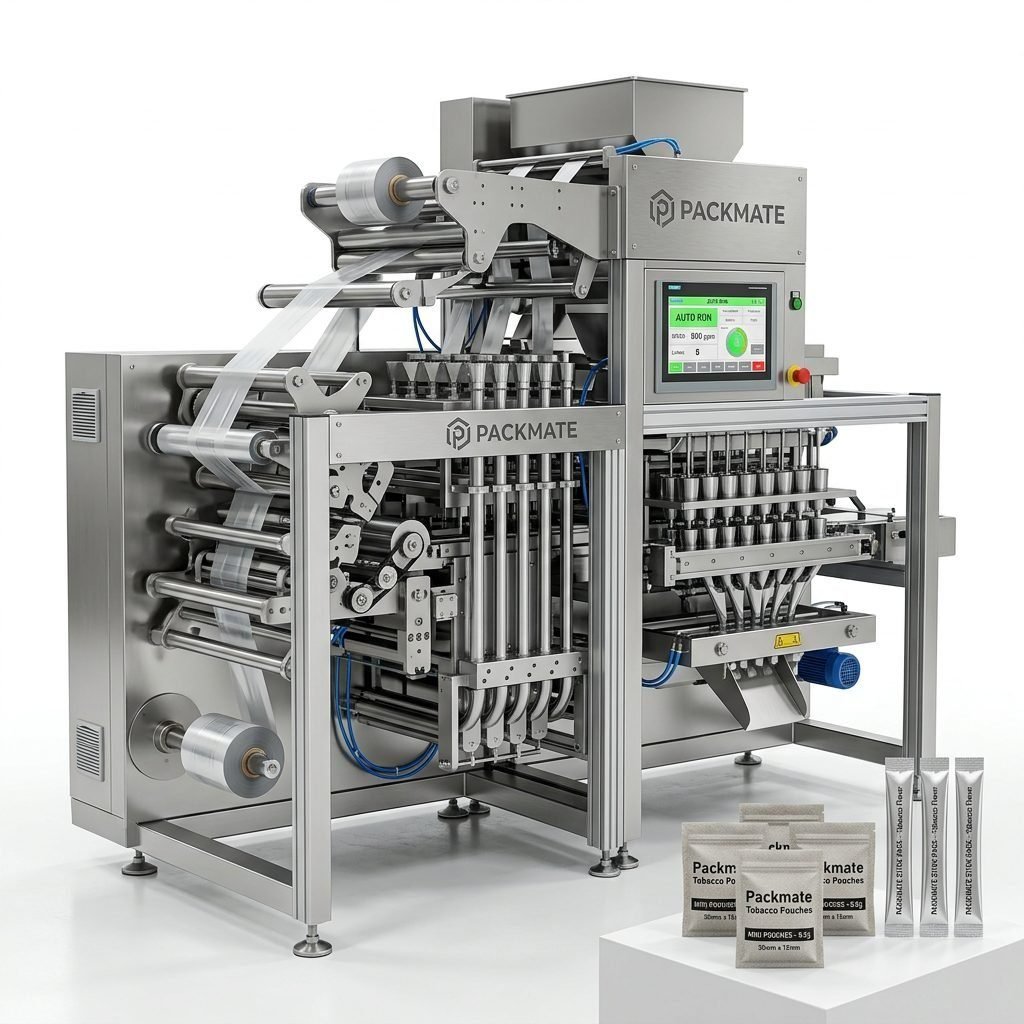
Snus & Nicotine Packaging Machines — designed specifically for nicotine pouches and snus formats, with precise dosing and pouch forming for small-dose products. Check options here: Snus & Nicotine Packaging Machines.
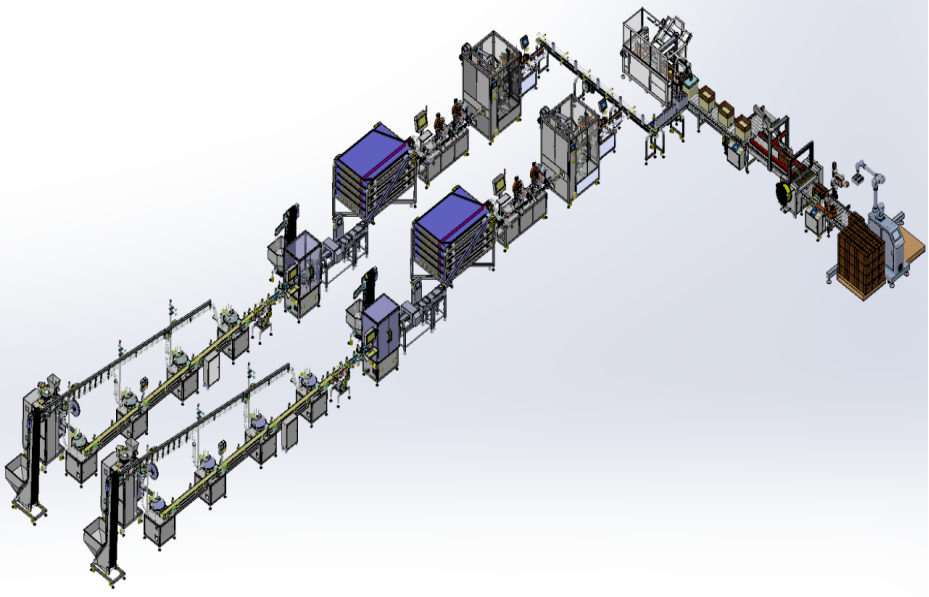
Multi-lane Systems — required when you need high throughput with multiple synchronized lanes. These systems provide fast ROI at scale.
Evaluate manufacturer capability and credentials ✅
A supplier’s credentials reveal their ability to deliver reliable equipment and support. When evaluating manufacturers, verify:
🏭 Factory scale and workshop capabilities (advanced CNC, precision assembly lines) — these reduce lead time and improve machine accuracy.
📜 Certifications and compliance (CE, ISO) — ensure safety and export readiness.
📁 Product range (50+ machine models indicates flexibility).
🔧 Technical staff and R&D experience (30+ years is a strong indicator of engineering maturity).
Red flags to watch for
• No factory photos or workshop details
• Lack of references, case studies, or exhibition presence
• Poor documentation, unclear warranty terms
• Unwillingness to provide testing videos or live demonstrations
Quality, testing, and standards 🔒
Quality assurance is central. Ask manufacturers about their testing procedures: pre-delivery run tests, product trial runs with your materials, and inspection reports. Confirm they comply with international equipment standards (for example CE and ISO). Packmate Snus Machine, for instance, highlights CE and ISO compliance and delivers machines after strict quality testing.
After-sales service and spare parts support 📞
After-sales service is often the differentiator. Important service elements:
🔧 Clear warranty terms and response time commitments
📦 Readily available spare parts and local stocking options
🖥 Remote support capability (video troubleshooting, PLC access)
🧰 Training for onsite technicians and operators
🌍 Global support network or partner agents in the Philippines — ask if the manufacturer has local partners or provides remote commissioning.
Cost vs. value: evaluating ROI 💡
Don’t focus solely on the lowest purchase price. Consider total cost of ownership (TCO): uptime, energy consumption, consumables, spare parts costs, and production yield. A higher-quality machine often yields lower waste, fewer stoppages, and longer service life, producing a superior ROI over time.
Negotiation and procurement tips
• Ask for a clear breakdown: machine price, shipping, installation, training, spare parts kit, acceptance tests.
• Request an on-site or factory acceptance test (FAT) with your material.
• Include spare parts and warranty conditions in the contract.
• Negotiate phased payments linked to milestones (design approval, FAT, shipping, installation).
Verify references and real-world cases 📦
A reputable manufacturer should provide customer references and case studies that demonstrate their machines in real production environments. Review video demonstrations, factory tours, and customer testimonials. Explore case studies to see how the supplier solves common issues and supports scaling operations. A helpful source: Case.
Customization and turnkey solutions 🔄
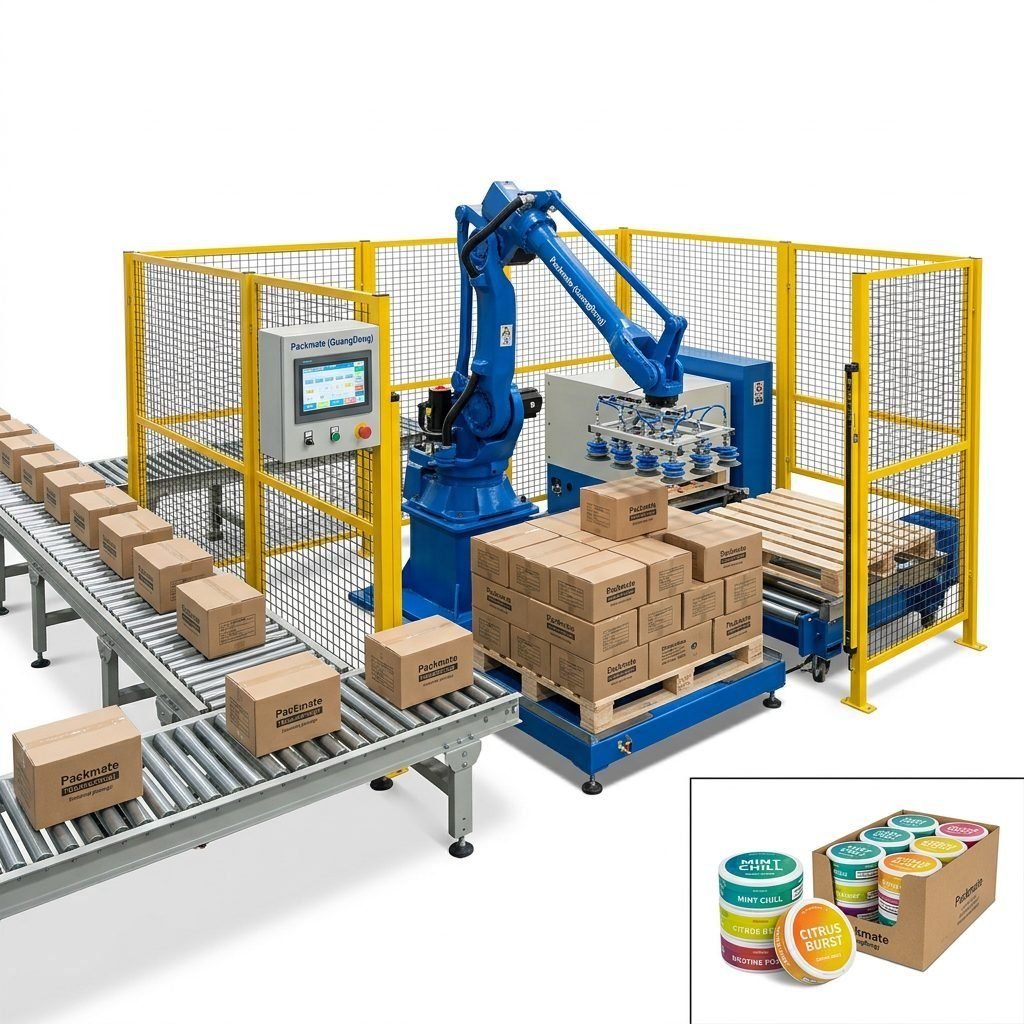
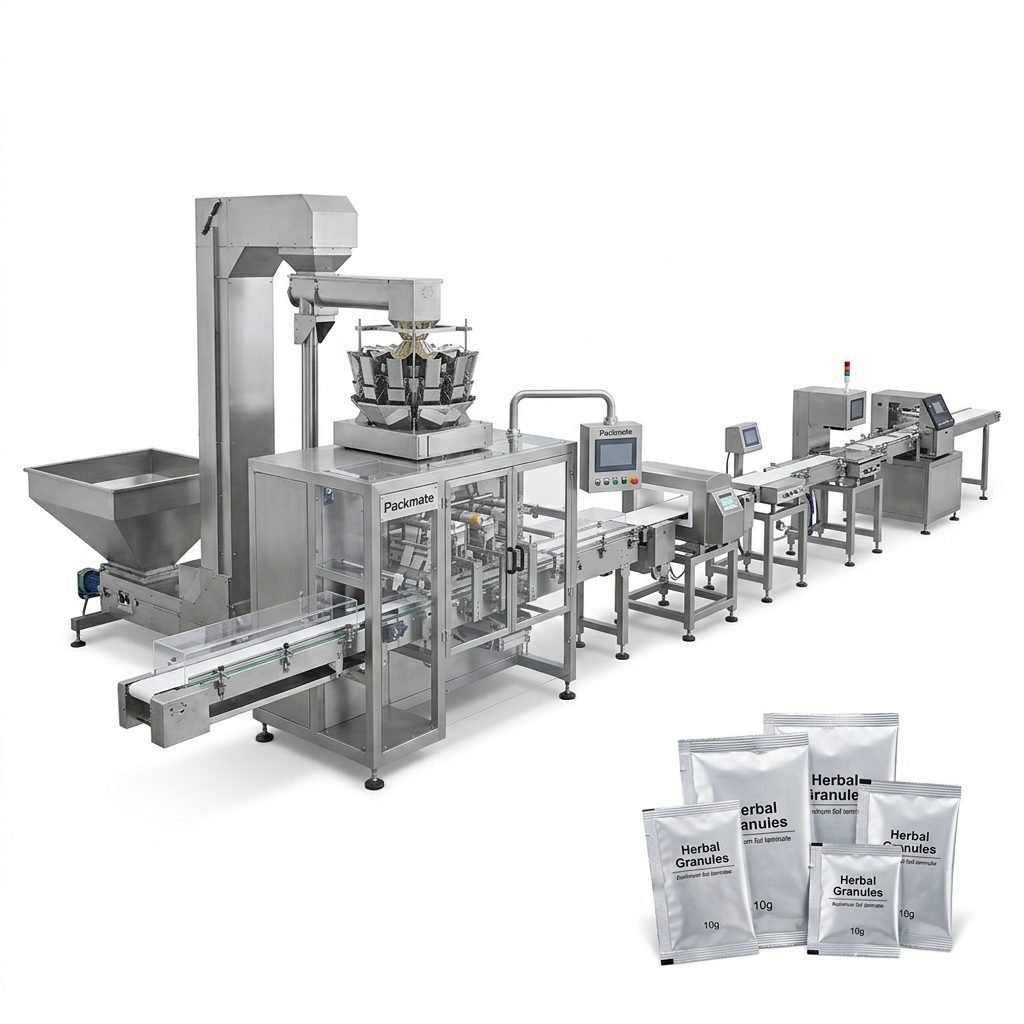
Your packaging line may require custom solutions: special pouch shapes, multi-lane synchronization, integrated weighing, or customized feeding systems. Top manufacturers offer customization and full packaging lines. If you need turnkey integration, check the supplier’s experience with full lines including conveying, weighing, and secondary packaging. See product families and integration modules here: Filling & Packaging Lines and Weighing & Packaging Systems.
Factory visit checklist 🧾
If possible, arrange a factory visit. Key things to inspect:
🏭 Production workshops and CNC departments
🔍 Quality control and testing labs
📦 Finished machines and test run videos
👥 Engineering and after-sales teams
📄 Certificates, inspection reports and FAT documentation
Logistics, installation and commissioning 🚚
Clarify delivery schedules, shipping terms (INCOTERMS), customs support, and local installation responsibilities. Confirm that the manufacturer provides commissioning support — remote or onsite — and initial operator training. If needed, ensure they handle machine layout, electrical integration, and local compliance details.
Local compliance and documentation
Ensure the machine’s documentation includes CE/ISO certificates, wiring diagrams, PLC programs, spare parts lists, and user manuals in English. For export to the Philippines, confirm any local import regulations and required documentation to avoid delays.
Why consider Packmate Snus Machine as a supplier?
Packmate Snus Machine has over 30 years of engineering experience, a 20,000㎡ manufacturing facility equipped with advanced CNC machining, and offers more than 50 machine models including specialized snus and nicotine packaging machines. Their product portfolio covers snus/nicotine packaging, sachet & stick pack machines, and integrated filling and weighing lines. Learn more about the company at: About Packmate.
Final checklist before you decide ✔️
• Defined production requirements and growth plan
• Factory credentials, certifications, and references verified
• FAT with your materials completed and accepted
• Clear warranty, spare parts availability, and training plan
• Total cost of ownership and ROI calculation reviewed
Conclusion
Selecting the best snus packaging machine manufacturer in the Philippines requires balancing technical fit, manufacturing capability, and after-sales service. Prioritize manufacturers with proven engineering experience, transparent testing procedures, complete documentation, and strong service commitments. With careful evaluation — from production specification through factory testing and commissioning — you can secure a packaging partner that supports your growth and ensures consistent product quality.
Frequently Asked Questions (FAQs)
Q1: What documents should a reputable manufacturer provide?
A reputable manufacturer will provide machine specifications, CE/ISO certificates, FAT reports, wiring and PLC diagrams, spare parts lists, user manuals in English, and warranty terms. They should also offer references or case studies from similar projects.
Q2: How important is a factory acceptance test (FAT)?
FAT is critical — it verifies machine performance with your product before shipping. It reduces the risk of surprises during installation and provides a documented baseline for acceptance criteria and future support.
Q3: Should I prioritize lowest price or long-term reliability?
Prioritize long-term reliability. Lower initial cost can lead to higher downtime, higher maintenance costs, and shorter machine life. Evaluate total cost of ownership (TCO), including uptime, spare parts, and service.
Q4: How many spare parts should I order with the machine?
Order a basic spare parts kit (belts, sensors, sealing jaws, PLC backup, bearings) to cover initial commissioning and the first months of operation. Confirm lead times for additional parts and whether local stocking is available.
Q5: Where can I see product and line examples?
You can review product families and line options on the manufacturer’s product pages, for example Bag & Pouch Packaging Machines and Auxiliary Packaging Equipment. For direct inquiries, use the Contact Us page to request tailored proposals and factory tours.