Choosing the right nicotine packaging machinery manufacturer in Latvia can be a decisive factor for your business success — from product quality and regulatory compliance to production efficiency and long-term service. This guide walks you through practical steps, local considerations, and key questions to ask suppliers so you can make an informed decision that matches the Latvian market and your company’s growth plan.
Why selecting the right manufacturer matters
In a competitive market, packaging machines are more than metal and motors — they determine uptime, product consistency, and the ability to adapt to regulatory changes. For nicotine pouches and snus, precise dosing, hygienic design, and reliable sealing directly affect product safety and customer trust. Choosing a vendor with proven experience can reduce downtime, lower waste, and accelerate time-to-market.
Top impact areas:
✅ Production stability
✅ Regulatory compliance
✅ After-sales support
Key selection criteria for nicotine packaging machinery
When vetting manufacturers — whether local EU partners or overseas suppliers supplying to Latvia — evaluate these core areas thoroughly.
1. Product types and machine flexibility
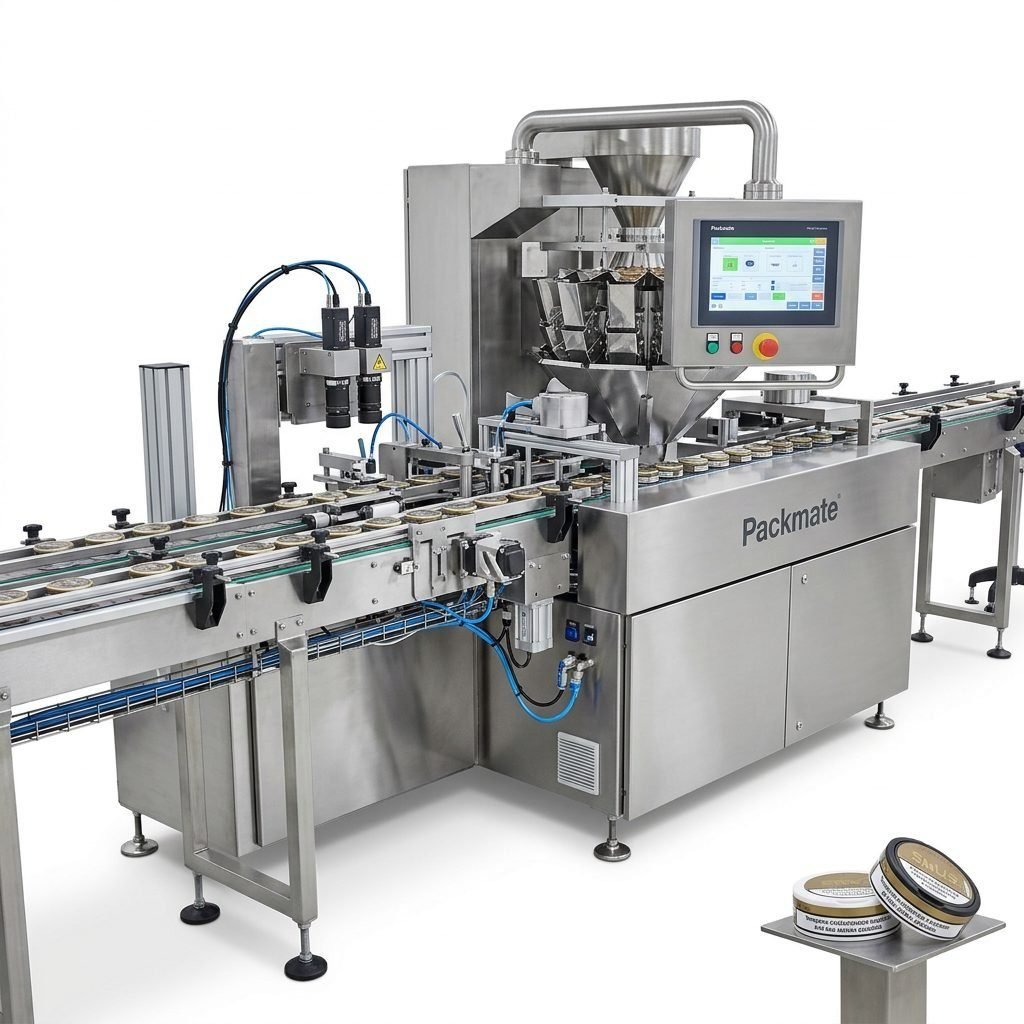
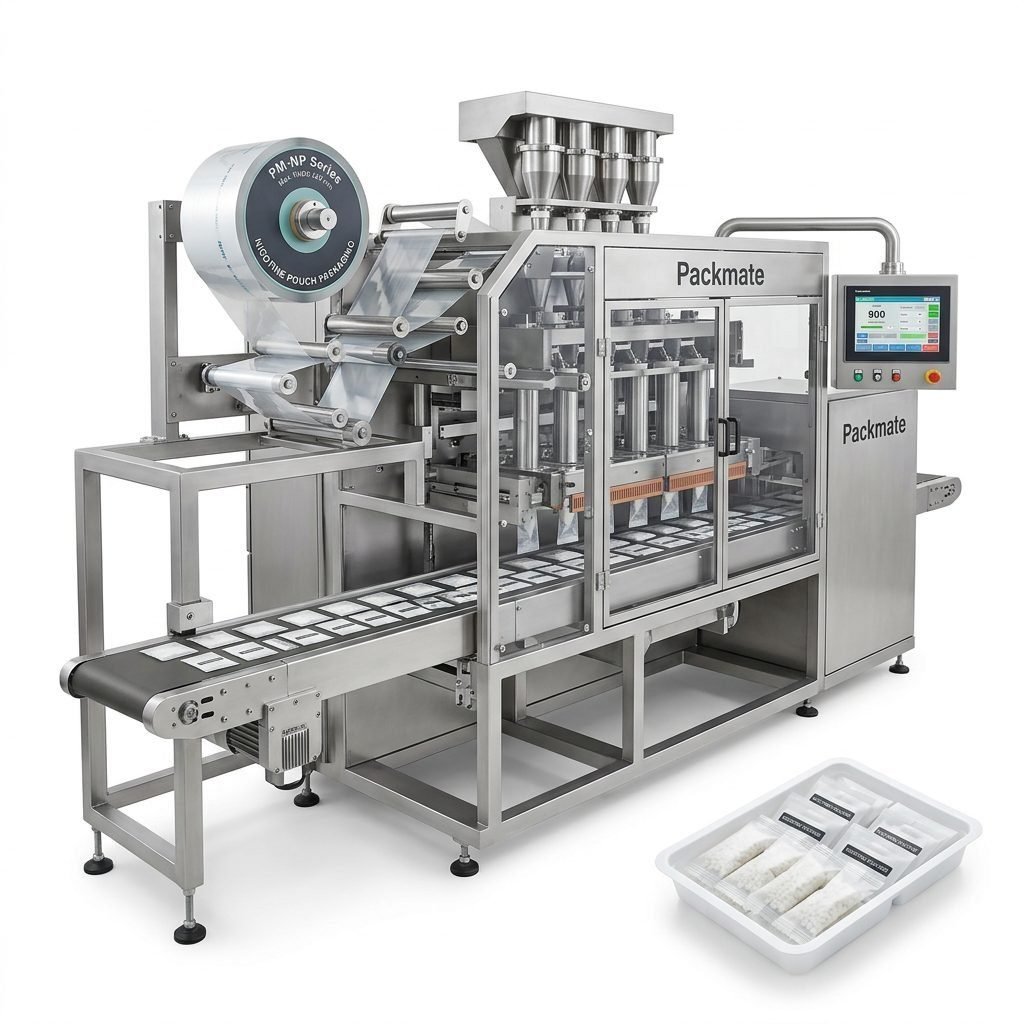
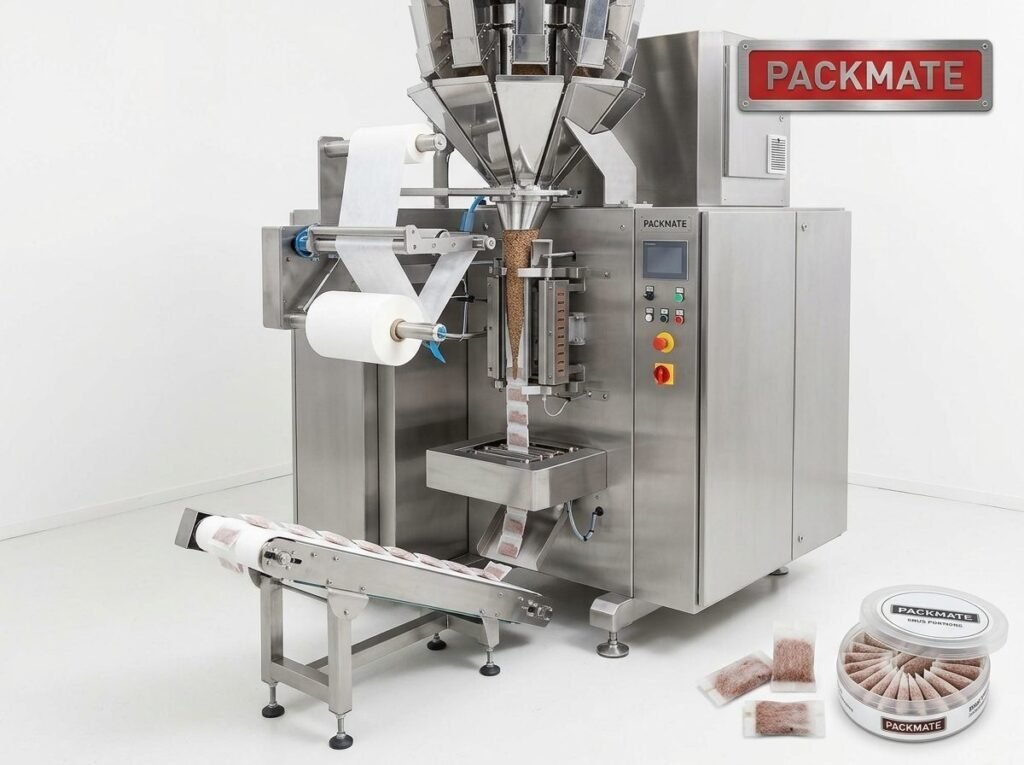
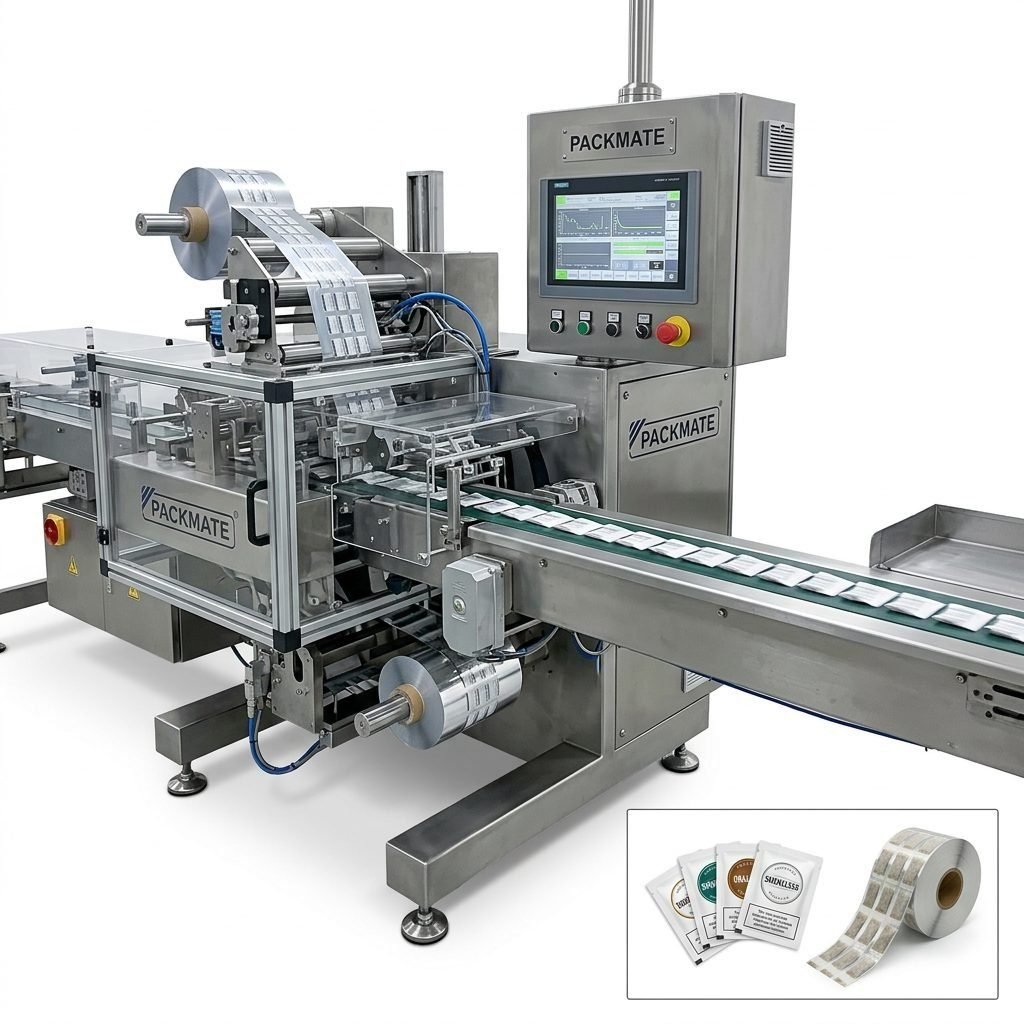
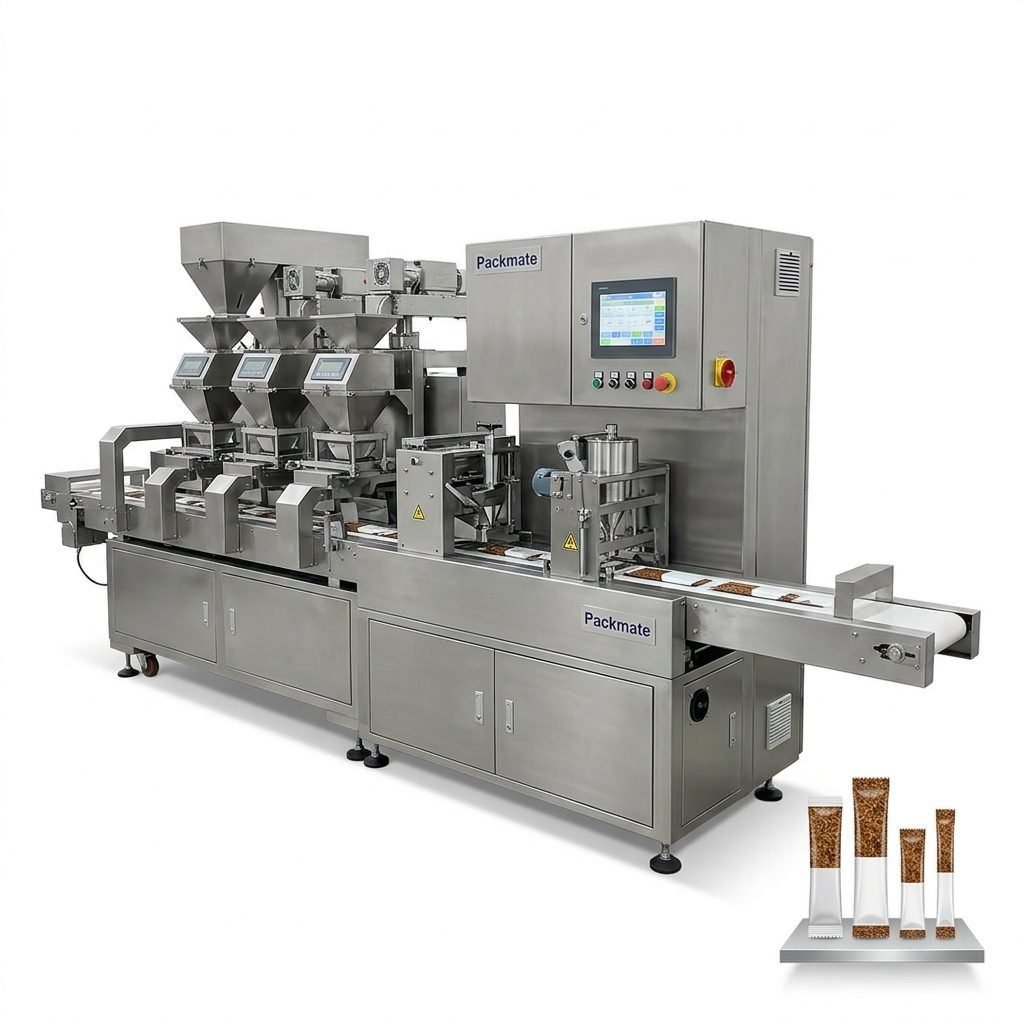
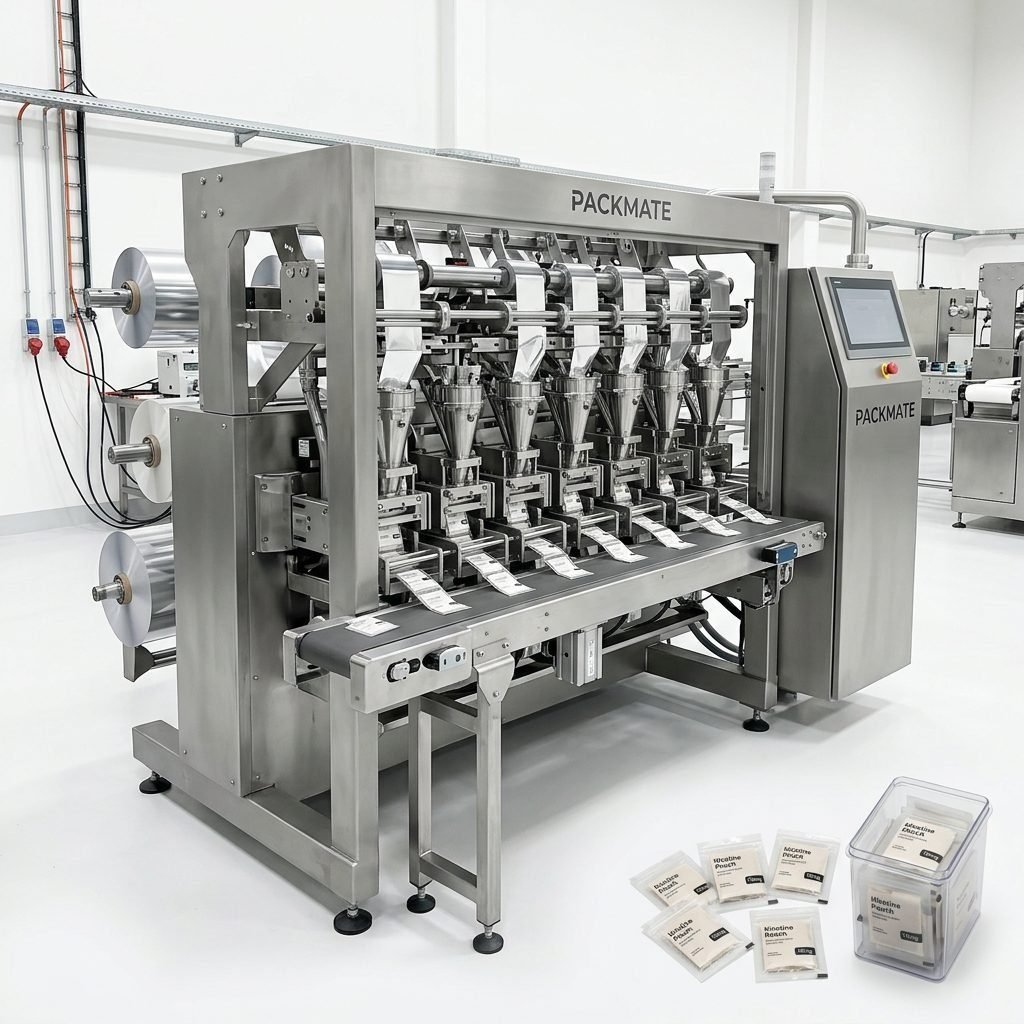
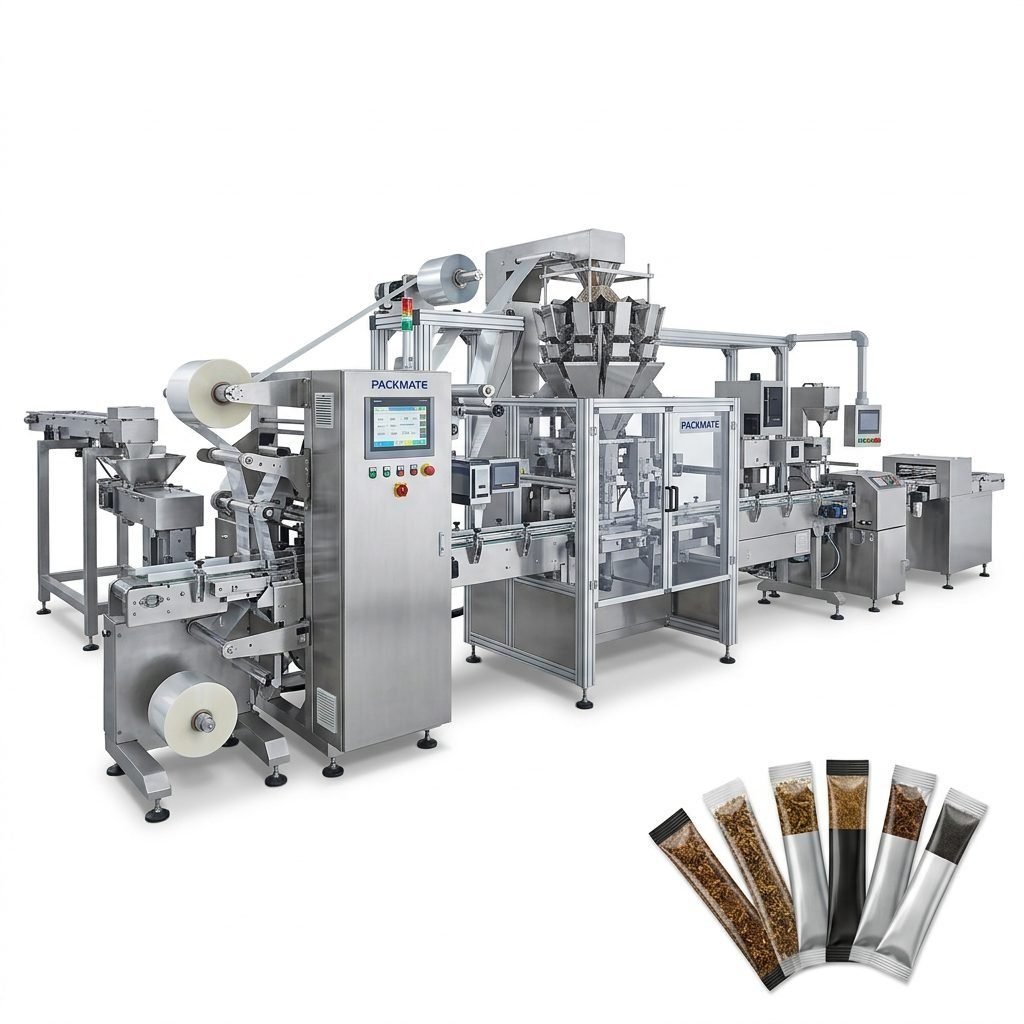
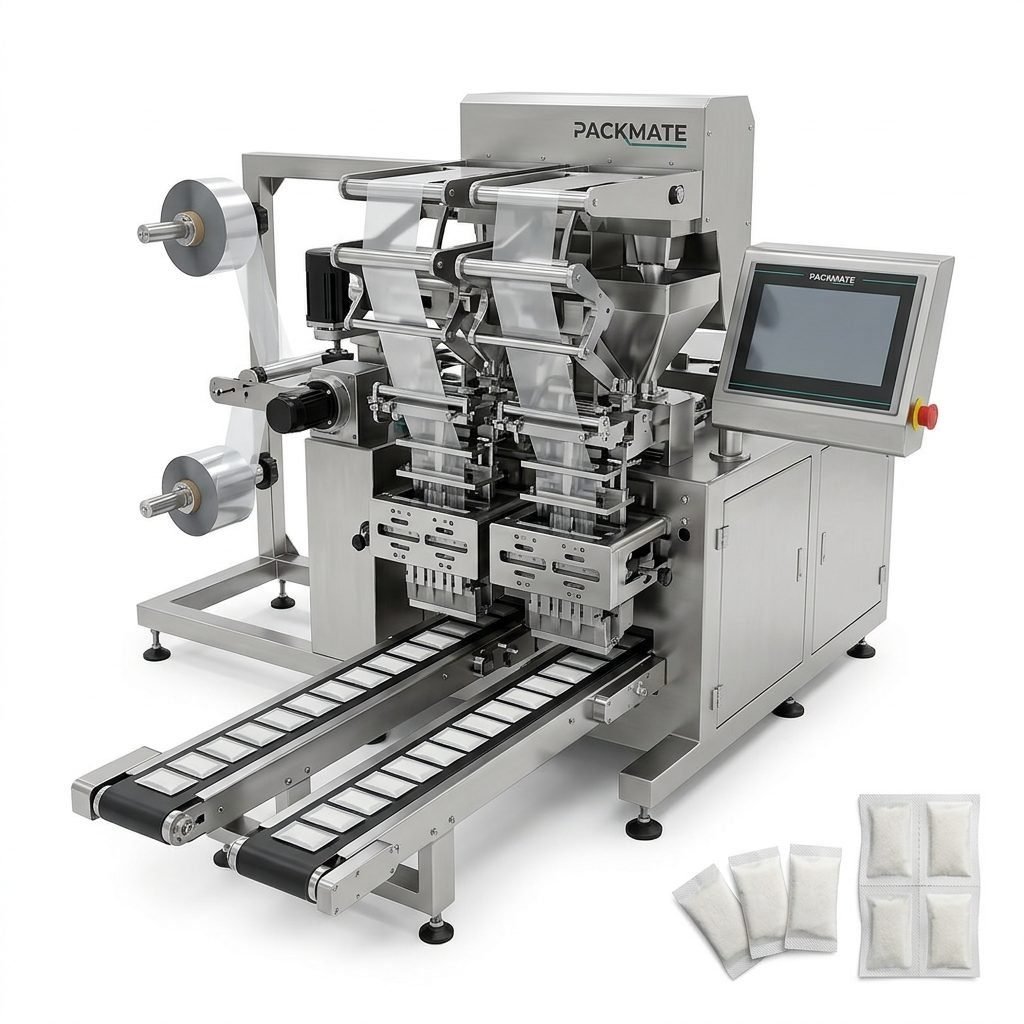
Look for vendors offering machines designed specifically for nicotine pouches and snus: multi-lane pouch lines, stick pack and sachet systems, and powder/granule handling options. Flexibility to switch pouch sizes, lanes, and formats without major retrofitting is essential for product range expansion.
2. Precision, hygiene and durability
High precision dosing and consistent sealing ensure product safety and shelf life. Machines built from corrosion-resistant materials, with hygienic design features (easy cleaning, minimal dead zones), reduce contamination risk and simplify compliance with sanitary standards.
3. Certifications & compliance
Prefer manufacturers whose equipment meets CE, ISO and other international standards. For the Latvian/EU market, a supplier that understands EU packaging and safety norms will ease customs clearance and regulatory checks. Always request documentation and certificate copies early in the procurement process.
4. After-sales service and spare parts
A local or reachable support network reduces mean time to repair. Confirm spare parts lead times, remote diagnostics options, training for operators, and warranty terms. Quick service is a competitive advantage for ongoing production.
5. Customization & turnkey solutions
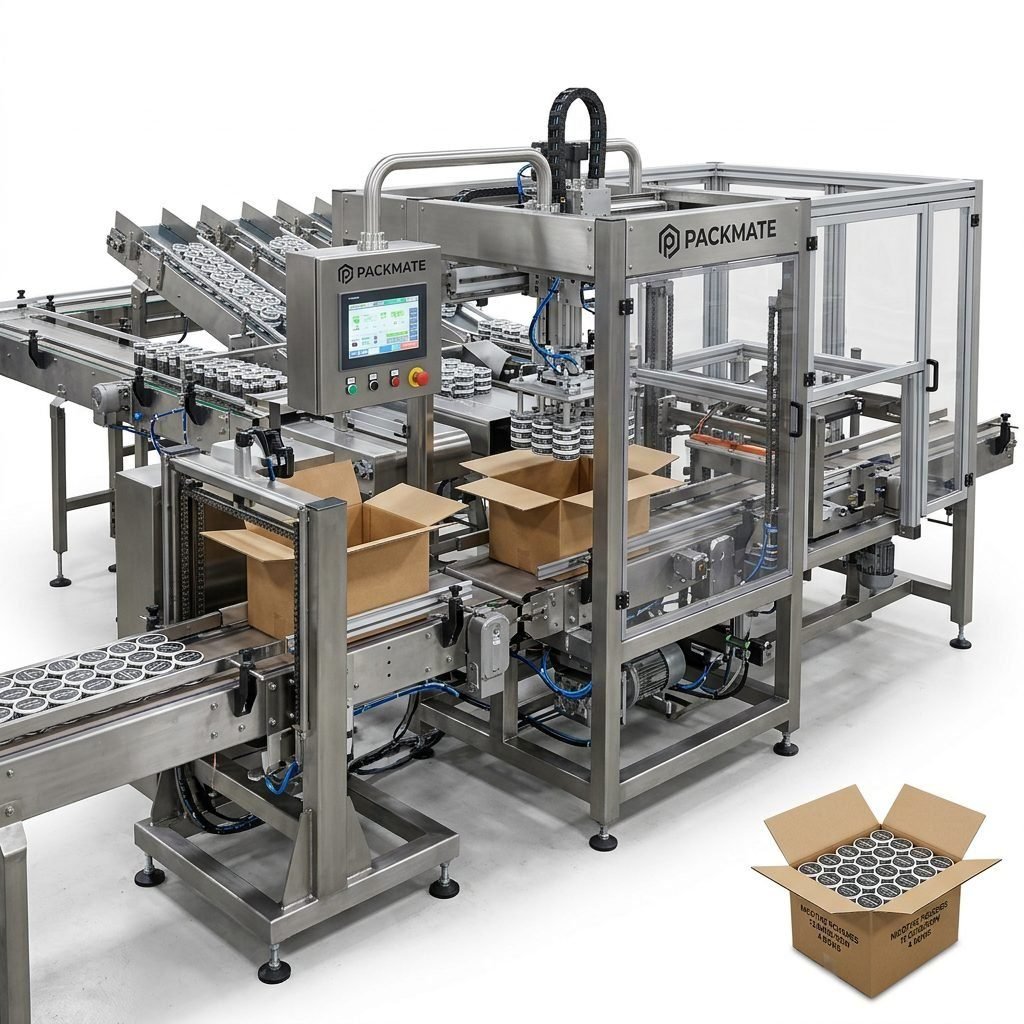
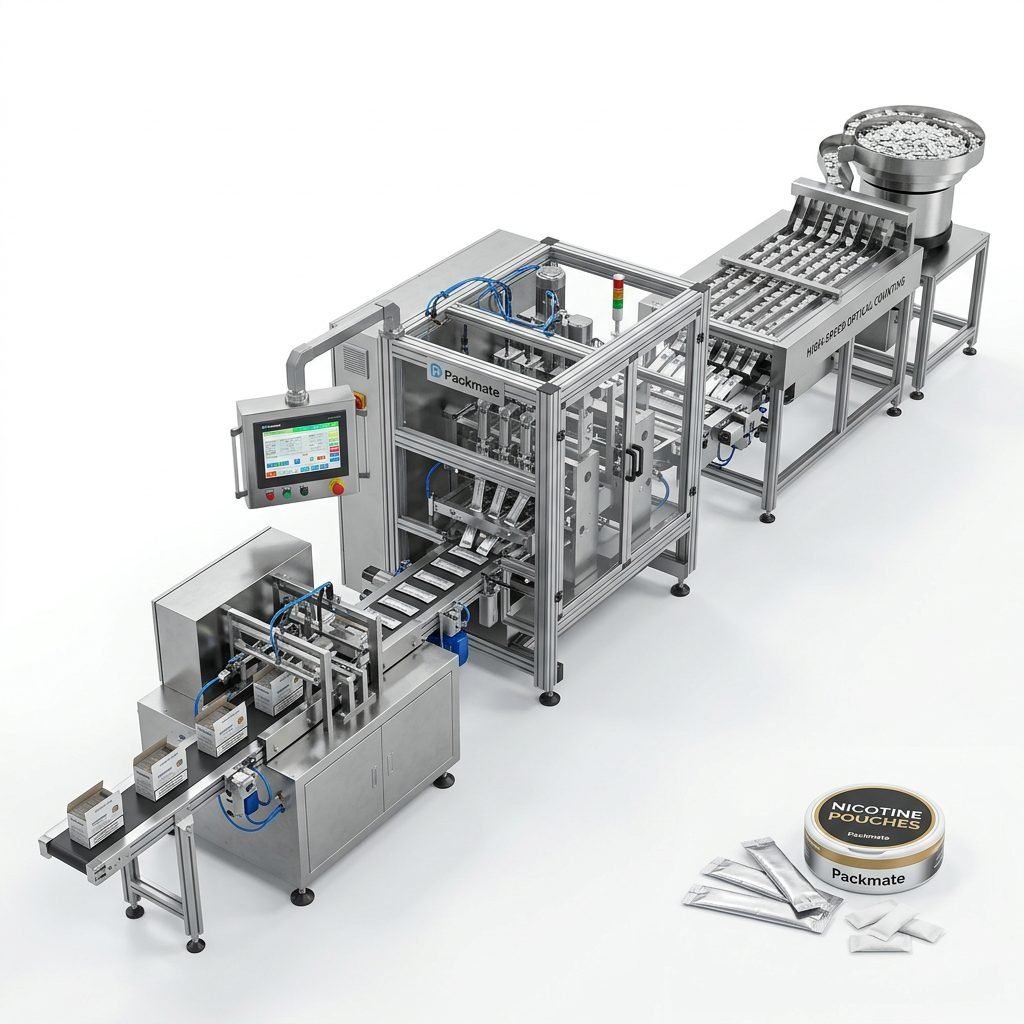
Your product line and packaging design may need unique solutions: specific pouch shapes, multi-lane synchronization, or integrated filling systems. Choose manufacturers that offer customization and full production lines (weighing, filling, sealing, and secondary packaging).
Quick tip:
Ask for performance data and video of the exact model running your product.
Latvia-specific factors to consider
Doing business in Latvia has its own cultural and regulatory nuances. Staying mindful of these will help your procurement and implementation go smoothly.
Market and consumer habits
Latvia’s consumers are influenced by Nordic and Baltic trends. Nicotine pouch adoption has grown among adult users seeking smoke-free alternatives. Packaging that emphasizes convenience, discreet use, and clear dosing appeals to many local buyers. Consider formats and portion sizes popular in neighboring markets (Sweden, Finland, Estonia).
Regulatory awareness
Latvia follows EU regulations closely. While laws around tobacco and nicotine products vary, it’s critical to confirm classifications (tobacco-containing vs. tobacco-free nicotine pouches) and labeling requirements. Work with suppliers that can provide compliant labeling and traceability features.
Language and communication
Local business communication often uses Latvian and English. Choose manufacturers who provide technical documentation and training materials in English, and ideally translations for operators if necessary.
Why many Latvian companies partner with experienced OEMs
Experienced packaging OEMs bring design maturity, tested multi-lane systems, and global after-sales networks. They can supply CE-certified equipment and assist with deployment across EU borders. If you need examples and specification options, review detailed product portfolios before shortlisting.
For detailed machine types and solutions, explore product pages such as
Snus & Nicotine Packaging Machines and
Sachet & Stick Pack Machines.
What Packmate (example manufacturer) offers and why it matters
Companies such as Packmate Snus Machine provide end-to-end solutions designed for snus and nicotine pouch production. With three decades of engineering experience, robust factory capabilities, and a wide model range, they can be a strong candidate for Latvian businesses seeking turnkey lines.
Packmate highlights:
Factory area: 20,000㎡
50+ machine models
CE & ISO certified
Learn more about the company and global offerings at
About Packmate and view real projects in the
Case section.
Detailed checklist: What to ask potential manufacturers
Use this checklist during RFQs, factory visits, or remote meetings to compare suppliers objectively.
- Machine throughput and uptime guarantees (actual tested figures).
- Examples of similar nicotine pouch productions and references.
- Certifications: CE, ISO, and test reports for electrical & mechanical safety.
- Spare parts availability and average lead times to Latvia.
- Training plans for operators and maintenance teams.
- Warranty scope and remote diagnostics capability.
- Format changeover time and tooling costs.
- Options for turnkey integration (weighing, filling, capping, secondary packing).
Essential ask:
Request a complete line layout and P&ID if buying turnkey systems (includes filling & packaging lines).
Installation, validation and operator training
A machine delivery does not end with unloading. Proper installation, commissioning, and staff training ensure the line meets performance claims. Plan for FAT (Factory Acceptance Test) and SAT (Site Acceptance Test) to validate performance with your actual product.
If you require complete packaging workflows, evaluate integrated solutions such as
Filling & Packaging Lines and
Weighing & Packaging Systems.
Costing and return on investment (ROI)
Initial equipment price is only part of the story. Evaluate total cost of ownership: energy consumption, spare parts, consumables (films, pouches), maintenance labor, and expected output. A higher-spec machine that reduces waste and downtime may provide a faster ROI.
ROI considerations:
Production speed vs. product complexity
Waste reduction and yield
Service and parts costs
Implementation timeline and practical tips
From order to production-ready status, account for lead times, shipping, customs clearance, installation, FAT & SAT, and operator training. For Latvian sites, allow additional time for local validations and labeling updates.
- Plan 8–16 weeks for standard equipment production (custom and turnkey longer).
- Book FAT slots early to inspect performance with real products.
- Request spare parts kits for the first 12 months of operation.
- Schedule remote or onsite commissioning with supplier technicians.
Ready-to-evaluate supplier example
If you want a manufacturer with a focused portfolio on snus and nicotine pouch packaging, consider suppliers showcasing their product lines, cases, and global service capabilities. For instance, product overviews and support services from Packmate cover snus pouch machines, sachet and stick pack machines, auxiliary equipment and full integration services.
View their product portfolio:
Bag & Pouch Packaging Machines and
Auxiliary Packaging Equipment.
Final considerations before signing a contract
Review delivery milestones, acceptance criteria, penalty clauses for missed performance guarantees, intellectual property for custom tooling, and after-sales response windows. Secure a mutual roadmap for spare parts stocking, upgrades and predictive maintenance.
Contact & next steps:
Reach out with a clear product spec, expected throughput, and target launch date.
If you are ready to discuss requirements and timeline, use the manufacturer’s contact channel:
Contact Us.
FAQs
1. What certifications should I insist on for machines sold into Latvia?
Answer: CE and ISO are baseline requirements; also request electrical safety and material certificates. Confirm supplier experience with EU market compliance and documentation for customs and local audits.
2. How long does it take to receive and commission a nicotine pouch packaging line?
Answer: Typical lead times range from 8–16 weeks for standard machines; turnkey systems and custom multi-lane solutions can take longer. Allow additional time for FAT, shipping, customs, and onsite SAT.
3. How do I evaluate a supplier’s service capability from afar?
Answer: Ask for documented references, response-time SLAs, spare parts lead times, remote diagnostic tools, and training plans. Review case studies and recent export customers to EU markets.
4. Are tobacco and nicotine pouch regulations the same across the EU and Latvia?
Answer: Regulations can differ. Latvia follows EU frameworks but local labeling and sale restrictions may apply. Always verify local legal requirements with a regulatory consultant and ensure your supplier can support compliant labeling.
5. Where can I find real machine examples and project references?
Answer: Check the manufacturer’s case studies and product pages for video and technical data. For detailed examples, see the supplier’s product lines and case gallery.