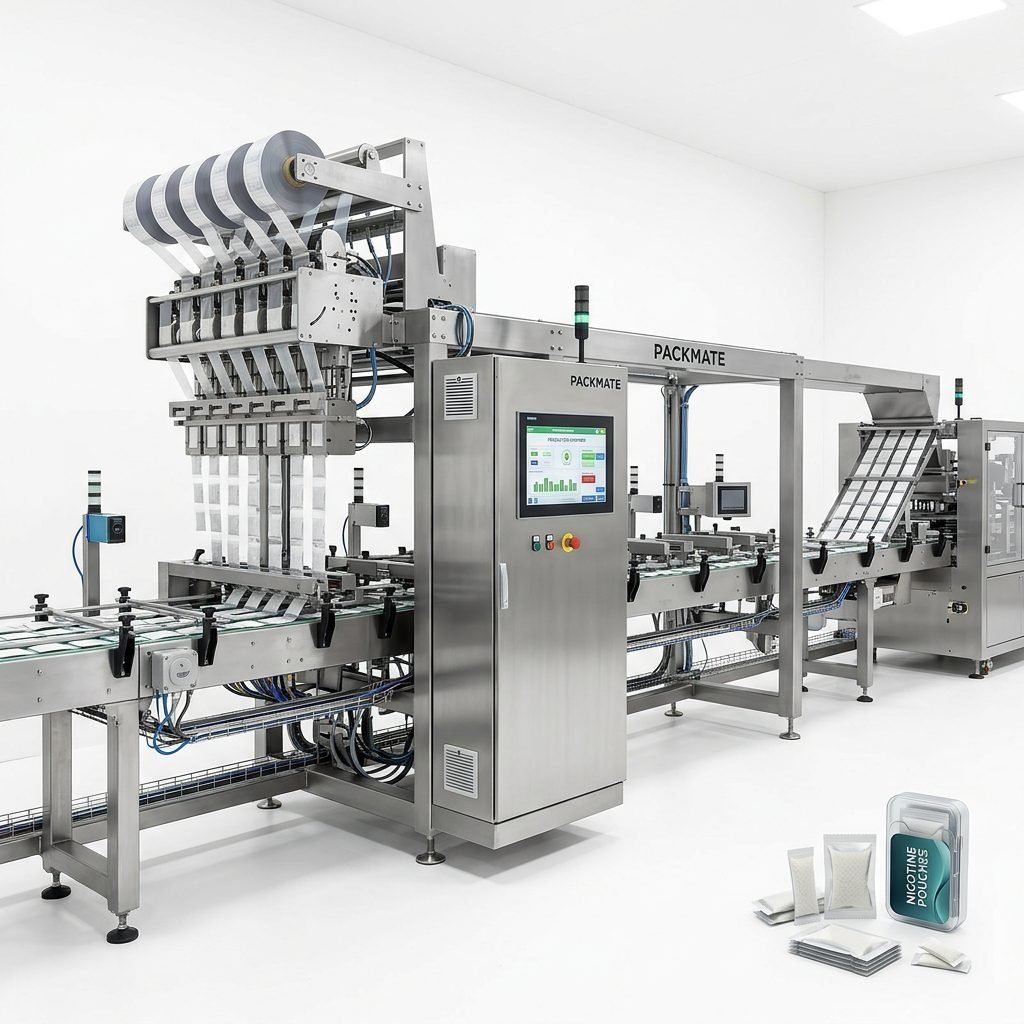
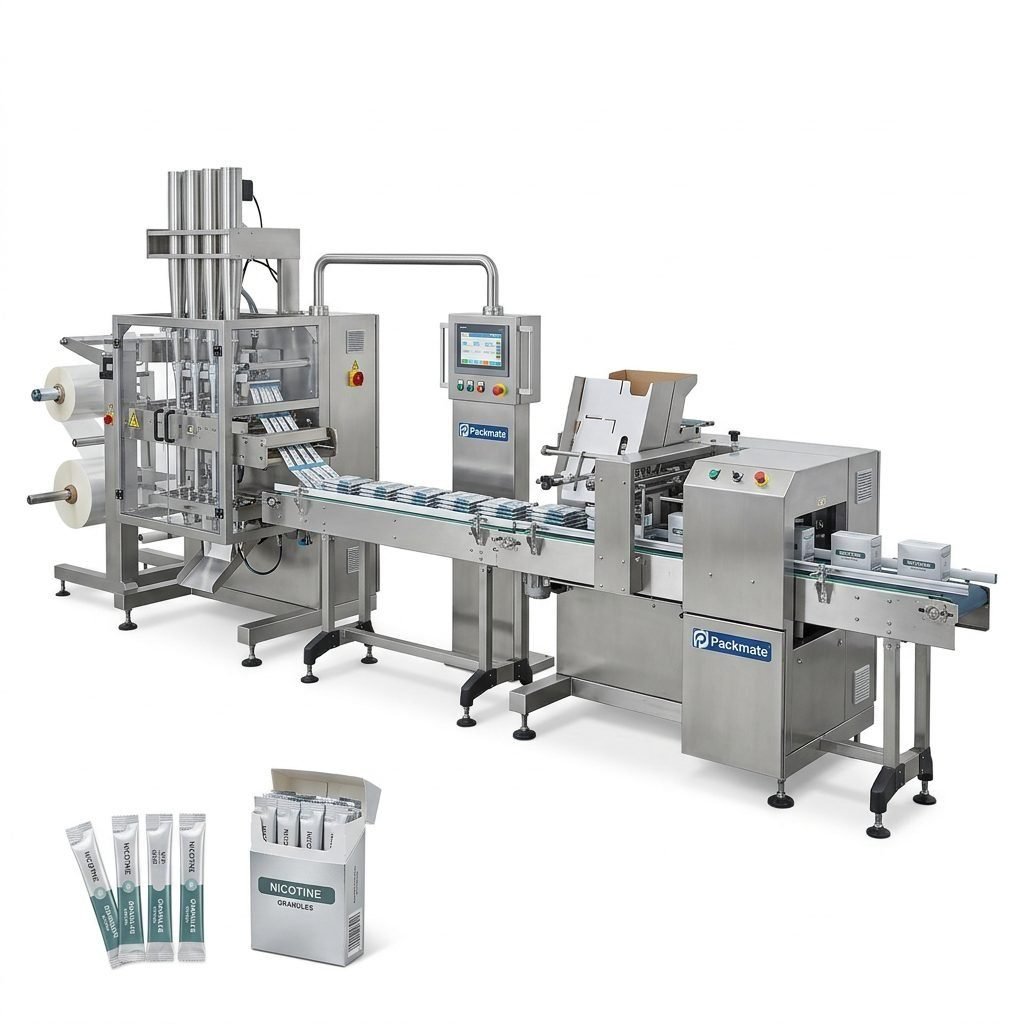
Choosing a reliable snus packaging machinery supplier in Lithuania involves more than price comparison: it requires understanding EU compliance, local market habits, logistics, technical support, and the supplier’s manufacturing credentials. This guide walks buyers through practical steps to evaluate suppliers, compare machines, and prepare for a smooth purchase and commissioning process in Lithuania and the wider EU market.
Why Lithuania matters for snus & nicotine pouch packaging
Lithuania is an EU member with strategic logistics connections — ports like Klaipėda and fast road/rail links to Scandinavia and Central Europe. For businesses targeting both Baltic and Western European markets, Lithuania can be a convenient base for receiving machinery shipments, performing final testing, and arranging local support. Additionally, Lithuanian engineering and multilingual workforce can facilitate easier on-site adjustments and faster service response.
Quick note: EU rules and CE/ISO compliance are essential. Make sure the supplier provides documentation and that the machinery can meet your national packaging and labeling requirements for Lithuania and other EU destinations.
Step 1 — Verify supplier credibility and factory strength
Look beyond brochures. Reliable suppliers generally have:
- Established manufacturing footprint and history (years of experience and documented development timeline are a plus).
- Visible certifications such as CE and ISO that align with EU regulations.
- Detailed equipment catalogue and clear production capacity (e.g., how many models, multi-lane options, and customization capabilities).
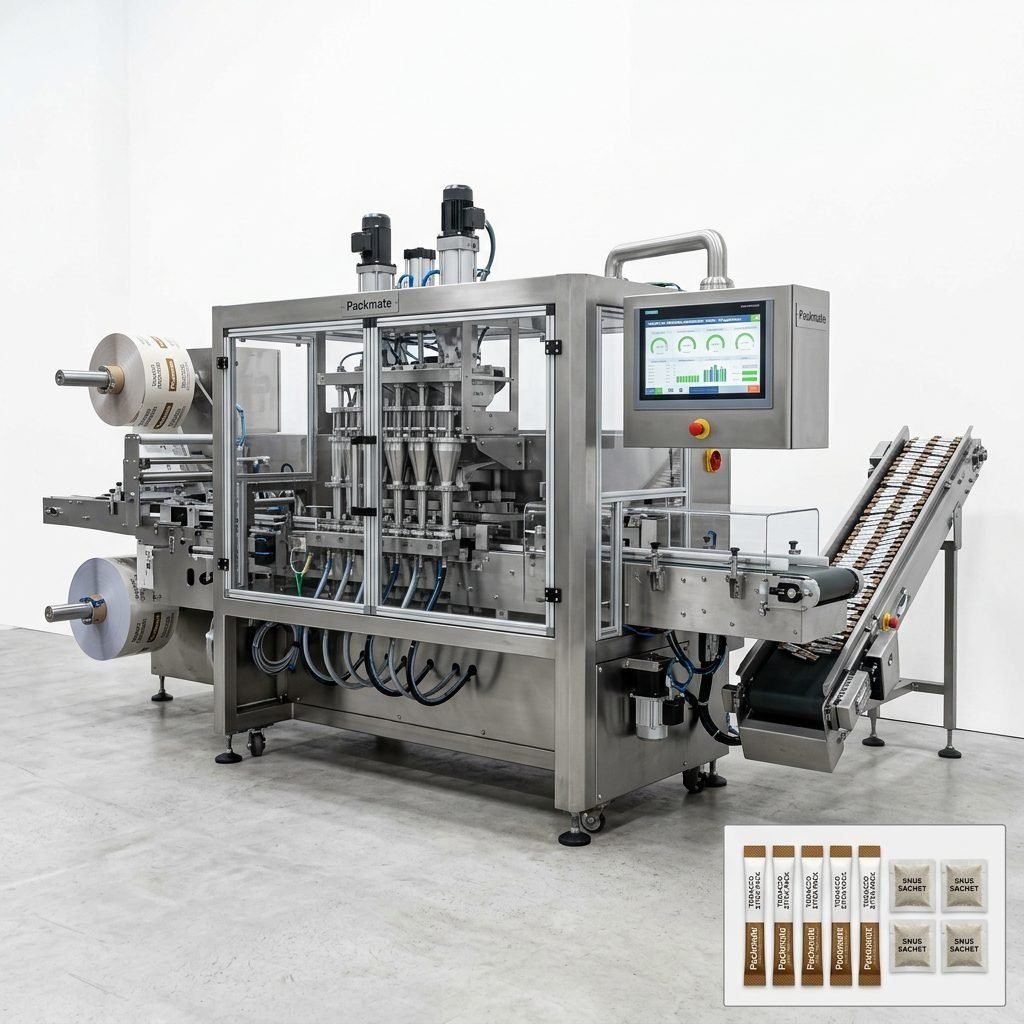
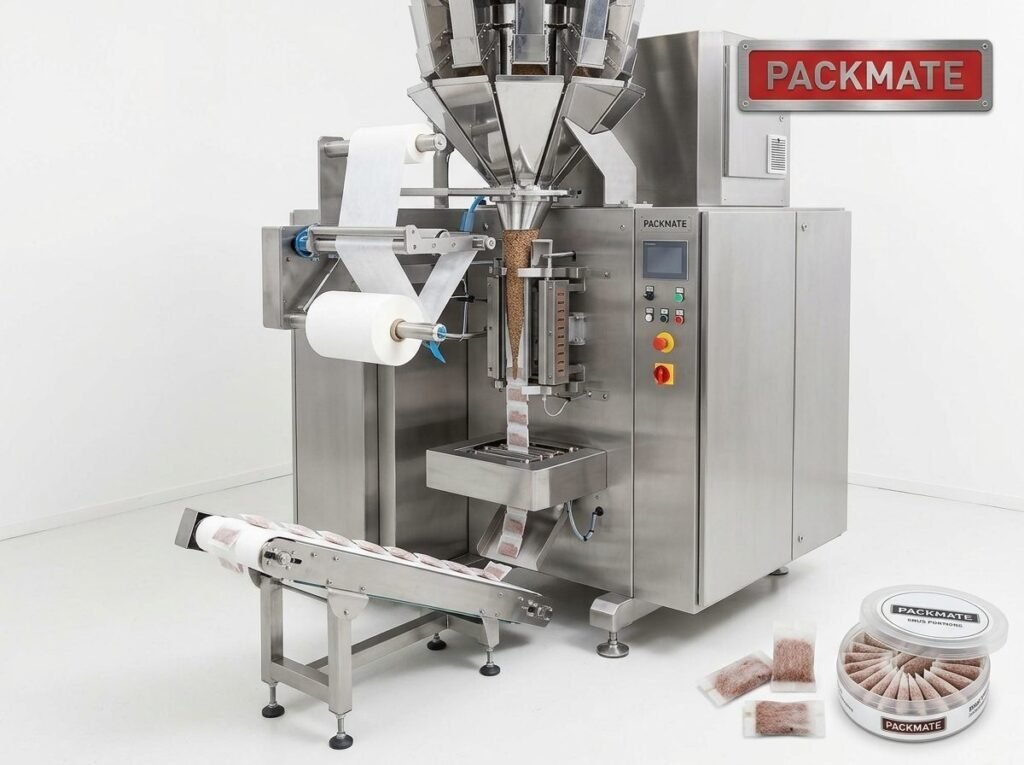
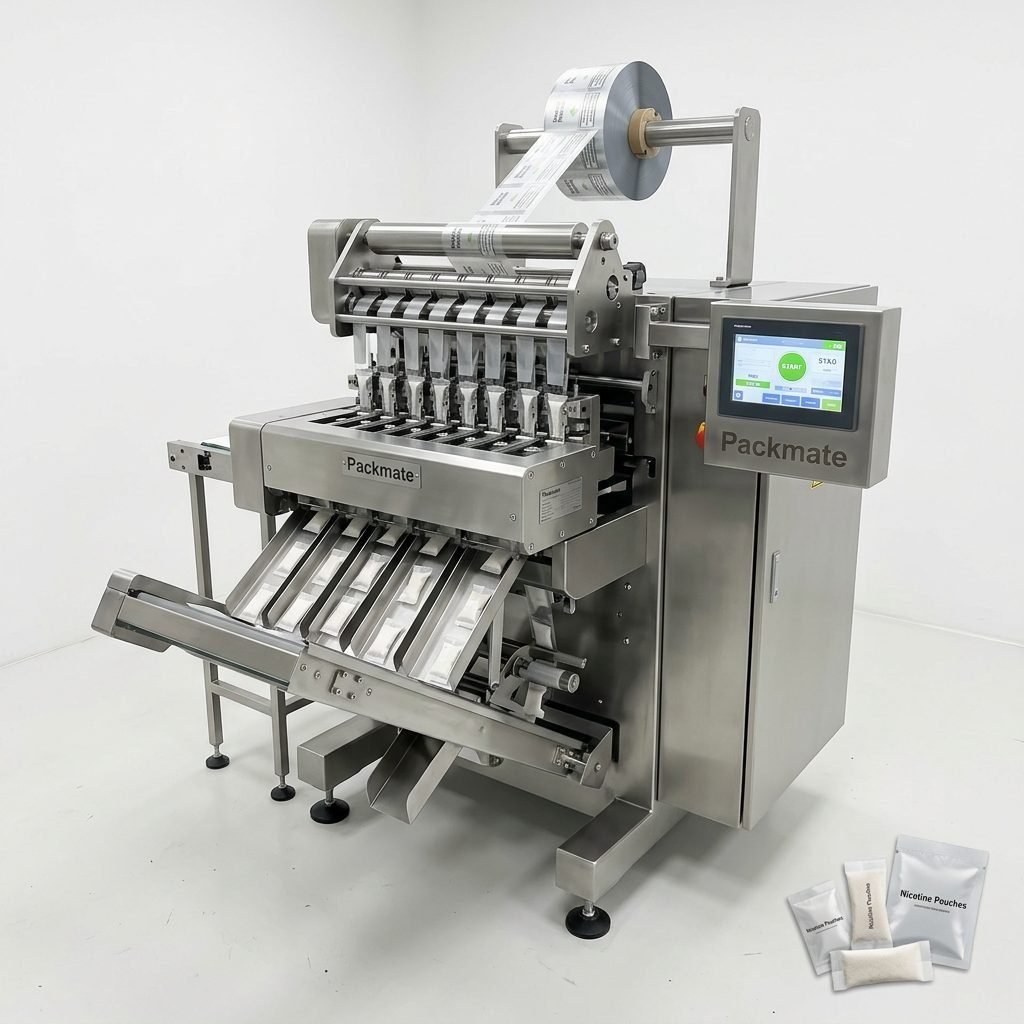
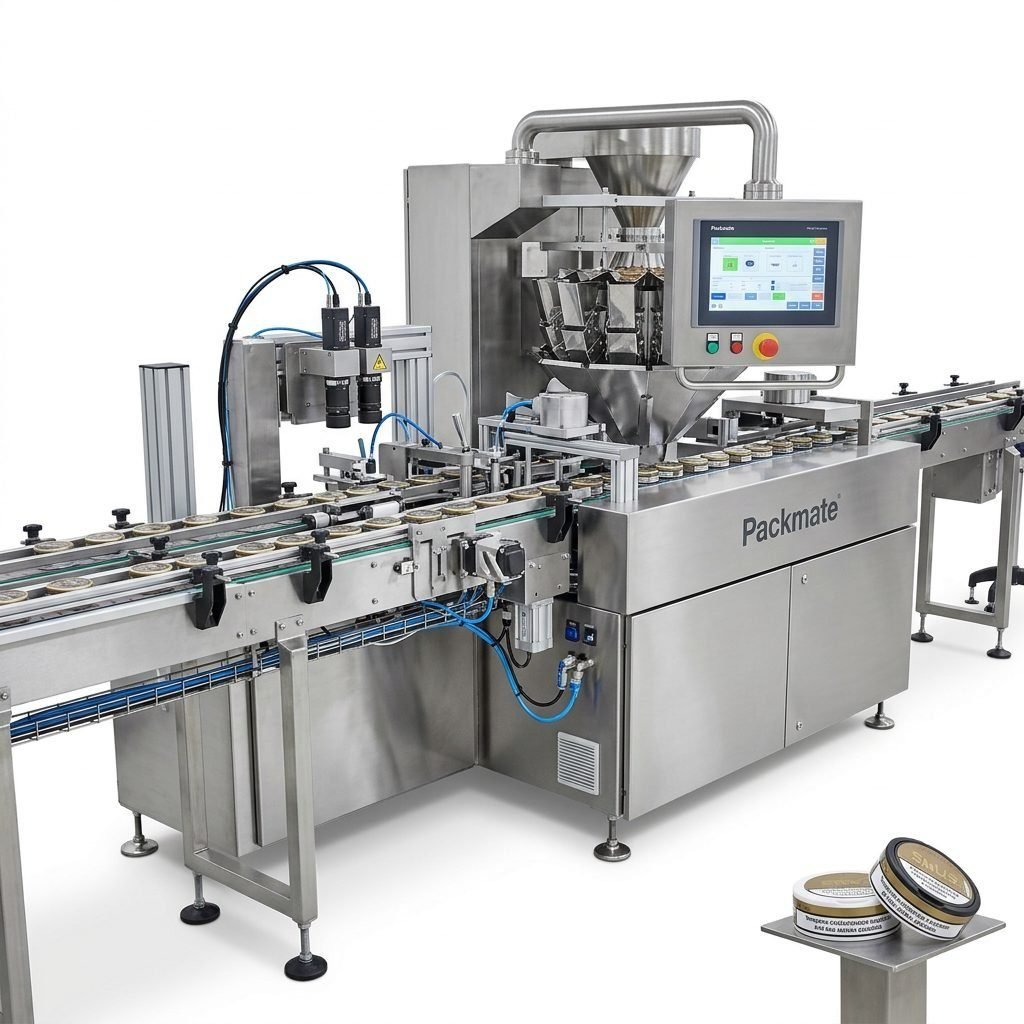
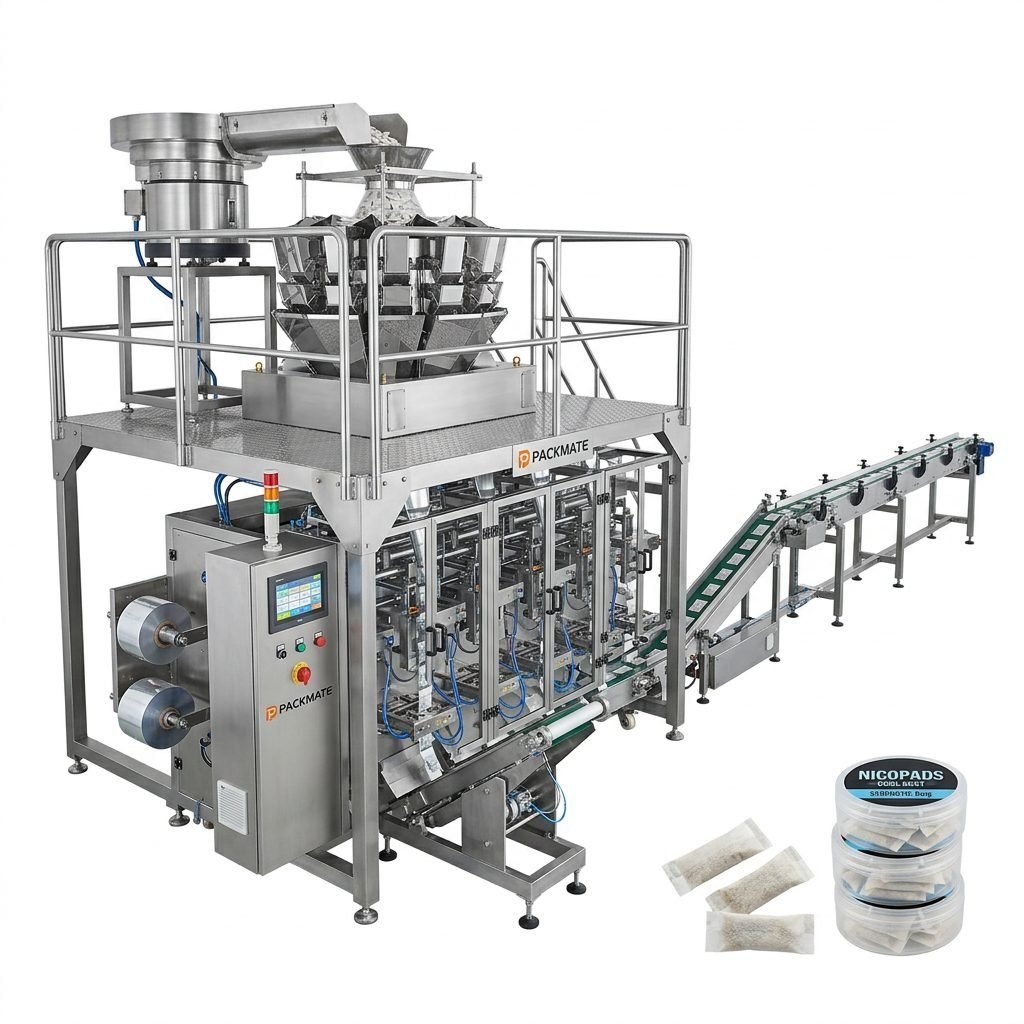
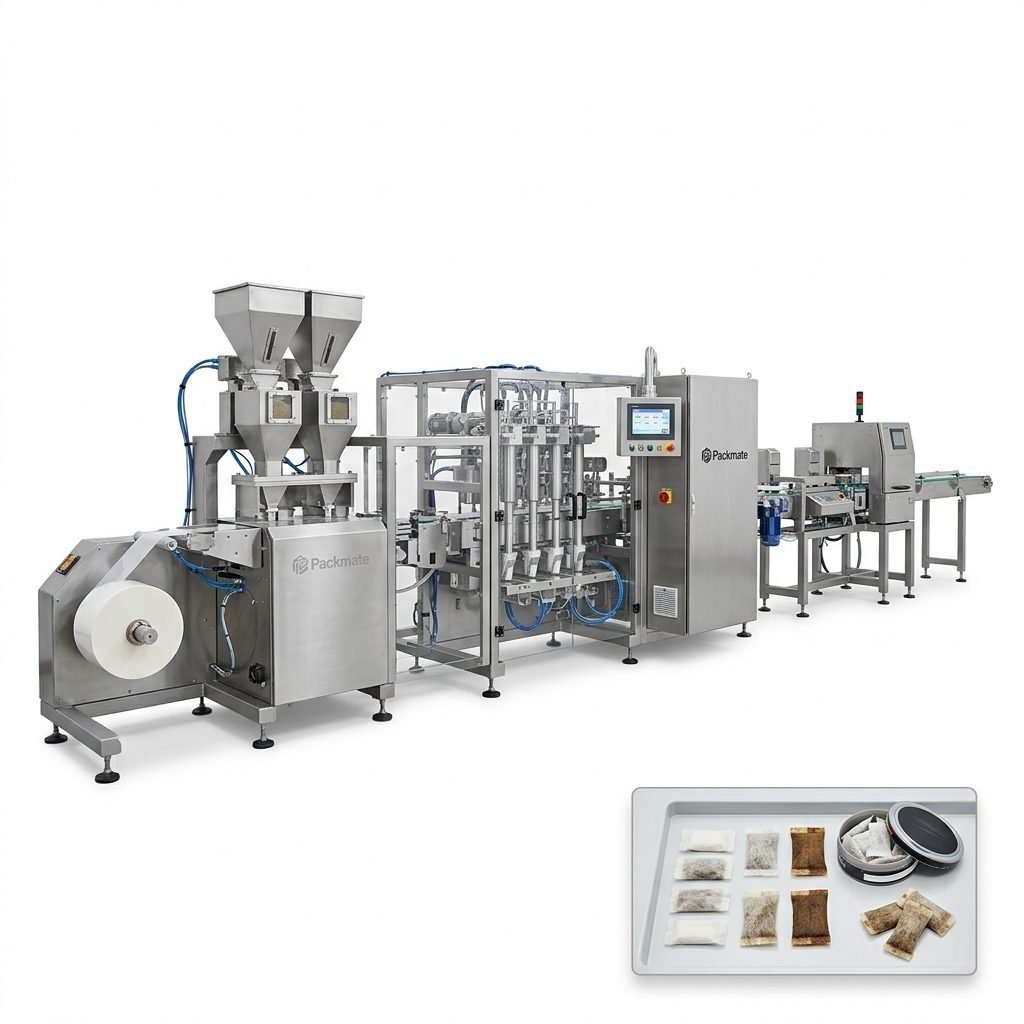
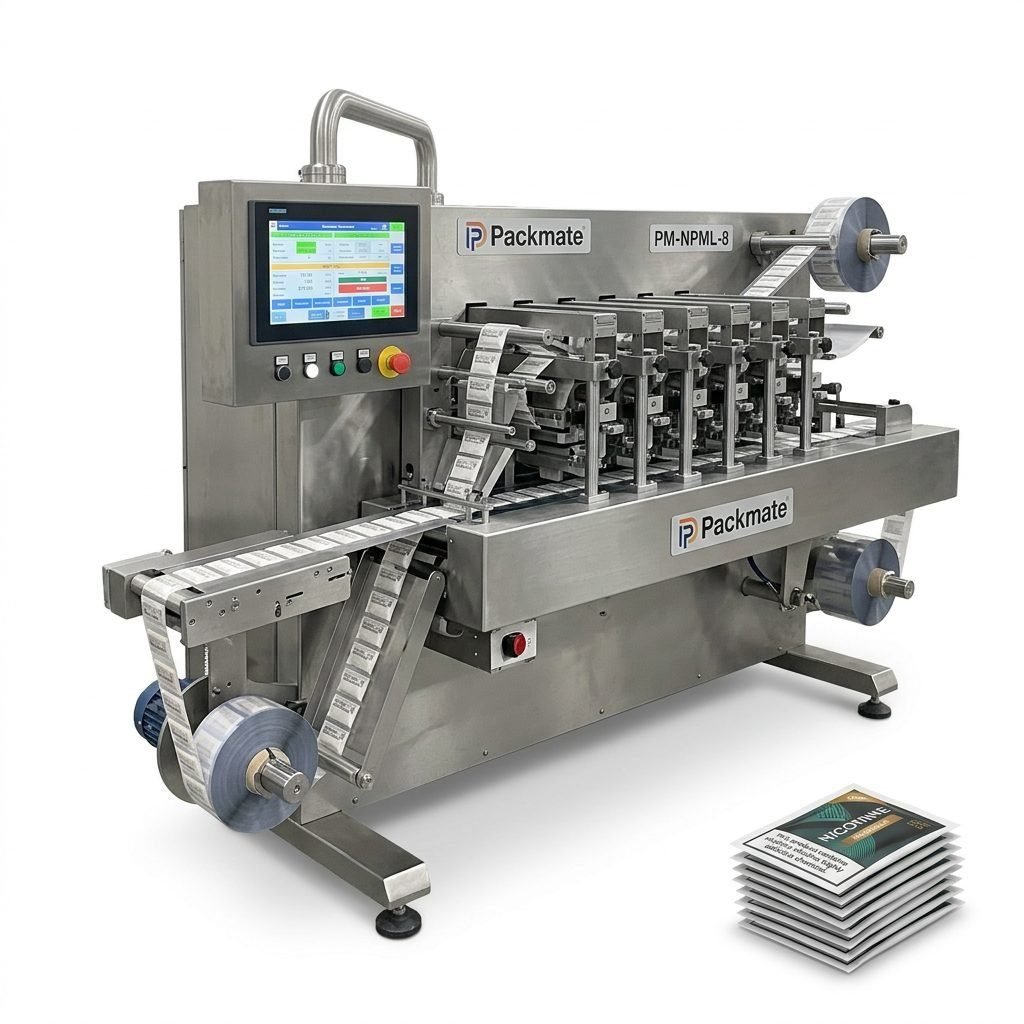
For a ready reference, check the supplier’s product lines such as their dedicated snus/nicotine packaging machines and auxiliary equipment. Example product pages to review include:
Snus & Nicotine Packaging Machines,
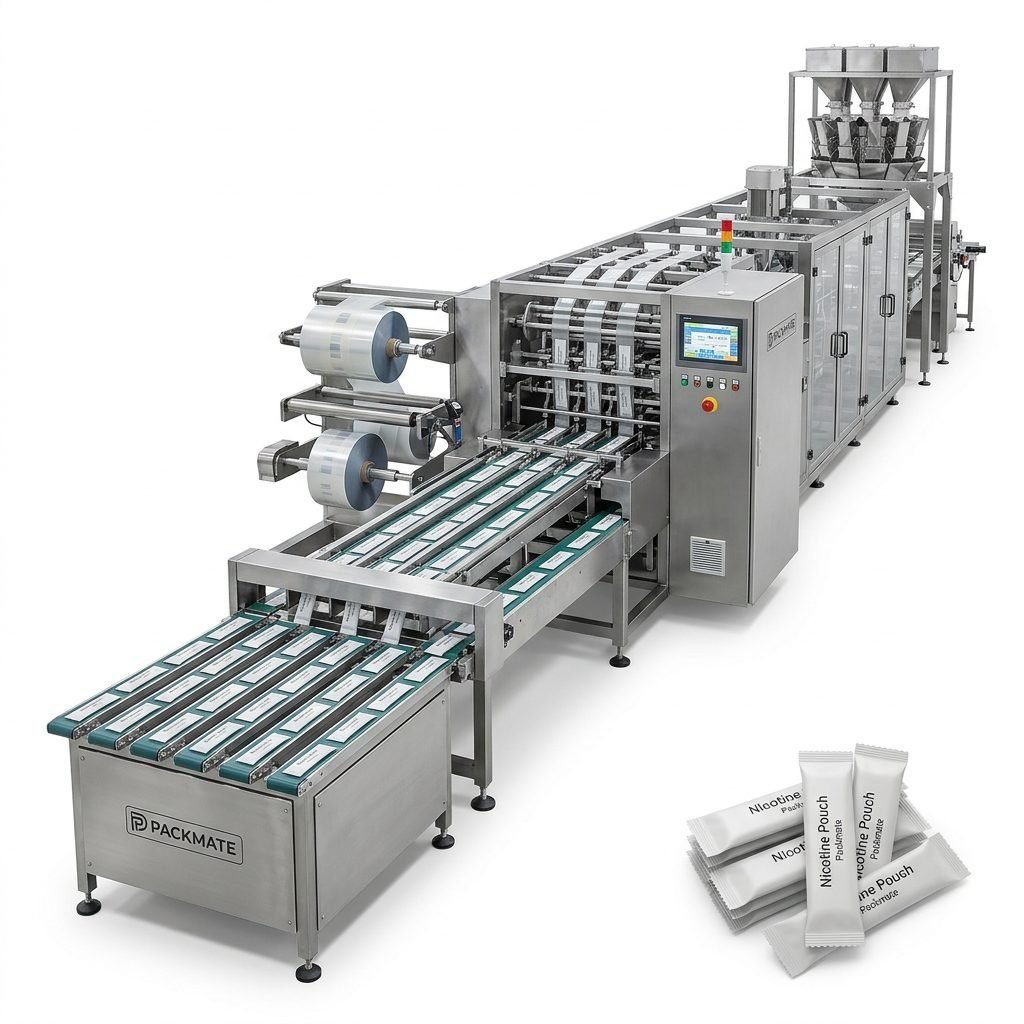
Bag & Pouch Machines, and
Sachet & Stick Pack Machines.
Step 2 — Inspect technical specs and customization options
Snus and nicotine pouch production has specific technical demands: precise dosing for small portions, hygienic filling, consistent sealing, and often multi-lane high-speed production. Ask the supplier about:
- Accuracy and repeatability of weighing/filling systems (tolerance per pouch).
- Available speeds (pouches per minute) and multi-lane configuration options.
- Material compatibility: paper, foil, bio-films, and different pouch constructions.
- Sanitary design and cleaning ease — important if you handle food-grade or health-related products.
- PLC and HMI systems, and whether they support multilingual interfaces (Lithuanian/LV/EN/RU can be helpful for local operators).
Tip: Request a video demo or live streaming of the machine running your product type. Seeing the machine perform gives clearer insight into reliability and product output quality.
Step 3 — Evaluate after-sales support and spare parts availability
A machine is only as good as the support network behind it. Evaluate these factors:
- Response times for service calls and availability of local or regional technicians.
- Availability and lead time for critical spare parts.
- Training offerings for operators and maintenance staff (on-site and remote).
- Warranty terms and scope of covered components.
Look for suppliers who provide clear documentation and case studies of previous installations. You can review customer examples at their case pages:
Case.
Step 4 — Confirm compliance and documentation for the EU market
Since Lithuania is in the EU, all equipment must meet applicable directives and standards. Ask the supplier for:
- CE declaration of conformity and supporting test reports.
- ISO quality certificates and manufacturing quality control procedures.
- Electrical and safety schematics for customs and local electrical teams.
Note: For nicotine pouches, regulatory classification and labeling rules vary. Confirm whether the supplier can adapt packaging machinery to print or apply region-specific labels and batch codes required by Lithuanian authorities.
Step 5 — Logistics, installation, and commissioning in Lithuania
Coordinate logistics early. Consider:
- Transport mode (sea freight to Klaipėda, road or rail inland) and customs clearance assistance.
- Installation services: whether the supplier sends engineers for on-site setup and validation.
- Power and workshop requirements (voltage, compressed air, floor strength, and space layout).
- Local language documentation or translated manuals for your Lithuanian operators.
Cultural and business etiquette considerations in Lithuania
Lithuanians value punctuality, clear contracts, and professional relations. When coordinating deliveries and on-site work:
- Keep appointments and timelines precise — detailed schedules help build trust.
- Offer technical documents in English and, when possible, in Lithuanian for regulatory teams.
- Be prepared for straightforward negotiations and expect follow-through on commitments.
Step 6 — Compare total cost of ownership (TCO)
The lowest purchase price can be misleading. Account for:
- Installation and commissioning fees.
- Training and documentation translation costs.
- Warranty length and spare parts pricing.
- Energy consumption, downtime risks, and maintenance intervals.
Checklist for procurement:
factory audit, CE/ISO certificates, performance demo, spare parts lead times, warranty, commissioning plan, and operator training schedule.
How to run supplier visits and factory audits
When possible, visit the manufacturer. If travel is difficult, request a virtual tour. Key audit focus:
- Manufacturing floor: CNC centers, assembly lines, and quality control stations.
- Test area with live machine runs for similar products.
- Spare parts warehouse and after-sales support center.
- Engineering team credentials and examples of prior turnkey projects.
For more information on supplier background and services, see their company profile and support pages:
About Packmate and
Service.
Negotiation tips and contracting
Negotiate terms that protect your business:
- Payment terms linked to milestones (factory acceptance test, shipping, commissioning).
- Clear delivery and acceptance criteria documented in contract.
- Defined penalty clauses for missed deadlines and service response times.
- Local representation or authorized service partner agreement for Lithuania/EU.
Preparing your facility for new machinery
Before machine arrival:
- Confirm utilities and space layout with the supplier.
- Arrange suitable lifting and handling equipment for installation.
- Plan operator training sessions and safety briefings in advance.
- Prepare quality control checkpoints for initial production runs.
Local logistics reminder: coordinate with Lithuanian customs and freight forwarders early so the machinery gets cleared and delivered without delay.
Additional resources and how to contact suppliers
When you are ready to evaluate specific machines and request quotes, use the supplier’s catalog and product pages to find model numbers and detailed specifications:
Catalog and
Contact Us.
Final checklist before signing a purchase order
Complete the following items to reduce surprises:
- Factory Acceptance Test (FAT) criteria and schedule agreed in writing.
- Shipping, insurance, and customs responsibilities clearly defined.
- On-site installation and commissioning timeline confirmed, including travel arrangements for engineers.
- Training plan and documentation language requirements finalized.
- Spare parts list and initial inventory agreed as part of the contract.
Quick summary: what distinguishes a reliable snus packaging supplier
The best suppliers combine engineering depth, proven production lines for nicotine pouches, international compliance, and dependable after-sales service. A reputable manufacturer will be transparent about capabilities, invite factory visits, and provide clear documentation for EU market entry.
Frequently Asked Questions
Q1: Can I buy snus packaging machines for Lithuania if snus sales are regulated?
A1: Machine purchases themselves are not usually restricted, but you must ensure your final products comply with Lithuanian and EU regulations regarding nicotine products, labeling, and sale. Confirm legal classification of your product and required documentation before production.
Q2: How important is CE certification?
A2: CE marking is essential for machinery used in the EU. It demonstrates conformity with safety, health, and environmental protection standards. Always request the CE declaration of conformity and supporting test reports.
Q3: What lead times should I expect for machines and spare parts?
A3: Lead times vary by model complexity and customization. Standard machines can take weeks to months; custom multi-lane systems take longer. Spare parts availability depends on supplier stock and manufacturing location — verify expected delivery times as part of procurement.
Q4: Do suppliers provide installation and training in Lithuania?
A4: Many reputable suppliers offer on-site installation and commissioning, and remote support options. Confirm if they send engineers to Lithuania or work with local partners. Ask for operator training in your preferred language.
Q5: Where can I see real-world examples of installations?
A5: Ask the supplier for case studies and references. Review their published case pages and exhibition records to see similar turnkey projects and to request contactable customer references.
For more detailed product specifications and to begin discussions with an experienced manufacturer that specializes in snus and nicotine pouch packaging lines, explore the manufacturer product pages and contact them directly through their website.