Entering the snus and nicotine pouch market in the Republic of the Congo requires careful supplier selection. Whether you plan to produce small-dose nicotine pouches for urban kiosks in Brazzaville or packaged sachets for regional distribution, choosing the right packaging machine supplier will determine product quality, compliance, and long-term profitability. This guide explains practical steps, local considerations, and technical criteria to help factory owners and operations managers in the Republic of the Congo select the best snus packaging machine supplier for their needs.
Understanding the Republic of the Congo Market for Snus 🇨🇬
The Republic of the Congo has distinct consumer and logistical characteristics that influence packaging choices. Oral tobacco traditions in Central Africa often favor chewable and smokeless formats, but snus-style nicotine pouches may be relatively new to many consumers. Urban centers like Brazzaville and Pointe-Noire tend to adopt new nicotine products faster, whereas rural markets still rely heavily on traditional tobacco products. Language is primarily French, so product labels, instructions, and health warnings must be in French to build trust and avoid regulatory issues.
Local customs and consumer habits
Key habits to consider:
⚠️ Consumers may prefer simple, durable packaging that resists humidity and heat. 📦 Smaller pack sizes and single-portion packaging often sell better in informal retail environments. 🗣️ Clear French labeling and compliance statements help reduce friction at customs and with local distributors.
Regulatory and legal considerations
Before purchasing equipment, verify local regulations for smokeless nicotine products. Some countries in the region may require product registration, health warnings, age-restriction enforcement, and specific import documentation. Customs clearance in the Republic of the Congo can be unpredictable; machines with clear CE/ISO certificates and complete technical documentation in French will simplify approvals.
Technical Challenges: Climate, Supply Chain and On-the-Ground Realities
The tropical climate in Congo (high humidity and heat) impacts packaging material selection and sealing quality. Machines must deliver reliable hermetic seals and use barrier films that preserve product freshness. Logistics and power stability are also key: expect intermittent electricity in some industrial zones, so robust electrical components and simple mechanical adjustments reduce downtime.
Tip: Choose equipment with stable mechanical systems, simple PLC controls, and the ability to run on local power conditions or with an inline UPS/generator solution.
Key Supplier Evaluation Criteria ✓
When comparing suppliers, focus on both machines and services. The most important criteria are listed below — use them as a checklist when you request proposals and quotes.
✓ Certifications & Compliance: Ensure the supplier provides CE, ISO and other relevant certificates. These documents help with customs and reassure local partners.
✓ Proven machine performance: Ask for production data, uptime guarantees, and case studies from similar climates and markets.
✓ After‑sales service & spare parts: Fast spare parts shipment or local stock saves costly downtime.
✓ Customization & turnkey capability: Ability to tailor multi-lane lines, pouch formats, and integrated weighing systems.
✓ Training and documentation in French: Operator manuals, training sessions, and SOPs in French reduce errors and speed up commissioning.
Machine types and fit for purpose
Different factory footprints and production targets require different equipment:
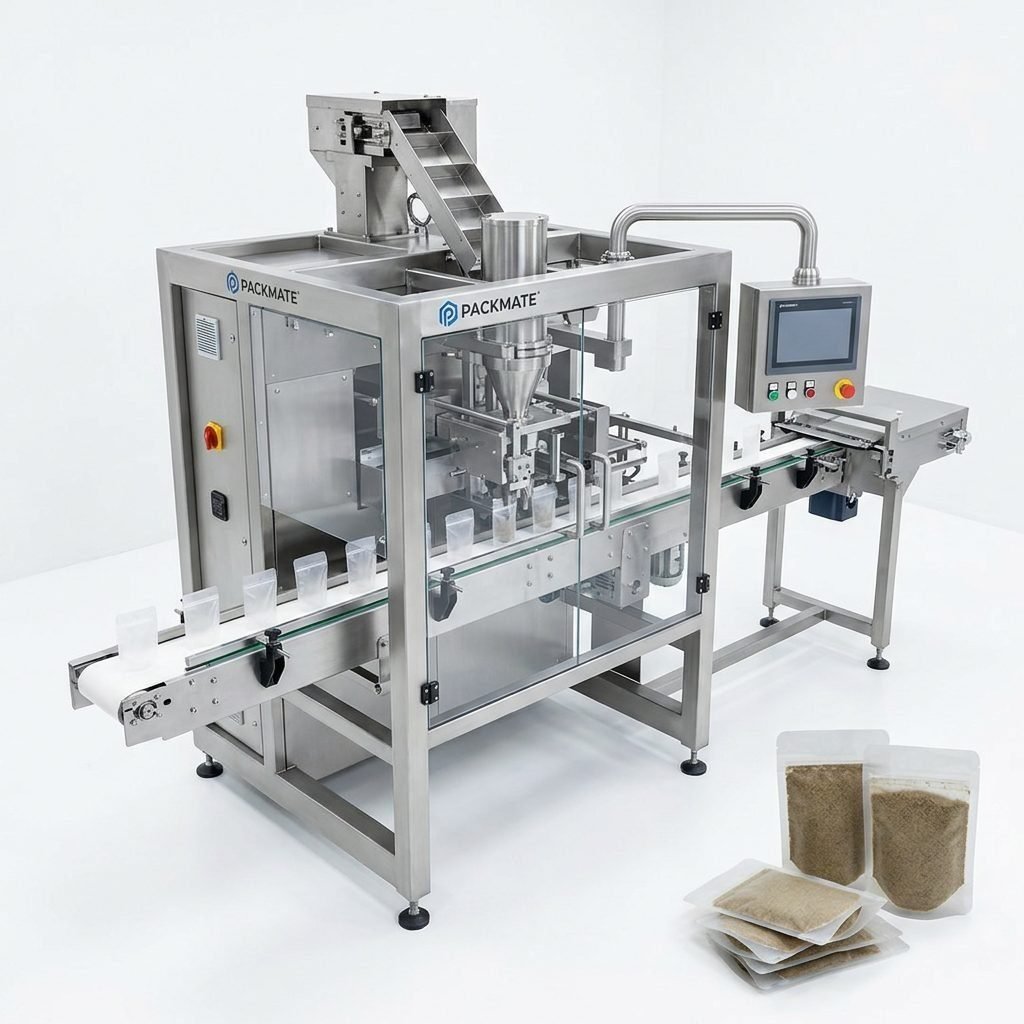
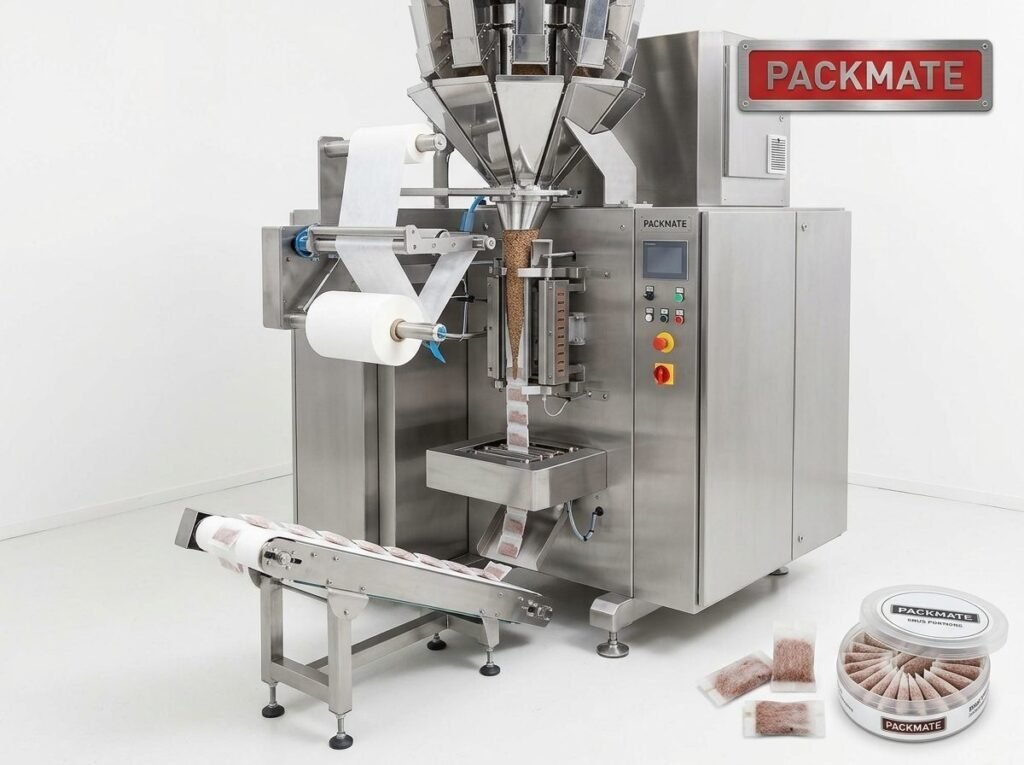
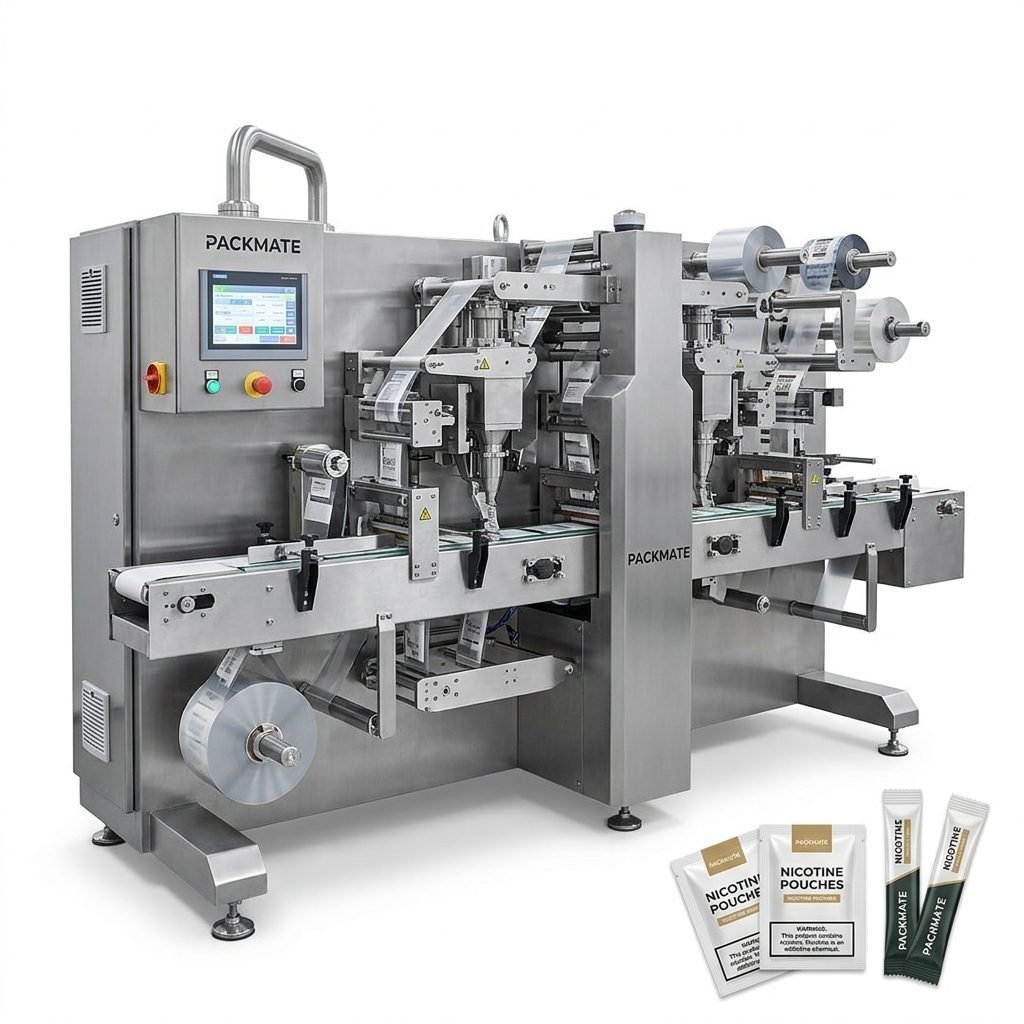
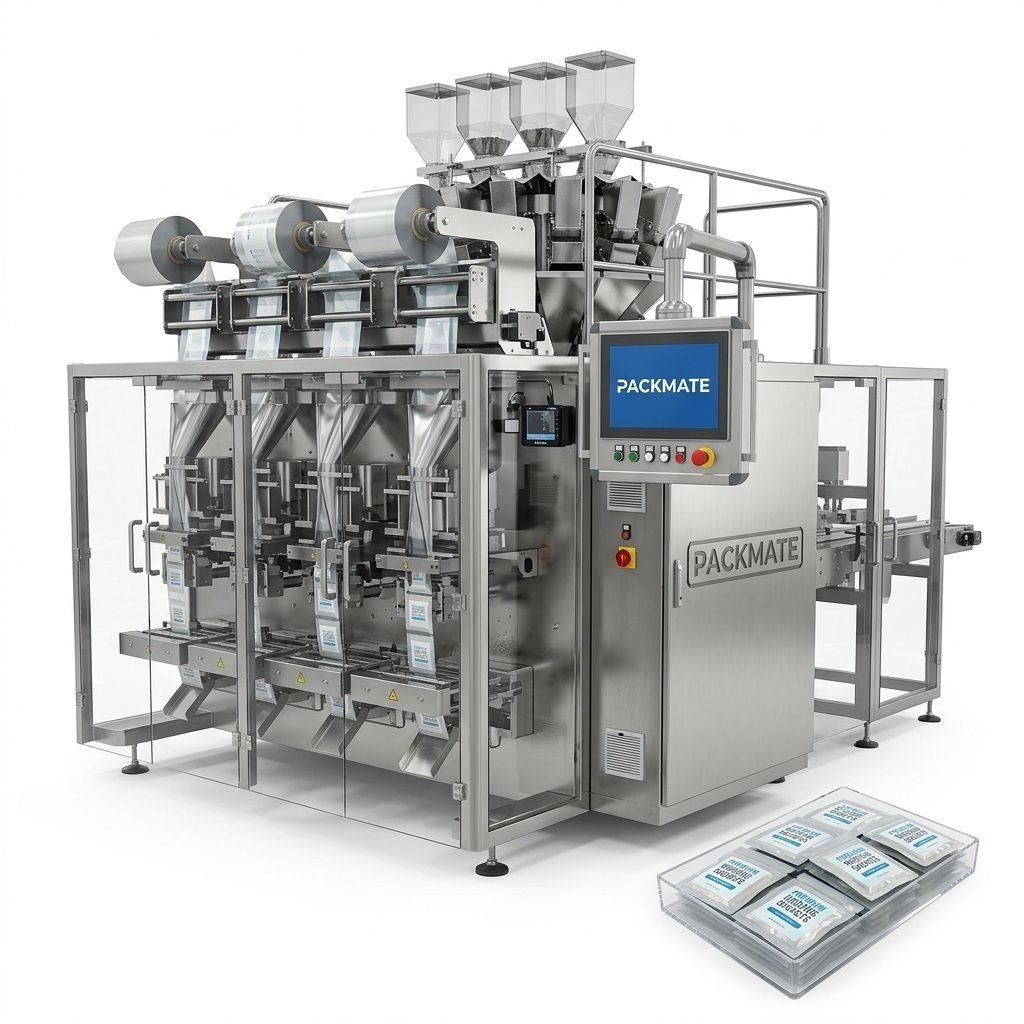
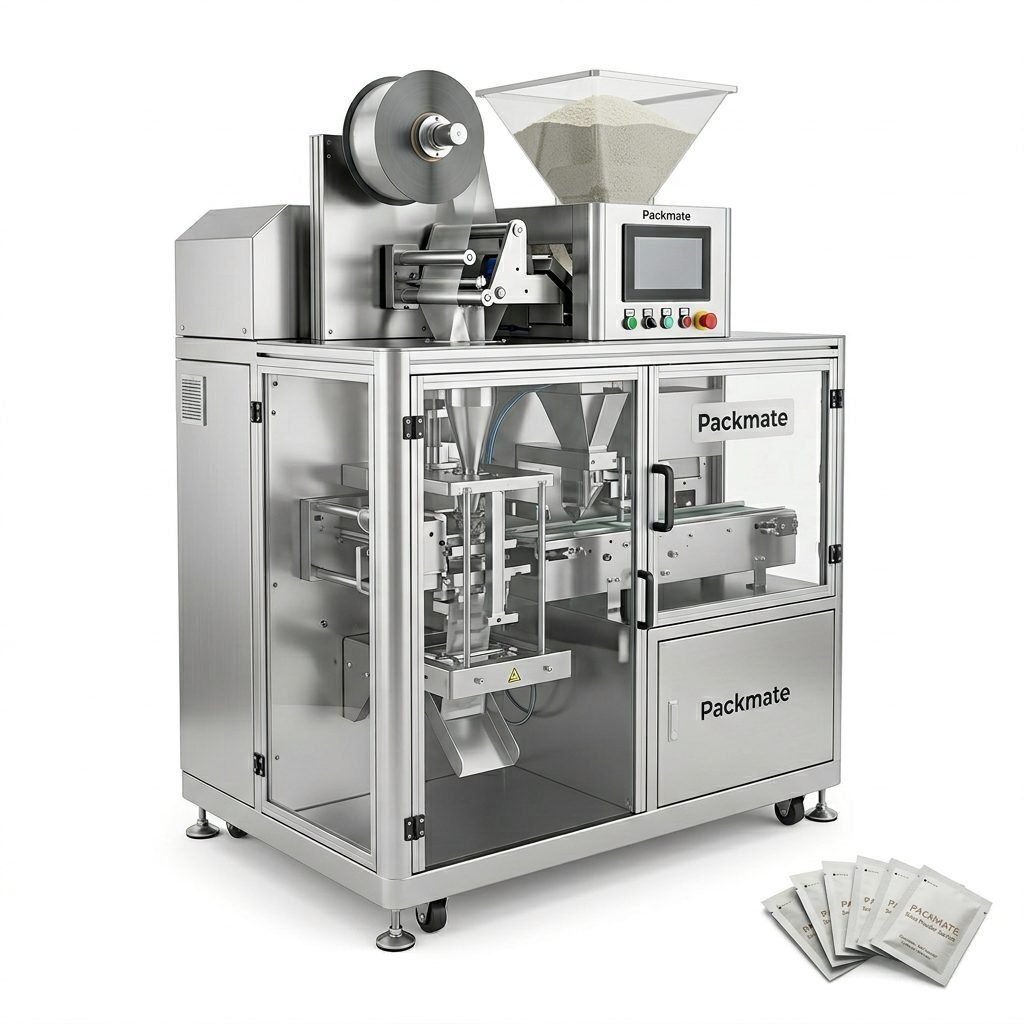
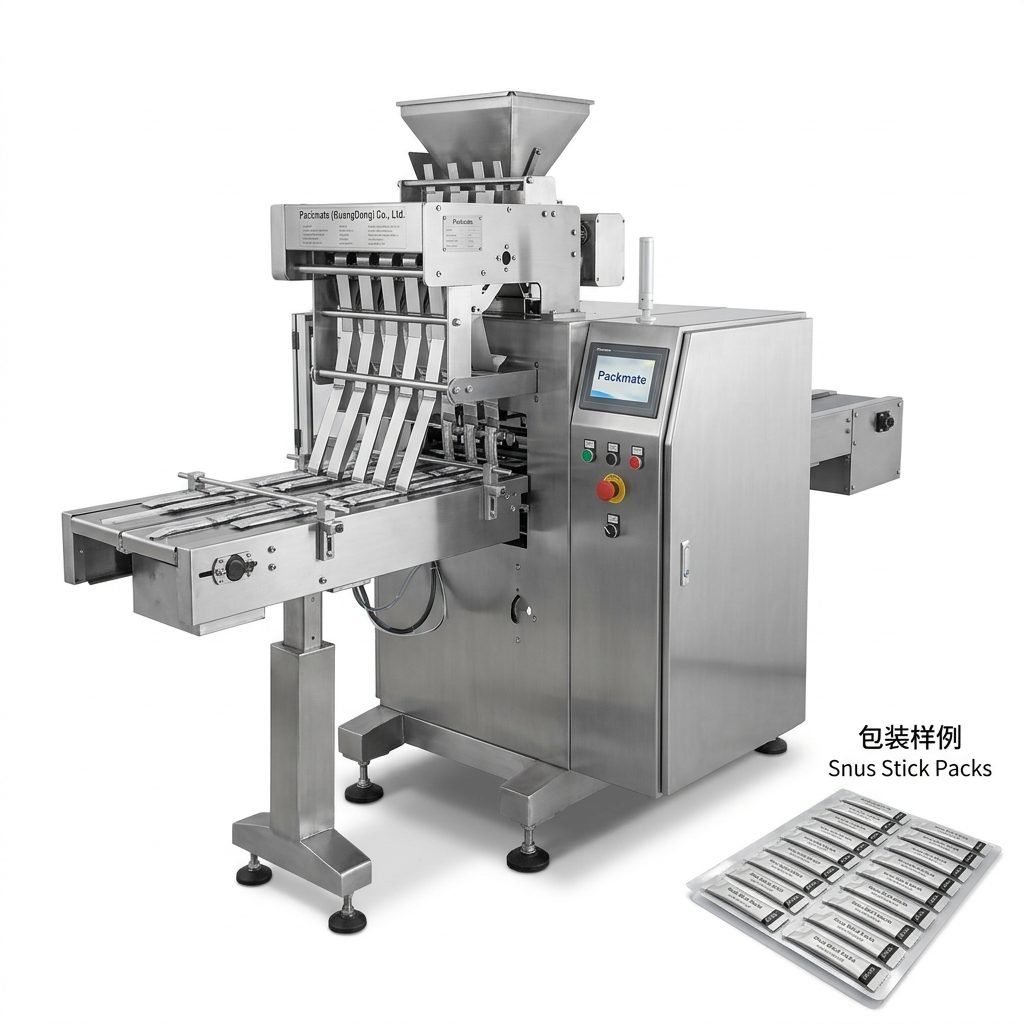
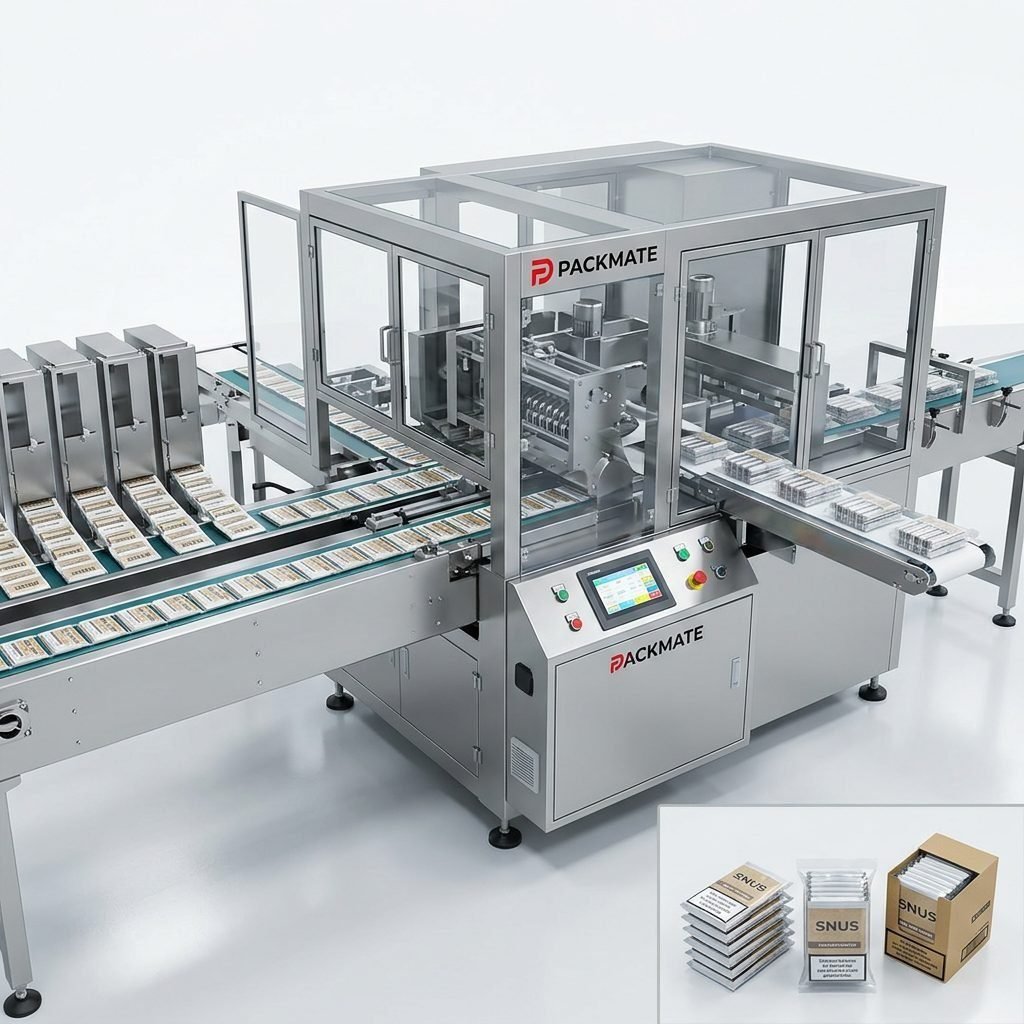
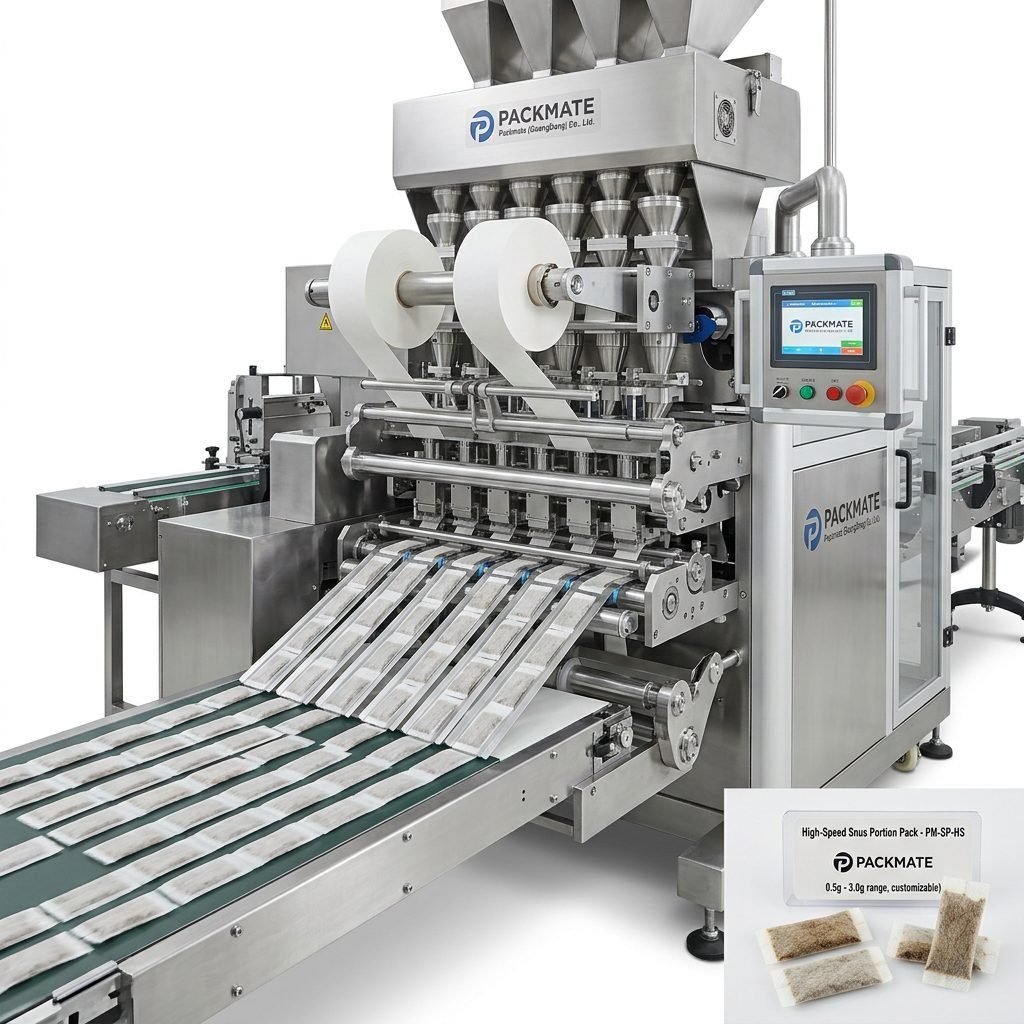
📦 Snus & Nicotine Pouch Machines – optimized for small-dose pouches, precise dosing, and soft materials; ideal for nicotine pouches and snus.
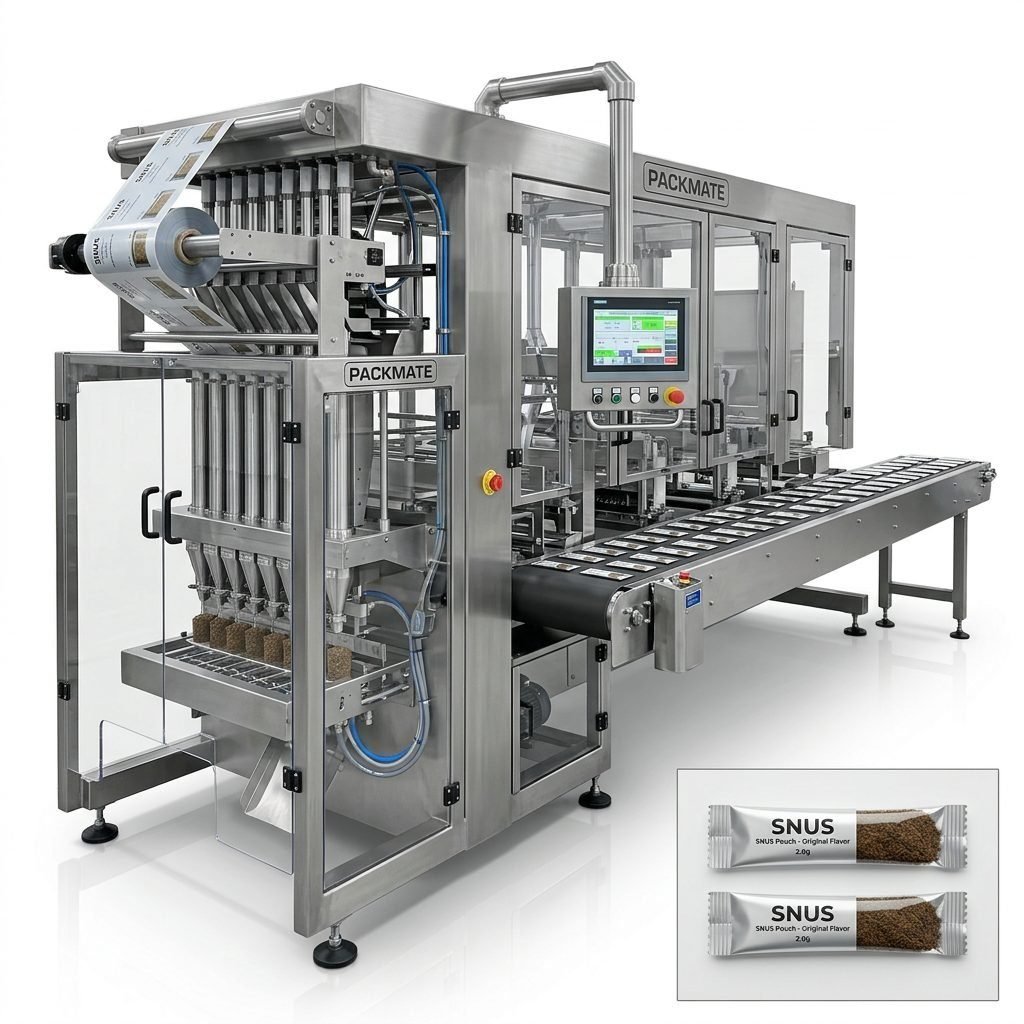
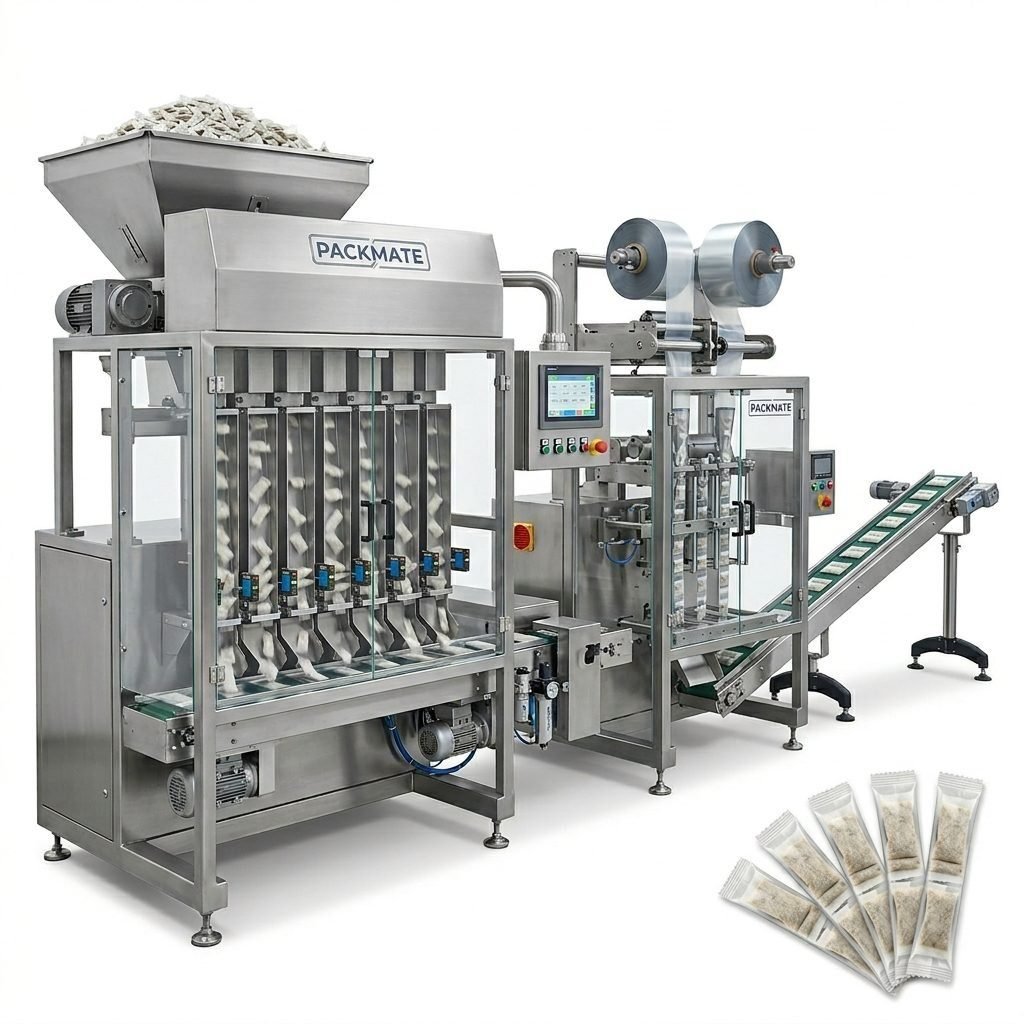
📄 Sachet & Stick Pack Machines – suitable for single-portion sachets and stick packs if you plan to expand SKUs.
⚖️ Weighing & Filling Systems – necessary for powdered or granular additives and consistent portion control.
Learn more about specialized equipment options:
Snus & Nicotine Packaging Machines,
Sachet & Stick Pack Machines,
Filling & Packaging Lines.
Assessing Supplier Capability: Packmate Example
A reliable supplier should offer more than machinery — look for manufacturing depth, engineering expertise, and global service. For example, suppliers with decades of experience, large manufacturing facilities, and multiple machine models can support customization and long-term growth.
What to look for in their company profile: 30+ years of engineering experience, a sizeable factory (e.g., 20,000㎡), advanced CNC machining, a broad model range (50+), international certifications (CE/ISO), and demonstrated turnkey solutions for snus and nicotine pouch production. Visit their About and Service pages to check real-world references and offered support: About Packmate · Service.
Factory audits, FAT and quality assurance
Insist on a Factory Acceptance Test (FAT) with your product or a close simulant. A FAT should demonstrate true production speeds, sealing integrity, and packaging aesthetics. Ask for performance logs and references from projects in tropical environments or African markets.
After-Sales Support: Where Deals Succeed or Fail
After-sales is a top priority for operations in the Congo. Consider:
Local spare parts availability — lead time from the factory to Brazzaville can be long. Discuss stocking critical spare parts locally.
Remote support and training — ask if the supplier offers remote diagnostics, video support, and French-language training.
On-site commissioning — ensure technicians can travel for installation and IQ/OQ, or confirm cooperation with a local agent.
Financing, warranties and TCO
Obtain transparent quotes that break down machine cost, shipping, customs, installation, training, and a recommended spare parts kit. Evaluate warranty coverage and extended maintenance packages. A slightly higher initial price may yield better long-term value through higher uptime and lower repair costs.
Step-by-Step Checklist to Select and Onboard Your Supplier
1. Request machine references and case studies from similar climates (ask for videos or site visits).
2. Review certifications and ask for technical manuals in French.
3. Schedule a FAT using your product or an equivalent material.
4. Confirm spare parts lead times and consider stocking critical components locally.
5. Plan for operator training, commissioning, and a local maintenance plan.
Negotiation tips for buyers in the Republic of the Congo
Negotiate payment terms that minimize risk: a deposit with staged payments tied to FAT completion and successful installation is common. Discuss DDP (Delivered Duty Paid) vs FOB shipping terms and decide who handles customs clearance. Consider a local agent or partner who understands Congolese import procedures and can assist with language and on-the-ground logistics.
Final Recommendations
Choosing the right snus packaging machine supplier for the Republic of the Congo is not just about price — it is about long-term reliability, regulatory compliance, and practical support. Prioritize suppliers that can:
• Demonstrate performance in hot and humid climates,
• Provide documentation and training in French,
• Offer clear spare parts plans and responsive service,
• Deliver turnkey solutions that simplify scaling and compliance.
If you want to review detailed machine options or request technical drawings and case studies, check supplier portfolios and request samples: Case. When ready to talk about tailored solutions, use the supplier’s contact channels to discuss timelines and FAT arrangements: Contact Us.
Common Questions (FAQs)
Q1: What certifications should a snus machine supplier provide for exports to Congo?
A: CE and ISO certifications are essential. Also request full technical documentation, electrical schematics, and product compliance statements that can be used in customs filings.
Q2: How do I ensure sealing and shelf life in a humid tropical climate?
A: Choose barrier films and sealing parameters tested for high humidity, and require a FAT with humidity conditioning if possible. Machines that offer precise temperature-controlled sealing and multi-layer film compatibility are preferred.
Q3: What after-sales services are most valuable in Congo?
A: Rapid spare parts delivery, remote troubleshooting, French-language training, and planned on-site maintenance visits are critical. Confirm warranty terms and local stocking options.
Q4: Can suppliers customize machines for specific pouch sizes or multi-lane production?
A: Yes. Reputable manufacturers offer customization and multi-lane systems for higher throughput and multiple SKUs. Discuss format changeover time and tooling costs up front.
Q5: Where can I see examples of installed lines and client references?
A: Request case studies and visit the supplier’s case portfolio and exhibition records to see past installations: Case · Our Exhibition.