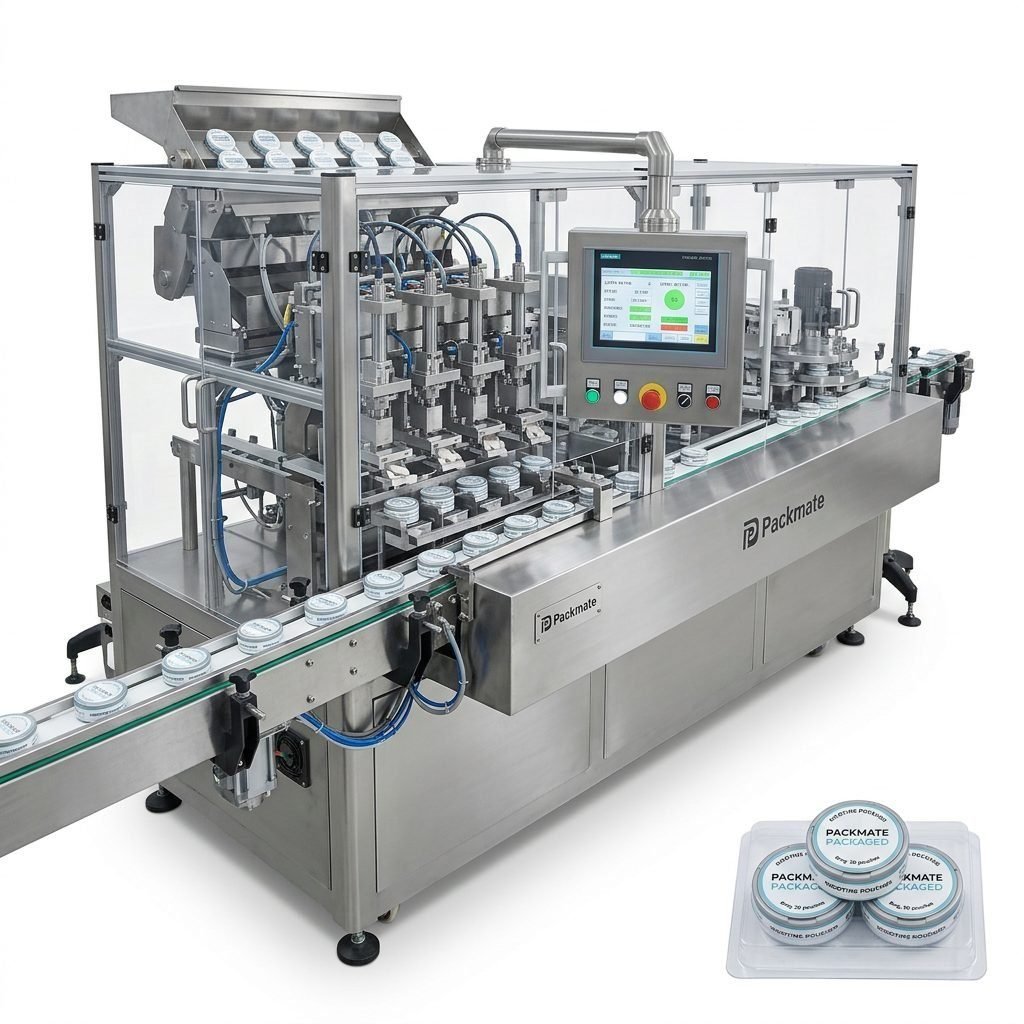
Choosing the right nicotine packaging machinery supplier for your factory in Laos is one of the most important decisions you will make when scaling production. This guide walks you through practical, on-the-ground considerations—from machine performance and local compliance to after-sales support and logistics—so you can select a partner who ensures stable production, predictable costs, and long-term reliability.
Understand the Laos Market and Local Preferences
Laos has a growing interest in modern consumer goods and a trend toward convenience packaging. Factories often serve regional buyers in neighboring Thailand, Vietnam and China, so flexibility in pack sizes and multi-lane outputs is valuable. Local buyers frequently prefer compact, low-waste packaging that aligns with retail shelves commonly found in Vientiane and provincial markets. When evaluating suppliers, make sure the equipment can produce formats favored locally—single-dose pouches, sachets and stick-packs—with consistent fill accuracy.
Cultural & practical notes for negotiating in Laos
Business relationships in Laos value trust, long-term partnerships and clear, respectful communication. Expect decisions to include several stakeholders and sometimes take longer than in fast-paced markets. It helps to ask for clear sample runs, references from regional clients, and a transparent timeline for delivery and commissioning. If you can, arrange a local translator or bilingual representative for technical discussions—this reduces misunderstanding on machine specifications and warranty terms.
Key Supplier Capabilities to Prioritize
Focus on suppliers who demonstrate strength in these areas:
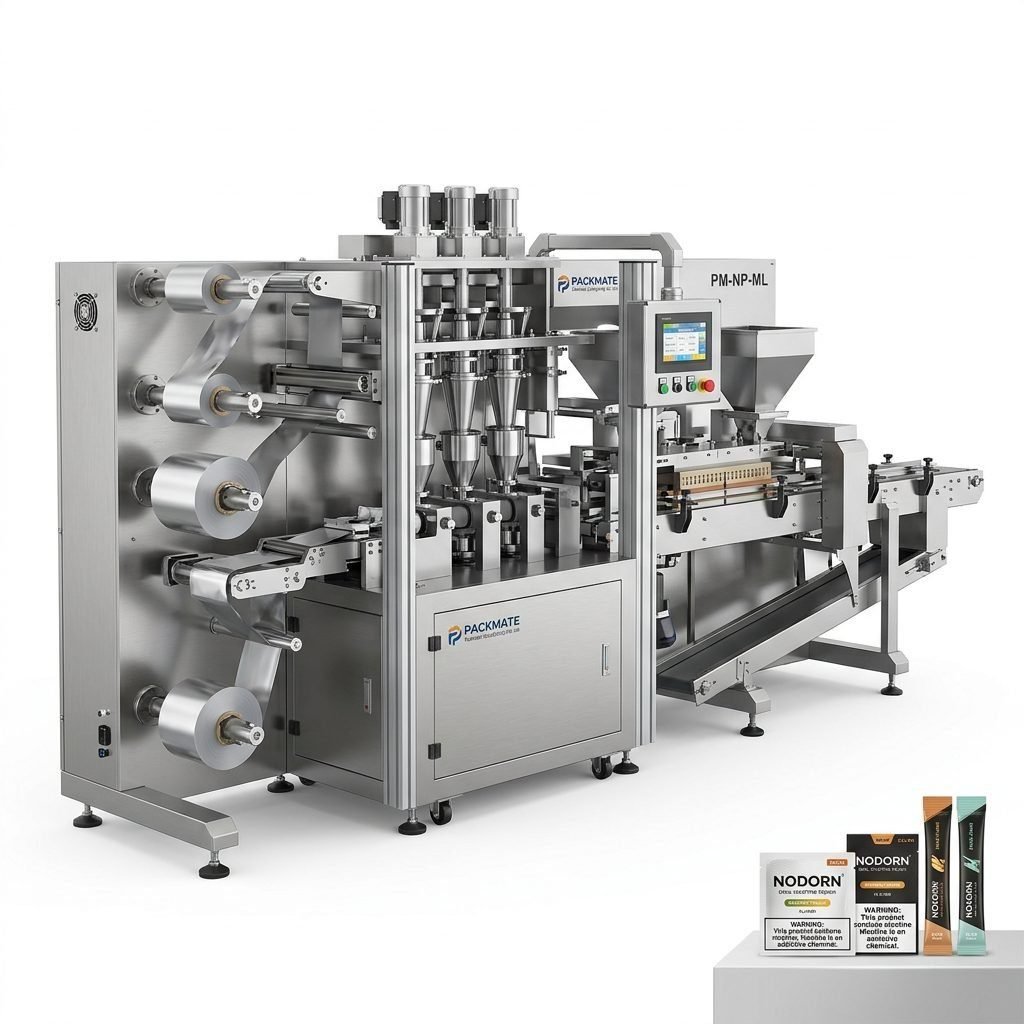
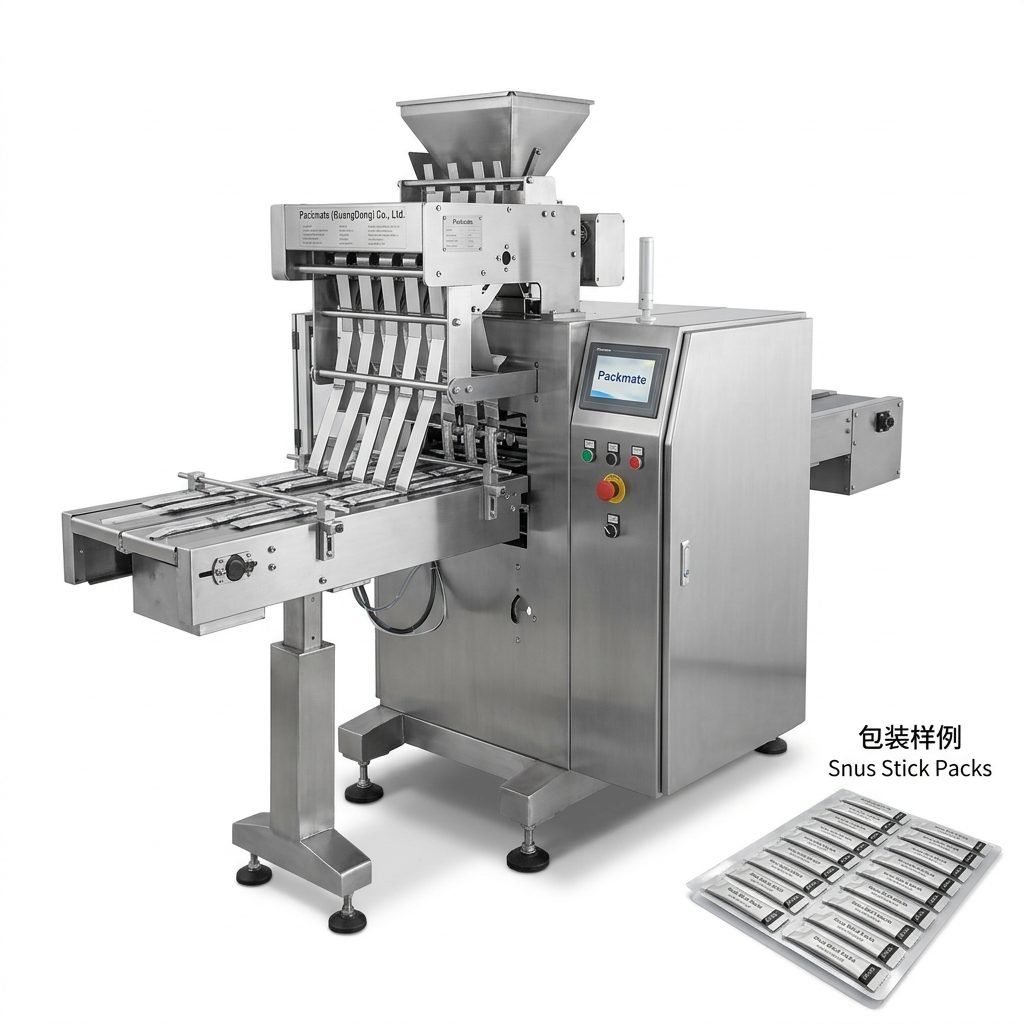
🔶 Production experience: look for 10+ years of machine-building history in nicotine/snus packaging lines or related sectors. Suppliers with multi-lane solutions are especially useful for small-dose pouch manufacturers.
🔶 Engineering depth: ensure the supplier has advanced machining and assembly capabilities, such as CNC centers and precision calibration, which reduce variation and downtime.
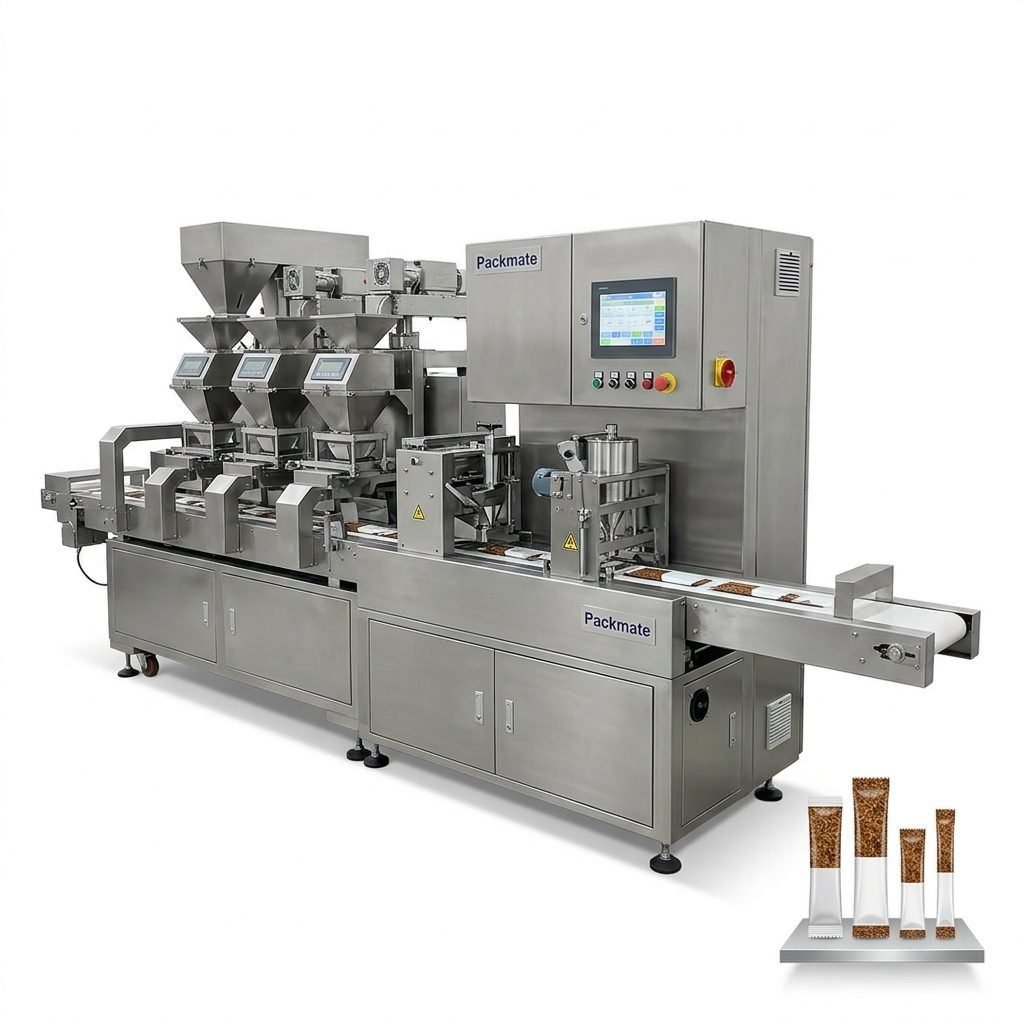
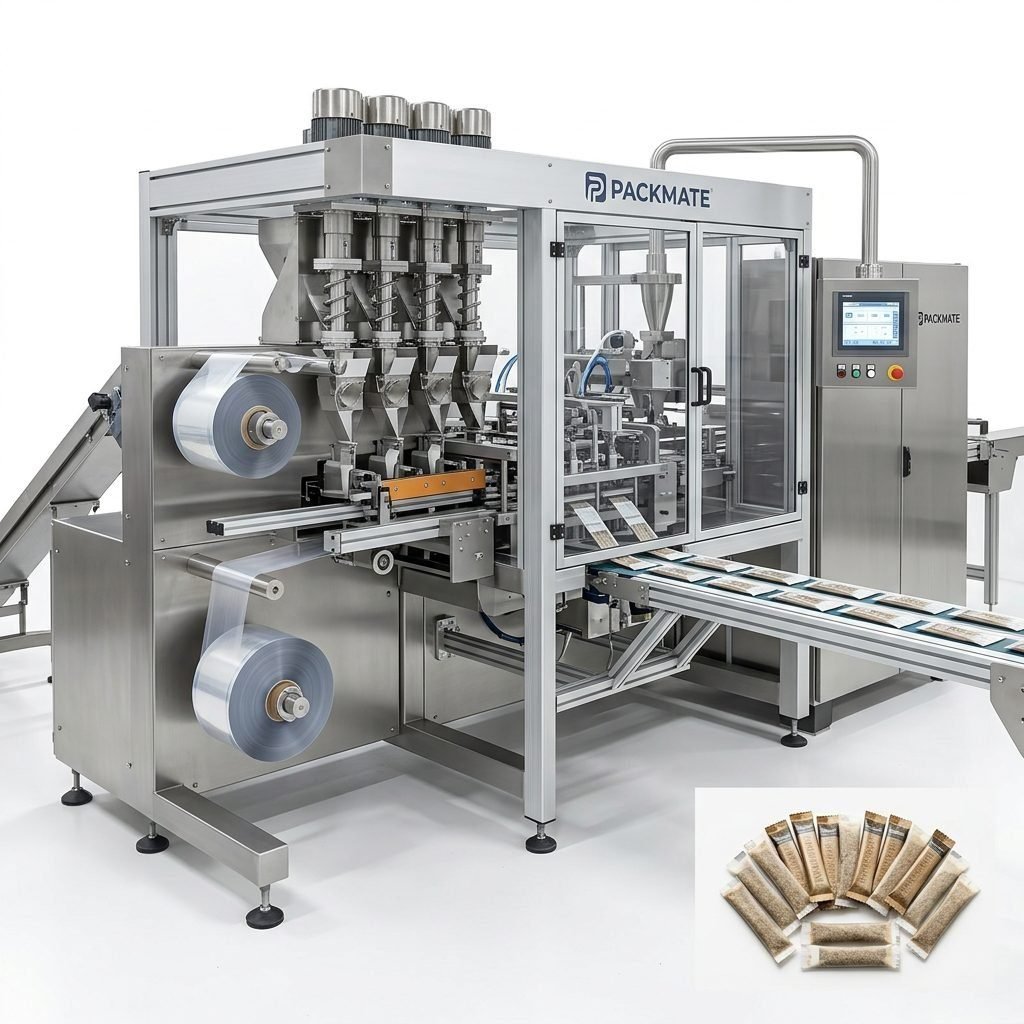
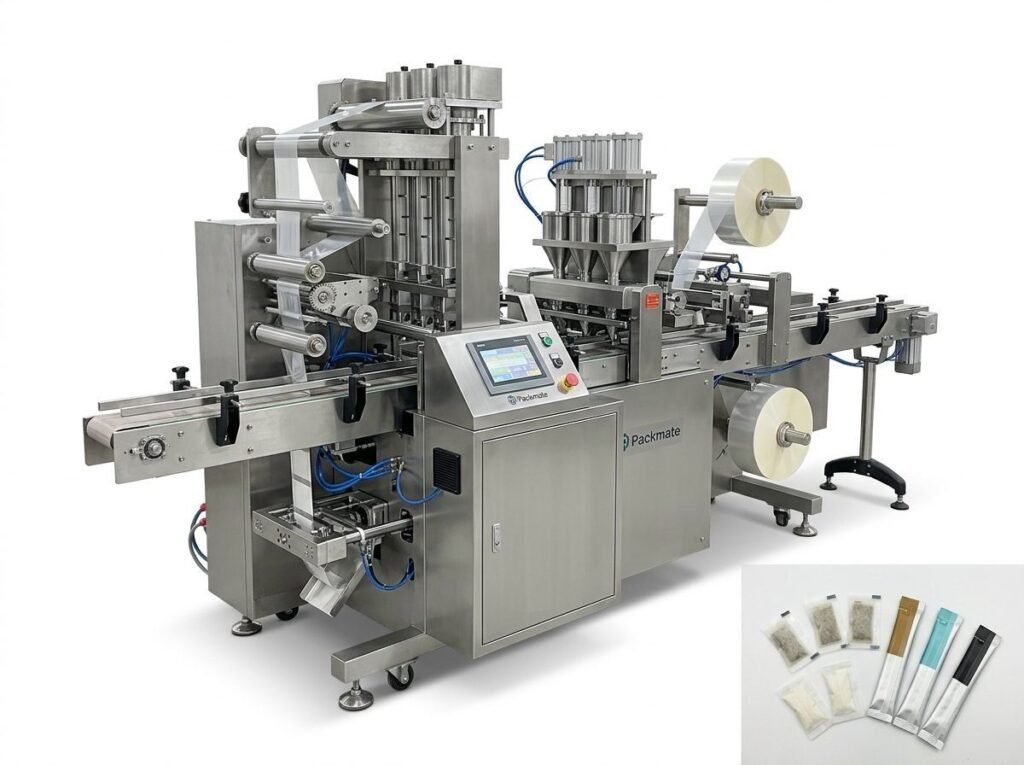
🔶 Range of models: choose a supplier offering stick packs, sachets, multi-lane pouch lines and auxiliary equipment so your line can adapt to new SKUs without replacing core machinery.
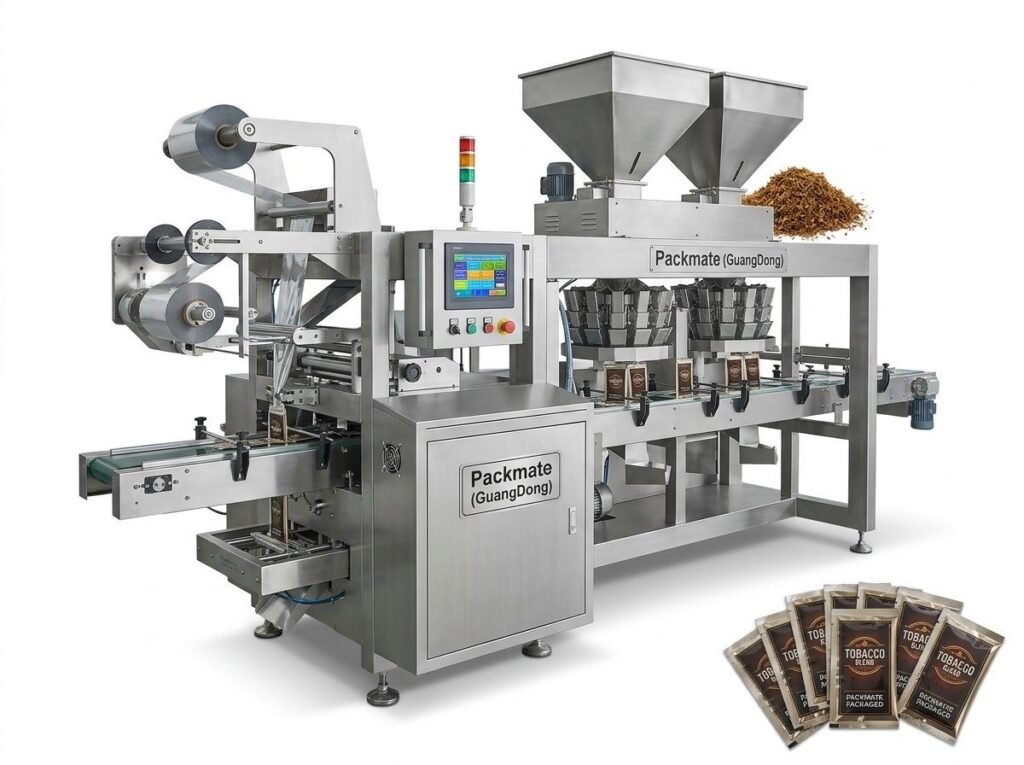
Tip: A supplier with a broad catalog—covering Snus & Nicotine Packaging Machines, Bag & Pouch Packaging Machines and Weighing & Packaging Systems—helps you scale by integrating upstream and downstream equipment seamlessly.
(See product examples: Snus & Nicotine Packaging Machines, Bag & Pouch Packaging Machines)
Technical Specifications That Matter
When reviewing machine specs, confirm the following:
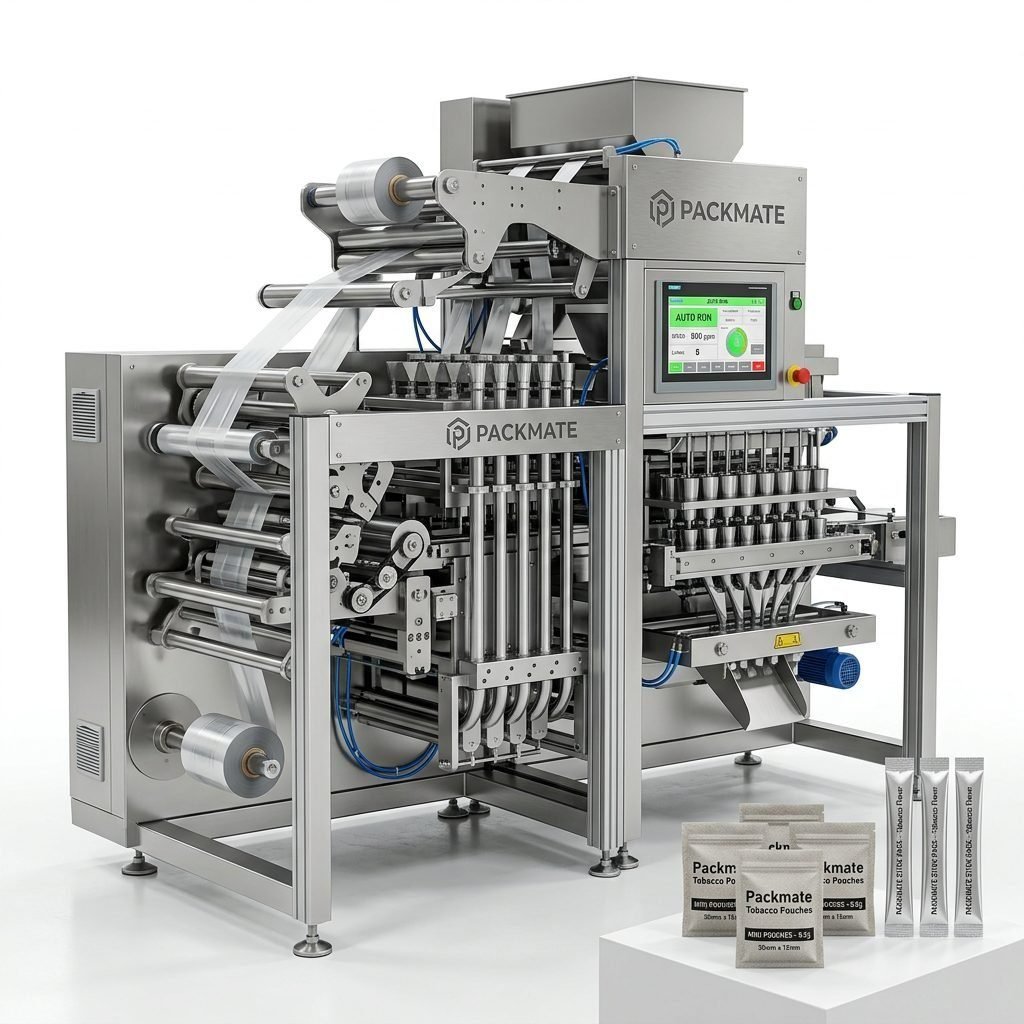
✅ Throughput & lanes: how many pouches per minute, and can the machine handle 2/4/6/8 lanes? Multi-lane capability can significantly increase capacity in a small factory footprint.
✅ Fill precision: packet weight tolerances for small-dose nicotine pouches are critical to control product cost and regulatory compliance.
✅ Material compatibility: confirm the machine handles your intended film laminates, barrier materials and any resealable options.
✅ Servo control & automation: modern servo systems provide repeatability and easy changeovers between SKUs.
Check the detailed datasheet and request sample pouches
Always ask suppliers to run your exact formula and packaging material in a sample production test. Reliable suppliers will perform trial runs and provide recorded data on weight distribution, seal strength and cycle stability.
Quality Assurance, Certifications and Factory Strength
Quality matters both in the components you buy and in the supplier’s manufacturing processes. Evaluate:
⚠️ Certifications: look for CE, ISO and other internationally recognized approvals. These indicate adherence to safety and management standards.
⚠️ Factory capacity: a supplier with a large, well-equipped factory—CNC machining centers, precision assembly lines, and strict testing—can better handle custom requests and urgent spare parts.
Example: suppliers with a 20,000㎡ facility and 30+ years of engineering experience typically have mature QA workflows and the capacity for turnkey line production.
(Learn more about supplier background: About Packmate, Certificates)
Customization & Future-Proofing Your Line
Your supplier should accommodate customization for Laos market conditions: language on the HMI (Lao/English), power supply variants, dust and humidity protections, and quick-change tooling for local SKUs. A modular machine design allows you to add lanes or integrate weighing and filling systems as demand grows.
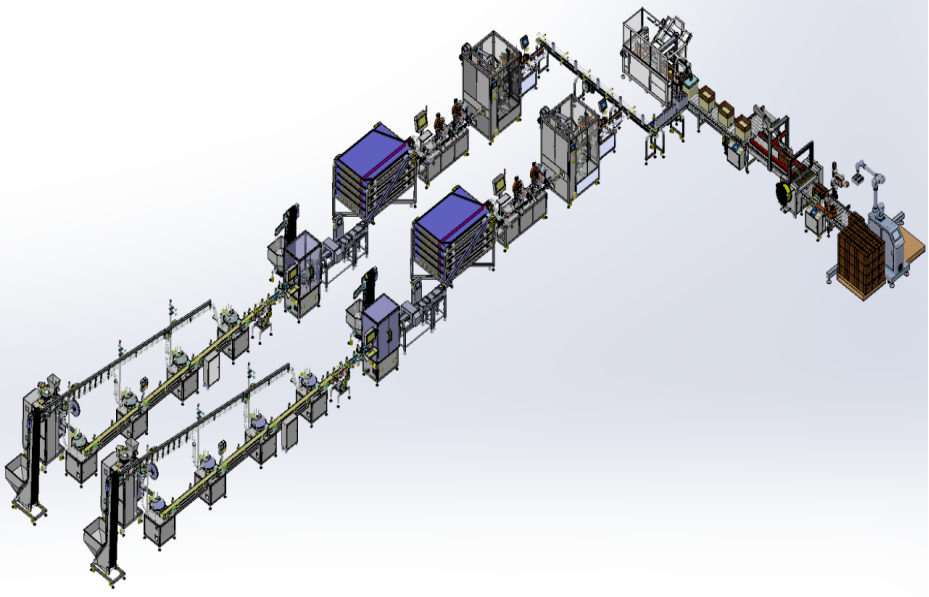
If you plan to expand product lines, ensure the supplier can provide auxiliary equipment like bucket elevators, weighing systems, and carton packers so that your new SKUs can be integrated with minimal downtime. (See related lines: Weighing & Packaging Systems)
Key checklist for customization:
– HMI language & user permissions
– Spare tooling sets for quick SKU changeovers
– Software updates and PLC compatibility for future upgrades
After-Sales Service, Training and Local Support
After-sales service is a frequent differentiator. In Laos, where remote regions may face longer shipping times, prompt technical support and spare parts availability are critical. Ask suppliers:
✅ What is the standard warranty and what parts are consumables?
✅ Do they offer commissioning and onsite training? Look for hands-on operator and maintenance training packages.
✅ Spare parts policy: lead times, local stocking options or regional distributors can reduce downtime.
Suppliers with a dedicated service team and clear remote-support tools (video calls, annotated instructions, spare parts kits) will help your factory get back to production faster.
(See service offerings: Service, Contact Us)
Logistics, Shipping and Installation in Laos
Plan logistics carefully for large packaging lines. Consider:
– Port of entry: For Laos, imports often transit through Thai ports (Laem Chabang) then by land, or via Vietnamese ports depending on your supply routes. Choose suppliers familiar with cross-border logistics to avoid unexpected delays.
– Crating & protection: machines must be crated and secured for overland transport in tropical conditions.
– Onsite assembly: clarify who handles installation and commissioning—supplier technicians or local engineers trained by the supplier.
Pricing, ROI and Total Cost of Ownership
Price is not just the machine price. Calculate total cost of ownership (TCO) including:
– Installation and commissioning fees
– Training and documentation in your language
– Consumables & spare parts consumption rates
– Energy consumption and maintenance intervals
Ask suppliers for a sample TCO calculation based on your expected annual throughput so you can compare realistic ROI scenarios.
Factory Visits, References and Case Studies
A trustworthy supplier should welcome you to their factory or provide a virtual tour of assembly lines and finished installations. Verify references and case studies—look for similar installations in Southeast Asia or tropical climates. Suppliers with global turnkey projects and exhibition experience are usually better equipped to handle regulatory and operational complexities.
(Explore cases & exhibitions: Case, Our Exhibition)
Regulatory Compliance & Documentation
Nicotine product regulations differ across ASEAN. While sourcing machinery, insist on documentation that helps with compliance: machine certificates, materials traceability, and calibration records. Always consult local regulatory advisors to confirm labeling and product registration requirements in Laos and any export markets you serve.
Decision-Making Checklist (Quick)
🔹 Does the supplier provide multi-lane solutions and sample test runs?
🔹 Are CE/ISO certificates and factory photos available?
🔹 What are lead times for spare parts and onsite commissioning?
🔹 Is there a clear warranty, training plan and local support option?
🔹 Can the supplier assist with logistics into Laos and provide installation support?
Final Considerations & Next Steps
Start conversations with 2–3 vetted suppliers. Request full technical proposals, sample runs using your materials, and a detailed TCO. Arrange factory visits or remote video inspections and verify references from existing clients in Southeast Asia. Suppliers presenting transparent data, robust QA processes, and strong after-sales networks will save you time and money over the lifetime of the line.
If you want an example of a comprehensive snus packaging partner with turnkey solutions, factory strength, and international certifications, review vendor portfolios and documented case studies carefully before making a commitment.
Useful links for deeper research
– Snus & Nicotine Packaging Machines: https://www.snusmachinery.com/products/snus-nicotine-packaging-machines/
– Filling & Packaging Lines: https://www.snusmachinery.com/products/filling-packaging-lines/
– Contact & Service: https://www.snusmachinery.com/contact-us/
Common Questions (FAQs)
Q1: How do I verify a supplier’s machine performance before purchase?
A1: Request a live or recorded trial using your packaging materials and formulations. Ask for measured data (pouches/minute, weight variation, seal strength) and references from similar installations.
Q2: What after-sales support should I insist on for a factory in Laos?
A2: Insist on commissioning services, operator and maintenance training, a clear spare parts lead-time policy, remote technical support, and a defined warranty for key components.
Q3: Are there logistics tips for importing large lines into Laos?
A3: Plan for overland transport from Thai or Vietnamese ports, ensure robust crating for tropical conditions, and confirm who handles customs clearance and onsite assembly.
Q4: How important are certifications like CE or ISO?
A4: Certifications signal adherence to safety and management standards and simplify approvals in many countries. They are an important part of supplier evaluation.
Q5: Where can I see real examples or case studies of snus packaging lines?
A5: Ask the supplier for case studies from Southeast Asia and visit their exhibitions or factory pages to view installation photos and client feedback. (See: Case)