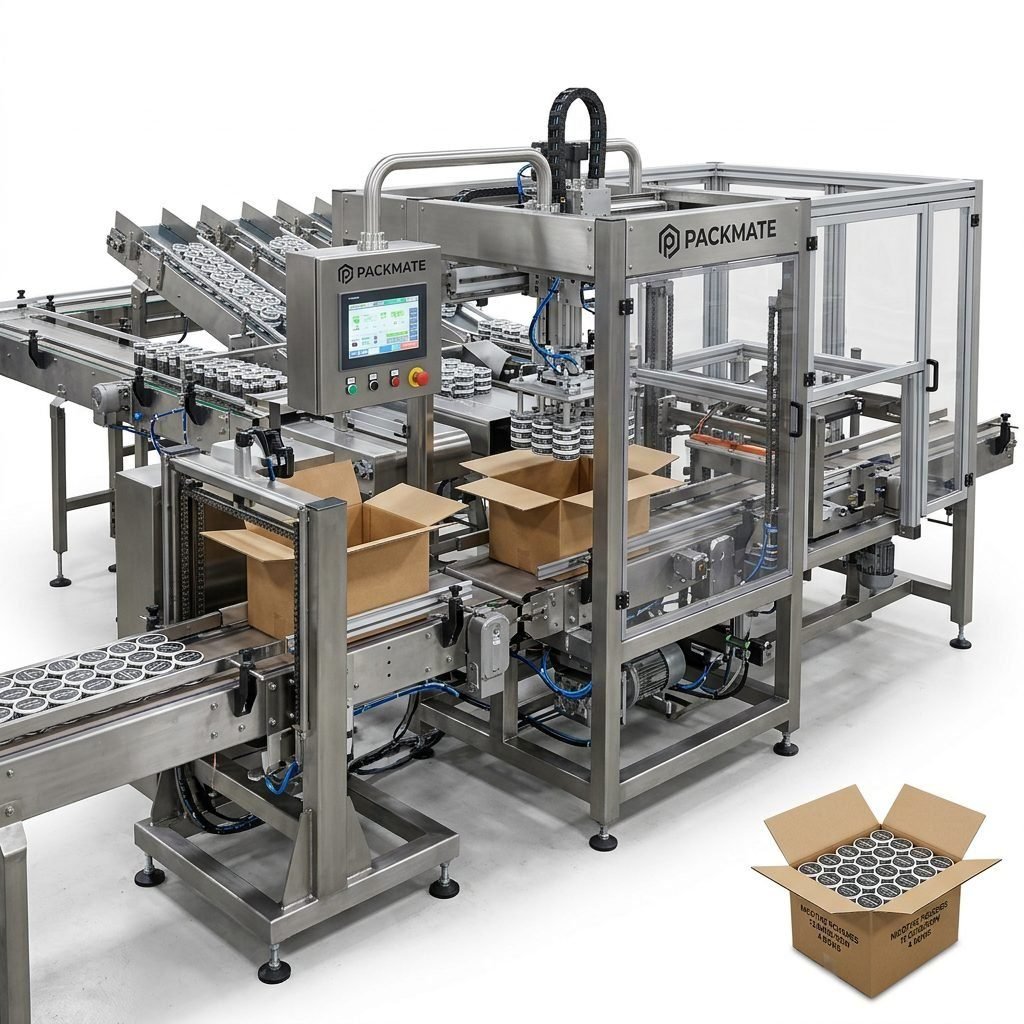
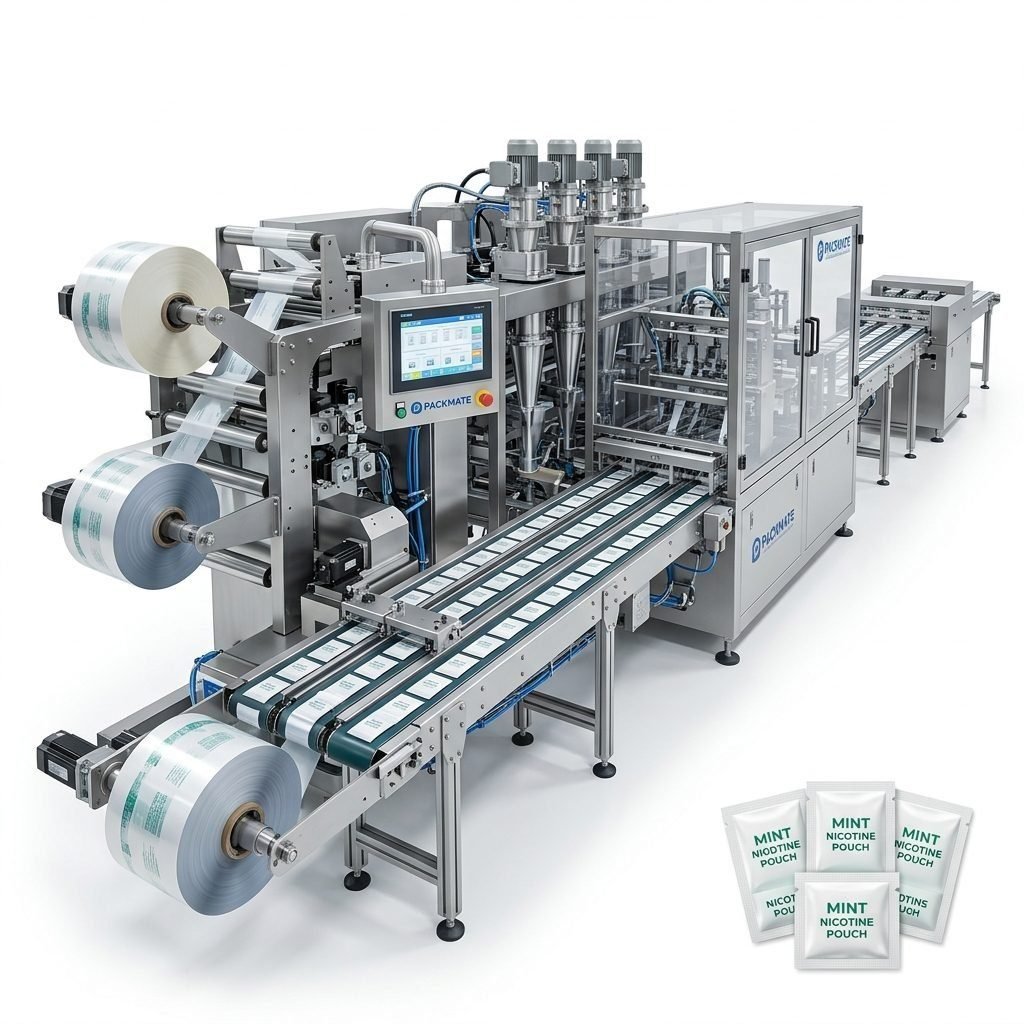
In the competitive nicotine pouch and snus packaging market, achieving airtight, leak-proof and long-lasting packaging is not optional — it is essential. Advanced sealing technology directly affects product freshness, regulatory compliance, shelf life and consumer trust. This article explores practical engineering approaches, material choices and quality-control strategies that packaging engineers, production managers and R&D teams can apply to build robust nicotine pouch packaging lines that deliver consistent, high-integrity seals.
Why airtight sealing matters for nicotine pouches
Nicotine pouches demand packaging that protects volatile aroma, moisture balance and nicotine stability. A compromised seal can cause:
🔧 Quality loss — oxidation and moisture ingress degrade flavor and potency.
✅ Regulatory risk — leaks may affect content accuracy and packaging labeling compliance.
📦 Consumer dissatisfaction — visible leaks or shortened shelf life damage brand reputation.
Core technologies for airtight, leak-proof sealing
Robust sealing is the result of the right combination of thermal, mechanical and process-control technologies. Key approaches include:
🔸 Heat sealing with controlled temperature zones — multiple independently controlled zones allow precise melting of seal layers without degrading inner pouch content.
🔸 Ultrasonic sealing — suitable for thermally sensitive products and for certain film laminates that respond well to ultrasonic energy.
🔸 Induction or RF sealing (for metallized foils) — delivers uniform sealing on heat-sensitive printed laminates and barrier foils where thermal methods may fail.
Material and barrier film choices
Selecting the correct film structure is foundational. Modern nicotine pouch films are multi-layer laminates engineered for barrier performance, sealability and printability. Consider:
– Top sealant layer — typically a thermoplastic such as PE, CPP or specially formulated sealant polymers to provide consistent heat-seal strength.
– Barrier layers — aluminum foil or high-barrier EVOH/PA layers reduce oxygen and moisture transmission.
– Outer printable layer — PET or metallized PET for graphics and mechanical robustness.
Sealing station design and mechanical precision
Mechanical design directly impacts seal consistency. Best practices include:
⚙️ Precision-guided sealing jaws — minimize lateral movement and maintain uniform pressure across the seal width.
⚙️ Force and dwell control — adjustable dwell times and pressure allow optimization for different film laminates and pouch fills.
⚙️ Temperature feedback loops — PID controllers and multiple thermocouples enable fast recovery and repeatable heat profiles.
Process control and inline testing
Continuous monitoring and inline testing are critical for catching defects before they reach consumers. Integrate:
🧪 Vacuum leak testers or pressure-decay systems to validate airtight integrity on sample pouches.
🧪 Vision systems to inspect seal appearance, alignment and the presence of foreign particles along the seal line.
🧪 Statistical process control (SPC) — capture seal strength, dwell time and temperature data to identify trends and prevent downstream failures.
Practical testing methods
Implement a layered testing strategy:
1) Burst test — determines maximum pressure the pouch withstands before failing.
2) Seal peel test — measures peel force and characterizes cohesive vs adhesive failures.
3) Accelerated shelf-life — combines humidity and temperature cycles to simulate long-term storage and detect slow leaks.
Designing for manufacturing: optimizing line speed and yield
High-speed production challenges seal quality. To maintain airtight integrity while maximizing throughput:
– Use synchronized feeding and web tension control to prevent wrinkles and skew that create weak spots in the seal.
– Implement servo-driven sealing stations for repeatable jaw movement and precise dwell timing at higher cycles.
– Optimize film layflat and register through web guiding and camera-based registration systems to ensure seal placement is consistent across lanes.
Multi-lane and small-dose considerations
For multi-lane nicotine pouch production, lane-to-lane consistency is essential. Small-dose pouches accentuate variability, so engineers must prioritize:
🔸 Independent lane adjustment for tension, sealing pressure and fill accuracy.
🔸 Rapid changeover tooling to switch between pouch sizes without prolonged downtime or calibration drift.
Maintenance, calibration and operator training
Long-term seal reliability requires disciplined maintenance and human factors:
⚠️ Routine calibration — check thermocouples, jaw alignment and pressure transducers on a scheduled basis.
⚠️ Spare parts strategy — maintain critical spares like sealing elements, sensors and pneumatic seals to minimize downtime.
⚠️ Operator training — empower teams to interpret SPC charts, perform first-line checks and respond to seal integrity alarms immediately.
Integration with full packaging lines and value-added modules
Airtight sealing rarely exists in isolation. The packaging station must integrate smoothly with upstream and downstream modules to preserve product integrity across the line:
📦 Precision dosing and metering — accurate fill ensures seals are not compromised by overfill or particulate at the bead.
📦 Nitrogen flushing or inert atmosphere modules — when appropriate, flushing headspace can significantly extend shelf life by reducing oxygen.
Packmate solutions and global experience
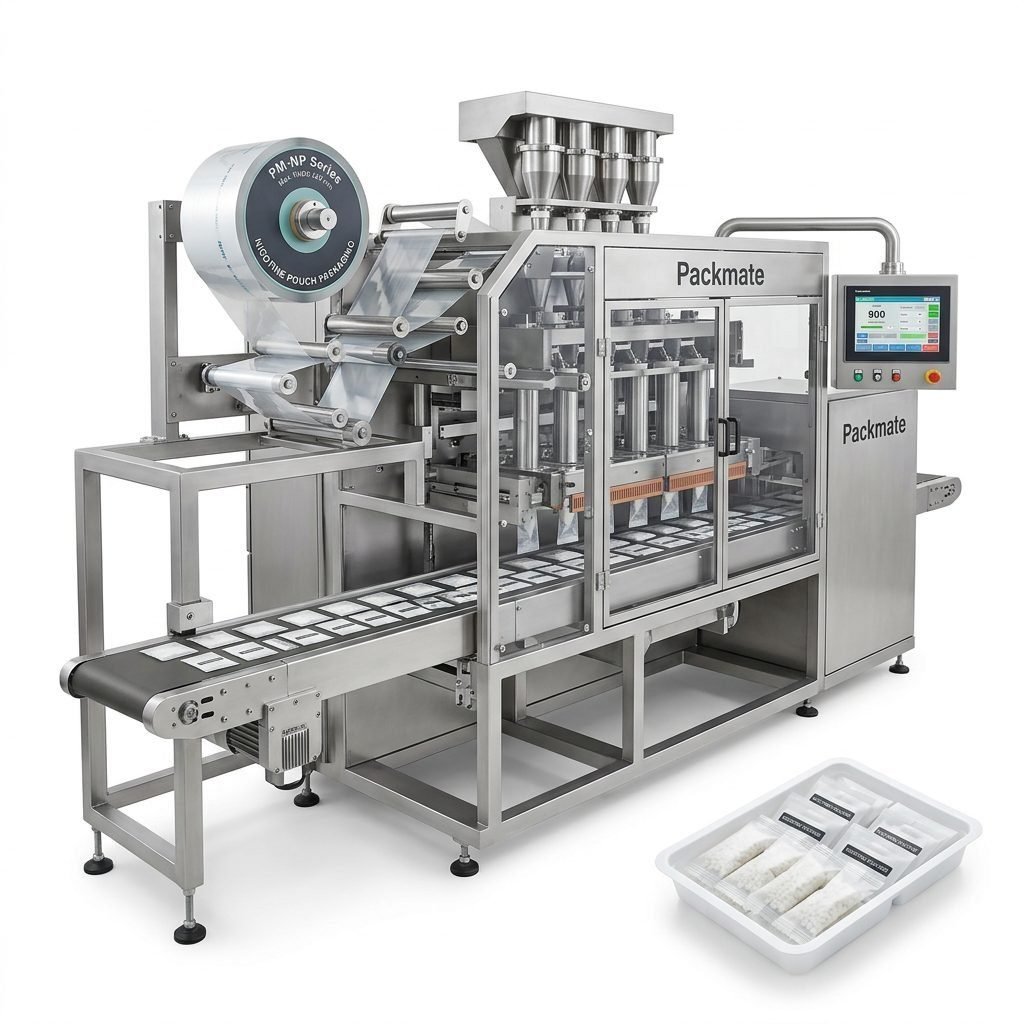
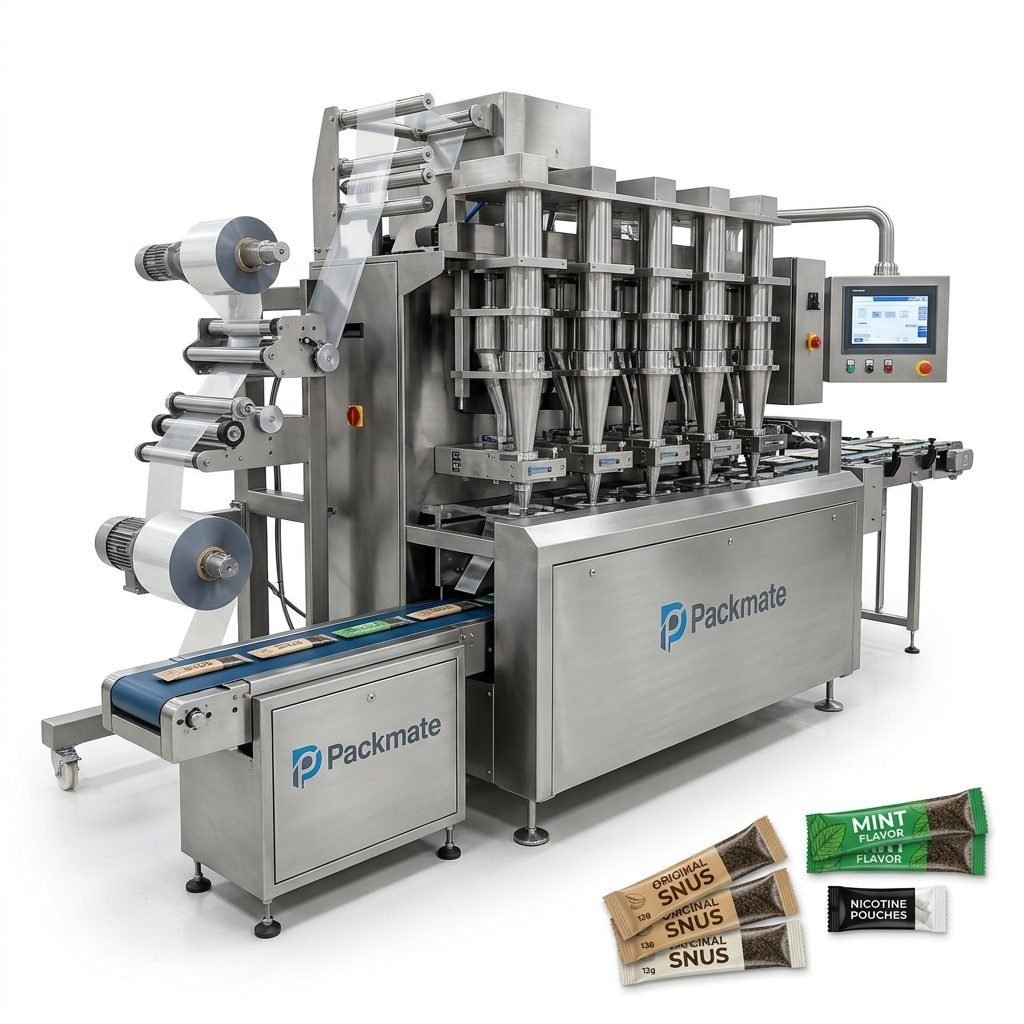
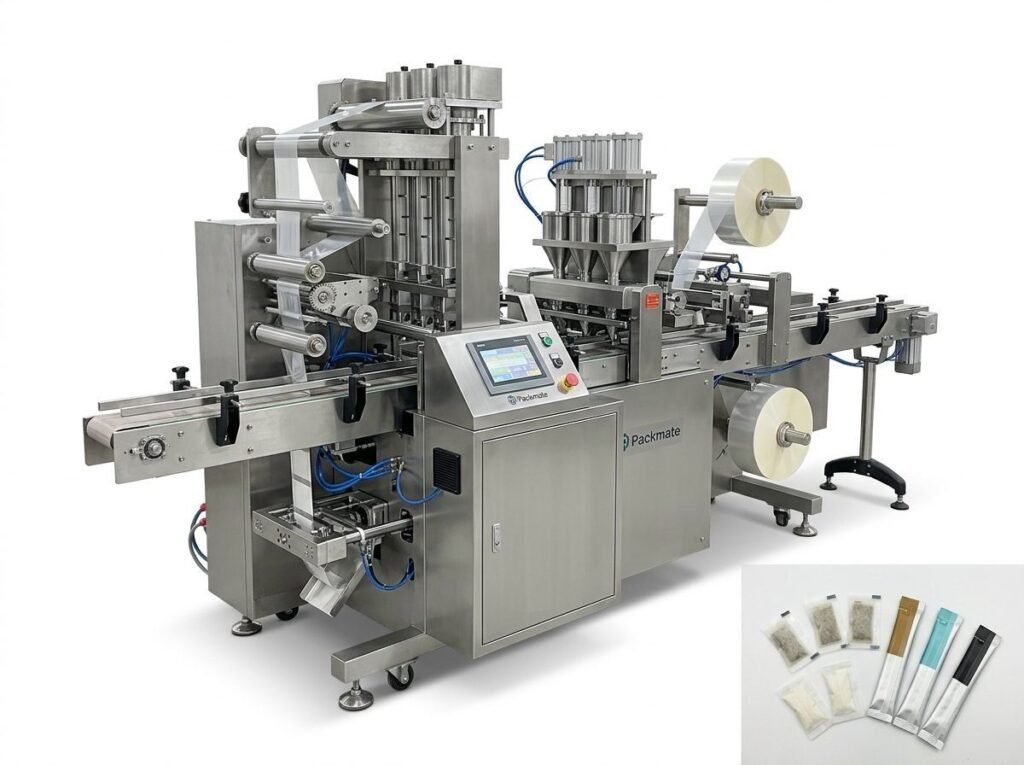
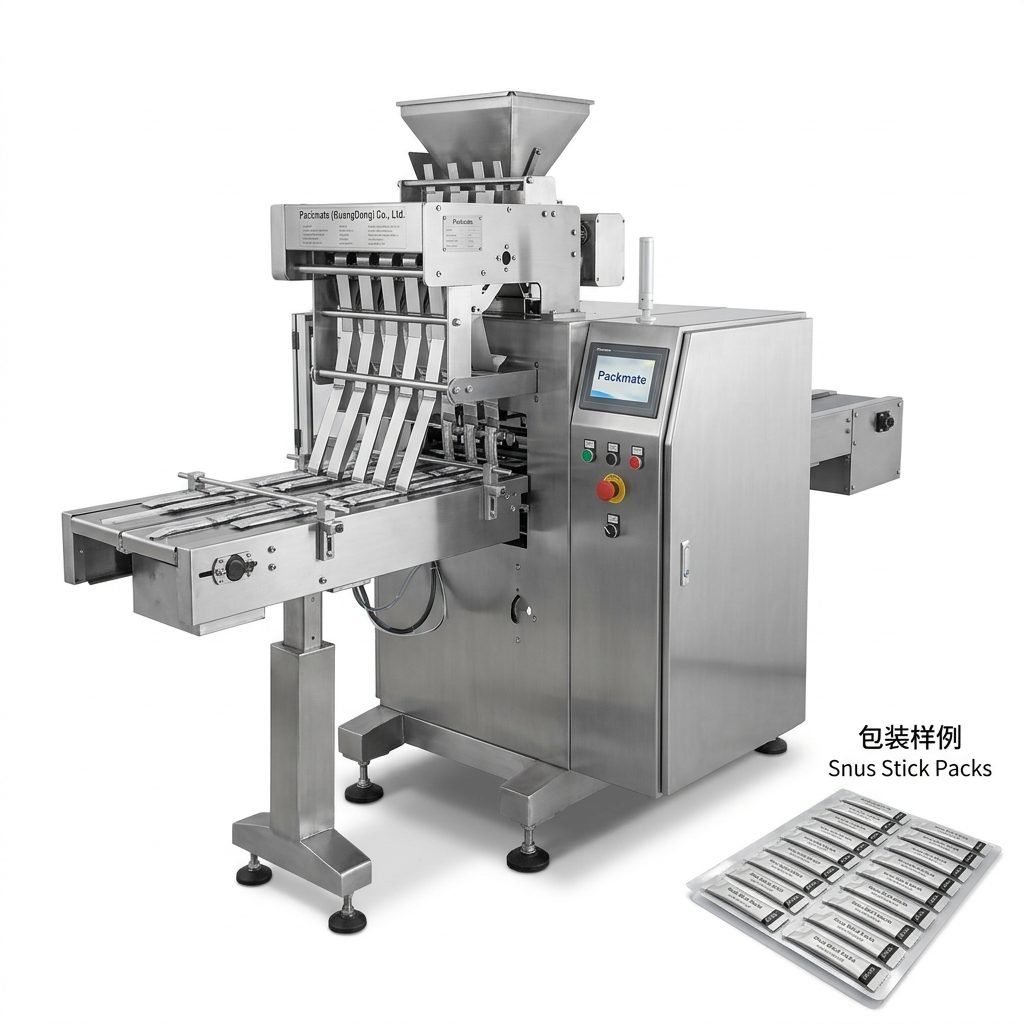
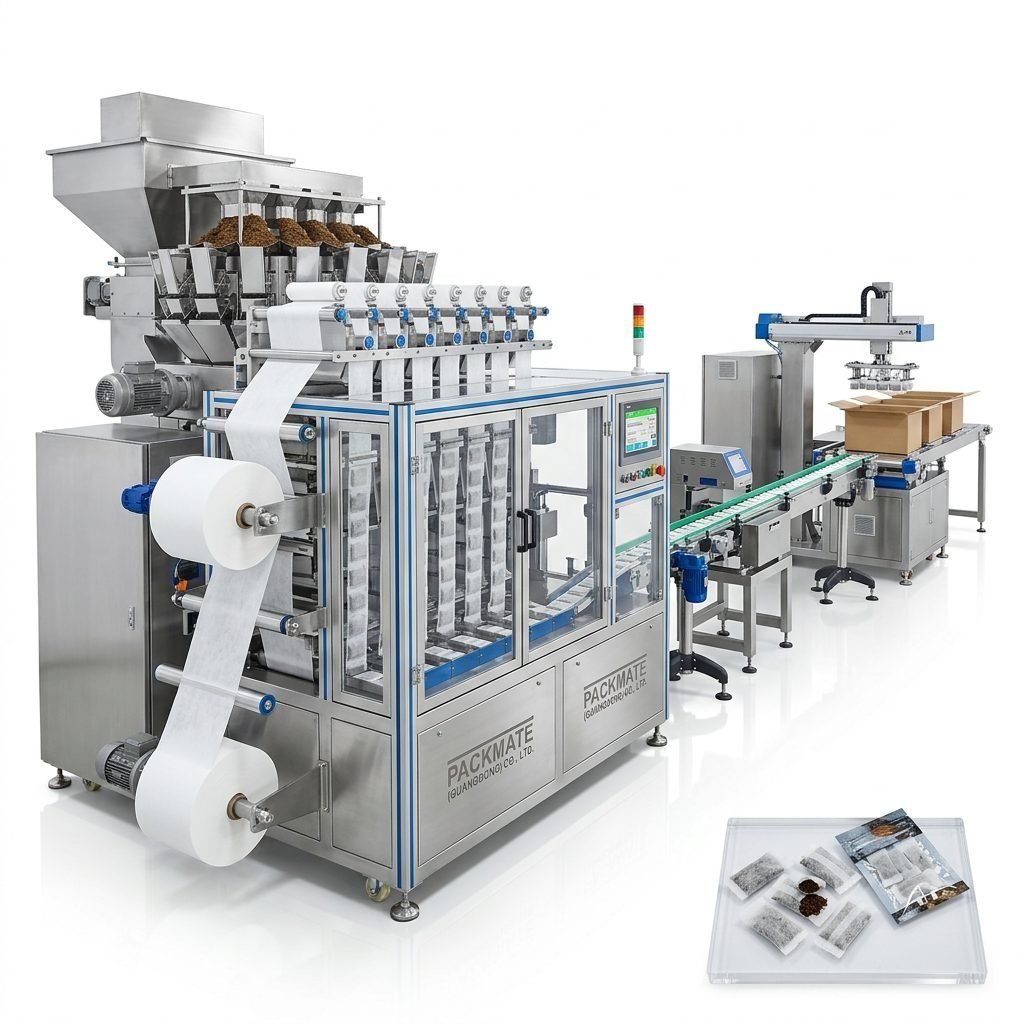
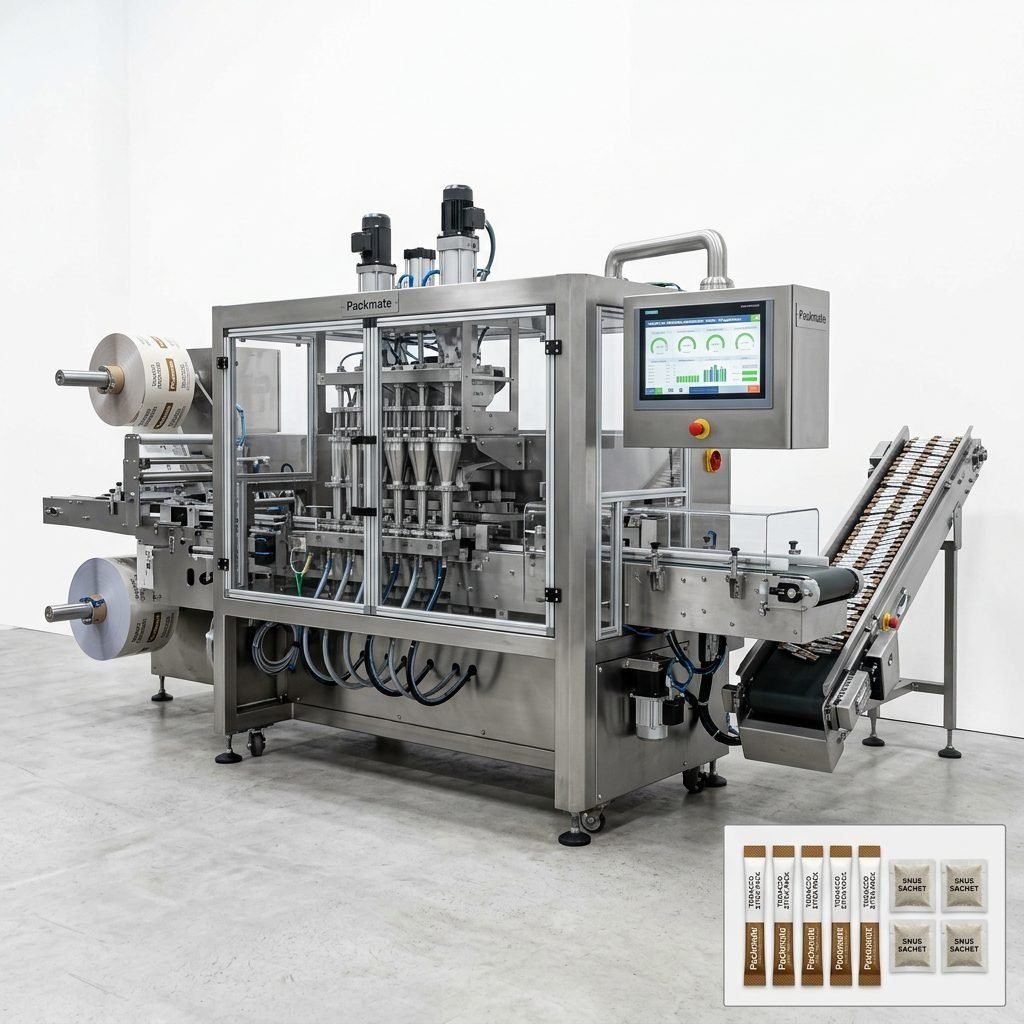
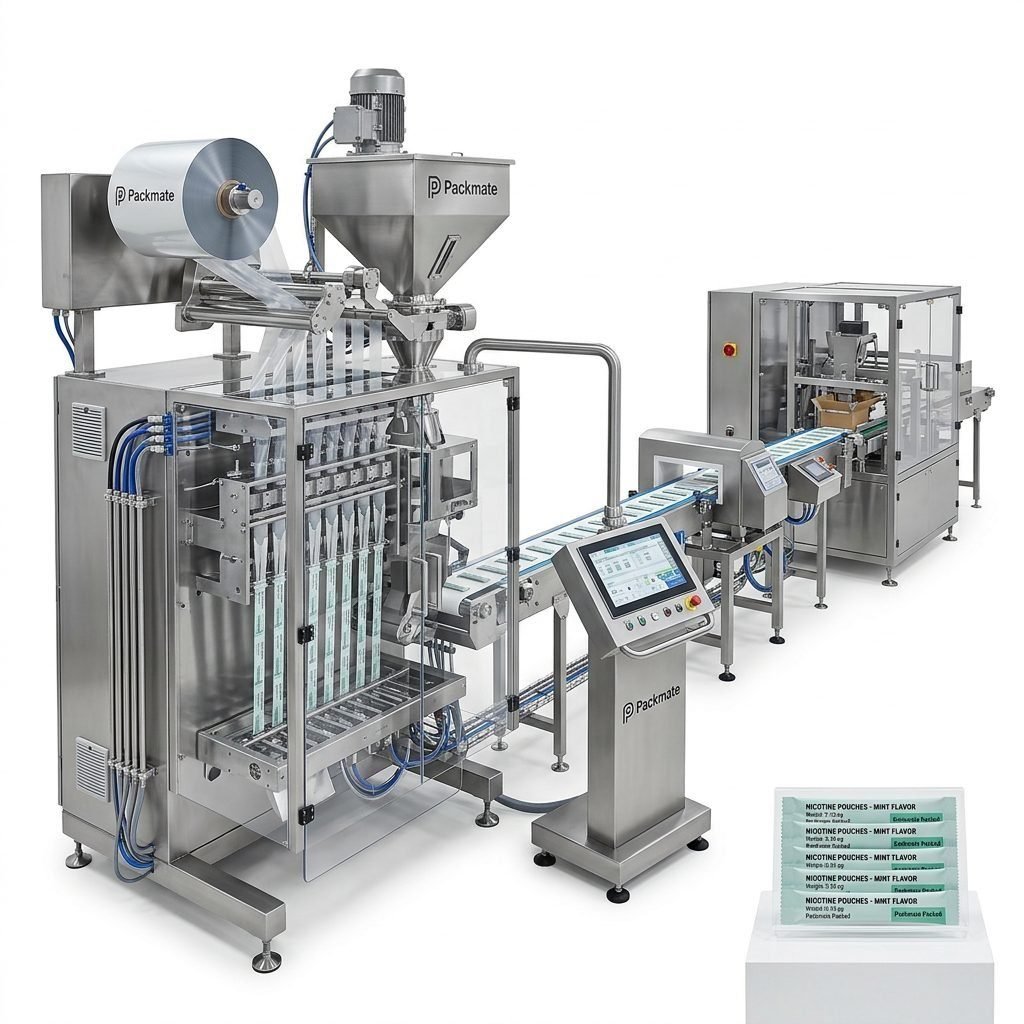
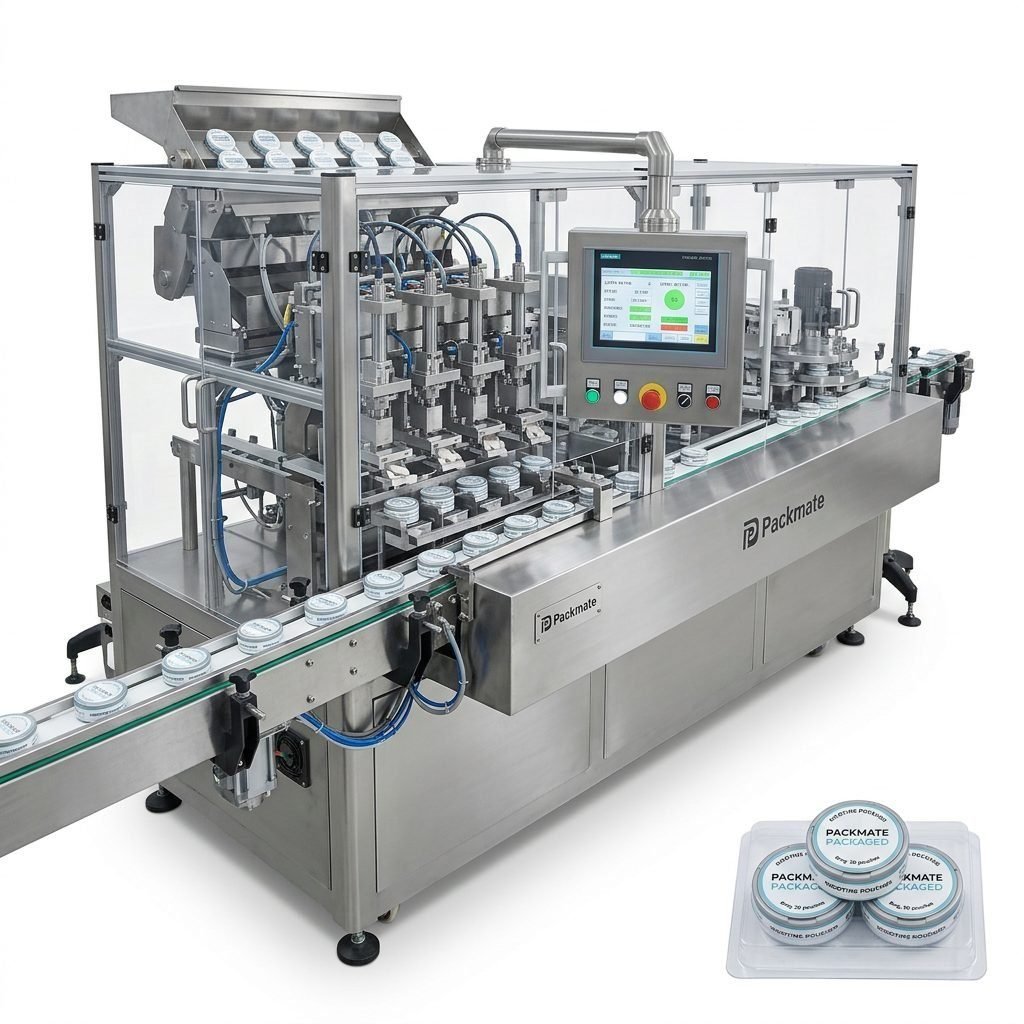
Companies such as Packmate Snus Machine combine decades of engineering to deliver complete packaging solutions tailored for nicotine pouches. Their multi-lane and sachet/stick-pack expertise ensures lines are designed for high throughput, precise sealing and regulatory compliance. For more information on machine types and configurations, view Packmate’s product pages:
– Snus & Nicotine Packaging Machines
– Bag & Pouch Packaging Machines
– Case Studies highlighting real-world implementations and performance metrics.
Case study: multi-lane pouch line improvements
A European production partner reported frequent micro-leaks after speeding up a four-lane pouch line. The remedy combined mechanical and process upgrades:
– Replaced generic sealing jaws with precision-machined, heated jaws and installed independent PID temperature control per jaw.
– Implemented a vision-based registration system to remove lateral film drift and added a vacuum leak tester inline to flag questionable pouches immediately.
The outcome: a 7% increase in first-pass yield, a reduction in customer complaints, and improved shelf-life performance validated by accelerated aging tests.
Regulatory and regional considerations
Different regions require specific labelling, child-resistant features and product integrity assurances. Manufacturers exporting to Europe, North America or Asia should design packaging lines that can:
– Support variable label printing and serialization for traceability.
– Integrate child-resistant closure options where mandated, without compromising seal integrity or manufacturability.
Selecting a machine partner
When evaluating vendors, prioritize:
✅ Proven track record with nicotine pouch lines and multi-lane systems.
✅ Robust after-sales support and spare-part network.
✅ Flexible customization to match your film structure and fill technology.
Learn more about Packmate’s capabilities and service offerings on their About page and contact portal:
Implementation checklist: 10-step roadmap
1. Validate film lamination and sealant layer composition for chosen sealing method.
2. Specify sealing jaw geometry and heated surface treatment to avoid sticking and ensure uniform heat transfer.
3. Configure PID-controlled temperature zones and monitor recovery at target line speeds.
4. Integrate vision and leak detection for inline QA.
5. Perform burst, peel and accelerated aging tests during validation runs.
6. Build SPC routines and operator dashboards for quick decision-making.
Closing thoughts
Airtight, leak-proof and long-lasting nicotine pouch packaging is achieved by aligning material science, sealing technology and disciplined process control. Investing in the right sealing hardware, measurement systems and partner expertise reduces risk, increases yield and protects brand equity.
Frequently Asked Questions
Q: How do I choose between heat sealing and ultrasonic sealing for my pouch films?
A: Evaluate the film’s sealant chemistry and product sensitivity. Heat sealing is broadly compatible with common PE/CPP sealants, while ultrasonic sealing is preferred for delicate contents or specific laminates — run pilot trials to confirm.
Q: What inline tests are most effective at preventing leakged goods from shipping?
A: A combination of vision inspection, vacuum/pressure decay testing and random burst/peel tests creates a layered defense and catches both visible and micro-leak defects.
Q: Can nitrogen flushing replace better seals?
A: Nitrogen flushing reduces headspace oxygen and can extend shelf life, but it does not compensate for mechanically weak seals. Both robust seals and inert atmosphere control are complementary.
Q: Where can I see validated equipment and installations?
A: Explore case studies and product lines for proven implementations on Packmate’s site, including multi-lane nicotine pouch lines and supporting systems.