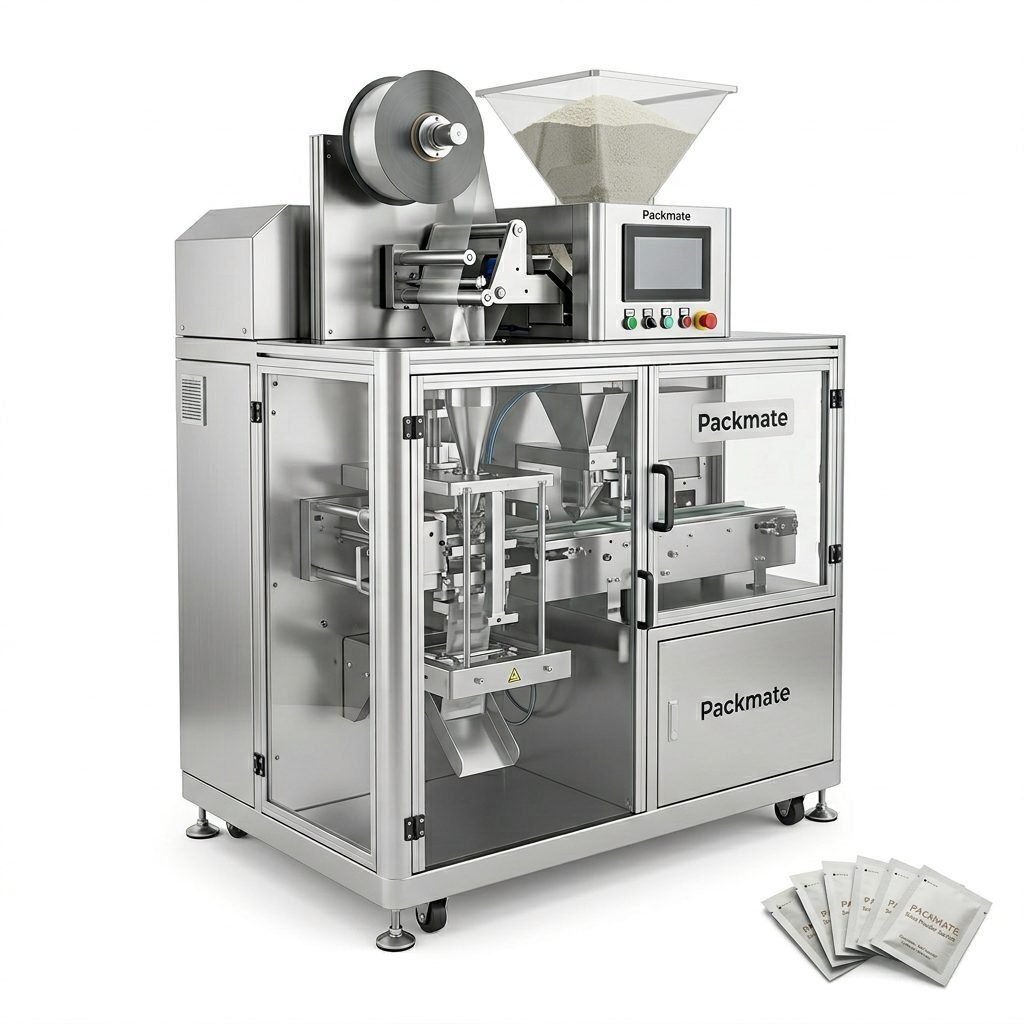
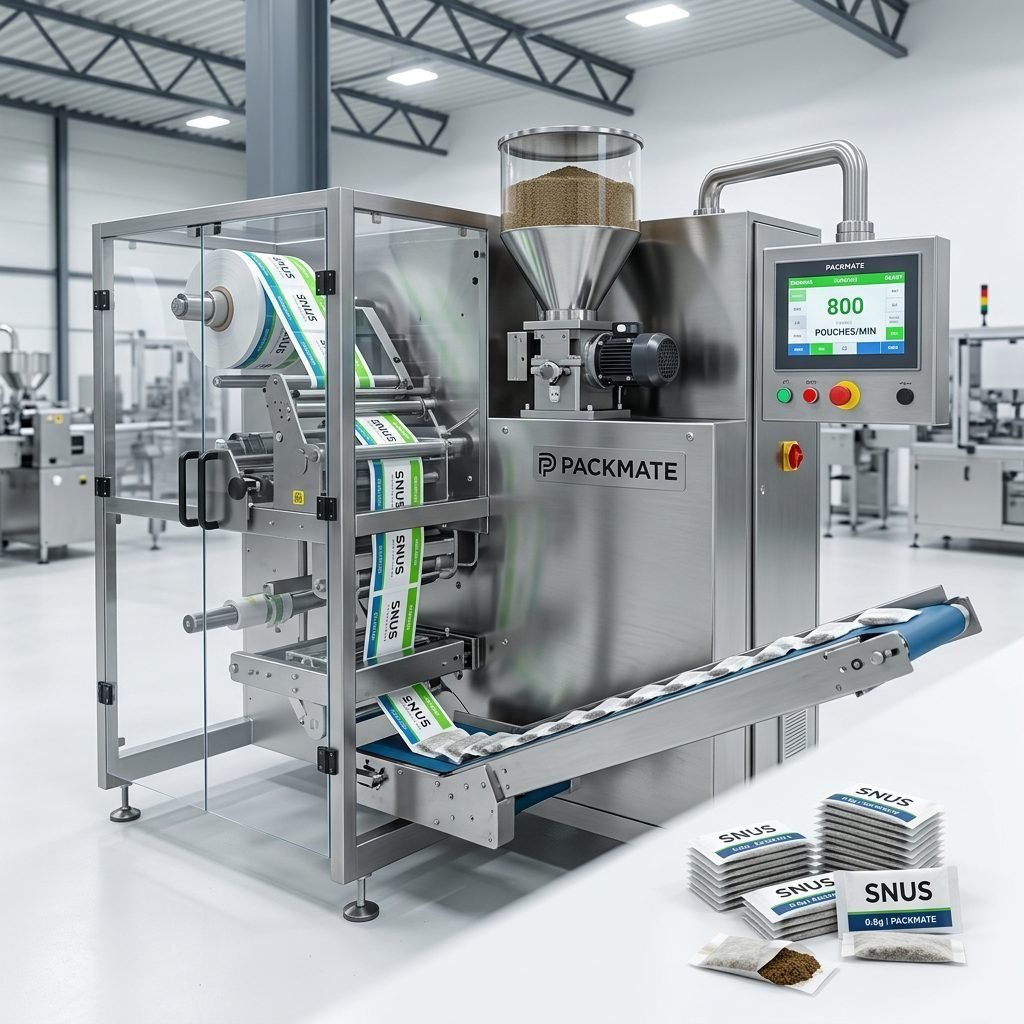
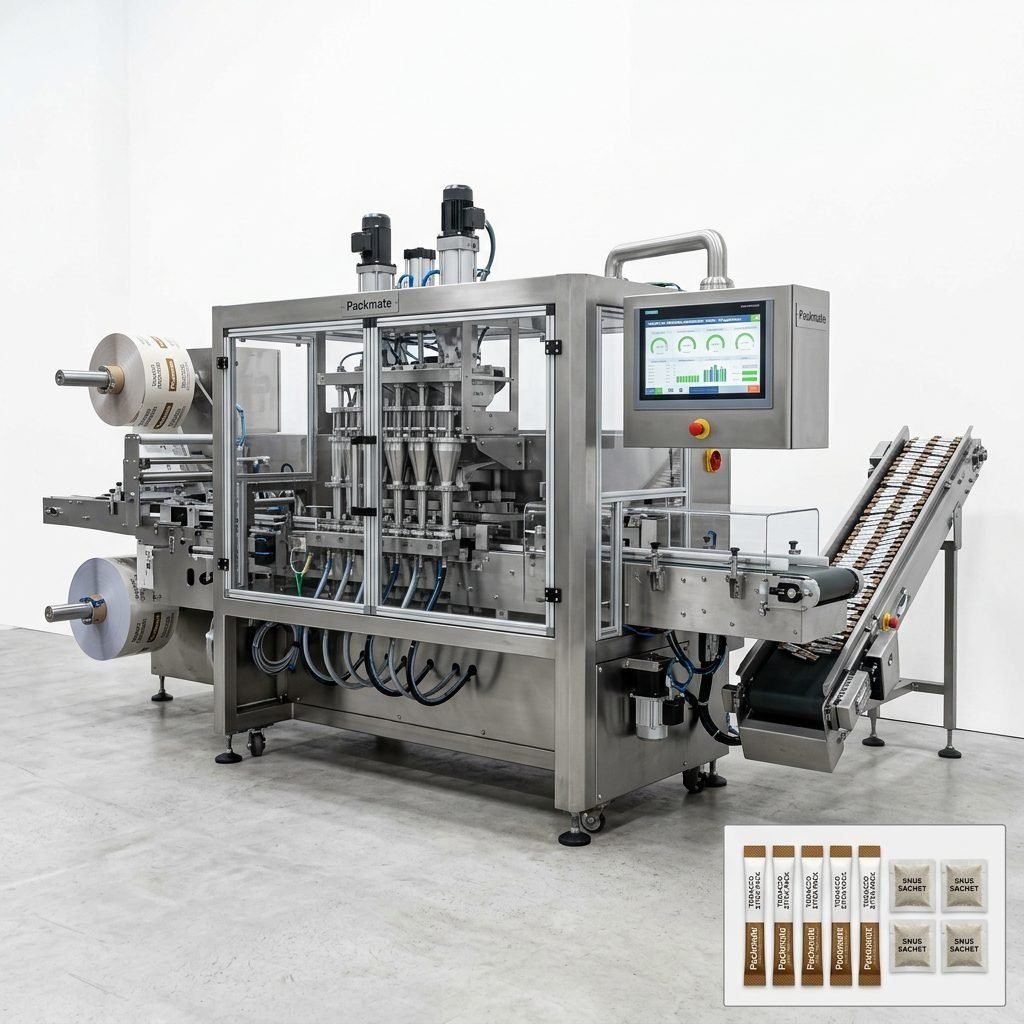
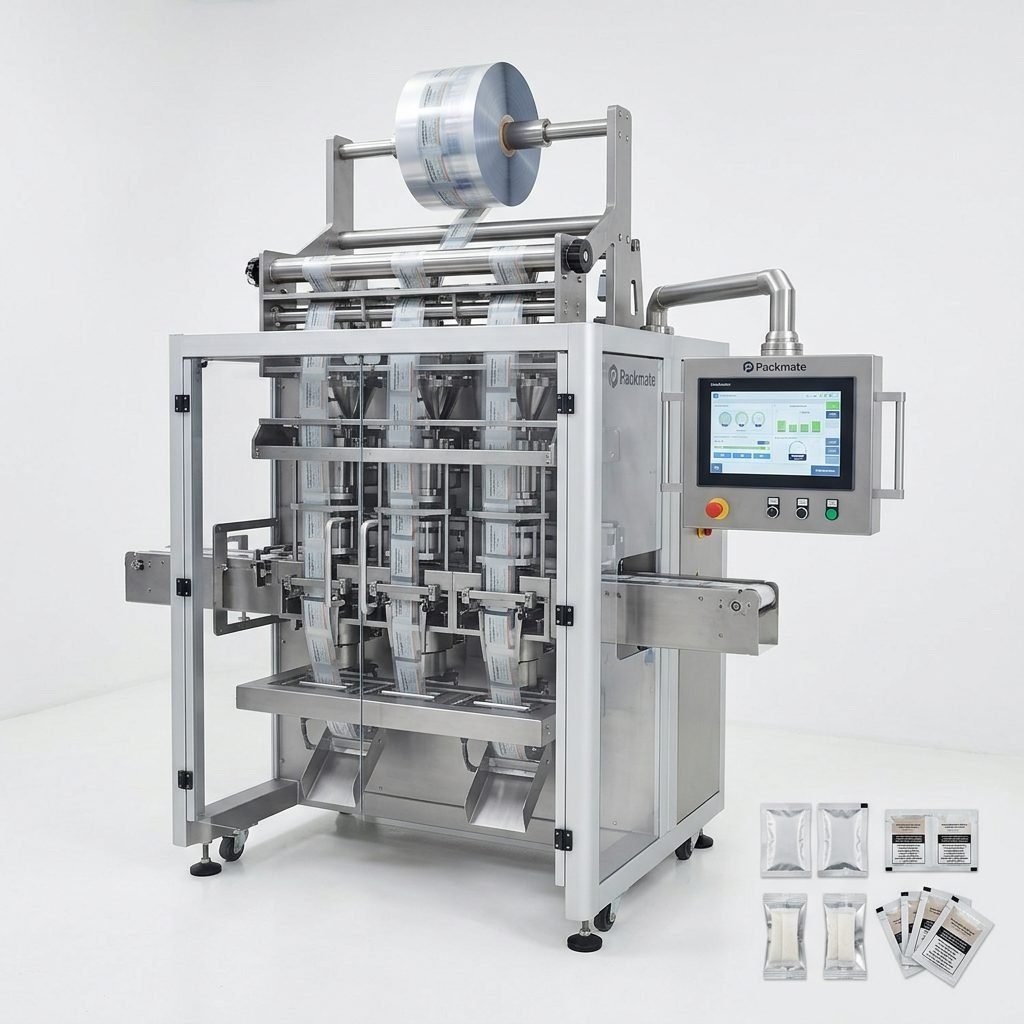
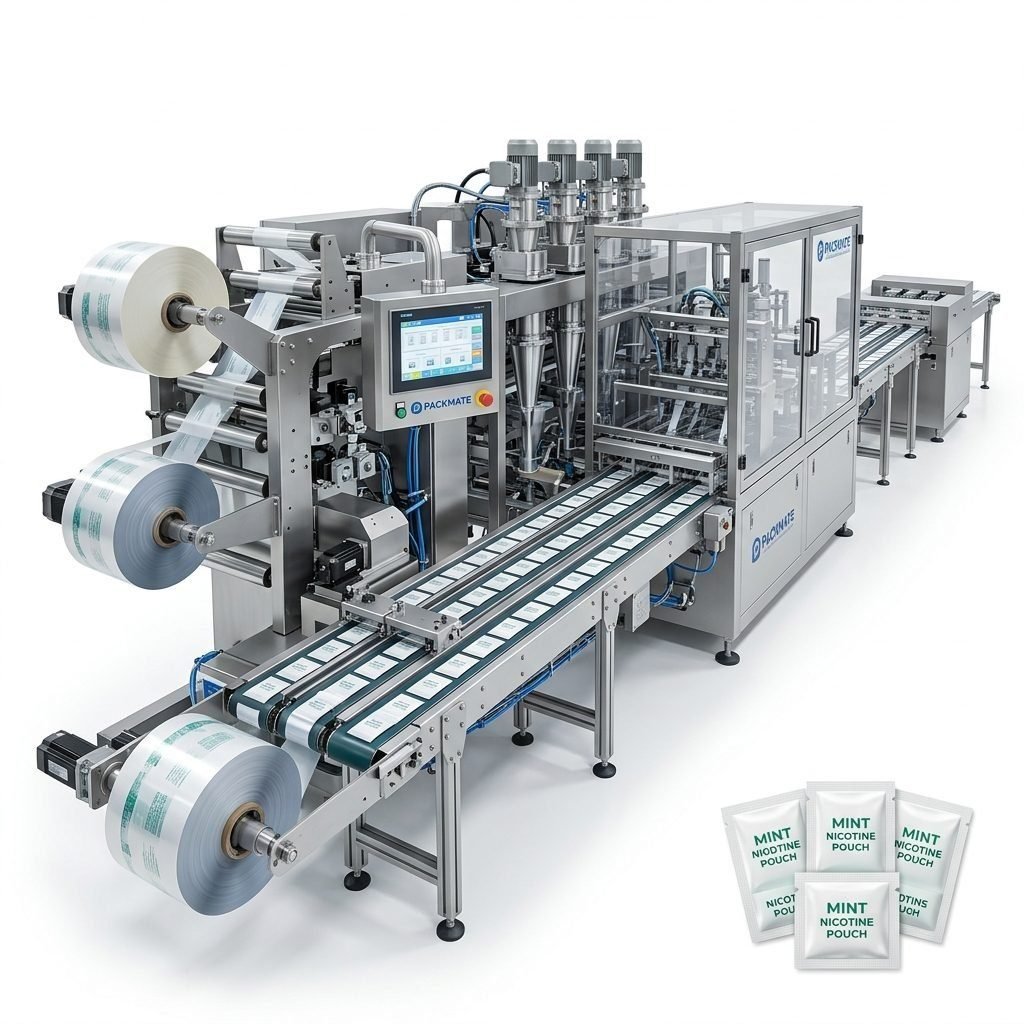
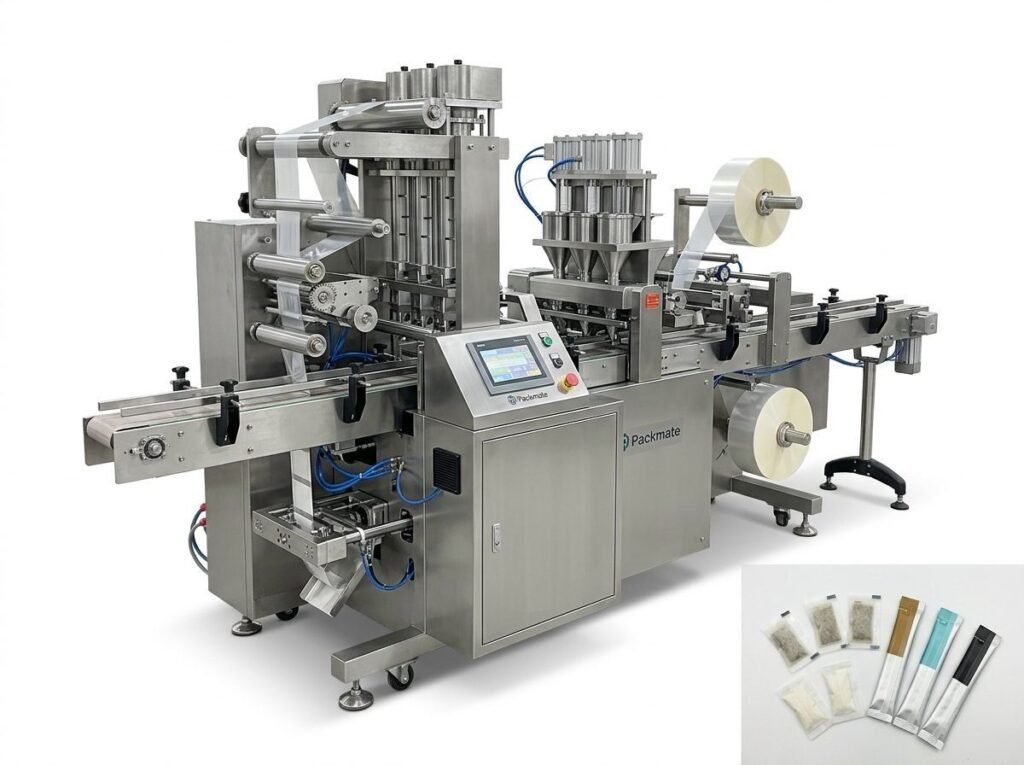
Choosing the right snus packaging machine supplier in India is a strategic decision that affects product quality, regulatory compliance, production efficiency, and long-term cost of ownership. Whether you are launching a new nicotine pouch brand or upgrading an existing production line, this guide walks you through the practical criteria, local considerations, technical specifications, and procurement steps to select the best supplier for your needs.
Understand the Indian Market & Local Compliance
India has its own regulatory environment, cultural norms, and distribution channels that influence packaging choices. Although snus and nicotine pouches are more popular in markets like Scandinavia and parts of Europe, India presents unique opportunities (and constraints) for manufacturers targeting niche consumers, exports, or regulated product lines.
Key Indian considerations:
⚠️ Local regulations on tobacco and nicotine products vary by state — consult legal counsel and FSSAI/health ministry guidance where applicable.
Why compliance matters
Non-compliant packaging can lead to product recalls, legal fines, and reputational damage. Look for suppliers whose machines and documentation support traceability, label printing, batch coding, and are compatible with your quality assurance and regulatory workflows.
Technical Capabilities: Machine Types & Production Formats
Different product formats demand different machinery. Know what you need before you buy.
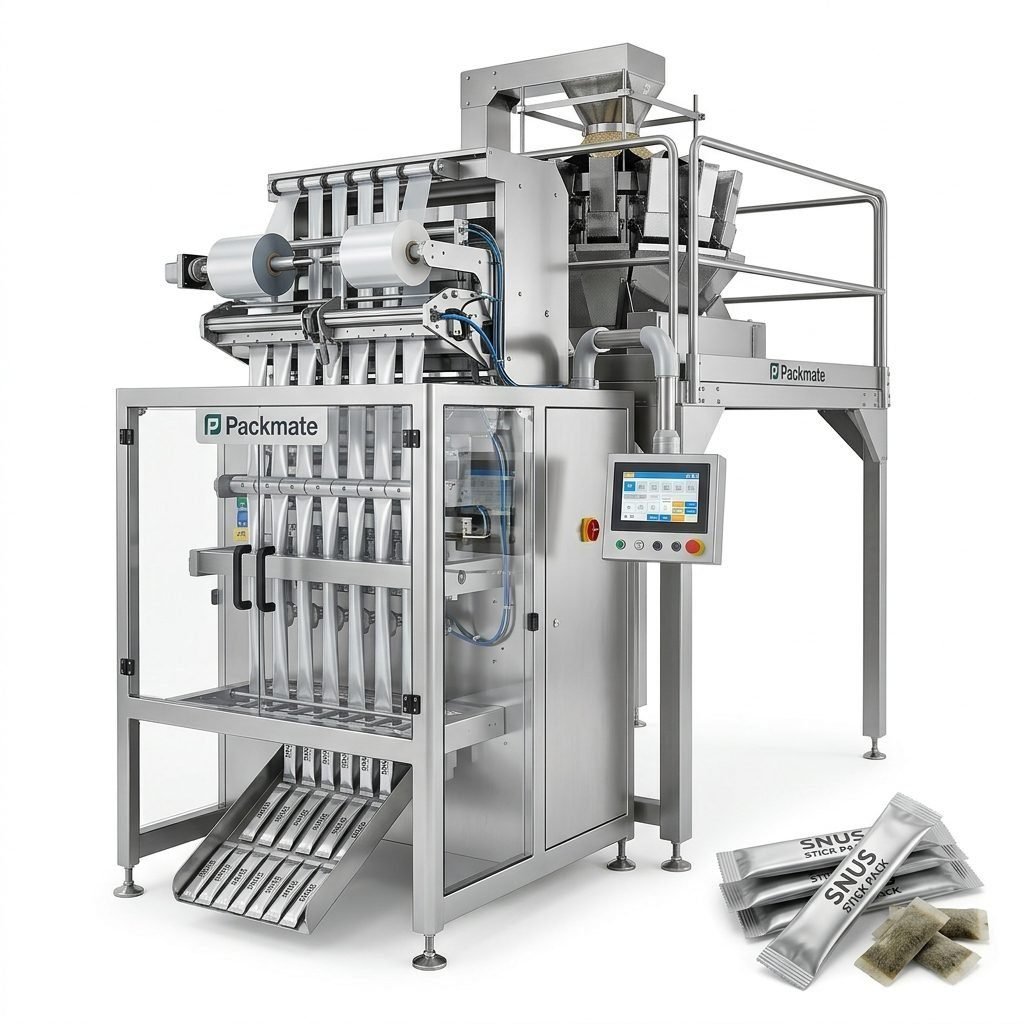
- Stick pack machines — ideal for single-dose sachets and convenient dosing.
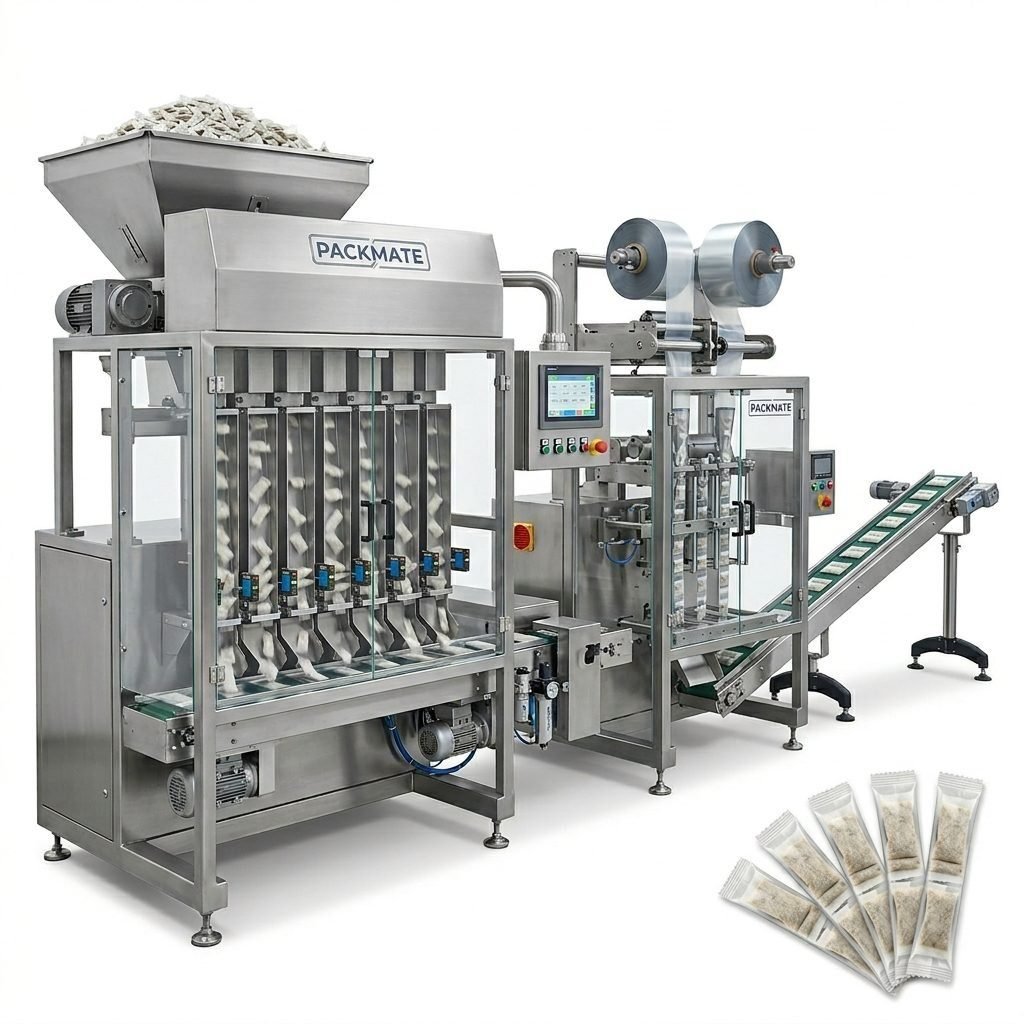
- Sachet & multi-lane systems — for high-speed production of small pouches across multiple lanes.
- Vertical form-fill-seal (VFFS) for powder and granules — useful if your product includes fillers or fillers with moisture barriers.
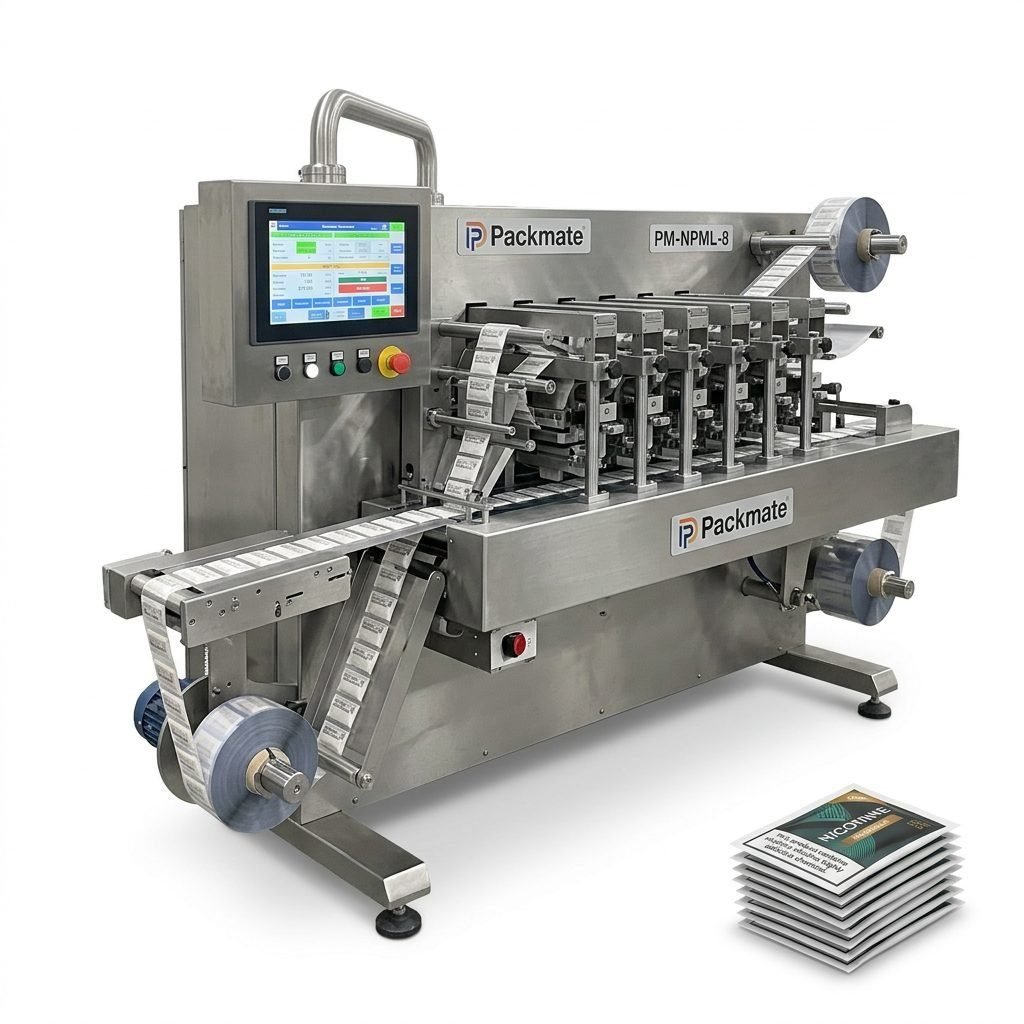
- Specialized snus/nicotine pouch machines — designed for consistent weight, sealing integrity, and small-dose accuracy.
Tip:
If you plan to run multiple SKUs or pack sizes, prioritize flexible multi-lane systems that reduce changeover time and support modular tooling.
Performance metrics to compare
Evaluate suppliers using measurable metrics: throughput (pieces/min or pouches/min), accuracy of filling (±g), mean time between failures (MTBF), power consumption, and OEE (Overall Equipment Effectiveness). Request factory acceptance test (FAT) reports and sample production videos.
Supplier Qualification: What to Look For
Selecting the right supplier goes beyond machine specs. Consider engineering depth, factory capability, certifications, after-sales support, and references.
Proven experience & track record
Choose suppliers with decades of packaging R&D and real-world deployment. For example, manufacturers with 20,000㎡ facilities, advanced CNC machining, and a broad portfolio of machines are better positioned to deliver durable, precise equipment.
Certifications & international standards
Look for CE, ISO, and other international certifications that prove the supplier adheres to recognized quality and safety standards. These certifications simplify export compliance and reassure your quality team.
After-sales, spare parts & training
Indian manufacturers and brands benefit from suppliers that provide local spares, remote diagnostics, startup commissioning, and operator training. Ask about guaranteed response times for technical calls and availability of consumables.
Checklist highlight:
✔️ Request references and visit case studies to verify uptime and real-world performance.
Customization & Turnkey Solutions
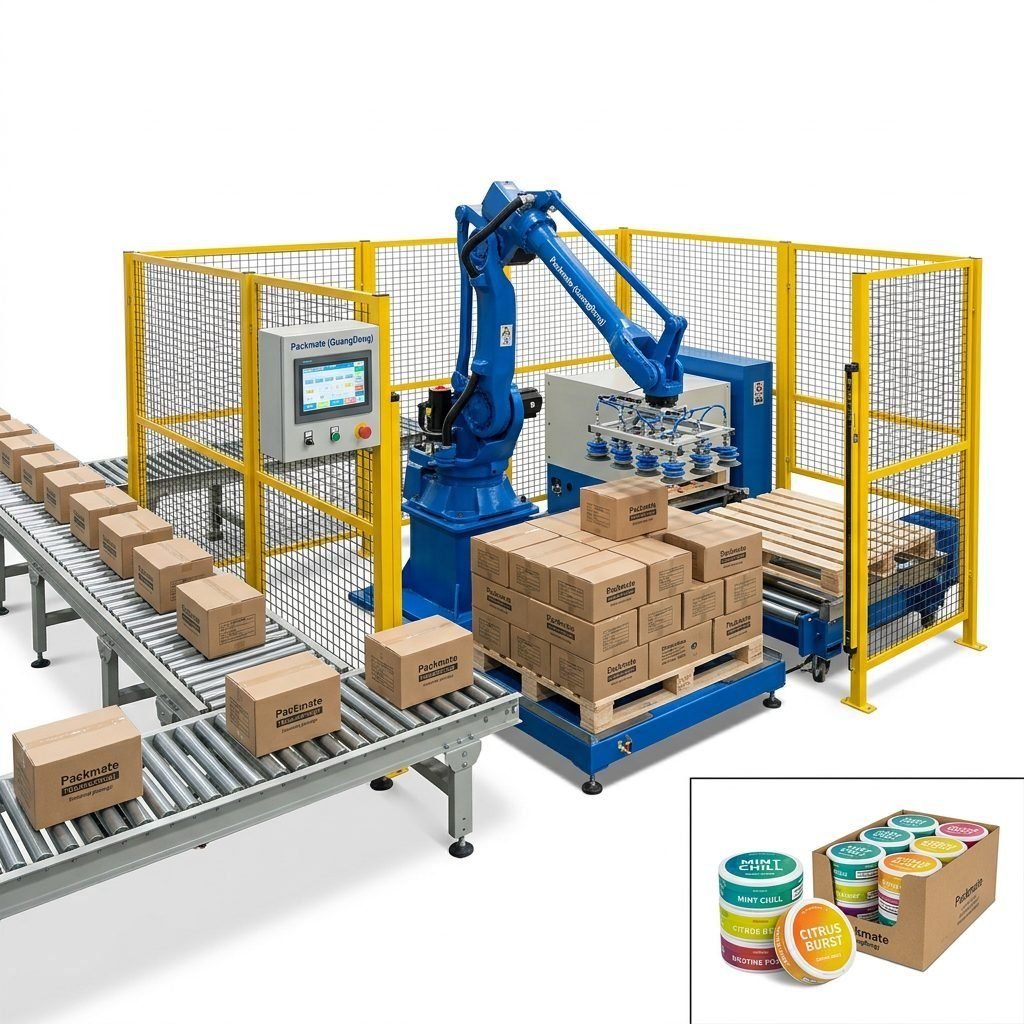
Your supplier should be able to deliver either standalone machines or complete turnkey production lines, depending on your project scope. Turnkey solutions often include weighing systems, feeding equipment, packaging machines, and end-of-line systems integrated and tested to work together.
Suppliers that offer customized tooling, product-specific change parts, and multi-format capabilities reduce integration risk. If you need bespoke development for a novel pouch shape or a new barrier film, ensure the supplier has R&D resources and prototype tooling capacity.
Assessing Total Cost of Ownership (TCO)
The cheapest machine often becomes the most expensive due to downtime, poor service, and high spare parts consumption. Evaluate:
- Initial capital cost vs. long-term reliability
- Consumables and spare parts pricing and availability
- Energy consumption and footprint efficiency
- Warranty, maintenance contracts, and training costs
ROI calculation essentials
Calculate expected throughput, scrap rates, and labor savings to estimate payback period. High-efficiency multi-lane systems often deliver faster ROI for high-volume runs, while flexible small-lane systems suit product testing and low-volume SKUs.
Factory Tours, FAT & Commissioning
A supplier who invites customers to their factory for FAT (Factory Acceptance Test) and live demonstrations demonstrates transparency and confidence. During FAT you should:
- See the machine running your product or a close proxy.
- Verify filling accuracy, sealing strength, and cycle times.
- Test changeover procedures and spare parts accessibility.
- Inspect build quality, wiring harnesses, and safety guards.
On-site commissioning in India should include operator training, SOP creation, and initial performance validation. Confirm that the supplier provides performance guarantees and technical documentation in English and, if needed, Hindi or regional languages.
Local Services: Spare Parts & Technical Support in India
Fast access to spare parts and trained technicians minimizes downtime. Ask suppliers about regional partners, service hubs, and the option for local stocking of critical spares. Remote support via video calls and IoT-enabled diagnostics can significantly reduce mean time to repair.
Service contract elements to negotiate
- Guaranteed response times for on-site visits
- Preventive maintenance schedules and service kits
- Operator and maintenance staff training sessions
- Software updates and PLC backups
Choosing a Partner — Questions to Ask Prospective Suppliers
Use this shortlist of questions during vendor meetings and factory visits to compare suppliers objectively.
- How long have you been producing snus/nicotine pouch machines and how many units have you delivered worldwide?
- Can you provide FAT videos, performance data, and customer references in similar industries?
- What certifications do your machines and factory hold (CE, ISO)?
- What is the standard warranty and what options exist for extended coverage?
- Do you offer turnkey solutions, including weighing and auxiliary equipment?
Must-have proof:
Production videos, test reports, certificates, and at least two verifiable client case studies.
Operational Considerations for Indian Facilities
Manufacturing in India often involves unique operational parameters — variable power quality, local supply chain constraints, and diverse labour skill levels. Choose machines that are robust to fluctuating inputs and whose controls are intuitive for local operators.
Energy & footprint
Compact machines with efficient energy profiles are advantageous for smaller factories and leased spaces. Ask for power consumption data and confirm any special grounding or voltage conditioning requirements.
Operator training & ergonomics
Machines with clear interfaces and easy-access maintenance points reduce operator errors and downtime. Plan for multilingual training materials and simple troubleshooting guides for your local workforce.
Why Consider Established Global Suppliers like Packmate
Suppliers with decades of engineering experience and wide product lines often provide higher long-term value. Companies that build specialized snus and nicotine packaging machines — offering stick pack, sachet, and multi-lane systems — bring deep product knowledge and mature engineering practices to your project.
For instance, manufacturers with extensive CNC machining capability, 20,000㎡ manufacturing facilities, and global turnkey project experience demonstrate the scale and quality systems to support international customers. They typically supply machines compliant with CE/ISO standards and can document case studies across continents.
To explore proven product lines, you can review solutions like Snus & Nicotine Packaging Machines, Sachet & Stick Pack Machines, and broader Filling & Packaging Lines to match your product format and throughput goals.
Procurement Roadmap & Negotiation Tips
Follow a structured procurement process to avoid surprises:
- Define product specs, expected outputs, running hours, and SKUs.
- Issue an RFQ with clear acceptance criteria, FAT requirements, and warranty expectations.
- Evaluate technical bids and visit shortlisted factories or request remote FAT sessions.
- Negotiate terms for delivery, spare parts kits, operator training, and commissioning support.
- Include penalty clauses for missed delivery timelines and underperformance guarantees.
Negotiation pointers:
Ask for bundled discounts on auxiliary equipment and a fixed-price spare parts kit for the first year of operation.
Case Study & Real-world Validation
When evaluating suppliers, request specific case studies that mirror your product style and volume. Verified cases that highlight uptime, yield, and service responsiveness are invaluable. Many reputable suppliers maintain an online case section where you can review past projects and client testimonials.
Explore more real-world examples in supplier case pages like Case and learn about their exhibition presence at Our Exhibition where live demos and technical discussions can be arranged.
Final Selection Checklist (Compact)
Use this quick checklist before awarding the contract:
- Verified FAT and sample runs with your product or a validated proxy.
- Clear warranty, spare parts list, and service contract options.
- Local support plan for India (spares depot, service partners, training schedule).
- Certifications (CE/ISO) and compliance documentation.
- References and at least one client visit or video testimony.
Reminder:
Plan for scalable capacity — choose systems that allow simple throughput expansion with minimal new tooling.
Next Steps: Engaging a Supplier
Once you have shortlisted suppliers, schedule technical workshops to discuss material compatibility, target outputs, and automation levels. Request written proposals with FAT schedules, lead times, and acceptance criteria. Clarify payment milestones tied to delivery, FAT completion, and successful commissioning in India.
For more details on specific machine families and technical parameters, review supplier catalogs and technical pages such as Catalog and contact the manufacturer directly via their Contact Us page to arrange a discovery call.
Cultural & Packaging Preferences in India
Packaging aesthetics and messaging may vary across Indian regions. While functionality and shelf life are universal priorities, consider local language labeling, small trial pack sizes for price-sensitive consumers, and festive limited editions that align with Indian festivals if you are marketing domestically. If your plan is export-first, focus on compliance and international-grade barrier films.
Conclusion
Selecting the best snus packaging machine supplier for India requires balancing technical performance, regulatory compliance, service support, and total cost of ownership. Prioritize suppliers with proven multi-lane snus and nicotine pouch experience, transparent FAT processes, strong manufacturing capabilities, and a reliable support network that can serve Indian operations efficiently.
Common Questions
Q1: How important is FAT before shipment?
A1: FAT is critical — it verifies machine performance with your product and prevents on-site surprises. Always insist on documented FAT results and video evidence if you cannot attend in person.
Q2: What certifications should I expect?
A2: Look for CE and ISO certifications as baseline quality and safety indicators. Also request material compliance certificates and calibration records for weighing systems.
Q3: How do I ensure spare parts availability in India?
A3: Negotiate a spare parts kit for the first year, ask about regional stocking, and confirm lead times for critical components. Consider stocking high-wear items locally.
Q4: Can suppliers adapt machines for small-batch runs and multiple SKUs?
A4: Many modern suppliers offer modular tooling and quick-change systems for small-batch flexibility. Verify changeover times and request demonstrations.
Q5: Where can I see real-world examples and talk to other clients?
A5: Review supplier case studies and exhibition records, and ask for client references. Visit pages like About Packmate to understand company background and global experience.