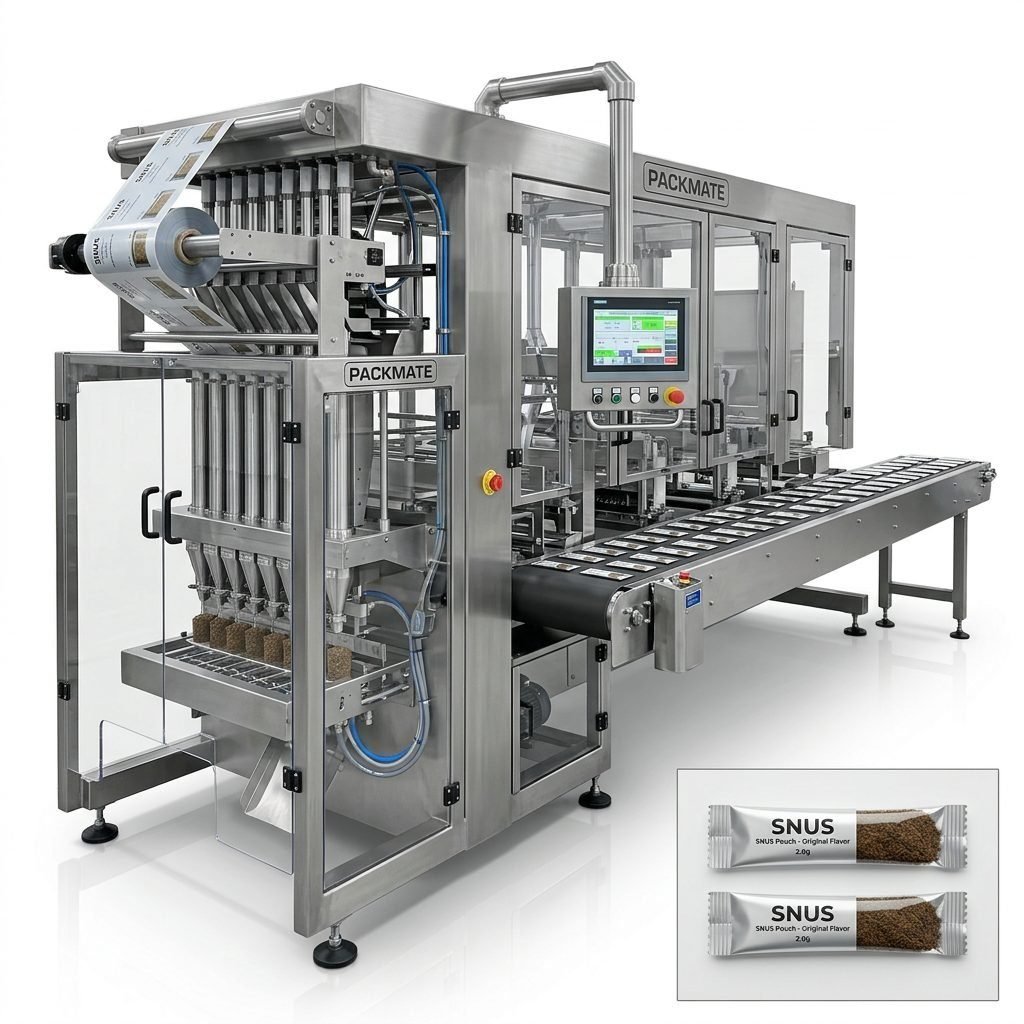
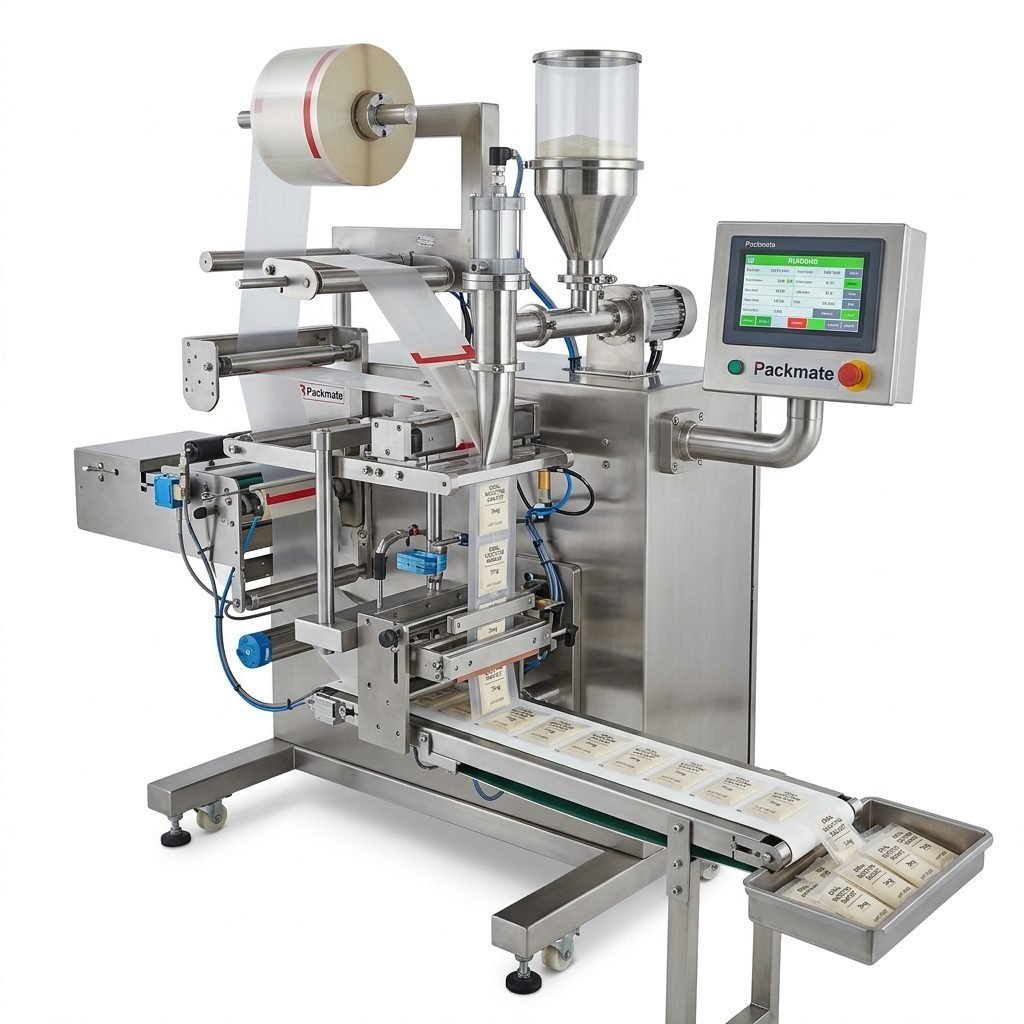
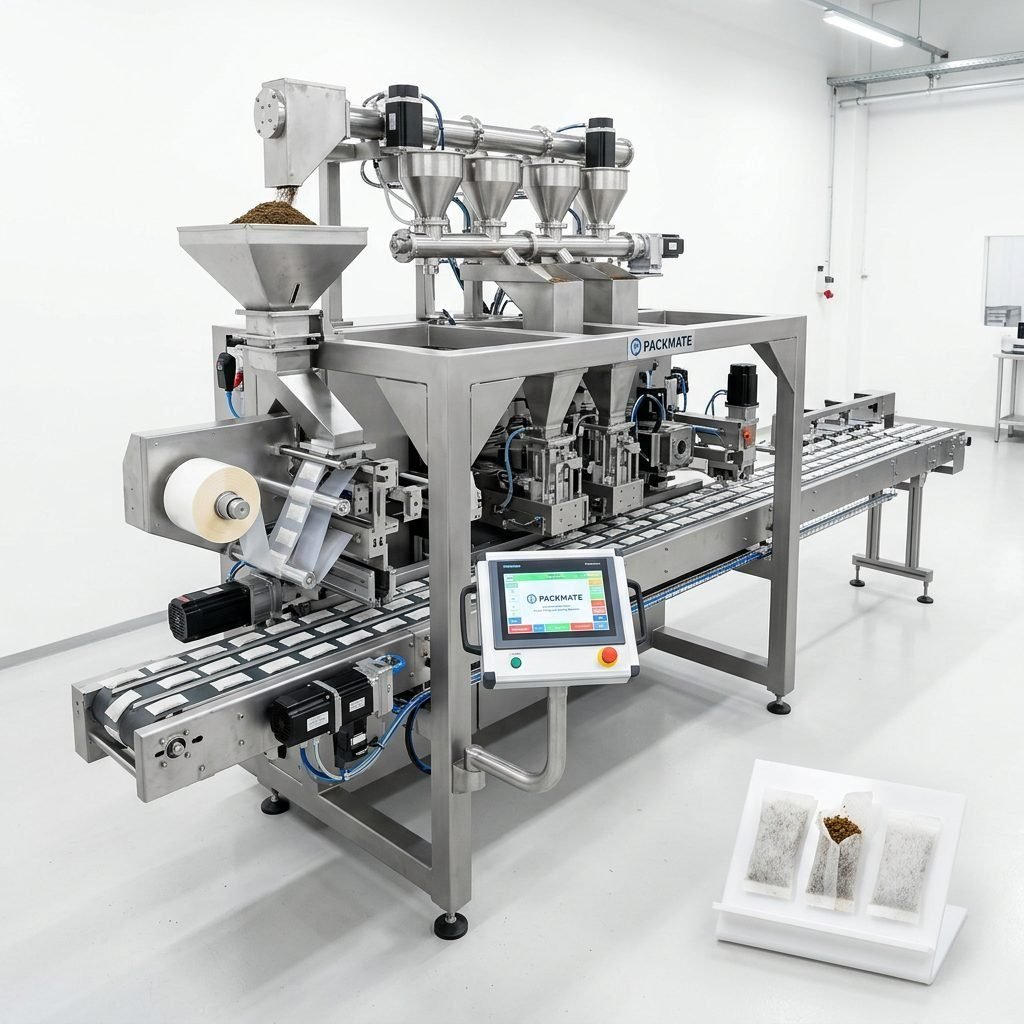
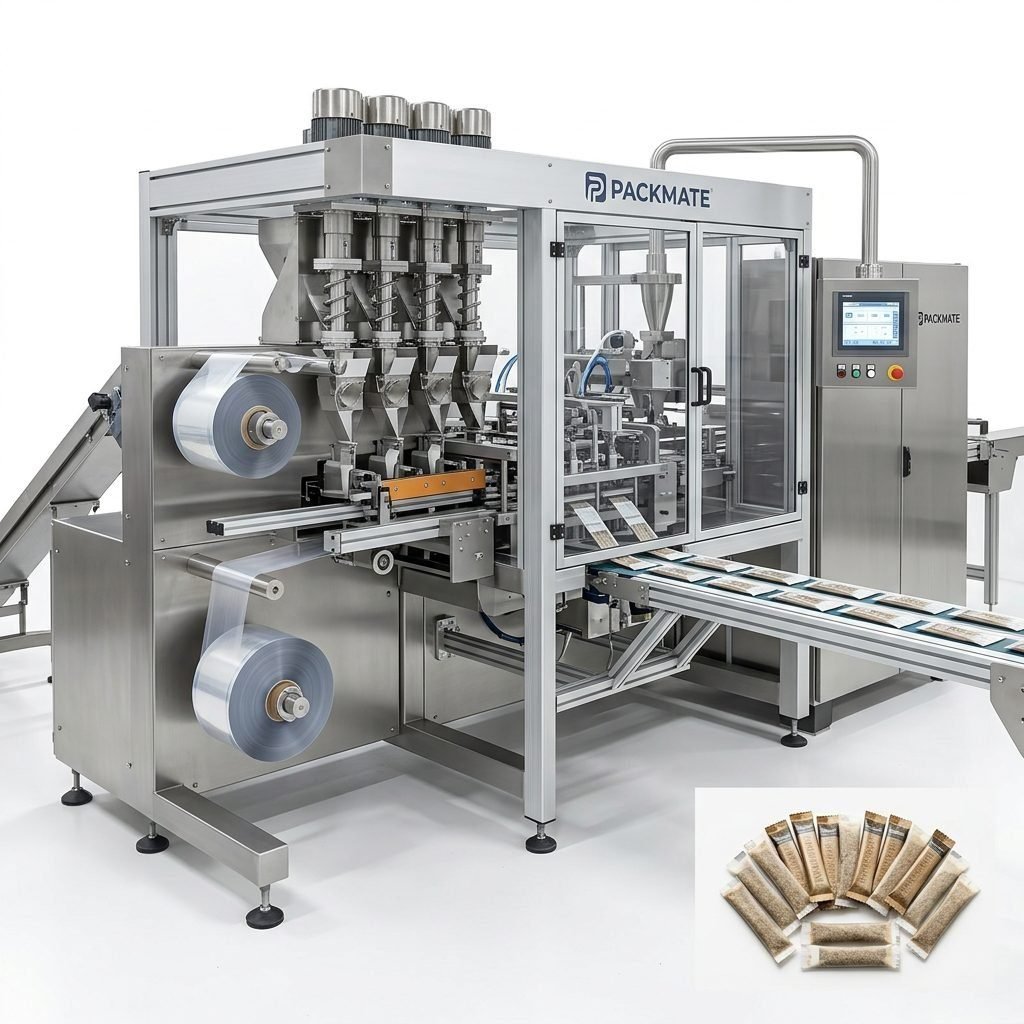
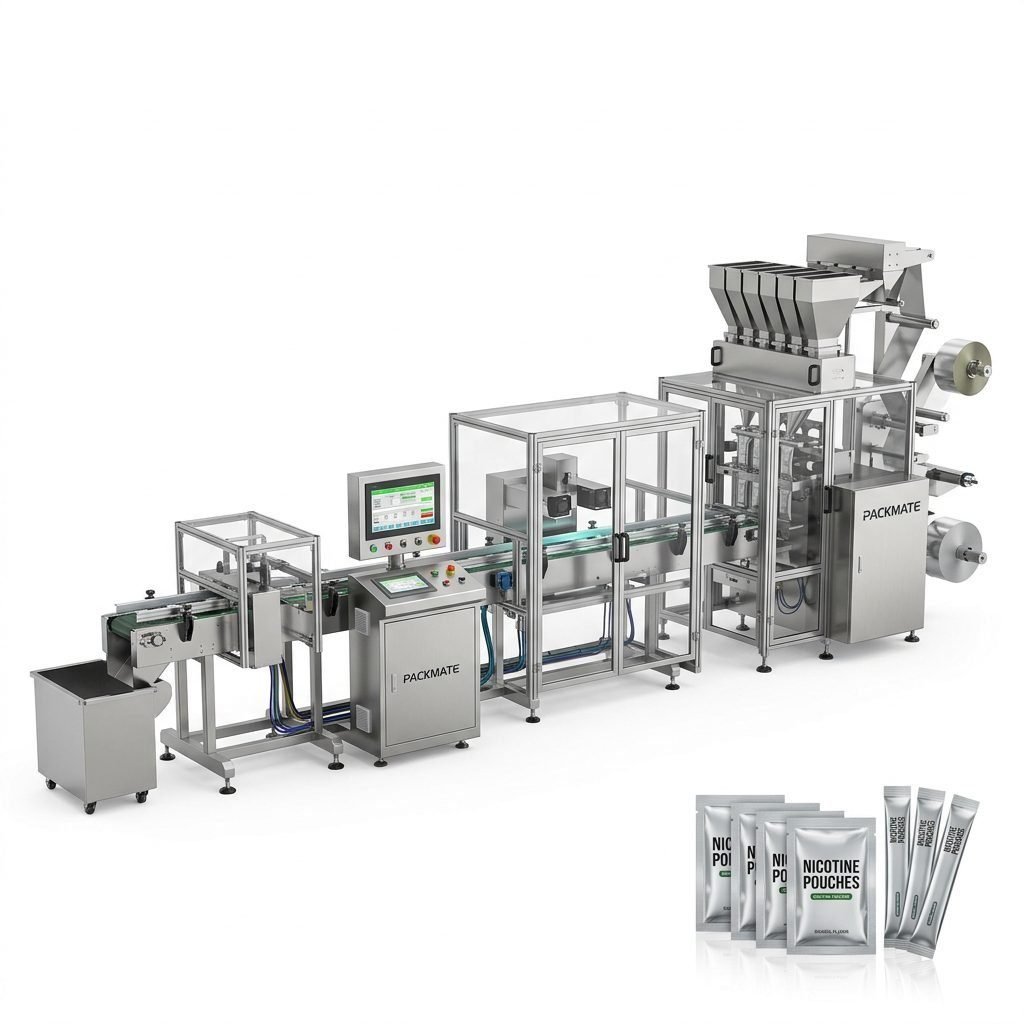
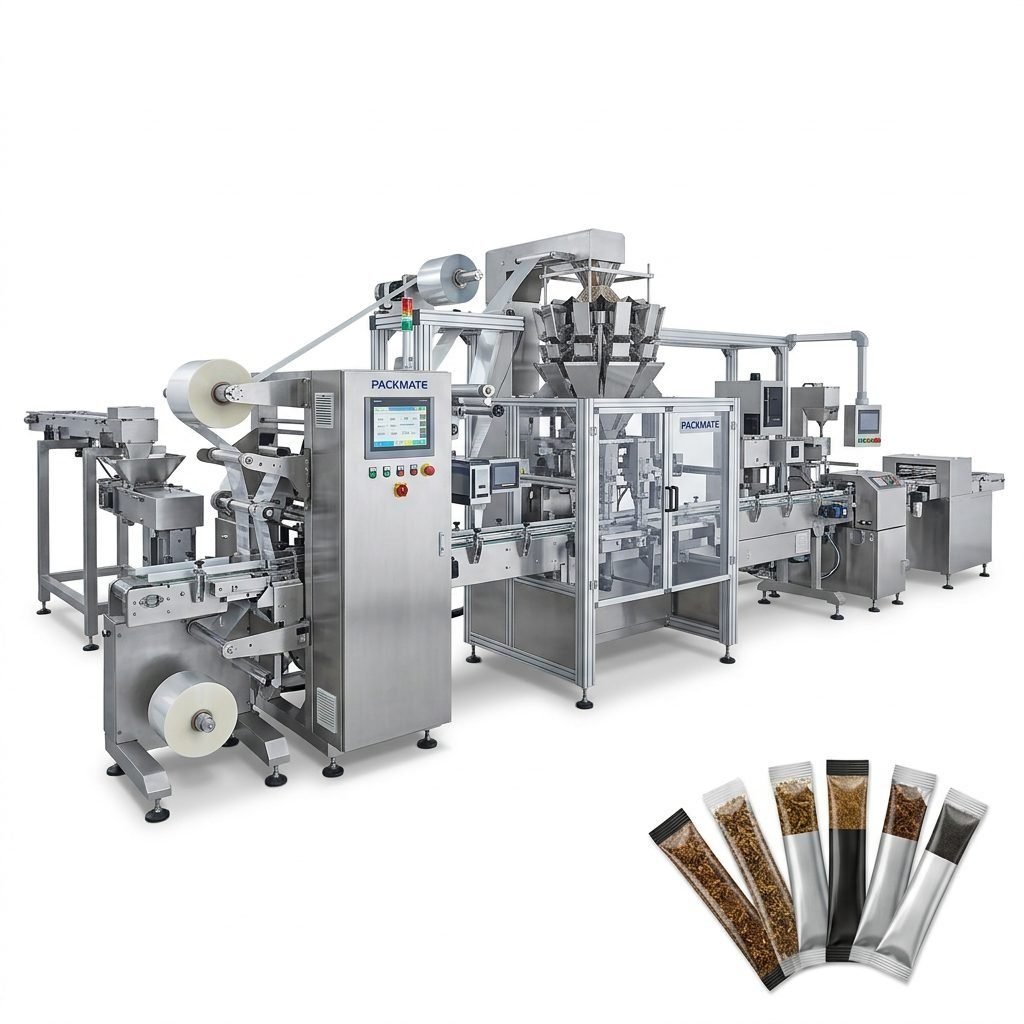
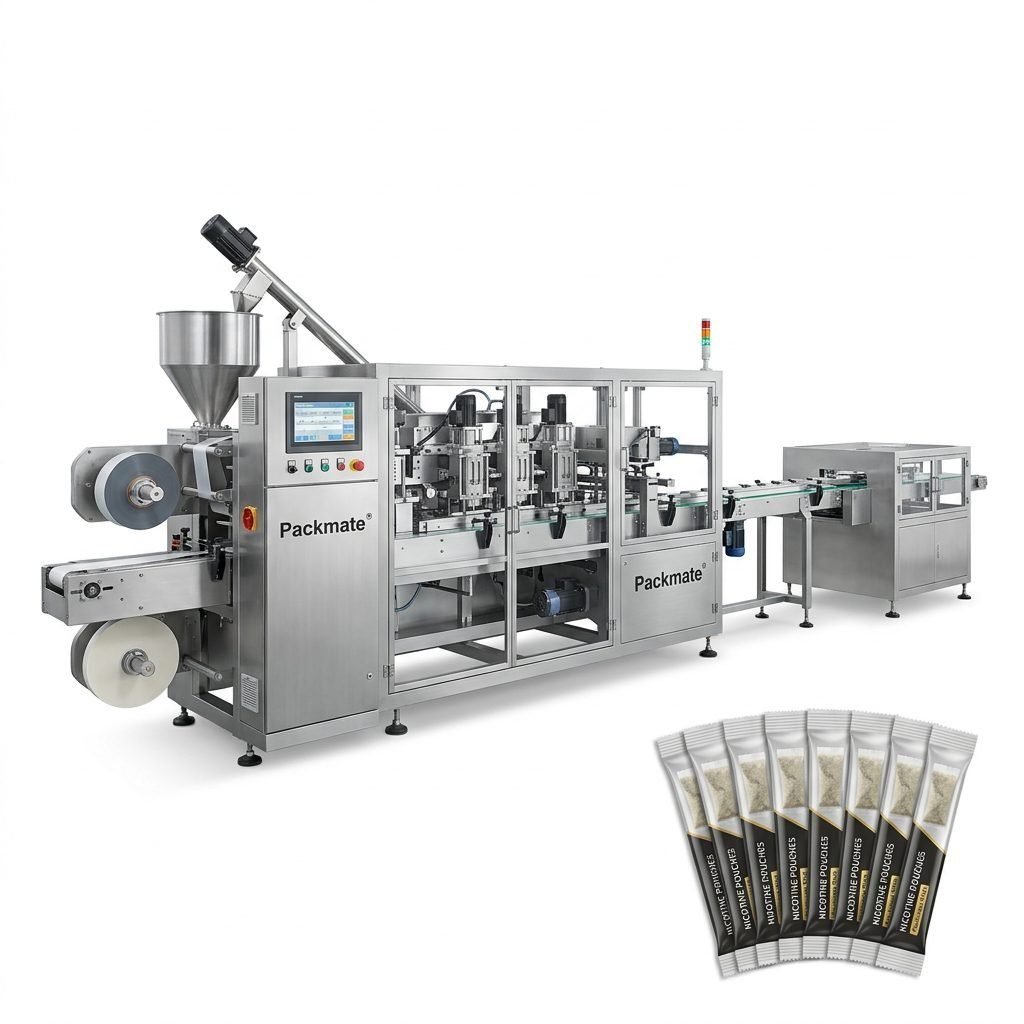
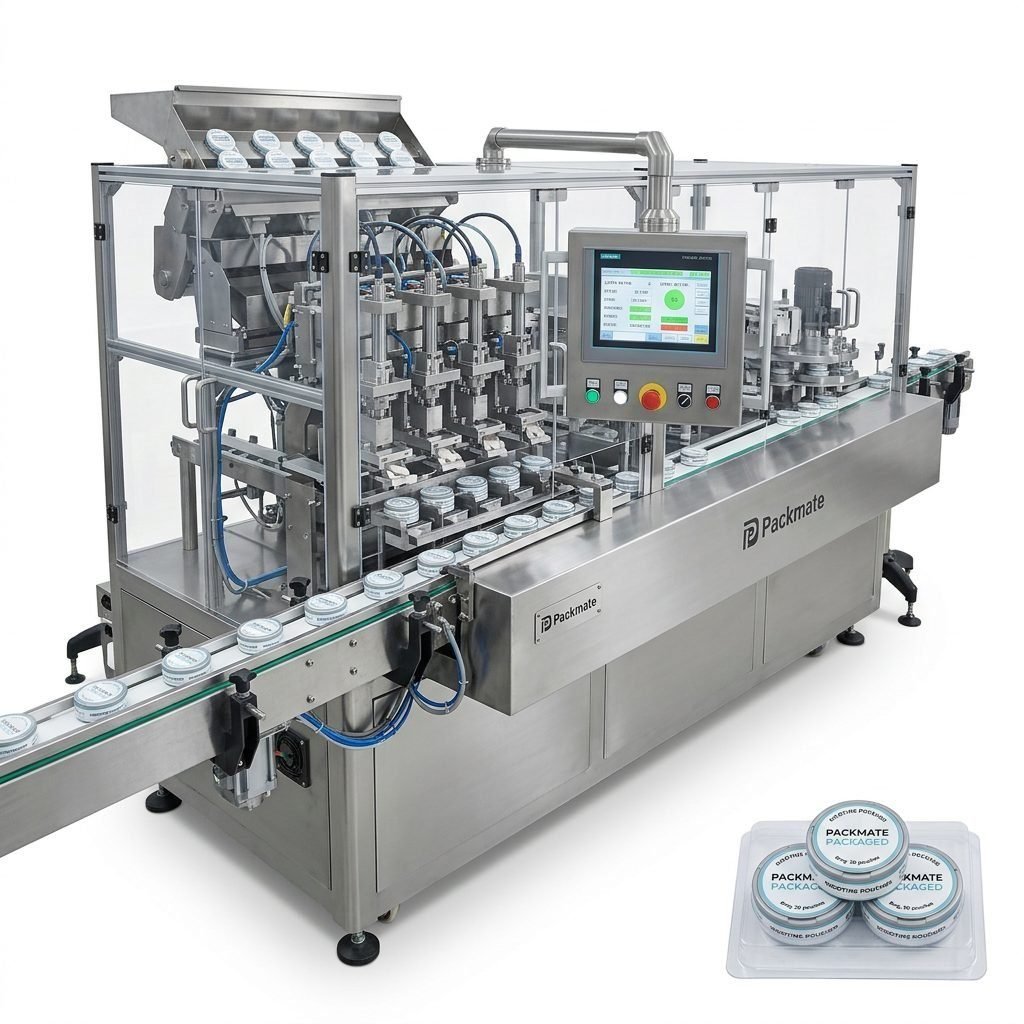
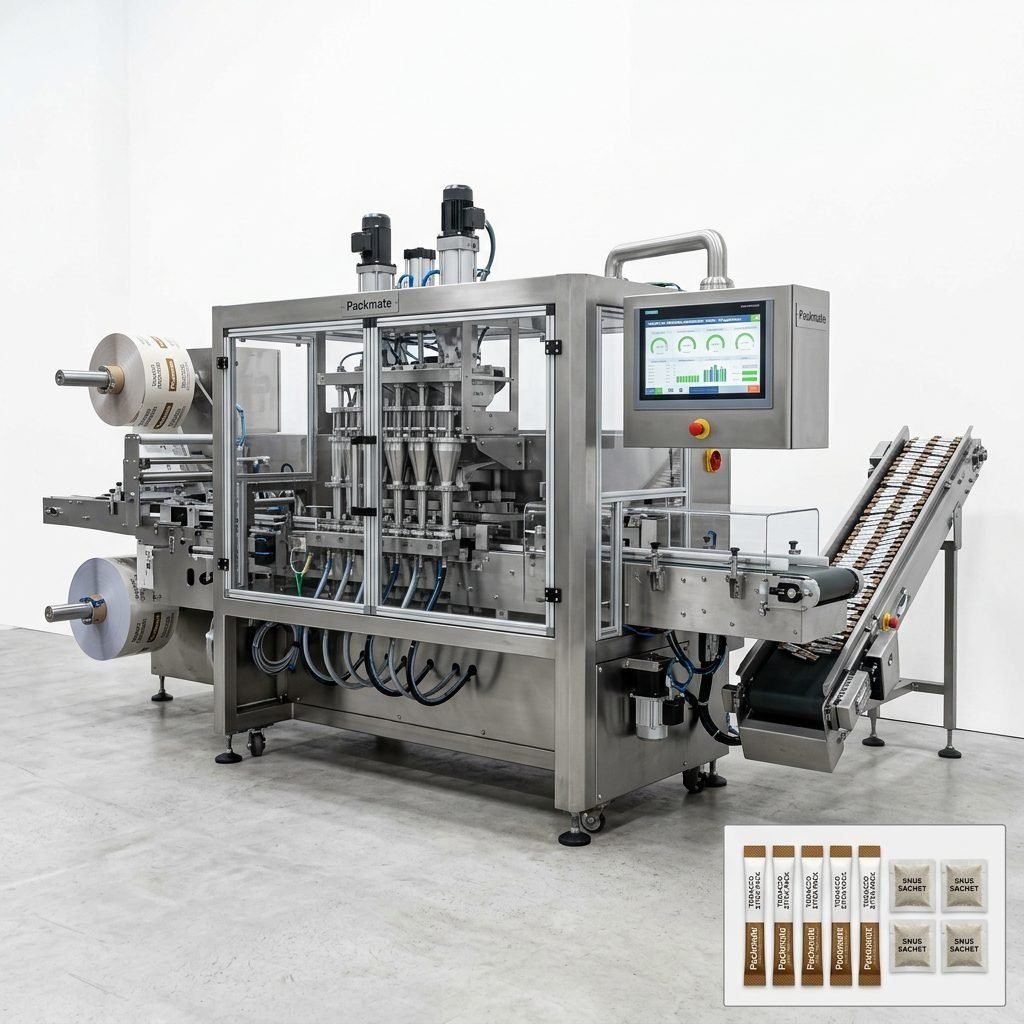
In the evolving world of nicotine pouches and snus production, selecting a reliable snus production line is paramount for manufacturers aiming to combine high throughput, consistent product quality, and regulatory compliance. This comprehensive guide walks you through critical considerations—from machine types and automation levels to materials, maintenance, and supplier selection—so you can choose an efficient, high-quality snus manufacturing equipment setup tailored to your business goals.
Understanding Snus Production Lines: Core Components and Workflows
A modern snus production line typically integrates several specialized machines and systems to turn raw tobacco or nicotine-filled substrates into finished, market-ready pouches. Key functional areas include:
✔️ Feeding and dosing systems for precise portion control;
✔️ Pouch forming and sealing units (sachet, stick pack, or multi-lane pouch systems);
✔️ Automated weighing and checkweighing for consistency;
✔️ Metal detection and quality inspection stations;
✔️ Secondary packaging, labeling, and cartonizing.
Why machine synergy matters
Integration between upstream dosing, midstream pouch forming, and downstream packaging ensures throughput stability and reduces product waste. A well-designed line minimizes manual handling and provides traceability and sanitary design—critical in nicotine product manufacturing.
Quick Link
Explore specialized equipment categories: Snus & Nicotine Packaging Machines, Sachet & Stick Pack Machines and Bag & Pouch Packaging Machines.
Key Selection Criteria: What to Evaluate Before Purchase
When evaluating snus manufacturing equipment, assess functionality, capacity, scalability, sanitation, and compliance. Below are the essential selection dimensions.
1. Throughput & Lane Configuration
Decide the desired output (pouches per minute) and whether multi-lane options are needed. Multi-lane pouch machines significantly increase throughput while keeping a compact footprint. For customers scaling from pilot to mass production, modular multi-lane designs offer smooth capacity expansion.
2. Dosing Accuracy & Filling Technology
Precise dosing is critical for nicotine pouches to meet weight tolerances and regulatory limits. Evaluate volumetric, auger, or servo-controlled dosing systems based on product consistency (powder vs. granule vs. moist paste). High-accuracy feeders reduce customer complaints and product giveaway.
3. Material Compatibility & Pouch Types
Ensure the line supports the specific pouch formats you need—stick, sachet, round pouches, or pouches with mesh liners. Material compatibility with biodegradable films or barrier laminates may be a priority for sustainability-focused brands.
⚙️ Tip: Ask suppliers for recorded production runs of similar products—machine performance during real production is the best proof of capability.
Quality, Safety & Compliance Considerations
Compliance with CE, ISO, and local regulatory frameworks is non-negotiable for global market access. Equipment with sanitary design, easy-to-clean surfaces, and IP-rated electrical components reduces contamination risk and simplifies audits.
Hygienic design and maintenance
Choose stainless steel contact parts, tool-free disassembly for cleaning, and a maintenance-friendly layout. Built-in sensors for monitoring temperature, humidity, and machine health support consistent product quality.
Testing, traceability & documentation
Suppliers should provide validation documentation, spare parts lists, training materials, and optional MES/SCADA integration for full traceability. A certified machine simplifies regulatory submissions when scaling into new markets.
Automation, Controls & Operator Interface
Modern PLC & HMI systems with recipe management, remote diagnostics, and predictive maintenance help reduce downtime. Intuitive interfaces shorten operator training time and lower the risk of human error.
Remote support and spare parts availability
For global operations, confirm whether the manufacturer provides remote technical assistance, overseas spare parts hubs, and field service. Quick access to parts and skilled technicians is vital for continuous production.
🔒 Note: Choose controllers with secure remote access options and clear cybersecurity practices to protect intellectual property and production recipes.
Supplier Assessment: Choosing a Trusted Manufacturer
Selecting a trustworthy supplier has long-term implications for uptime, upgrades, and compliance. Look for manufacturers with deep industry experience, robust facilities, and a track record of global deliveries.
What to verify
• Manufacturing footprint and machining capability (CNC and precision assembly);
• Years of domain experience and case studies;
• Certifications like CE and ISO;
• Willingness to provide FAT/SAT (Factory/ Site Acceptance Testing) and pilot runs;
• After-sales training and spare parts policies.
Packmate Snus Machine, for example, highlights 30+ years of engineering experience, a 20,000㎡ manufacturing facility, and global turnkey solutions. You can learn more about the company background and certifications on their About Packmate and Certificate pages.
Customization & Turnkey Solutions
Many businesses require customized solutions—whether to handle a unique pouch shape, integrate a specific inline quality check, or match local packaging regulations. A supplier offering turnkey lines can manage integration of weighing, filling, forming, and secondary packaging into a single validated line.
Local adaptation and cultural considerations
If you plan to sell in specific regions, adapt packaging formats and labeling to local preferences and regulations. For example, Nordic markets have long histories with snus products and specific labeling norms, while markets in Asia or the Americas may prefer different pouch sizes or retail formats. Discuss localization during the design phase.
🌍 Case studies and exhibition presence are strong indicators of global capability—see examples in the supplier’s Case and Our Exhibition pages.
Operational Costs & Return on Investment (ROI)
Beyond purchase price, evaluate total cost of ownership: energy consumption, maintenance intervals, spare part costs, labor requirements, and product yield. A high-quality, efficient machine often delivers lower lifetime costs through reduced downtime and less material waste.
Financing & phased expansion
Consider phased investments—starting with a pilot line and scaling to multi-lane production once market demand stabilizes. Suppliers may offer leasing, staged payments, or upgrade paths to add lanes or modules later.
Installation, Commissioning & Training
Proper installation and operator training shorten ramp-up time and prevent early problems. Confirm whether the supplier provides onsite commissioning, operator certification, and technical manuals. Remote support and monitoring tools also add value for international customers.
You can find detailed product lines and services on specialized pages like Filling & Packaging Lines and Weighing & Packaging Systems.
Start-up Checklist: What to Confirm Before Signing
Before finalizing a purchase, confirm these items:
• Detailed technical specification and footprint;
• FAT and acceptance criteria;
• Spare parts list and lead times;
• Training plan for operators and maintenance staff;
• Warranty, SLAs, and remote support options;
• Compliance certificates and test reports.
📦 Pro tip: Keep critical spare parts on-site (belts, seals, sensors) to shorten MTTR (mean time to repair) and ensure uninterrupted production.
Working with Packmate Snus Machine: What They Offer
Packmate Snus Machine offers a full portfolio including snus/nicotine pouch machines, stick pack and sachet systems, and complete filling and packaging lines backed by 30+ years of engineering experience. Their factory capabilities, advanced CNC centers, and a library of 50+ machine models enable tailored turnkey solutions for global clients.
For services, spare parts, and direct contact, visit the Service and Contact Us pages.
Final Considerations: Long-Term Strategy for Snus Manufacturing
Planning production capacity with a five-year horizon, accounting for regulatory changes, sustainability goals, and market preferences, will position your business for steady growth. Emphasize supplier partnerships that offer continuous improvement, spare parts availability, and global service.
Action Steps
1. Define product specs (pouch size, weight, materials).
2. Request machine videos and FAT reports.
3. Evaluate total cost of ownership and supplier support terms.
4. Start with a pilot run before committing to multi-lane expansion.
Frequently Asked Questions
Q1: How do I decide between a single-lane pilot machine and a multi-lane production system?
A1: Consider current demand, planned growth, and budget. A pilot single-lane reduces initial investment and allows product testing; multi-lane is ideal when forecasted volumes justify the higher throughput and lower per-unit operating cost.
Q2: What certifications should snus packaging machines have for international sales?
A2: Look for CE and ISO certifications at minimum. Additionally, review local regulatory requirements for labeling and materials in your target markets. Suppliers should provide relevant compliance documentation.
Q3: How important is dosing accuracy and what tolerance is typical?
A3: Dosing accuracy directly affects compliance and customer satisfaction. Typical tolerances depend on product and regulation, but modern servo-driven dosing systems can achieve very tight tolerances suitable for nicotine pouches.
Q4: What after-sales services should I expect from a reputable supplier?
A4: Expect commissioning, operator training, spare parts supply, remote diagnostics, and clearly defined warranty/SLA terms. International suppliers often offer local partners or field service agreements for rapid response.
Q5: How do I evaluate real-world machine performance before purchase?
A5: Ask for factory acceptance test (FAT) videos, on-site demonstrations at exhibitions, and references from customers with similar products. Reviewing case studies and attending live demos at trade shows helps validate supplier claims.