Choosing the right nicotine packaging machinery manufacturer in Bosnia and Herzegovina is a critical step for companies that want to scale production while meeting local regulations, cultural preferences, and market expectations. This guide walks you through practical, actionable criteria — from machine performance and certifications to after-sales support and cultural fit — so you can make an informed decision that minimizes risk and maximizes uptime.
Understand Local Market and Regulatory Context
Bosnia and Herzegovina’s regulatory environment for nicotine products can vary by entity and municipality. Before selecting a machine supplier, verify local rules about labeling, ingredient disclosure, and packaging tamper-evidence. Many companies operating in the region prefer suppliers who understand European CE and ISO standards, and who can provide clear documentation for customs clearance and local inspections.
Why compliance matters
Non-compliant equipment can cause border delays, fines, or forced product recalls. Look for manufacturers that supply CE and ISO certificates and provide a package of documents to expedite import into Bosnia and Herzegovina. Manufacturers with export experience to European markets are often better equipped to handle paperwork and technical inspections.
Request full certification packages, spare parts lists, and an export packing list before placing an order to avoid customs delays.
Assess Technical Fit: Machine Types and Production Goals
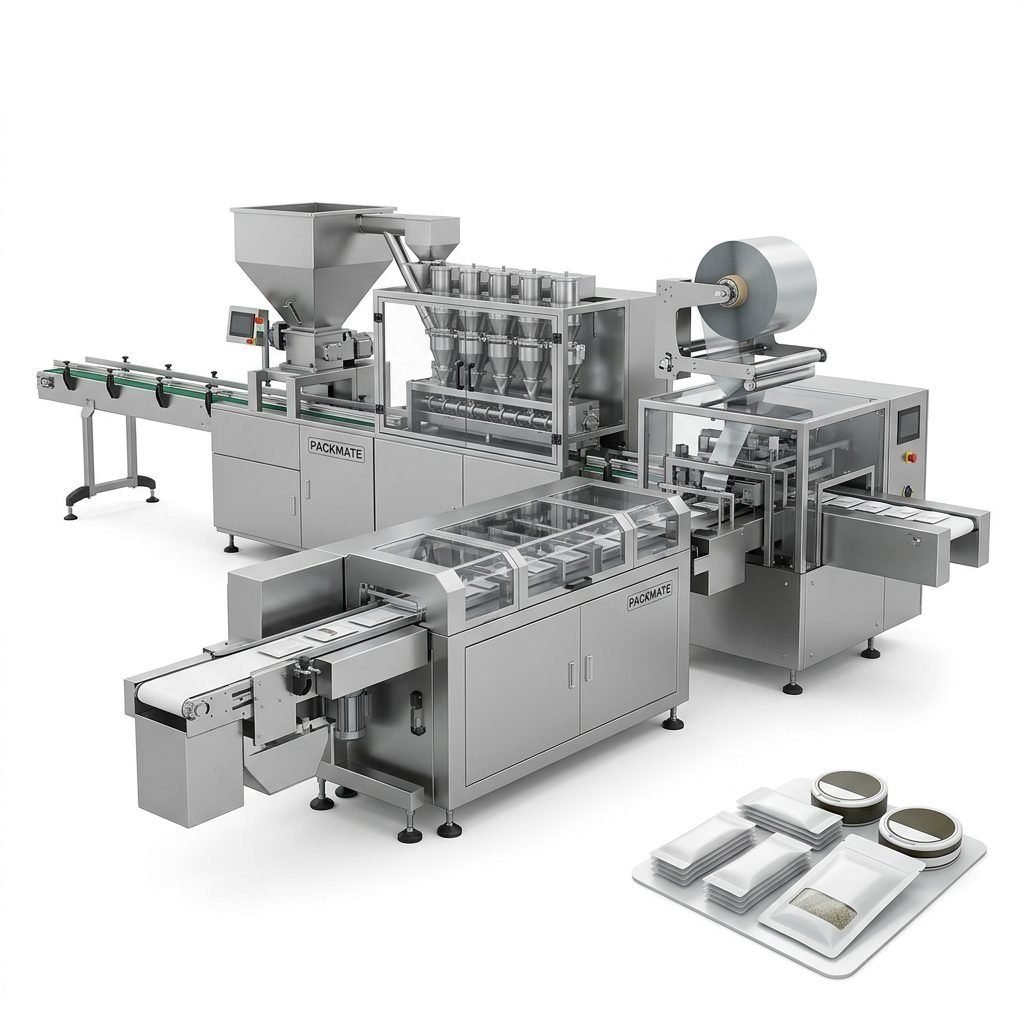
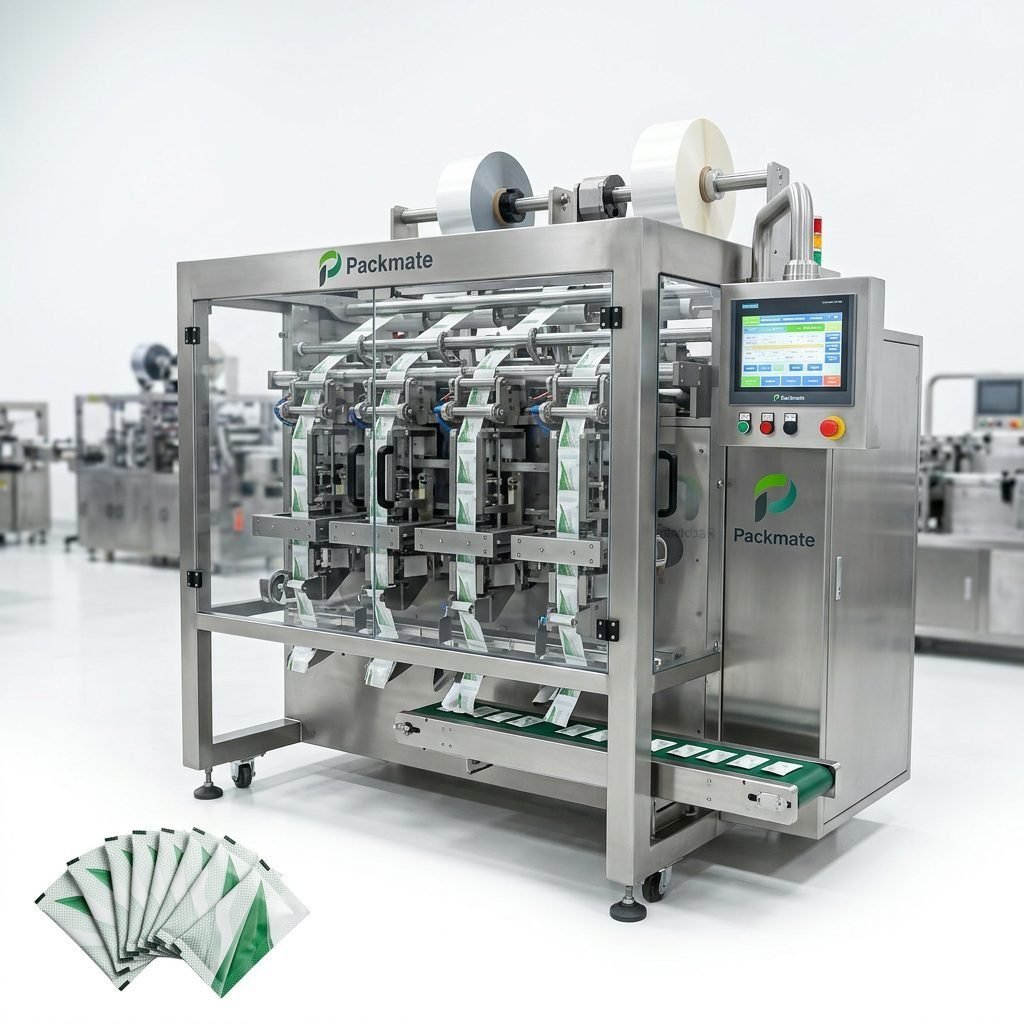
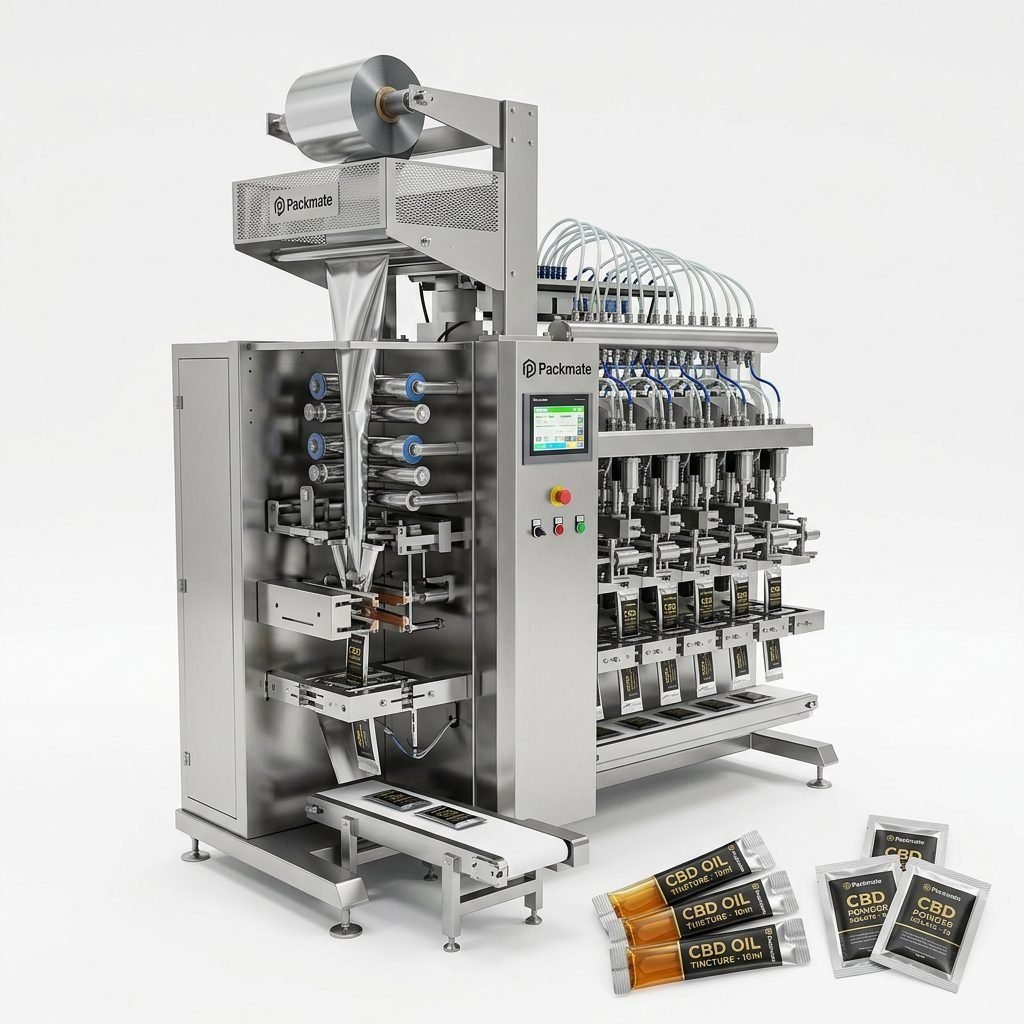
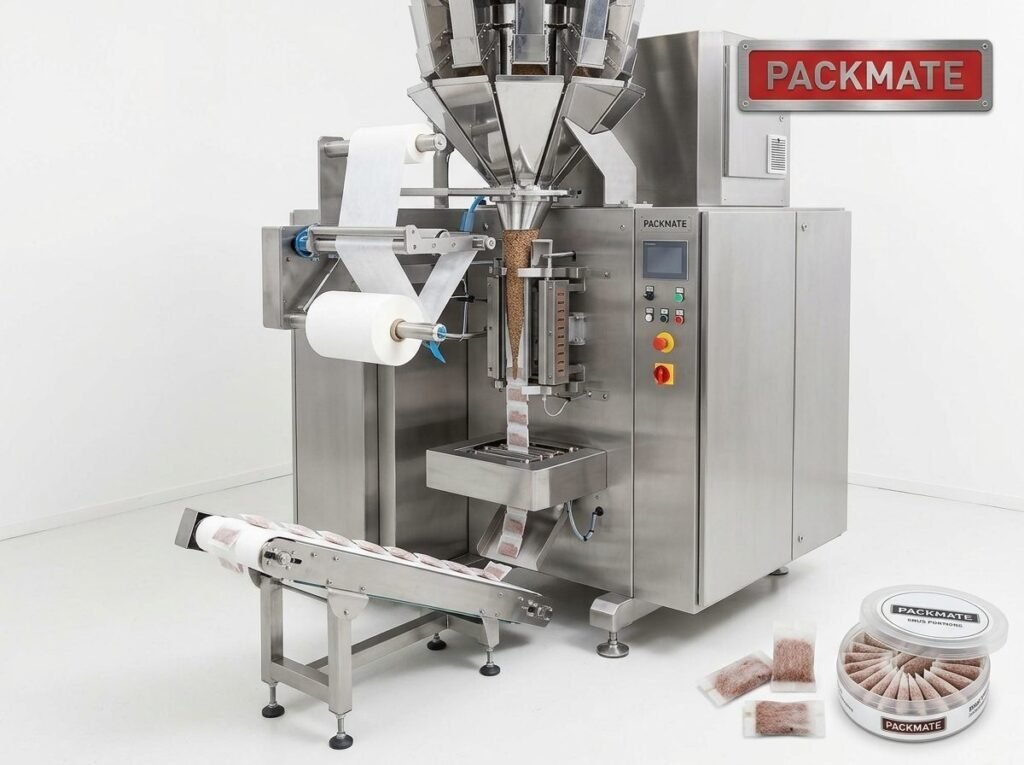
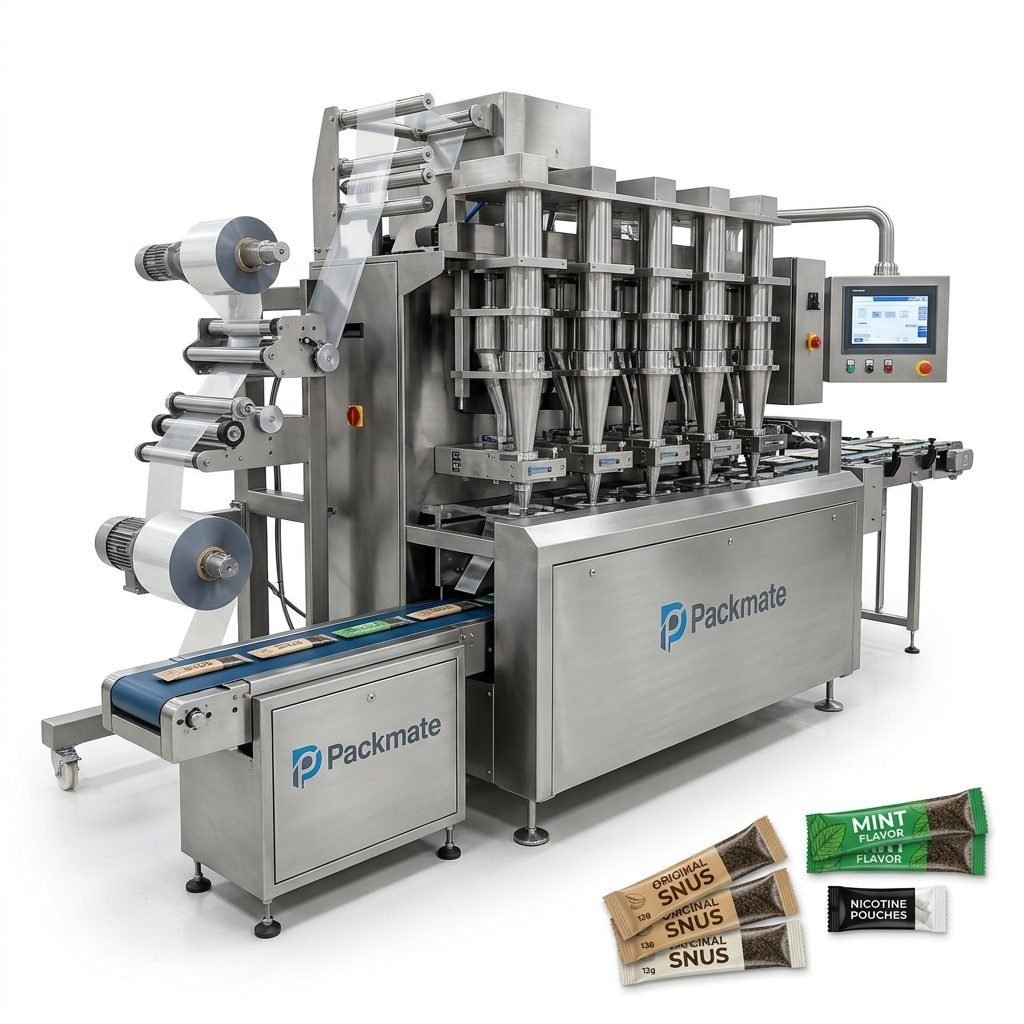
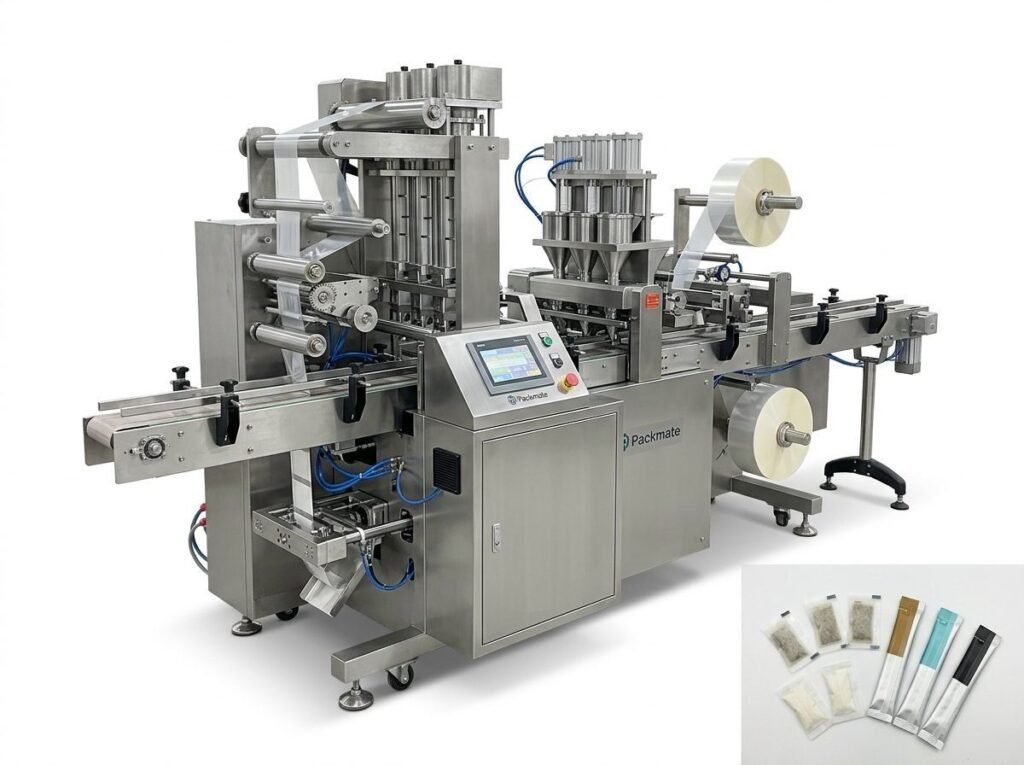
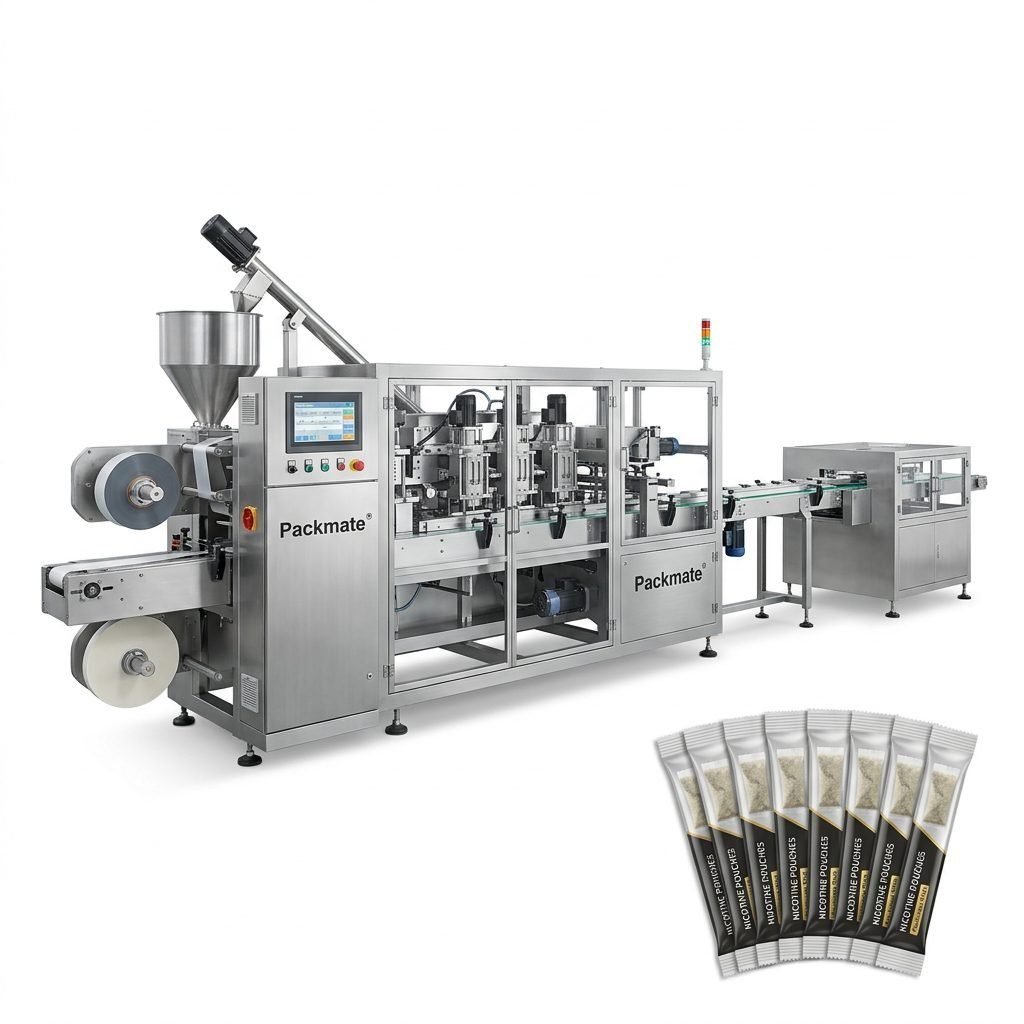
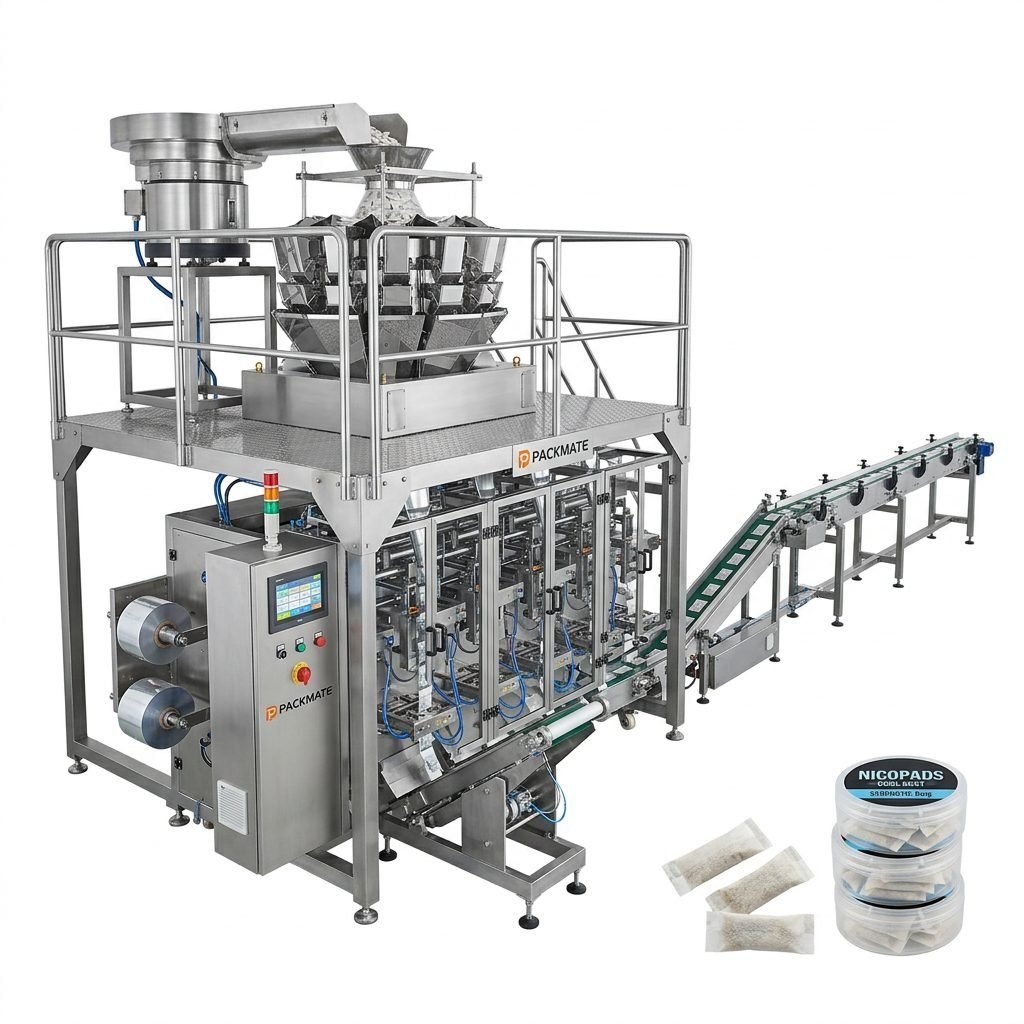
Nicotine pouch and snus packaging requires specialized equipment. Determine whether your product needs stick pack, sachet, multi-lane pouch, or tray-style packaging. Multi-lane systems are popular for small-dose nicotine pouches because they increase throughput while maintaining accurate dosing.
Performance metrics to compare
Evaluate machines on: nominal speed (packs/min), dose accuracy, downtime for format changeovers, ease of maintenance, and OEE (Overall Equipment Effectiveness). Manufacturers offering modular designs often provide faster upgrades and reduced lead time for spare parts.
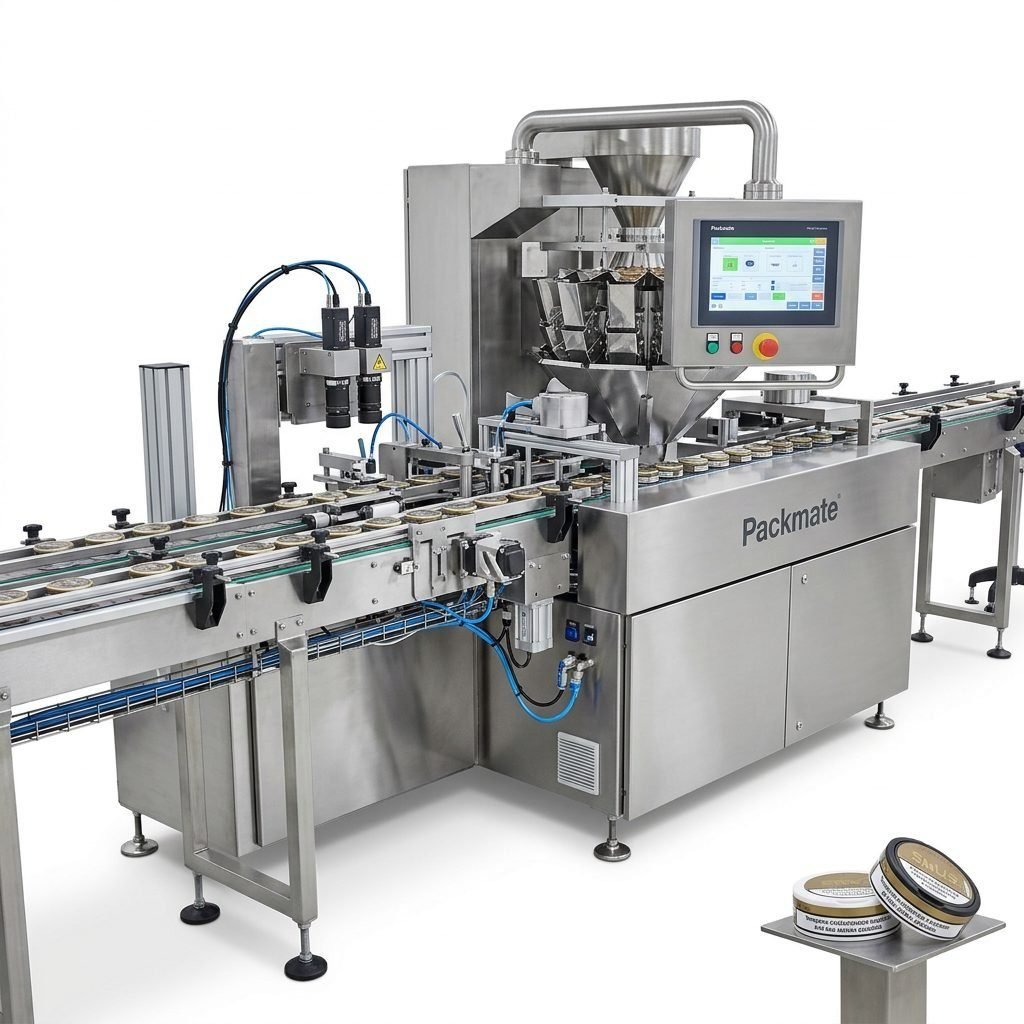
If you want to evaluate specific configurations, explore industry-standard solutions such as Snus & Nicotine Packaging Machines and modular Weighing & Packaging Systems.
Manufacturer Credentials and Factory Capability
A manufacturer’s workshop size, machining capability, and quality-control systems are direct indicators of product reliability. Look for companies with advanced CNC machining centers, precision assembly lines, and rigorous testing protocols. Facilities with 20,000㎡ production areas and long-standing engineering teams are better positioned to deliver consistent machines and spare parts availability.
Ask for factory photos, assembly process descriptions, and a list of machine models. Confirm whether the manufacturer has exported similar lines to Europe and whether they provide case studies or client references.
Customization and Turnkey Solutions
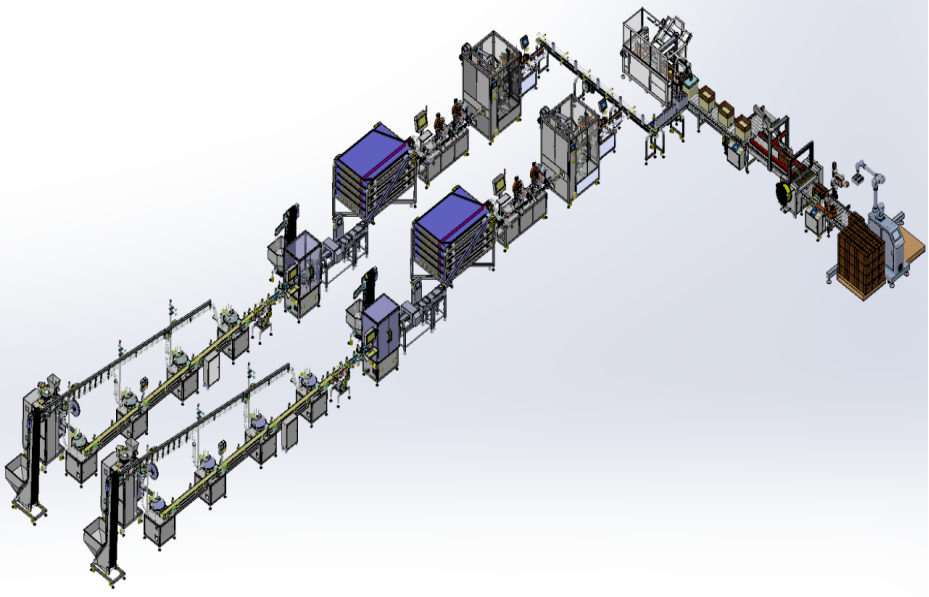
Nicotine pouch products often vary in pouch size, fill types (powder, granular, liquid), and secondary packaging. Choose a manufacturer that offers fully customizable machines and turnkey production lines — from feeding and dosing to sealing, cartoning, and case packing. A supplier who can deliver a complete line reduces vendor coordination and speeds up commissioning.
Packmate’s experience in delivering multi-lane systems for snus and nicotine pouch production is an example of turnkey capabilities. Learn more about their full lines at Filling & Packaging Lines.
After-Sales Service, Training and Local Support
In Bosnia and Herzegovina, local service availability and timely spare parts delivery are critical. A machine that sits idle due to long lead times for parts or lack of technical support can cost more than the initial purchase. Choose manufacturers that offer remote support, local partners, or fast shipping options for critical components.
Training and language considerations
Ensure operator and maintenance manuals are available in English and, if possible, in Bosnian/Croatian/Serbian. Practical on-site training and clear SOPs (Standard Operating Procedures) will reduce operator errors and improve uptime. Manufacturers offering extended commissioning and training packages typically provide higher long-term value.
Verify average spare-parts shipping times to Sarajevo or Banja Luka and whether local technicians are available for emergency visits.
Total Cost of Ownership (TCO): More than Purchase Price
Compare offers on TCO rather than purchase price alone. Include costs for installation, training, spare parts, consumables, energy, and maintenance contracts. Machines that are more energy-efficient or designed for easy parts replacement can reduce operating costs significantly over three to five years.
Hidden cost items to watch
Warranty exclusions, required tooling changes for new SKUs, and special electrical or pneumatic requirements can add unexpected costs. Ask for a clear breakdown of what’s included: installation labor, travel, commissioning, and first-year spare parts kits.
Quality Assurance and Testing Protocols
A reliable manufacturer will provide a factory acceptance test (FAT) report showing machine performance under simulated production conditions. Request video evidence of FATs and test results for dose accuracy, seal integrity, and throughput under target formulations.
FAT documentation and performance guarantees. Without these, you risk accepting equipment that doesn’t meet your throughput or quality targets.
Logistics, Import and Local Customs Practices
Work with your supplier to ensure packaging and documentation meet Bosnia and Herzegovina customs requirements. Machines shipped from Asia typically arrive by sea to ports like Rijeka (Croatia) and then transit overland; ensure HS codes, invoices, and certificates are accurate to prevent delays.
Many suppliers offer CIF or DDP terms. If you lack experience importing heavy equipment, prefer a vendor who can assist with logistics and customs clearance or who has local partners to handle final delivery and installation.
Cultural Fit and Business Etiquette in Bosnia and Herzegovina
Business relationships in Bosnia and Herzegovina often rely on personal trust and clarity. Suppliers who are patient, responsive, and willing to visit your site or host video calls for demonstrations usually build stronger partnerships. Use polite, clear communication and accommodate local scheduling preferences. If you can, arrange face-to-face meetings at trade fairs or local offices to build rapport.
Pay attention to labeling language: while English is widely used in industry, offering manuals and labels that include Bosnian/Croatian/Serbian translations can be a competitive advantage.
How to Evaluate Supplier Proposals
When comparing quotes, use a standardized matrix that scores: technical fit, certifications, delivery time, warranty terms, training, spare parts policy, and references. Ask each supplier to provide a reference from a European customer and a copy of their FAT report.
Suppliers with transparent case studies or published exhibition appearances demonstrate market credibility. Check the manufacturer’s exhibition history and case portfolio when available: Case and Our Exhibition.
Red Flags and Warning Signs
Beware of suppliers who: cannot provide FAT evidence, delay sharing QC documentation, lack references, or refuse to include spare parts kits. Also be cautious of vendors with unclear warranty scopes and ambiguous training offers.
No FAT videos, no CE/ISO documents, no reference customers in Europe, or indefinite lead times for critical spares.
Why Packmate Might Be a Suitable Partner
Packmate Snus Machine is an experienced manufacturer specializing in snus and nicotine pouch packaging. With over 30 years of engineering history and a 20,000㎡ factory, they offer multi-lane systems, stick pack and sachet machines, and full turnkey lines. Their global experience and certifications make them a candidate worth evaluating for Bosnia and Herzegovina operations.
Explore product lines and company details at About Packmate and consider contacting their sales team via Contact Us to request FAT documentation and references.
Practical Next Steps: From Request for Quotation to Installation
1) Prepare a detailed RFQ including product SKUs, target throughput, environmental conditions, and skid/utility constraints. 2) Request FAT videos and a detailed spare parts list. 3) Negotiate delivery terms (CIF/DDP) and warranty inclusions. 4) Plan for installation, training, and local certifications prior to full-scale production.
- Confirm CE/ISO documentation and FAT reports.
- Agree on spare parts kit and response times.
- Schedule training and commissioning windows.
- Verify labeling and language needs for Bosnia and Herzegovina.
Conclusion
Selecting the best nicotine packaging machinery manufacturer for Bosnia and Herzegovina requires a balanced assessment of technical fit, certifications, logistics, local cultural fit, and after-sales support. Prioritize suppliers who can demonstrate proven performance in snus and nicotine pouch applications, provide transparent testing, and support local requirements for documentation and language. A well-documented FAT, clear spare parts policy, and partner-oriented service will protect your investment and accelerate production ramp-up.
Frequently Asked Questions
Q1: How important is CE certification for machines imported into Bosnia and Herzegovina?
A1: CE is essential for demonstrating compliance with European safety standards and is often requested by customs and inspectors. Always ask for the CE declaration and the scope of standards covered.
Q2: What lead time should I expect for a turnkey snus packaging line?
A2: Typical lead times vary from 12 to 28 weeks depending on customization, spare parts kits, and FAT scheduling. Confirm production and delivery timelines in writing and include milestone payments tied to FAT and shipment.
Q3: Can suppliers provide manuals and labels in local dialects?
A3: Many reputable suppliers offer translated manuals or can provide translation services. Request localized labels and manuals early in the project to ensure compliance and operator ease-of-use.
Q4: What is the best way to verify a supplier’s performance remotely?
A4: Ask for FAT videos, customer references (preferably in Europe), test reports for dose accuracy, and virtual factory tours. Reliable suppliers will gladly share these documents.
Q5: How do I ensure fast spare parts delivery to Bosnia and Herzegovina?
A5: Negotiate a spare parts kit included with shipment, confirm the supplier’s logistics partners, and if possible, maintain a local buffer stock or select suppliers with regional warehouses to reduce downtime.