Choosing the Right Snus Packaging Machinery Manufacturer in El Salvador: Practical Guidance for Production Managers
Selecting the best snus packaging machinery manufacturer for your production needs in El Salvador requires more than just comparing prices. The right partner delivers reliable machines, local support, compliance with global standards, and a tailored solution that fits your production volumes and product formats. This guide walks you through the essential evaluation criteria, supplier verification steps, and negotiation tips so you can make a confident purchase decision.
Why the Manufacturer Choice Matters
Choosing the right manufacturer impacts uptime, product quality, regulatory compliance, and total cost of ownership. A poorly specified machine can cause packaging failures, frequent downtime, and costly product losses. Conversely, an experienced manufacturer ensures stable output, consistent pouch formation and sealing, and simplified maintenance.
Key takeaway: prioritize reliability, service support, and compliance over the lowest upfront cost.
1. Proven Experience and Product Focus
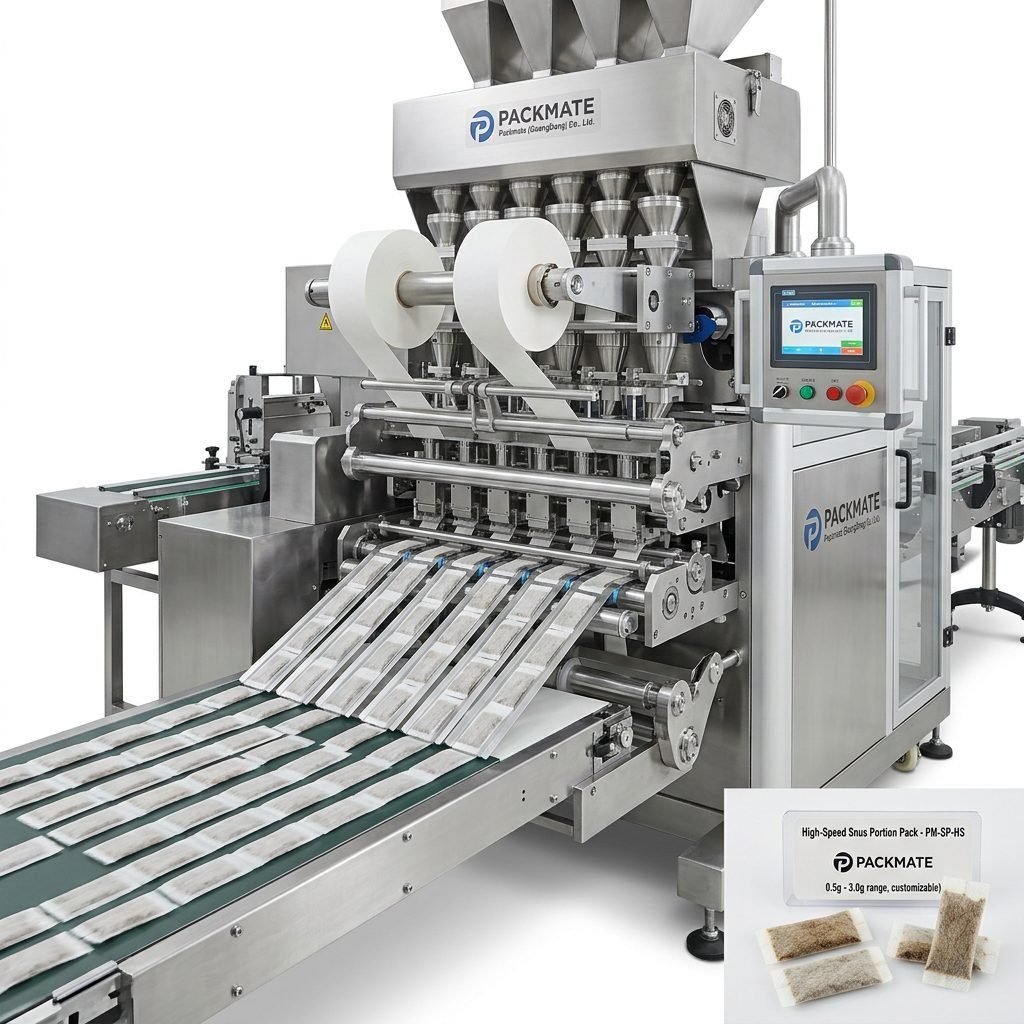
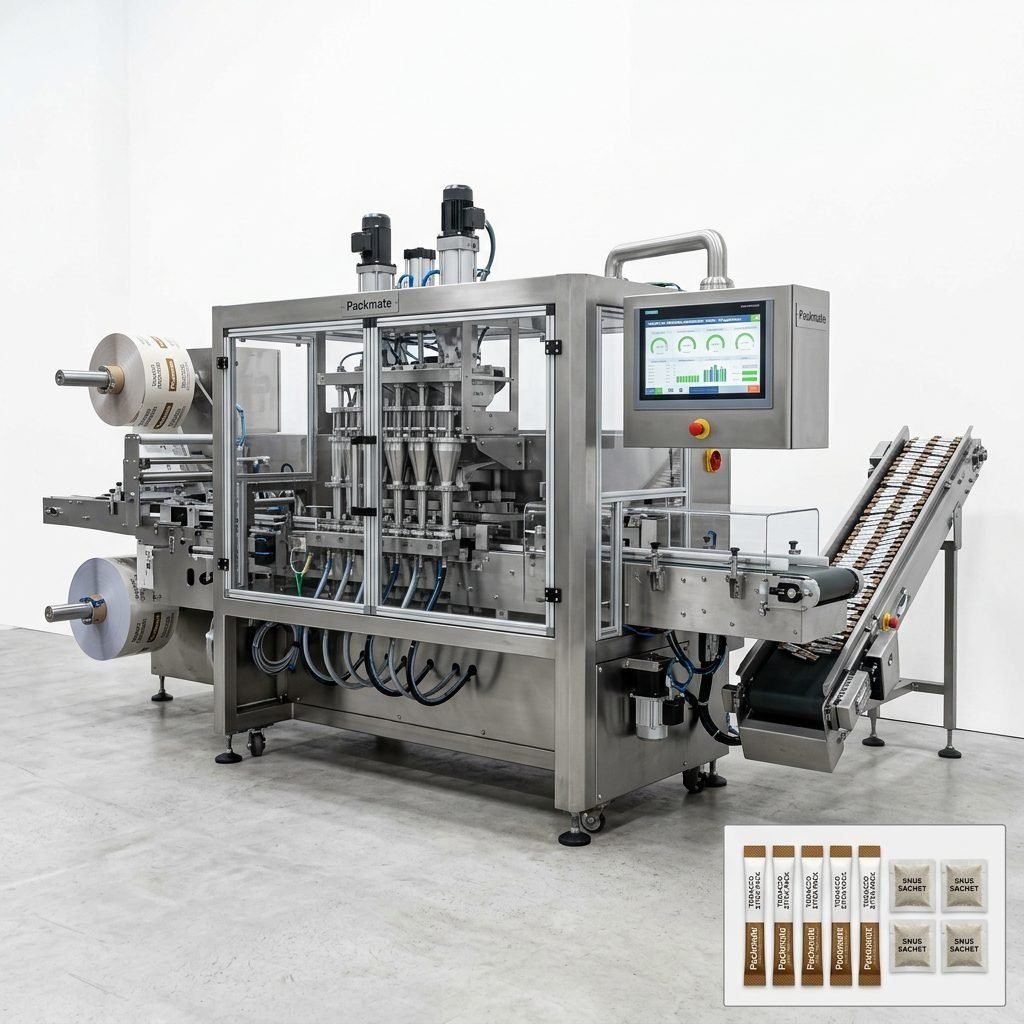
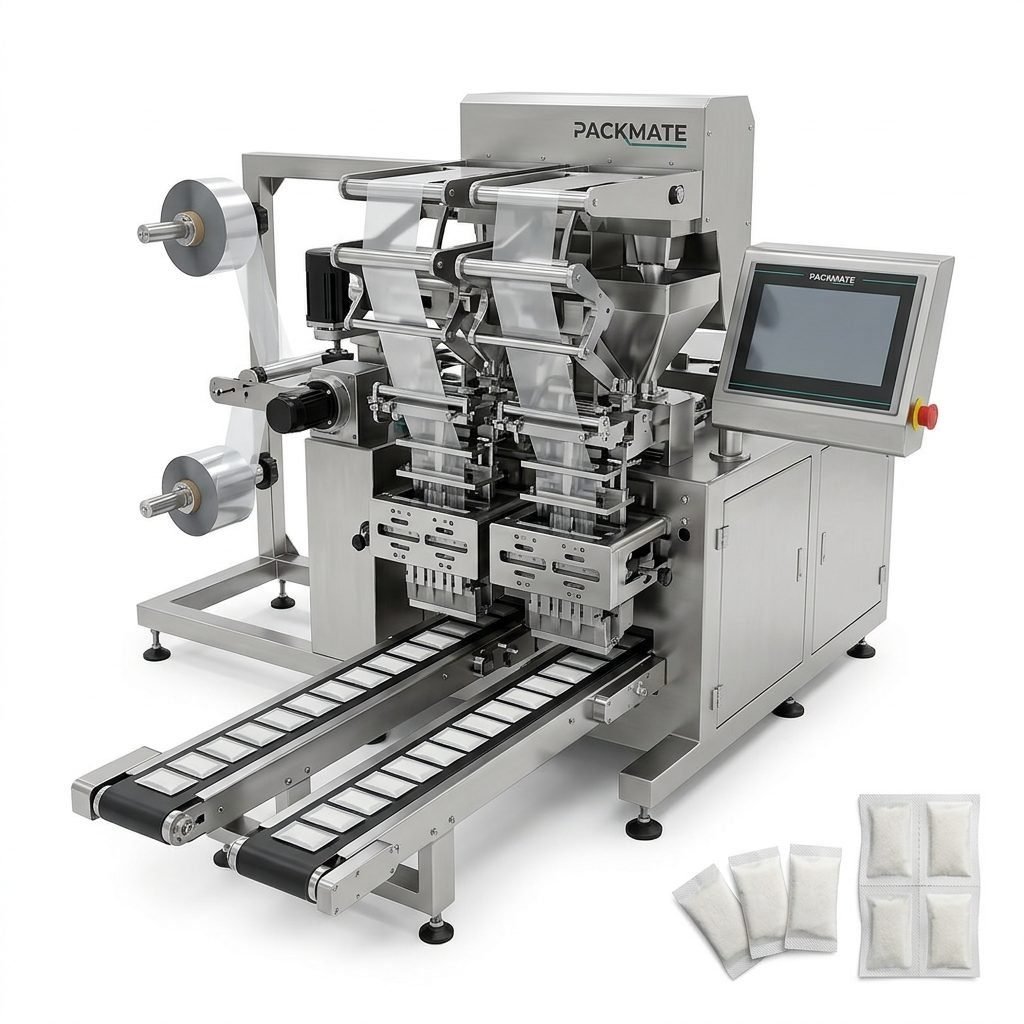
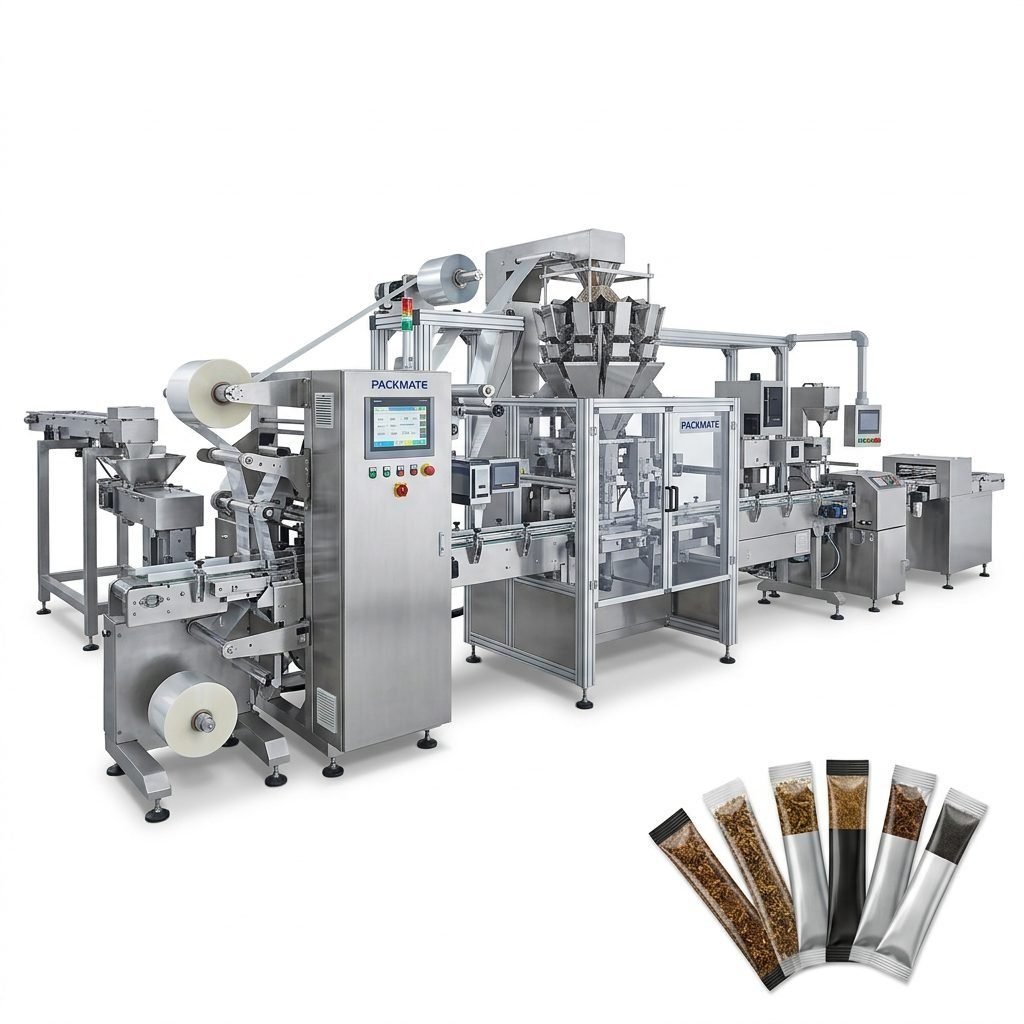
Look for manufacturers with a dedicated focus on snus and nicotine pouch lines. Companies with decades of experience in pouch, sachet, stick pack, and multi-lane systems are more likely to understand the nuances of low-dose tobacco and nicotine products. A supplier that manufactures a wide range of packaging machines such as stick packs, sachets, multi-lane pouchers, and auxiliary equipment will be better positioned to offer integrated solutions.
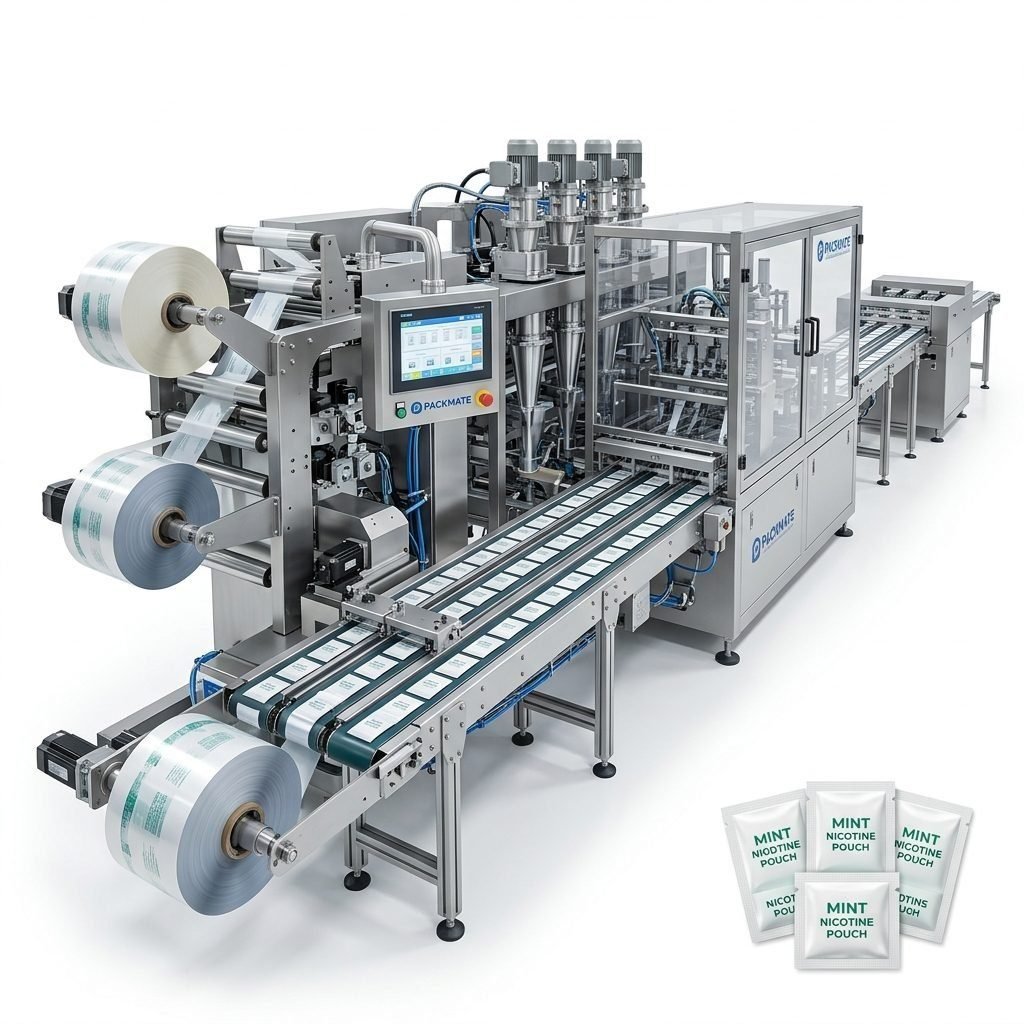
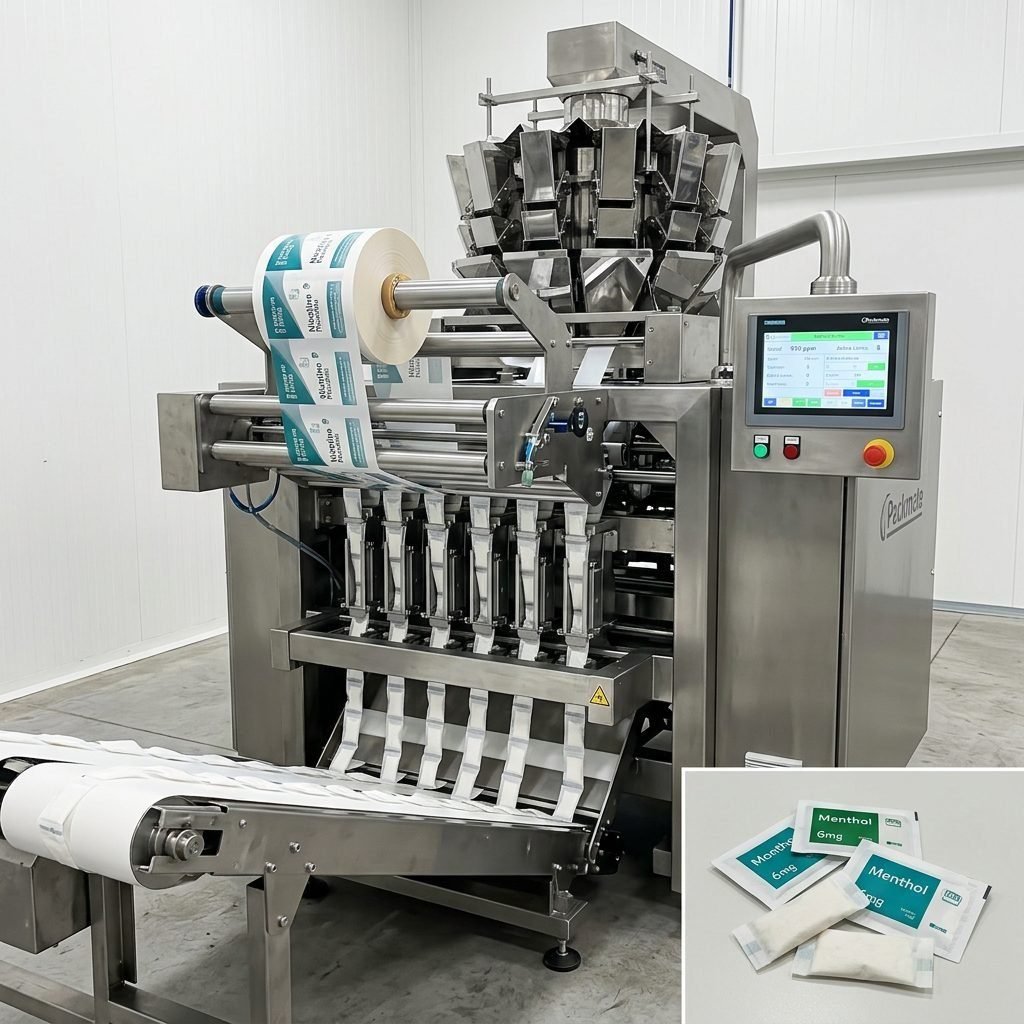
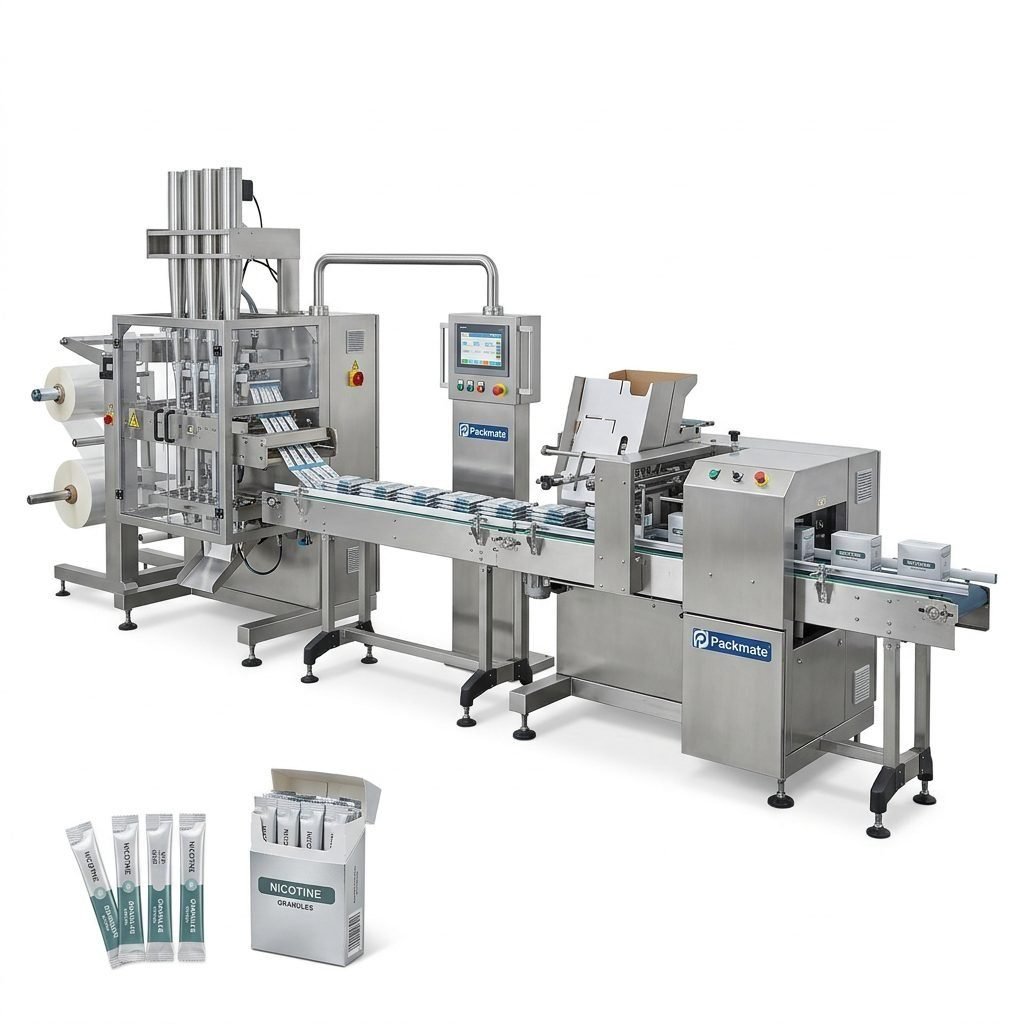
Packmate Snus Machine, for example, has over 30 years in packaging engineering and offers specialized snus/nicotine solutions including multi-lane systems and turnkey lines—this kind of focused expertise reduces integration risks and speeds up commissioning.
2. Range of Machine Models and Scalability
A healthy product portfolio indicates maturity. Verify the number of available models and whether they cover your desired formats (pouch size, stick pack, sachet, multi-lane). Scalability is crucial: can the manufacturer scale from pilot production to full-scale lines without requiring a complete redesign?
You can review categories like Snus & Nicotine Packaging Machines and Sachet & Stick Pack Machines to confirm model breadth and technical specifications.
Tip: choose a vendor with modular machines so you can add lanes or upgrade throughput without replacing the entire line.
3. Factory Strength and Quality Control
Inspect the manufacturer’s production capacity and quality systems. A modern facility with CNC machining centers, precision assembly lines and documented quality checks will produce consistent machines. Factory area, machine volume, and investment in testing rigs matter when you expect robust, repeatable results.
Manufacturers that demonstrate end-to-end testing, performance verification, and compliance with international standards (CE, ISO) provide a safer long-term investment. If possible, arrange a factory visit or request a virtual tour or video demonstration of machine acceptance tests.
4. Certifications, Compliance and Safety
Regulatory compliance is non-negotiable for nicotine and tobacco-related products. Confirm that machines meet relevant international standards (e.g., CE, ISO) and can be documented for audits in your region. Ask for certificates and quality documentation, and verify traceability of critical components.
If you export, ensure the manufacturer can support documentation required by your importing countries and provide references that have passed similar regulatory inspections.
5. Customization and Turnkey Solutions
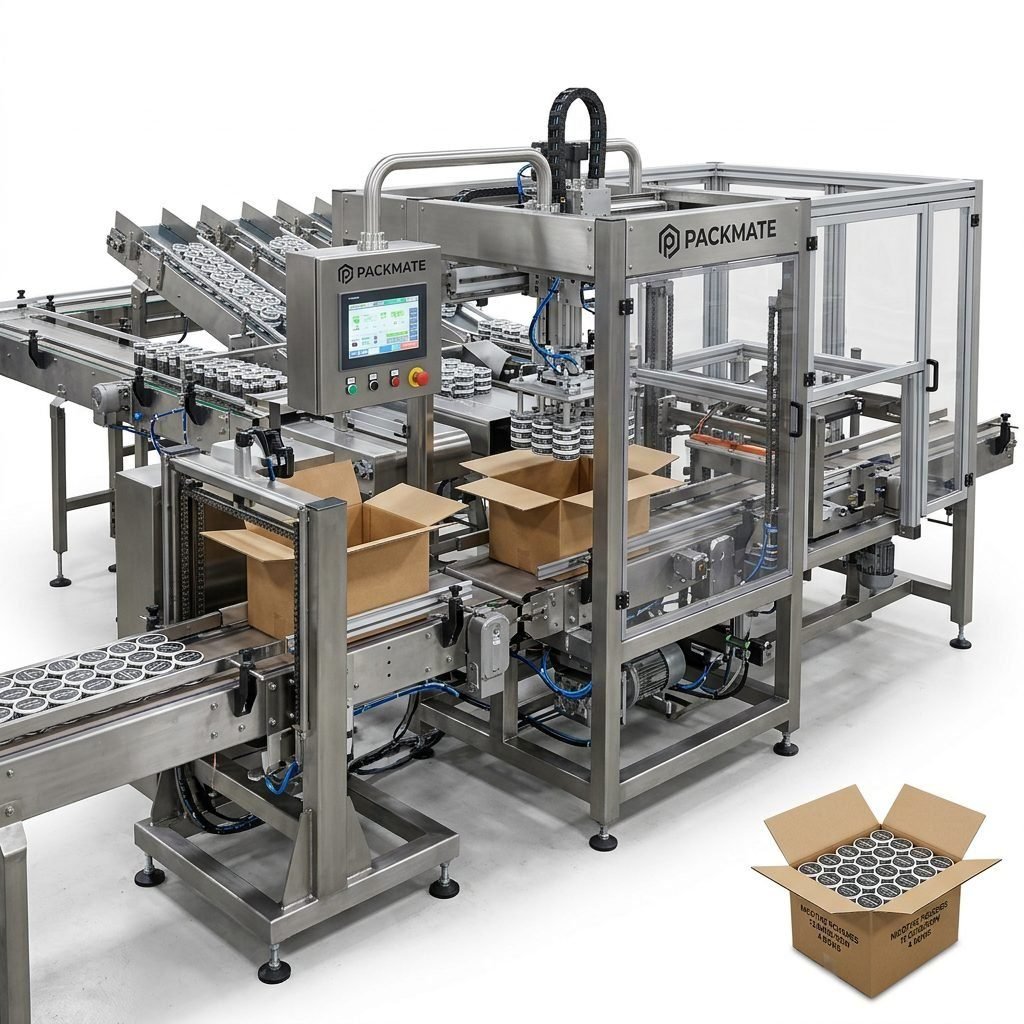
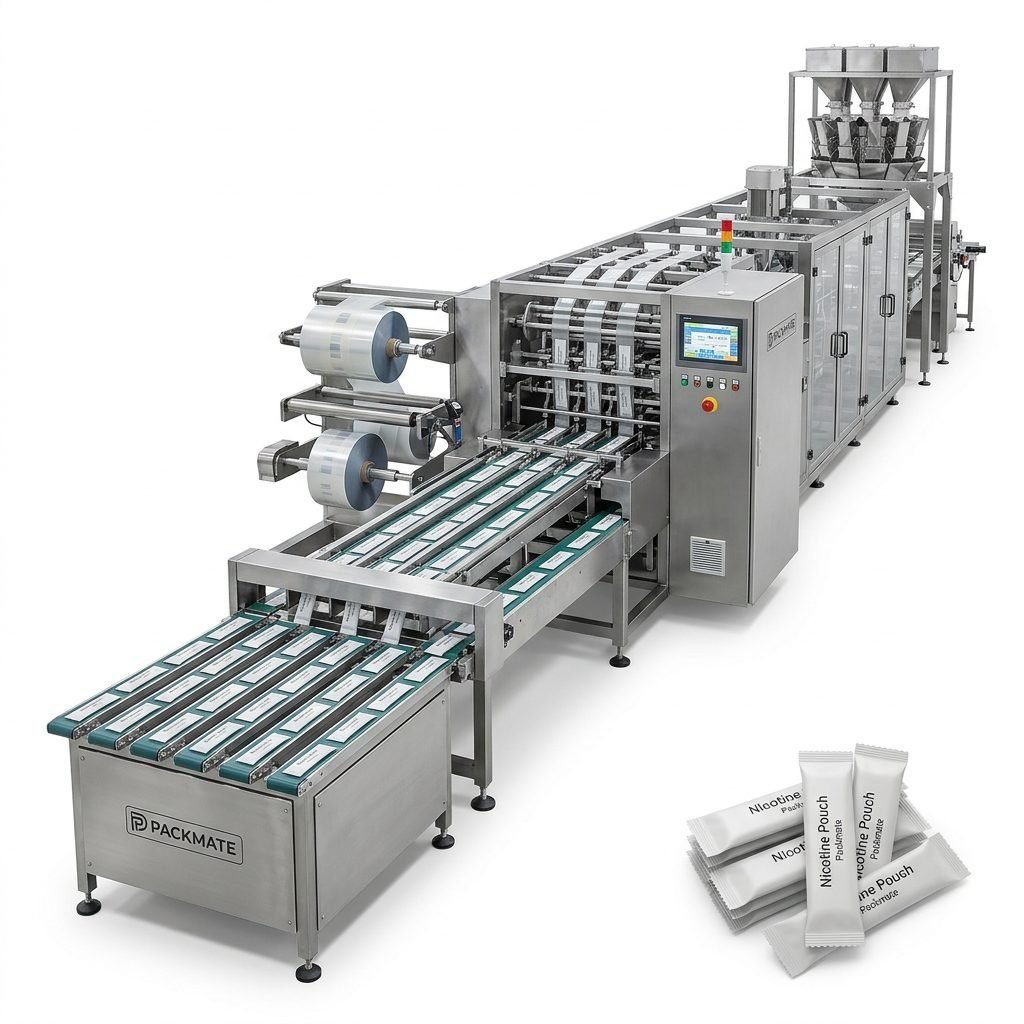
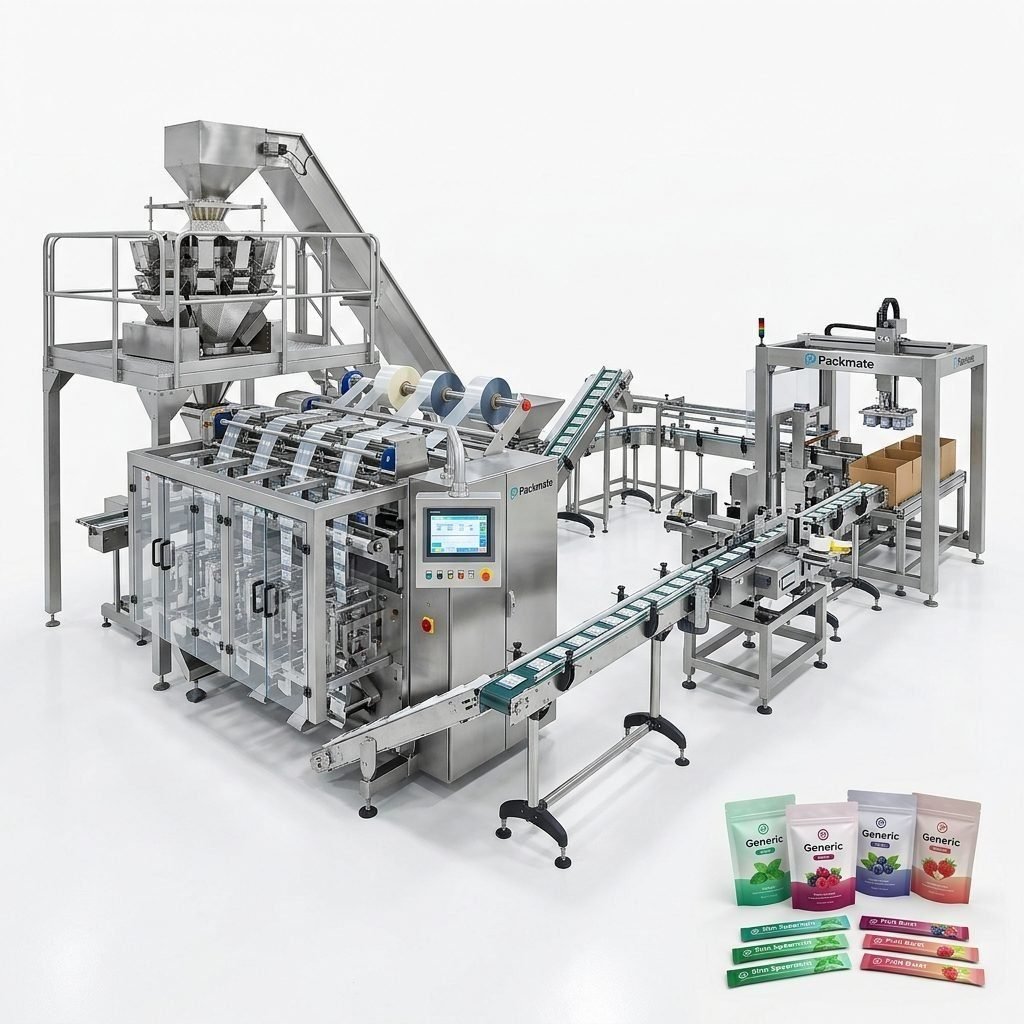
Your product configuration—pouch shape, dimensions, barrier materials, and printing—may require machine customization. A capable manufacturer will offer tailored feeders, dosing systems (powder, granule, liquid), and end-of-line solutions like cartoners or case packers. Look for turnkey offerings that include integration of weighing and packaging, auxiliary equipment, and full production line automation.
Explore the manufacturer’s turnkey capabilities and related product lines such as Weighing & Packaging Systems and Filling & Packaging Lines to see how they bundle complementary equipment.
Note: turnkey solutions reduce installation and commissioning risks and often speed time to market.
6. After-Sales Service, Parts and Local Support
Service responsiveness is critical. Ask about spare parts availability, lead times, and on-site technical support. A manufacturer with global service channels or local partners in Central America will significantly reduce downtime. Confirm training for your operators, documentation language, and whether remote diagnostics and software updates are supported.
Check case histories and references—machine uptime reports and customer testimonials provide real-world evidence of service quality. See examples on the manufacturer’s case page to review similar installations: Case.
7. Total Cost of Ownership (TCO) and Pricing Transparency
Don’t be lured by the lowest initial quote. Evaluate TCO including spare parts, consumables, energy use, maintenance time, and expected lifespan. A robust machine might cost more upfront but reduce operational expenses and product loss over time. Ask for a clear breakdown of what’s included: tooling, training, warranty duration, and what constitutes chargeable service.
Checklist:
Request warranty terms, spare parts list, estimated energy consumption, and typical MTBF (mean time between failures).
8. Factory Acceptance Testing (FAT) and Site Acceptance Testing (SAT)
FAT is a critical stage where the machine is fully tested at the manufacturer’s facility under simulated production conditions. Agree on performance criteria, packaging speed, reject rates, and product compatibility before shipment. After installation, SAT validates the line at your site. Ensure both FAT and SAT procedures are documented in the contract.
9. Lead Times, Delivery and Logistics
Understand realistic lead times—custom machines and long-lead components will extend delivery. Confirm packaging for transport, installation scope at site, and whether the supplier will provide technical staff for commissioning. Consider potential customs clearance and import regulations for El Salvador to prevent delays.
If you plan to scale production quickly, discuss production slots and priority delivery options with your vendor to align machine delivery with your ramp-up schedule.
10. References, Exhibitions and Independent Reviews
Request references specific to nicotine pouch or snus customers and ideally arrange calls or site visits. Review independent exhibitions and demos where the manufacturer participated—this demonstrates market engagement and transparency. See exhibition details and certifications here: Our Exhibition and Certificate.
Real-world metric: aim for references with at least 12 months of continuous operation to assess reliability.
Practical Procurement Tips
– Define your target throughput, product formats, and acceptable reject rates before engaging suppliers.
– Ask for detailed technical specifications including servo control systems, PLC brands, and electrical schematics.
– Negotiate spare part kits and a training package into the contract.
– Include performance milestones in the purchase order tied to payment schedules.
If you need auxiliary equipment as part of a larger production line, explore categories like Auxiliary Packaging Equipment to consolidate suppliers and simplify integration.
Negotiating a Balanced Contract
Ensure the contract specifies delivery terms, FAT/SAT acceptance criteria, penalty clauses for missed milestones, warranty terms, spare parts lead times, and training scope. Include intellectual property clauses for custom tooling and specify responsibility for installation and commissioning.
Final Selection Checklist
✔️ Proven snus/nicotine experience
⚙️ Sufficient model range and scalability
🏭 Modern factory and QA systems
📜 CE / ISO certifications and compliance support
🔧 Local or timely after-sales support and spare parts
💼 Transparent TCO and documented FAT/SAT
Where to Find More Information and Support
Visit the manufacturer’s about page to confirm company history, mission and support channels: About Packmate. For pre-sales questions and service inquiries, use their contact page to request quotes, factory documentation and to schedule FAT demonstrations: Contact Us.
Quick Action Plan for Procurement Teams
1) Define production specifications and budget. 2) Shortlist 2–4 manufacturers with snus expertise. 3) Request detailed proposals including FAT plan. 4) Conduct reference checks and, if possible, a factory visit. 5) Finalize contract with clear acceptance criteria and service SLAs.
Useful Links
Explore product lines and technical catalogs: Catalog, and check FAQs about procurement and service: FAQs.
Pro tip: align your launch timeline with the supplier’s exhibition or demo events to validate machine performance in public demos: Our Exhibition.
Conclusion
Selecting a snus packaging machinery manufacturer for El Salvador means balancing technical capability, proven experience, quality assurance, and local support. By focusing on manufacturers with targeted snus expertise, modular machine options, clear FAT/SAT processes, and robust after-sales service, procurement teams can secure reliable production lines that meet regulatory and market demands.
Common Questions
1. What certifications should I require from a snus packaging machine manufacturer?
Request CE and ISO certificates as a minimum, plus documentation proving electrical safety, machine hygiene compatibility, and materials traceability for parts that contact the product.
2. How important is a Factory Acceptance Test (FAT)?
FAT is essential; it verifies machine performance before shipment and reduces onsite commissioning time. Ensure FAT criteria are contractual and include sample run conditions and acceptance metrics.
3. What level of spare parts stock should I plan for?
Stock critical wear parts for at least 3–6 months of production or negotiate a vendor-managed inventory (VMI) agreement to minimize downtime.
4. Can manufacturers support turnkey packaging lines including weighing and auxiliary equipment?
Yes. Many established suppliers offer integrated solutions—explore their auxiliary and weighing systems pages to confirm compatibility: Auxiliary Packaging Equipment.
5. How do I validate a supplier’s service responsiveness in El Salvador?
Ask for local references, documented service response times, and remote support capabilities. Confirm whether the supplier has regional partners or can provide timely onsite engineers and spare parts.