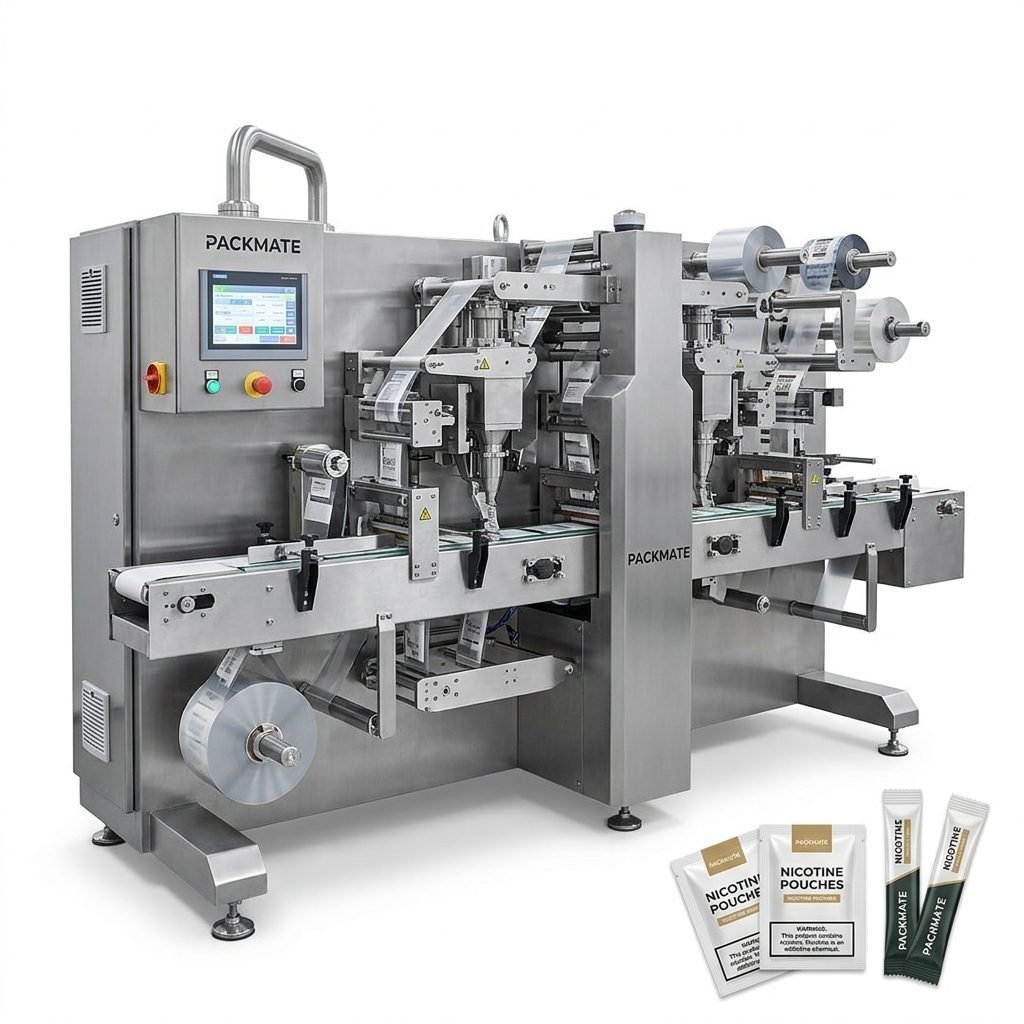
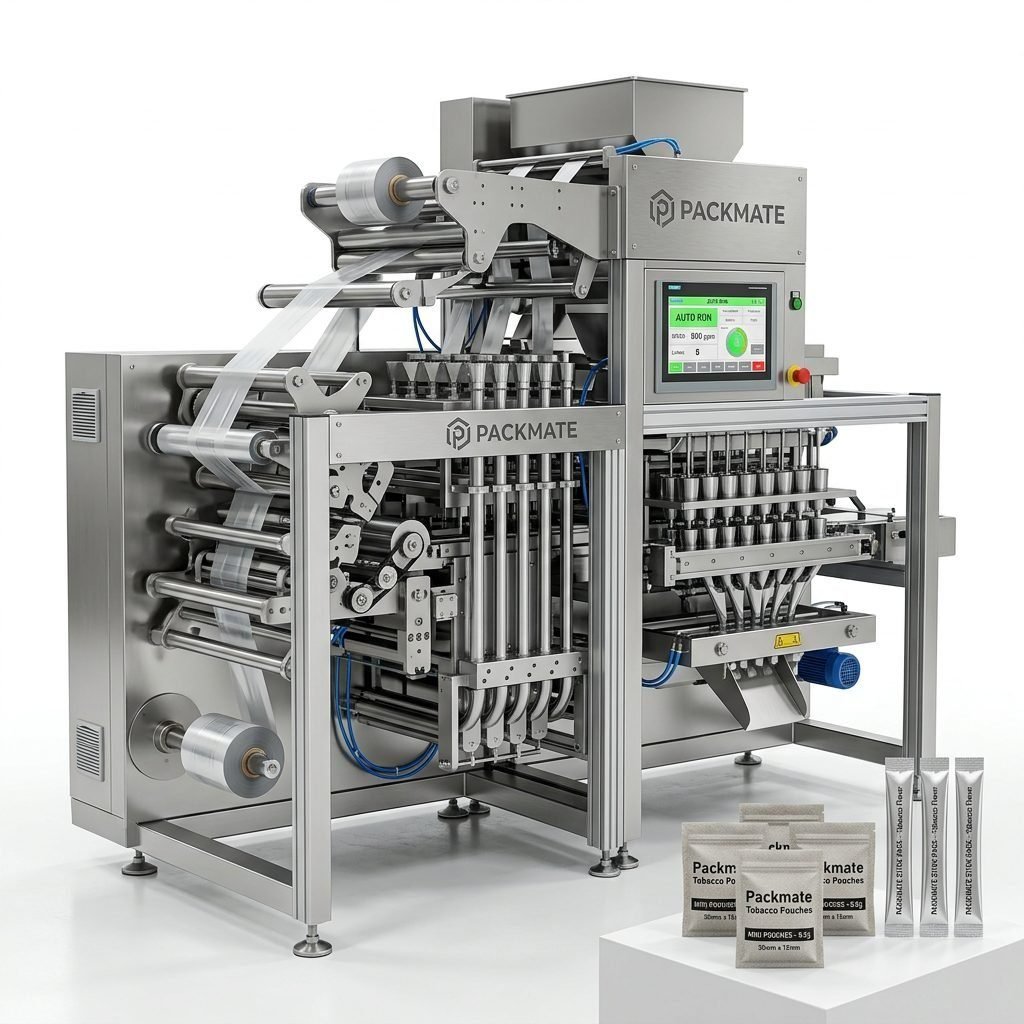
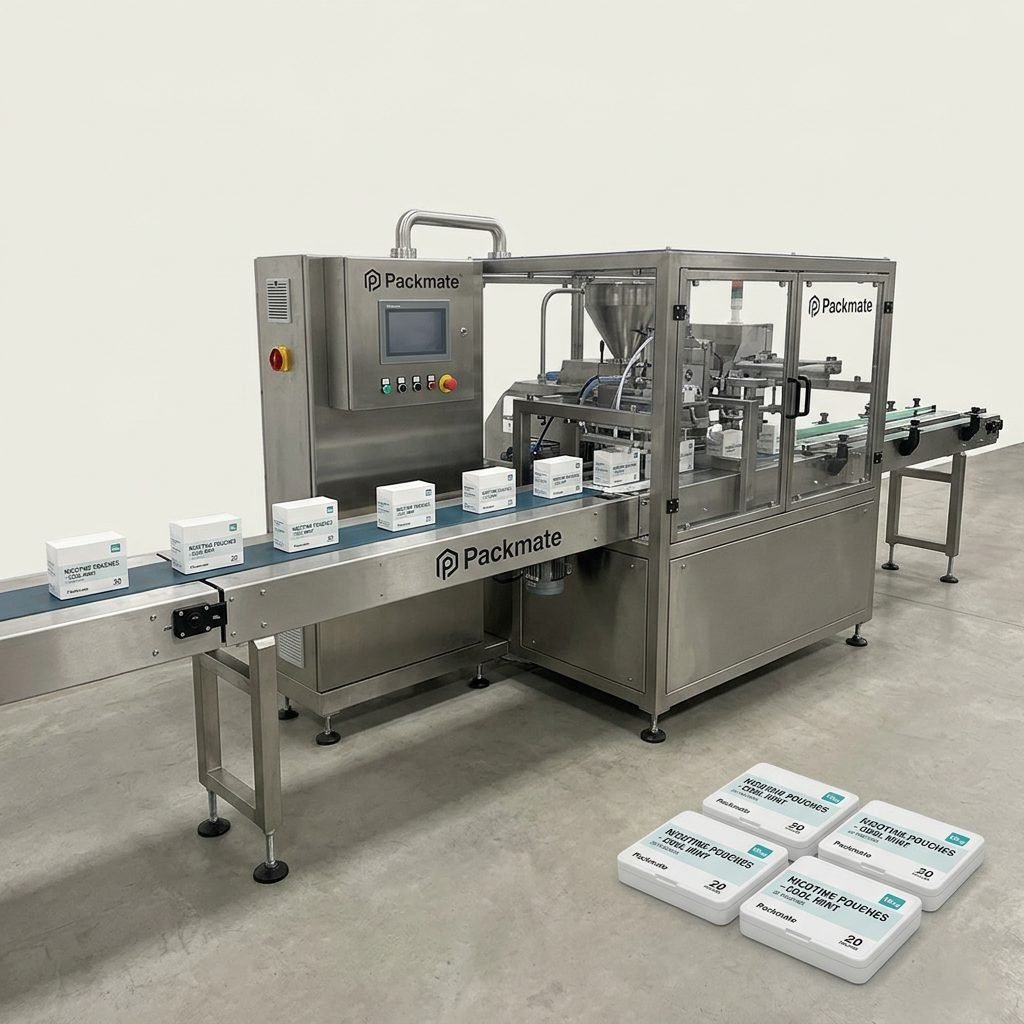
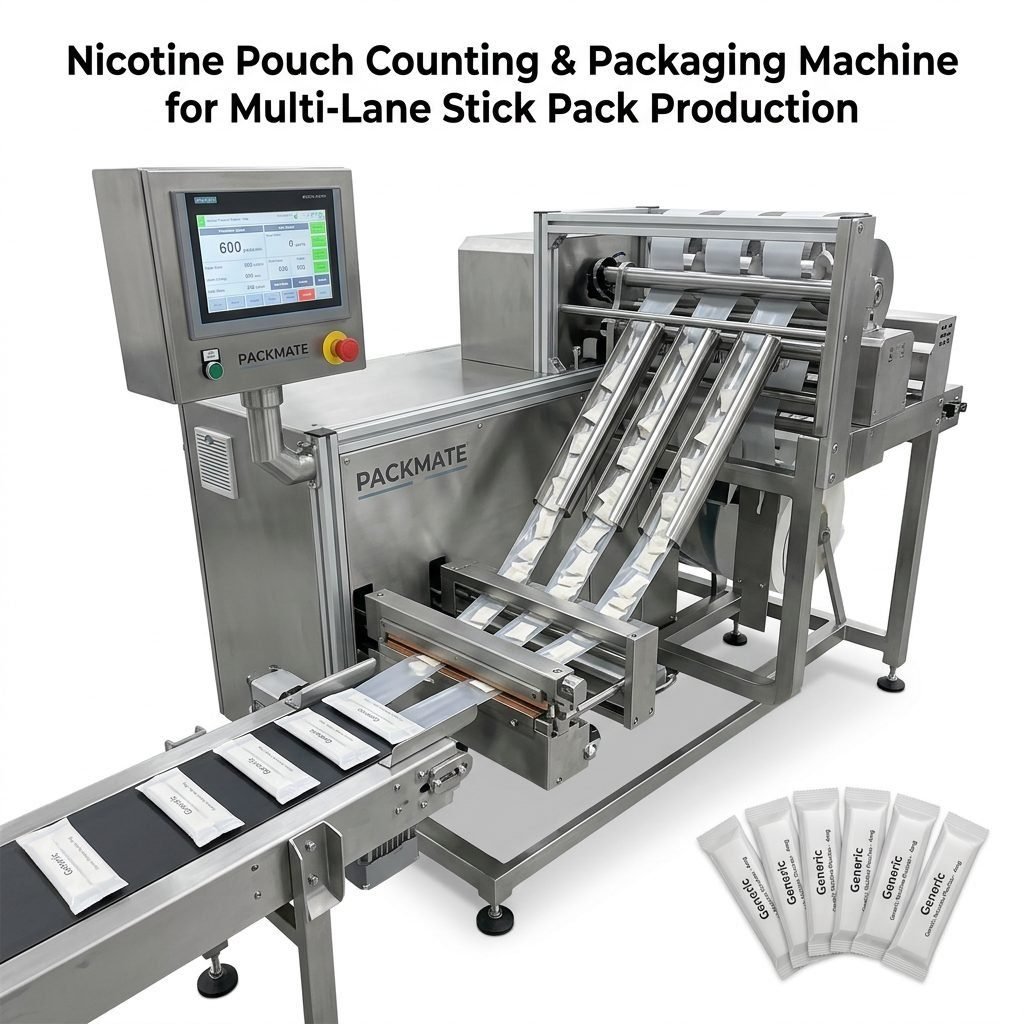
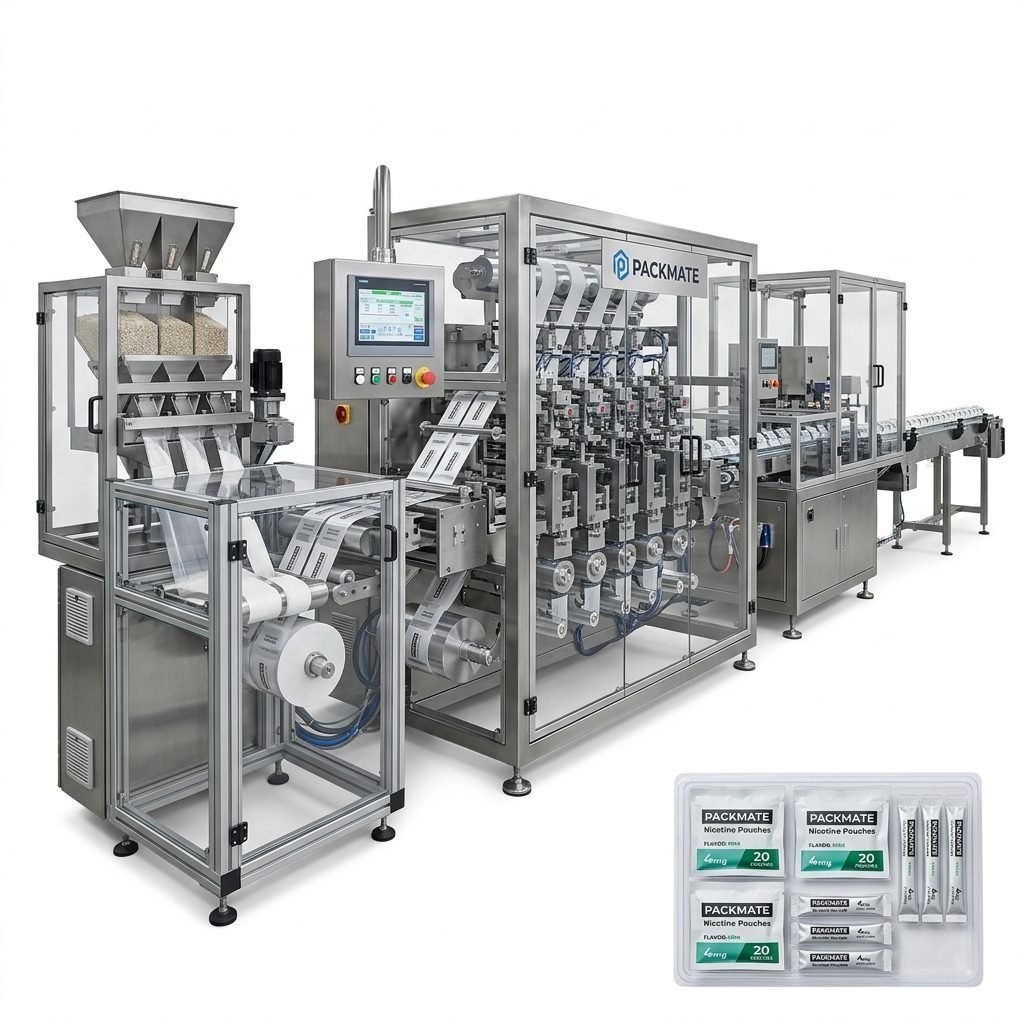
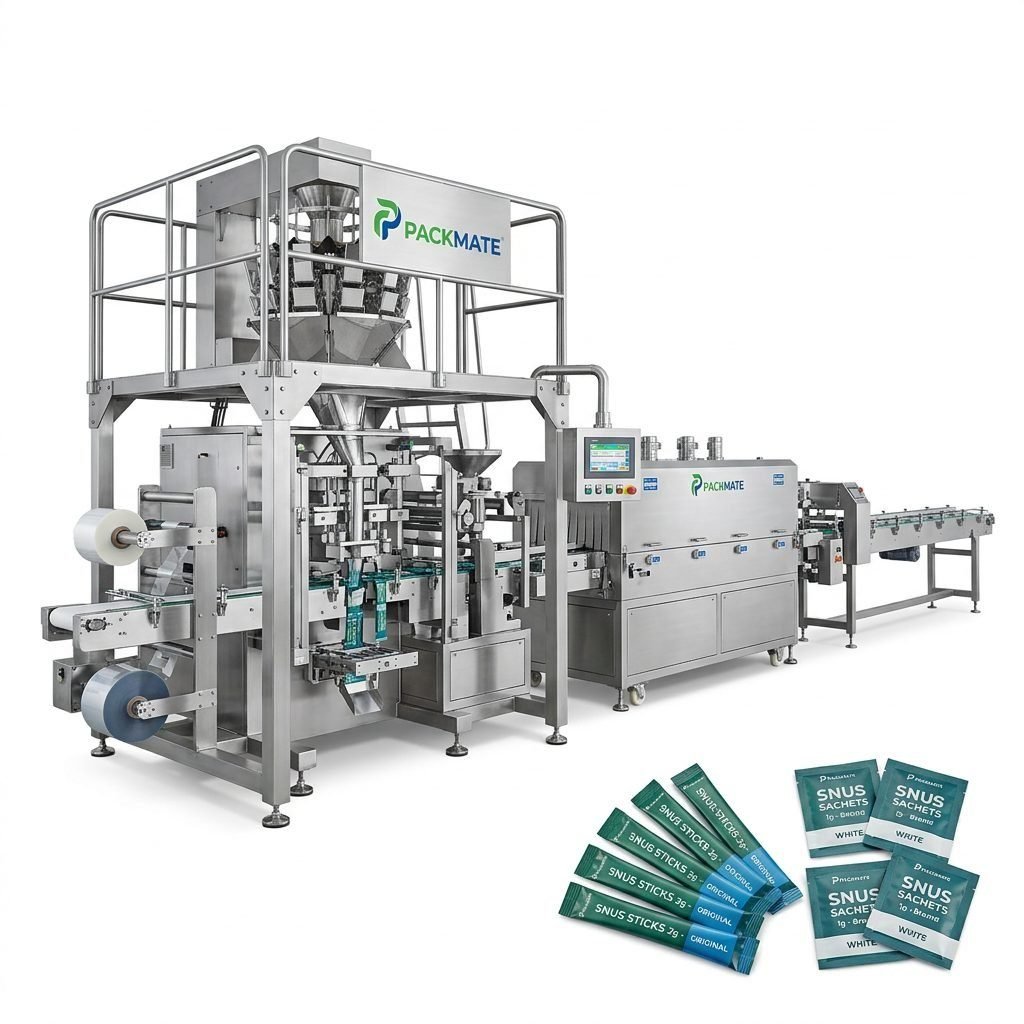
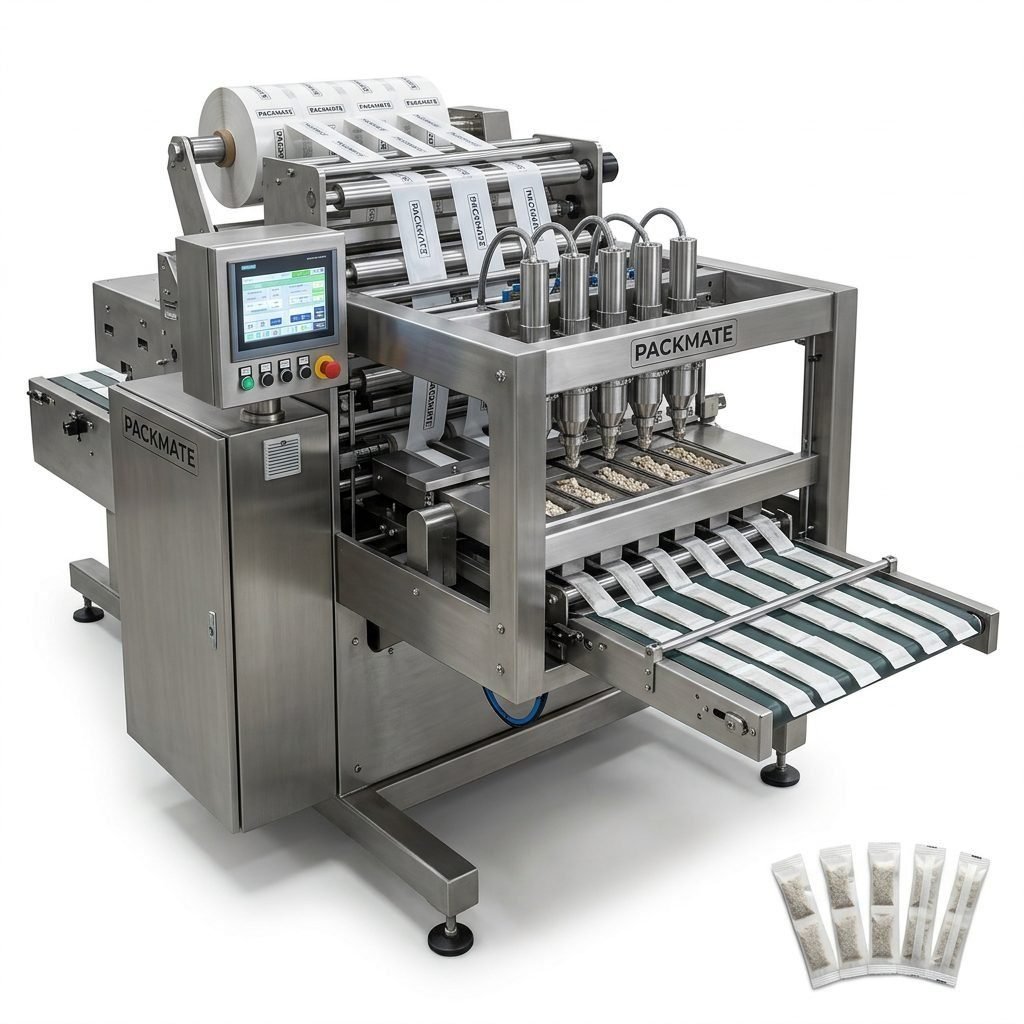
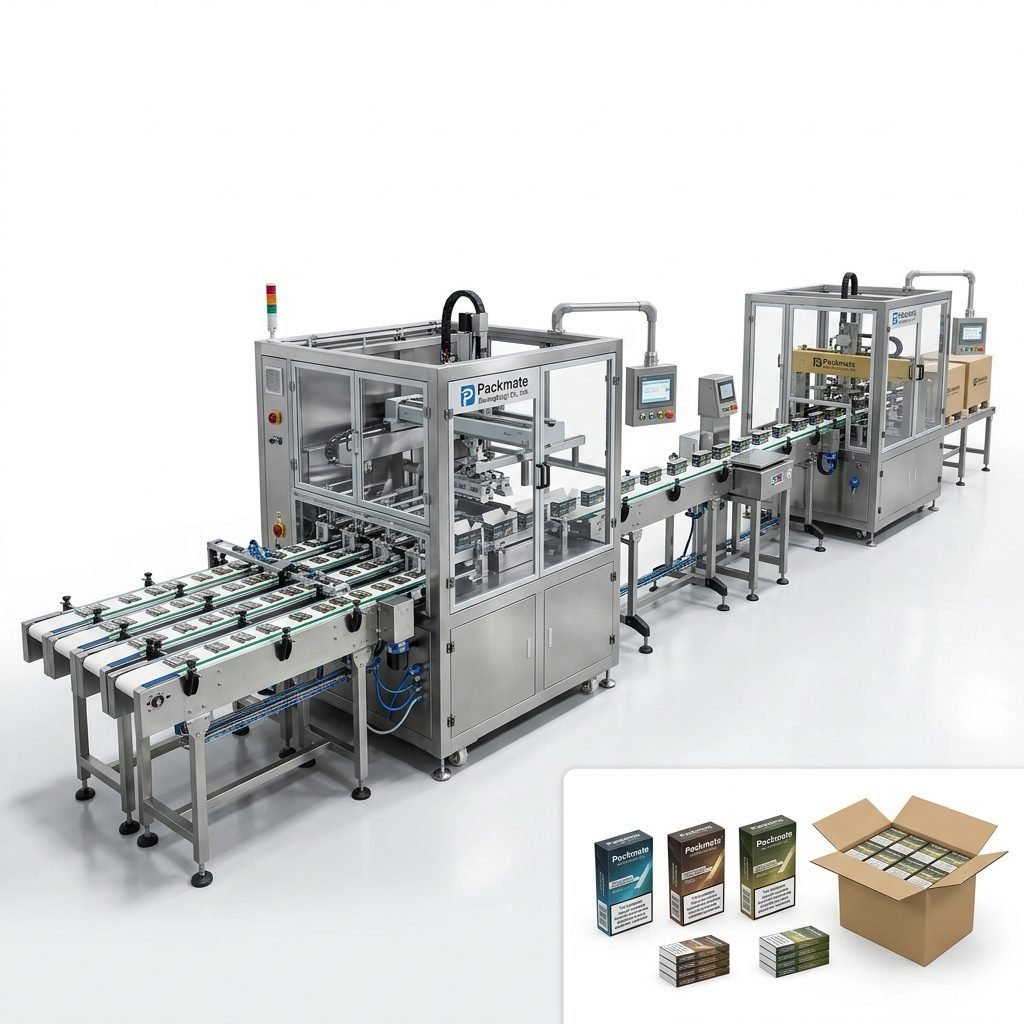
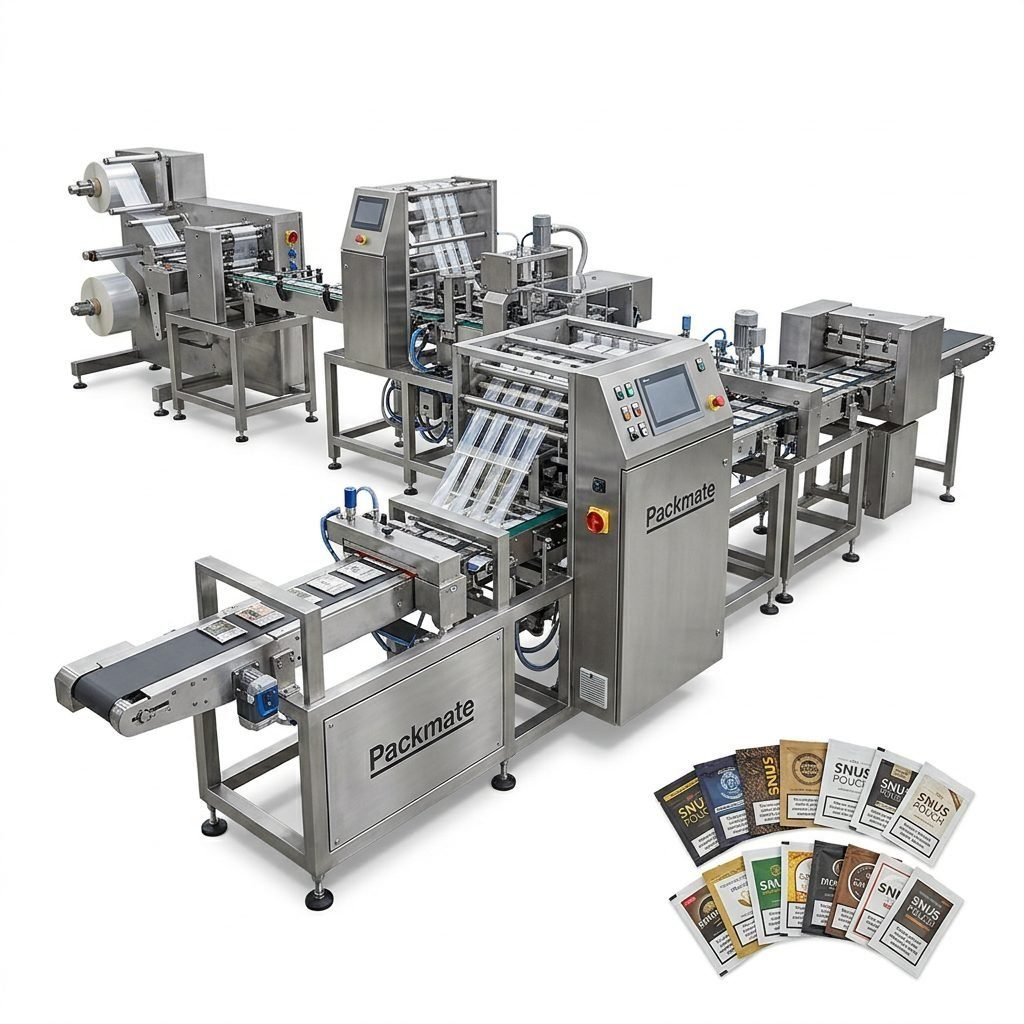
Choosing the right snus packaging machine in the United States is a strategic decision for manufacturers aiming to scale production, improve consistency, and comply with strict regulatory and safety requirements. This buyer’s guide walks you through the critical factors—technical, operational, and commercial—that determine the best fit for your facility and products. Whether you produce nicotine pouches, snus sachets, or multi-lane stick packs, this guide helps you make an informed investment that balances cost, performance, and long-term support.
Understand Your Product and Packaging Format
Before evaluating machines, clearly define the product specifications. Snus and nicotine pouches vary in weight, moisture content, and size. Packaging formats include sachets, stick packs, multi-lane pouches, and flow-wrapped or sealed cans. A machine optimized for powdered or granular nicotine pouches is different from one designed for wet snus or wet pouch formats. Matching machine type to product profile prevents quality issues like leakage, uneven fill, or seal failure.
Key product considerations
Capacity per pouch: typical nicotine pouch weights range from 0.2g to 1.5g per pouch. Machines must accurately handle low-dose filling without loss of precision.
Moisture and stickiness: wet products require materials and sealing systems resistant to adhesion and corrosion.
Particle size and flow characteristics: powder, fine granules, or blends influence filler selection (volumetric, auger, or multi-head weighers).
Production Capacity and Throughput Targets
Understand your daily and peak throughput targets in units per minute and per shift. Machines are rated in pouches/min or lanes x pouches/min. Decide whether capacity must scale and whether you prefer single-lane versus multi-lane systems. Multi-lane lines increase output without increasing operator count but require precise synchronization and robust filler distribution systems.
Key Machine Types and Their Use Cases
Different machine classes are built for specific formats. Knowing each type helps you narrow options.
Sachet & Stick Pack Machines
Ideal for single-dose sachets and stick packs. These machines often handle low-dose portions with high speed, making them suitable for on-the-go portion formats. Precision in cutting and sealing is critical to ensure uniform weight and tamper-resistant packaging.
Multi-lane Pouch Machines
Multi-lane systems enable parallel pouch production (e.g., 4/6/8 lanes) for dramatic throughput increases. They are the go-to choice for manufacturers transitioning from artisanal to industrial scale. Ensure the machine has accurate distribution and weighing systems to maintain cross-lane consistency.
Stick-to-Bag and Flow-Fill Lines
For manufacturers packaging snus into cans or secondary packaging (boxes, bags), integrated lines that combine filling, forming, and secondary case packing improve efficiency and reduce footprint. Consider end-of-line systems for cartoning and case packing if final packaging is required.
Accuracy, Hygiene and Compliance
Precision in dosing and hygiene compliance are non-negotiable. Look for machines with validated filling systems, CIP-friendly components, and hygienic design that minimize contamination risk and facilitate cleaning. Materials should be corrosion-resistant stainless steel (e.g., 304/316) and comply with regulatory standards applicable in the U.S.
Regulatory note: select equipment designed to meet CE/ISO and local food/pharma GMP guidelines when applicable. Reliable manufacturers will provide certificates and documentation for compliance.
Automation, Controls and Industry 4.0 Features
Modern machines come with touchscreen HMI, PLC controls, recipe management, and remote diagnostics. These features reduce downtime, speed product changeovers, and provide data for quality control. If you plan for connected operations, choose systems with standard communication protocols (Ethernet/IP, OPC UA) and remote support capabilities.
Reliability, Maintenance and Spare Parts
Total cost of ownership depends heavily on uptime and maintainability. Ask suppliers about MTBF (mean time between failures), local spare parts availability, and preventive maintenance schedules. Machines with modular components and easy accessibility reduce service time and maintenance labor.
🔧 Procurement checklist: on-site training, spare parts kit, recommended maintenance intervals, and remote troubleshooting support.
Space, Utilities and Plant Integration
Evaluate factory layout, ceiling height, floor load, and utility capacity (power, compressed air, vacuum, water) before selecting a machine. Multi-lane systems and integrated lines may require significant power and floor space, whereas compact stick-pack units are more footprint-friendly.
Installation and commissioning
Confirm whether the supplier includes installation, validation, and staff training in the purchase contract. A detailed site survey and pre-installation checklist avoid surprises during commissioning.
Quality Assurance and Testing Capabilities
Quality control features such as in-line metal detection, checkweighers, leak detection, and vision systems for print/label inspection are essential for consistent finished product quality. Integrated QA reduces rejected goods and ensures regulatory compliance for traceability and batch records.
Vendor Reputation, Support Network and Local Presence
Choose manufacturers with proven experience in snus and nicotine pouch machinery. Companies with decades of engineering history, a sizable manufacturing footprint, and global case references often provide superior reliability. Look for a strong after-sales network, readily available documentation, and references from similar installations.
⚙️ Supplier credentials to verify: factory size, years in industry, model range, certifications, and global case studies.
If you want to review manufacturer offerings and technical specifications, check reputable product pages such as Snus & Nicotine Packaging Machines and Sachet & Stick Pack Machines. For broader turnkey solutions, explore Filling & Packaging Lines.
Customization and Turnkey Solutions
Many manufacturers offer standard modules plus full customization to meet specific product needs. Turnkey lines that include weighing, pouch forming, filling, sealing, and secondary packaging reduce integration risk and shorten time to market. Ensure the supplier can deliver FAT (Factory Acceptance Test) documentation and on-site validation.
Financial Considerations and ROI
Beyond purchase price, calculate total cost of ownership: maintenance, spare parts, downtime, energy consumption, and operator training. Evaluate payback time based on increased throughput, reduced labor costs, and lower scrap rates. Financing options or leasing might be available with established suppliers to ease capital expenditure.
Site Visits, Demonstrations and References
Arrange factory visits, live demonstrations, or virtual machine trials. Witnessing machines in production or testing your product sample on the equipment is the most reliable method to validate performance claims. Ask for customer references and case studies relevant to your region and product type.
Checklist for demonstrations: run time reliability, changeover time between SKUs, reject rates, ease of cleaning, and HMI usability.
After-Sales Service and Spare Parts Logistics
A solid after-sales program includes training, remote diagnostics, priority spare parts, and field service. Check lead times for critical spares and whether the supplier maintains a local stock or regional hub to minimize downtime for US-based operations.
Warranty and service contracts
Negotiate warranty terms and optional service-level agreements (SLAs). A clear SLA with response times can be the difference between a short interruption and costly production losses.
Sustainability, Energy Efficiency and Waste Reduction
Consider machines that minimize material waste, optimize energy use, and support recyclable or mono-material films. Sustainable practices reduce long-term costs and align with evolving regulatory and retailer requirements for eco-friendly packaging.
Making the Final Decision
To select the best snus packaging machine:
- Match machine type to product and desired packaging format.
- Validate real-world performance through demos and test runs.
- Confirm compliance, hygiene, and QA capabilities.
- Evaluate total cost of ownership and expected ROI.
- Choose vendors with proven industry experience, local support, and spare parts availability.
✅ Final recommendation: favor a supplier with deep experience in snus and nicotine packaging, modular systems that allow future scaling, and strong after-sales service. For a closer look at trusted models and turnkey options, review manufacturer product lines and case studies such as those found on the manufacturer’s About Packmate and Case pages.
Frequently Asked Questions
Q1: How do I know whether to choose a single-lane or multi-lane machine?
A1: Choose single-lane machines for lower volumes or flexible SKU testing. Multi-lane machines are optimal when you require high throughput with consistent cross-lane performance. Assess your forecasted demand and floor space before deciding.
Q2: What are typical lead times for snus packaging machines?
A2: Lead times vary by model complexity and customization. Standard machines may ship in weeks to a few months, while fully customized turnkey lines often require longer design, build, and FAT schedules. Confirm timelines during the RFQ stage.
Q3: Can the machine handle multiple pouch sizes and recipes?
A3: Most modern machines offer recipe storage and quick changeover tooling to support multiple pouch sizes. Verify changeover times and the need for additional parts or tooling for each SKU.
Q4: What support should I expect after purchase?
A4: Expect installation, commissioning, operator training, spare parts kits, remote diagnostics, and warranty support. Consider purchasing a preventive maintenance contract for prioritized service and reduced downtime.
Q5: Where can I view real machine examples and technical specifications?
A5: Visit the manufacturer’s product pages such as Snus & Nicotine Packaging Machines, Bag & Pouch Packaging Machines, and the Auxiliary Packaging Equipment section for details, specifications, and contact information.