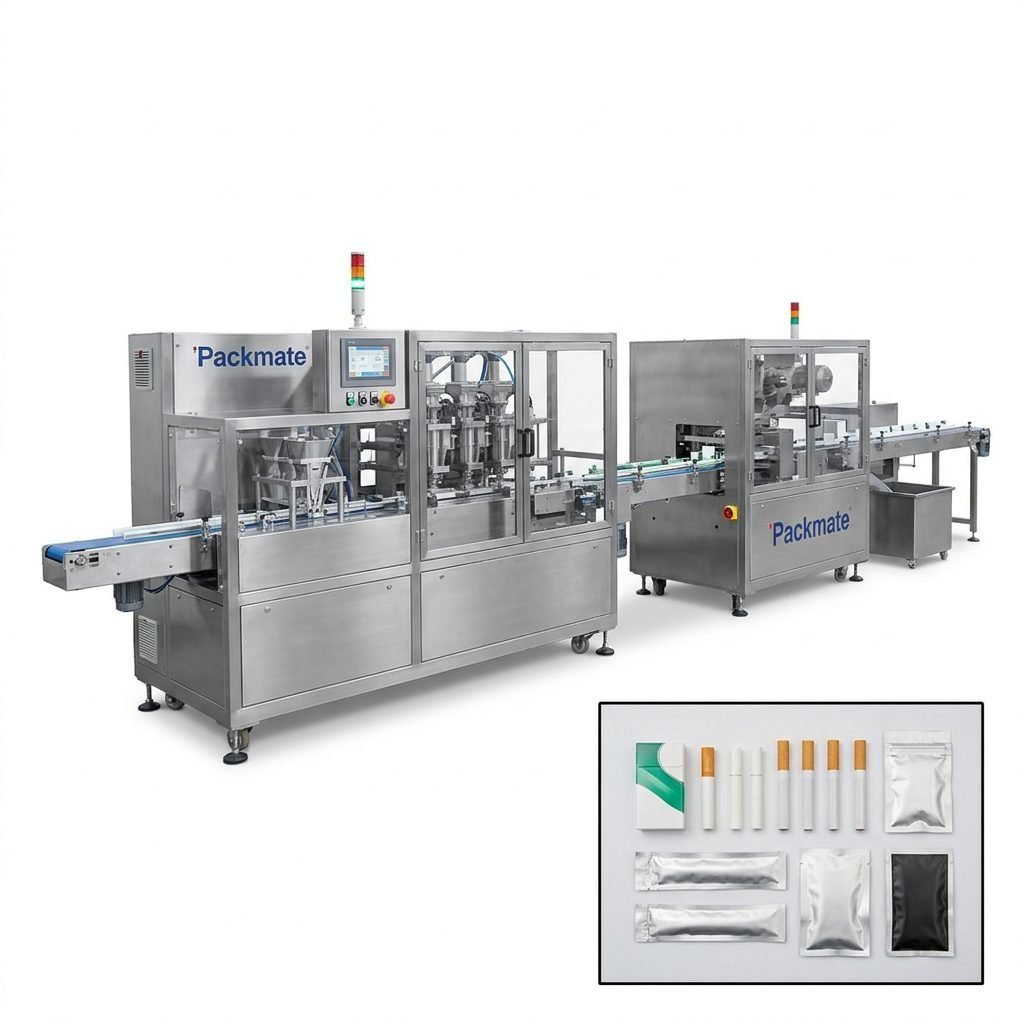
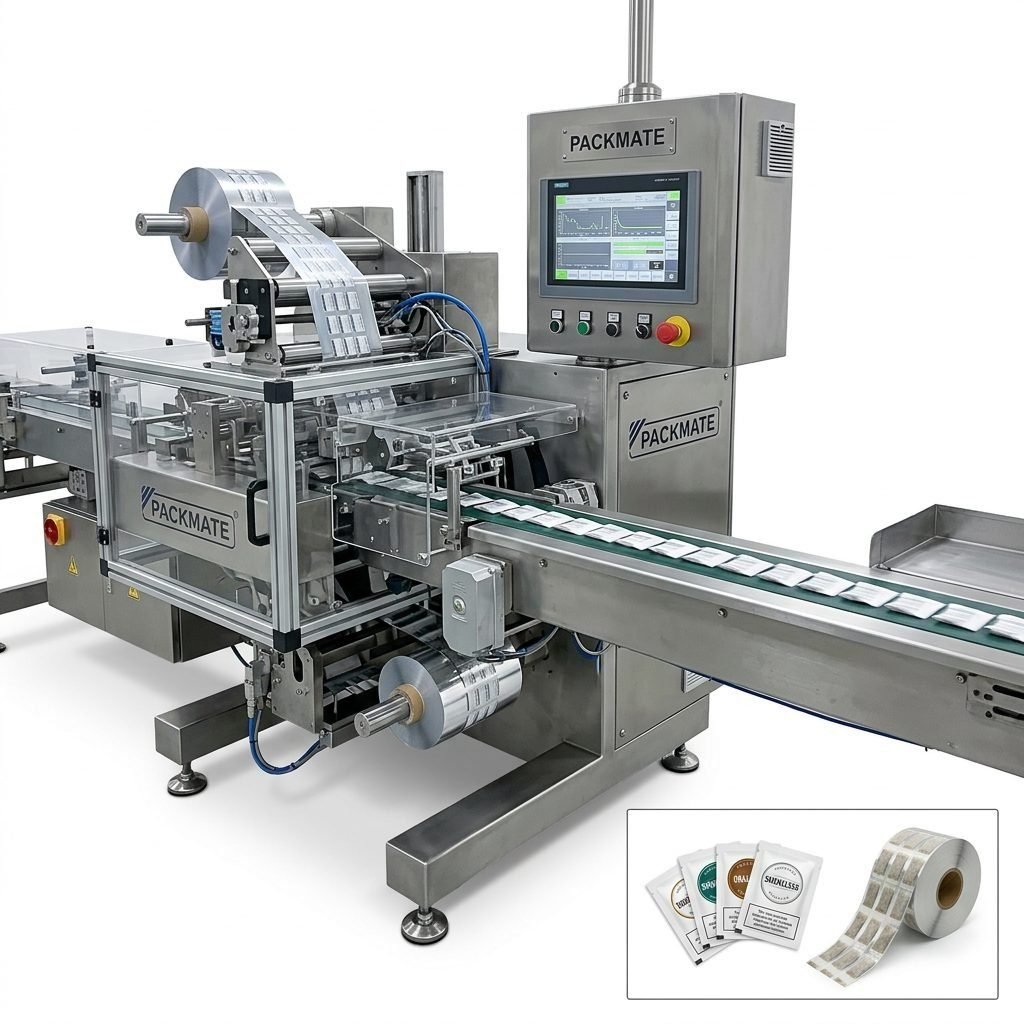
Selecting the right snus packaging machinery for a U.S.-based production line is both a technical decision and a business strategy. Manufacturers must balance capacity, regulatory requirements, product format preferences, and long-term support. This guide walks you through practical criteria—capacity planning, machine types, materials handling, automation level, quality control, and after-sales service—so you can choose equipment that fits U.S. market habits and compliance needs while maximizing production efficiency.
Understand U.S. Market Preferences and Regulatory Context
The U.S. snus and nicotine pouch market has grown with diverse consumer preferences: some regions favor traditional moist snus formats while many consumers opt for white or dry nicotine pouches for discrete use. Manufacturers should consider local preferences such as portion size, sachet type, and flavor labeling. Additionally, the U.S. regulatory landscape is significant—packaging must support accurate ingredient declarations, batch codes, and tamper-evident features that facilitate FDA traceability and state regulations. Choose a packaging line that can integrate label printing, serialization, and variable-data coding to meet these requirements.
Key regulatory and cultural points
Compliance first: Ensure machines support labeling and coding for batch numbers, lot tracking, and health warnings. In the U.S., the ability to print variable data and integrate inspection systems for label presence can prevent costly compliance issues.
Consumer format diversity: Offer flexibility for stick packs, sachets, and multi-pouch trays—because U.S. consumers vary between single-dose pouches and multi-pouch formats favored in retail packaging.
Define Your Production Needs: Throughput, Formats, and Accuracy
Begin by answering three foundational questions: What is your target hourly throughput? Which pouch formats will you produce? What dosing accuracy is required for your product? These answers determine machine class—single-lane vs. multi-lane systems, intermittent vs. continuous motion, and the sophistication of weighing/filling systems.
Throughput and lane configuration
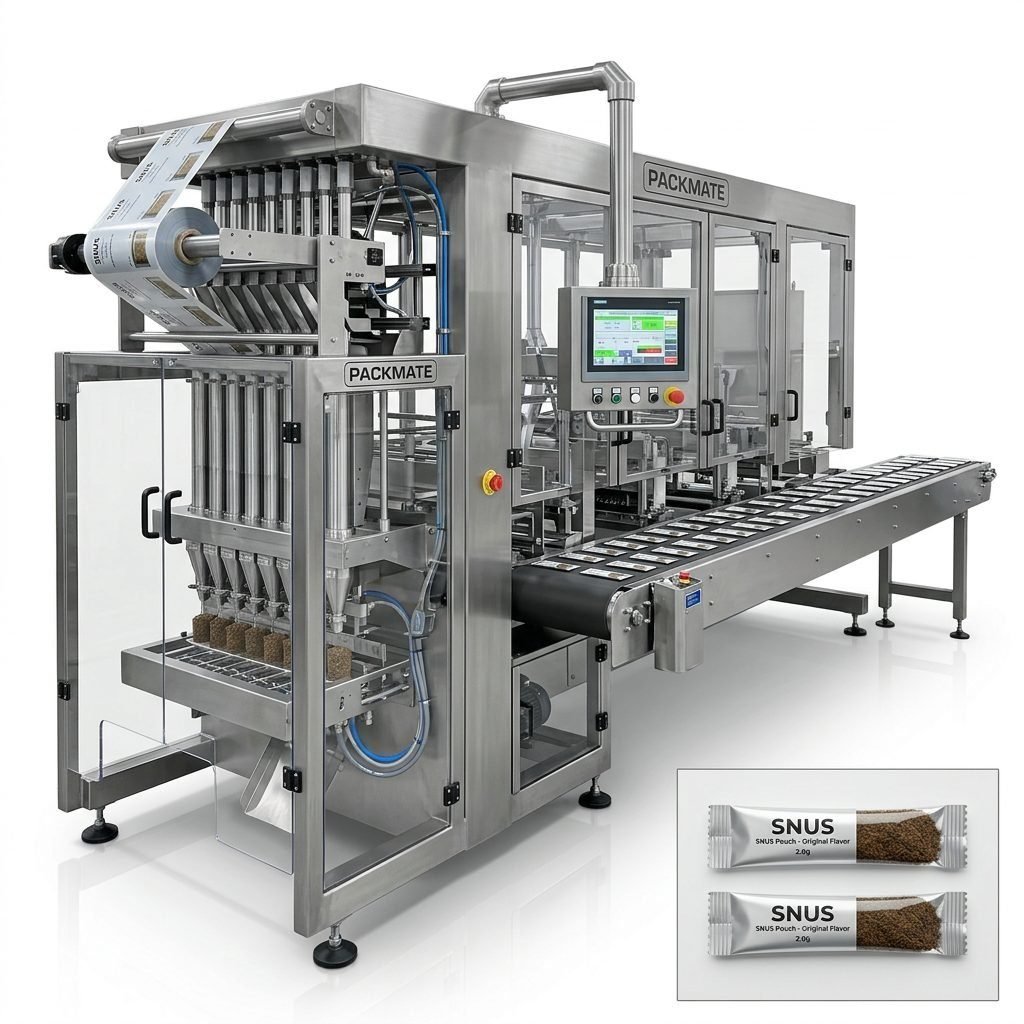
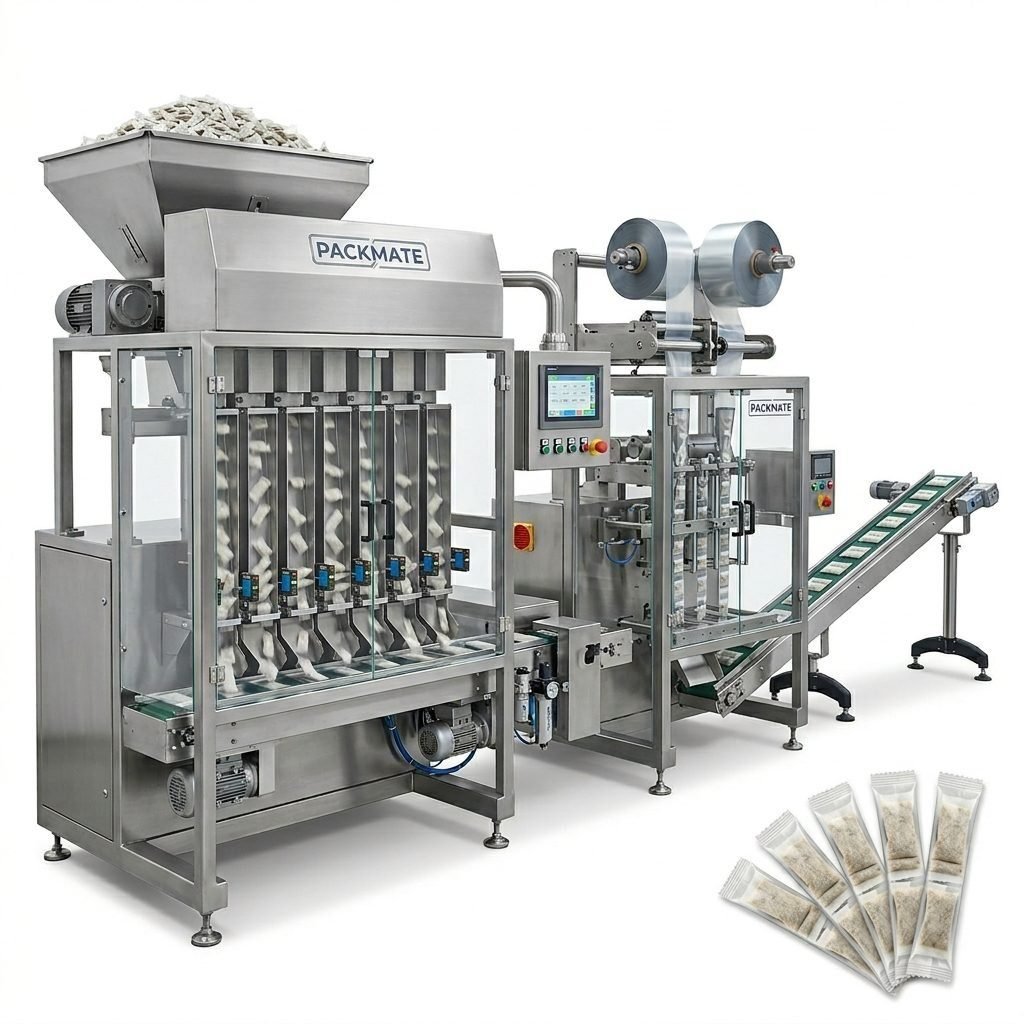
For small artisanal runs, single-lane or two-lane machines can be economical. For scalable commercial production in the U.S., multi-lane machines (4, 6, 8 lanes or more) increase throughput while keeping floor space efficient. Choose a design that can be upgraded modularly to add lanes as demand grows.
Accuracy and dosing systems
Snus and nicotine pouches demand high dosing accuracy to ensure consistent nicotine levels and regulatory compliance. Look for machines with precision electronic dosing or combination weighing systems that achieve minimal weight deviation and support small-dose filling.
⚙️ Quick checklist:
– Desired pouches per minute and planned daily shift hours.
– Preferred pouch types (white pouch, moist snus, sachet, stick pack).
– Target dosing tolerance (±mg).
– Packaging film types and barrier requirements for shelf life.
Machine Types and Which Fits Your Line
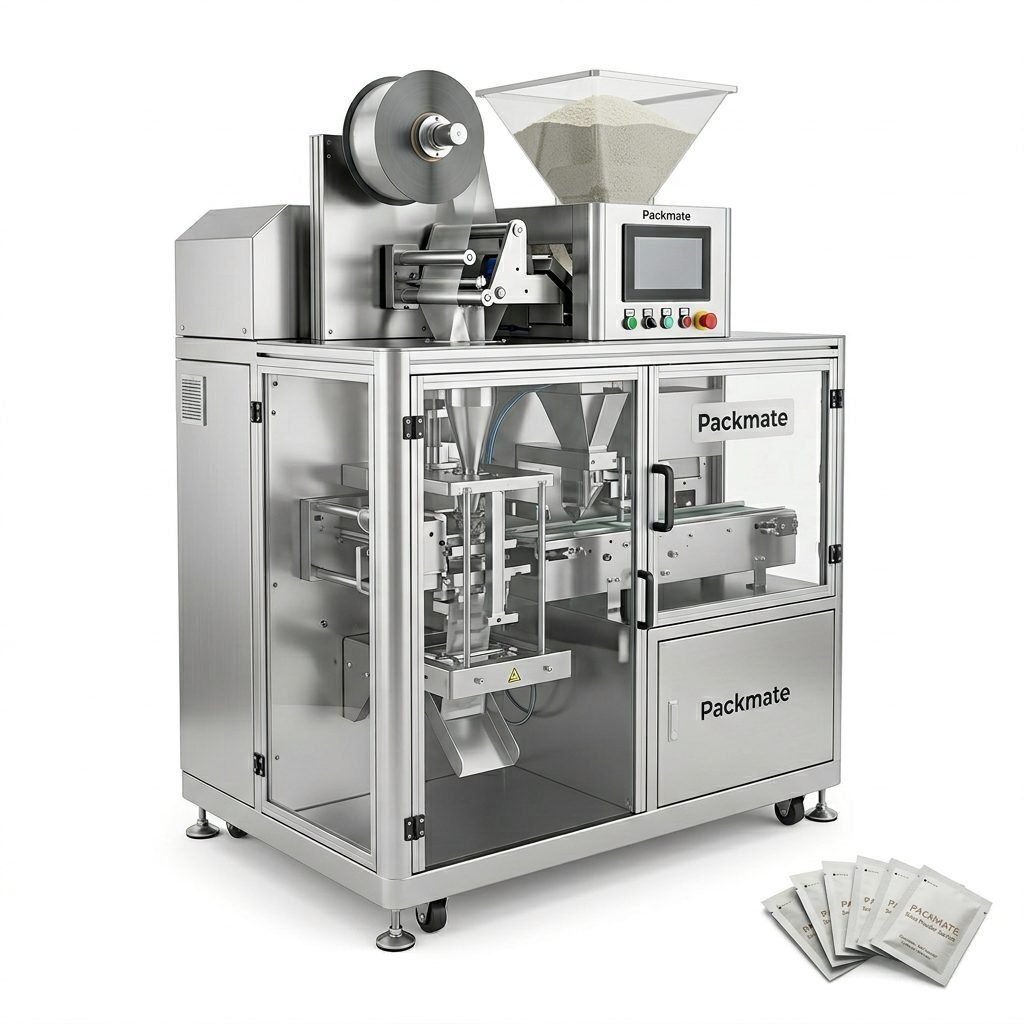
Packaging machines for snus can be broadly categorized: pouch forming & filling machines, stick pack & sachet machines, and multi-lane continuous systems. Each offers advantages depending on product characteristics.
Pouch and snus-specific machines
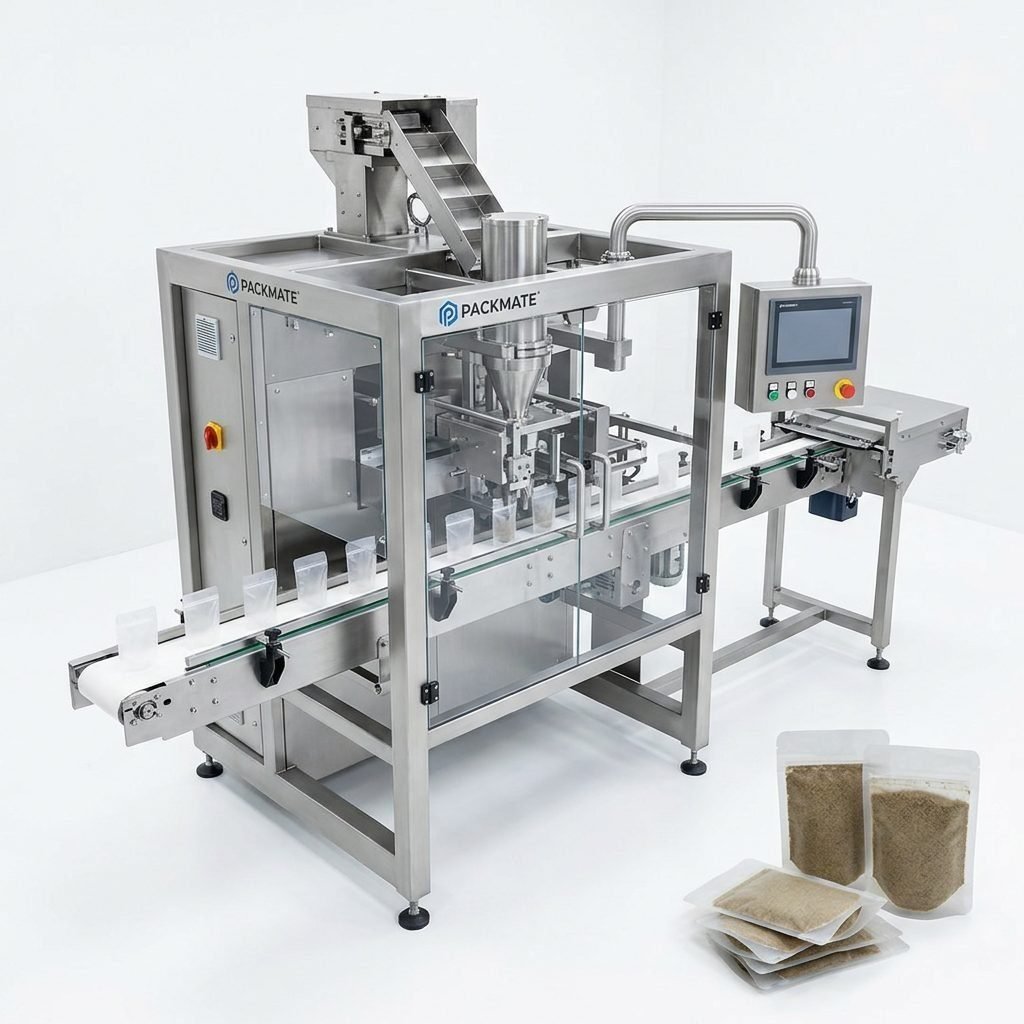
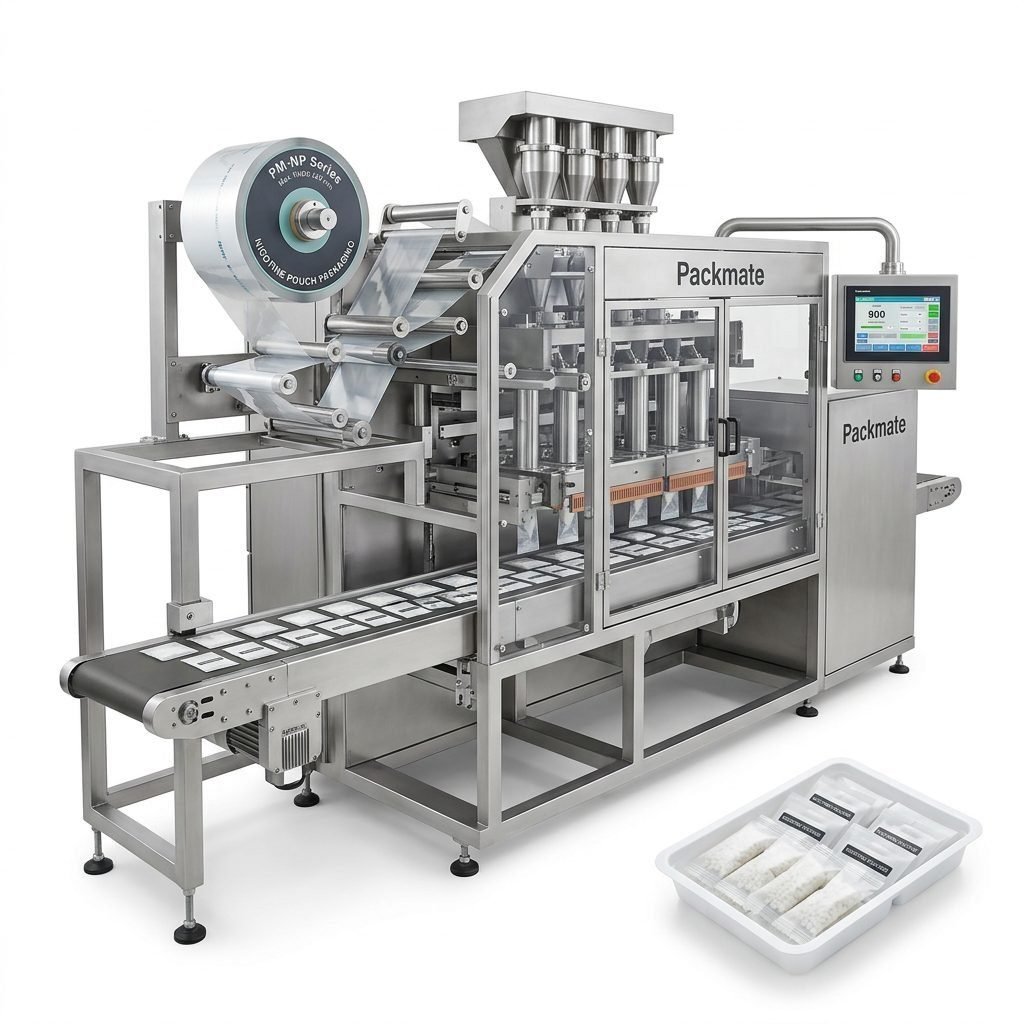
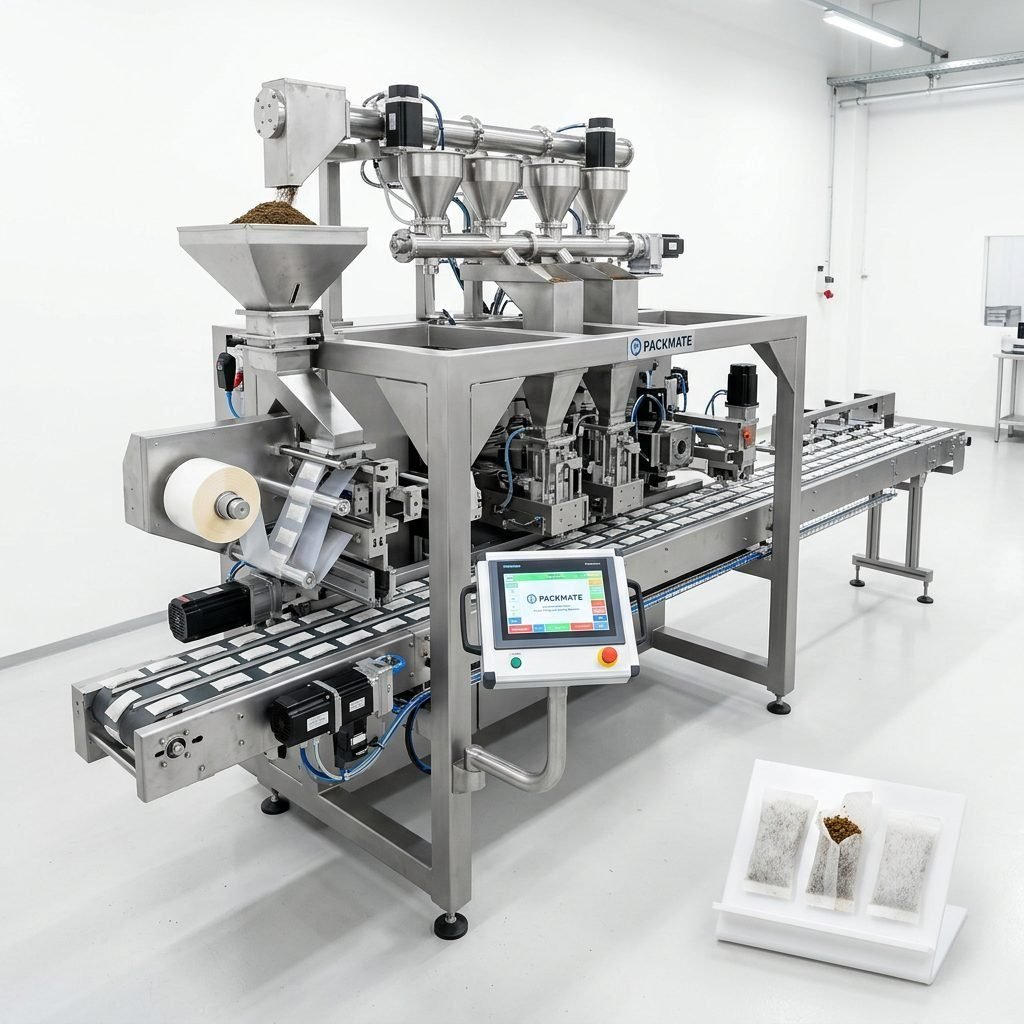
Dedicated snus/nicotine pouch machines excel at producing small-dose sachets with precise dosing, gentle filling for delicate blends, and integrated sealing for moisture control. If your product is specifically nicotine pouches or snus, consider specialized solutions that Packmate offers in their Snus & Nicotine Packaging Machines range to ensure stability and repeatability.
Explore machines
Stick pack and sachet machines
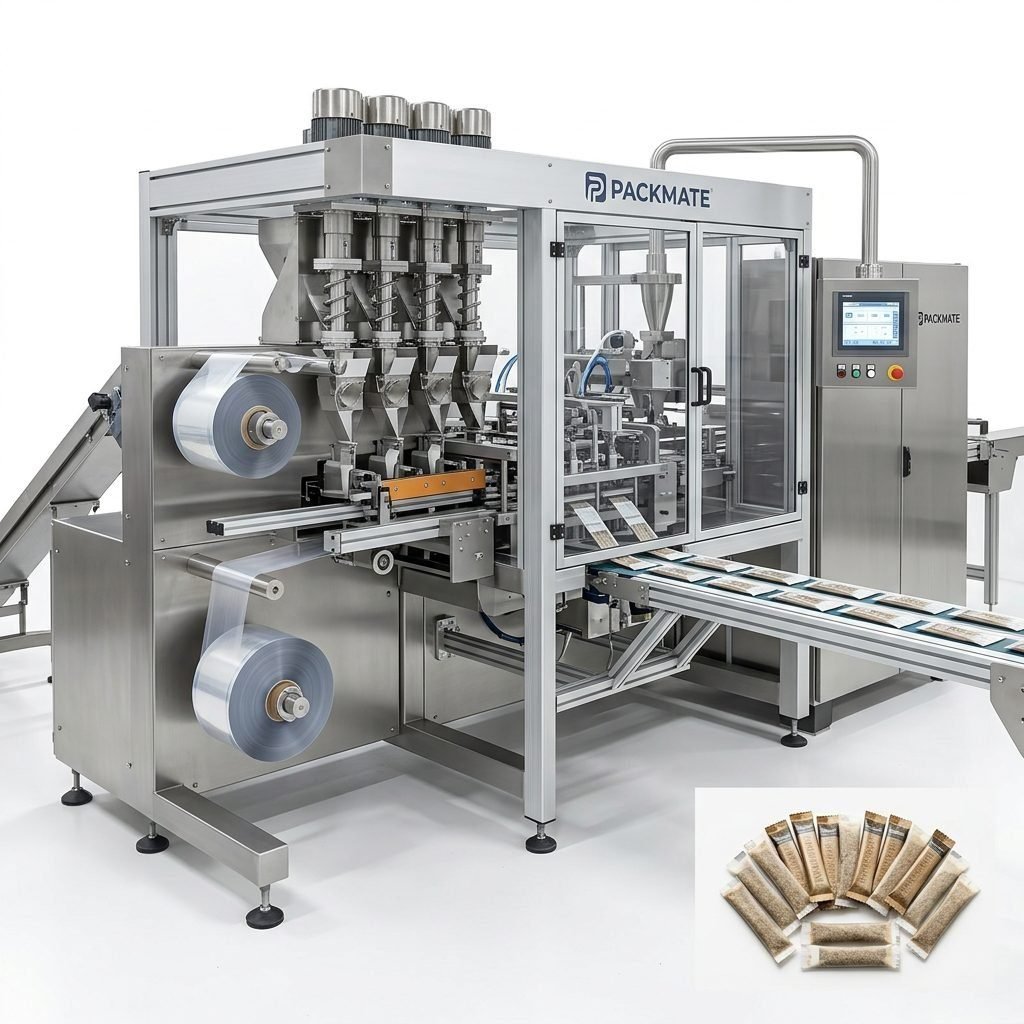
If you plan to diversify into stick packs or conventional sachets for promotional items, look at versatile sachet & stick pack machines that can run powders, granules, and small pouches. These machines often have simple changeovers and can be combined with weighing & packaging systems for full-line automation.
Related equipment
Integration: Filling Systems, Weighing, and Line Automation
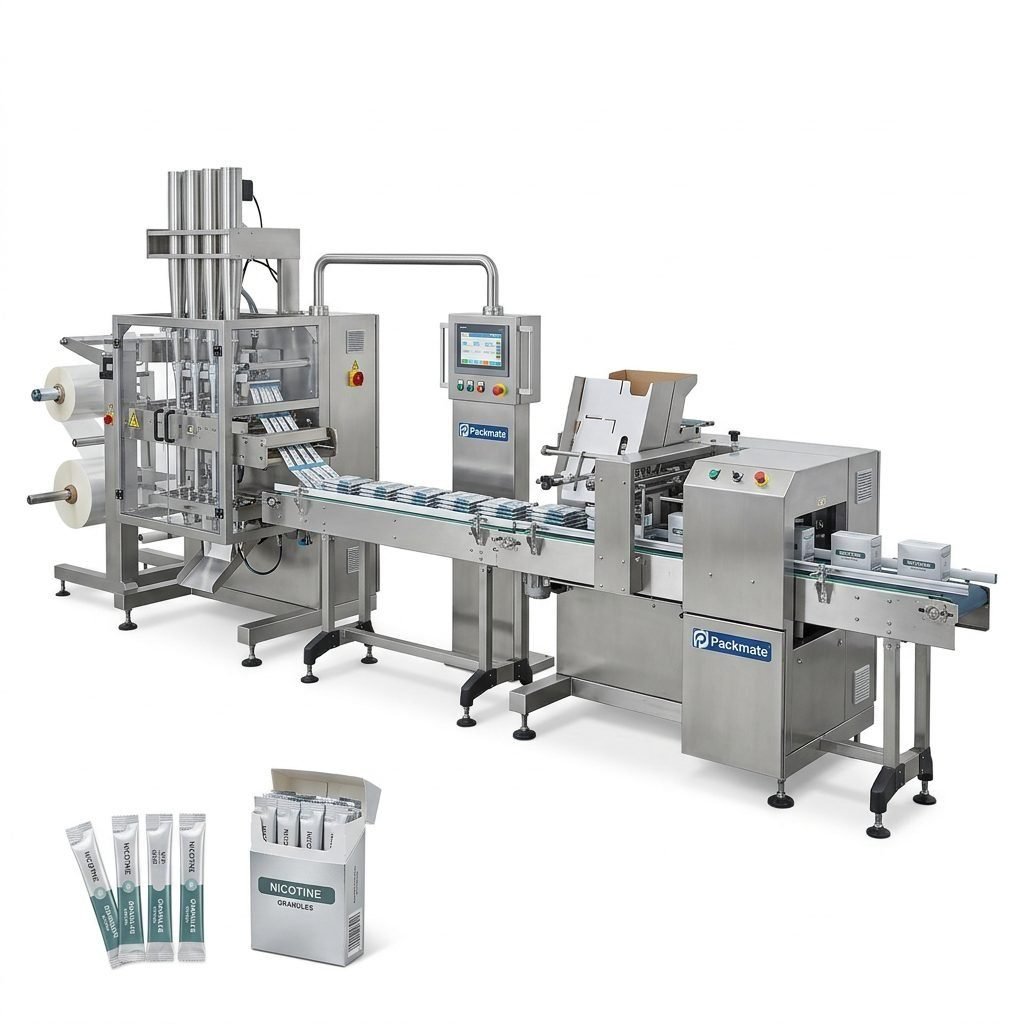
A packaging line is only as strong as its weakest integration point. High-speed packaging requires stable feeding, accurate dosing, and synchronized sealing. Consider integrated weighing systems, synchronized servo drives, and smart HMI controls for changeover and diagnostics. Machines that support PLC communication protocols make integrating checkweighers, metal detectors, and secondary packaging conveyors straightforward.
For full-line solutions—filling, weighing, and final case packing—review Filling & Packaging Lines and Weighing & Packaging Systems to ensure compatibility between upstream fillers and downstream pouchers.
Hygiene, Cleaning, and Material Compatibility
Because snus moisture and quality can be affected by contamination and residue, choose machines with accessible product contact parts, hygienic design, and easy cleaning protocols. Stainless-steel contact parts with quick-release fittings reduce downtime for sanitation. If you manufacture flavored or nicotine-containing products, consider dedicated lines or thorough cleaning SOPs to avoid cross-contamination.
📦 Packaging materials & barrier:
Invest in high-barrier films and sealed pouches for long shelf-life. Your machinery should support heat-seal, ultrasonic, or adhesive sealing depending on film structure and moisture sensitivity.
Quality Control, Traceability and In-Line Inspection
In-line vision systems and metal detection are particularly important in nicotine pouch production to ensure product safety and correct labeling. Choose packaging lines that allow easy integration of checkweighers, camera inspection systems for pouch integrity, and printers for expiry and batch coding. Reliable traceability reduces recall risk and builds trust with U.S. distributors and retailers.
Inspection and data capture
Ensure the HMI can log production counts and error codes, and that your supplier provides options for remote monitoring or Industry 4.0 connectivity for predictive maintenance.
Service, Spare Parts and Turnkey Support
After-sales service is a critical factor. Choose a manufacturer with proven global service capabilities, prompt spare parts distribution, and experienced technicians. Packmate highlights over 30 years of engineering experience, a 20,000㎡ factory, and global turnkey solutions—attributes that indicate strong R&D and spare parts support. Review case studies and service offerings to confirm their ability to support U.S. operations.
Service & support
Certifications and exhibition presence
Look for CE, ISO, and other relevant certifications that reflect manufacturing standards. Meeting global standards simplifies export and cross-border supply for components. Attending industry exhibitions or arranging factory visits helps validate capabilities—see About Packmate for their exhibition and certification records.
About Packmate | Certifications
Budgeting and Total Cost of Ownership
Initial capital cost is only part of the picture. Consider installation, commissioning, training, spare parts inventory, and downtime consequences. Machines with modular designs and remote diagnostics typically reduce long-term costs. Ask suppliers for case studies or ROI analyses for comparable U.S.-market operations.
✅ Owner’s checklist before purchase:
– On-site demonstration or video test run.
– Clear warranty terms and spare parts lead times.
– Training plan for operators and maintenance staff.
– References from existing U.S. customers or case studies.
Choosing a Reliable Supplier: What to Ask
When evaluating suppliers, request machine performance data, OEE projections, and references. Confirm the supplier’s capacity for custom tooling, spare parts availability, and service response in your region. Packmate’s factory capacity and multi-model offerings can provide flexible options from pilot lines to full turnkey production lines.
Case studies
Sample questions for vendors
– Can you provide a machine test report with my product specification?
– What is the spare parts lead time for U.S.-based operations?
– Do you provide installation, training, and preventative maintenance programs?
– Are remote diagnostics and software updates available?
Final Considerations: Scalability and Local Preferences
The ideal solution balances present needs with future growth. Choose modular machinery that can increase lanes, accept new dosing modules, or adapt to alternative pack formats. Keep in mind cultural nuances—U.S. marketing often emphasizes single-use convenience and discreet formats—so selecting equipment that produces varied portion sizes and modern retail-friendly pouches will help you meet consumer expectations.
If you’re evaluating multi-lane or turnkey solutions, explore Packmate’s full portfolio of bag & pouch machinery and auxiliary equipment to match upstream and downstream needs.
Bag & Pouch Machines | Auxiliary Equipment
Summary tips before you buy
1. Map your product formats and projected volumes precisely.
2. Prioritize dosing accuracy and hygiene design for nicotine products.
3. Verify integration capability for coding and inspection systems.
4. Evaluate the supplier’s service footprint, spare parts availability and training offerings.
5. Consider modular, upgradeable lines to grow without full replacement.
Frequently Asked Questions
Q1: What machine type best suits a start-up producing 5,000 pouches per day?
A1: A single- to four-lane snus pouch machine with precision dosing typically fits this scale. Choose a modular machine that allows you to add lanes or automation as you scale.
Q2: How important is certification when buying packaging equipment for U.S. production?
A2: Certifications like CE and ISO indicate build and safety standards; while not a direct FDA substitute, certified equipment often simplifies compliance and demonstrates robust manufacturing practices.
Q3: Can machines handle different pouch materials and barrier films?
A3: Yes—modern pouch machines support a range of films. Confirm the sealing method (heat, ultrasonic) and test your chosen film in a supplier machine trial to ensure seal integrity and shelf-life performance.
Q4: How long is a typical lead time and what about spare parts for U.S. customers?
A4: Lead times vary by model and customization. Choose suppliers with clear spare parts policies and regional support or proven export logistics to reduce downtime.
Q5: Where can I see machine demos or request a proposal?
A5: Contact reputable manufacturers to arrange on-site or virtual demos, review case studies and request detailed quotes. For more product information and demos, review the Packmate product pages and contact their team directly.
Contact Packmate