Choosing the right nicotine packaging machine supplier is a pivotal decision for any business entering or expanding in Latvia’s tobacco-alternative market. The right partner affects product quality, regulatory compliance, production uptime, and your ability to respond quickly to customer demand. This guide walks you through the practical steps, local considerations, and vendor evaluation criteria to help you select the best supplier for nicotine pouch and snus packaging equipment in Latvia.
Understand Your Production Needs
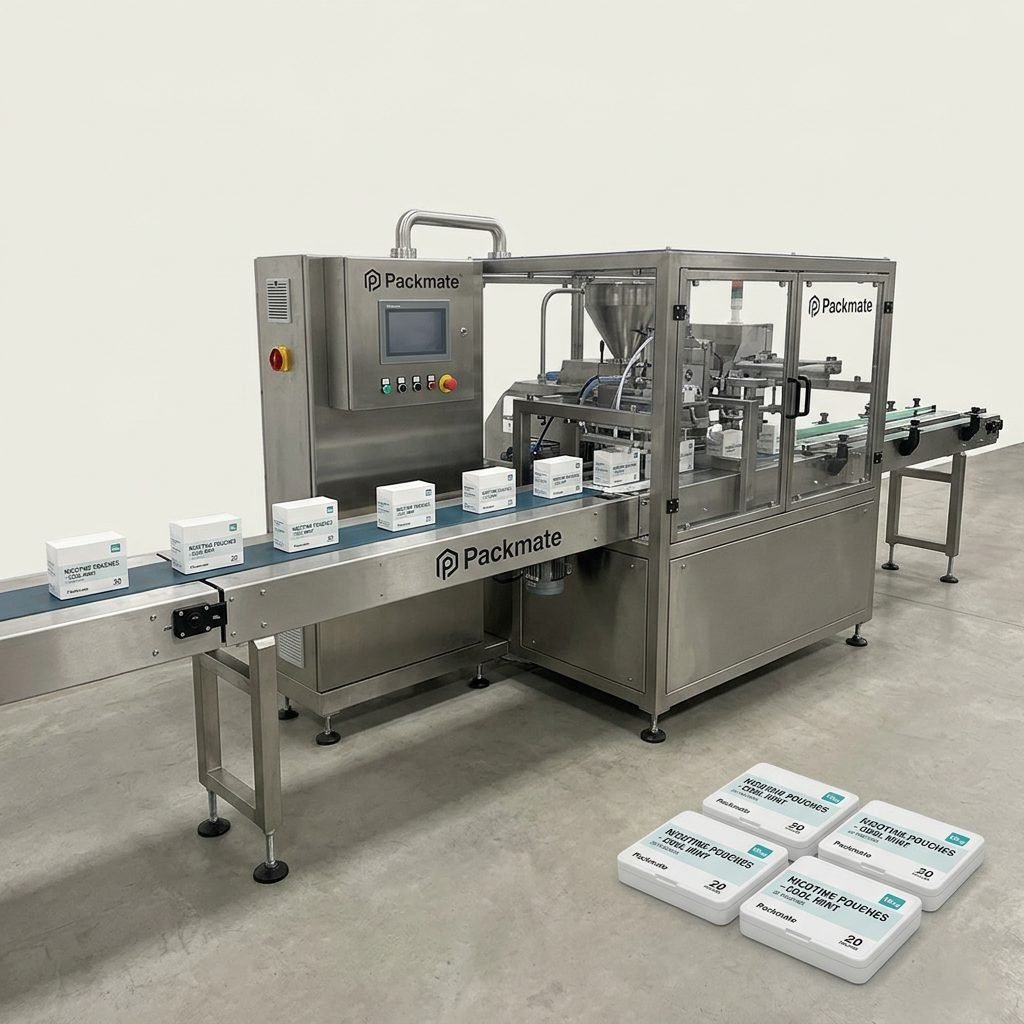
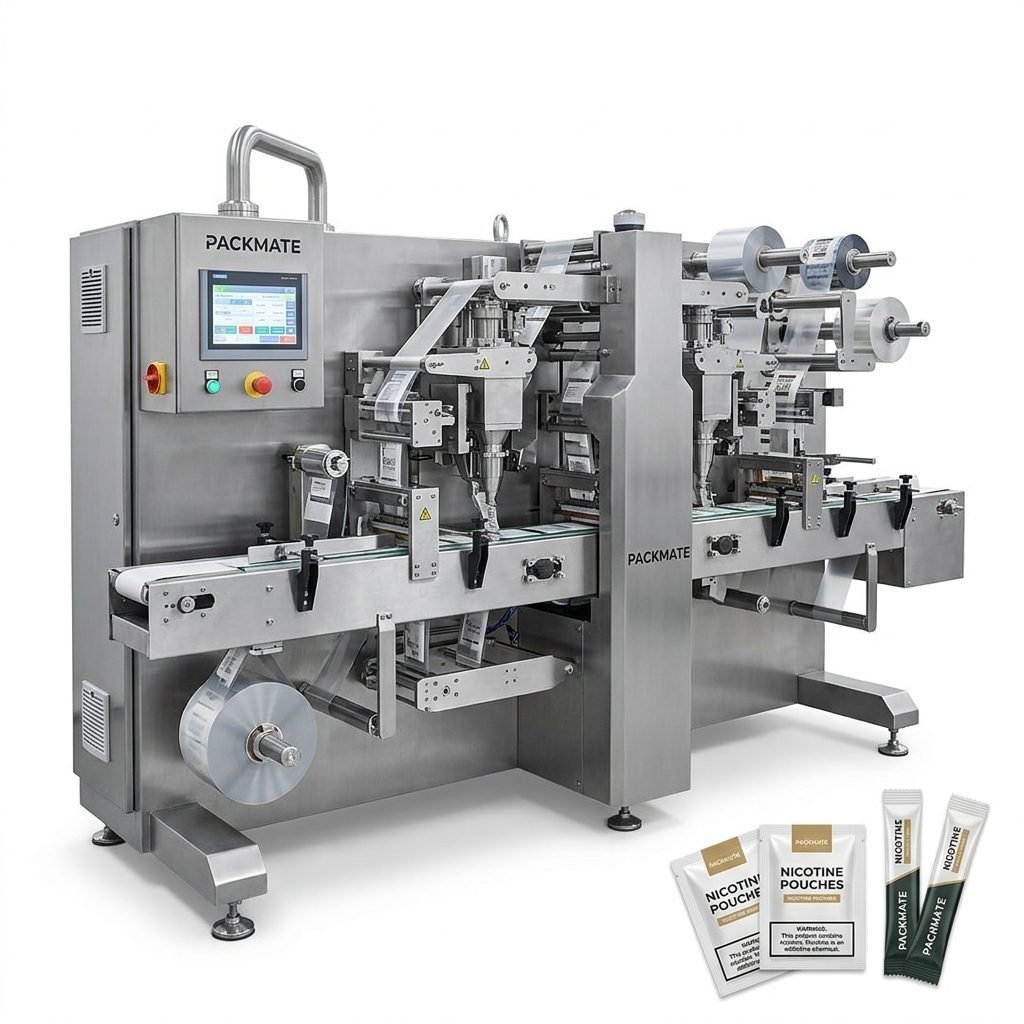
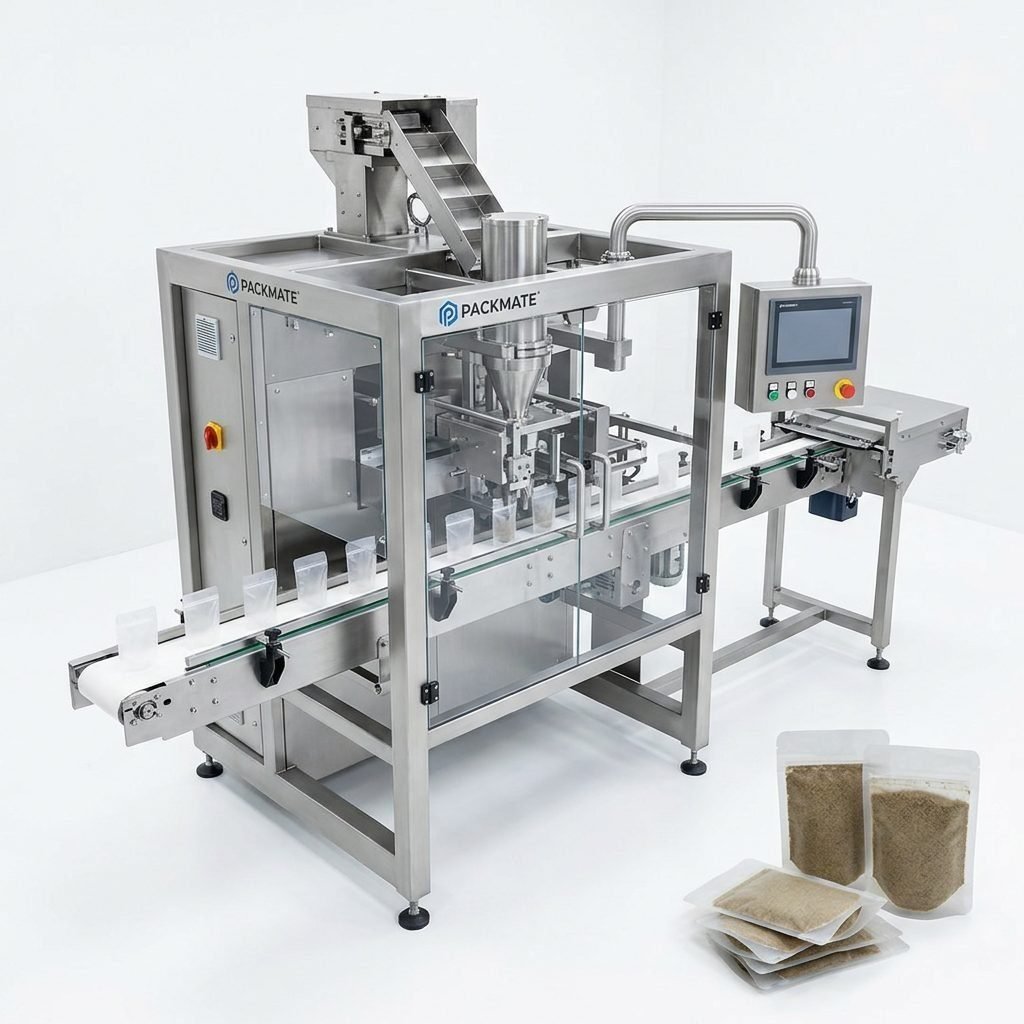
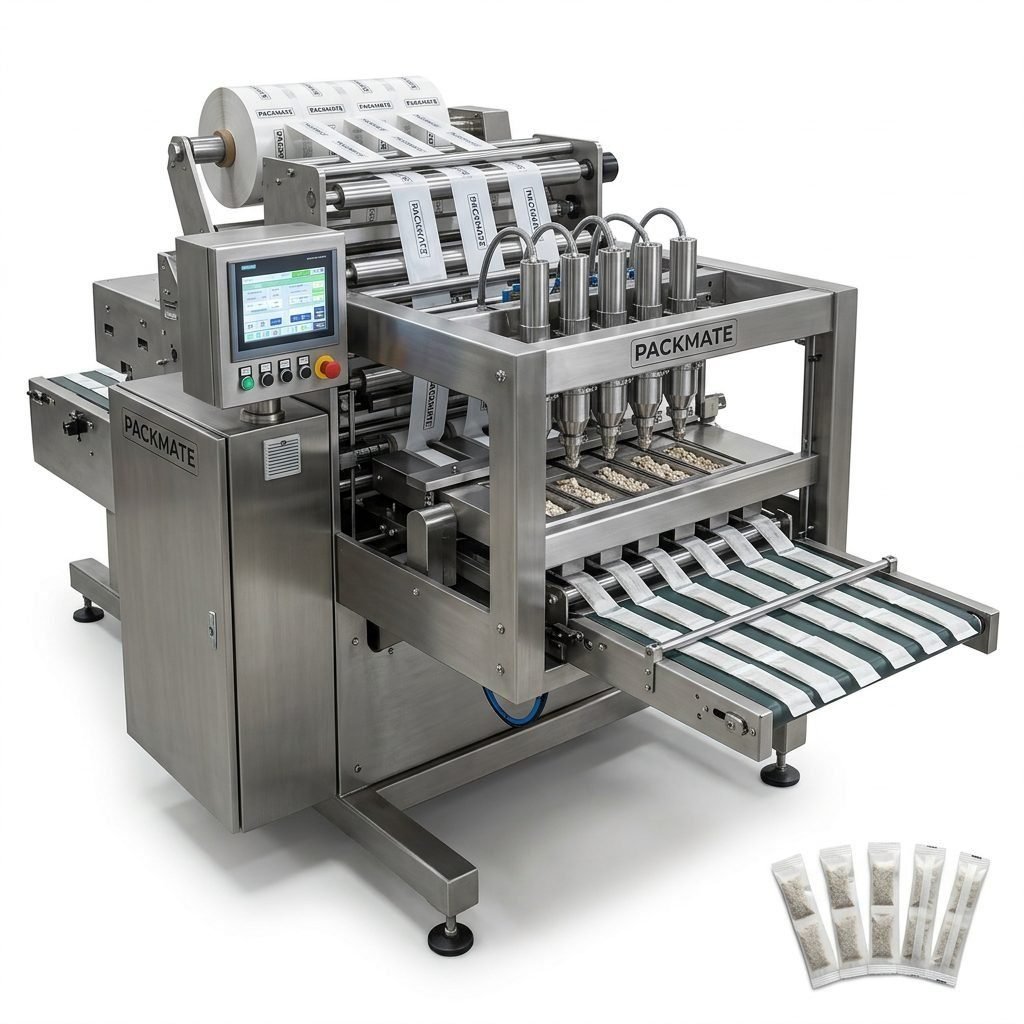
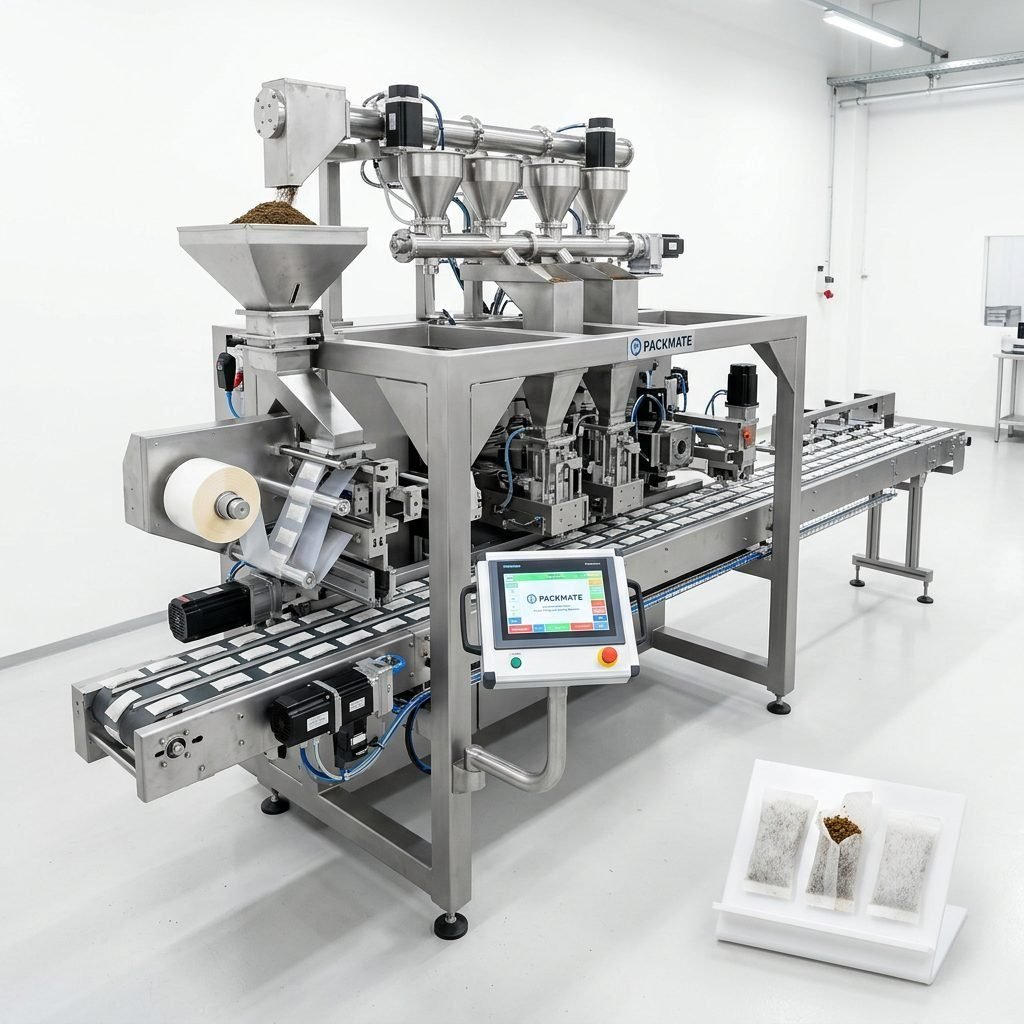
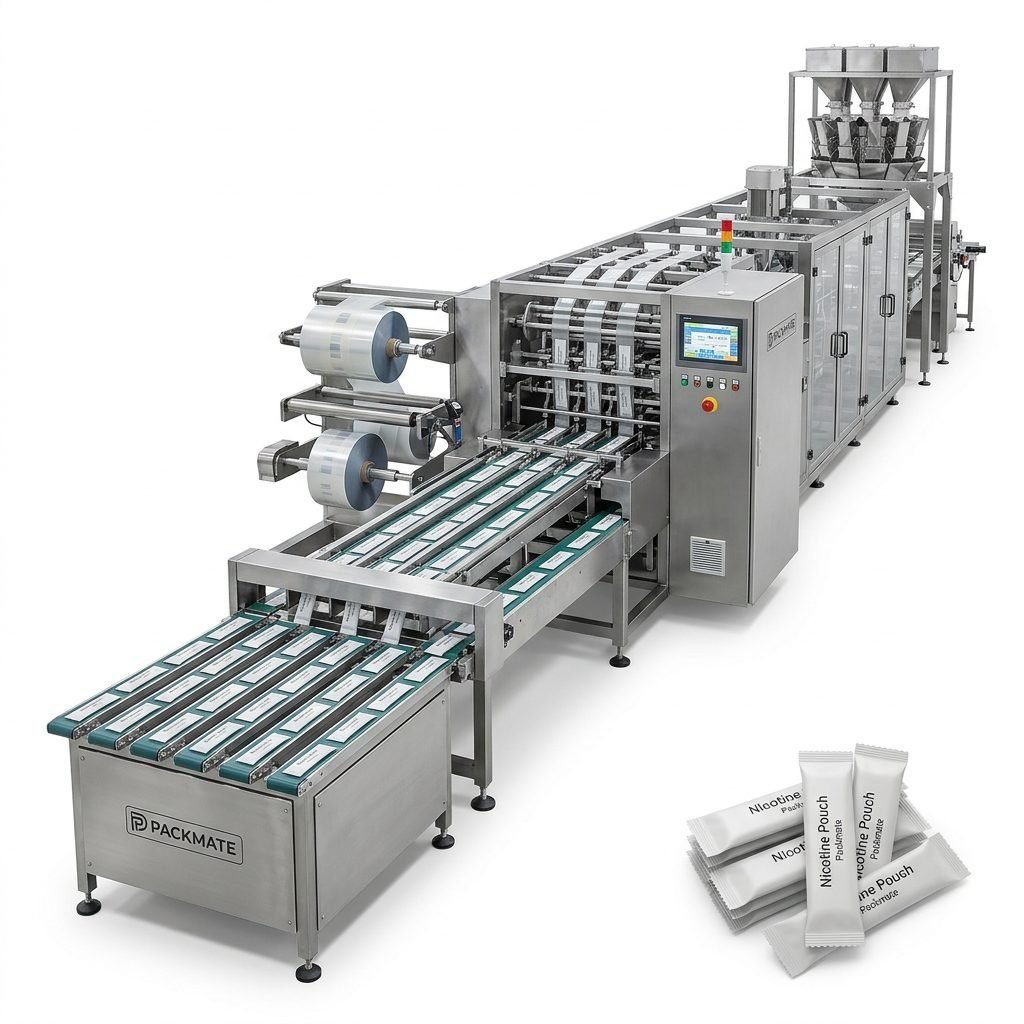
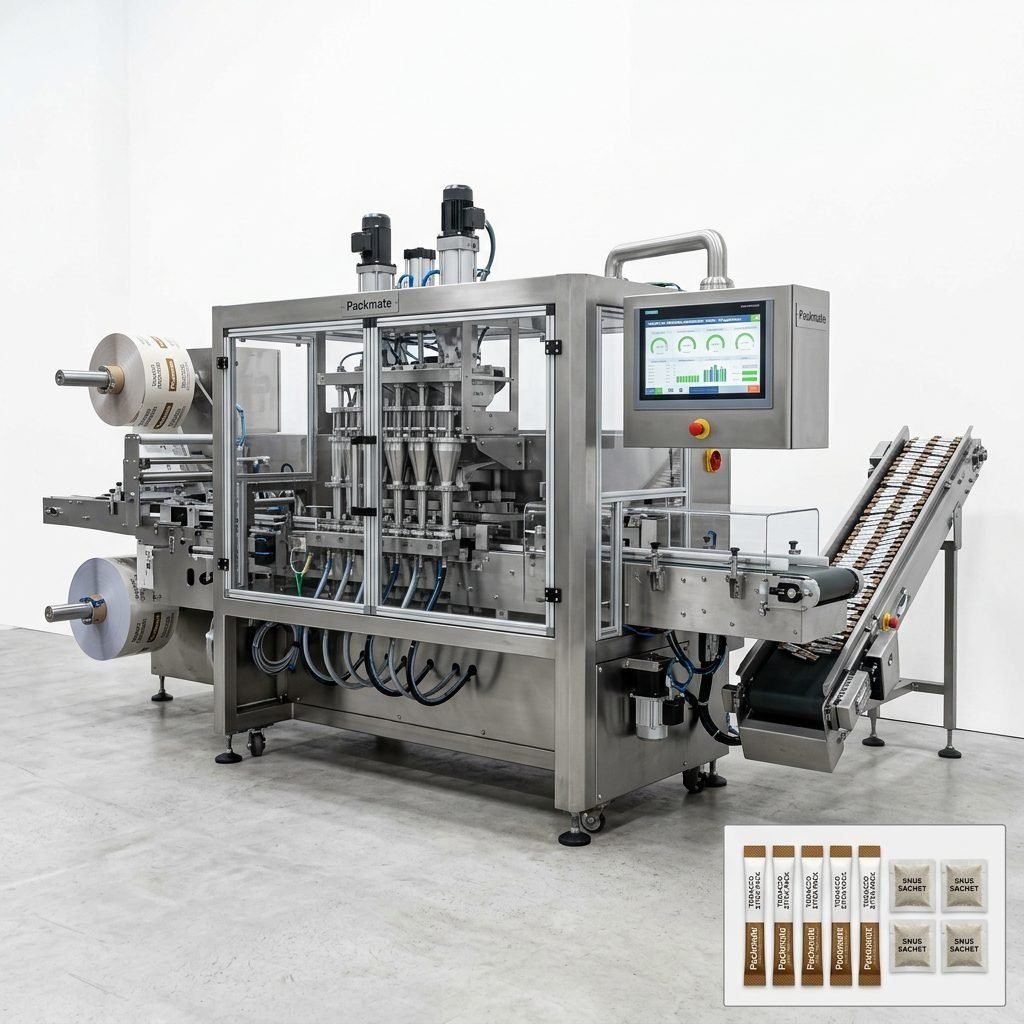
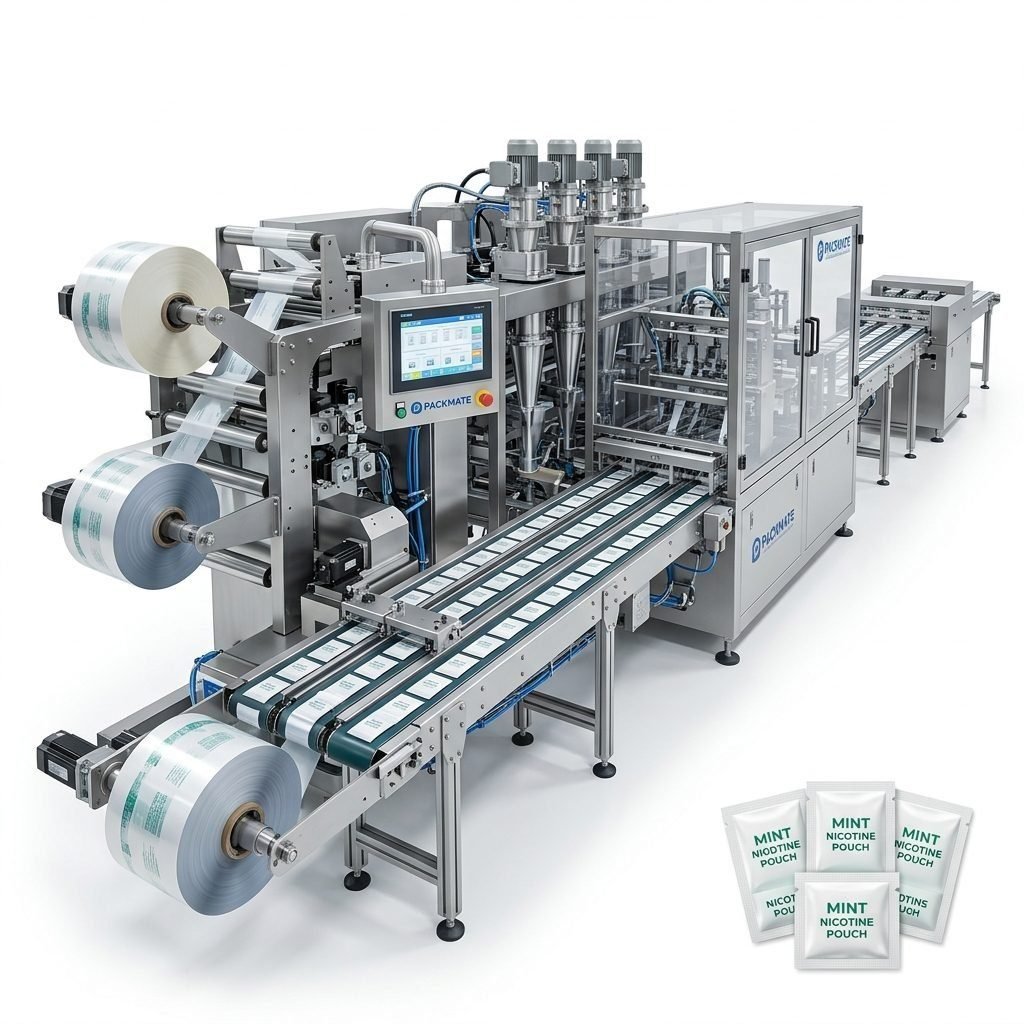
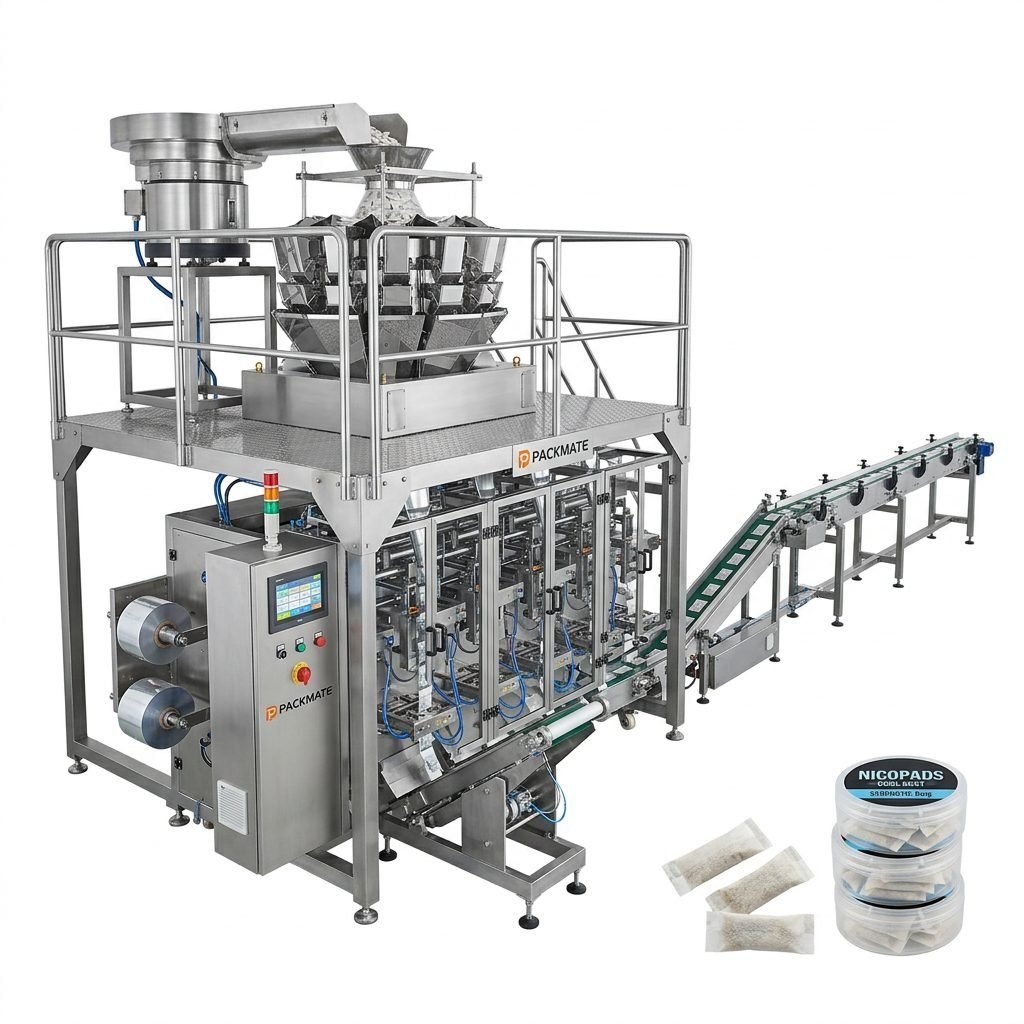
Begin by mapping your target products and volumes. Ask: are you producing nicotine pouches, traditional snus, sachets, or stick packs? Do you need single-lane or multi-lane lines for small-dose pouches? Different machines serve different roles — for example, automated multi-lane systems reduce footprint and increase throughput for high-volume brands, while single-lane solutions work well for boutique or test-production runs.
If you want to explore machine families and technical footprints, check suppliers’ product pages such as Snus & Nicotine Packaging Machines and Sachet & Stick Pack Machines for specification comparisons.
Local Market & Regulatory Considerations in Latvia
Latvia is an EU member state with clear expectations for CE marking, product safety, and correct labeling. Suppliers must provide complete compliance documentation and support for European regulatory processes. Also consider language and cultural aspects: Latvian and Russian are widely used, and many Latvian buyers appreciate multilingual manuals and on-site training in Russian or English.
Logistics are straightforward within the EU, and Riga’s port and road networks make receiving large machinery easier. However, it’s still essential to confirm that the supplier understands EU customs formalities, energy standards, and local installation requirements.
Key Supplier Attributes to Prioritize
When evaluating suppliers, prioritize these attributes:
✅ Proven industry experience — look for suppliers with decades of engineering history and track records in snus/nicotine packaging.
✅ Manufacturing capability & capacity — a factory with advanced CNC machining centers and dedicated assembly lines signals consistent build quality and faster lead times.
✅ Certifications & compliance — CE and ISO certification reduce procurement risk and ease market entry for EU markets.
✅ Global service & spare parts — check spare-parts availability, EU-based stock points, and response time for critical components.
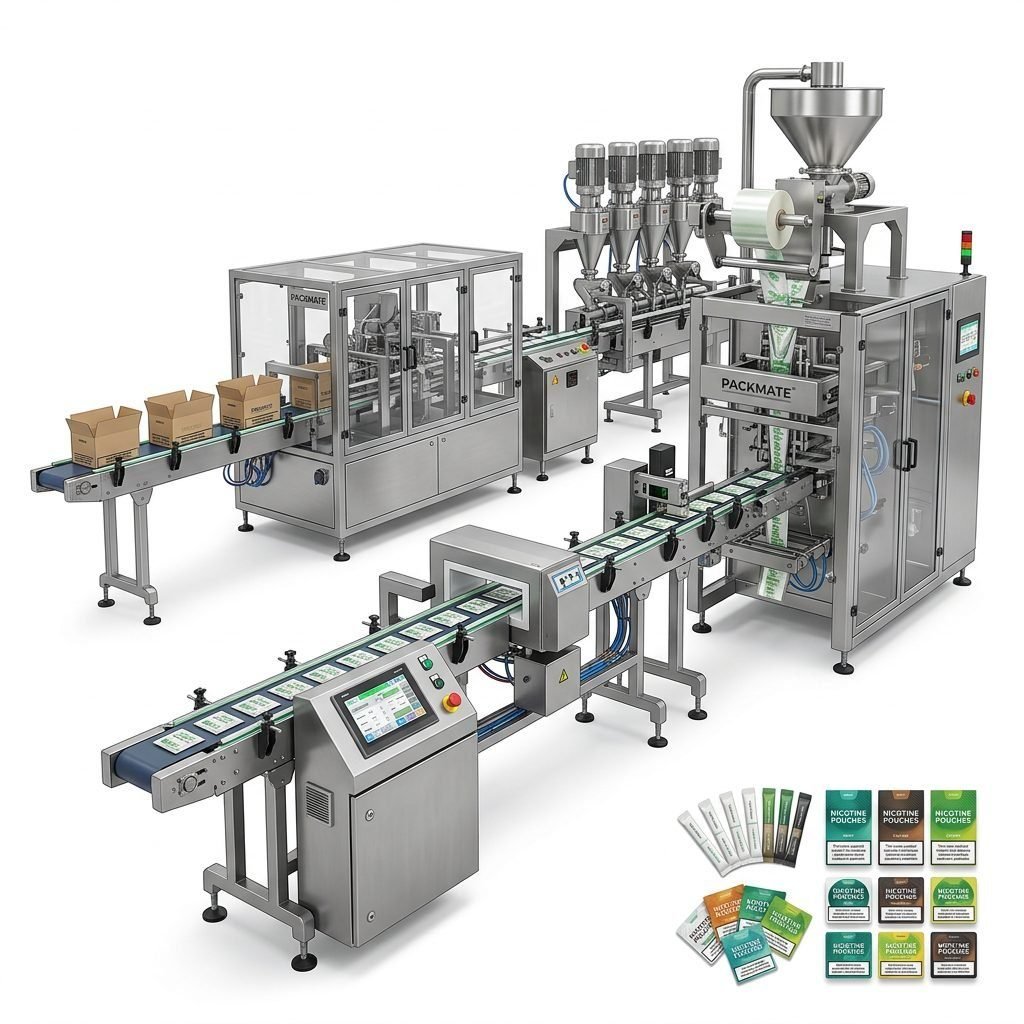
✅ Turnkey solutions & customization — the ability to supply integrated filling, weighing, and packaging lines simplifies commissioning and vendor management.
A company like Packmate emphasizes 30+ years of engineering experience, a 20,000㎡ manufacturing facility, 50+ machine models, and global turnkey solutions — concrete indicators to verify when shortlisting suppliers. You can read more about the company profile at About Packmate.
Technical Features That Matter
Technical specifics determine your product quality and unit economics. Evaluate these features carefully:
⚙️ Filling accuracy: Tolerance for nicotine pouch dosing must be tight to meet regulations and ensure consistent user experience.
⚙️ Multi-lane capability: Multi-lane machines multiply throughput without a proportional increase in floor space — ideal for scaling in Baltic markets.
⚙️ Changeover time: Quick format changes for different pouch sizes or recipes reduce downtime and support flexible production runs.
⚙️ Material compatibility: Verify the machine handles your chosen pouch materials (paper, film laminates) and sealing methods reliably.
⚙️ Cleanability & maintenance: Hygienic designs, easy-to-clean parts, and simple access points are critical for regulated product categories.
If you require integrated weighing and filling systems, look into end-to-end suppliers that offer combined solutions and automated lines — this reduces integration risk. See examples of integrated lines at Filling & Packaging Lines and Weighing & Packaging Systems.
After-Sales Support & Training — Non-Negotiable
After-sales service is where many procurement projects either succeed or fail. Prioritize suppliers offering:
ℹ️ On-site installation & commissioning — confirm whether the supplier provides engineering teams or certified partners in the EU.
ℹ️ Operator training — multilingual training (English, Russian) is highly valued in Latvia.
ℹ️ Remote diagnostics — remote support reduces downtime and is a major advantage during post-sales troubleshooting.
ℹ️ Service contracts & spare part kits — request spare-part lead times and the supplier’s ability to deposit critical parts in EU warehouses.
Packmate’s emphasis on global turnkey service and long-term technical support is a useful benchmark when assessing vendor commitments to after-sales reliability. Explore service offerings at Service.
Factory Visits, FAT and Quality Assurance
Factory acceptance tests (FAT) are essential. Whenever possible, arrange a visit to the supplier’s manufacturing facility or ask for a livestream FAT. Key items to verify:
🔍 Assembly standards — look for precision assembly lines and quality control stations.
🔍 Test runs — the machine should be demonstrated with your product type and packaging material.
🔍 Documentation — engineering drawings, electrical diagrams, CE/ISO certificates, and spare-parts lists must be provided before shipment.
If you cannot visit in person, insist on detailed video verification and an independent inspection report. Supplier transparency at this stage reduces surprises on arrival and during commissioning.
Commercial Terms & Risk Management
Negotiation points to protect your investment:
• Clear warranty — define coverage, exclusions, and response times for critical failures.
• Payment terms — staggered payments tied to milestones (design approval, FAT, shipment, commissioning) are standard.
• Acceptance criteria — measureable KPIs for speed, accuracy, and uptime should be included in the contract.
• Insurance & transport — confirm machine crating standards and insurance during transit to protect against damage.
Logistics Tips for Latvia
Latvia’s strategic Baltic location makes it an excellent distribution hub for the region. Practical logistics points:
🚚 Port & customs — coordinate with freight forwarders experienced with Riga and Liepāja ports for machine import and customs clearance.
🚚 Local installation — plan for crane or forklift requirements, power connections, and floor loading specifications ahead of delivery.
Checklist: Questions to Ask Potential Suppliers
Use this checklist during supplier conversations and site visits:
• What is your experience with nicotine pouch/snус packaging? (Years, models, references)
• Can you demonstrate CE/ISO certificates and past EU deliveries?
• What is the standard lead time and how do you handle expedited orders?
• Do you provide FAT and acceptance testing with my product materials?
• What are the spare parts delivery times to the EU, and do you offer local stocking options?
• What training and documentation are included for operators and maintenance staff?
💡 Pro tip: Request references in the EU or Baltics, ask to review a recent case study, and, if possible, attend an exhibition demonstration. You can see real-world examples and demonstrations at Case and find upcoming shows on Our Exhibition.
Why a Turnkey Supplier May Be Best for Latvia
Turnkey suppliers who provide integrated filling, weighing, and packaging solutions reduce complexity during commissioning and minimize integration issues. If you plan to scale, a supplier with customizable multi-lane platforms and in-house CNC and assembly capabilities offers faster ramp-up and easier upgrades over time.
For a full portfolio and to assess turnkey offerings, browse Bag & Pouch Packaging Machines and Auxiliary Packaging Equipment.
Final Selection & Negotiation
Narrow your shortlist to two or three vendors and run side-by-side comparisons based on total cost of ownership (TCO), not just purchase price. TCO should include spare parts, service contracts, expected uptime, energy consumption, and expected life of wear components.
Before signing, verify the supplier’s EU references, warranty terms, and acceptance testing procedures. Make sure all technical documentation is clear and that the supplier commits to agreed delivery and commissioning timelines.
📞 Next step: If you want to evaluate machinery or request a quotation, contact suppliers with your product specs and expected annual volume. For direct inquiries into Packmate’s offerings and global support, visit Contact Us.
Conclusion
Selecting the right nicotine packaging machine supplier in Latvia means balancing technical fit, regulatory compliance, and reliable after-sales support. Prioritize suppliers with proven manufacturing capabilities, CE/ISO certifications, strong FAT processes, and clear spare-parts strategies. Local logistical knowledge, multilingual training, and the ability to offer turnkey solutions will accelerate time-to-market and reduce operational risks.
Frequently Asked Questions
Q1: What certifications should a nicotine packaging machine supplier provide?
A1: At minimum, request CE and ISO certifications, detailed machine safety documentation, and certificates for any electrical or control components. EU market entry requires clear compliance records.
Q2: How important is multi-lane capability for Baltic markets?
A2: Multi-lane systems are highly valuable if you target medium-to-high production volumes. They increase throughput without a proportional increase in floor space, which is beneficial for scaling in Latvia and neighboring markets.
Q3: What after-sales services should I demand before purchase?
A3: Demand on-site commissioning, operator and maintenance training (preferably multilingual), remote diagnostic capabilities, spare-parts lists with lead times, and a clear warranty with defined SLAs.
Q4: Can I inspect machines before shipping?
A4: Yes — arrange a factory acceptance test (FAT). If a physical visit is not possible, request recorded test runs and third-party inspection reports. FAT should include trials with your final pouch material.
Q5: How do I handle spare parts for quicker service in Latvia?
A5: Negotiate spare-part kits for wear parts, shorter lead times, or EU-based stocking solutions. Confirm whether the supplier offers local distribution or partners to reduce downtime.