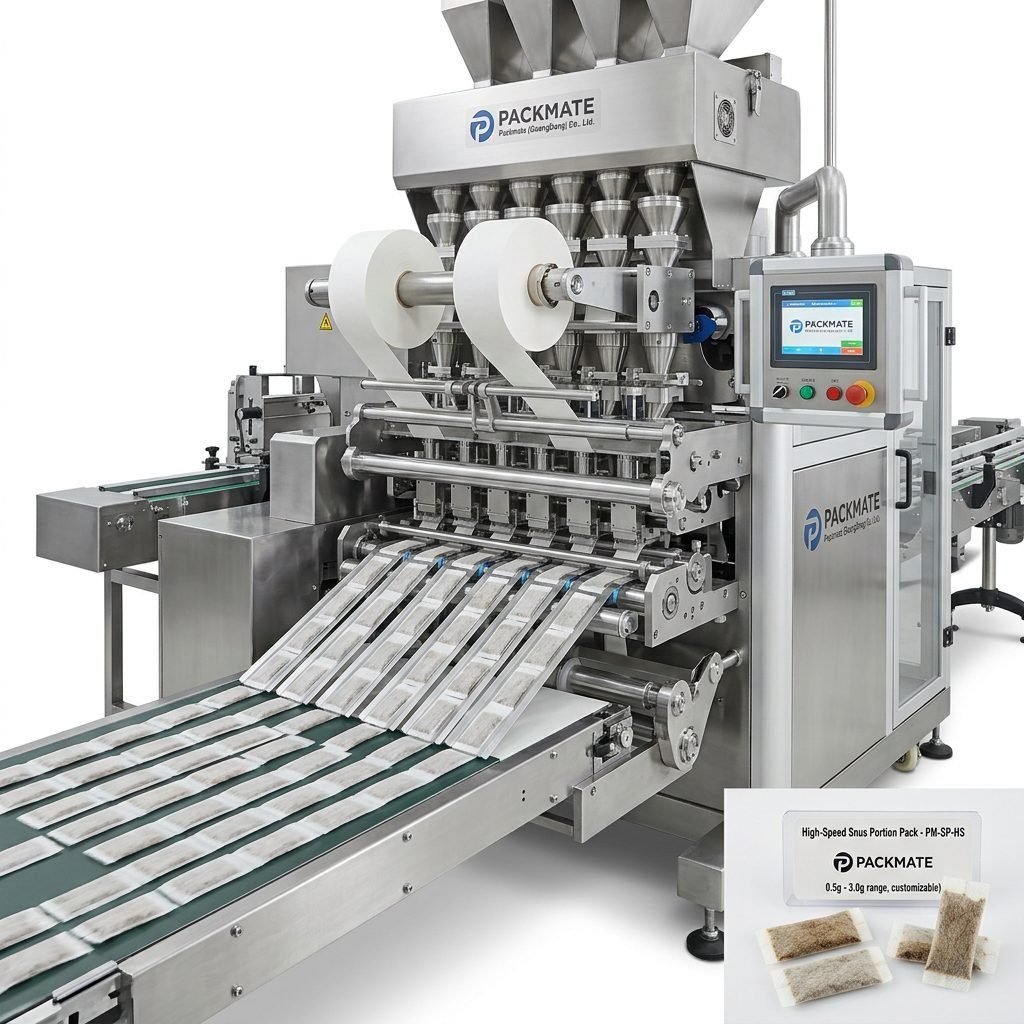
Choosing the right supplier for a nicotine pouch production line is one of the most important decisions a brand or manufacturer can make. The right packaging partner delivers not only reliable machinery but also production stability, compliance with regulations, and long-term technical support. This guide explains how to evaluate manufacturers, what machine types to consider, key technical criteria, and how to work with a supplier to build a fully automated, scalable nicotine pouch line.
Why the supplier matters: beyond price
In the nicotine pouch and snus industry, downtime or inconsistent pouch quality can quickly harm shelf appeal and waste expensive raw materials. A supplier should be judged on more than initial cost. Look for makers who provide:
Reliability — consistent run times and low maintenance requirements to protect production schedules.
After-sales support — fast spare parts supply, remote diagnostics, and experienced service engineers.
Regulatory knowledge — machines designed to meet CE/ISO standards and adaptable to local labeling or hygiene requirements.
Core machine types used for nicotine pouch production
Different product formats require different packaging technologies. Most reputable suppliers offer modular lines that integrate filling, dosing, pouch forming, sealing, and secondary packaging. Key machine categories include:
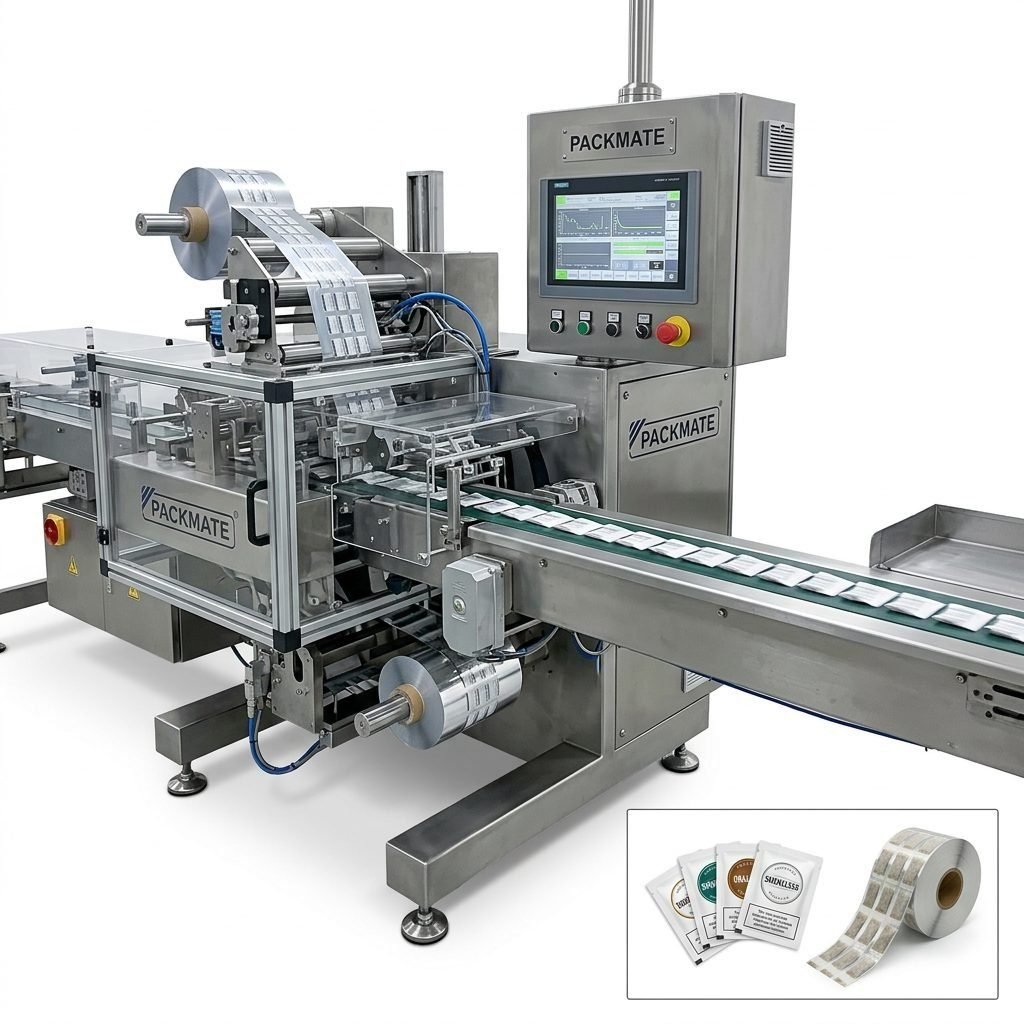
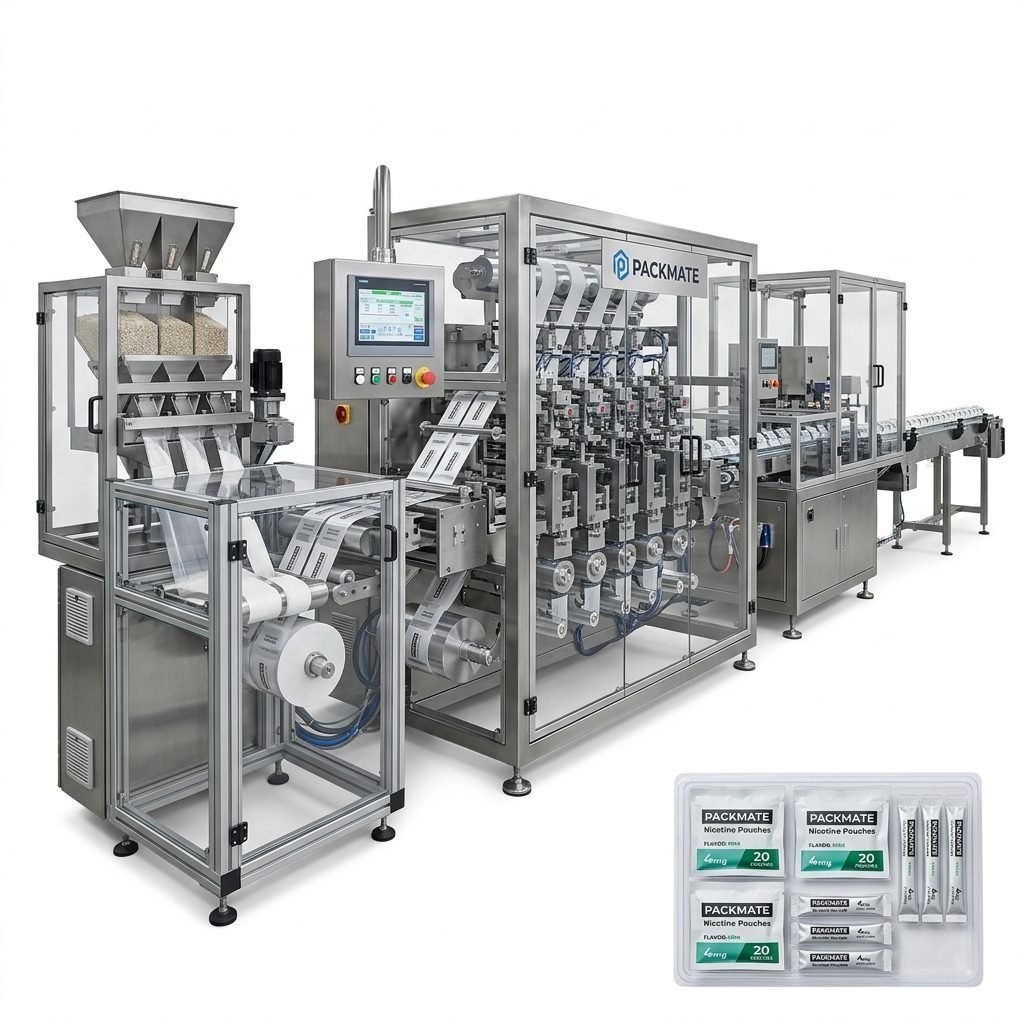
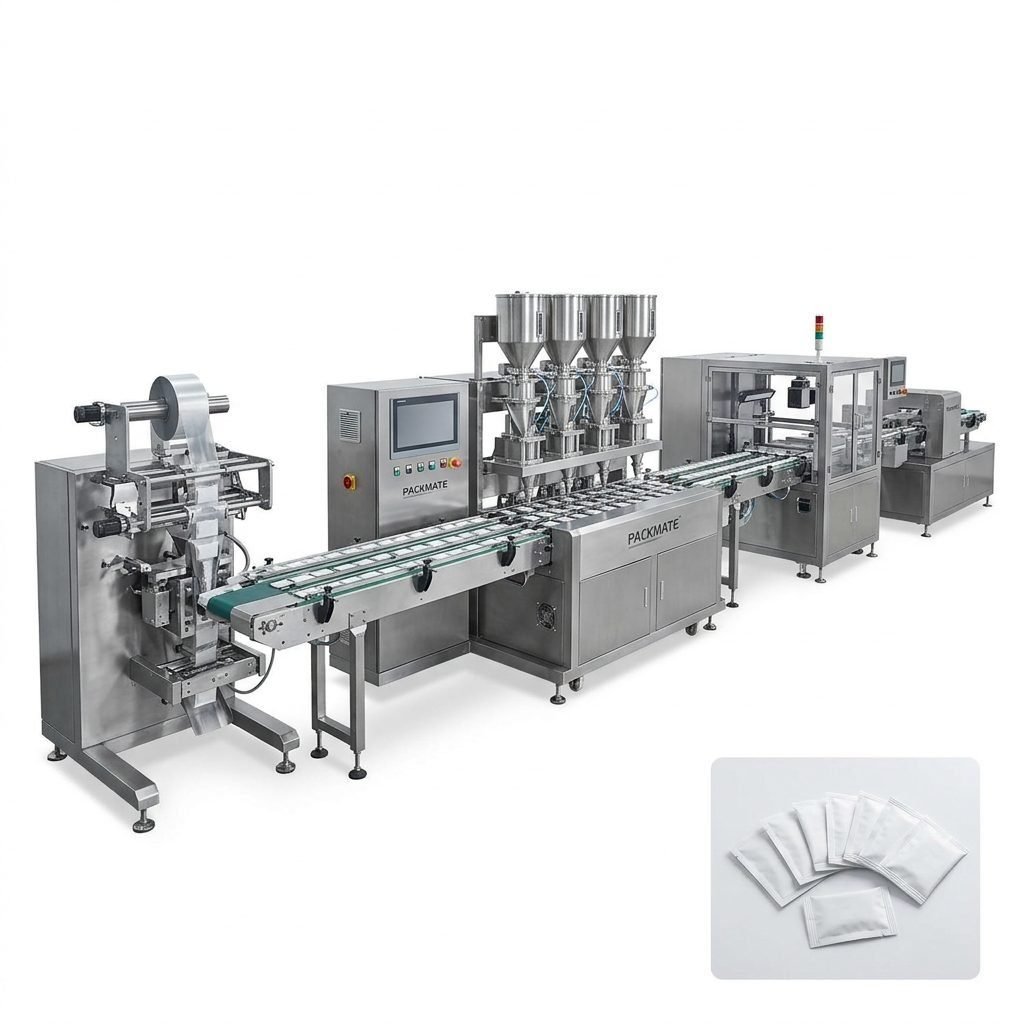
Sachet & stick pack systems
Sachet and stick pack machines are ideal for single-dose or multi-dose nicotine formulations. They provide quick format changes and can be paired with precision dosing modules for powders or granular nicotine blends. If you need high speed with compact footprint, stick pack solutions are a common choice.
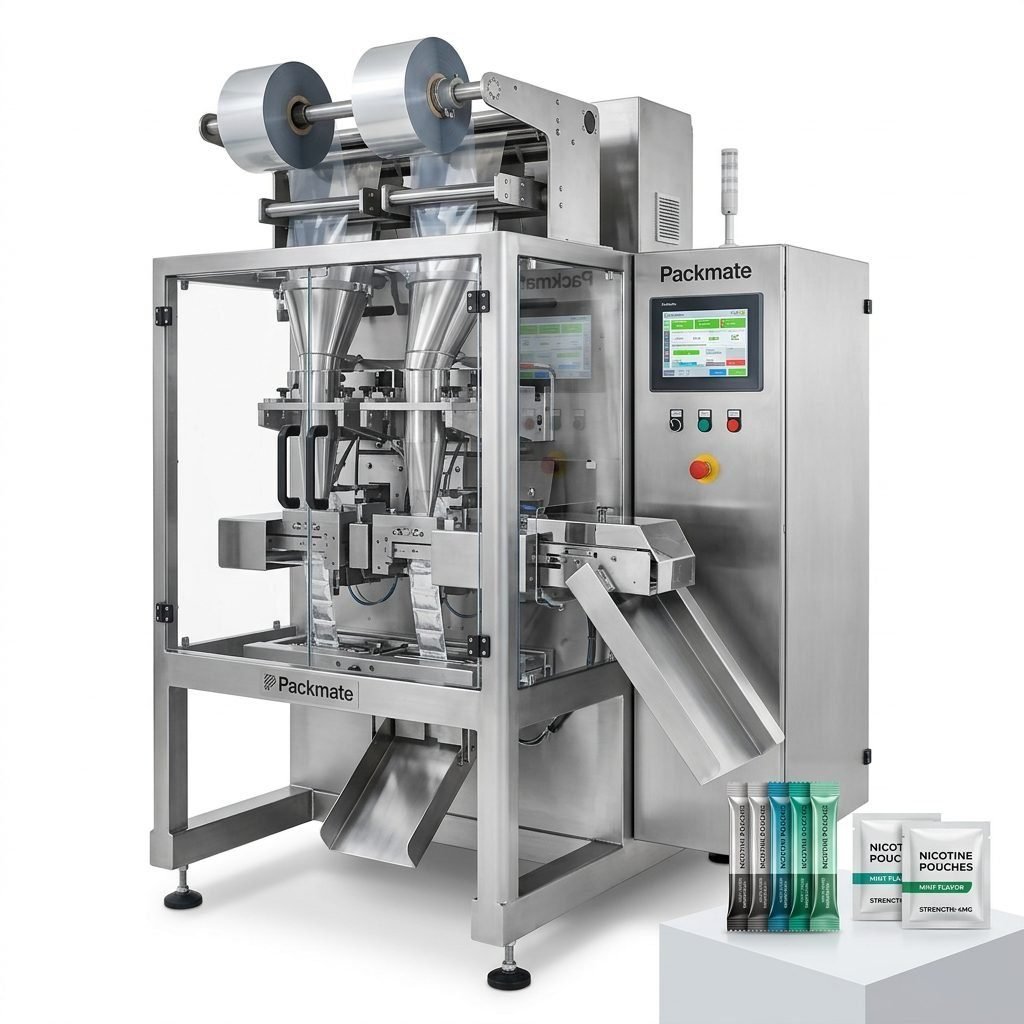
Form-fill-seal (FFS) pouch machines for snus & nicotine pouches
Multi-lane FFS pouch machines enable small-dose pouches (like snus and nicotine pouches) to be produced at high throughput while keeping accuracy and seal integrity. These systems often feature rotary forming, ultrasonic sealing options, and integrated date coding.
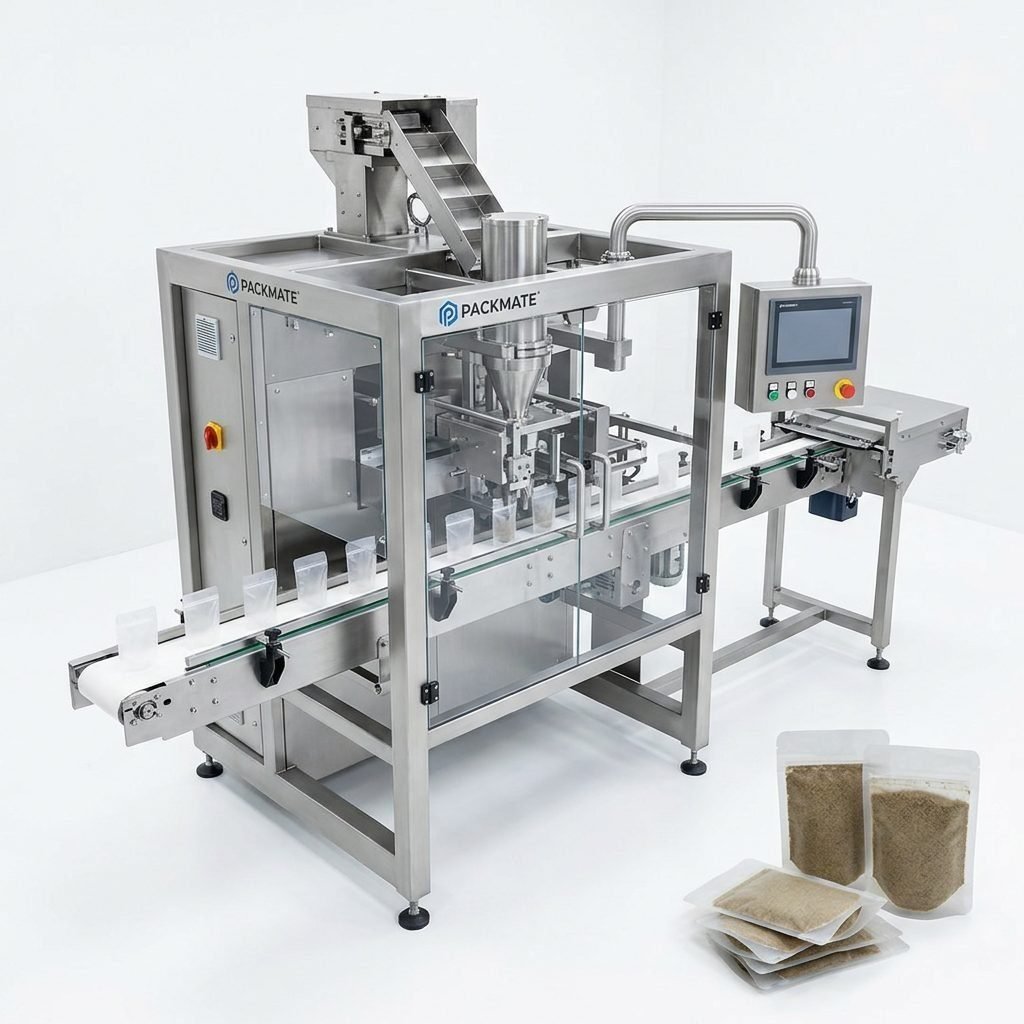
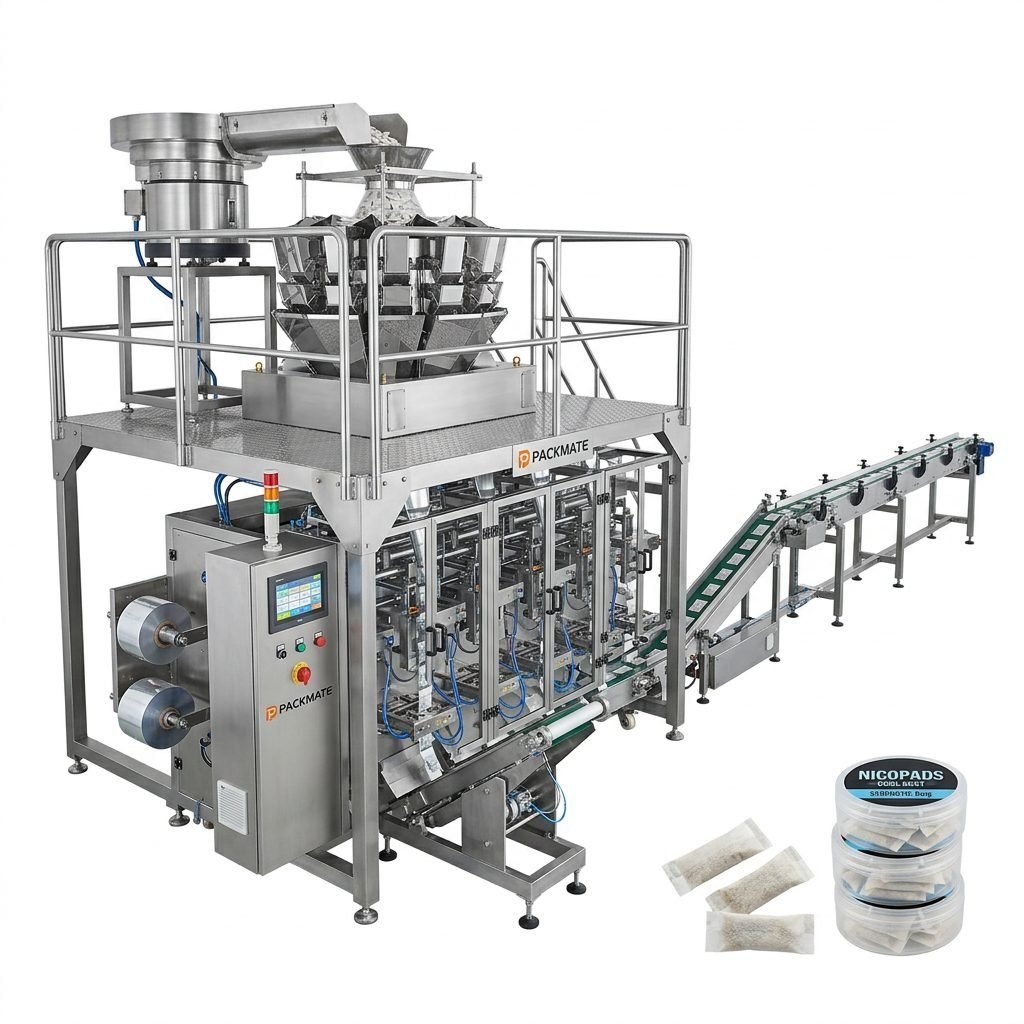
Weighing & dosing systems
Accurate dosing is critical for nicotine products. Gravimetric or multi-head weigher systems reduce variation and ensure each pouch contains the exact dosage required. Suppliers that offer integrated weighing solutions help simplify line commissioning.
Key technical criteria to evaluate
When comparing suppliers, evaluate machines against these functional and design criteria:
- Throughput (pouches/min) and ability to scale with multi-lane options.
- Filling accuracy (mg tolerance) and changeover time between SKUs.
- Material compatibility — pouches, films, and barrier requirements for nicotine products.
- Hygiene and cleanability — open frame design, easy-to-clean components, and materials suitable for food/pharma contact.
- Control systems and automation level — PLC and HMI features, recipe management, and Industry 4.0 connectivity.
- Precision sealing technology — ultrasonic or thermal solutions depending on film type.
Tip: ask for production reports or test runs with your own product to verify net weight accuracy and seal integrity before purchase.
Manufacturing strength and quality assurance
A supplier’s factory capacity and precision manufacturing capabilities directly impact machine consistency and lead times. Look for suppliers with:
Advanced CNC machining centers and precision assembly lines — ensure component tolerances and long-lasting operation.
Comprehensive testing and QC — full-line dry runs, IQ/OQ documents, and performance certificates.
Capacity for customization — ability to tailor lane counts, dosing modules, and secondary packing options for your product mix.
Certifications, compliance and after-sales service
International certifications such as CE and ISO provide baseline assurance. But practical after-sales support is equally important:
- Spare parts availability and recommended spares list for critical wear parts.
- Remote troubleshooting and scheduled preventive maintenance plans.
- Training for operators and maintenance personnel at commissioning.
Packmate Snus Machine, for example, emphasizes CE/ISO compliant equipment and global service. If you want to learn more about company capabilities, see About Packmate.
Product lines to inspect include Snus & Nicotine Packaging Machines and related systems for weighing and filling like Weighing & Packaging Systems.
Turnkey lines and system integration
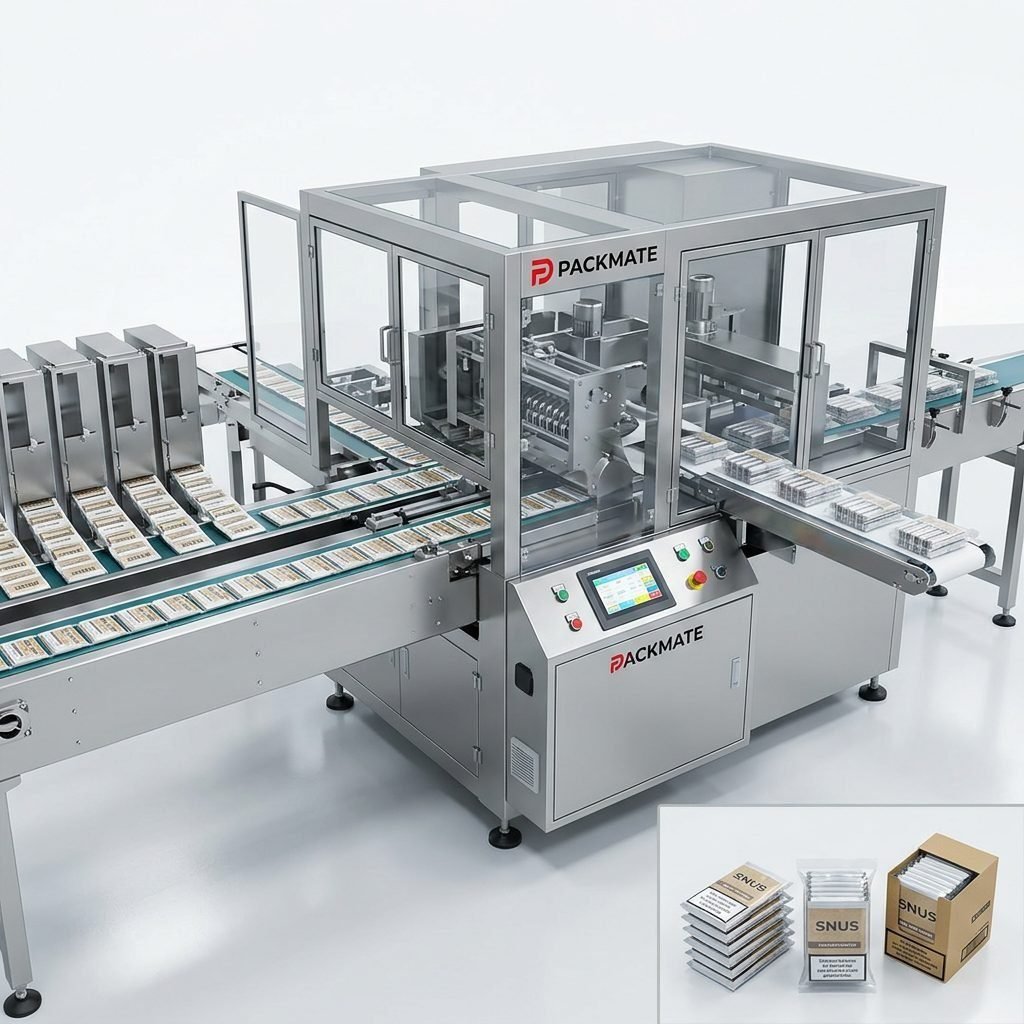
Many brands benefit from turnkey packaging lines that combine raw material handling, dosing, pouch forming, secondary case/carton packing, and palletizing. A turnkey supplier should:
- Provide a single point of contact for project management and delivery.
- Coordinate electrical and mechanical integration, including PLC recipes and HMI screens for multiple SKUs.
- Offer FAT (Factory Acceptance Test) and SAT (Site Acceptance Test) processes to validate performance.
Real-world example: multi-lane snus lines
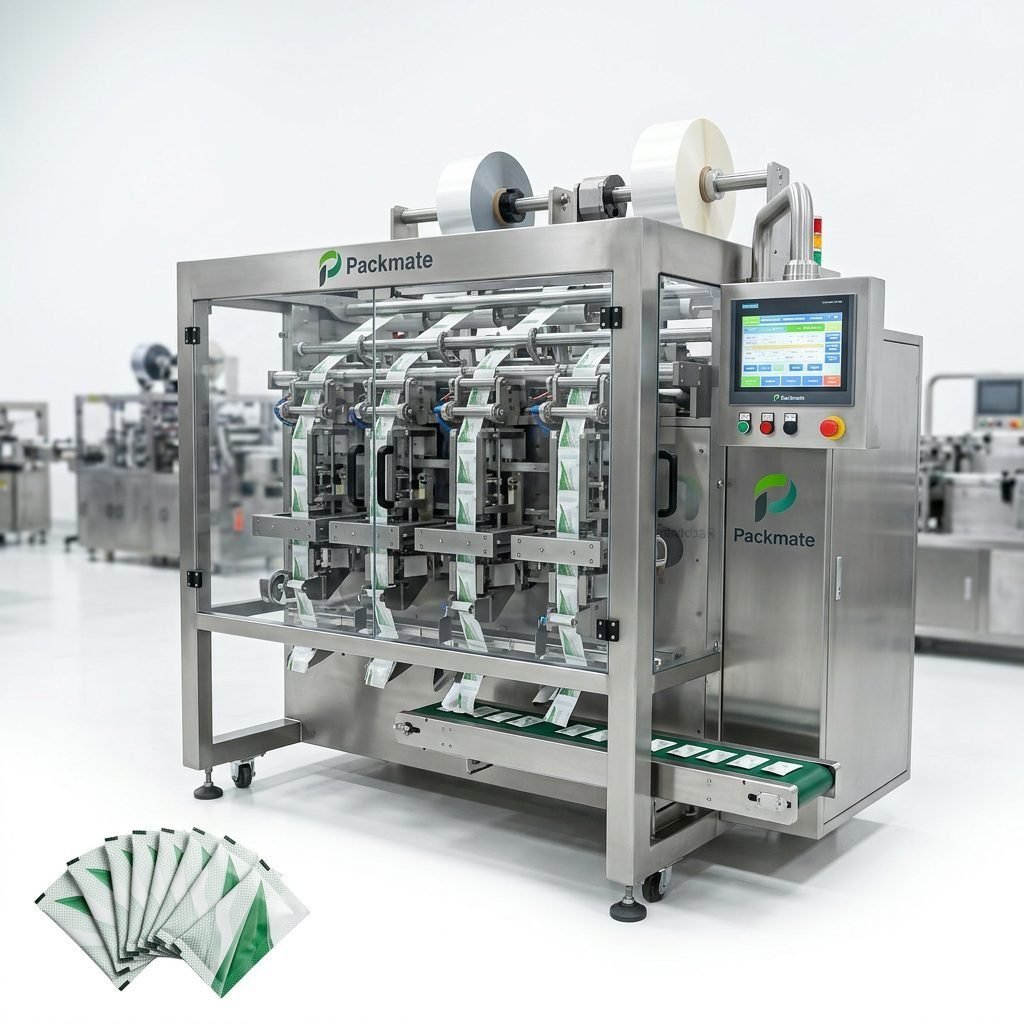
Manufacturers serving global markets often choose multi-lane systems that allow several pouches to be formed simultaneously. These lines reduce floor space per output and provide flexible lane configurations to suit changing SKUs. Look for modular lanes that can be serviced individually.
🔧 Performance check: request real sample runs on the model you intend to purchase — this validates dosing, seal strength, and visual appearance.
Cost evaluation: lifecycle vs. purchase price
The lowest upfront price does not always yield the best long-term value. Consider:
- Energy consumption and spare parts cost over time.
- Mean time between failures (MTBF) and ease of maintenance.
- Resale value and upgrade paths as production needs grow.
A strong supplier will help you model total cost of ownership (TCO) and provide references or case studies. See examples of deployments in the company’s Case portfolio.
Explore real installations and use cases via Case to understand how similar lines perform in production environments.
Practical steps when selecting a supplier
To make an informed selection, follow a structured process:
- Define your production targets (SKU mix, throughput, available floor space).
- Request machine specifications, electrical consumption data, and spare parts lists.
- Arrange factory visits or virtual demonstrations for FAT with your materials.
- Compare warranty terms, delivery timelines, and training packages.
- Confirm documentation — IQ/OQ, CE/ISO certificates, and maintenance manuals.
When you are ready to engage, contact the supplier through their official channels — for example, Packmate lists detailed service offerings on their Service page and contact details on Contact Us.
For full product catalogues and specification sheets, check the Catalog.
Working with international suppliers: logistics & compliance
If you import equipment, coordinate customs clearance, CE declaration translations, and local installation requirements. Trusted suppliers often provide export-ready documentation and can assist with logistics planning and on-site commissioning.
📌 Pro tip: clarify spare parts shipping lead times and set up a minimum spares stock at your site to avoid extended downtime.
Summary & next steps
Selecting the best nicotine pouch line manufacturer requires balancing technical capability, manufacturing quality, certification, and after-sales service. Evaluate machine performance based on testing with your product, validate supplier references, and review total cost of ownership rather than only the purchase price. A supplier with deep experience in snus and nicotine packaging — offering multi-lane systems, accurate dosing, and turnkey integration — will help you scale production efficiently and compliantly.
Common Questions
1. What machine type is best for small-dose nicotine pouches?
Multi-lane form-fill-seal pouch machines are typically preferred for small-dose nicotine pouches due to their high throughput and compact footprint. For single-dose sachets, stick pack machines can also be effective depending on your packaging format.
2. How important is a factory acceptance test (FAT)?
FAT is essential — it verifies the machine performance with your materials before shipment, reduces commissioning time on-site, and provides documented evidence of acceptance criteria being met.
3. What certifications should I request?
At minimum, request CE and ISO certification documents. Also ask for material contact approvals, electrical schematics, and IQ/OQ documentation if operating in regulated environments.
4. How do I manage spare parts and maintenance?
Obtain a recommended spare parts list from the supplier, set minimum stock levels for critical wear parts, and consider a service contract for preventive maintenance and priority support.
5. Where can I see real examples and contact the manufacturer?
Review real project examples in the Case section and reach out via the Contact Us page to schedule demonstrations or ask for quotations. Useful links: Case, Contact Us, and Service.