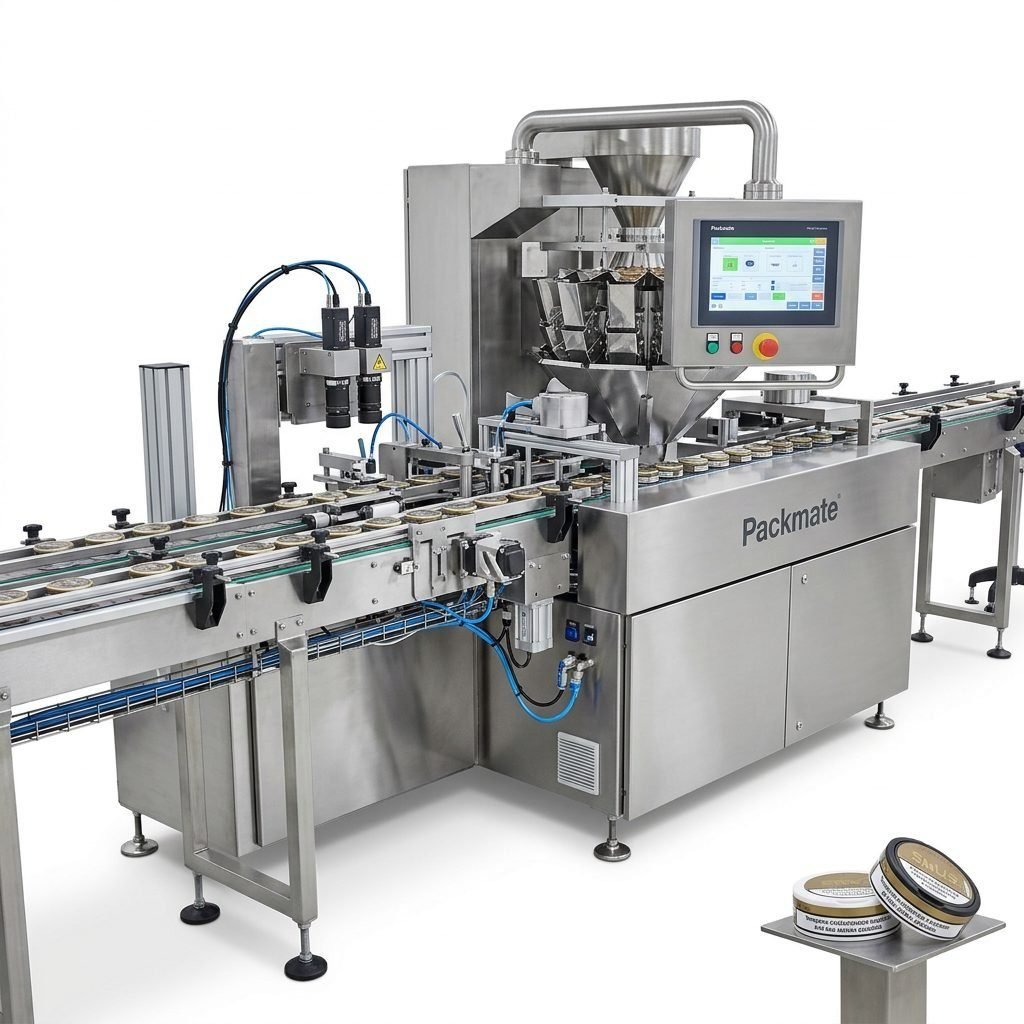
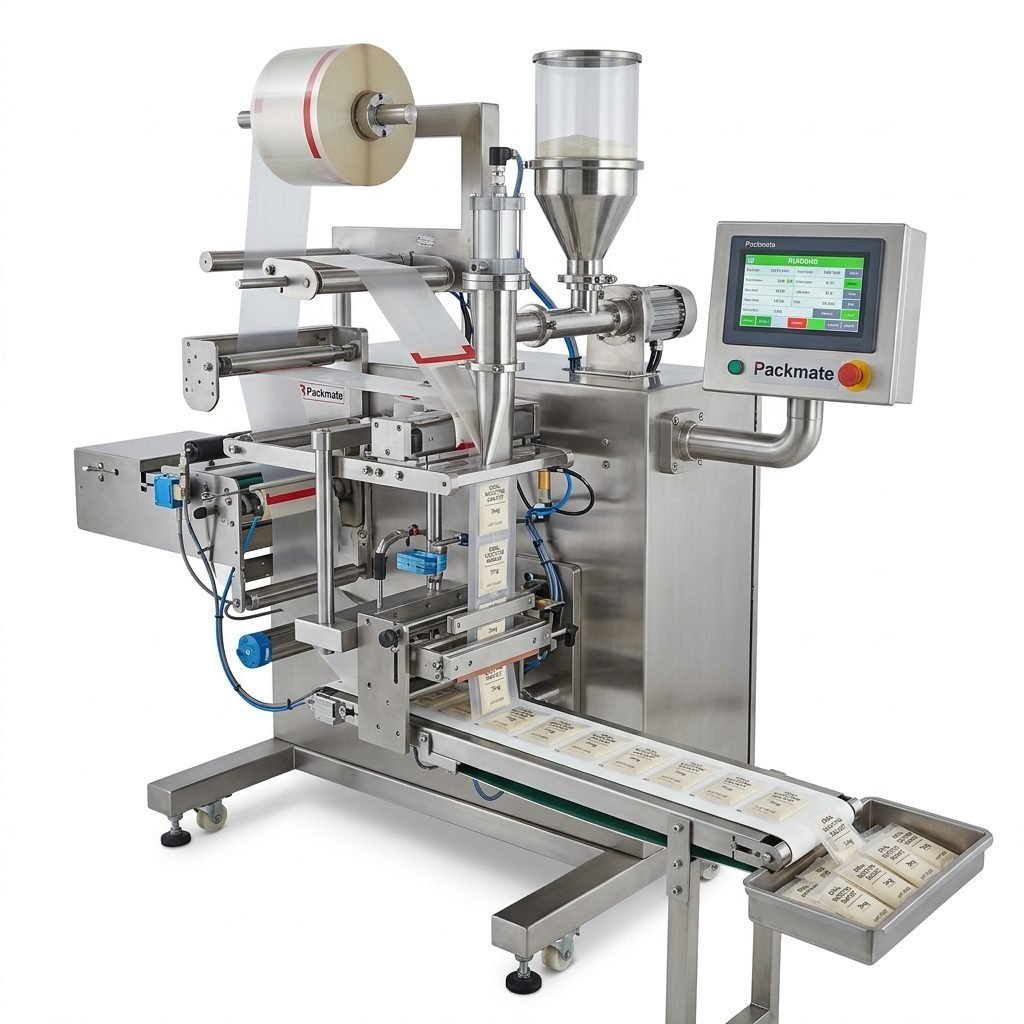
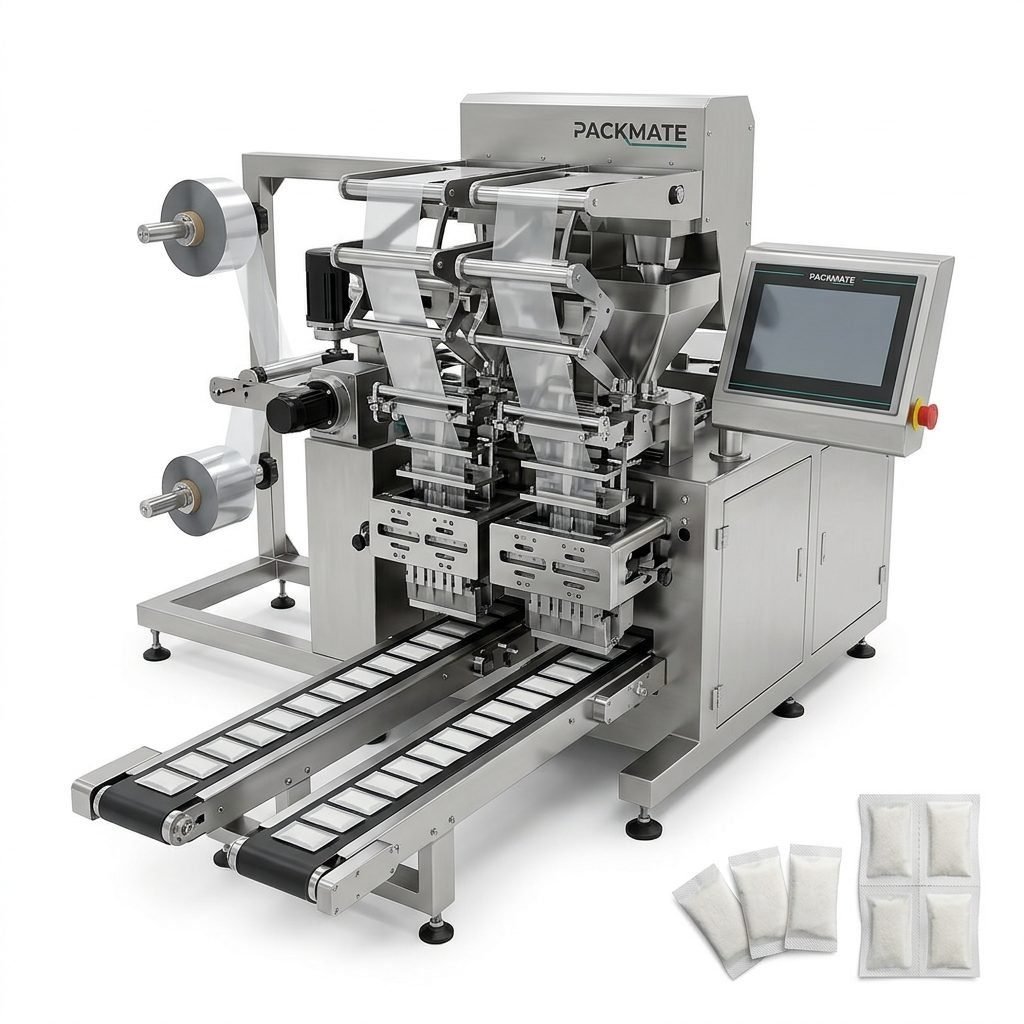
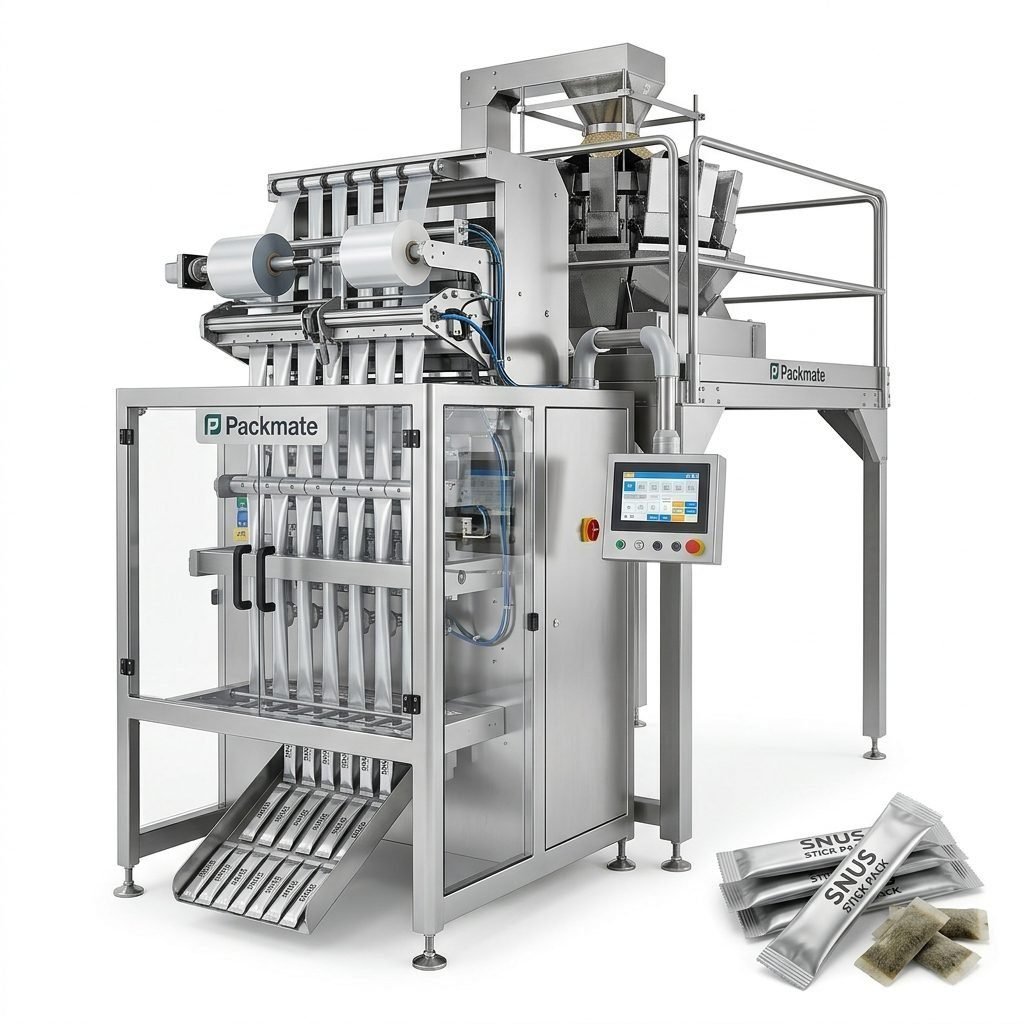
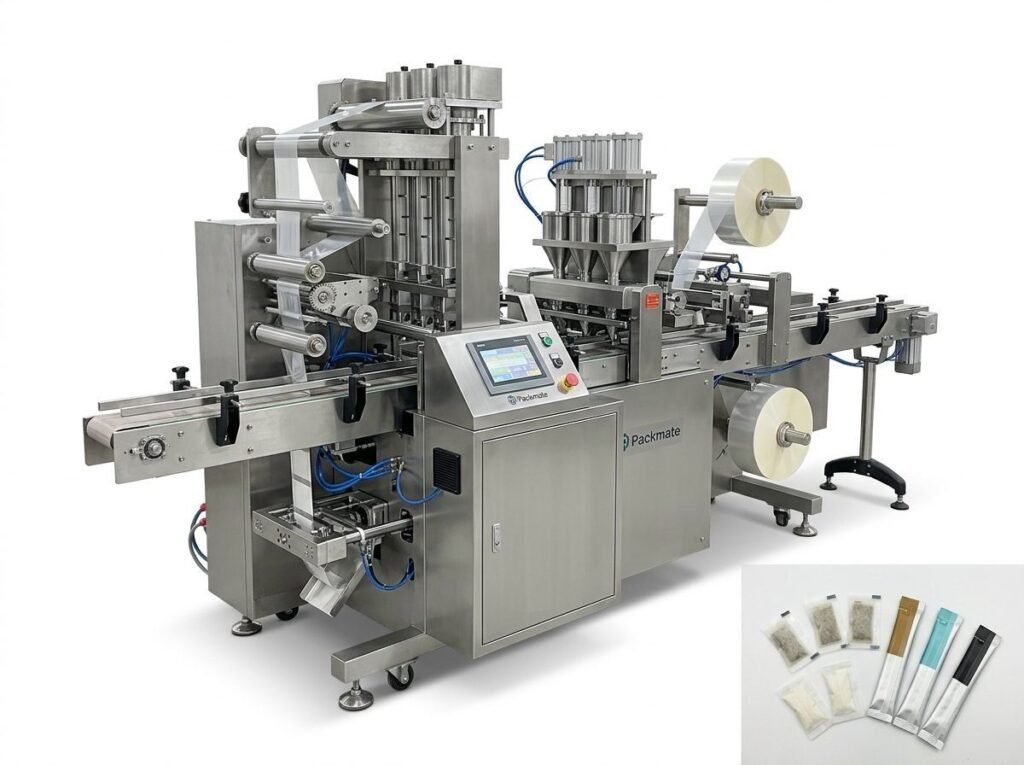
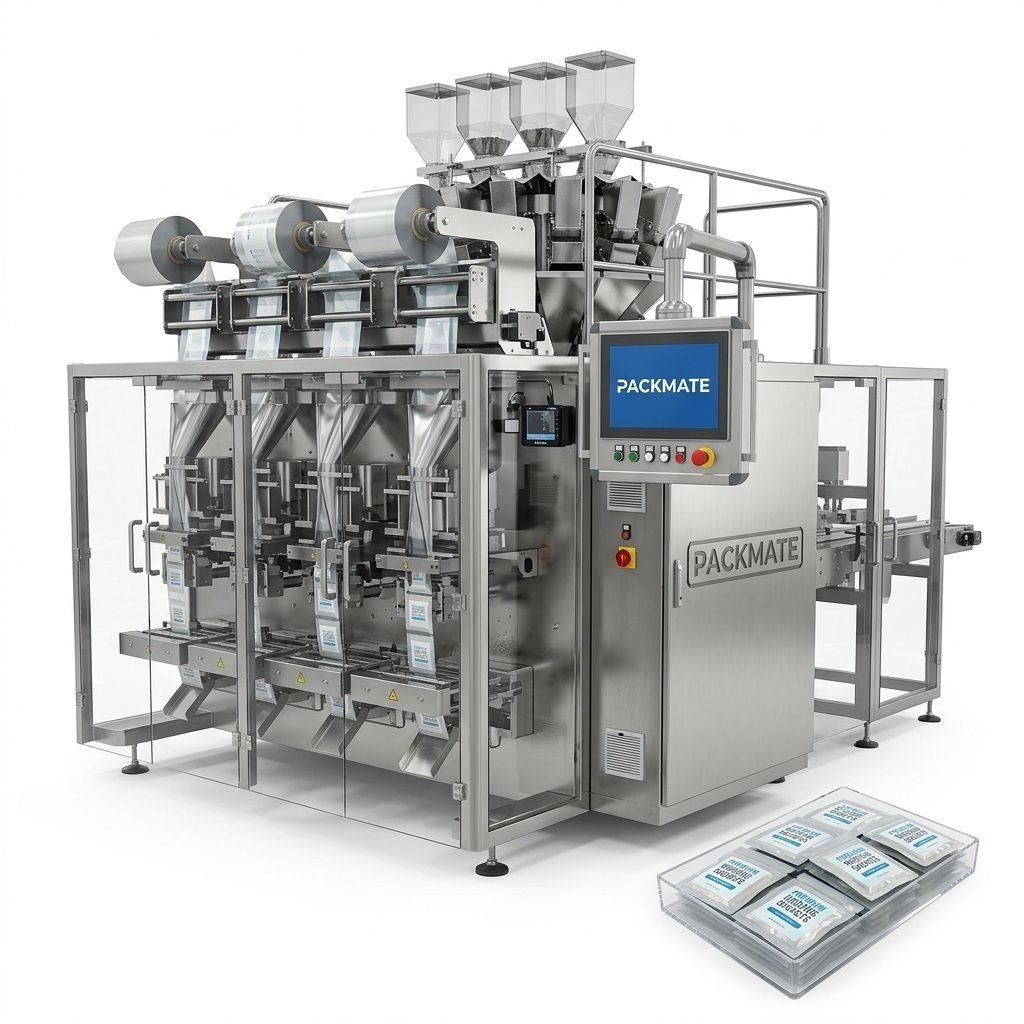
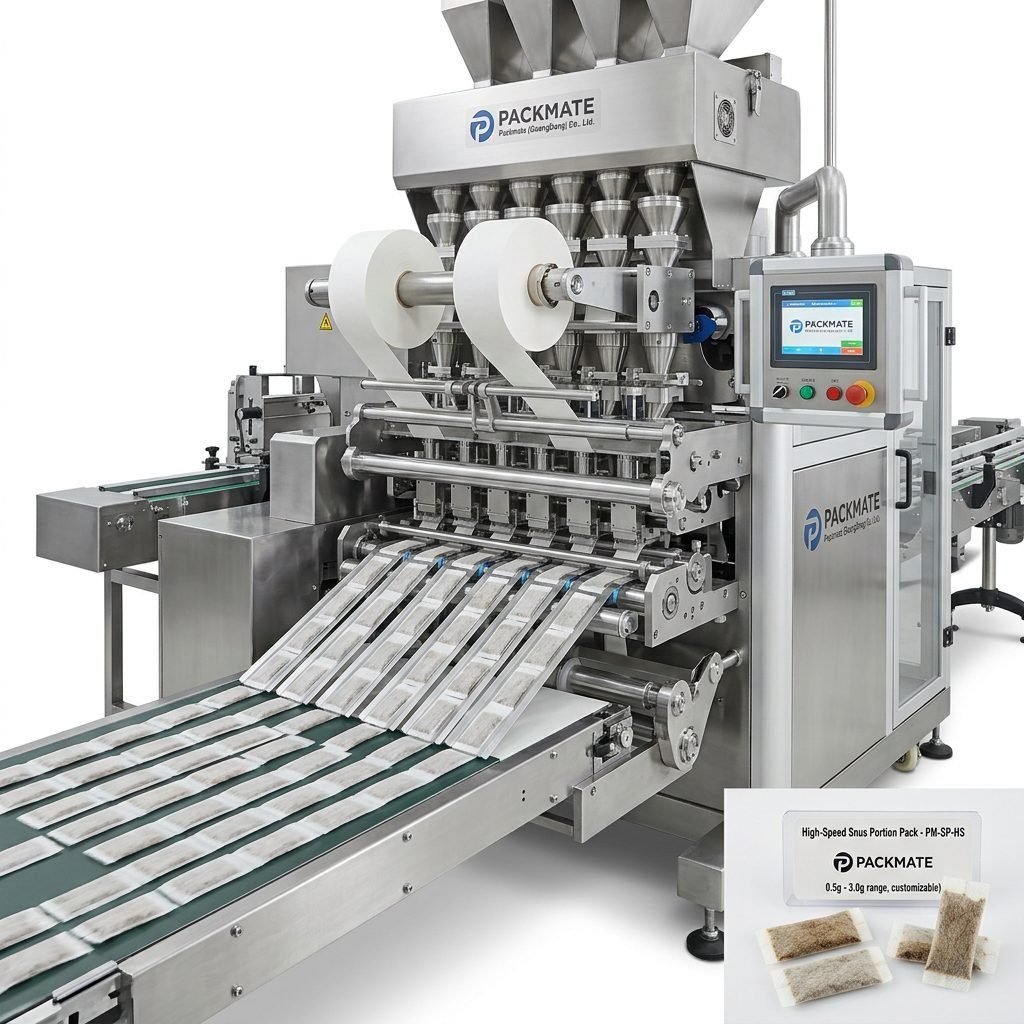
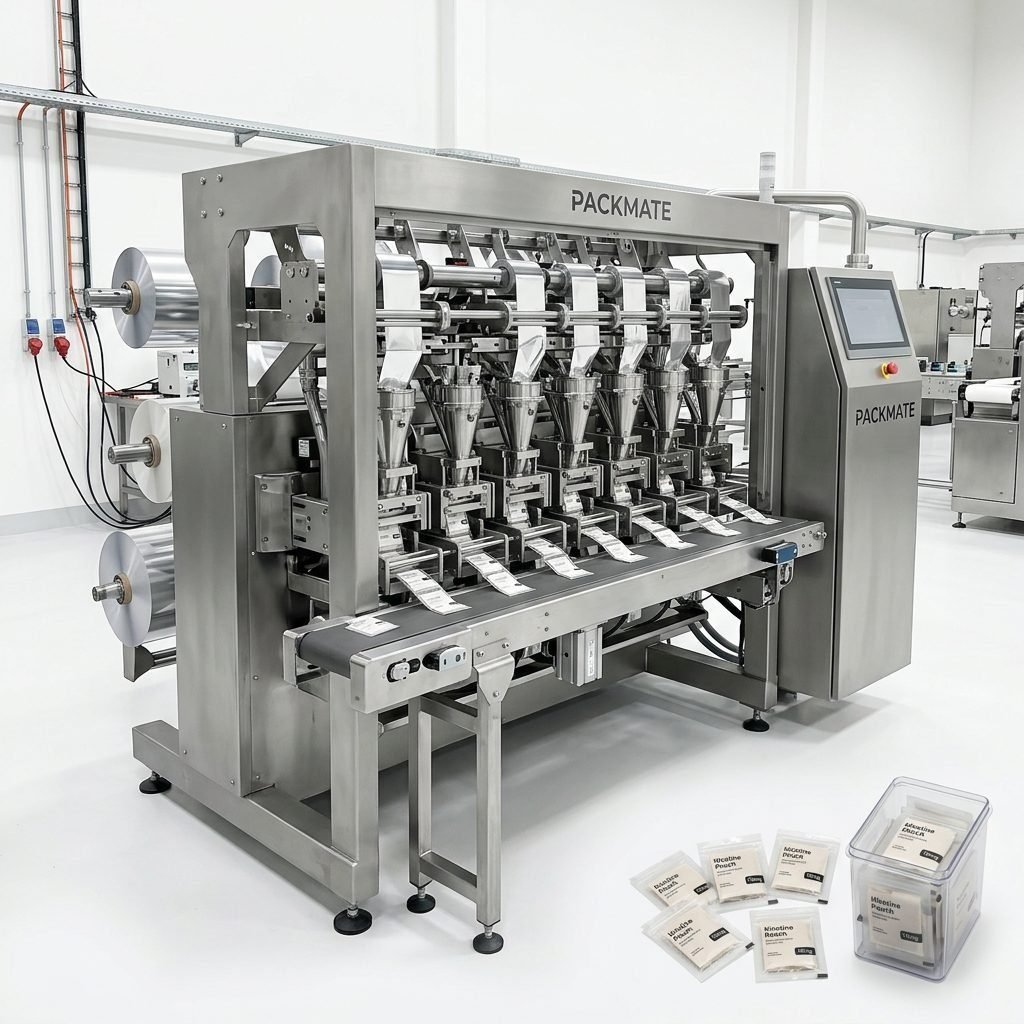
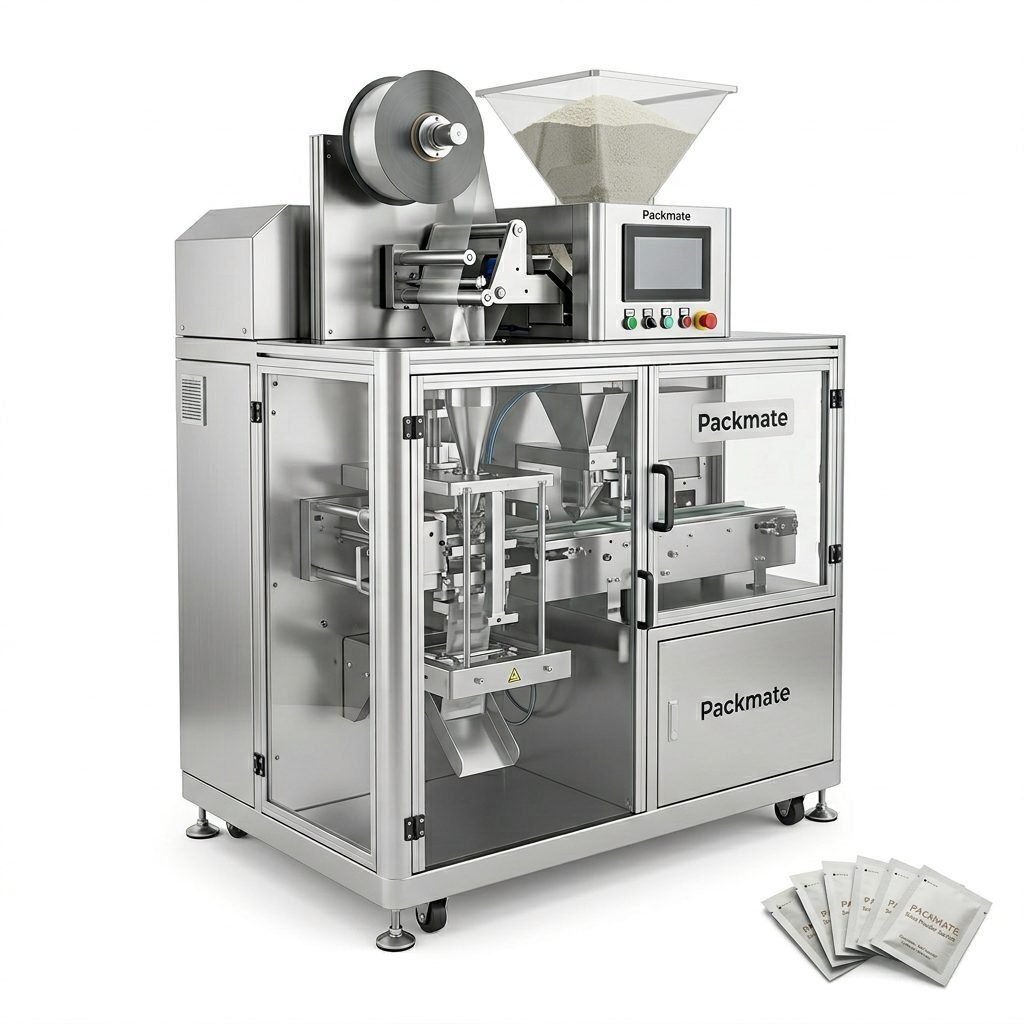
Choosing the right nicotine packaging machinery manufacturer is one of the most important investments for any North American snus or nicotine pouch brand. Whether you’re scaling up production for the U.S. market, entering Canada, or supplying to duty-free and specialty channels, the manufacturer you pick will determine your machine uptime, regulatory compliance, product consistency, and long-term operational costs. This guide explains how to evaluate suppliers, what capabilities matter most in North America, and why Packmate Snus Machine is a practical option when you need reliable, scalable snus and nicotine pouch packaging solutions.
Understand North American Market Expectations and Regulations
North American buyers prioritize quality, traceability, and compliance. For the United States and Canada, manufacturers must consider federal and provincial/state regulations affecting nicotine products, child-resistant packaging where required, and clear lot traceability for recalls. Consumers and retailers also expect premium finish and consistent pouch weight and seal integrity. In addition, sustainability practices (recyclable materials, energy-efficient equipment) are increasingly important when doing business with large distributors and retail chains.
Local habits and sales channels
North American channels vary: convenience stores, vape/smoke shops, online marketplaces, and tobacco-specialty distributors. Many customers prefer single-dose or small-count pouches, compact retail-ready stick packs, and clear tamper-evidence. Designing packaging machinery with flexible formats (pouches, sachets, stick packs, multi-lane output) speeds time-to-market across these channels.
Top Technical Capabilities to Evaluate
🔧 Filling accuracy and dosing — For nicotine pouches precision is non-negotiable. Check that the supplier offers high-precision weighing or volumetric dosing systems that maintain consistent dose per pouch, minimize giveaway, and are easy to recalibrate for different weights.
✅ Multi-format flexibility — The best investments are machines that handle sachets, stick packs, and multi-lane pouch lines so you can adapt products without buying entirely new equipment.
⚙️ Hygiene & materials compatibility — Ensure materials in contact with product are food-grade stainless steel 304/316 and that sealing systems meet your barrier and shelf-life needs, especially for moisture-sensitive nicotine pouches.
When evaluating makers, ask for performance data (OEE, mean time between failures), and examples of lines running comparable products. If you need references in North America, request case studies or customer contacts — many reputable suppliers will provide them.
Factory Strength and After-sales Support
Machine uptime depends as much on after-sales support as on initial build quality. Look for manufacturers with:
• A sizable, well-equipped factory with CNC capability and precision assembly — this ensures parts are produced to tight tolerances and the company can manufacture spare parts quickly.
• Global service network or fast remote troubleshooting — in North America remote diagnostics, spare-part logistics, and field engineers reduce downtime and help keep production on schedule.
• Clear documentation and training programs — operator and maintenance training, plus clear manuals and electrical/mechanical schematics, are essential for handover.
Tip: Request a factory acceptance test (FAT) and video of machines running at speed with your product or a representative sample. Reliable suppliers will welcome FATs and provide performance reports.
Customization and Turnkey Solutions
Most North American buyers need more than a single machine — they need integrated lines: feeder systems, weighing, pouch makers, metal detectors, checkweighers, and packing conveyors. Evaluate whether the manufacturer can deliver turnkey solutions and integrate third-party equipment seamlessly. A company with a broad product portfolio and engineering team is preferable if you plan to scale or add SKUs.
Packmate Snus Machine, for example, offers complete lines including Filling & Packaging Lines and Weighing & Packaging Systems. You can explore typical product lines and modules to understand the degree of integration you can expect: Filling & Packaging Lines and Weighing & Packaging Systems.
Quality Certifications and Compliance
Certifications like CE and ISO speak to a manufacturer’s attention to quality, safety, and process control. For North American shipments, you should also verify electrical codes, machine guarding standards, and any additional documentation required for customs and import. Companies that participate in international exhibitions and list global cooperation cases are often better prepared for export logistics and regulatory paperwork.
Learn more about a supplier’s background before you commit — check About pages, case studies, and certifications. Packmate provides detailed company information and certifications for customers to review: About Packmate and Certificate.
What to Request During the Selection Process
When vetting manufacturers, request these items to compare objectively:
• Detailed technical specifications and tolerance charts for dosing, seal strength, and speed.
• References and case studies showing machines running similar nicotine products — ask for runtime footage or an invitation to see a production demo.
• Spare parts availability, lead times, and recommended inventories.
• Warranty terms, remote support options, and local service partner networks.
• FAT and SAT (site acceptance test) procedures and what kind of test data the supplier provides before shipment.
🔎 Key performance questions: Ask for OEE reports, MTBF and MTTR values, and examples of how quickly the supplier can dispatch critical spares to North America.
Pricing Considerations and Total Cost of Ownership
Price is important, but focus on TCO: the initial capital cost plus installation, commissioning, spare parts, consumables, operator training, and energy efficiency. Cheaper machines may cost more over time due to higher scrap rates, more downtime, and lower energy efficiency. Evaluate lifecycle support and whether retrofits or upgrades are included or available.
Ask suppliers for a breakdown of expected consumables, preventive maintenance intervals, and estimated annual operating costs at projected output levels. This will help you compare offers beyond sticker price.
Integration, Scalability and Future-Proofing
Consider whether the line can be scaled (add lanes, increase speed) and whether the control system supports remote updates, recipe management, and data logging for quality and traceability. Connectivity with MES/WMS systems is increasingly expected in North American facilities. Choose suppliers who provide PLC/HMI systems that are standard in the region and who can support OPC/UA or other industrial communication protocols.
If you plan to export to other regions or use different materials, make sure the machine is modular enough to accept upgrades for new formats, sealing films, or dosing heads without major rework.
Why Choose a Proven Snus / Nicotine Specialist
Specialist manufacturers who focus on snus and nicotine pouch lines understand nuances like low-moisture dosing, anti-static handling of powder blends, and specific sealing requirements for long shelf life. They design for fast format changeovers and low contamination risk. A specialist will also be familiar with the common failure points and provide tailored maintenance programs.
Explore specialized product pages for deeper technical insight into machine types and formats: Snus & Nicotine Packaging Machines and Sachet & Stick Pack Machines.
📌 Practical checklist before signing: FAT video, spare parts list, electrical schematics, warranty, and a clear commissioning plan for your North American facility — including customs/import documentation if shipping from overseas.
How Packmate Snus Machine Aligns with North American Needs
With over 30 years of engineering experience and a 20,000㎡ manufacturing facility, Packmate specializes in snus and nicotine pouch lines designed for high-precision, multi-lane output. The company provides turnkey solutions from filling to final packaging and offers CE/ISO certifications that support international regulatory expectations. For more information on Packmate’s product range and case studies, visit their Case and Product pages: Case and Bag & Pouch Packaging Machines.
Working with companies that attend international exhibitions (so you can see live demos) and that have experience exporting to Europe, Asia and the Americas reduces risk. Confirm the supplier’s export documentation practices and ask about local support channels in North America for faster spare part shipping and technical assistance.
Final steps before purchase
Negotiate clear acceptance criteria for FAT/SAT, a realistic lead time including spare parts, and a commissioning schedule with on-site training. Ensure the contract defines responsibilities for installation, electrical hookups, and local compliance testing. If possible, visit the factory or request a live demonstration to inspect build quality and controls before shipping.
Common Questions
Q: How quickly can I get spare parts in North America after ordering?
A: Delivery time depends on inventory and logistics. Reputable manufacturers will provide a spare parts list with lead times and offer options for stocking critical parts locally or shipping via express couriers for urgent needs.
Q: Do these machines meet U.S. and Canadian electrical and safety standards?
A: Verify CE/ISO compliance and request confirmation about adherence to local electrical codes; many suppliers will provide machine variants or conversion kits to meet UL, CSA or local requirements.
Q: Can I get a turnkey line and on-site commissioning in the U.S. or Canada?
A: Yes — many specialist suppliers deliver turnkey solutions and partner with local service providers for commissioning. Confirm responsibilities and travel timelines in the contract.
Q: What is the best way to test my product on a supplier machine before purchase?
A: Request a FAT or an on-site trial using your product sample. If you can’t visit, ask for live video demos at speed with your product, and obtain full performance reports and sample pouches for independent testing.
Q: Where can I learn more or get direct support?
A: For inquiries, product catalogs, or to request a quote and technical details, contact the manufacturer directly through their contact page: Contact Us. Additional resources like service offerings and FAQs are available on their website: Service and FAQs.