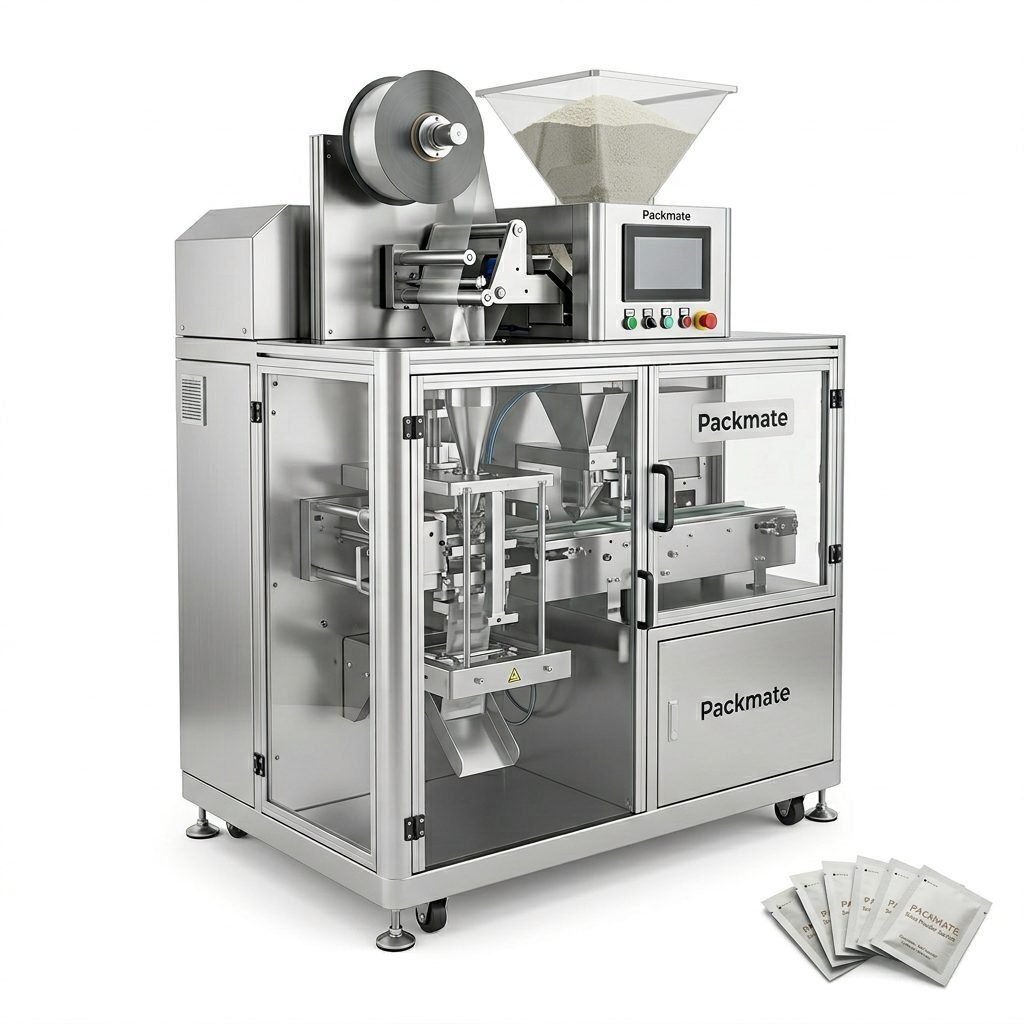
Choosing the right nicotine packaging machinery for your factory in Uruguay is a pivotal decision that affects product quality, regulatory compliance, production costs, and time-to-market. Whether you plan to produce nicotine pouches, snus, or other oral nicotine products, this guide walks Uruguayan manufacturers and importers through practical criteria, local considerations, and procurement tips so you can select equipment that fits your production needs and local market realities.
Understand Uruguay’s Market & Regulatory Context
Uruguay is known for strict tobacco control policies and high public health standards. If you are launching nicotine pouches here, plan for robust labeling, traceability, and safety documentation. Spanish-language packaging and accurate ingredient declarations are essential for market acceptance. Also consider local consumer habits: compact retail packs and discreet pouch formats often work better in urban centers like Montevideo, while rural demand may prefer larger counts per pack. When selecting a machine, make sure it supports fast label changes and flexible pouch sizes to adapt to diverse retail preferences.
Practical tip for Uruguay: customs & logistics
Uruguay’s import procedures are straightforward but you should prepare technical documentation (CE/ISO certificates, parts lists, and user manuals) in advance. Machines are commonly shipped from Asia or Europe; consider working with suppliers who provide clear shipping incoterms and local customs assistance to reduce delays. A supplier familiar with Latin American shipping routes can help minimize unexpected lead times.
Key Technical Criteria When Choosing Nicotine Packaging Machinery
When evaluating machines, focus on performance metrics that match your planned output and product format. Each criterion below directly impacts manufacturing economics and product quality.
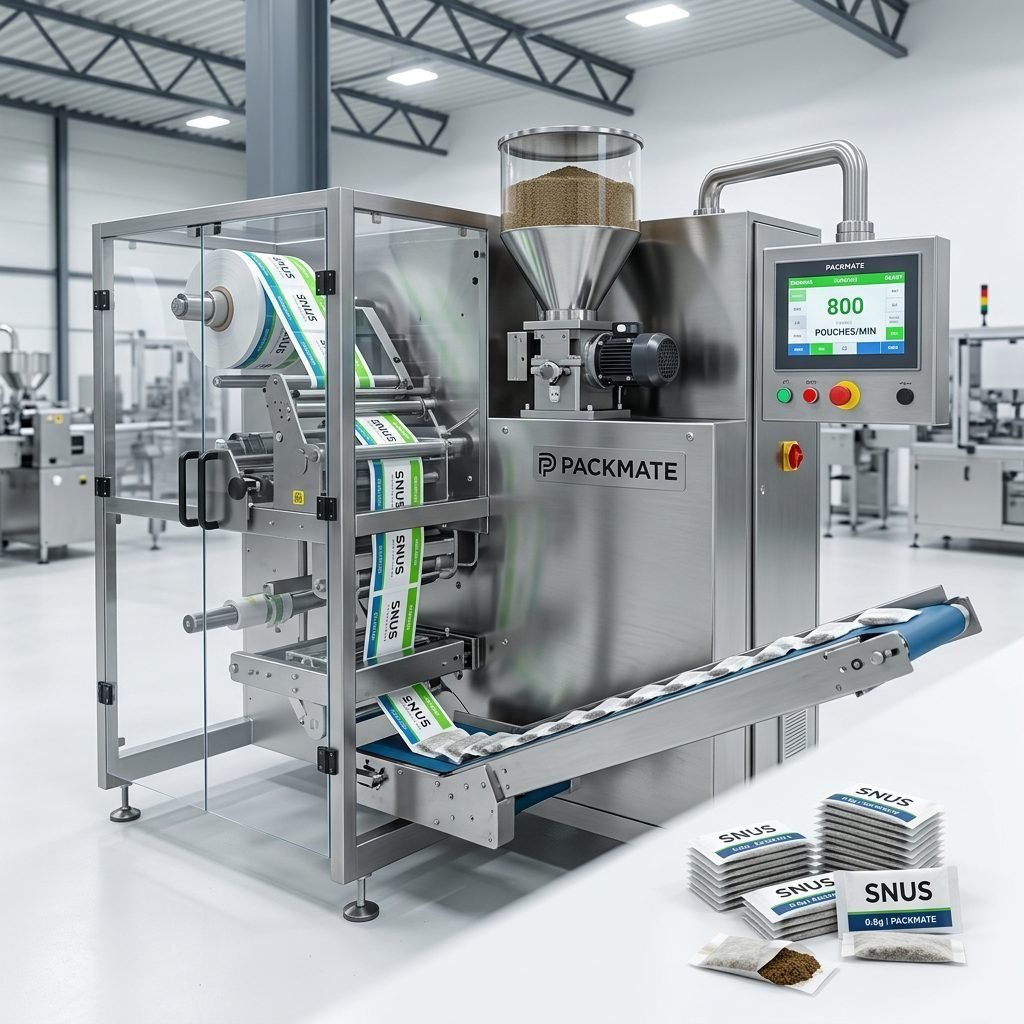
✔ Production capacity — Measured in pouches per minute or packs per hour. Choose a machine that covers current demand with headroom for growth. Multi-lane systems increase throughput without requiring larger footprints.
Seal integrity and material compatibility matter for nicotine stability and shelf-life. Ensure the machine handles the film types you plan to use (foil, laminated films, PET/PE, etc.) and can form reliable seals at your chosen speed.
Filling accuracy — Accurate dosing reduces waste, ensures legal compliance for nicotine content, and maintains consumer trust. Look for systems with precision weighing or auger/pump dosing matched to product form (powder, granule, paste).
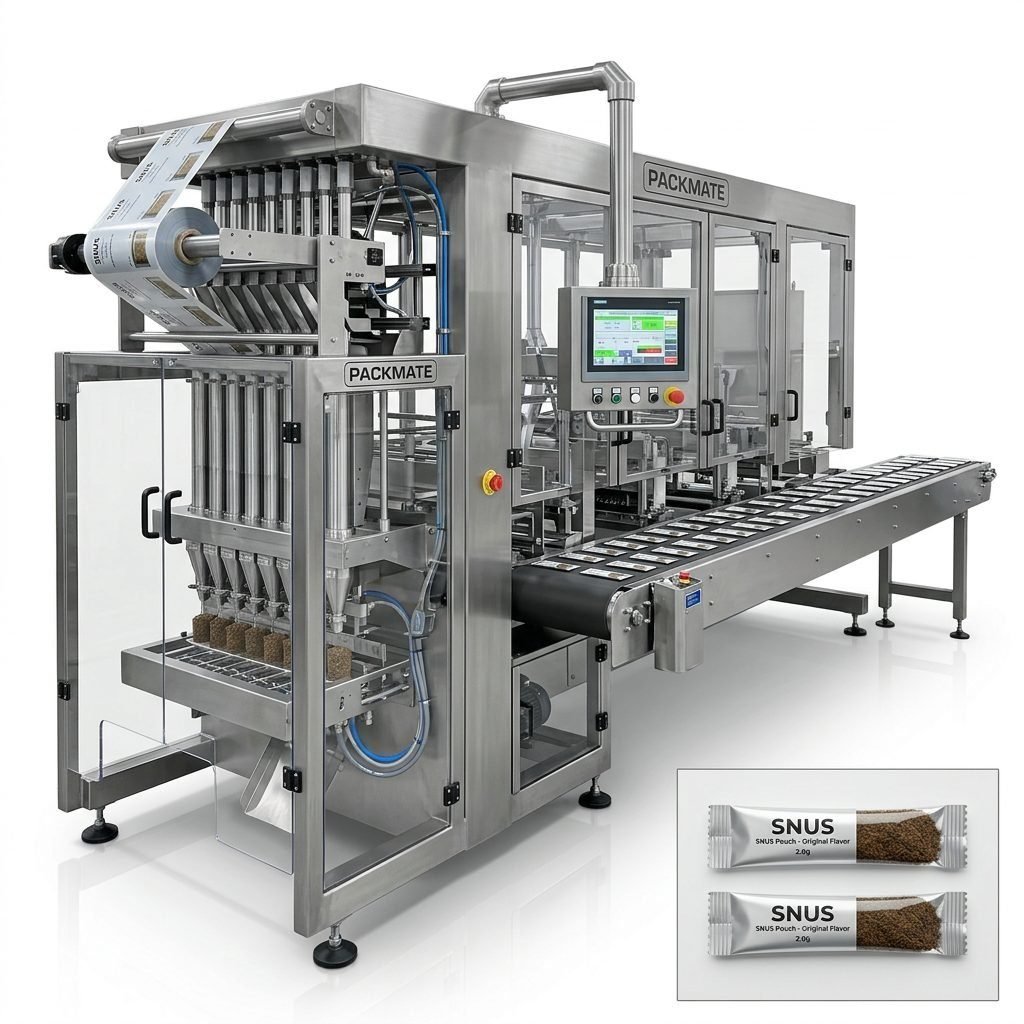
Lane configuration & flexibility — Multi-lane solutions let you scale capacity and produce narrow-format pouches efficiently. For small-dose nicotine pouches, multi-lane machines designed for 8/10/12 lanes can significantly lower per-unit costs.
Automation & integration
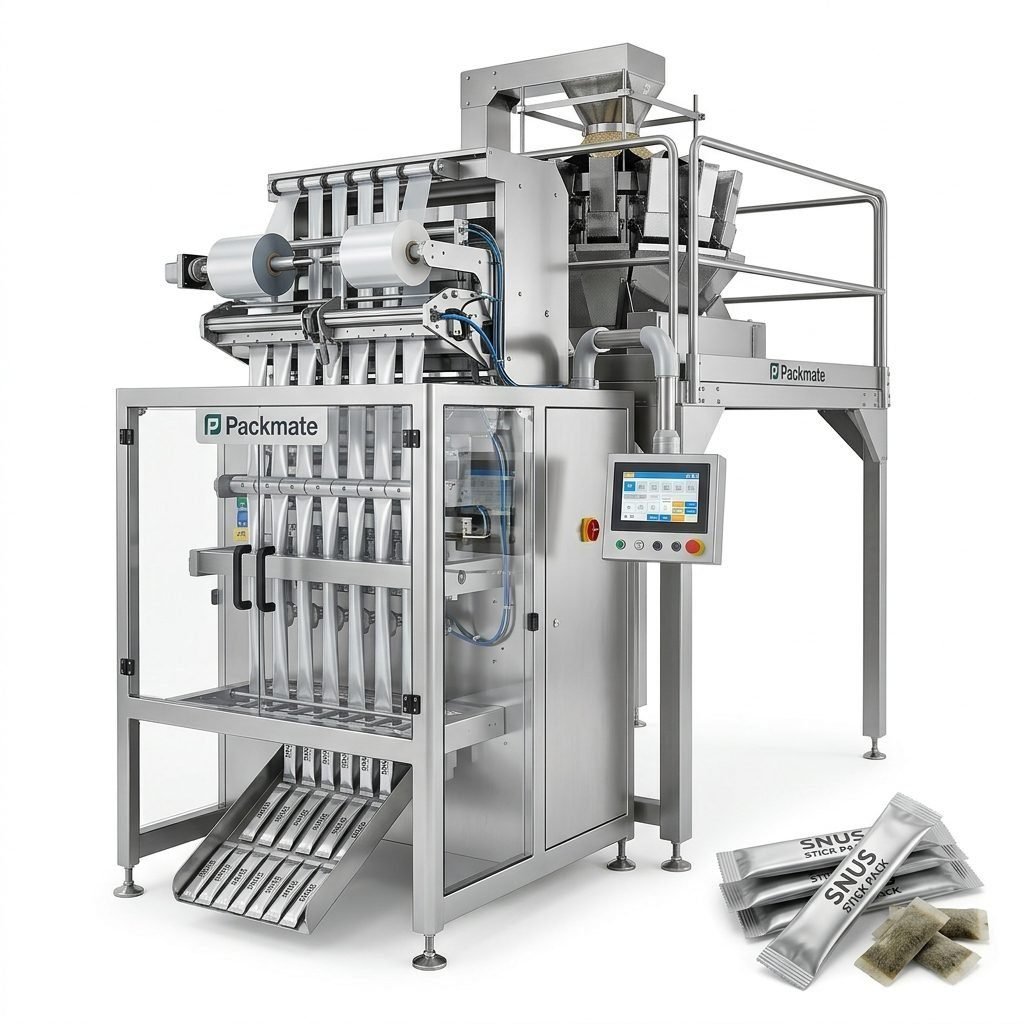
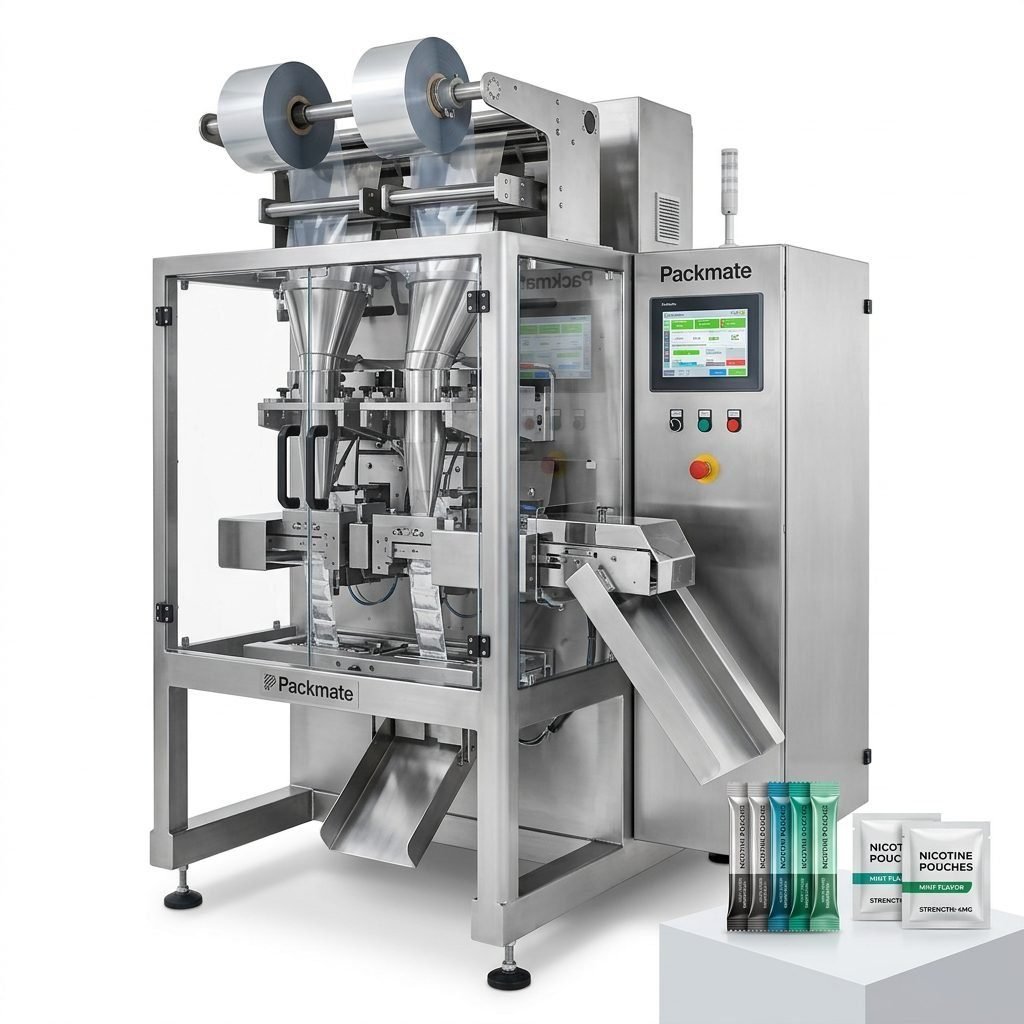
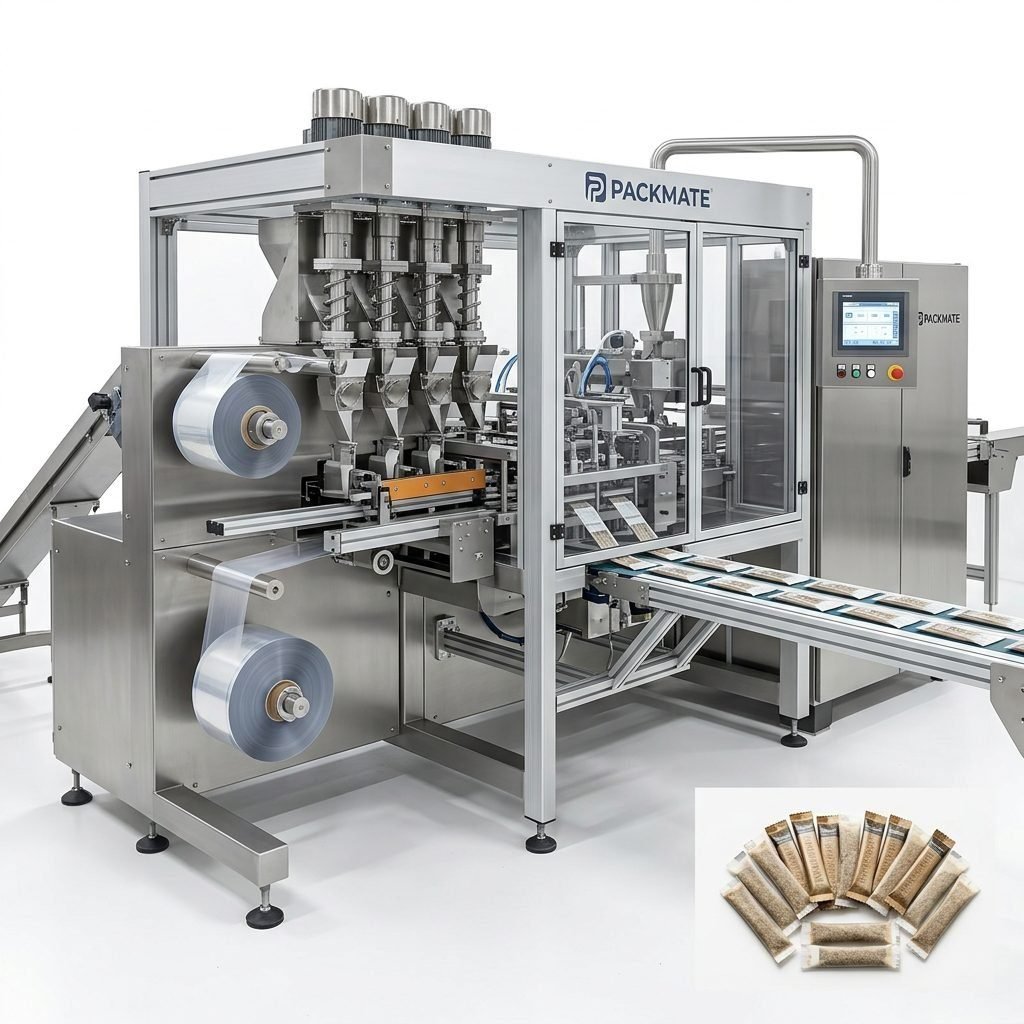
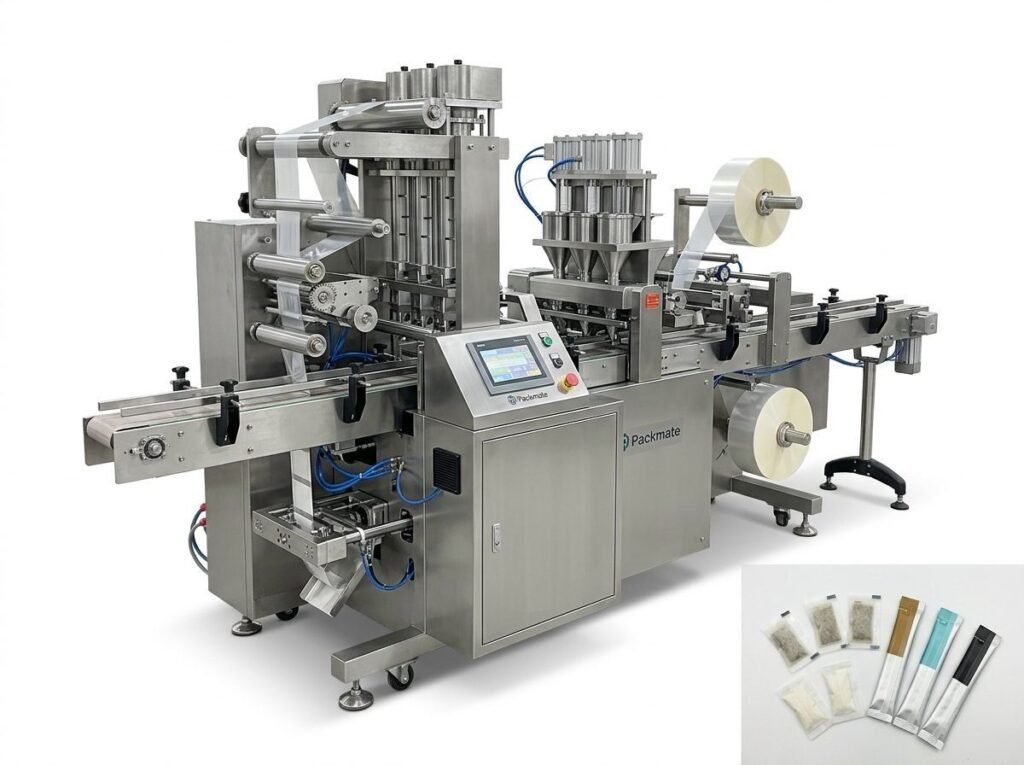
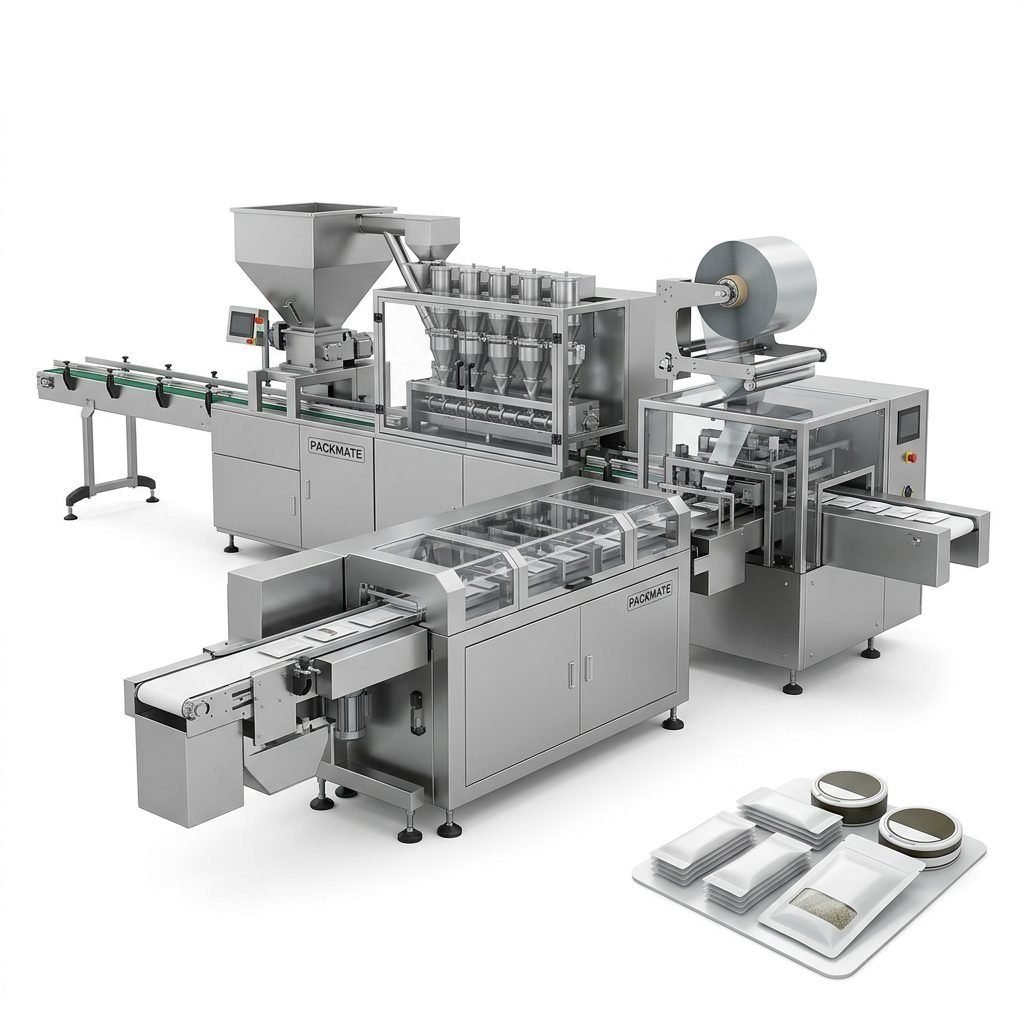
Modern lines integrate upstream and downstream equipment — dosing, conveyance, cartoning, and case packing. Evaluate whether the supplier offers turnkey systems or modular configurations so you can start with a core packer and upgrade later. Packmate offers full-line solutions covering snus, pouch, stick pack and more, which can simplify sourcing. See Snus & Nicotine Packaging Machines for product details.
Operational Considerations: What Uruguay-Based Producers Should Prioritize
For operations in Uruguay, prioritize reliability, ease of maintenance, and local technician support. Staff turnover can be low in small operations, so opt for machines with straightforward interfaces and bilingual manuals (Spanish/English). Energy efficiency and footprint are also important for cost control and factory layout.
🔧 Spare parts & after-sales — Confirm availability of wear parts, consumables, and remote diagnostic support. Suppliers with global service networks or clear spare-parts logistics are preferable.
If possible, select equipment that has been proven in similar climates. Uruguay’s mild, humid coastal environment means equipment should tolerate humidity without frequent calibration. Consider enclosures or climate controls for sensitive dosing systems.
Choosing Between Machine Types
Different product formats demand different technologies. Here’s a quick guide:
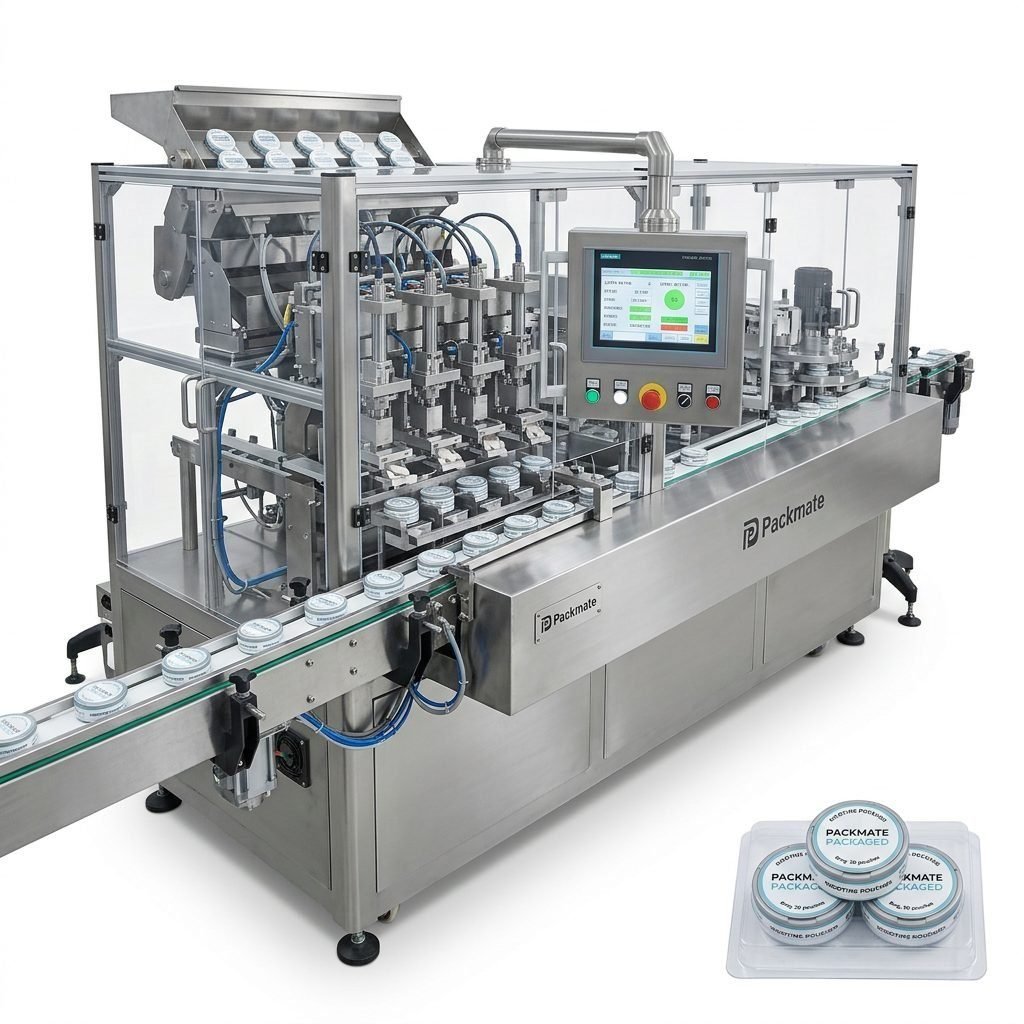
– Sachet & stick pack machines: great for single-dose, low-cost pouches. Good for rapid market testing and varied flavor SKUs. See Sachet & Stick Pack Machines.
– Multi-lane snus/nicotine pouch machines: ideal for small-dose pouches in high volumes. These often include precision dosing, pouch forming, and sealing in a compact footprint.
– Bag & pouch packaging machines: better for bulk or retail-ready bags; useful if you plan to produce varied retail sizes. See Bag & Pouch Packaging Machines.
Hybrid systems
If your product line includes both single-dose pouches and retail bags, consider a modular line that can connect a pouch machine to secondary packaging lines like cartoners or case packers. Suppliers experienced in full-line integration — such as those offering Filling & Packaging Lines — can minimize compatibility issues.
Quality, Compliance & Certifications
Choose machinery from manufacturers who provide international certifications and quality guarantees. CE and ISO compliance reduces regulatory friction and is often required for bank financing or insurance. Packmate’s equipment adheres to international standards, and their factory certifications and global cases are helpful indicators of reliability (see Certificate and Case).
📌 Documentation — Ask for test reports, material traceability, electrical schematics, and machine FAT (Factory Acceptance Test) videos before shipment.
Total Cost of Ownership (TCO) vs. Upfront Price
Do not base decisions solely on the lowest purchase price. Consider the TCO: energy consumption, spare parts costs, downtime risk, training needs, and expected lifespan. Machines built with better components may offer superior long-term ROI through lower maintenance and fewer production interruptions. Request lifecycle estimates and typical uptime statistics from your vendor.
Financing & leasing options in Uruguay
Local banks and equipment leasing companies sometimes provide financing for industrial machinery. Vendors with regional experience can help prepare technical and financial documentation required by lenders. Also inquire whether the supplier offers extended warranty or performance guarantees.
Vendor Selection & Site Acceptance Testing
Shortlist vendors based on references, factory tours (virtual or in-person), and sample production testing. A reliable vendor will invite you to witness machine demonstrations with your actual materials. Packmate offers demonstrations of snus packing machines and related lines — check their product pages and exhibition history for references (see About Packmate and Our Exhibition).
✅ Factory Acceptance Test (FAT) — Always require an FAT with your materials and parameters. Record the run for later verification and training.
Installation, Training & After-Sales Support in Uruguay
Ensure the supplier or a local partner can provide installation, commissioning, and operator training in Spanish. Remote support capability (video diagnostics, spare part shipping) is invaluable for Uruguay-based operations. Ask about preventive maintenance schedules and recommended spare-part kits to keep downtime low.
Local culture tip
Uruguayan business relationships value trust and clear communication. Arrange visits or virtual meetings to build rapport, and request bilingual documentation to avoid misunderstandings. Local technicians appreciate hands-on training and clear schematics to support long-term maintenance.
Checklist: Questions to Ask Your Machinery Supplier
Use this checklist during vendor evaluation:
– What is the guaranteed throughput under my product specifications?
– Can the machine run our exact film and pouch formats?
– Do you provide FAT with my materials and a video record?
– What are average spare part lead times to Uruguay?
– Is operator training available in Spanish?
– What warranty, service response time, and remote diagnostics are included?
For comprehensive packaging solutions you may want to explore supplier product ranges such as Weighing & Packaging Systems and Auxiliary Packaging Equipment to ensure compatibility across your production line.
Making the Final Decision
Balance technical fit, supplier reliability, and TCO. A well-documented purchase with FAT, clear spare parts strategy, bilingual training, and a local support plan will reduce operational risk in Uruguay. If you need turnkey solutions, choose a supplier experienced in multi-lane snus/nicotine lines and full-line integration — this often simplifies validation and regulatory compliance. See Filling & Packaging Lines and Case references for real-world examples.
📞 Next step — Contact reputable manufacturers and request references from Latin America. If you want to learn more about vendor capabilities and services, visit Contact Us and Service pages.
Useful links
Explore detailed machine categories and company background when shortlisting suppliers: Snus & Nicotine Packaging Machines, Bag & Pouch Packaging Machines, About Packmate, and Case.
Conclusion
Selecting the best nicotine packaging machinery for Uruguay means matching technical performance to local market preferences, ensuring regulatory and labeling compliance, and planning for reliable after-sales support. Prioritize machines with proven sealing and dosing performance, flexible lane configurations, and strong documentation. Partner with suppliers who provide FAT, bilingual training, and spare parts support to reduce risk and accelerate your launch.
Frequently Asked Questions
Q1: What certifications should nicotine packaging machines have for Uruguay?
A1: Prioritize CE and ISO certifications; also request material safety and electrical documentation. Ensure your supplier provides detailed manuals and test reports for customs and local regulators.
Q2: How soon can I expect spare parts delivery in Uruguay?
A2: Delivery times vary by supplier and part. Ask vendors for typical lead times and consider stocking critical wear parts locally to minimize downtime.
Q3: Is it better to buy a turnkey line or assemble equipment from different vendors?
A3: Turnkey lines reduce integration risk and simplify responsibility for performance, while modular sourcing can be cheaper but requires careful systems integration.
Q4: Do machines require special site preparations in Uruguay (power, floor, HVAC)?
A4: Yes — confirm electrical voltage, stable air supply, floor loading, and recommended HVAC for sensitive dosing equipment. Suppliers provide installation requirements during the quotation phase.
Q5: How can I validate machine performance before shipment?
A5: Require a Factory Acceptance Test (FAT) using your materials and parameters, request video documentation, and ensure acceptance criteria are written into the purchase contract.