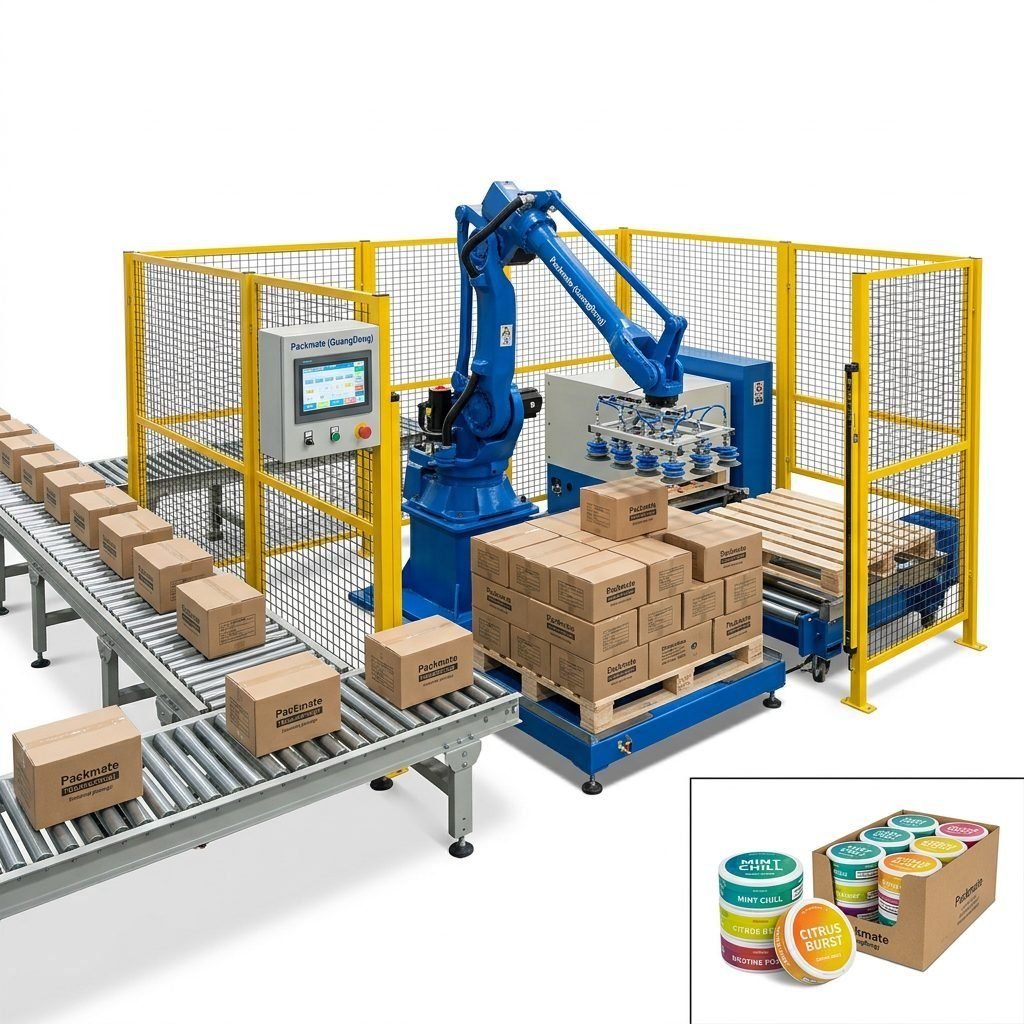
Choosing the right nicotine packaging machinery supplier for your factory in Mali is a strategic decision that affects product quality, production efficiency, regulatory compliance, and long-term profitability. This guide walks you through practical, Mali-specific considerations and actionable steps to select a supplier who can deliver reliable machines, local-ready support, and an adaptable packaging solution for snus and nicotine pouches.
Understand the Mali Market Context
Mali is a francophone West African country with unique logistics, climatic conditions, and consumer behaviors. When sourcing packaging machines, factor in local distribution channels (urban markets in Bamako, regional wholesalers, and informal retail networks), language requirements (French for labels and manuals), and infrastructure challenges such as intermittent power supply and high humidity during the rainy season.
Key Mali-specific considerations
- Labeling and documentation in French to meet local consumer expectations and inspection needs.
- Power resilience: machines that tolerate voltage fluctuations or can be paired with stabilizers/generators.
- Moisture control: packaging solutions that cope with seasonal humidity to maintain product stability.
- After-sales support and spare parts availability within West Africa or via fast shipping routes to Bamako.
Define Your Production and Product Requirements
Before contacting suppliers, map out your production profile: expected daily output, product formats (single-dose nicotine pouches, sachets, stick packs), line speed, and multi-lane needs. Consider future growth: a scalable multi-lane solution can increase capacity without requiring a complete line replacement.
Quick checklist
Production target: daily/weekly volumes — choose machine models that meet or exceed these targets.
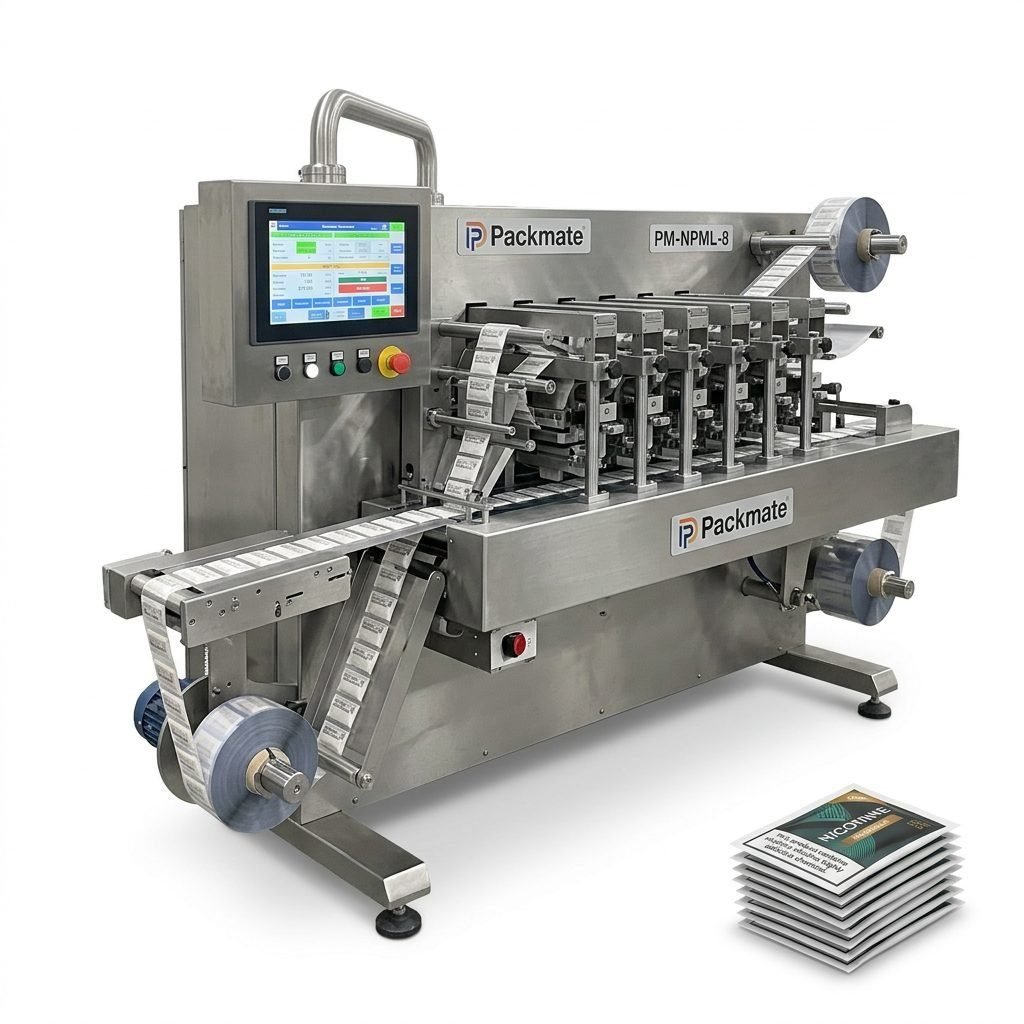
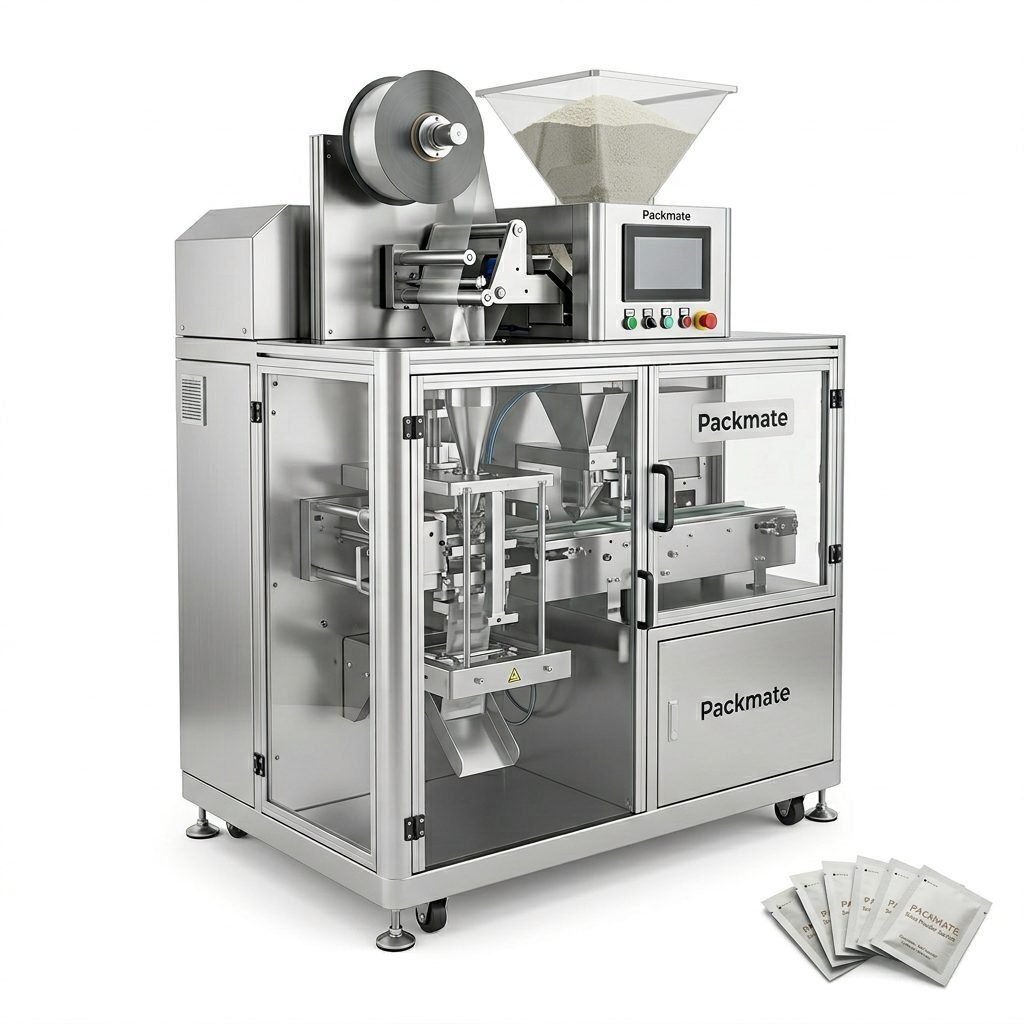
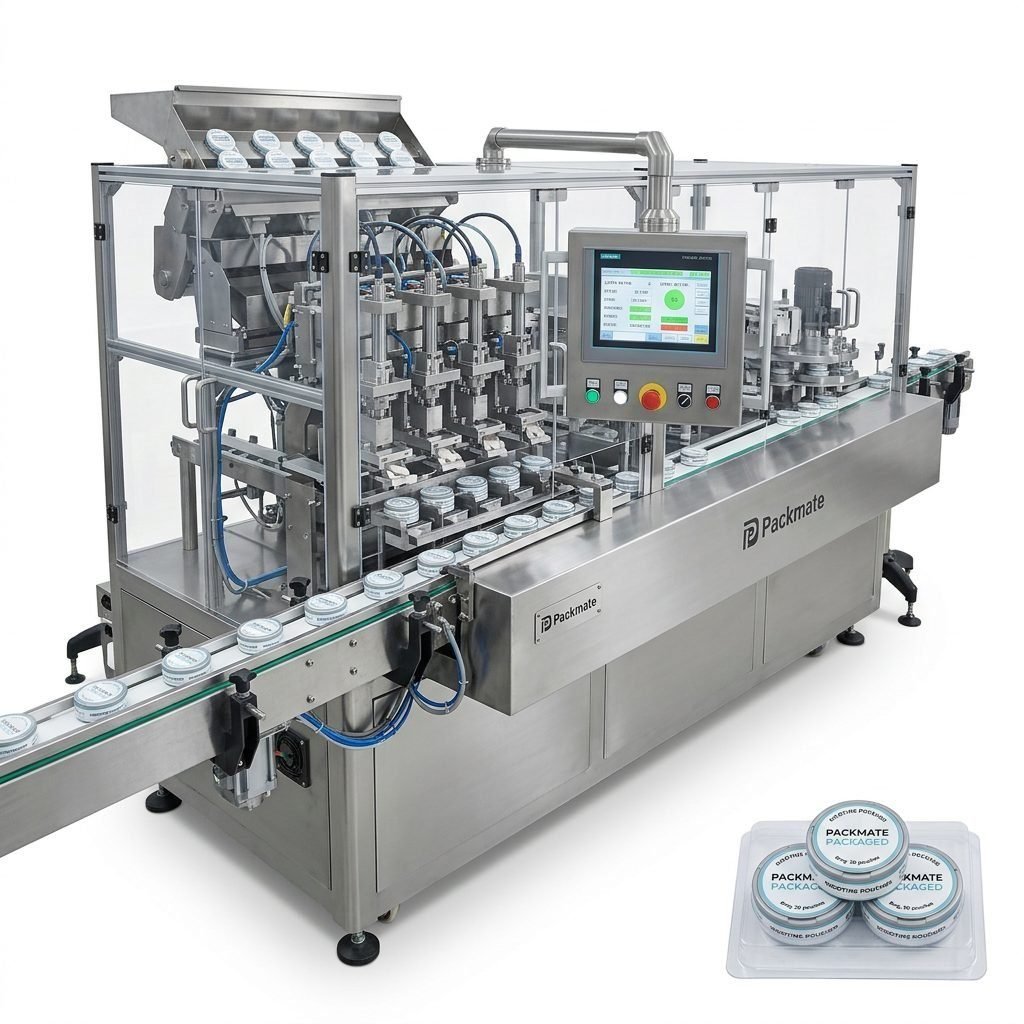
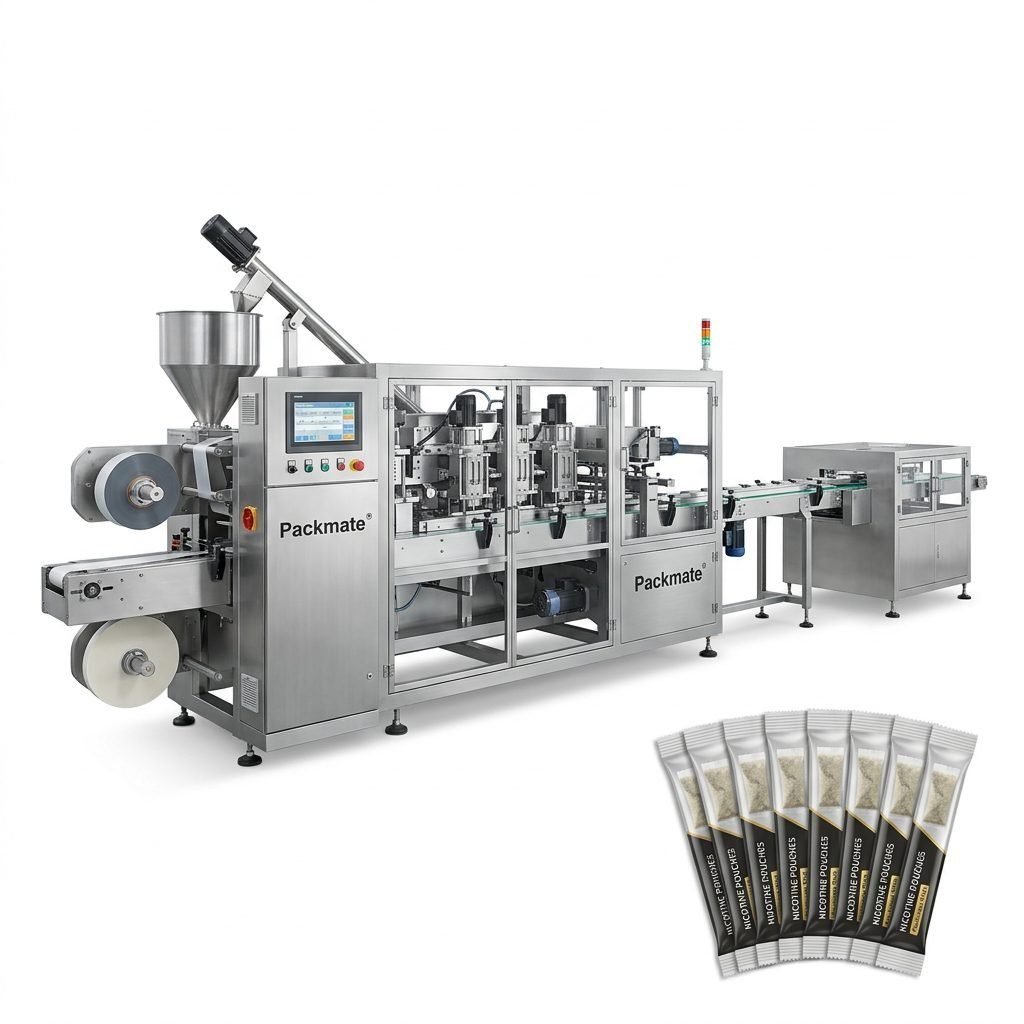
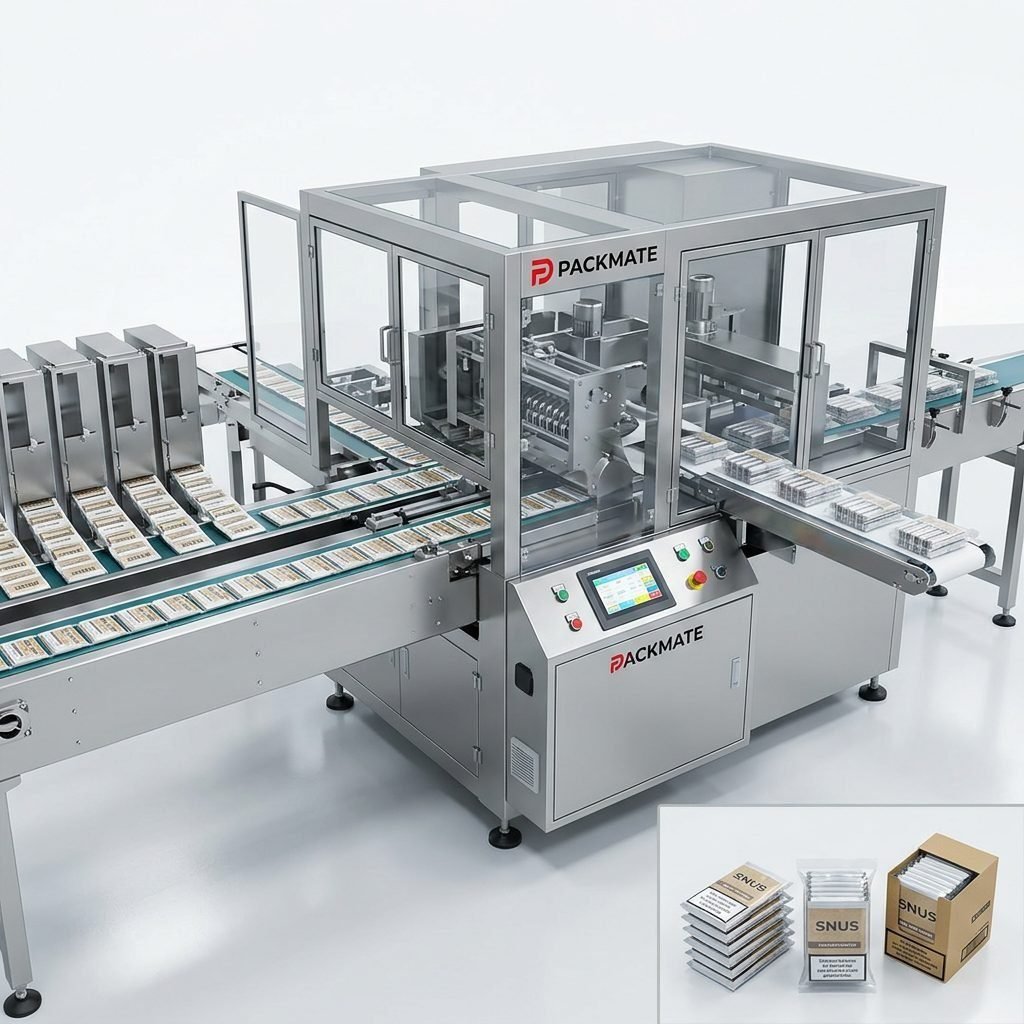
Product formats: nicotine pouches, sachets, stick packs — some suppliers offer specialized lines for snus & nicotine pouch packaging. For product options see Snus & Nicotine Packaging Machines.
Flexibility: will the line handle different weights, pouch sizes, and materials?
Evaluate Supplier Capabilities and Track Record
A strong supplier should demonstrate manufacturing scale, engineering expertise, and documented success in nicotine packaging. Look for suppliers with CE/ISO certifications, a diverse product range, and global case studies showing machines operating in climates similar to Mali’s.
What to request during evaluation
- Machine specifications, technical drawings, and electrical requirements.
- Factory photos, manufacturing capacity, and evidence of advanced CNC machining and assembly lines.
- References or case studies — ask for installations in Africa or similar environments. See sample projects at Case.
- Compliance documents (CE/ISO) and certificates for export and local market acceptance. More info at Certificate.
Assess Machine Design and Build Quality
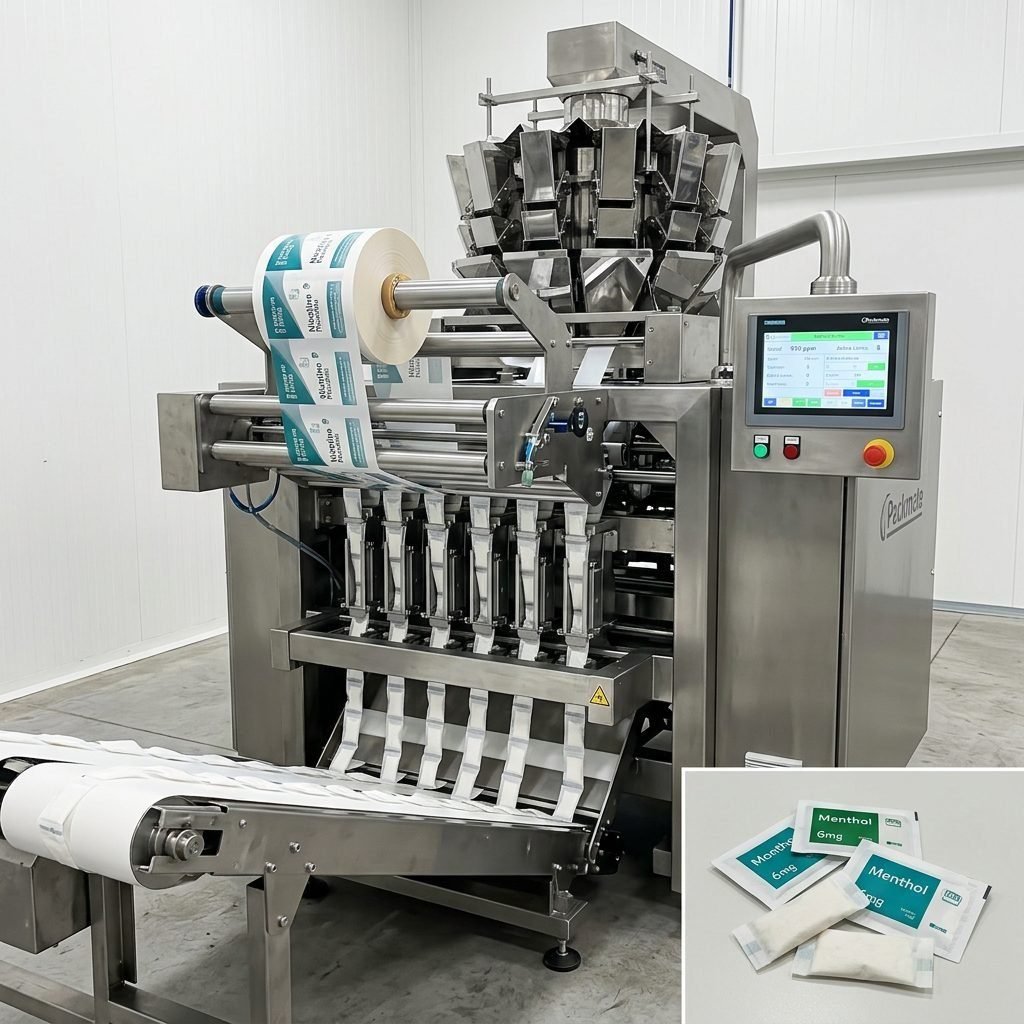
Build quality affects uptime and maintenance frequency. Prioritize suppliers using precision manufacturing, corrosion-resistant materials for humid climates, and modular designs that simplify maintenance. Multi-lane snus pouch machines with stable web handling perform well for small-dose products.
📦
Important: ask for mean time between failures (MTBF), spare parts list, and recommended maintenance schedule. Machines with localizable spare part kits reduce downtime in Mali.
After-Sales Service, Training, and Local Support
After-sales capabilities are often more important than the initial purchase price. Choose a supplier offering installation, commissioning, operator training, and remote troubleshooting. If they don’t have a Mali office, verify regional service partners or guaranteed spare part shipment times.
Service expectations to confirm
- On-site commissioning and operator training in French.
- Remote support via video call and diagnostic tools.
- Availability of critical spares and clear lead times for replacements.
- Service contracts and consumables supply plans aligned to your production rhythm.
Total Cost of Ownership and ROI
Price is one piece of the decision. Calculate total cost of ownership (TCO): purchase price, shipping, import duties, installation, training, spare parts, energy consumption, and expected lifetime. Compare TCO against expected throughput and margin improvements from reduced labor and waste.
✅
Do the math: estimate payback period based on incremental capacity, yield improvements, and lower labor costs. Also include downtime risk due to long spare-part lead times to Mali.
Logistics, Shipping and Installation in Mali
Shipping large packaging lines to Mali requires careful planning: port handling, clearance in Dakar or Abidjan (depending on route), inland transport to Bamako, and customs duties. Determine whether the supplier offers DDP (Delivered Duty Paid) options or can coordinate local customs brokers to avoid delays.
Power and site preparation
Ask suppliers for site electrical drawings, foundation requirements, compressed air needs, and recommended environmental controls (dehumidifiers or conditioned packaging rooms). In Mali, plan for voltage stabilizers and backup power for consistent operation.
Regulatory Compliance and Labeling
Nicotine products face regulatory scrutiny. Ensure packaging lines can print and apply legally required information (ingredients, health warnings, batch codes, expiry dates) in French and meet any import or retail labeling requirements imposed by Malian authorities. Work with legal counsel to confirm permitted claims and product categories.
Quality control and traceability
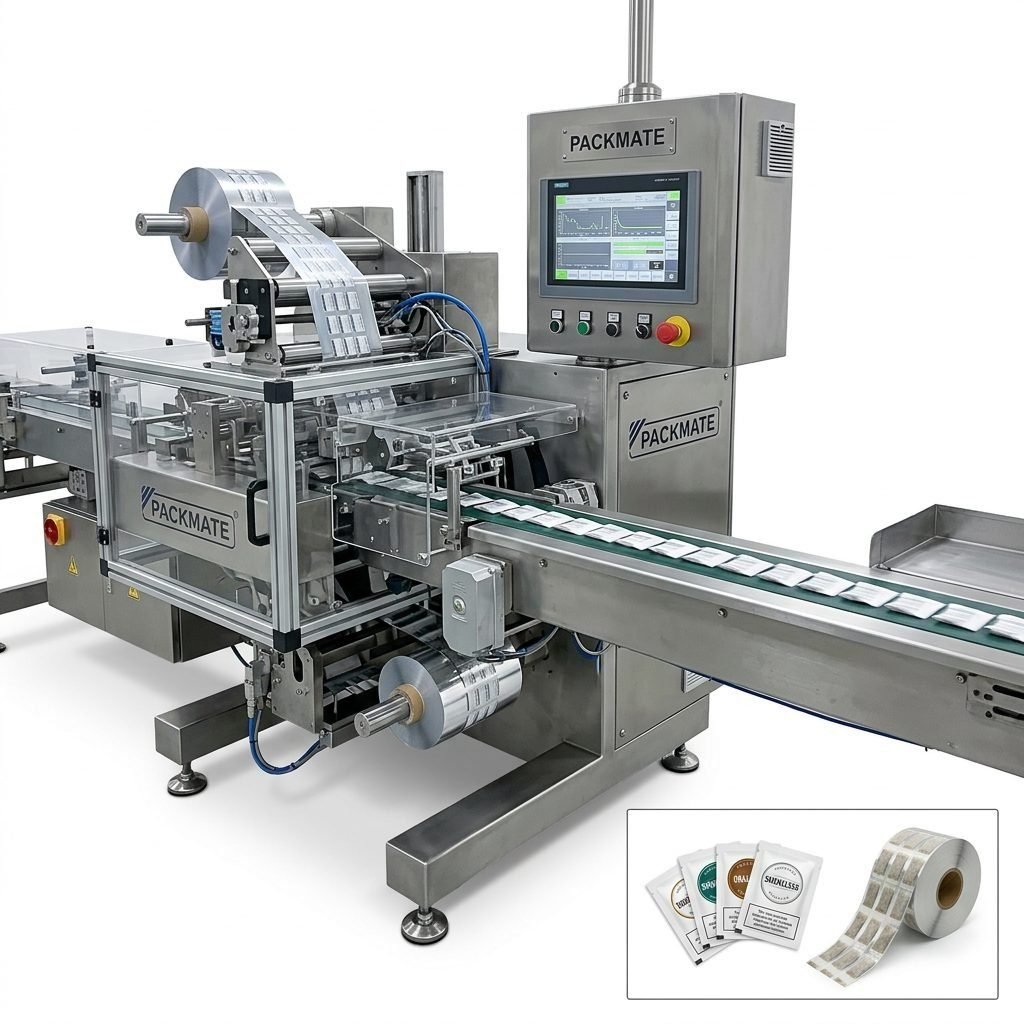
Prioritize machines that support serialization, batch coding, and inline inspection systems to prevent non-conforming product shipments. A supplier who integrates weighing and packaging systems can help maintain dose accuracy for every pouch — explore integrated options at Weighing & Packaging Systems.
Communication, Language and Cultural Fit
Clear communication matters. Suppliers who provide French-language manuals, training materials, and technical support will shorten learning curves and prevent misinterpretations. Also consider cultural fit: suppliers experienced with African markets often understand local timelines and logistics constraints.
Supplier transparency
Choose a supplier who shares clear lead times, documentation, and references. Companies with open factory tours, transparent QC processes, and published mission or company profiles show greater reliability — learn more about supplier background at About Packmate.
Visit, Pilot Runs and Acceptance Testing
If feasible, visit the supplier’s factory or attend an exhibition where machines run live. A FAT (Factory Acceptance Test) reduces risk: run your actual product or a close surrogate through the line, verify yields, speeds, and packaging integrity. If you cannot visit, request detailed video demonstrations and remote FAT options.
🔧
Note: confirm acceptance criteria and penalties for non-conformance before shipment to avoid disputes upon arrival in Mali.
Negotiation Tips and Contracts
Negotiate clear terms covering warranty, spare parts supply, training, performance guarantees, and payment milestones. Favor suppliers offering a warranty that covers major components and a responsive spare parts program. If you need financing, check whether the supplier provides payment terms or can recommend export financing options.
Contract essentials
- Detailed scope of supply and technical specifications.
- Warranty length and coverage details.
- Delivery schedule, shipping incoterms, and acceptance testing protocol.
- After-sales service obligations and spare parts lead times.
Why Packmate-style Suppliers Are a Strong Option for Mali
Manufacturers with decades of engineering experience, comprehensive product lines (from snus and nicotine pouch machines to weighing and filling systems), and strong factory capabilities provide predictable outcomes. Suppliers presenting global turnkey solutions and exhibition presence demonstrate reliability and cross-market experience—important when entering or scaling in Mali.
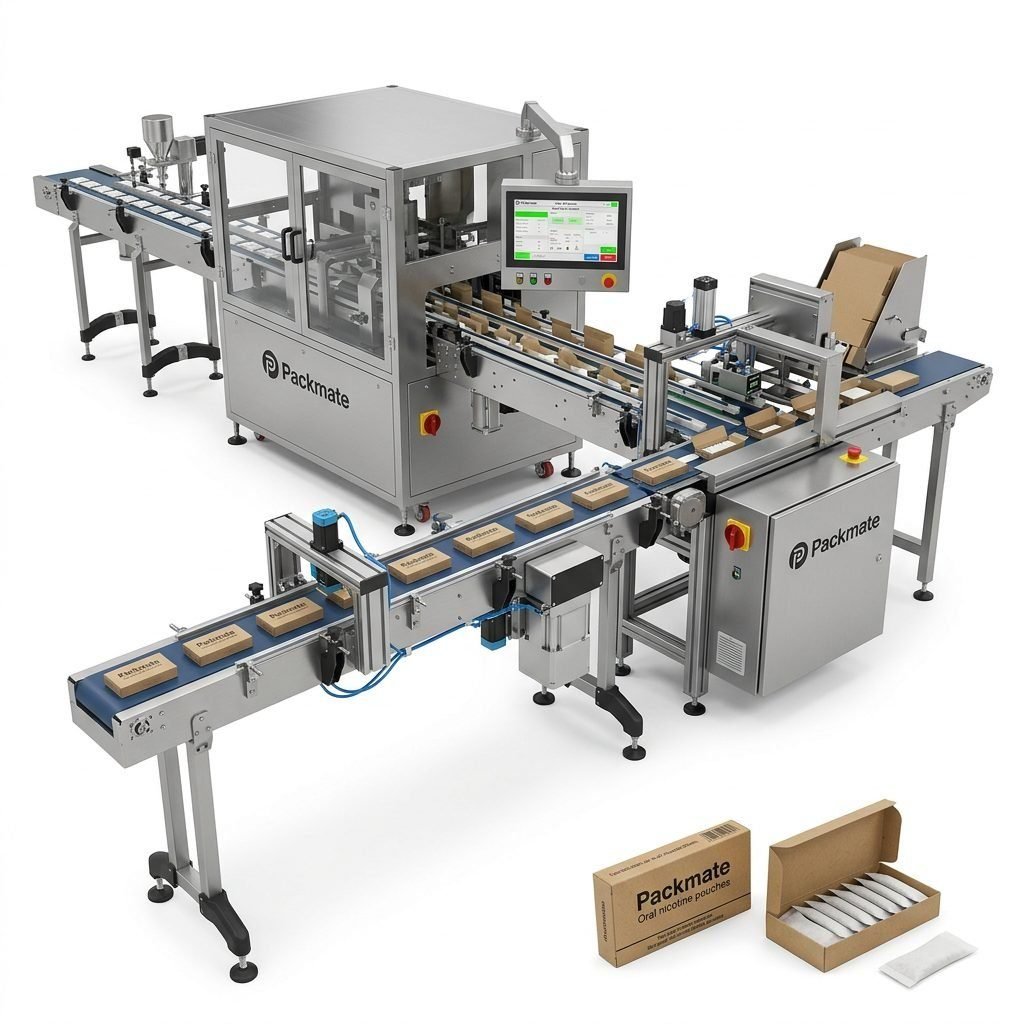
If you want to explore integrated packaging lines, consider suppliers who provide modular systems covering packaging, weighing, filling, and auxiliary equipment such as the offerings found under Filling & Packaging Lines and Bag & Pouch Packaging Machines.
📞
Next step: contact suppliers with a clear RFP (requirements and target volumes). If you’d like to contact a supplier experienced in snus and nicotine pouch lines, see Contact Us.
Final recommendations
In summary, prioritize suppliers that combine reliable machine design, CE/ISO compliance, clear after-sales support, and readiness for Mali’s logistical and climatic realities. Validate suppliers with live demonstrations, reference checks, and a comprehensive TCO analysis. With the right partner, your factory can achieve consistent, compliant, and cost-effective nicotine pouch production tailored to Mali’s market.
Common Questions
Q1: How important is French documentation and training for Mali?
A: Very important — French labeling, manuals, and training reduce operational errors and ensure regulatory acceptance.
Q2: What lead times should I expect for machines delivered to Bamako?
A: Typical lead times vary by model and customization: expect factory build + testing (6–16 weeks) plus shipping and customs (2–8 weeks). Plan for contingencies.
Q3: Are spare parts easy to obtain in Mali?
A: It depends on the supplier. Choose partners with regional inventory or fast international shipping and negotiate spare parts kits with the initial purchase.
Q4: How do I ensure regulatory compliance for nicotine products in Mali?
A: Work with legal counsel familiar with Malian import and health regulations, ensure accurate French labeling, and have traceability systems in place on the production line.
Q5: Which machine types should I consider first?
A: Start with multi-lane snus/nicotine pouch machines if you expect high-volume small-dose production, or flexible sachet/stick-pack machines for varied SKUs; see product categories at Sachet & Stick Pack Machines.