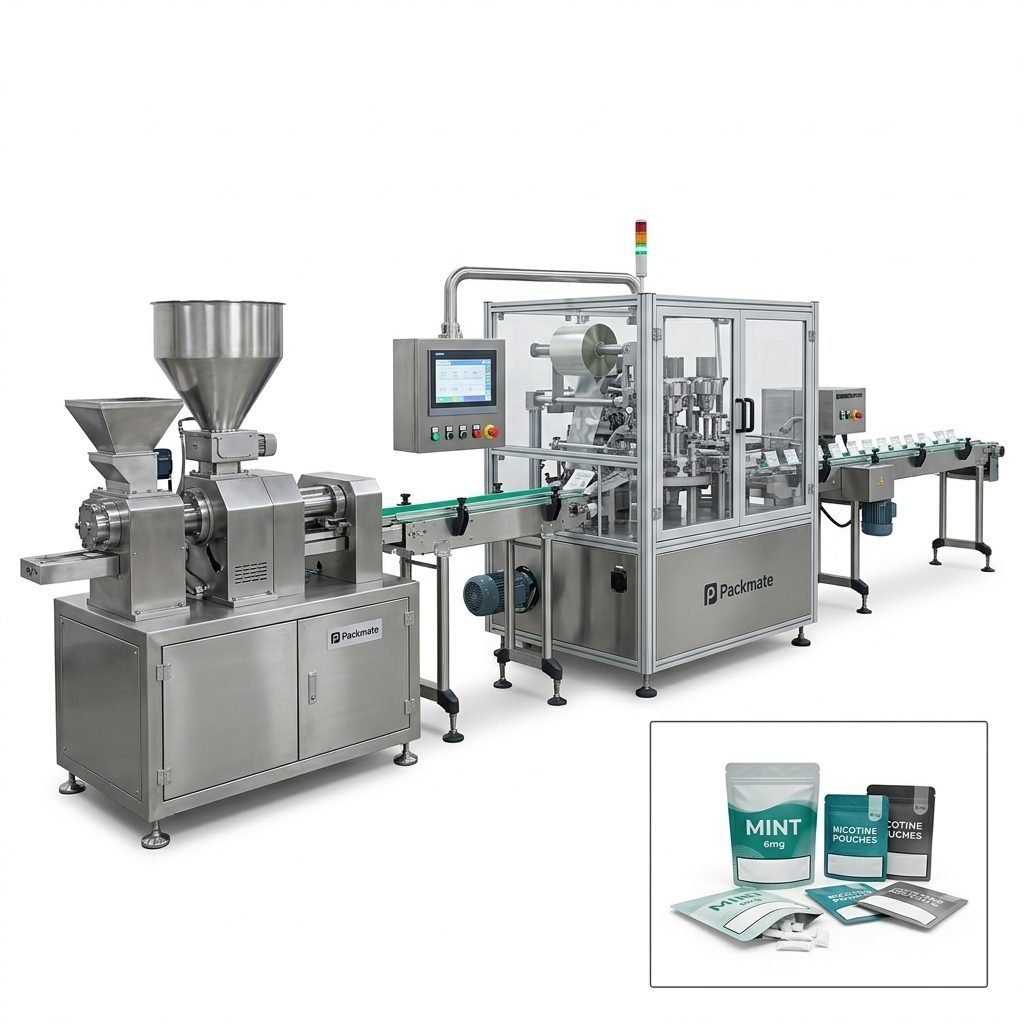
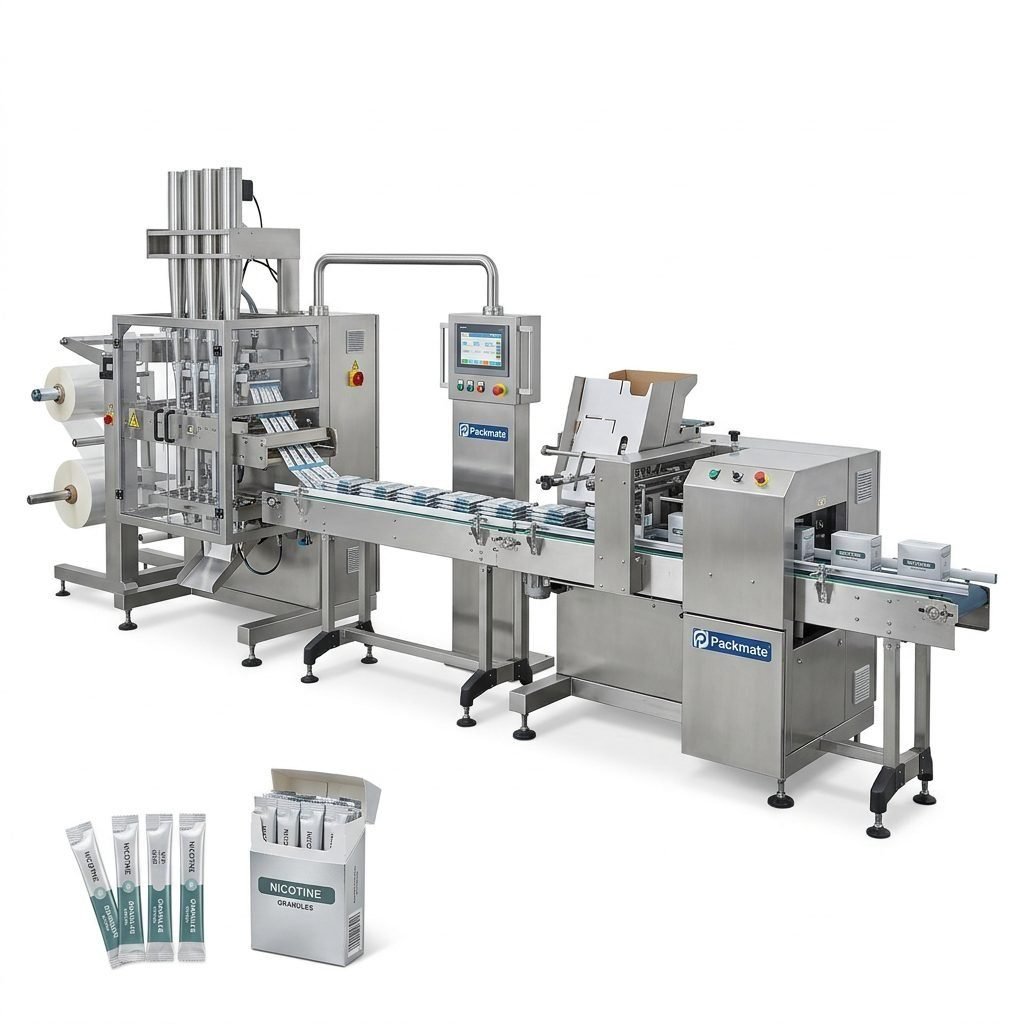
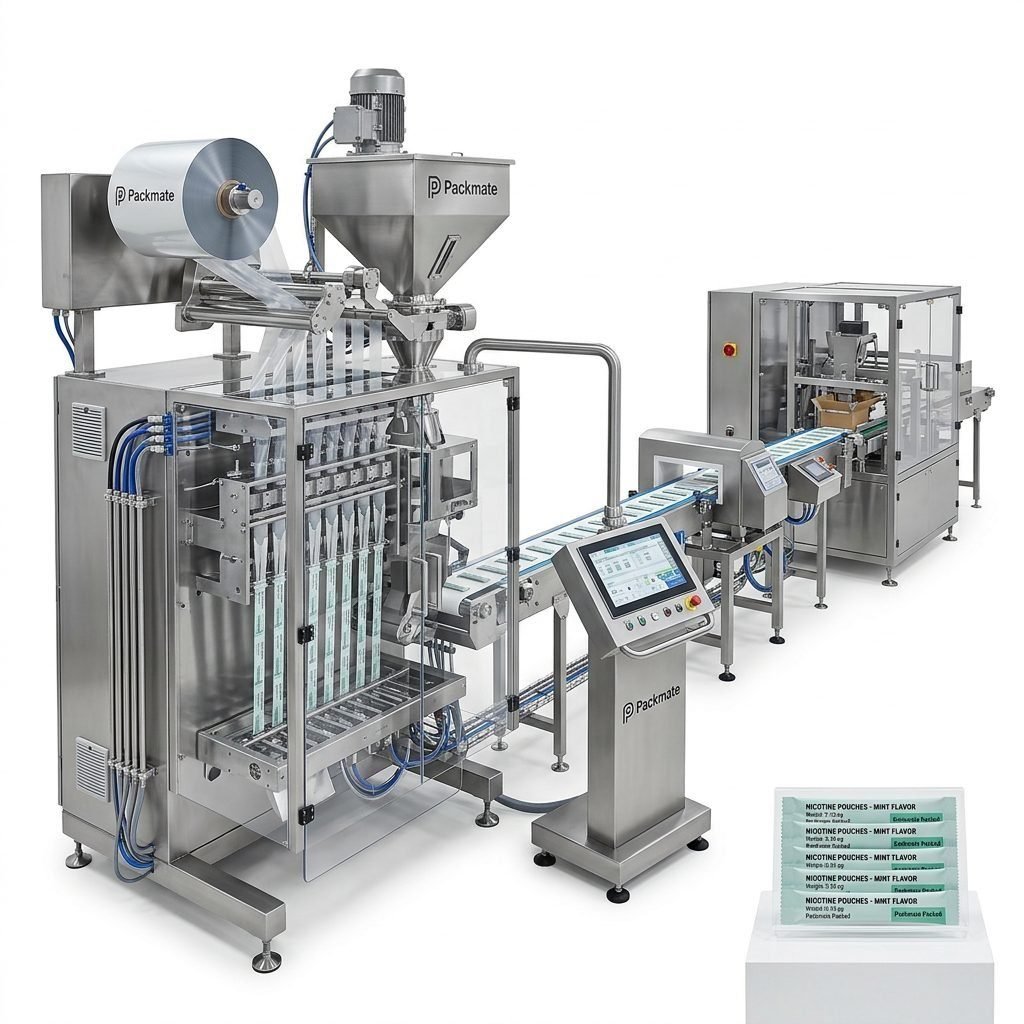
The global demand for efficient and compliant snus and nicotine pouch production has driven rapid innovation in packing technology. This guide explains everything you need to know about snus filling and sealing machines, including machine types, core features, selection criteria, integration tips, and maintenance best practices. Whether you are evaluating a first small-scale line or upgrading to a high-speed multi-lane system, this article gives practical guidance to help you choose the best solution.
What Is a Snus Filling and Sealing Machine?
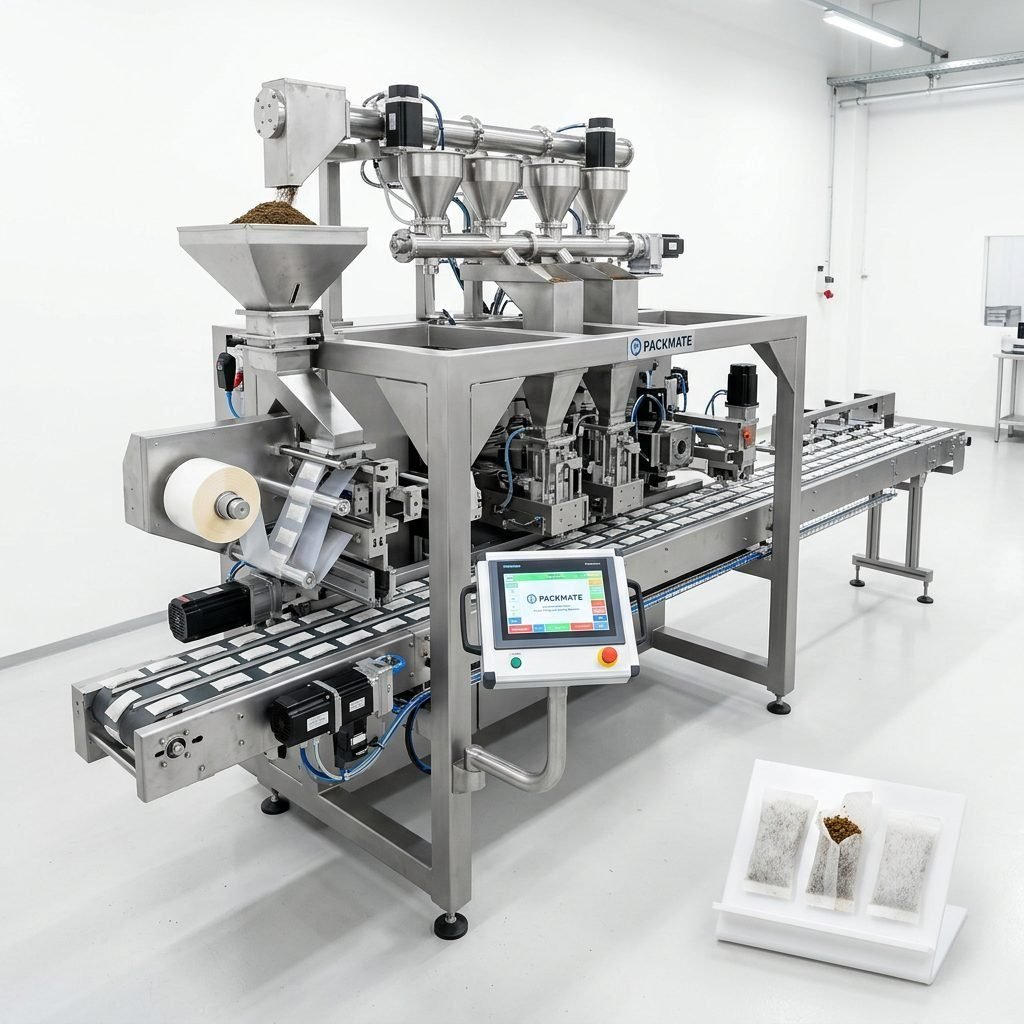
A snus filling and sealing machine is a specialized packaging system designed to accurately fill nicotine pouches, snus sachets, stick packs, or pouches and then hermetically seal them to preserve freshness and ensure safety. These machines can handle powders, granules, small solids, and sometimes liquids, depending on the feeding and dosing systems. Typical operations include pouch/forming, dosing, sealing, cutting, and final discharge.
Core benefits
✓ Improved product consistency
✓ Higher throughput with lower labor costs
✓ Reduced contamination risk and longer shelf life
Types of Snus Filling & Sealing Machines
Selection depends on product form, target speed, and packaging format. Below are common machine families:
1. Sachet & Stick Pack Machines
Sachet and stick pack machines are ideal for single-dose pouches and sticks with simple longitudinal or pillow seals. They are flexible for different pouch lengths and are commonly used for nicotine pouches and similar sachets. For more details and models, see the Sachet & Stick Pack Machines catalog.
Explore Sachet & Stick Pack Machines
2. Multi-Lane Pouch Machines
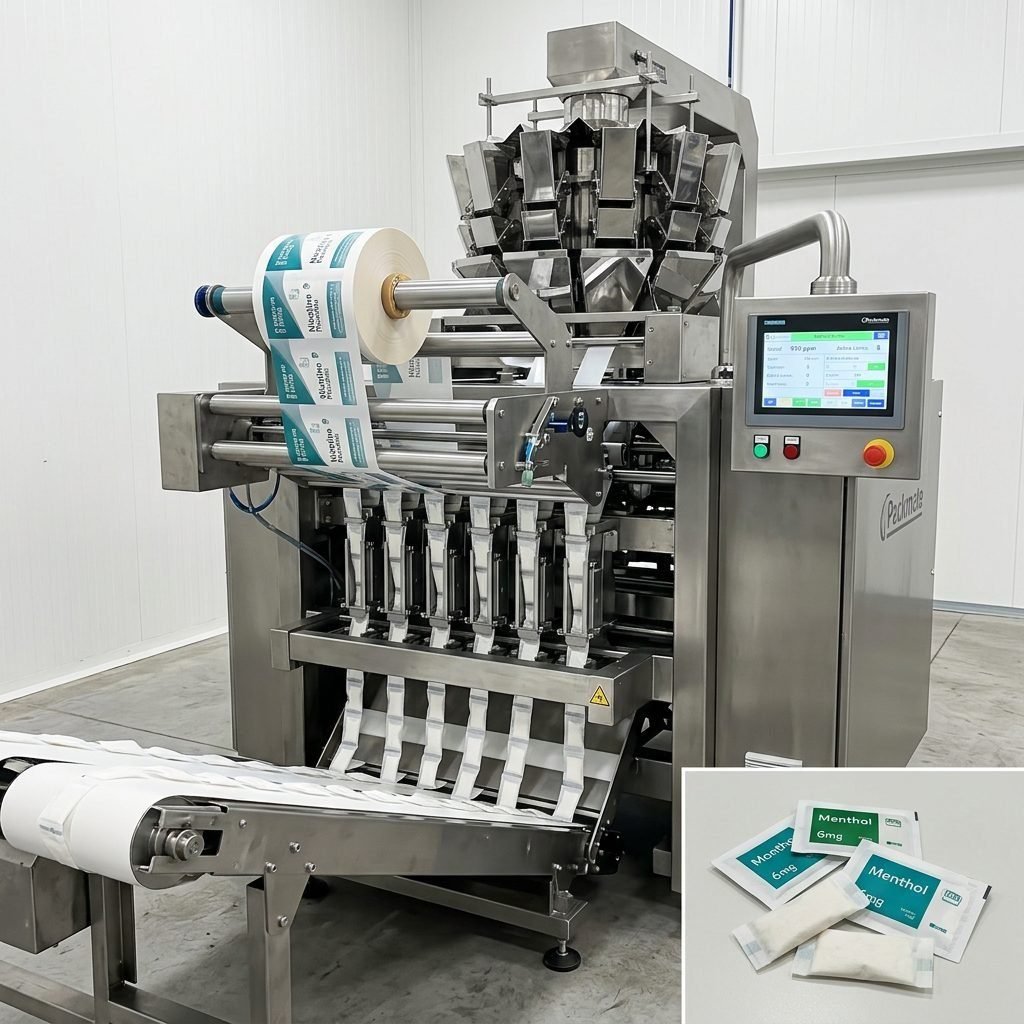
Multi-lane systems increase throughput by producing multiple pouches per cycle. They are the best choice for high-volume snus production with small-dose pouches. These systems require precise synchronization between feeding and sealing modules.
3. Pre-Made Pouch Filling & Sealing Machines
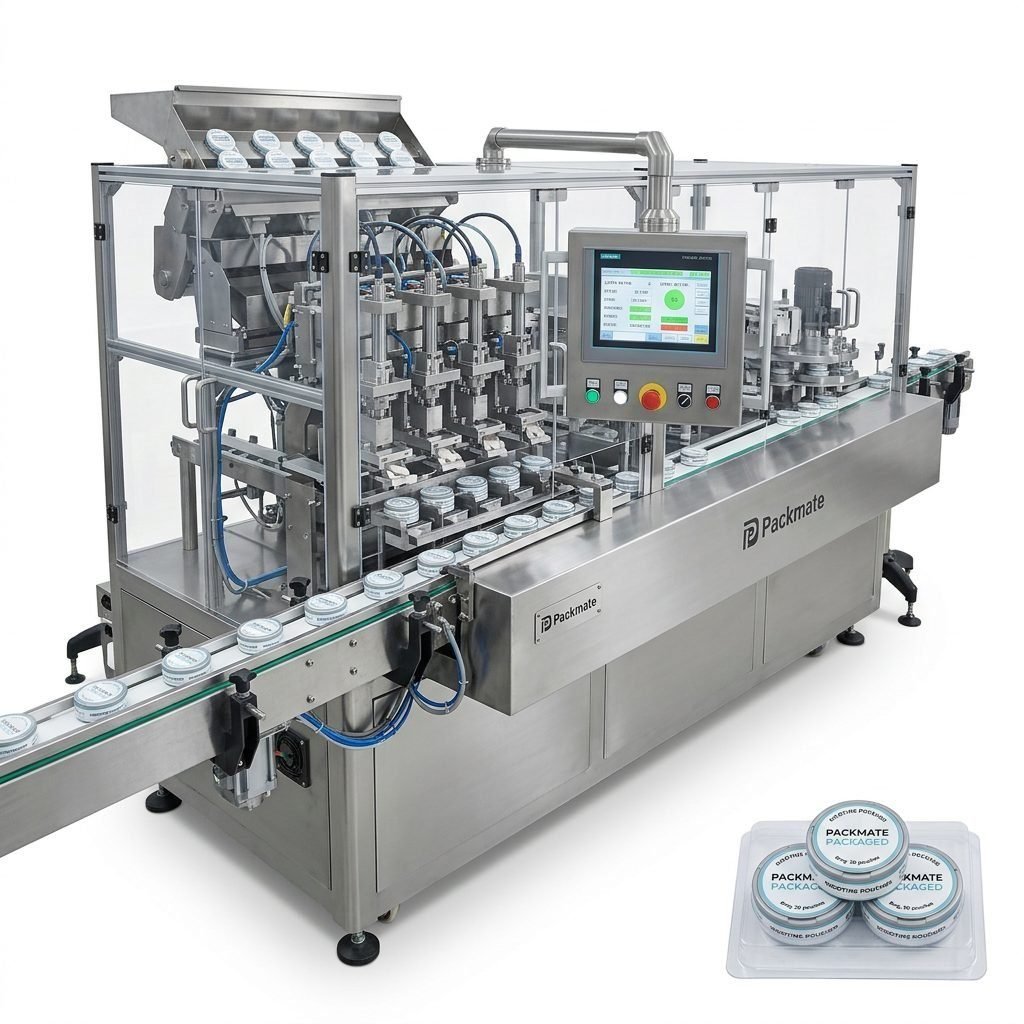
When using pre-made bags or pouches, these machines provide flexible filling and top or lap sealing options. They are suitable where film forming is not required or for specialty materials.
4. Integrated Filling & Packaging Lines
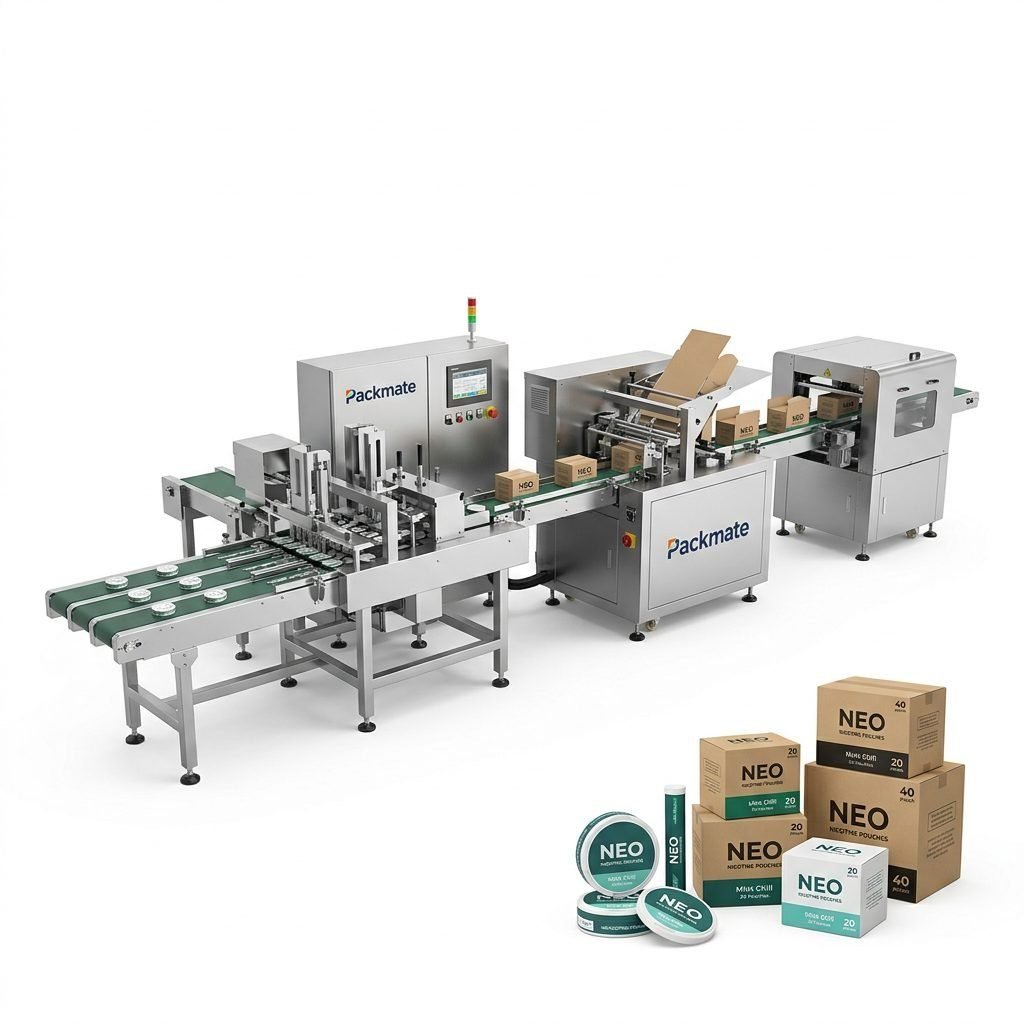
Complete lines combine dosing, pouch forming, sealing, secondary packaging, and case packing into a turnkey solution. These are recommended for manufacturers seeking end-to-end automation. Browse Filling & Packaging Lines to see typical integrated configurations.
View Filling & Packaging Lines
Key Features to Look For
Not all machines are equal. Focus on performance, hygiene, and maintainability:
⚙️ Precision dosing: Gravimetric or volumetric systems tailored to small-dose nicotine pouches ensure consistent weight and reduce giveaway.
🔒 Reliable sealing: Heat-sealing controls, cooling stations, and seal inspection systems to prevent leaks and ensure airtight pouches.
🤖 Automation & PLC control: Intuitive HMI, recipe storage, and servo-driven modules for fast changeovers.
🧼 Hygienic design: Easy-to-clean surfaces, accessible wear parts, and CIP-friendly features where applicable.
Production Components & Materials Handling
Effective snus lines combine several subsystems. Understanding each helps when specifying equipment:
Feeding & Dosing
Options include screw feeders, vibratory feeders, and multi-head weighers for granular or powdered blends. For micro-doses, gravimetric systems or precision auger fillers are preferred to maintain accuracy and reduce variation.
Film/Forming Station
For form-fill-seal units, film unwinding, registration, and tension control are critical. Film quality and sealant compatibility determine long-term seal integrity.
Sealing & Cutting Units
Heat and ultrasonic sealing are common. Seal bar temperature control, dwell time settings, and cut accuracy must match the pouch material and product characteristics.
How to Choose the Best Machine: A Practical Checklist
Use the following checklist to compare vendors and models. This helps reduce risk and ensures the machine fits your production goals.
📌 Throughput needs: Maximum pouches/min and lanes required.
📌 Accuracy: Weight tolerance for each dose and rejection systems.
📌 Material compatibility: Films, laminates, and pouch types.
📌 Hygiene & cleaning regime: CIP/clean down time and accessibility.
📌 After-sales support & spare parts: Local service, training, and lead times.
Automation, Integration, and Turnkey Solutions
For production scale-up, look for vendors that offer complete lines, including upstream dosing and downstream secondary packaging. A single-source supplier reduces integration risks and ensures consistent control logic across modules. Packmate (GuangDong) provides turnkey options with full line engineering for snus and nicotine pouch production — learn more About Packmate for supplier details.
About Packmate
Smart features to request
Recipe management, remote diagnostics, and PLC data logging for traceability. Integration-ready communication (OPC-UA, Ethernet/IP) simplifies MES and ERP connectivity.
Quality Control & Regulatory Compliance
Snus manufacturers face specific safety and labeling requirements. Machines should support controlled environments, metal detection, and in-line checkweighing. Equipment certified to CE and ISO standards demonstrates compliance with international safety and manufacturing norms.
Maintenance and Lifecycle Considerations
Predictable uptime relies on easy maintenance and local spare parts availability. Ask vendors for preventive maintenance schedules, recommended spare parts lists, and training packages. Consider modular machines for simpler part swaps and faster repairs.
🔧 Common service items: Sealing bars, belts, bearings, servo motors, and dosing screws.
📦 Spare parts lead time: Local stock reduces downtime — confirm partner inventory levels.
Case Applications: Where These Machines Shine
Typical uses include nicotine pouch manufacturing, herbal and tobacco-free snus, tea sachets, and small-dose powder products. Packmate’s global installations demonstrate adaptability across product types and markets. See real-world Case examples for reference.
View Case Studies
Return on Investment & Cost Factors
Evaluate TCO (total cost of ownership), not just purchase price. Consider energy consumption, labor savings, consumables cost, waste reduction, and regulatory compliance benefits. Higher initial investment in precision dosing and multi-lane systems often pays back quickly through higher output and less product waste.
Choosing a Supplier: What to Ask
When vetting manufacturers, request factory tours, performance videos, and client references. Confirm certification documents, testing procedures, and acceptance criteria for FAT and SAT. If you need a broad equipment range, explore Snus & Nicotine Packaging Machines and Bag & Pouch Packaging Machines for supplier capabilities.
Snus & Nicotine Packaging Machines
Bag & Pouch Packaging Machines
Final Checklist Before Purchase
• Confirm throughput and accuracy under full load
• Validate material compatibility and sample runs
• Ensure hygienic design and easy cleaning
• Check certifications (CE, ISO) and warranty terms
• Confirm spare parts support and training options
Next Steps: Getting a Quote and Pilot Runs
Ask suppliers for a formal quote that includes FAT (Factory Acceptance Test) conditions, acceptance criteria, and sample production runs. Many manufacturers will offer pilot trials or demo videos. If you require a tailored multi-lane solution, consider contacting vendors that provide complete Weighing & Packaging Systems to ensure upstream consistency.
Weighing & Packaging Systems
Summary and Key Takeaways
• Match machine type to product format: Form-fill-seal for film-based pouches; pre-made fillers for custom pouches.
• Prioritize dosing accuracy and sealing reliability to reduce waste and ensure compliance.
• Consider turnkey suppliers for simplified integration and proven delivery timelines.
Frequently Asked Questions
Q1: What is the typical throughput of snus pouch machines?
A: Throughput varies widely — single-lane sachet machines may produce tens to a few hundred pouches per minute; multi-lane systems can multiply that output according to lanes and dosing rate. Always validate with product samples.
Q2: How do I ensure dosing accuracy for very small nicotine doses?
A: Use precision volumetric or gravimetric dosing systems, such as micro-augers, gravimetric feeders, or multi-head weighers tuned for small weights. In-line checkweighers and reject mechanisms maintain quality control.
Q3: Are turnkey filling & packaging lines available?
A: Yes. Many manufacturers provide integrated filling and packaging lines, delivering feeders, forming, sealing, and secondary packaging as a coordinated system. See Filling & Packaging Lines for examples.
Q4: What certifications should I look for?
A: CE and ISO compliance are standard indicators of safety and quality. Additionally, confirm compliance with local regulatory requirements for nicotine product handling and manufacturing.
Q5: How do I evaluate a supplier’s after-sales support?
A: Ask for references, spare parts lead times, training packages, and options for remote diagnostics or on-site service contracts. Reliable partners provide clear SLAs and local technical support where possible.