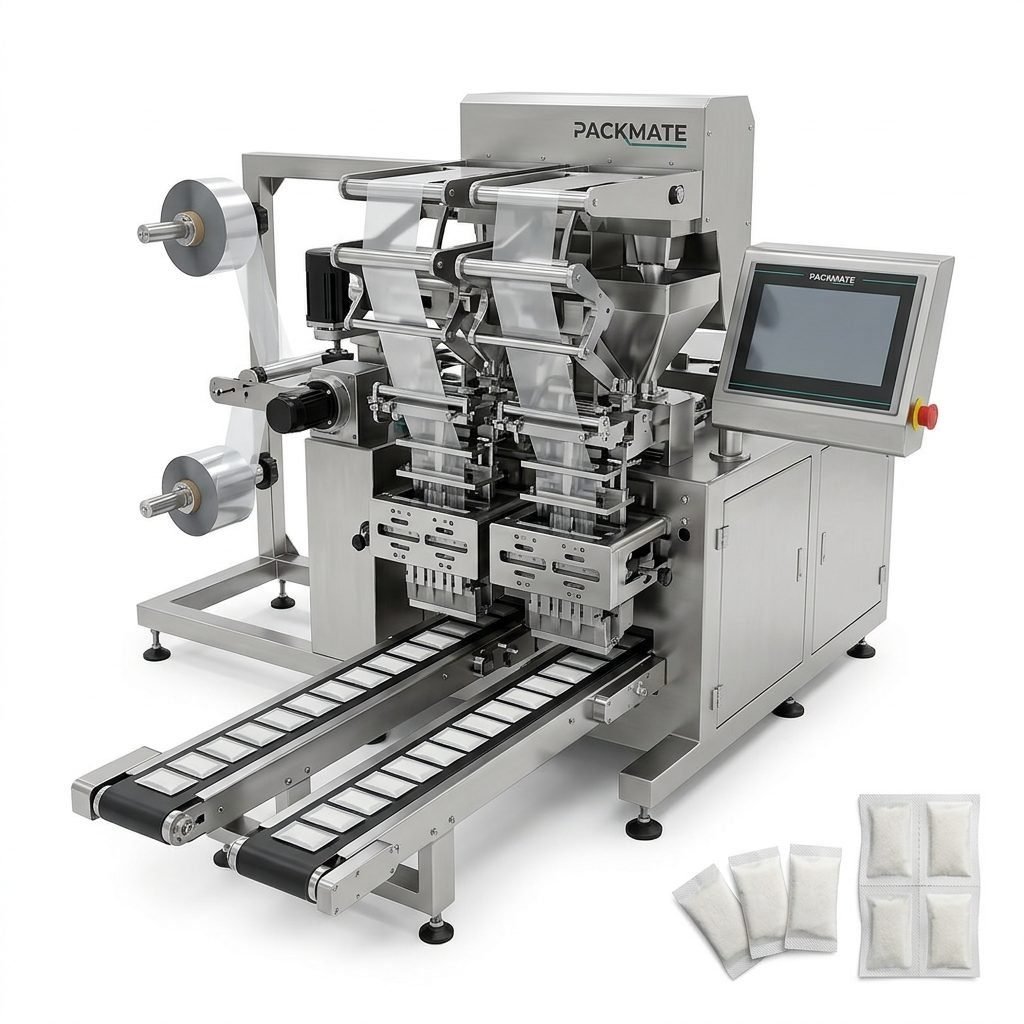
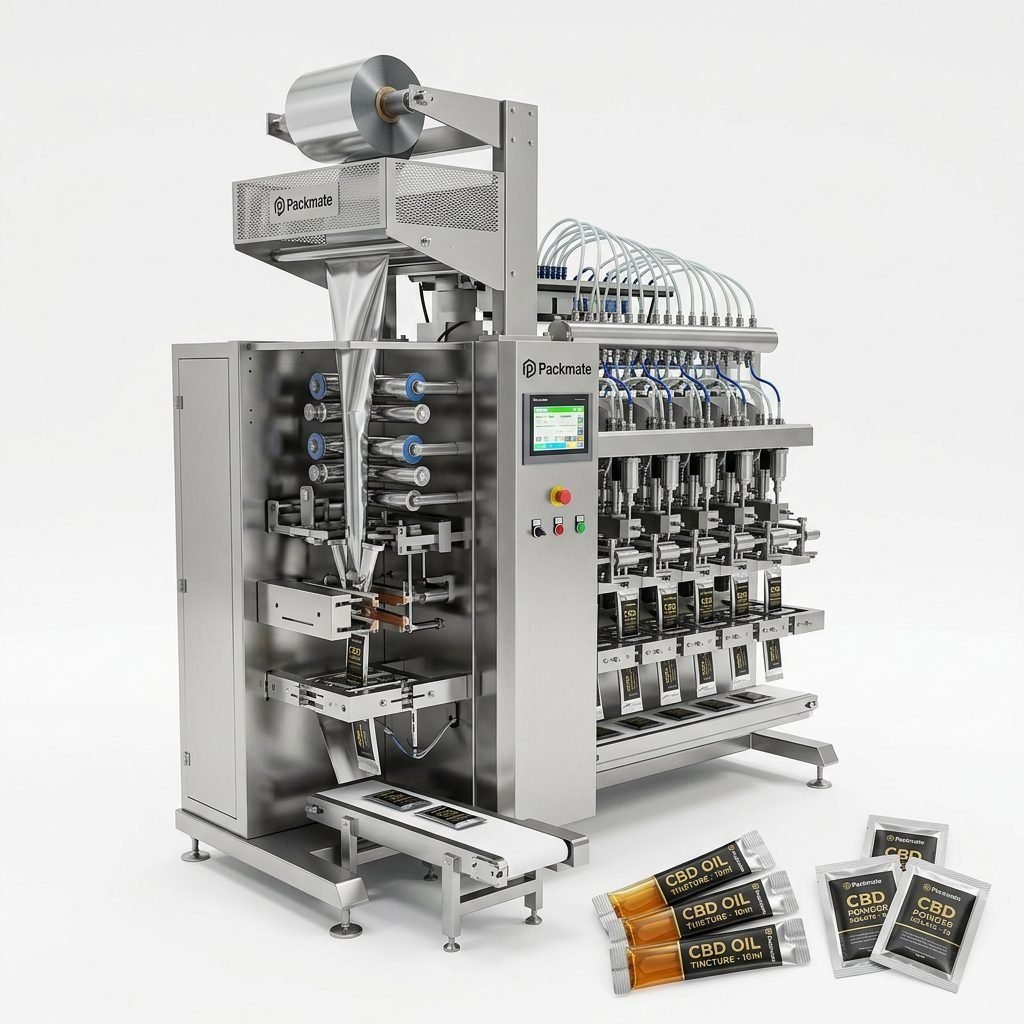
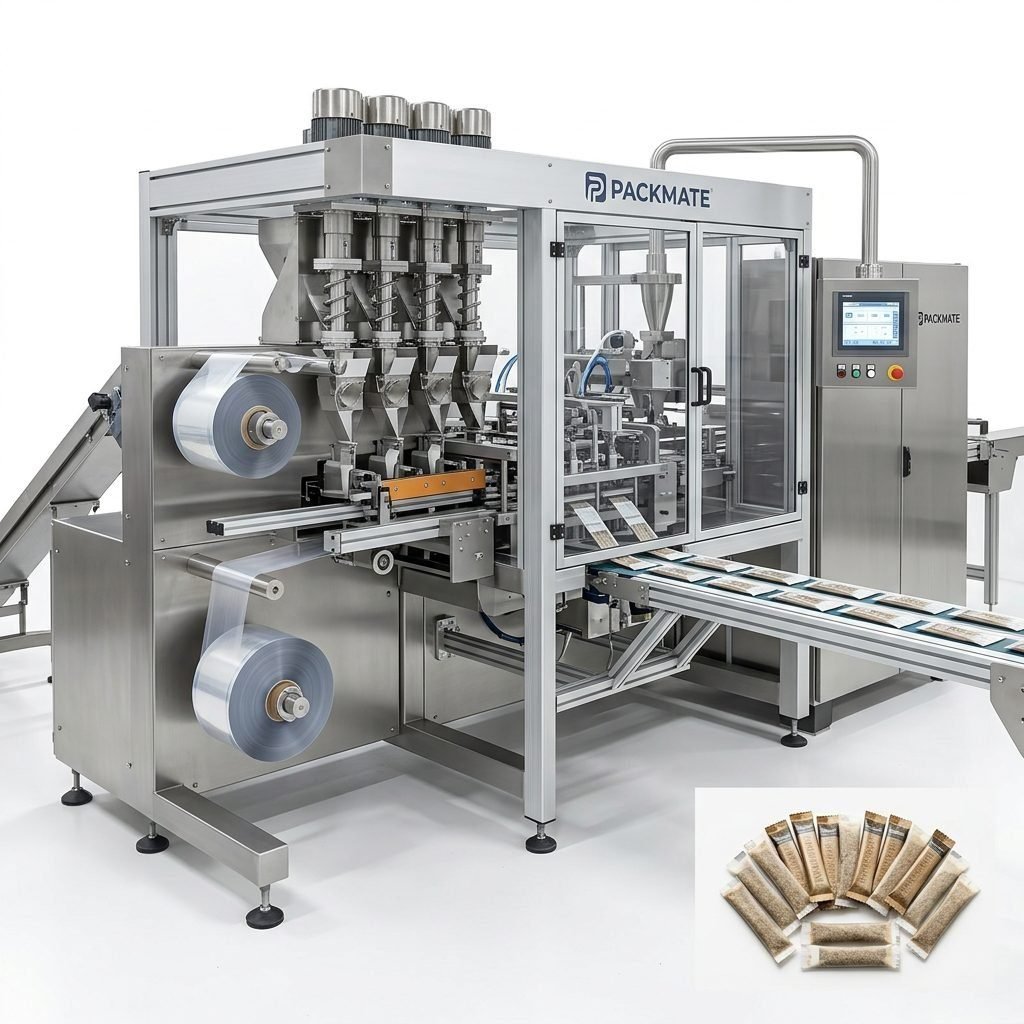
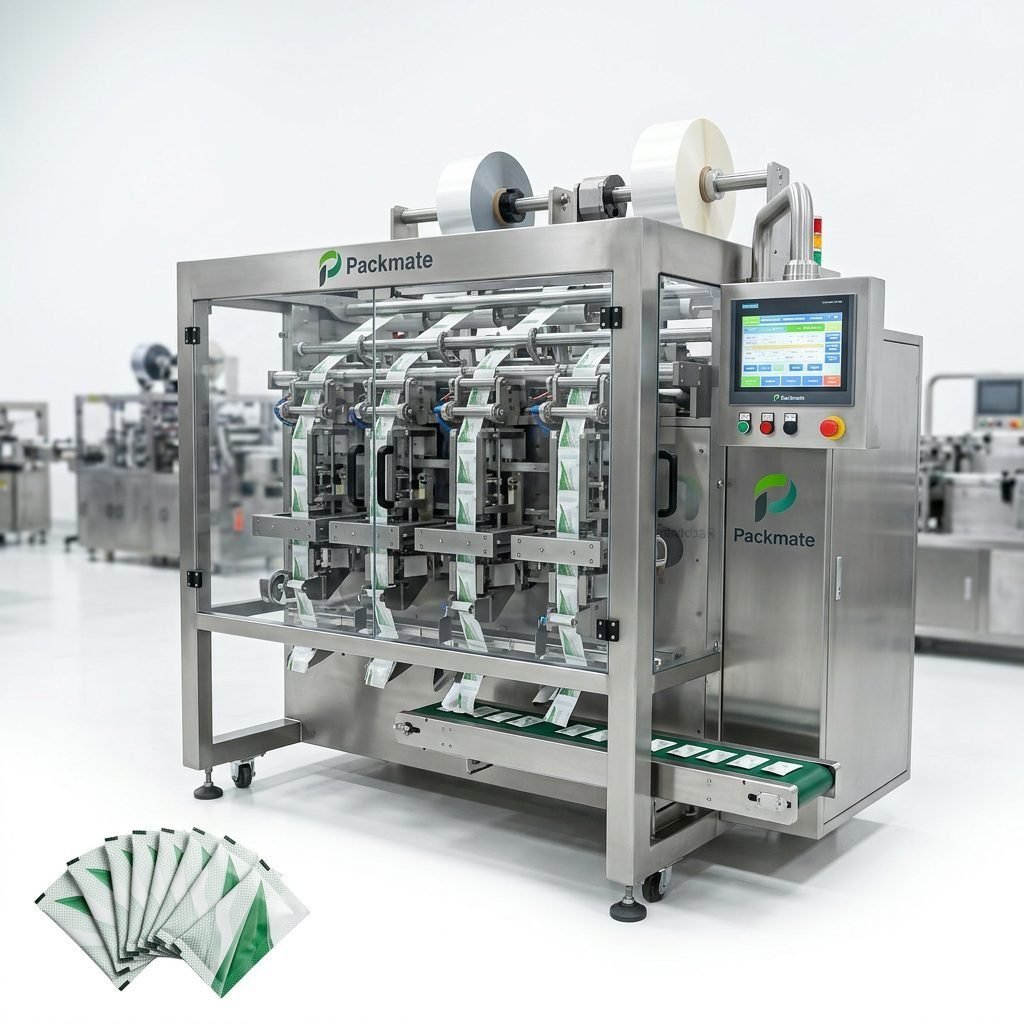
Selecting the right nicotine packaging machine supplier for your Southeast Asian factory is more than a procurement decision — it’s a strategic partnership that touches product quality, regulatory compliance, operational uptime, and long-term growth. This guide walks factory managers, procurement teams, and operations directors through a practical, region-aware process to identify a supplier that fits your technical needs, budget, and local business realities.
Understand Your Production and Market Needs
Before you evaluate suppliers, clearly define your production targets: daily output (pouches/day), pouch formats (stick pack, sachet, multi-lane), product types (nicotine pouch, powder, granule), target shelf life, and packaging materials. For factories in Southeast Asia, factor in local consumer preferences — popular pouch sizes, preferred outer packaging styles, and regional flavor trends — since these will influence machine selection and die/forming requirements.
Practical checklist
🔶 Production volume: target units per shift/day/week.
🔶 Formats required: sachet, stick, multi-lane pouches or custom shapes.
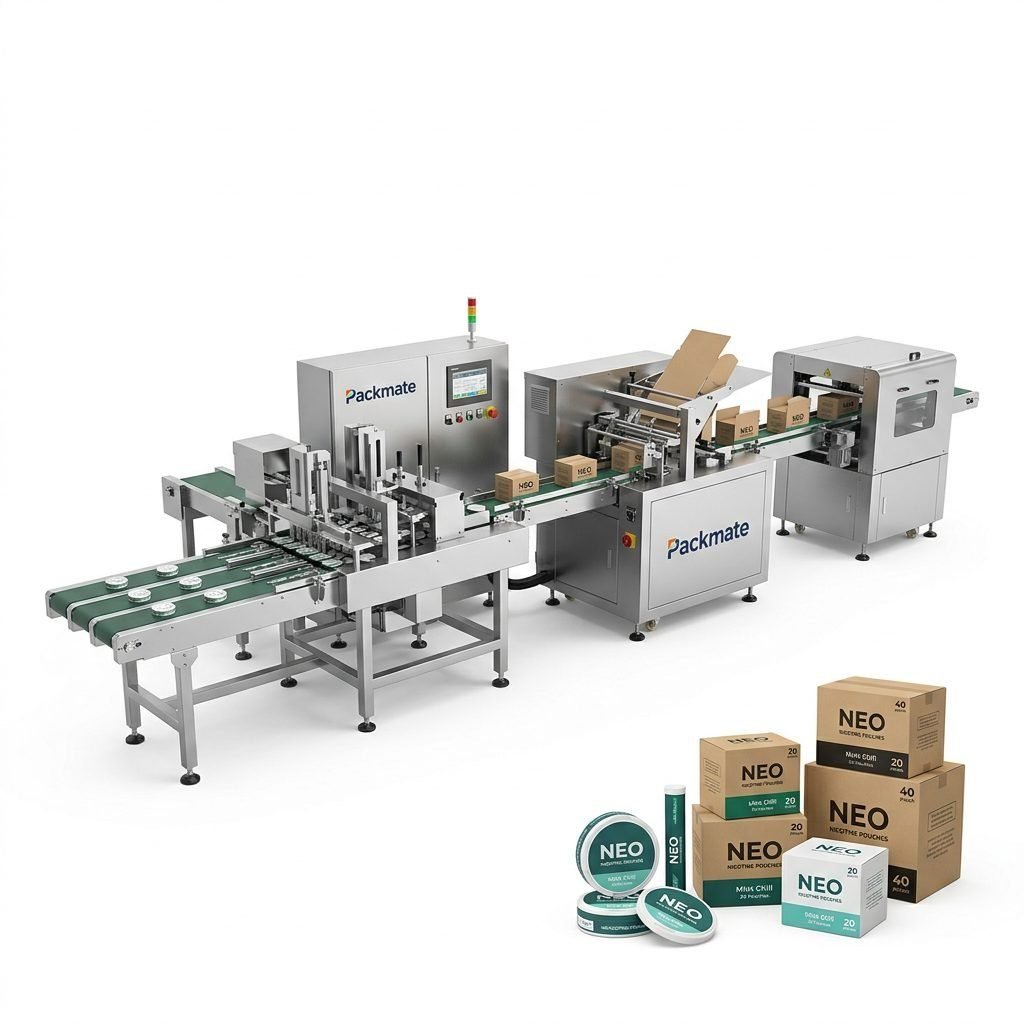
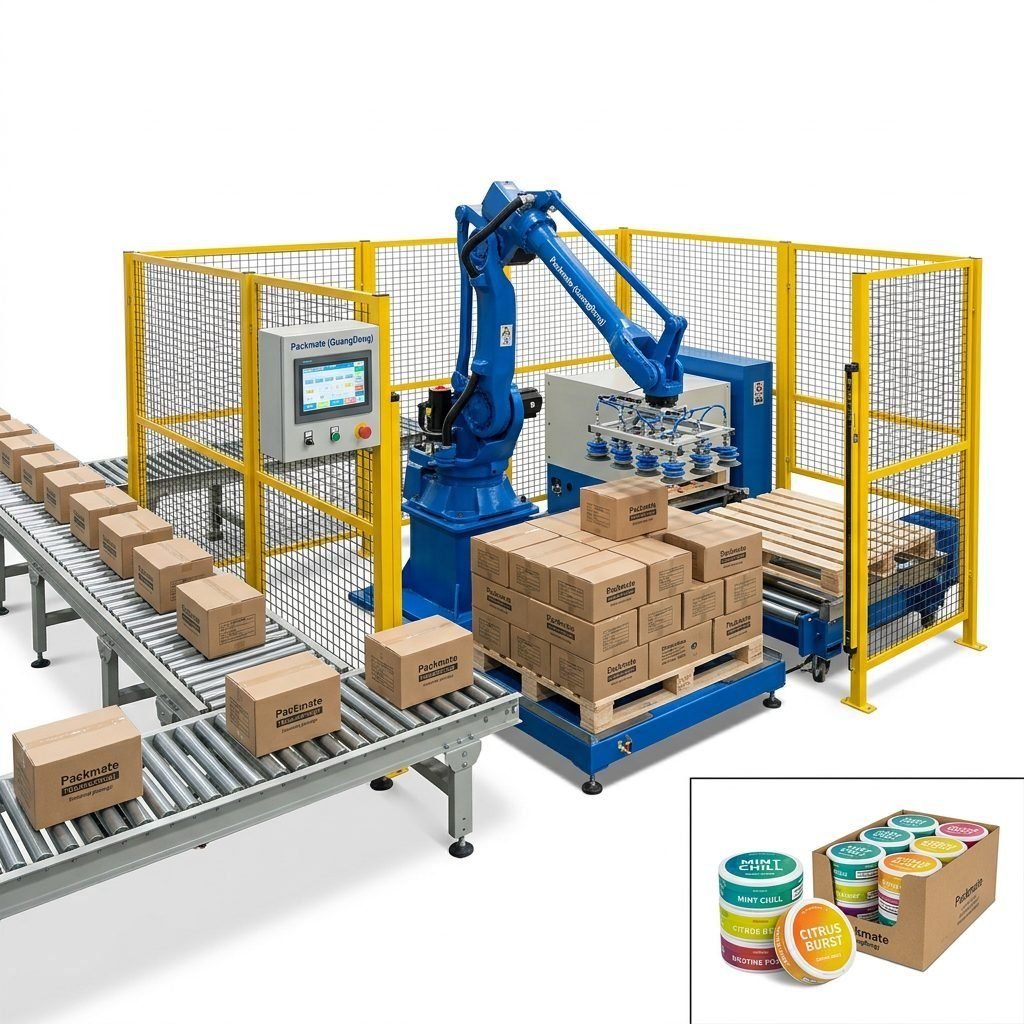
🔶 Integration needs: weighing scales, filling lines, vision inspection, and carton packing.
Supplier Credentials and Manufacturing Strength
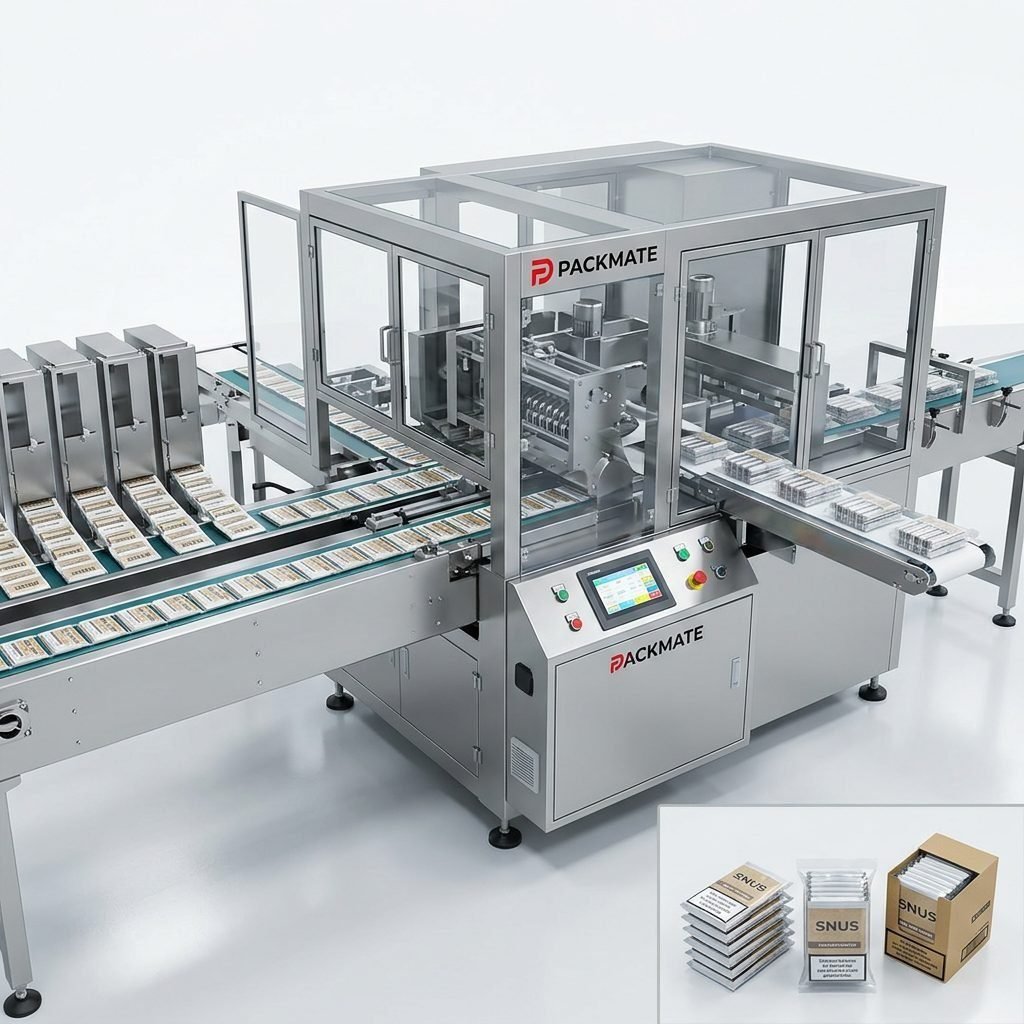
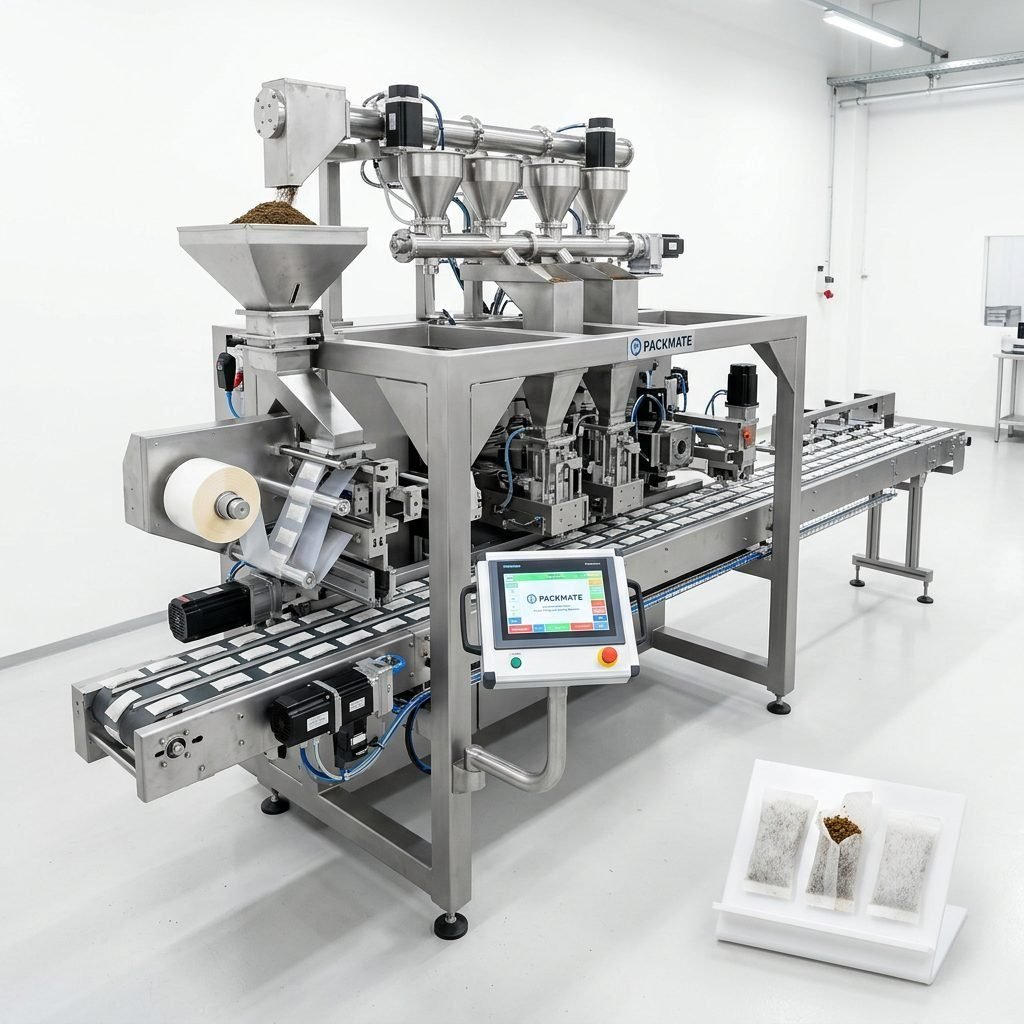
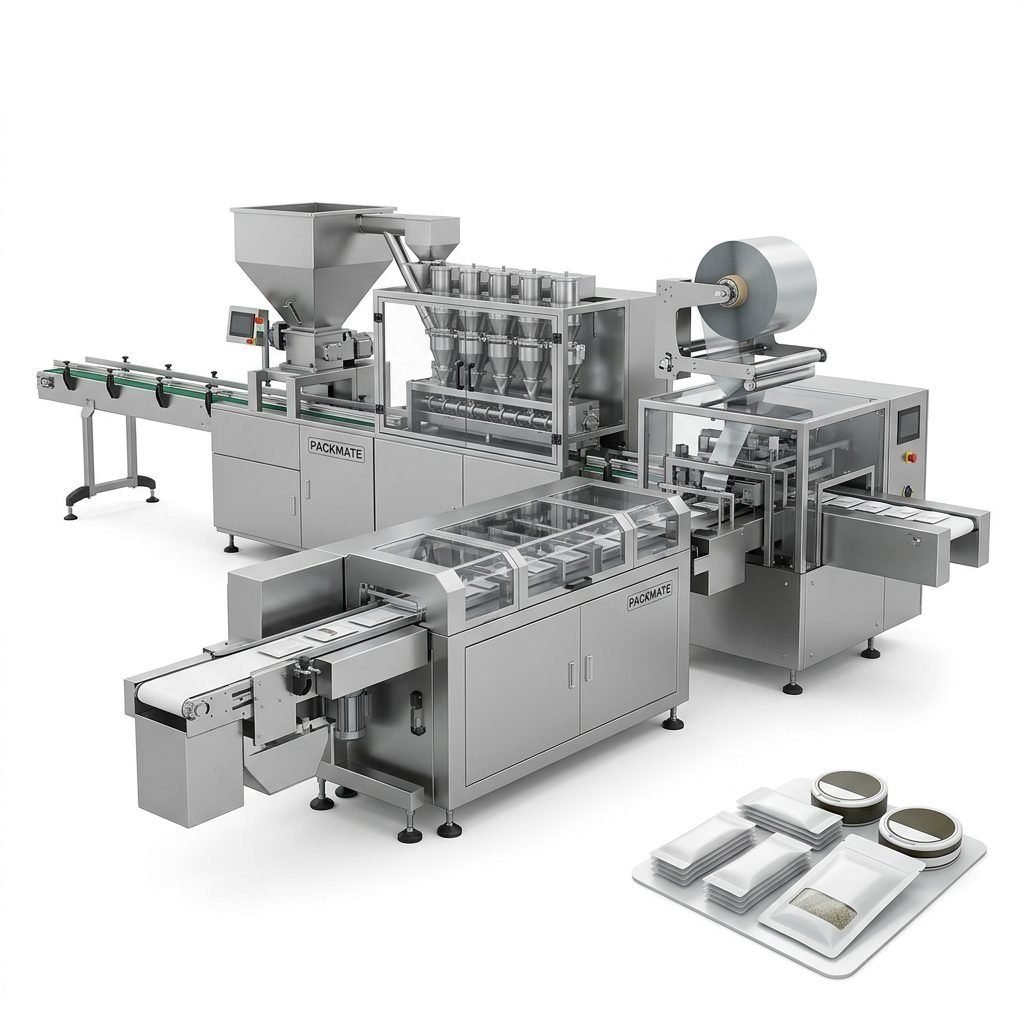
Choose suppliers with proven engineering experience and a reliable manufacturing base. Look for companies that demonstrate decades of development, in-house CNC machining, and assembly lines — indicators they can deliver consistent machine quality and spare parts over time. Suppliers with turnkey solutions for nicotine packaging are preferable because they can integrate weighing, filling, and packaging into a single production line.
For example, a manufacturer that highlights a large workshop area, advanced CNC centers, and a portfolio of multiple machine models is more likely to support customized requirements and scale production as you grow. Explore supplier case studies and factory tours where available to validate claims.
Certifications, Compliance and After-sale Support
Regulatory compliance is critical. Verify CE, ISO, and any regional certifications. Ask whether the supplier’s machines comply with electrical, safety, and sanitary standards applicable in your country (e.g., ASEAN standards, local customs for nicotine products). Confirm that the supplier provides detailed documentation for commissioning and maintenance.
⚠️ Critical: ensure the supplier’s warranty, spare-part availability, and remote support SLA are clearly documented. In Southeast Asia, fast access to parts and local technical support reduces costly downtime.
Technical Fit: Customization, Modularity and Scalability
Your chosen machine should match current needs and be flexible for future variations. Key technical factors:
✅ Multi-format capability: can the machine switch between sachets, stick packs and different pouch sizes quickly?
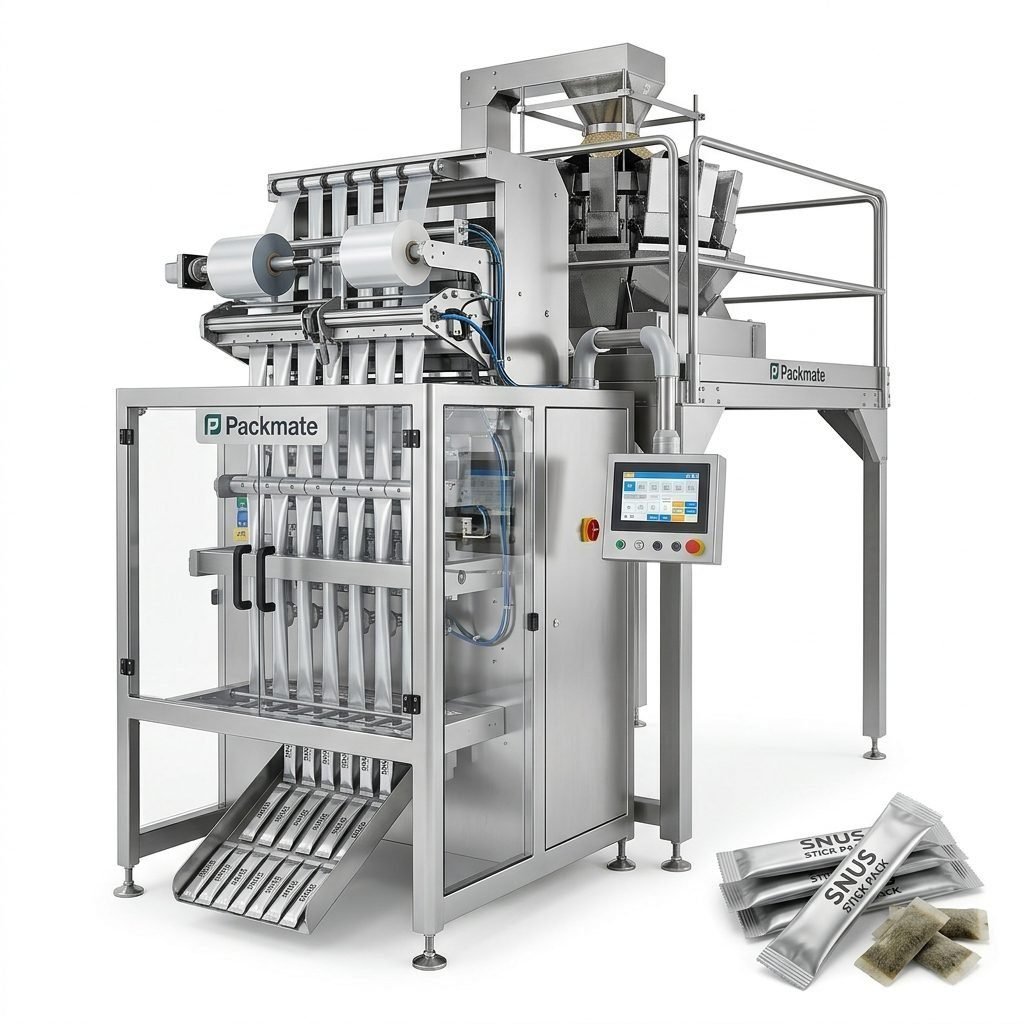
✅ Multi-lane options: essential for small-dose nicotine pouch manufacturers to increase throughput without expanding the workshop footprint.
✅ Integration readiness: compatibility with your weighing and filling systems, as well as in-line inspection equipment.
Local Logistics: Ports, Shipping, and Customs in Southeast Asia
Southeast Asia is diverse: logistics vary between Singapore, Thailand, Malaysia, Vietnam, Indonesia, the Philippines, and others. When selecting a supplier, consider:
– Proximity to major ports and availability of reliable freight forwarding partners.
– Experience handling customs documentation for machinery imports in your country.
– Whether the supplier offers DDP (Delivered Duty Paid) or EXW terms, and what local support they provide for installation and commissioning.
Service, Training and Local Language Support
In Southeast Asia many teams prefer training and manuals in English or local languages. Confirm the supplier offers:
🔶 Onsite commissioning and operator training, ideally with bilingual technicians.
🔶 Remote diagnostics and spare parts shipping for rapid repair cycles.
🔶 Availability of maintenance contracts tailored to your local operating hours and production shifts.
Quality Assurance, Testing and Acceptance Protocols
Require a detailed FAT (Factory Acceptance Test) and SAT (Site Acceptance Test) plan. FAT should demonstrate machine performance with your product or a close analogue; SAT should confirm integration with upstream and downstream lines. Ask suppliers to provide video evidence, sample pouches, and machine run statistics (OEE, stoppage reasons, waste rate).
Acceptance checklist
🔎 Operational speed test (rated vs actual).
🔎 Packaging integrity and sealing consistency.
🔎 Dose accuracy and weight variance.
🔎 Cleanability and hygienic design verification.
Commercial Terms and Payment Considerations
Negotiate favorable payment terms that balance your cash flow with supplier confidence. Common structures include deposit, progress payments, and final payment upon SAT. For Southeast Asian buyers, suppliers offering flexible financing, leasing, or staged payments can be advantageous. Always confirm currency risk, accepted payment methods, and any local taxes or import duties.
Factory Visits, References and Proven Cases
Visiting a supplier’s factory or an installed reference site is invaluable. It allows you to inspect build quality, assembly processes, and finished lines. Ask for references in your region or similar market segments — ideally peers producing nicotine pouches or similar small-dose products. Review case studies to confirm consistent after-sales performance and reliability.
You can review product examples and case studies here: Snus & Nicotine Packaging Machines, Bag & Pouch Packaging Machines, and supplier success stories at Case.
Cultural and Business Etiquette in Southeast Asia
Business customs across Southeast Asia emphasize relationships, respect, and patience. Common practices that influence supplier selection:
📌 Relationship building: suppliers who invest time in site visits and face-to-face meetings tend to be more reliable long-term partners.
📌 Respect for hierarchy: formal introductions and involving senior stakeholders can speed approvals.
📌 Negotiation style: expect polite bargaining; showing commitment to a long-term partnership often yields better commercial terms.
Total Cost of Ownership (TCO) — Beyond the Purchase Price
Evaluate energy consumption, spare parts pricing, expected MTBF (mean time between failures), and consumables. A machine with slightly higher upfront cost but lower downtime and cheaper spare parts will often be more economical over a 5-year horizon. Factor in training costs, installation expenses, and possible retrofits for local safety or regulatory requirements.
Making the Final Decision: Scorecard Approach
Use a weighted scorecard to compare shortlisted suppliers. Typical categories include technical fit (30%), after-sales support (20%), price and payment terms (15%), references and case studies (15%), compliance and documentation (10%), and cultural fit (10%). This structured approach reduces bias and highlights the best long-term partner for your factory.
✅ Tip: require a small pilot order or a limited-run acceptance before committing to full-line procurement to validate the supplier’s promises.
Useful Resources and Next Steps
When you are ready, request detailed quotations and FAT plans. For more detailed machine options and official company information, check the supplier’s corporate pages such as About Packmate and contact them directly via Contact Us to arrange factory visits or online demonstrations.
Conclusion
Choosing the best nicotine packaging machine supplier in Southeast Asia requires balancing technical capability, regulatory compliance, service readiness, and cultural fit. Prioritize suppliers with strong manufacturing capabilities, clear FAT/SAT procedures, and demonstrated regional support. A methodical evaluation using a scorecard and real-site references will help secure a partner that supports your factory’s growth and operational resilience.
FAQs
Q1: How important is a factory visit before purchasing a packaging line?
A1: Very important. A factory visit lets you verify manufacturing processes, assembly quality, and witness machines operating. It also helps assess the supplier’s quality control and capacity for customization.
Q2: What warranties and after-sales services should I insist on?
A2: Aim for at least a one-year machine warranty, guaranteed spare-part lead times, remote troubleshooting support, and an option for annual maintenance contracts with defined response times.
Q3: Can suppliers adapt machines for local power and regulatory requirements?
A3: Reputable suppliers provide adaptable electrical configurations (voltage/frequency) and can supply documentation for local regulatory approvals; confirm this in writing early.
Q4: How do I validate a supplier’s performance claims for nicotine pouch lines?
A4: Request FAT videos, sample pouches produced with your formula, references in similar product lines, and on-site demonstrations where possible.
Q5: What are realistic lead times for ordering and commissioning a complete packaging line in Southeast Asia?
A5: Lead times vary by customization but typically range from 8–20 weeks for manufacturing, plus 2–6 weeks for shipping and customs clearance, and additional time for onsite installation and SAT. Plan for contingencies related to parts sourcing and local approvals.