Choosing the right nicotine packaging machinery supplier for operations in Latvia is more than a procurement decision — it’s a strategic move that affects product quality, regulatory compliance, logistics, and long-term production costs. Whether you plan to fill nicotine pouches, stick packs, sachets, or multi-lane pouches, the supplier you pick will determine your line uptime, flexibility to adapt to new formats, and ability to meet strict EU and Latvian regulations. This guide walks you through pragmatic steps and local considerations to select the best partner for your production needs in Latvia.
Understand Local Context: Why Latvia Matters
Latvia sits at the crossroads of Northern and Eastern Europe with efficient ports (Riga, Ventspils) and strong connections across the EU and the Baltics. As an EU member state, Latvia enforces EU-wide rules on product safety, CE conformity, and packaging requirements. Local business culture values punctuality, clarity, and direct communication — expect detailed technical questions and formal documentation during negotiations. Also consider Latvian language labeling expectations and EU packaging waste directives when planning your production and packaging design.
Key local factors to remember:
🔍 Regulatory alignment with EU standards — ensure CE/ISO and documentation are provided.
📦 Logistics advantage — proximity to Riga provides quick access to Baltic and Scandinavian markets.
🤝 Business etiquette — clear contracts, timely communication, and formal meetings are appreciated.
🌱 Sustainability expectations — EU packaging and recycling rules affect material choices and labeling.
Tip: If you plan to sell across the EU from Latvia, prioritize suppliers with experience exporting to European markets and with equipment certified to CE and ISO standards.
Define Your Production Requirements First
Before contacting suppliers, document your product specifications: pouch type (nicotine pouch vs traditional snus), target output (pouches per minute), lanes (single vs multi-lane), dosage accuracy, fill material (powder, granule, liquid), and secondary packaging needs. These core requirements will help you filter suppliers quickly and ensure quotes are comparable.
Practical checklist for specification
• Desired output speeds and shift patterns.
• Product format variations (stick, sachet, pouch, can).
• Tolerance for weight/volume variation.
• Hygienic design and cleanability for nicotine products.
• Integration needs: checkweighers, metal detectors, cartoners.
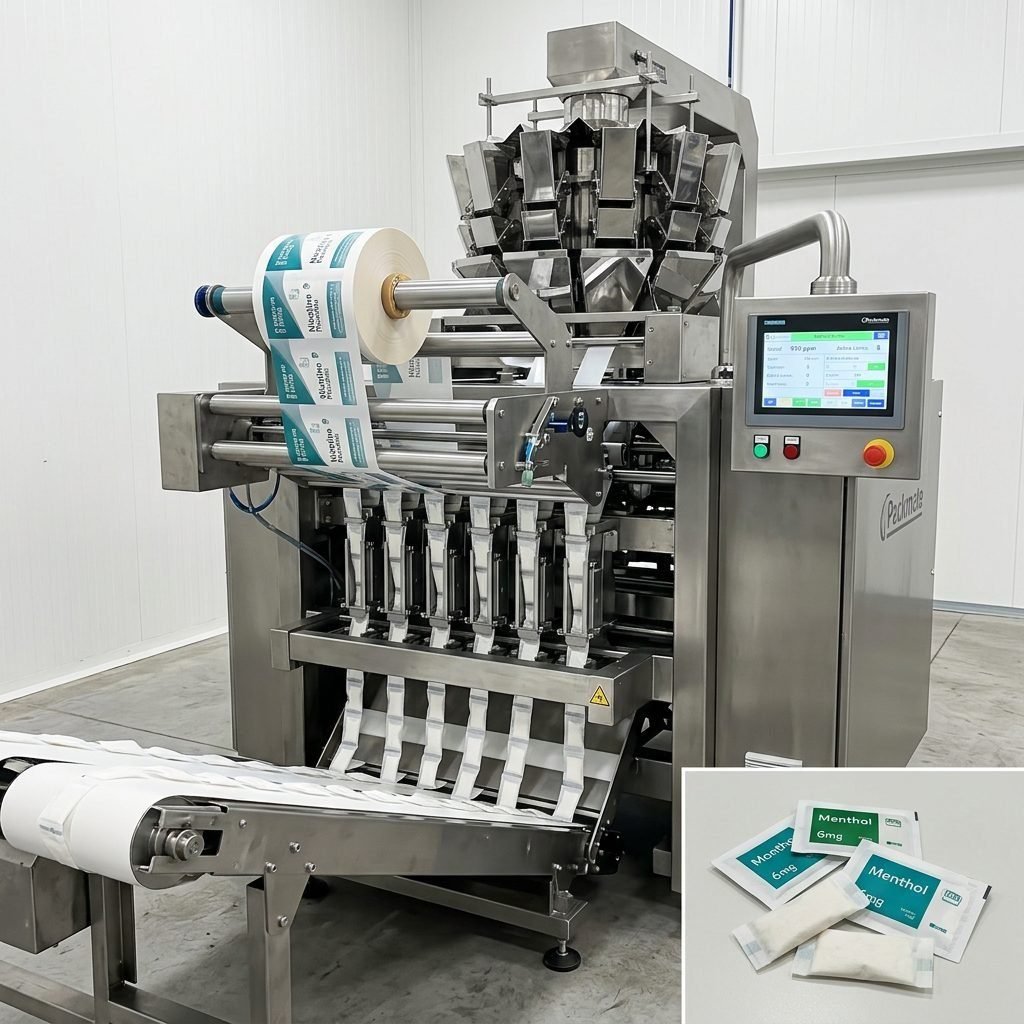
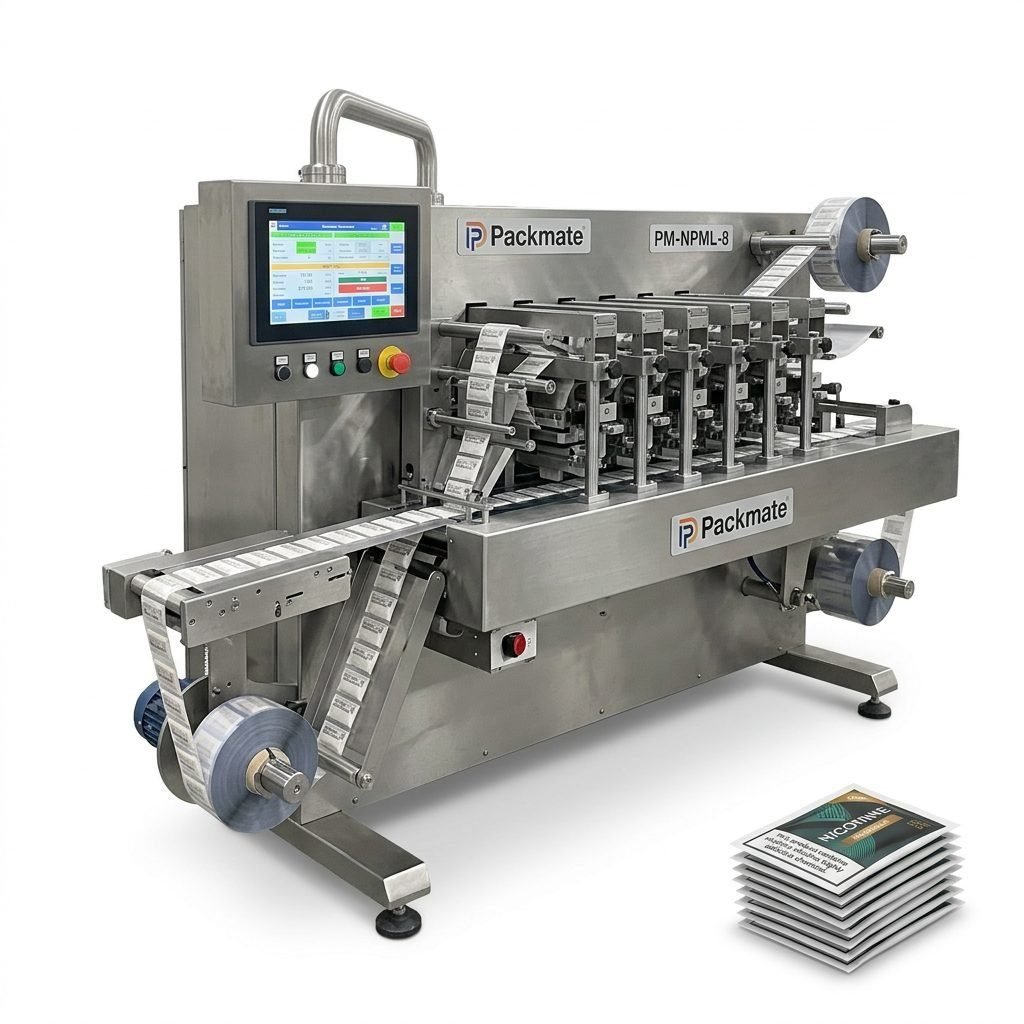
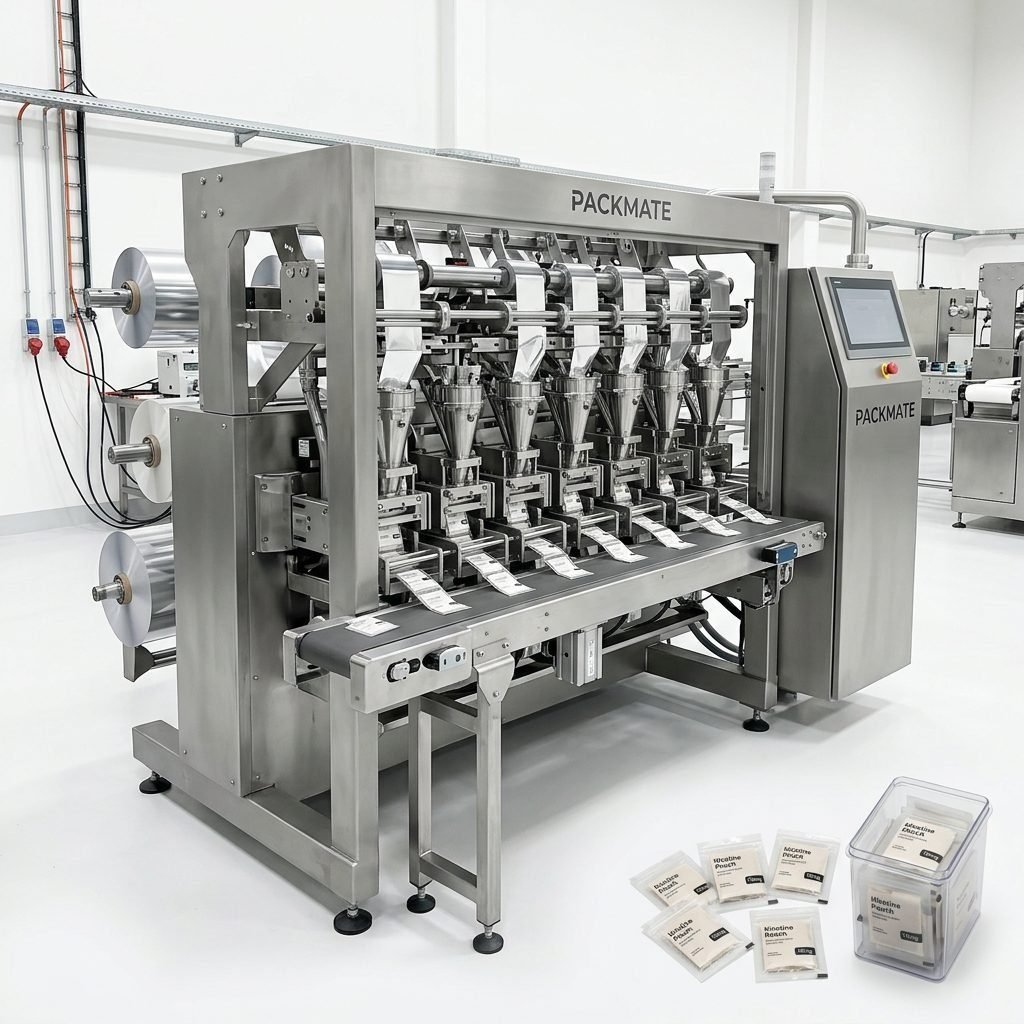
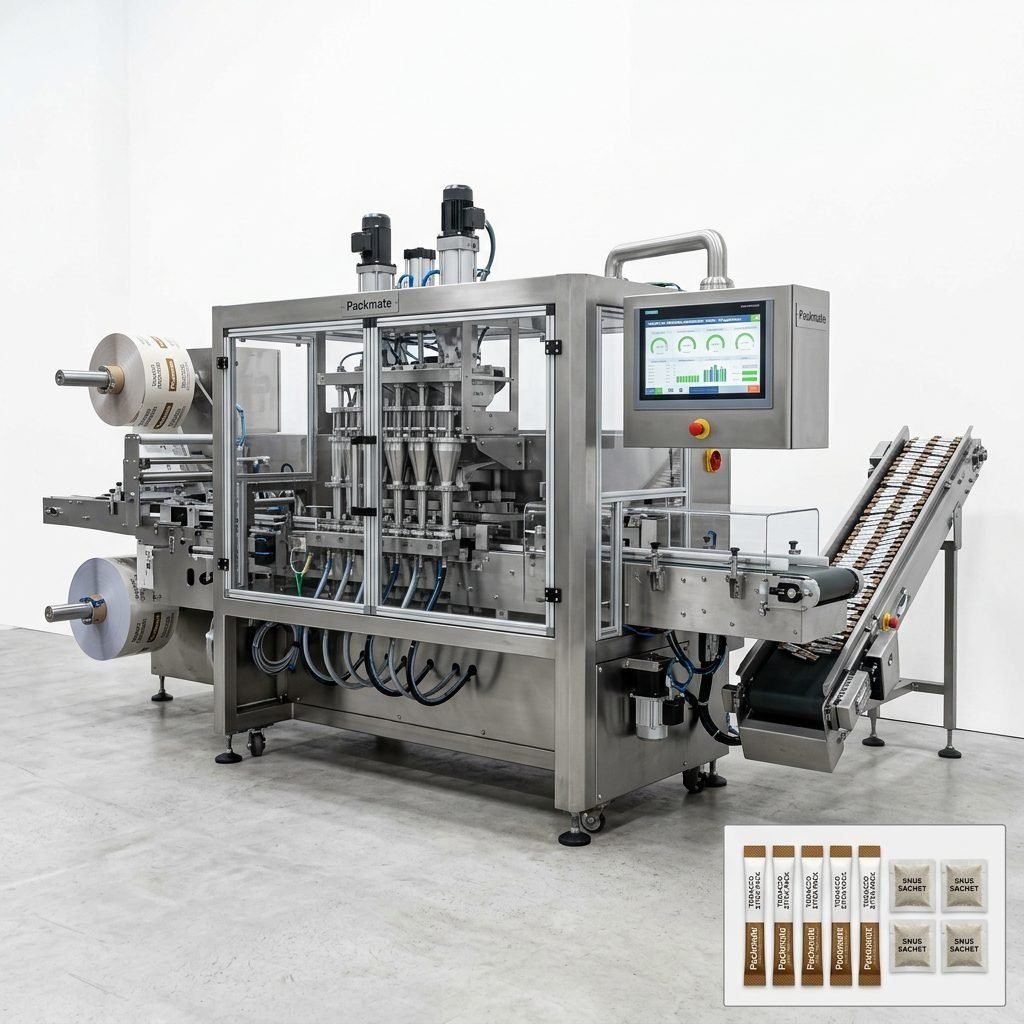
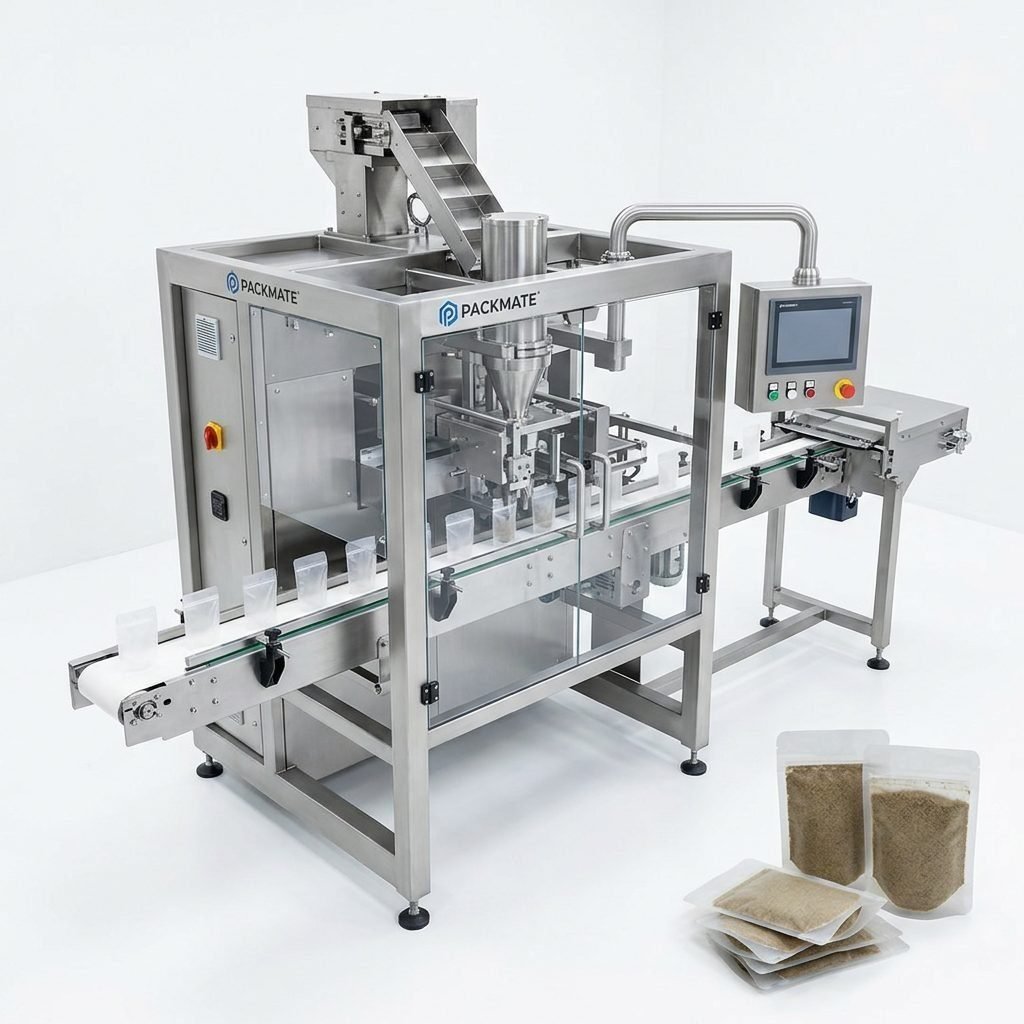
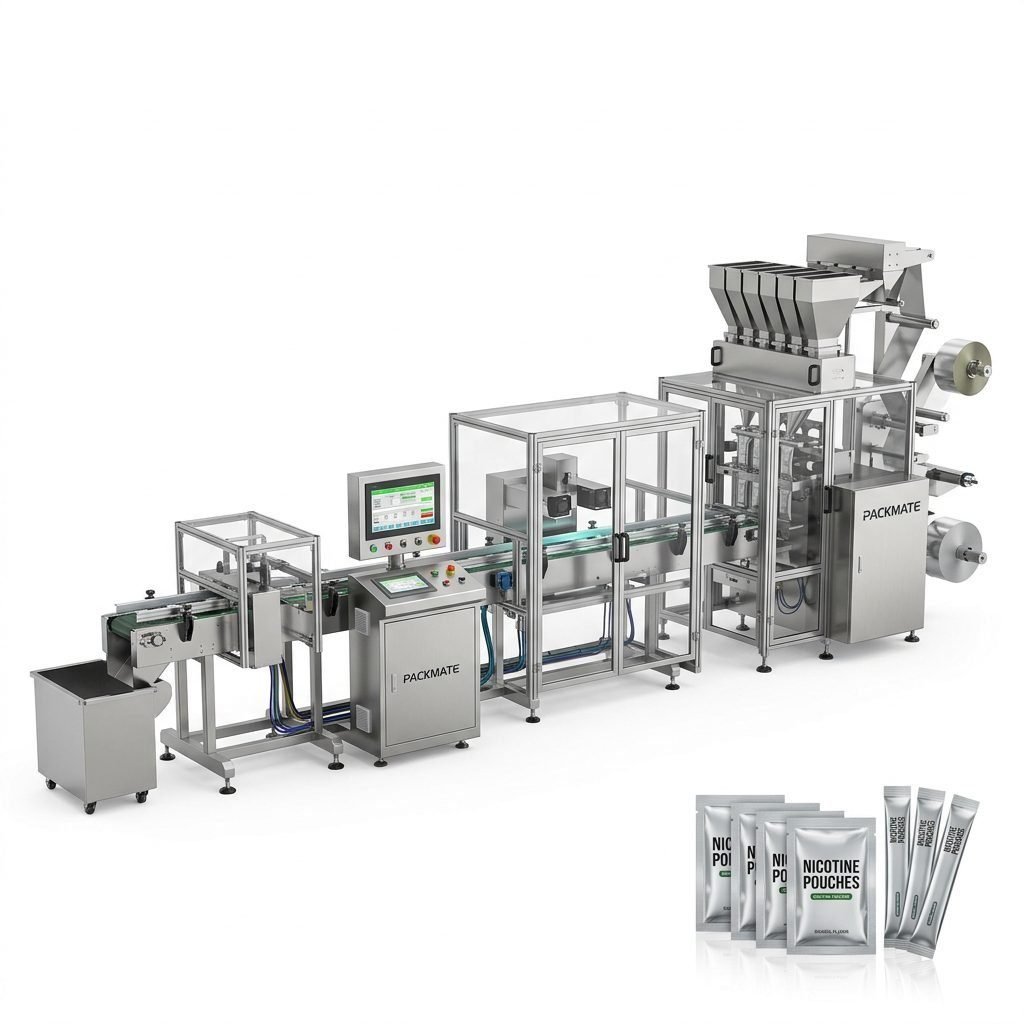
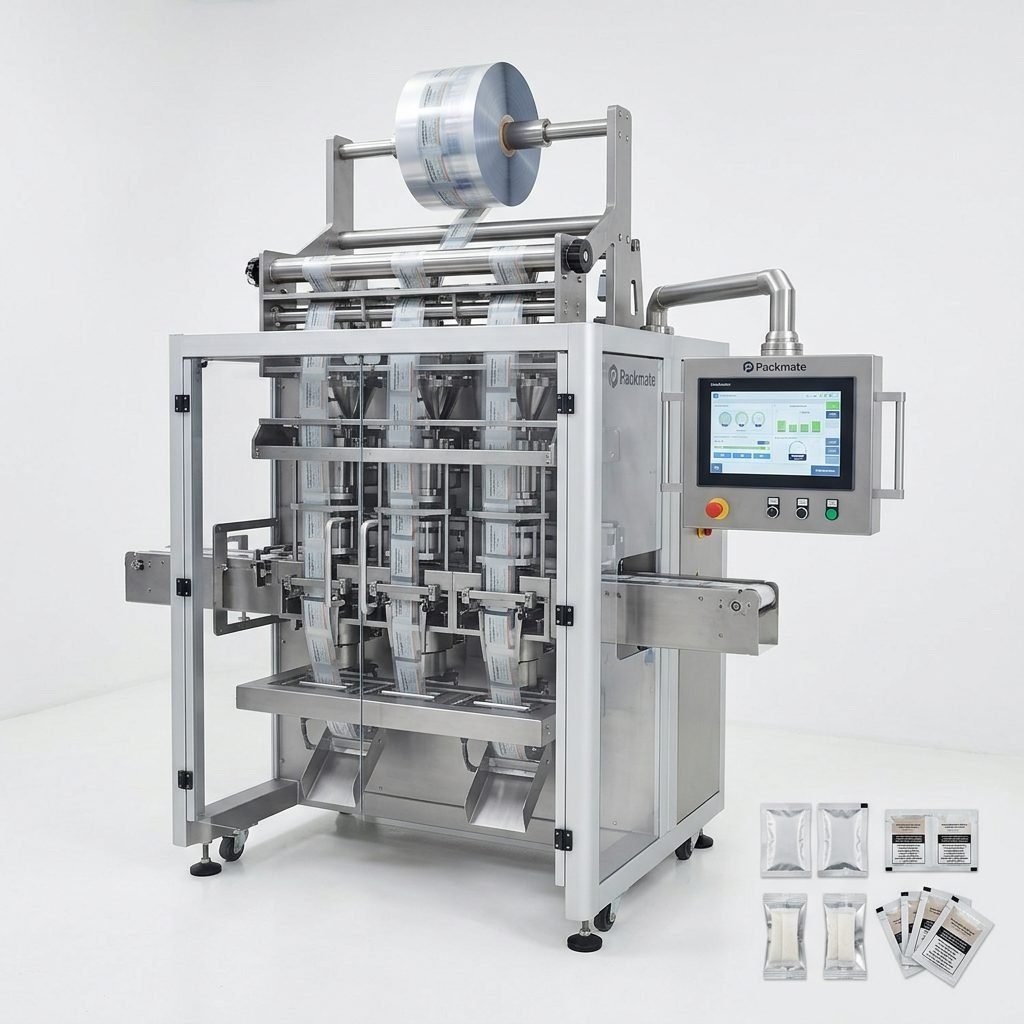
If you need machines designed specifically for nicotine pouches and snus formats, review specialist ranges such as Snus & Nicotine Packaging Machines which include multi-lane and small-dose systems tailored to this category.
Evaluate Supplier Capabilities and Track Record
A supplier that claims to manufacture nicotine packaging equipment must show verifiable factory capacity, engineering depth, and real-world installations. Look for concrete evidence such as factory size, CNC equipment, assembly lines, and a portfolio of machines. For example, an established manufacturer with a 20,000㎡ facility, advanced CNC centers, and 30+ years of experience demonstrates the infrastructure to support high-volume projects.
Check for case studies and references — real production installations in Europe are a strong indicator. Review exhibition participation and certifications like CE and ISO. Packmate Snus Machine’s history and global footprint, for instance, show sustained development in multi-lane systems and turnkey lines — useful when comparing vendors.
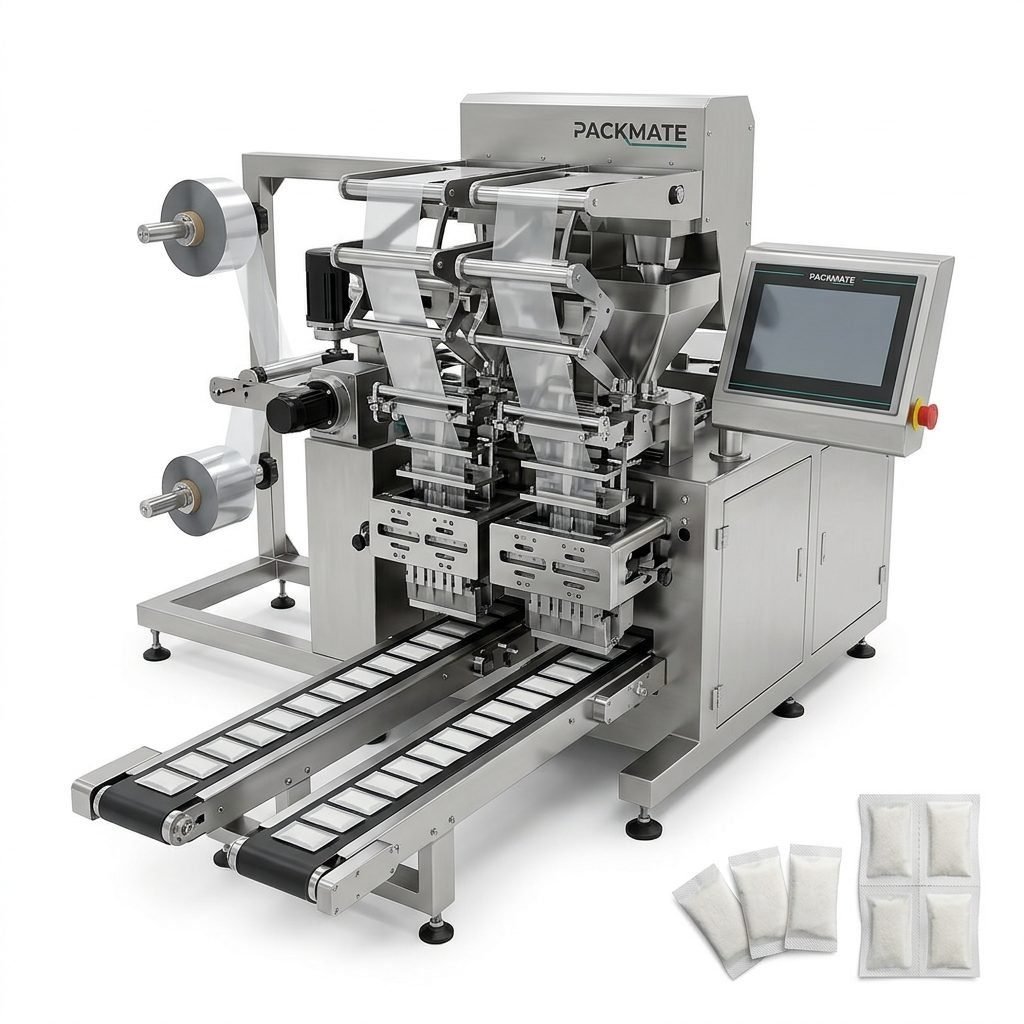
Relevant links to evaluate product ranges: Bag & Pouch Packaging Machines, Sachet & Stick Pack Machines, and project examples under Case.
📌 Must-have proof: factory photos, FAT reports, CE/ISO certificates, and European client references or exhibition records.
Inspect Technical Fit: Machines, Integration & Flexibility
Technical capability is the core of supplier selection. Confirm the supplier can deliver machines that match your format and speed. Important aspects include modularity, multi-lane capacity, servo control accuracy, HMI interfaces in languages you need (English/Latvian), and easy sanitation for nicotine handling.
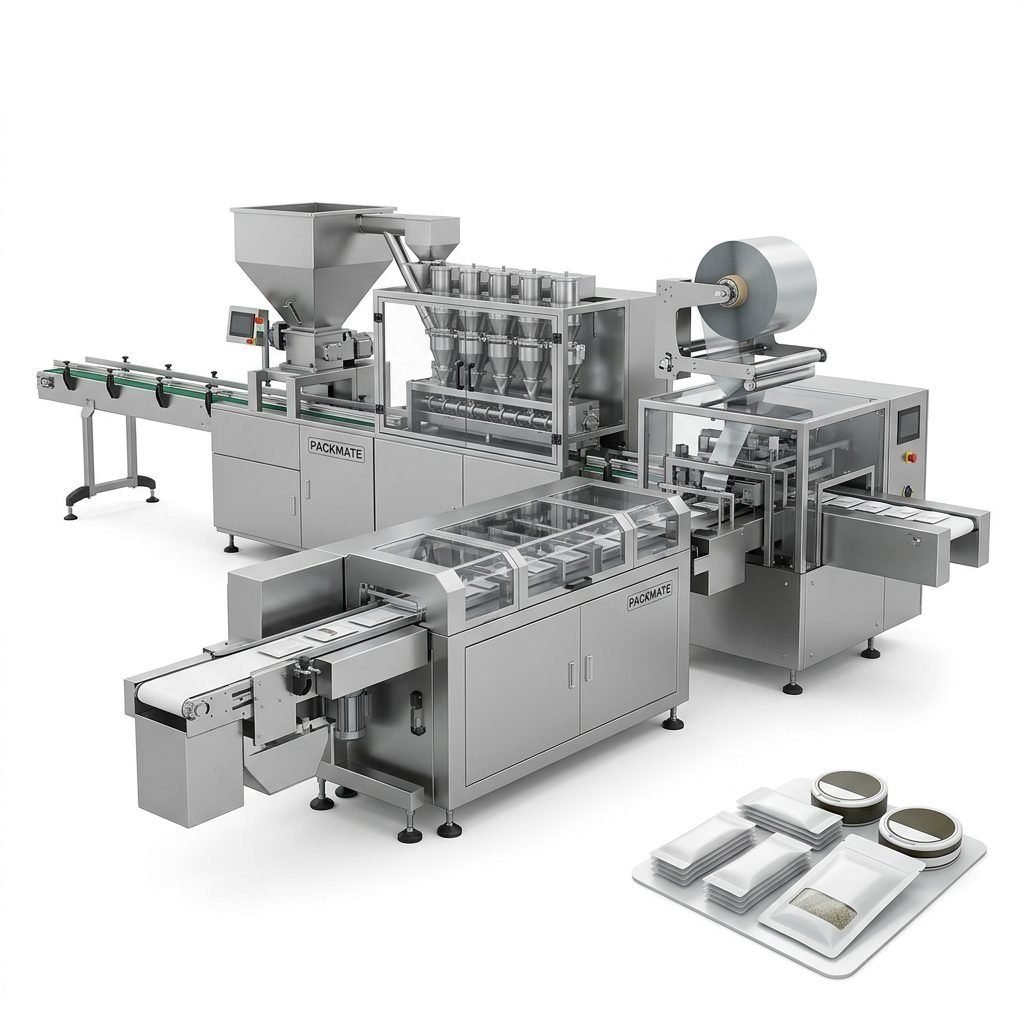
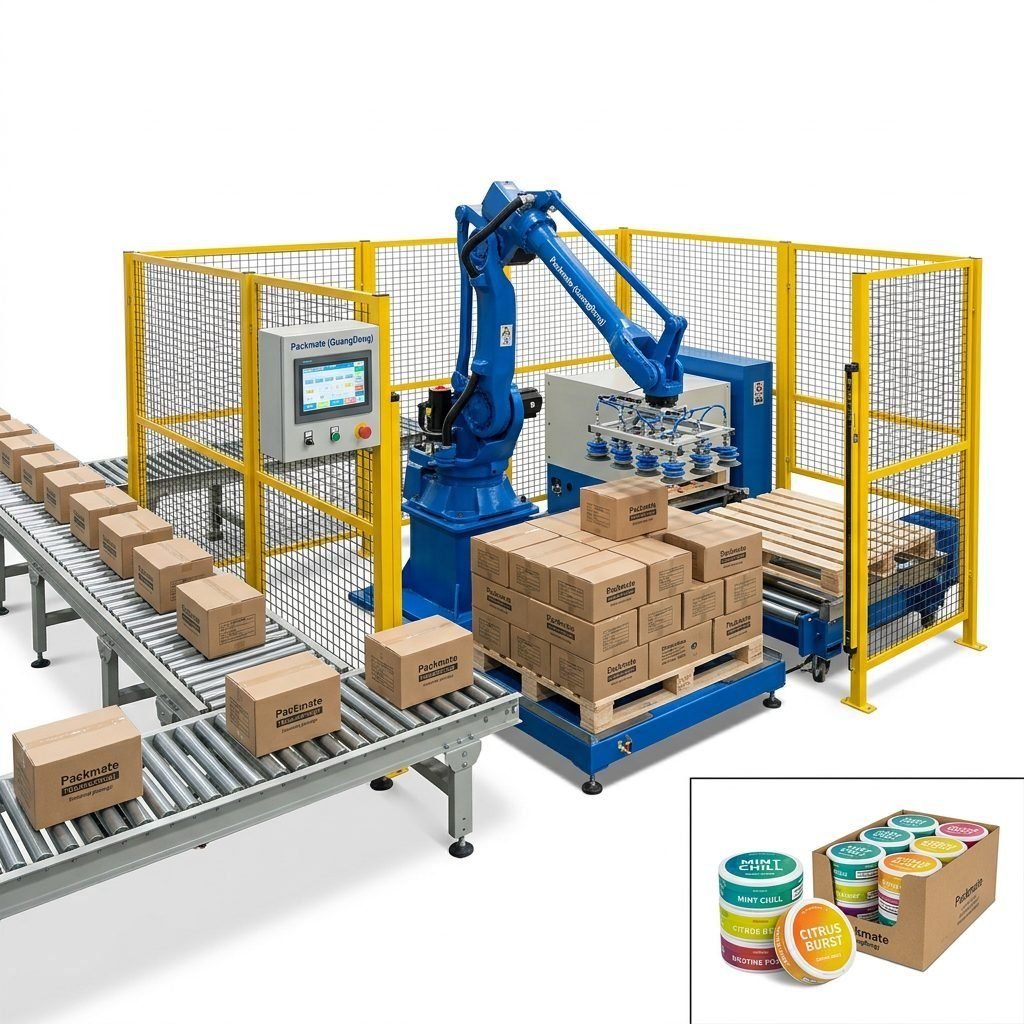
Also assess their ability to supply complementary equipment — weighing systems, filling lines, and auxiliary machines — to create a cohesive line. Suppliers that provide integrated solutions reduce the complexity of integration and shorten commissioning time. See options such as Weighing & Packaging Systems, Filling & Packaging Lines, and Auxiliary Packaging Equipment.
Questions to ask on technical fit
• Can the machine handle multiple pouch sizes without heavy tooling changes?
• What is the achievable dose accuracy and lane synchronization?
• How is cleanliness assured for nicotine product contact points?
• Are spare parts standardized and available locally or via fast shipment?
Regulatory Compliance & Documentation
Because nicotine products sit in a complex regulatory environment in the EU, you must verify that both the machine and the supplier can support compliance. Machines must meet CE requirements; production lines may also need documentation for GMP, hygiene, and material traceability. Confirm the supplier provides complete technical documentation, declarations of conformity, and assistance during audits.
Local nuances in Latvia include language requirements on consumer labeling and strong enforcement of packaging waste rules. Ask for support in ensuring your packaging design and labeling meet Latvian language requirements and EU recycling directives.
⚠️ Compliance reminder: Always request CE/ISO certificates and sample FAT reports. If the supplier exports to Europe regularly, this is a strong positive signal.
Service, Spare Parts & Training — The Long Game
After-sales support determines uptime. Confirm lead times for spare parts, availability of technical engineers for on-site commissioning in Latvia or remote support, and training packages for operators and maintenance staff. Suppliers with a global support network or European partners shorten response times and reduce downtime risk.
A manufacturer with 30+ years of engineering experience and active exhibition history often maintains structured service programs and documented training protocols — valuable when scaling production or changing formats.
Commercial Terms: Total Cost of Ownership (TCO) Over Price
Initial price matters, but the real cost is TCO: energy consumption, maintenance intervals, mean time between failures, spare parts pricing, and ease of changeover. Request a TCO estimate covering at least five years. Consider guaranteed uptimes, service-level agreements (SLAs), and spare parts packs.
Negotiation tips
• Seek bundled pricing for line components to avoid incompatible sub-suppliers.
• Negotiate training, debugging, and first-year spare parts into the contract.
• Include penalties or remedies for missed delivery or poor performance where possible.
Logistics & Import Considerations for Latvia
When importing machinery into Latvia, factor in lead times, shipping method (FCL/LCL), customs clearance, VAT rules, and local port handling. Working with a supplier experienced in exporting to Europe simplifies documentation and reduces delays. Ask your supplier for export-ready packaging and assistance with customs paperwork.
Factory Visits, FAT & Acceptance Testing
A Factory Acceptance Test (FAT) is critical. Either visit the factory or insist on a virtual FAT. During FAT, evaluate mechanical quality, HMI workflows, safety guards, dosing accuracy, and full-run tests with your product. Detailed FAT reports and video evidence are vital for a smooth Site Acceptance Test (SAT) in Latvia.
✅ FAT checklist: full-speed run with your product, safety verification, spare parts list confirmation, and operator training demonstration.
Manufacturer vs Local Distributor — Which to Choose?
Buying directly from a manufacturer usually gives better customization, pricing, and access to engineering. A local distributor in Latvia can give faster on-site service but may add a margin. If uptime and customization are priorities, choose an experienced manufacturer with European export experience and local service partners.
For reference, manufacturers like Packmate — operating as a specialist snus and nicotine pouch equipment provider — offer turnkey lines and a wide model range, which can be beneficial if you seek integrated solutions and long-term technical support.
Decision Checklist: Final Selection Steps
1. Confirm technical fit (formats, speed, lanes).
2. Verify CE/ISO and review FAT documentation.
3. Evaluate TCO and request multi-year spare parts pricing.
4. Inspect service capabilities and training programs.
5. Assess logistics, lead times, and warranty terms.
6. Prefer suppliers with European export and exhibition record.
📈 Decision signal: choose the supplier that delivers verifiable European references, clear compliance documentation, and a practical service network near Latvia.
Next Steps & Useful Resources
Start by preparing a concise specification pack and send it to shortlisted suppliers. Request a proposal that includes FAT, spare parts lists, training, lead times, and a five-year TCO estimate. For further product browsing and machine options, explore manufacturer catalogs and product pages — they will help you match technical features to your needs.
Useful resources: visit the manufacturer profile for company background and mission information at About Packmate, and learn about certifications via Certificate. For service inquiries and local contact, check Contact Us.
Conclusion
Selecting the best nicotine packaging machinery supplier for Latvia requires balancing technical fit, regulatory compliance, service capability, and TCO. Prioritize suppliers who can demonstrate EU export experience, provide comprehensive documentation, and support FAT/SAT processes. A well-chosen supplier reduces risk, shortens time-to-production, and ensures consistent product quality across EU markets.
Common Questions
Q1: How important is CE certification for packaging machines sold into Latvia?
A1: CE certification is essential for mechanical safety and EU compliance; always request declarations of conformity and relevant test reports.
Q2: Can nicotine pouch lines be inspected remotely if I cannot visit the factory in person?
A2: Yes — many suppliers offer virtual FATs with live video, detailed run tests, and recorded reports. Ensure videos show full-speed runs and close-ups of critical components.
Q3: Should I buy from a European distributor or directly from the manufacturer?
A3: Direct from manufacturer often yields better customization and cost; a European distributor can provide faster on-site service. If the manufacturer has European service partners, this is often the best of both worlds.
Q4: What are typical lead times for a turnkey nicotine pouch line to Latvia?
A4: Lead times vary by complexity and customization. Simple standard machines might ship in weeks, while customized turnkey lines usually require several months for design, testing, and FAT. Discuss schedules early and include milestones in contracts.
Q5: Where can I find verified machine models and technical specifications?
A5: Manufacturer product pages and catalogs offer verified models and specs. Browse product categories such as Snus & Nicotine Packaging Machines and Bag & Pouch machines to compare features and request datasheets.