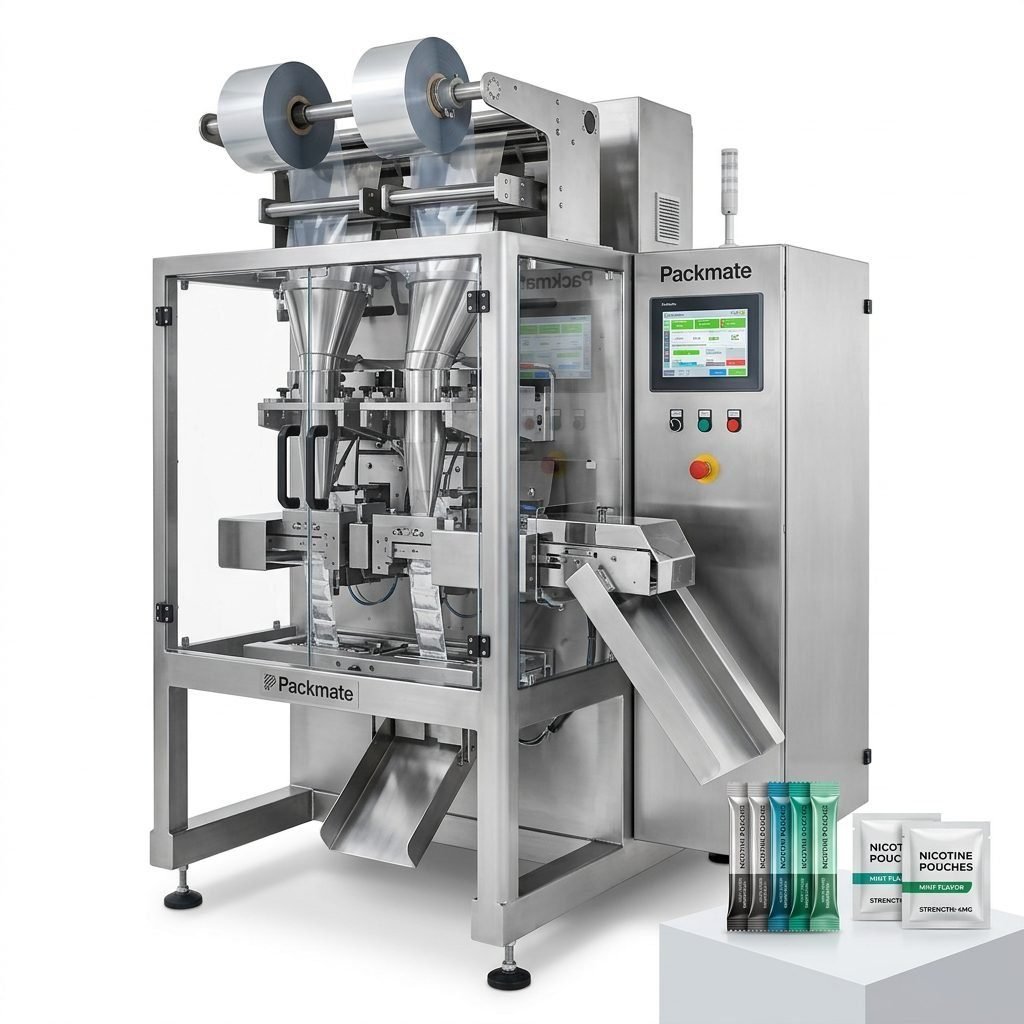
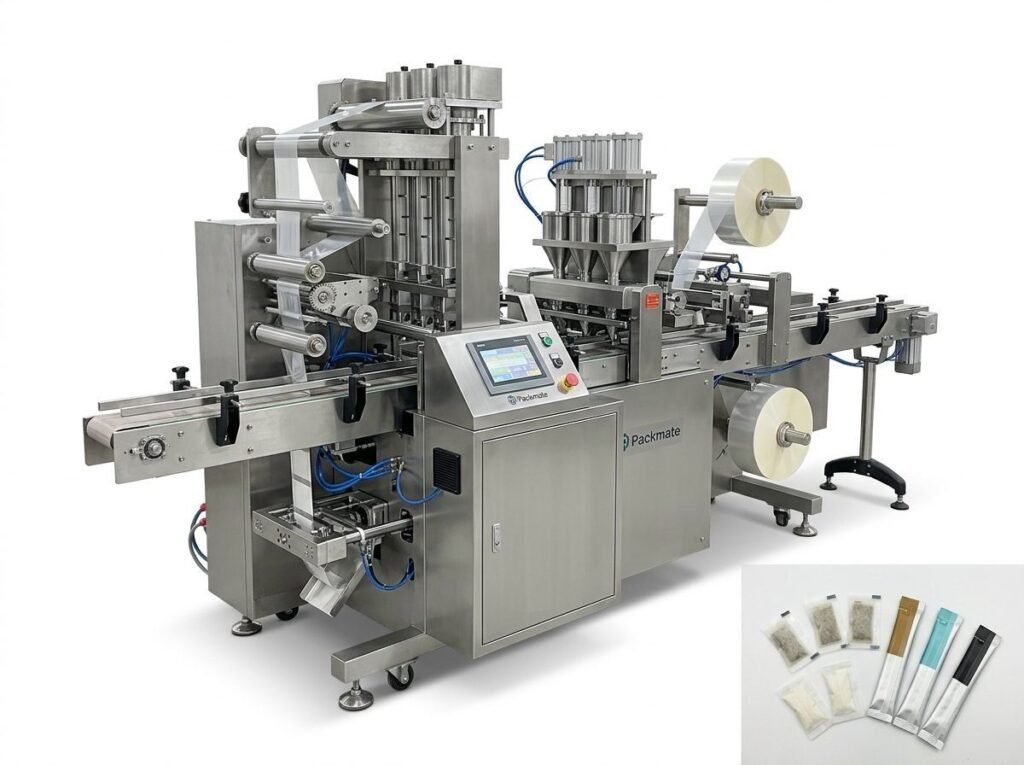
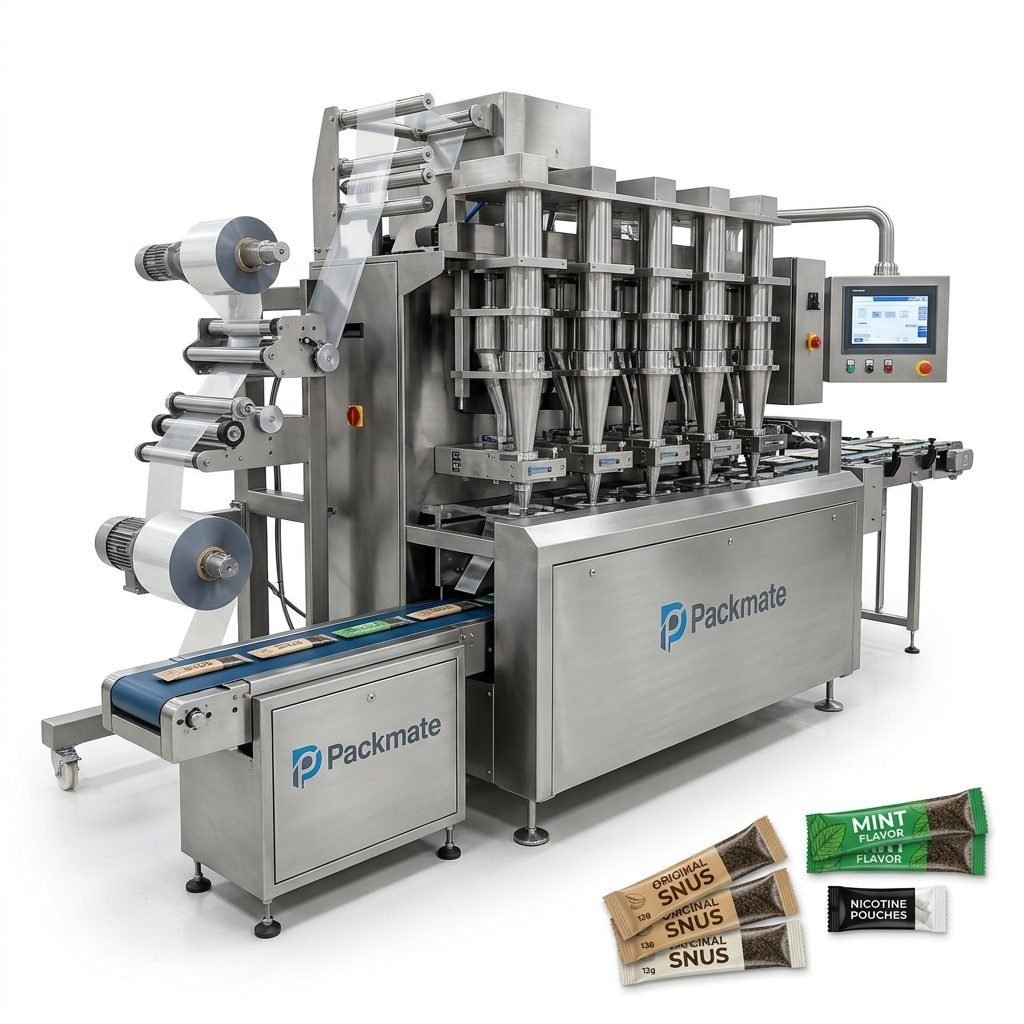
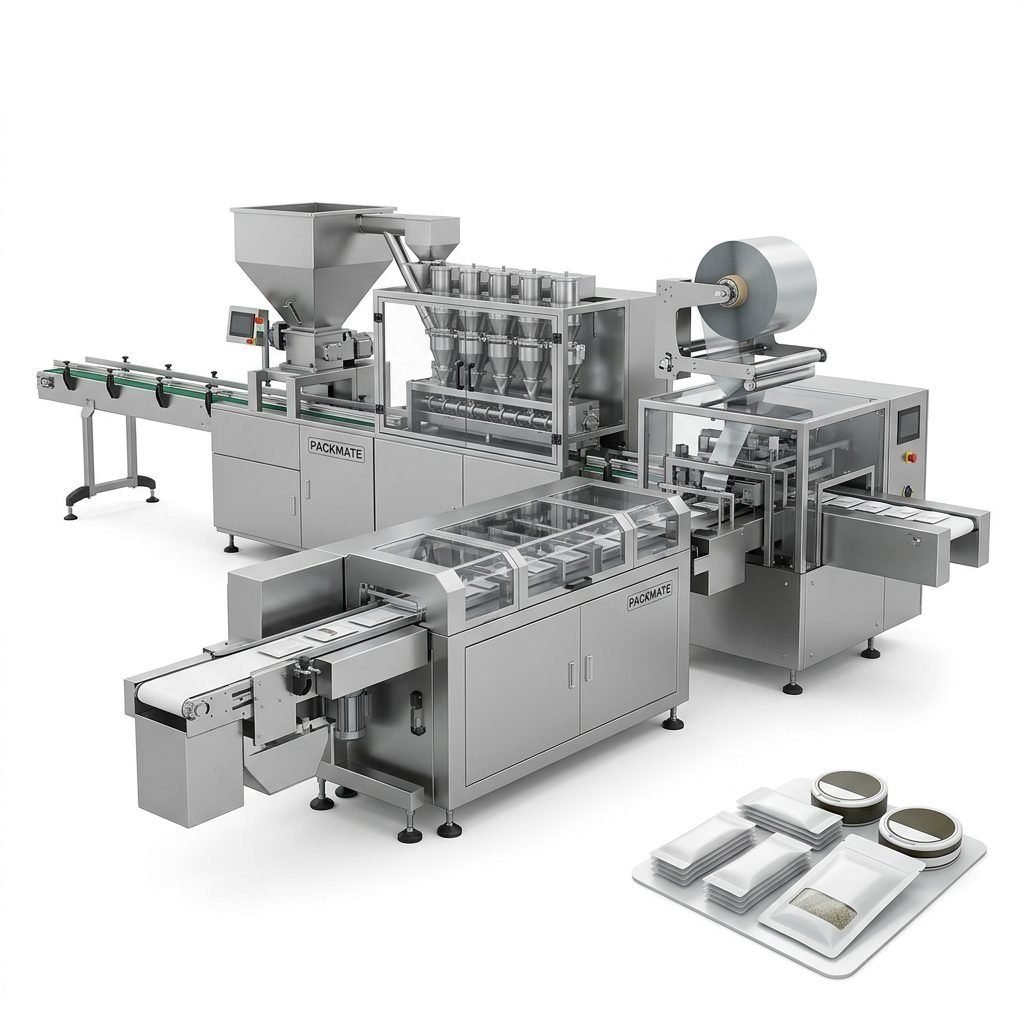
Choosing the right snus packaging machine supplier in Qatar is more than a procurement decision — it is a strategic investment that affects product quality, regulatory compliance, production uptime, and long-term business relationships. This guide walks you through the technical, commercial, and local considerations that matter most, helping you compare suppliers, evaluate proposals, and set up a reliable packaging line for nicotine pouches or snus in the Qatari market.
Understand Qatar’s Market & Regulatory Context
Before you evaluate machinery, understand the environment your equipment will operate in. In Qatar, regulatory compliance, clear Arabic labeling, and careful import documentation are essential. Local customers and authorities expect clear product information and adherence to public health regulations. Business negotiations often value relationship-building and clear documentation — be prepared for formal proposals and in-person or virtual technical review sessions.
Key practical points for suppliers and buyers in Qatar:
🔍 Regulatory checks: Confirm requirements of the Ministry of Public Health and customs documentation ahead of purchase.
⚖️ Labeling and language: Prepare Arabic labels and user manuals or translations for regulatory inspections and local operators.
☀️ Climate considerations: Hot, humid conditions can affect sensors and electrical cabinets; specify climate-protected enclosures or air conditioning if needed.
Technical Criteria: What to Check on the Machine
When comparing snus packing machines, focus on performance metrics, product compatibility, and engineering details that determine reliability and product quality.
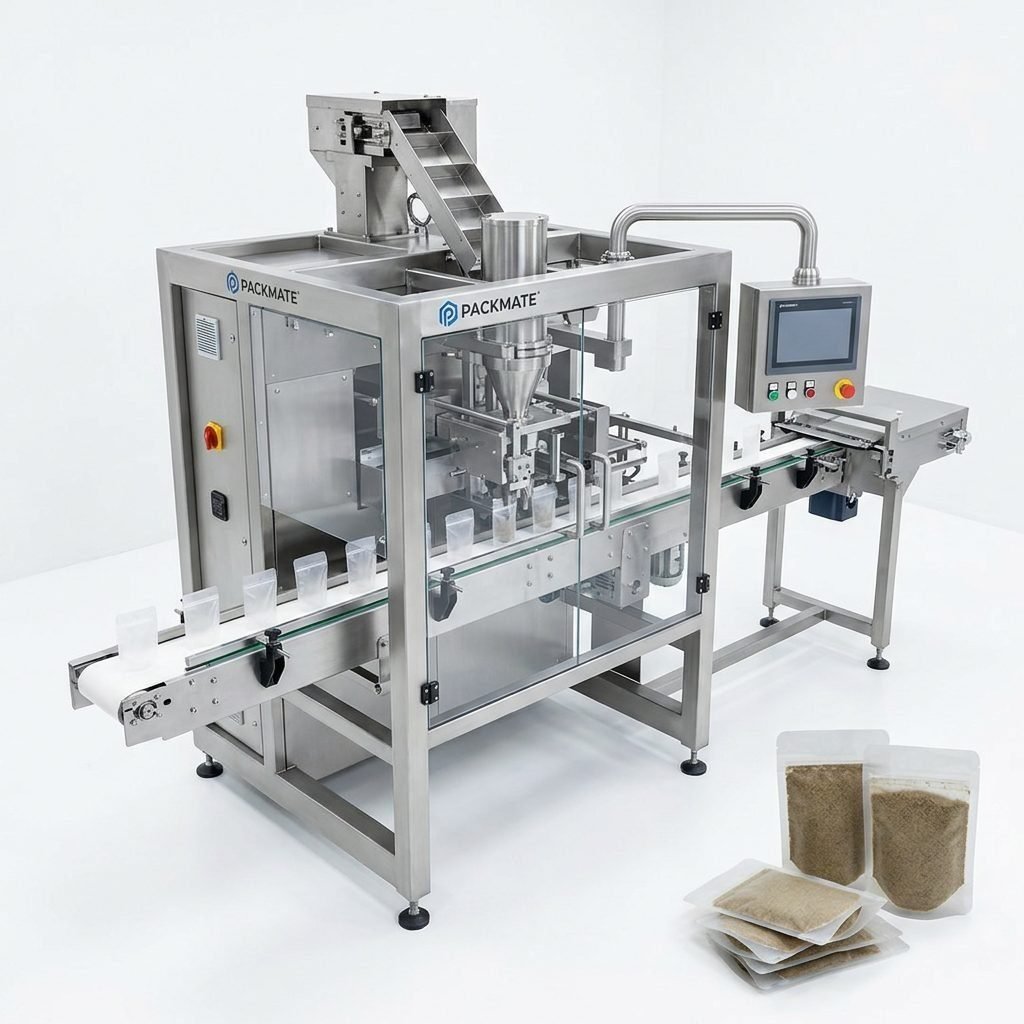
✓ Filling accuracy: Look for high-precision dosing systems (loss-in-weight or servo-driven volumetric systems) to ensure consistent weight per pouch.
✓ Sealing reliability: Robust heat-sealing, ultrasonic, or vacuum sealing options depending on pouch material and barrier requirements.
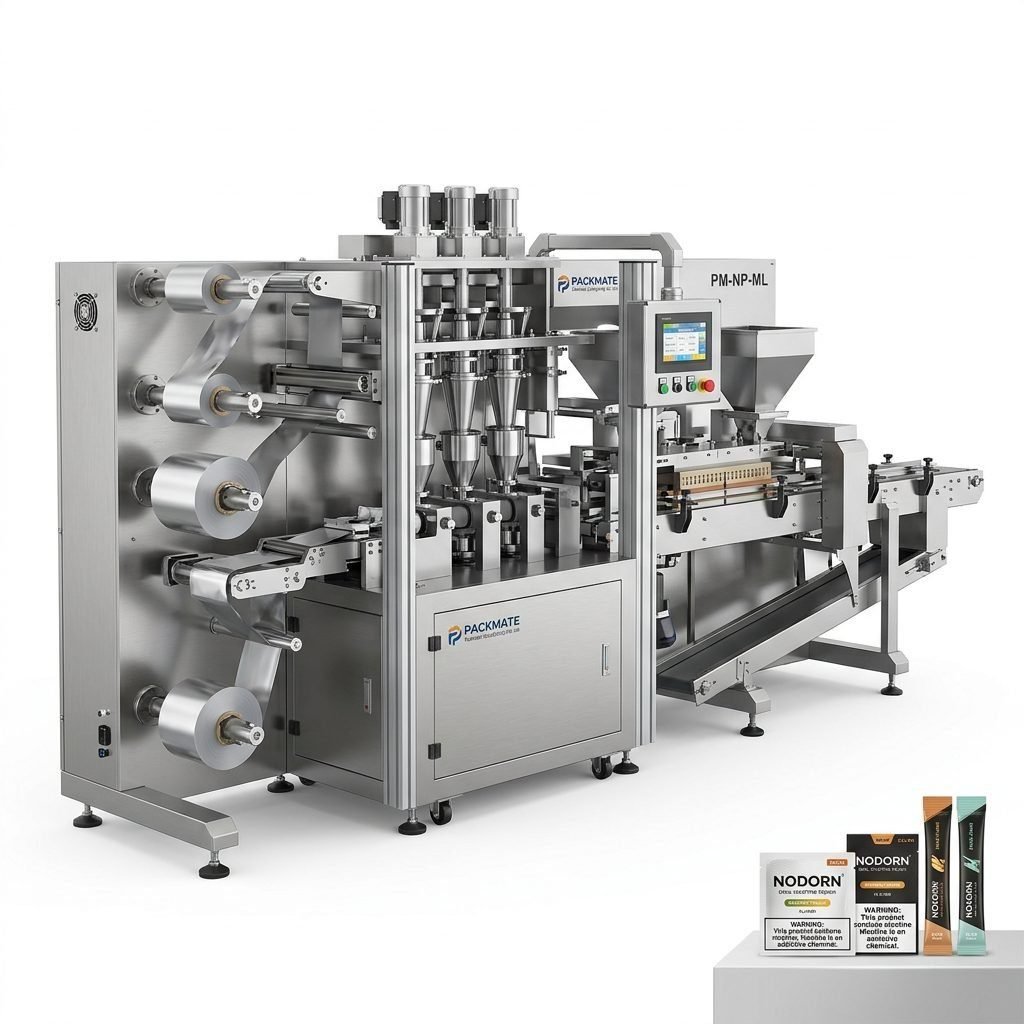
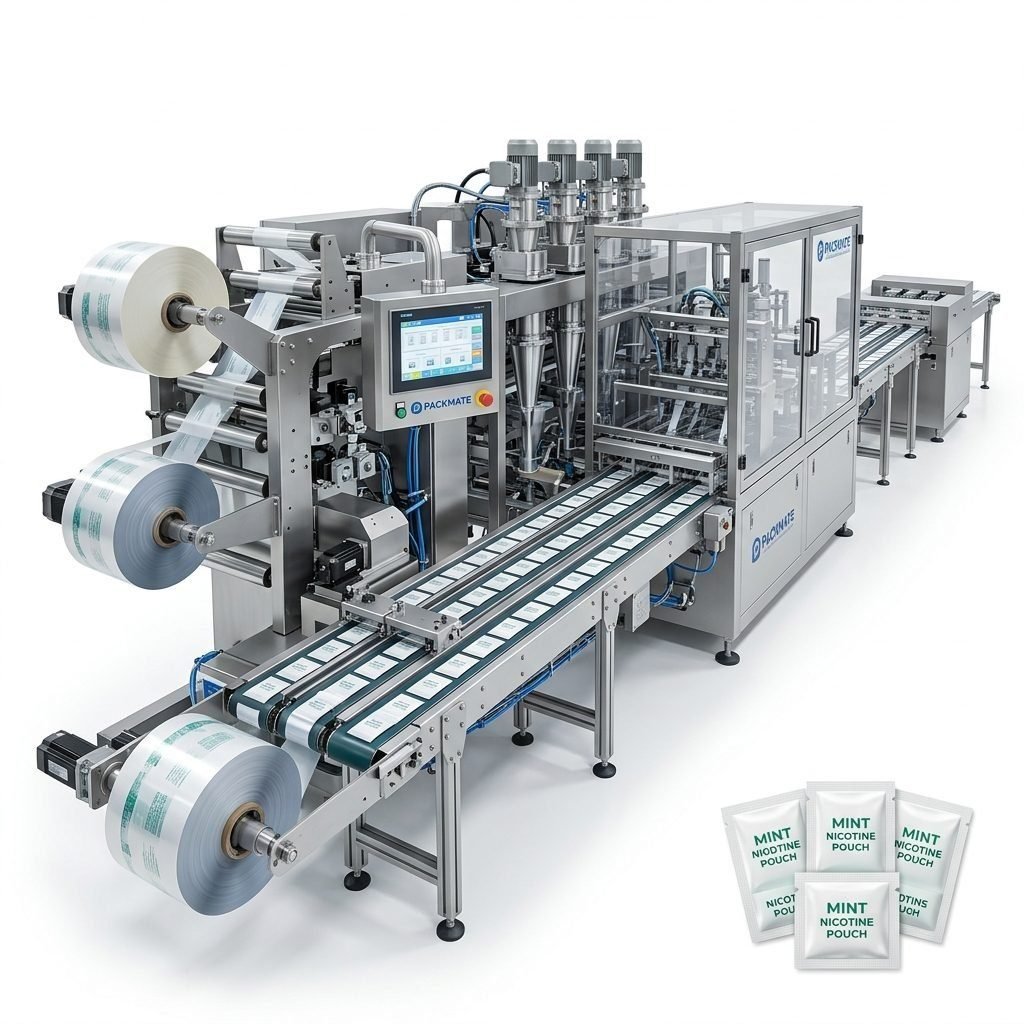
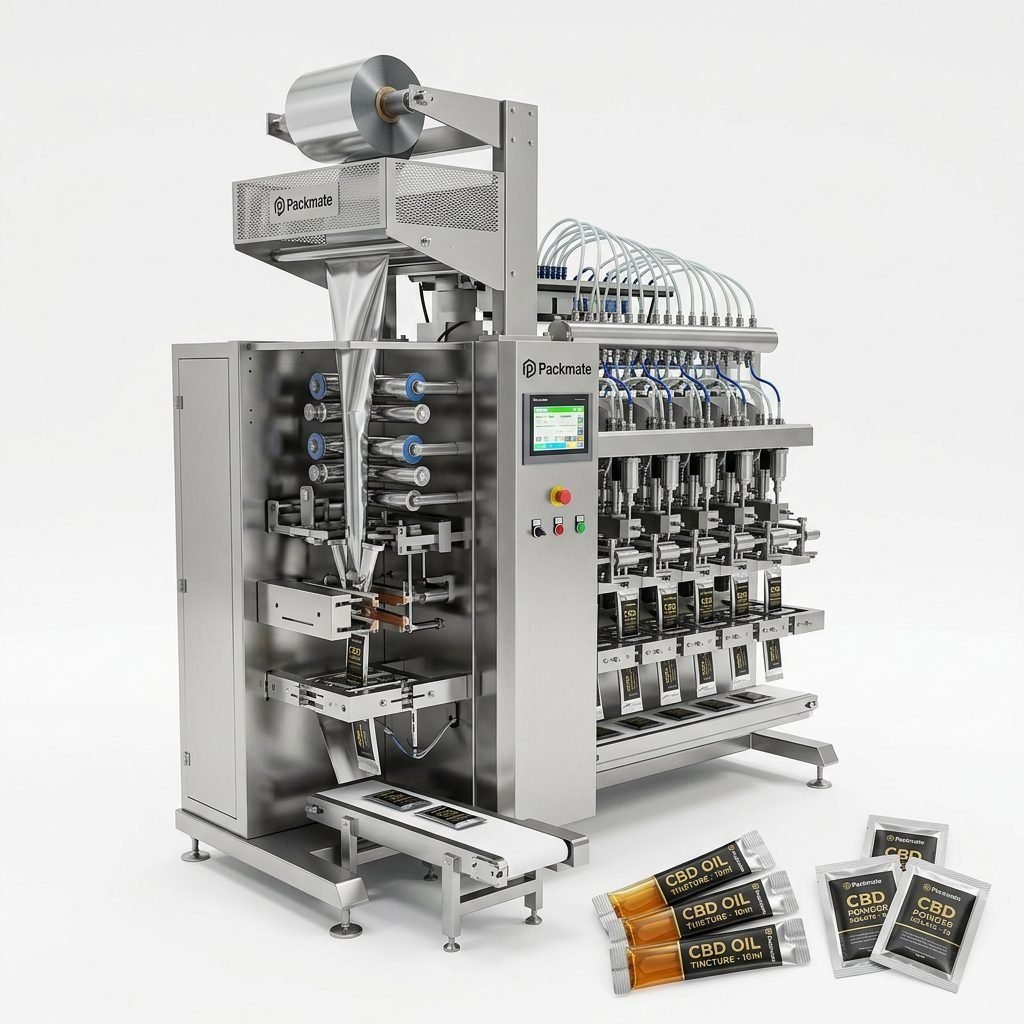
✓ Format flexibility: Ability to handle multiple pouch sizes, materials, and speeds. Multi-lane systems can multiply throughput for small-dose pouch products.
✓ Sanitation and maintenance: Easy access for cleaning, IP-rated cabinets, and hygienic designs to reduce downtime.
Performance & Throughput
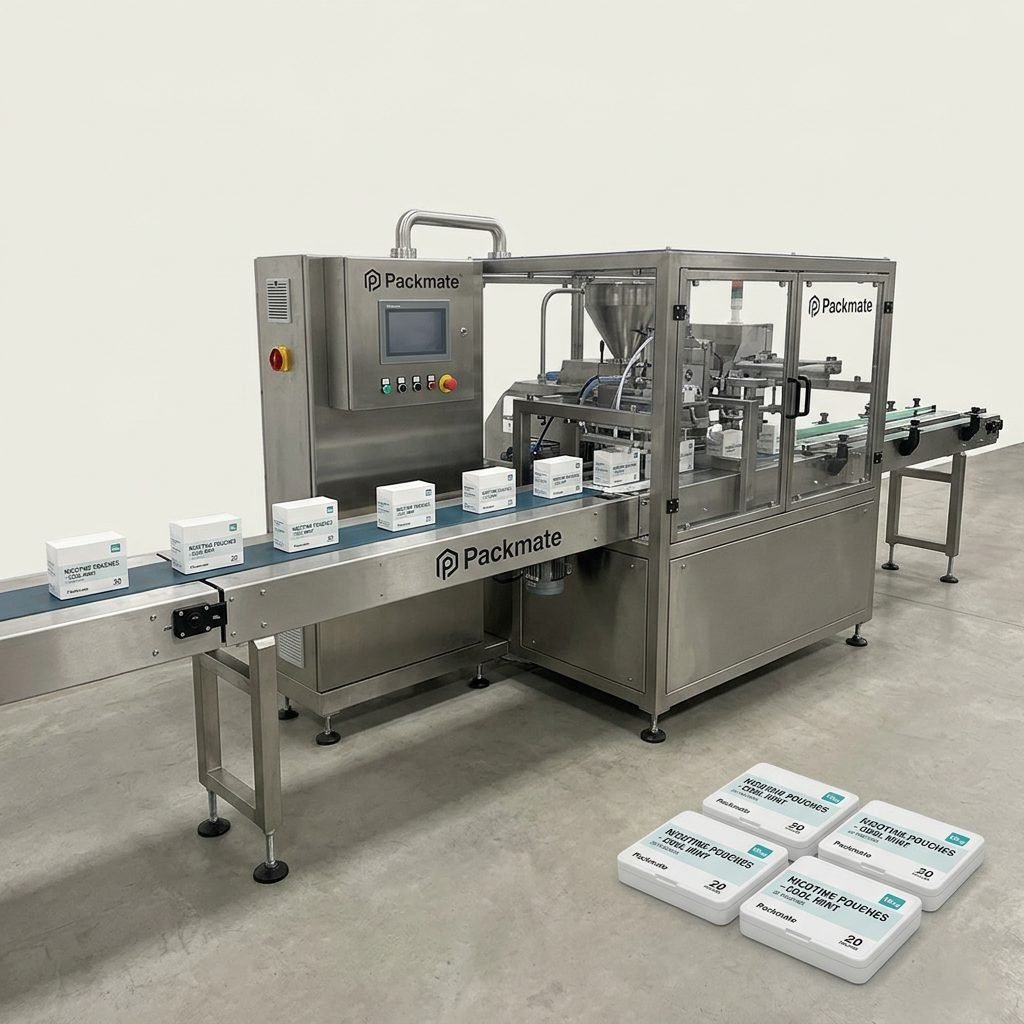
Match machine speed with your business plan. A small pilot line may need only a single-lane sachet or stick pack machine, while commercial production of nicotine pouches often benefits from high-speed multi-lane systems. Evaluate the machine’s continuous runtime and duty cycle under your target product conditions.
Controls, Automation & Data
Modern machines use PLCs and color touch HMIs; ask about data export (production logs, downtime reasons) and Industry 4.0 readiness. Remote diagnostics and software updates are valuable for minimizing on-site service calls.
Supplier Capability, Track Record & Certifications
Choose suppliers with demonstrated experience in snus and nicotine pouch packaging. Look for industry certifications and manufacturing strength that reduce delivery risk.
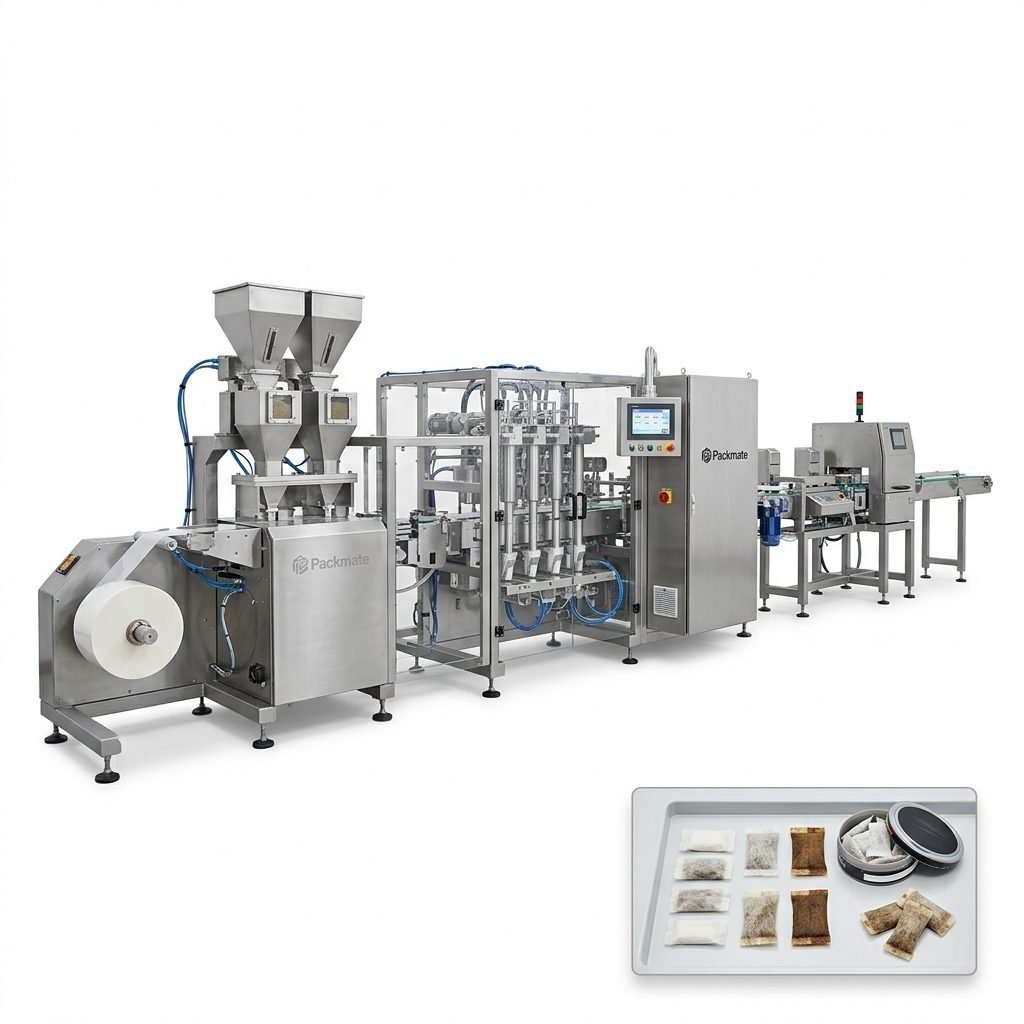
Packmate Snus Machine, as an example, offers over 30 years of experience, a 20,000㎡ factory with advanced CNC centers, and more than 50 machine models — attributes that matter when you need customizations or high-quality spare parts. For detailed product lines see Snus & Nicotine Packaging Machines and Bag & Pouch Packaging Machines.
Verify certificates such as CE and ISO, and ask for factory photos, assembly process descriptions, and test reports. If possible, review case studies or on-site references — real installations and performance data matter; review supplier case examples at Case.
Commercial Terms & After-sales Support
Commercial confidence comes from clear terms: warranties, spare parts availability, training, and service response times. In Qatar, buyers often expect vendors to support import logistics and provide documentation for customs clearance.
🛠️ Warranty & spare parts: Ask for parts lead times and minimum stock recommendations. A clear spare parts plan prevents long production stops.
📞 Technical support: Check if the supplier offers remote diagnostics, on-site commissioning, and training for your operators and maintenance crew.
📄 Contracts & payment: Typical international terms include deposits and Letters of Credit (LC). Clarify delivery incoterms (EXW, FOB, CFR) and shipment timelines.
Factory Acceptance Test (FAT) and Site Acceptance
Insist on a FAT with your product or a representative formula. A comprehensive FAT reduces installation surprises and confirms performance metrics before shipment. After delivery, a Site Acceptance Test (SAT) ensures the line runs to spec in local conditions.
Practical Site, Utilities & Installation Considerations in Qatar
Preparing your facility ensures a smooth installation. Qatar’s climate and facility standards lead to a few specific checks.
⚡ Electrical supply: Ensure stable 220–240V 50Hz power supply; confirm machine power ratings and whether a transformer or UPS is needed for sensitive electronics.
💨 Climate control: High ambient temperatures can affect pneumatics and electronics. Provide climate control for control cabinets and storage areas for consumables like films and adhesives.
📐 Flooring & layout: Confirm floor loading, machine footprint and service access. Provide straight, leveled floors and sufficient clearance for conveyors and maintenance access.
Quality Checks & Acceptance Criteria
Define acceptance criteria in your purchase agreement. Typical items include filling tolerance, seal integrity, pouch appearance, cycle rate, and changeover time.
📊 Performance guarantees: Put guaranteed speeds and tolerances in writing, with remedies if targets aren’t met during FAT/SAT.
🔧 Spare parts list: Agree on a recommended initial spare parts kit (belts, sensors, seals, motors).
👥 Training scope: Define operator and maintenance training hours and documentation (including Arabic translations if needed).
How to Vet a Supplier: Practical Steps
A structured evaluation helps you compare offers objectively. Use a weighted checklist for technical fit, cost of ownership, and supplier reliability.
Suggested vetting process:
1. Request detailed technical data sheets and reference installations.
2. Visit the factory or request video walkthroughs of production and final assembly lines.
3. Schedule a FAT and require test runs with your product samples.
4. Verify after-sales network and local service options in the Gulf region — quick parts and service arrival reduces risk.
Documentation & Traceability
Obtain full mechanical drawings, electrical schematics, PLC code overview, spare parts list, and maintenance manuals. Ensure manuals are provided in English and, when helpful, Arabic.
Why Choose Established Manufacturers?
Established manufacturers bring repeatable engineering, proven supply chains, and systematic quality control. They can deliver tailored multi-lane solutions, integration with upstream/downstream equipment, and long-term lifecycle support. For a complete portfolio and turnkey line options see Filling & Packaging Lines and Weighing & Packaging Systems.
Negotiation Tips for Qatar Buyers
In Qatar, punctual communication, clear contracts, and credible references are keys to smooth negotiations. Consider local business practices such as formal proposals, timely follow-ups, and the potential use of local agents for customs clearance.
Typical negotiation points:
💼 Payment structure: Negotiate balanced payment milestones tied to FAT completion and shipment.
🚚 Delivery schedule: Build realistic lead times and include penalties or remedies for excessive delays.
Useful Resources & Next Steps
If you are evaluating vendors, request brochures and catalogs, and consider visiting industry exhibitions to see live demonstrations. Explore the supplier’s product catalog and support pages for additional details: Catalog, Service, and Contact Us for direct inquiries.
Conclusion
Selecting the best snus packaging machine supplier in Qatar means balancing technical capability, regulatory readiness, local practicalities, and commercial terms. Prioritize suppliers with proven snus/nicotine experience, documented quality systems, and clear after-sales support. A thorough FAT, clear acceptance criteria, and a thoughtful site preparation plan will significantly reduce commissioning risks and get your production running smoothly.
Common Questions
Q: What certifications should I ask a snus packaging machine supplier for in Qatar?
A: Ask for CE and ISO certificates, electrical safety documentation, and test reports demonstrating filling accuracy and sealing integrity. Also request material compliance documents for contact parts.
Q: How important is a Factory Acceptance Test (FAT)?
A: A FAT is critical — it verifies machine performance with real product samples, avoids surprises during installation, and allows contractual performance metrics to be confirmed before shipment.
Q: Should I be concerned about climate and power supply in Qatar?
A: Yes. Qatar’s high temperatures and humidity can affect electronics and pneumatics. Confirm that control cabinets are protected, and ensure stable electrical supply (220–240V, 50Hz) with appropriate surge protection or UPS if needed.
Q: How do I ensure timely spare parts and service?
A: Negotiate spare parts kits with delivery lead times in the contract, confirm the supplier’s regional service capabilities or authorized service partners, and consider stocking critical consumables locally.
Q: Where can I see examples of installed lines and references?
A: Request case studies and customer references from the supplier. Many manufacturers publish installation case details online — review the supplier’s case library for similar projects at Case.