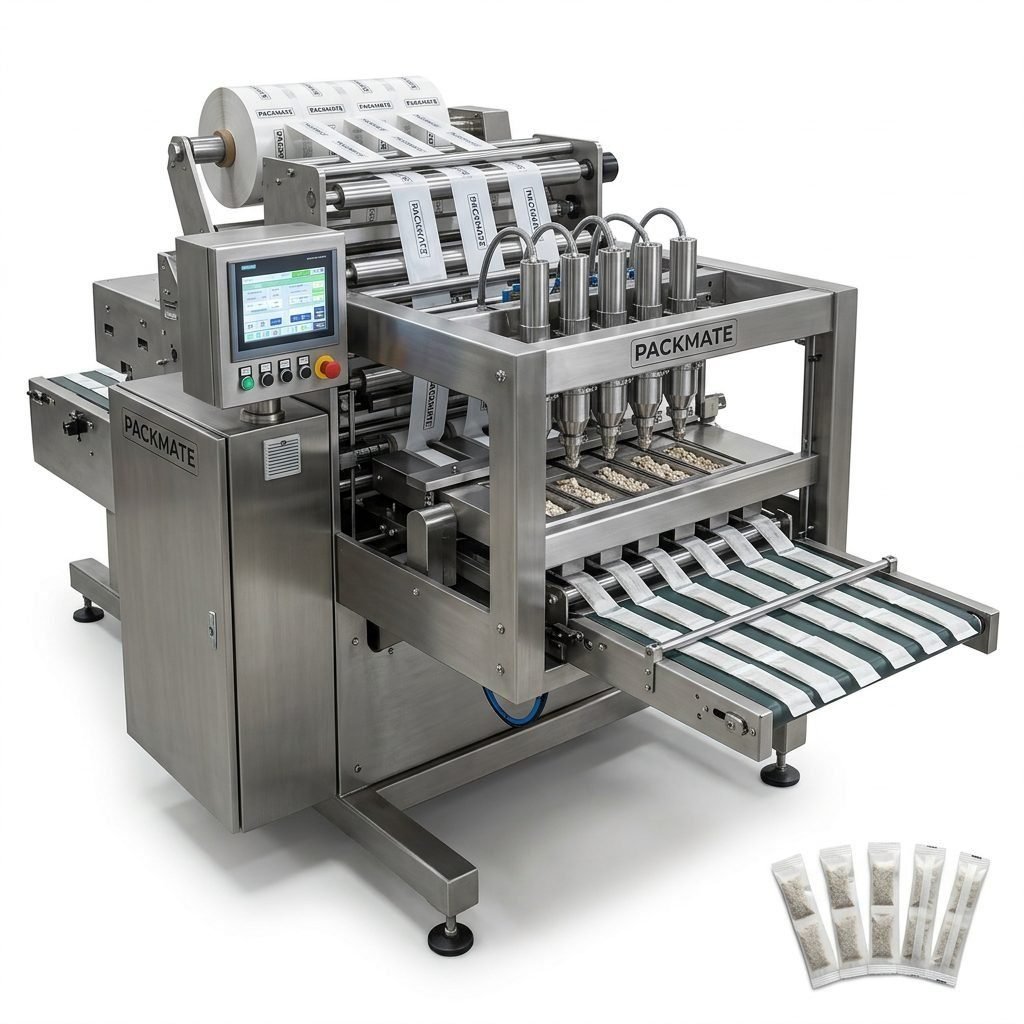
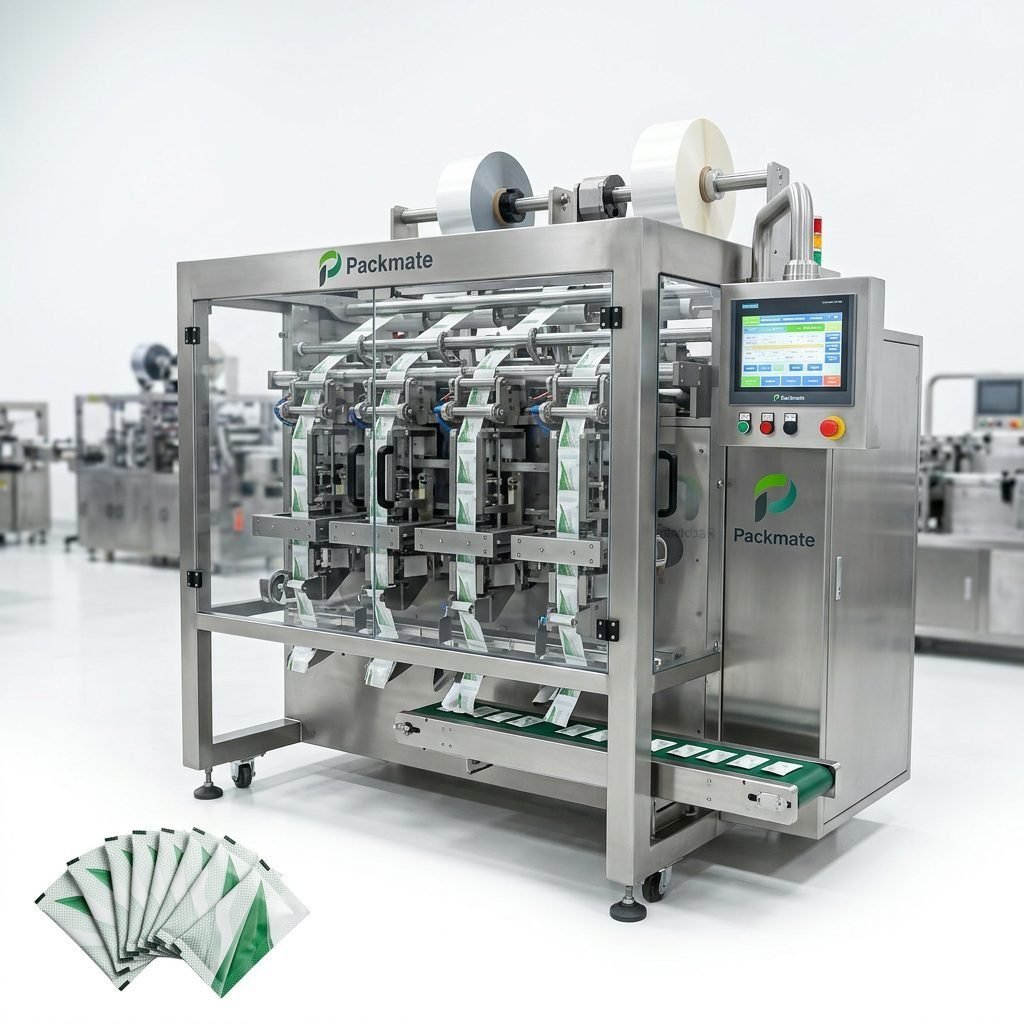
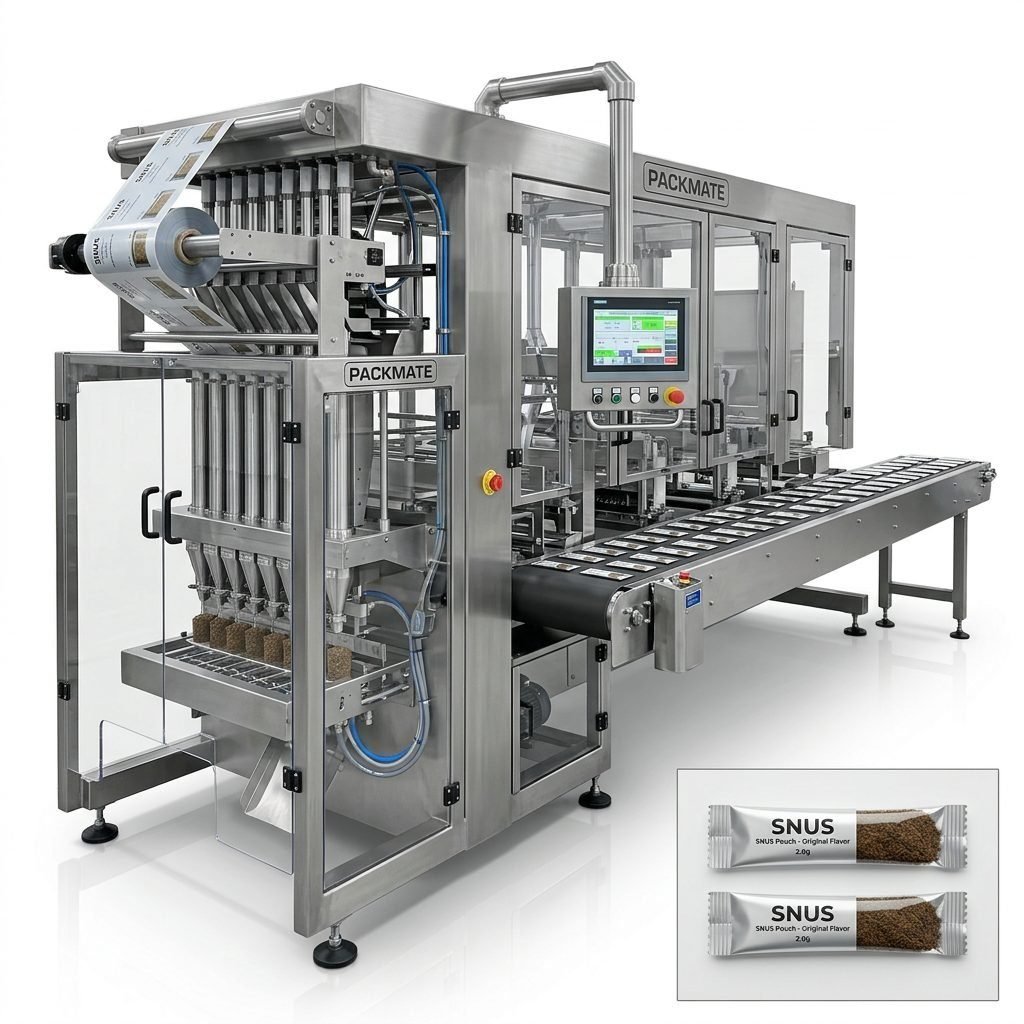
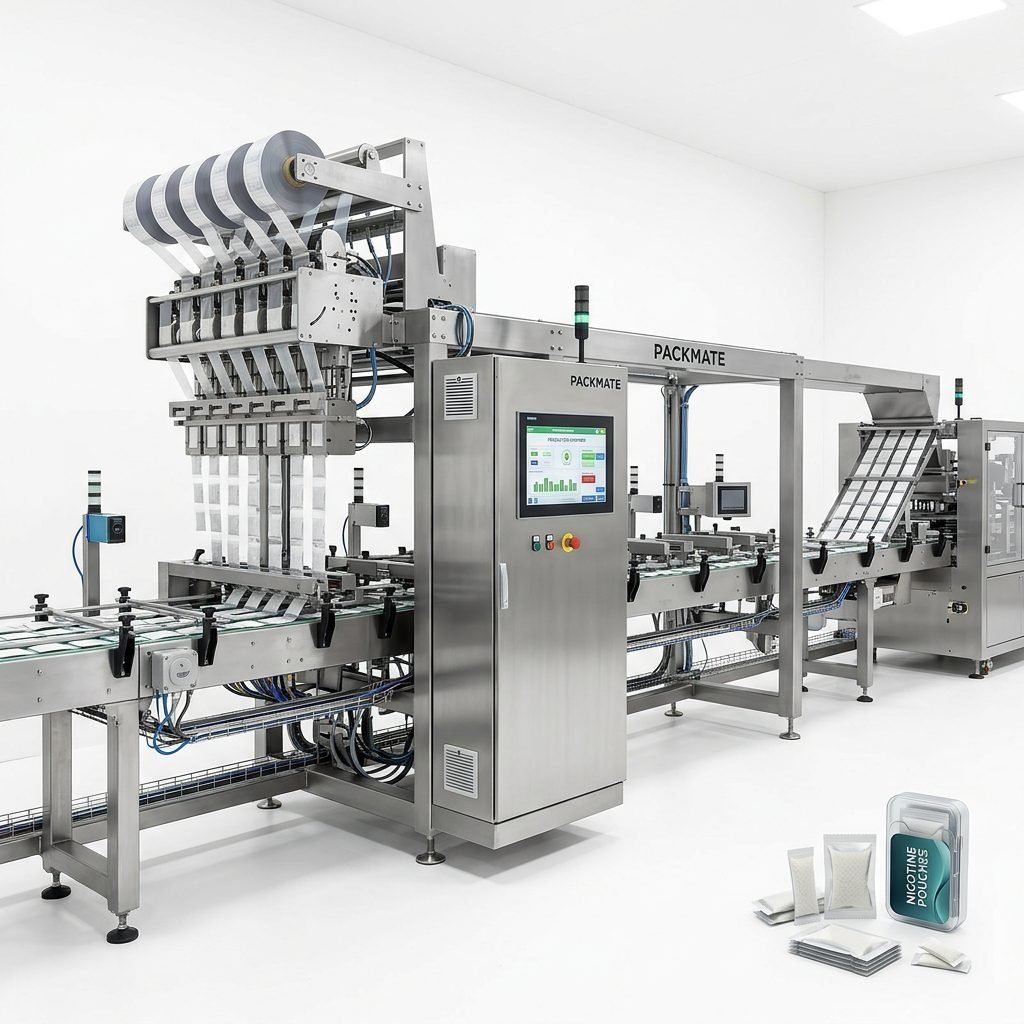
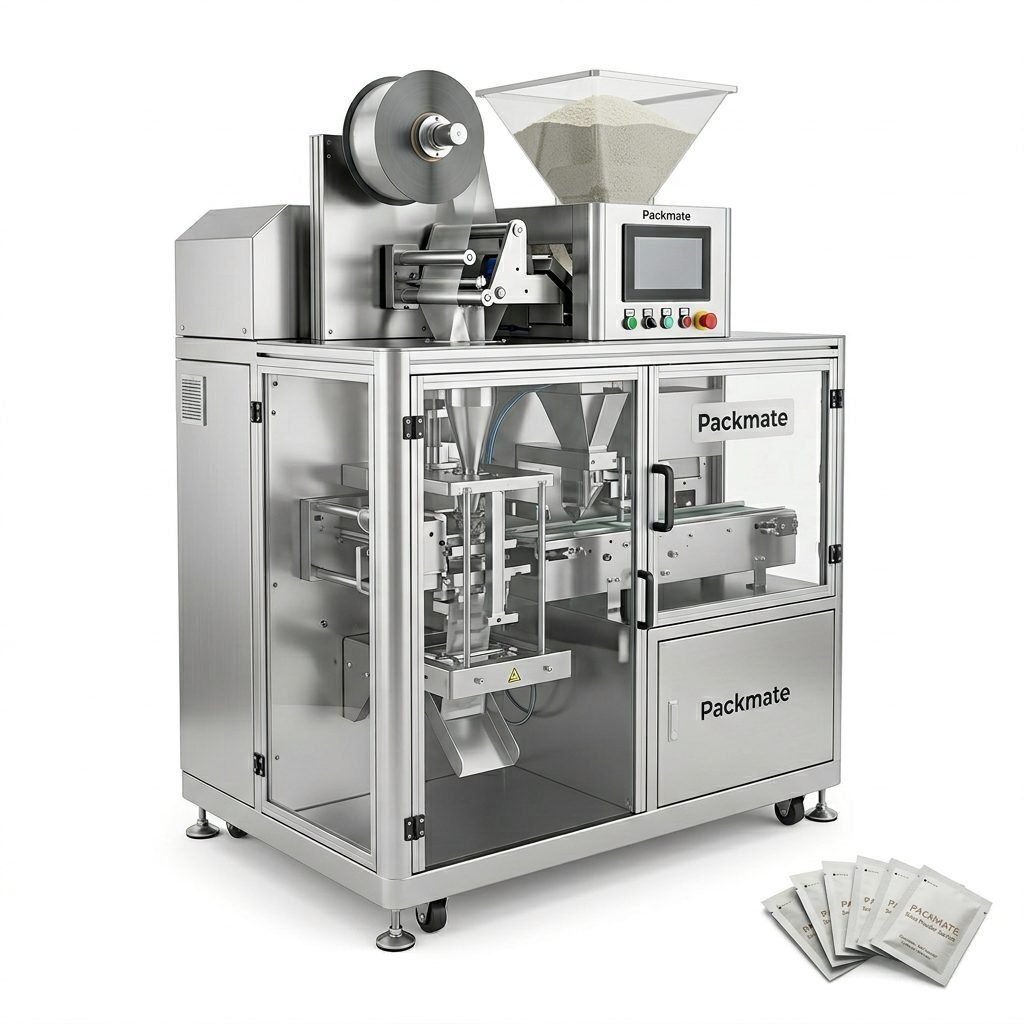
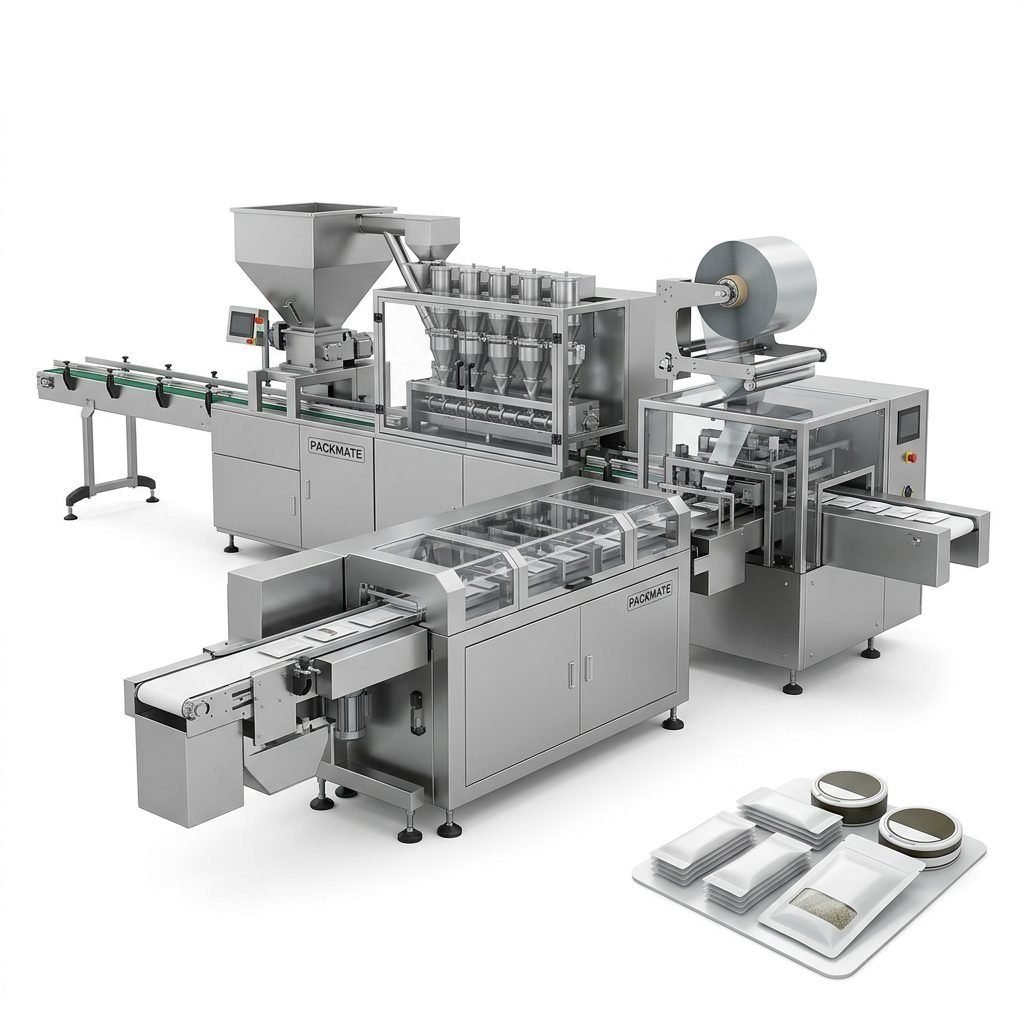
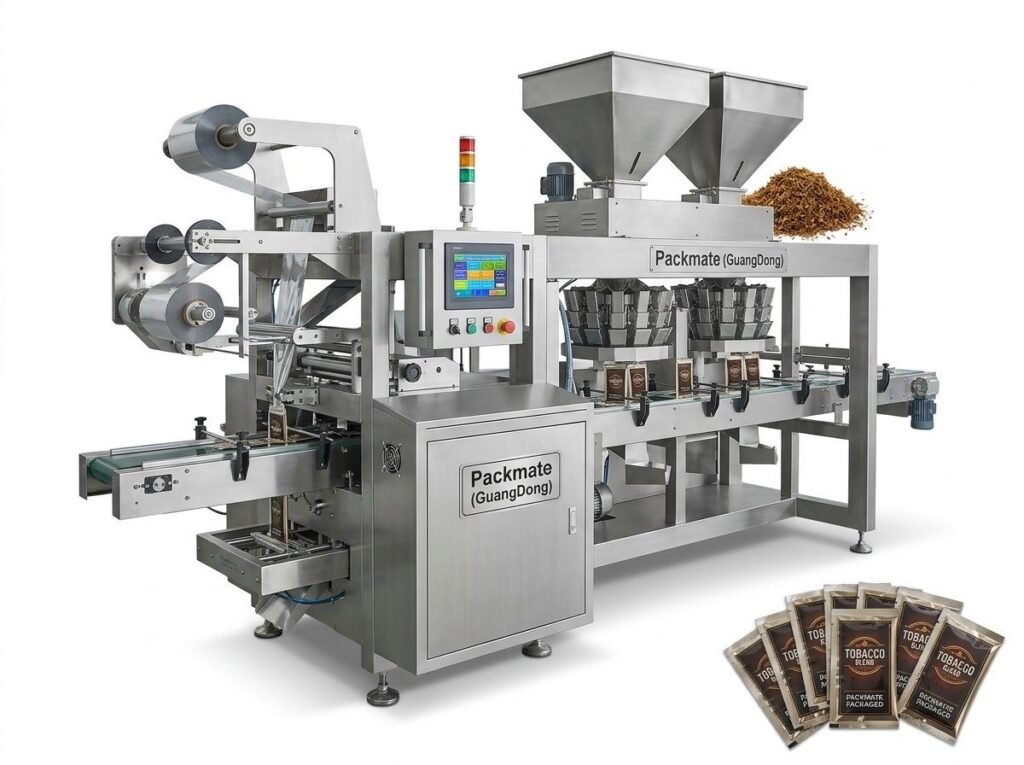
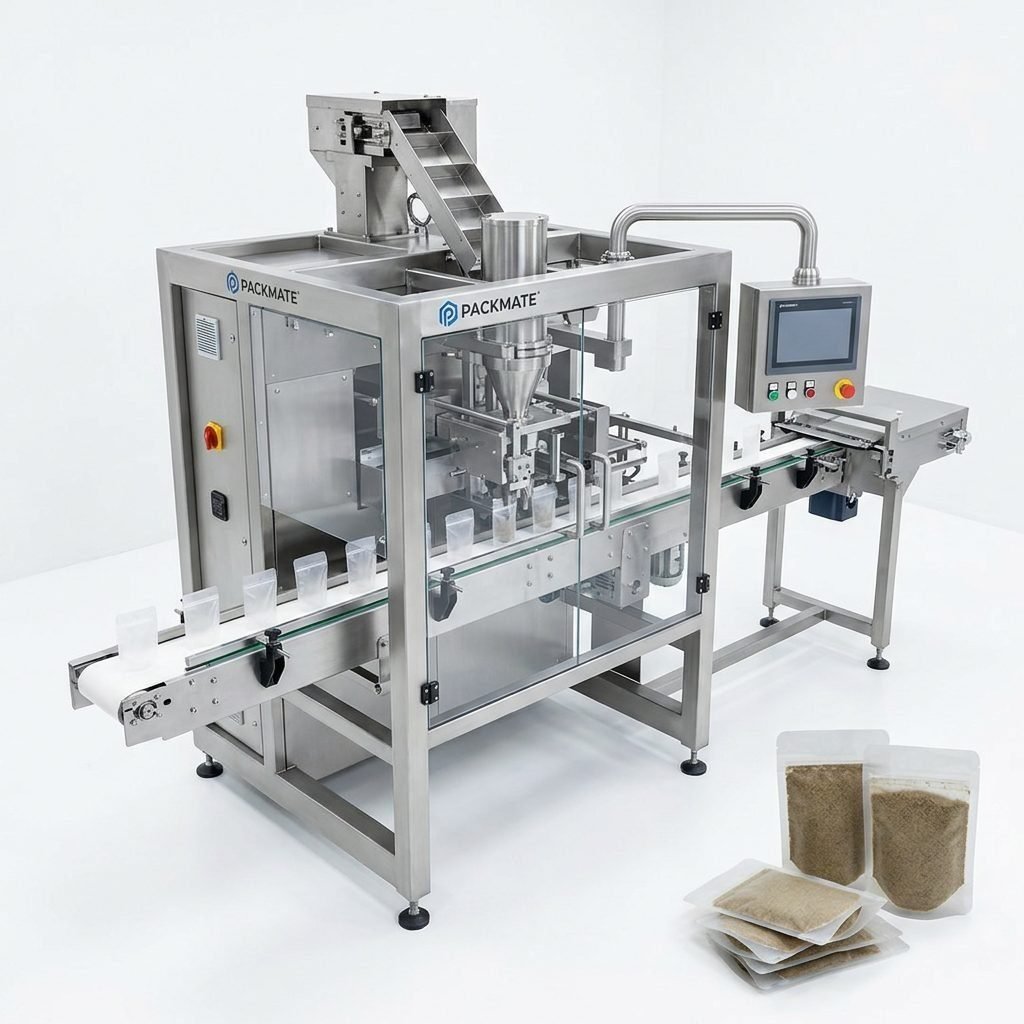
Choosing the right nicotine packaging machinery in Ukraine requires a clear understanding of product requirements, regulatory constraints, production volumes, and after-sales support. This guide walks you through practical steps, key specifications, and real-world considerations to help you select a reliable snus or nicotine pouch packaging solution that fits your factory layout and business goals.
Understand Your Product and Output Needs
The first step is to define the exact product format and daily output targets. Nicotine pouches and snus come in a range of formats — single-dose pouches, multi-lane sticks, sachets, and small-dose pouches. Machines optimized for sachet and stick pack formats behave differently from multi-lane pouch systems. Ask yourself:
Key variables: pouch size and material, filling type (powder, paste, granule), target speed (pieces/min or pouches/min), number of lanes, and allowable downtime. For example, multi-lane systems dramatically increase throughput but require precise synchronization and more complex maintenance.
Match Machine Type to Your Production Strategy
Generally, packaging machinery falls into several categories. Understanding these categories helps you shortlist the right models:
Sachet & Stick Pack Machines
These machines excel at high-speed single-dose packaging. They are ideal for small, sealed sticks or sachets and often provide excellent film utilization and a compact footprint.
Snus & Nicotine Pouch Machines
Machines designed specifically for snus and nicotine pouches focus on small-dose accuracy, gentle pouch transfer, and precise sealing. If your product is sensitive to filling losses or requires an exact weight per pouch, prioritize specialized pouch systems.
Bag & Pouch Lines and Integrated Filling Systems
For retailers or brands that require outer bags, pouches, or secondary packaging, consider integrated lines that combine primary pouch forming with secondary bagging and case packing functions. These reduce manual handling and increase traceability.
Essential Technical Considerations
On the technical side, a few specifications determine the long-term performance and operational cost of a packaging machine.
Precision & Speed: Check achievable speed at target pouch size and the accuracy of the dosing system. High speed is valuable only if weight/volume accuracy stays within tolerance.
Material Compatibility: Verify compatibility with your chosen film, inner pouch material, and any laminates. Some films need higher-temperature sealing or special seal profiles.
HMI & Control Systems: A modern PLC with a user-friendly touchscreen reduces setup time and training needs. Look for repeatable recipe management and remote troubleshooting capabilities.
Quality, Compliance and Certifications
Regulatory and safety compliance is essential. Choose manufacturers who document CE and ISO compliance, and offer traceability features that may be required by distributors or regulators.
Tip: Ask for machine dossiers, certificates, and a list of parts with origins. A manufacturer with transparent quality control and international certifications is easier to import and deploy in Ukraine.
Evaluate Manufacturer Experience and After-Sales Support
Long-term reliability depends on both machine design and the manufacturer’s support network. A company with deep experience in nicotine packaging will better anticipate common production issues and provide tailored solutions.
Ask for references and case studies. Visit exhibition demonstrations or request video tests. Manufacturers that display production lines at trade shows or provide live demos are easier to vet. See examples of professional solutions at Snus & Nicotine Packaging Machines.
Service, Spare Parts and Local Support in Ukraine
Confirm the availability of spare parts and the typical lead time for replacements. Localization of service—whether the manufacturer has local agents, on-site service partners, or a documented remote support process—can dramatically reduce downtime.
Service plan checklist: preventive maintenance schedules, spare parts kit recommendation, online troubleshooting, and training packages for your operators and maintenance staff.
Layout, Installation and Utility Requirements
Assess factory space, utility capacity, and layout constraints before selecting a machine. Multi-lane systems need straight-line space and vibration-free foundations, while integrated lines may require conveyors and synchronized feeders.
Utilities to confirm: electrical supply and phase, compressed air quality and consumption, vacuum systems, and factory drainage or waste handling if applicable.
Total Cost of Ownership (TCO) vs. Upfront Price
Low purchase price is tempting but can mask higher operating expenses. Evaluate TCO by analyzing spare parts pricing, average mean time between failures (MTBF), energy consumption, and expected maintenance labor.
Calculate: amortized equipment cost per pouch, consumables cost (film, adhesives), and service contract costs. Compare quotes using the same assumptions for production hours and material costs.
Customization, Upgrades and Integration
Your chosen supplier should offer modular options and future-proof upgrades—such as additional lanes, automated infeed systems, and vision inspection—for product diversification or scaling.
Integration note: If you plan to integrate weighing or auxiliary equipment, review compatible options like Weighing & Packaging Systems and Auxiliary Packaging Equipment.
Factory Visits, Factory Acceptance Test (FAT) and On-Site Commissioning
Whenever possible, perform a Factory Acceptance Test or request video evidence of machines running with your exact packaging materials. FAT reduces surprises during commissioning and proves performance claims.
During FAT, check: cycle rate under load, weight accuracy, sealing integrity, film waste percentages, and operator ergonomics. Document all acceptance criteria for the sales contract.
Logistics, Import and Warranty Considerations
Confirm shipping terms, lead times, and warranty coverage. Reliable vendors will provide clear shipping documentation, spare parts kits, and a warranty that covers mechanical and electrical systems.
Practical step: Ensure the vendor has experience exporting to Ukraine and can assist with customs paperwork or local representatives to handle logistics.
Why Choose an Established Snus Machine Manufacturer
A manufacturer with decades of experience in snus and nicotine machinery brings accumulated engineering improvements, a wider parts inventory, and proven designs. Firms with broad product lines and turnkey capabilities often offer better long-term ROI.
Example: companies that provide snus packing, stick pack, sachet machines and integrated filling lines can deliver a tailored solution rather than forcing you into a one-size-fits-all machine. Learn more about a full portfolio at Bag & Pouch Packaging Machines and Sachet & Stick Pack Machines.
Decision Checklist Before Purchase
Use this compact checklist to compare suppliers and machines:
✅ Confirm production speed with your pouch size and material.
✅ Verify dosing accuracy and acceptable error tolerance.
✅ Inspect build quality and materials of construction.
✅ Review certificates (CE/ISO) and quality documentation.
✅ Request FAT and references from similar projects.
✅ Ensure spare parts availability and local service options.
✅ Clarify warranty, installation, and training commitments.
Working with Packmate and Similar Suppliers
When evaluating vendors, consider those with a history in snus machinery and a complete portfolio that includes production lines, auxiliary equipment, and global case studies. A manufacturer with a 20,000㎡ production facility and decades of R&D experience can better meet customized requirements and support expansion.
Explore more: read company credentials, case studies, and exhibition schedules to validate expertise: About Packmate, Case, and Our Exhibition.
Practical Tips for Ukrainian Buyers
Local conditions matter. Factor in seasonal utility variations, port and customs timelines, and local labor skills. Training and easy-to-follow manuals in your preferred language reduce commissioning time.
Local adaptation: ask for electrical configuration options, spare parts kits for common wear items, and remote service agreements that include guaranteed response times.
Final Buying Steps
1) Shortlist two or three suppliers based on technical fit.
2) Conduct FAT or request detailed demo videos with your materials.
3) Negotiate clear acceptance criteria, spare parts lists, and SLA terms.
4) Plan installation, training, and a phased ramp-up to full production.
Conclusion
Selecting the best nicotine packaging machinery in Ukraine is a combination of technical alignment, vendor credibility, compliance readiness, and realistic total cost assessment. Prioritize machines designed for your product format, verify real-world performance through FAT, and confirm that local support and spare parts will keep your line running reliably.
Frequently Asked Questions
Q: What is the typical lead time for delivery and commissioning of a snus pouch machine?
A: Lead times vary by model and customization but typically range from 8 to 20 weeks including FAT and shipping; expedited options may be available for stock models.
Q: How do I validate a supplier’s performance claims before purchase?
A: Request a Factory Acceptance Test, client references, and running videos with your exact film and pouch materials; insist on documented acceptance criteria.
Q: Which spare parts are essential to keep in stock for continuous operation?
A: Common wear items include sealing jaws, belts, sensors, cutting blades, pumps, and drive belts; ask the supplier for a recommended spare parts kit.
Q: Can machines be upgraded from single-lane to multi-lane systems later?
A: Some modular designs allow lane expansion or integration with additional feeders, but verify upgrade paths and costs with the manufacturer in advance.
Q: How important is local service in Ukraine and what can I expect?
A: Local service shortens downtime. Expect a combination of remote troubleshooting, on-site visits by certified technicians, and spare parts shipment; clarify response times in the service agreement.