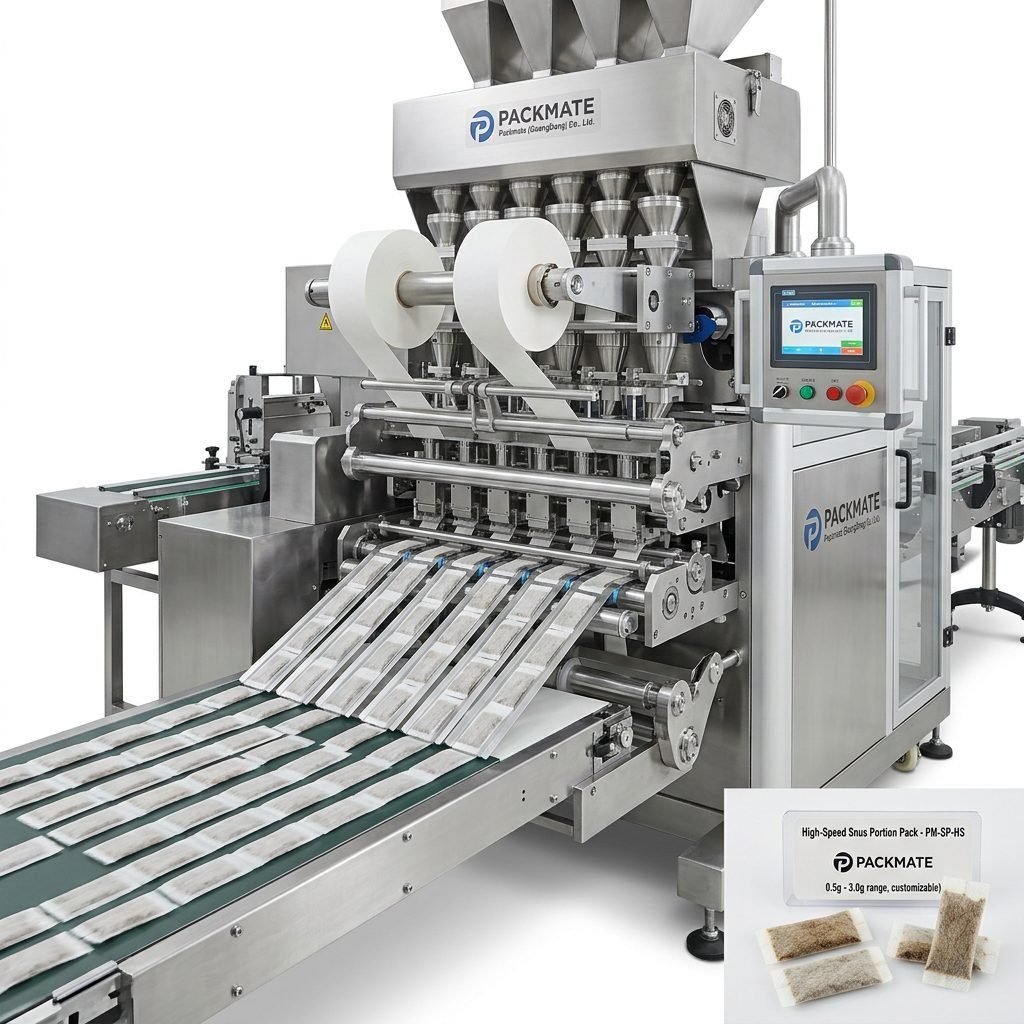
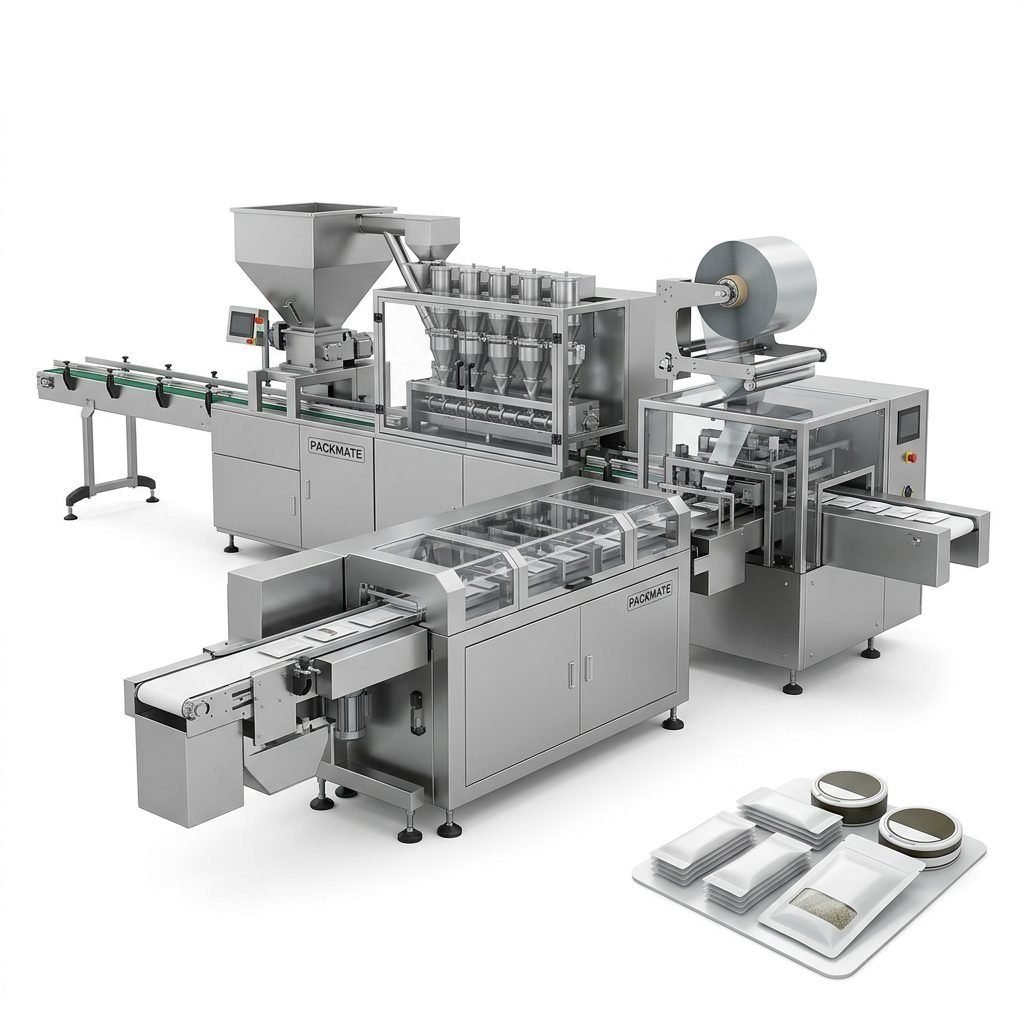
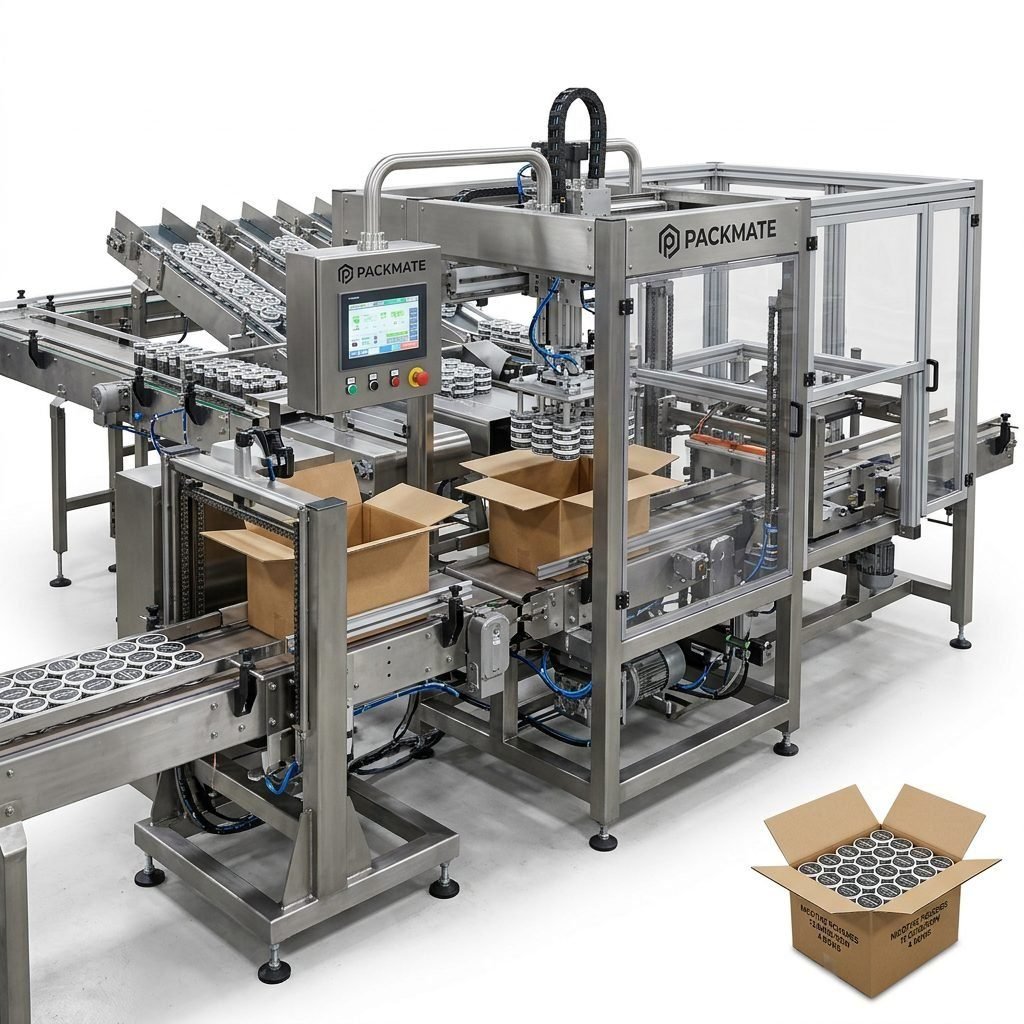
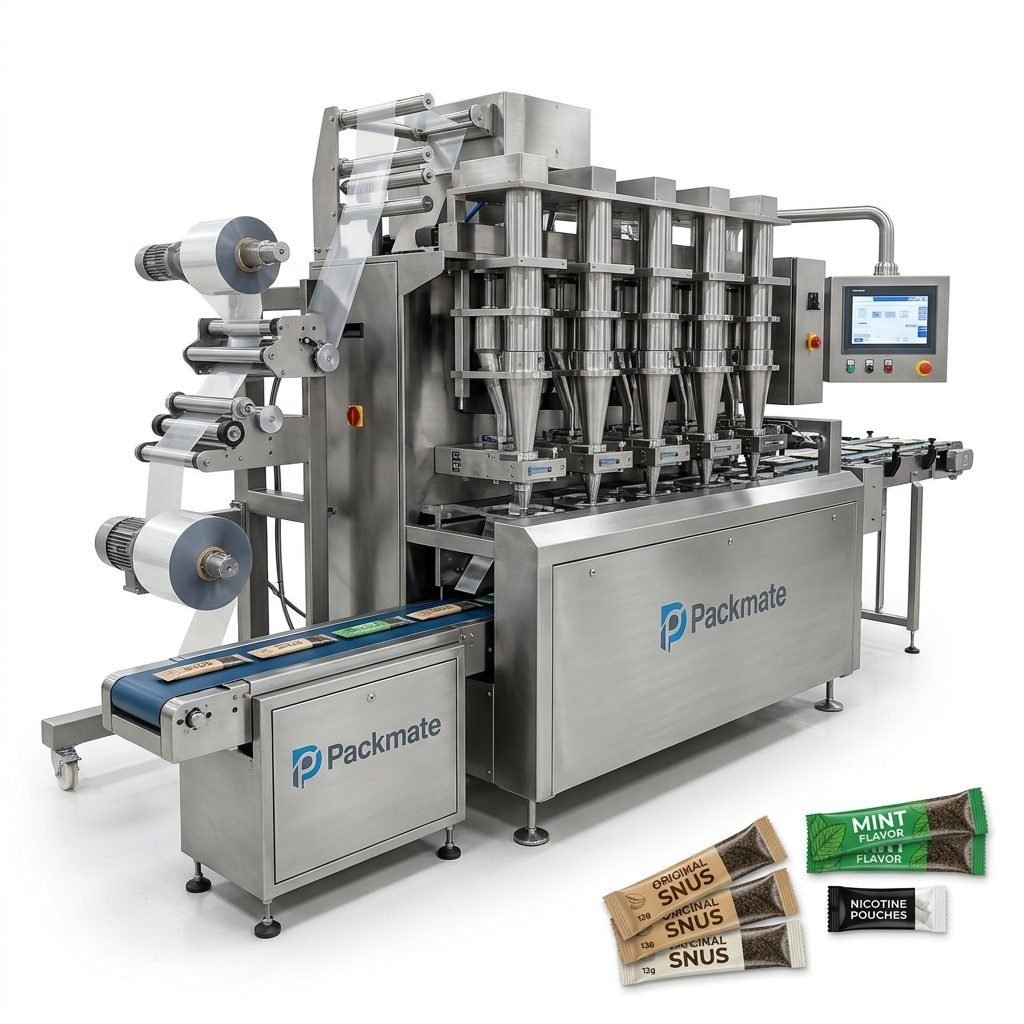
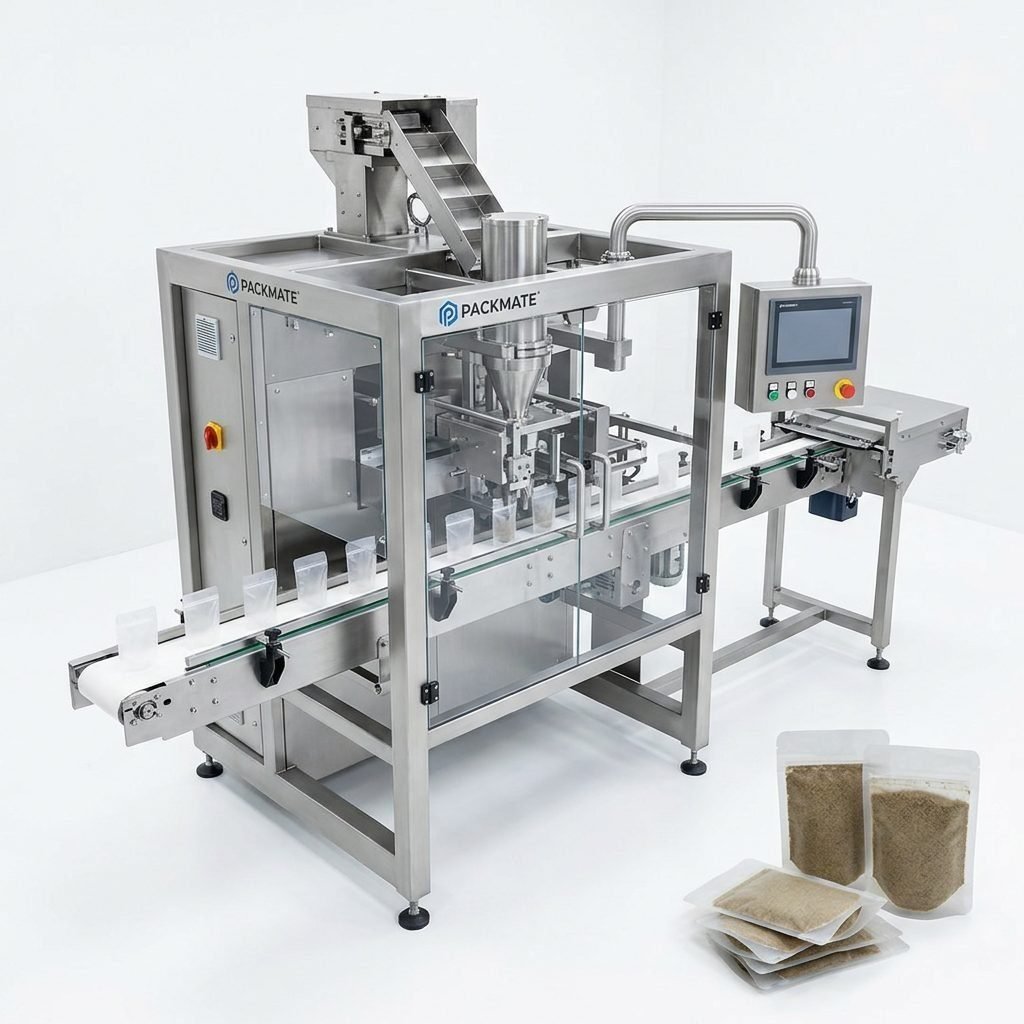
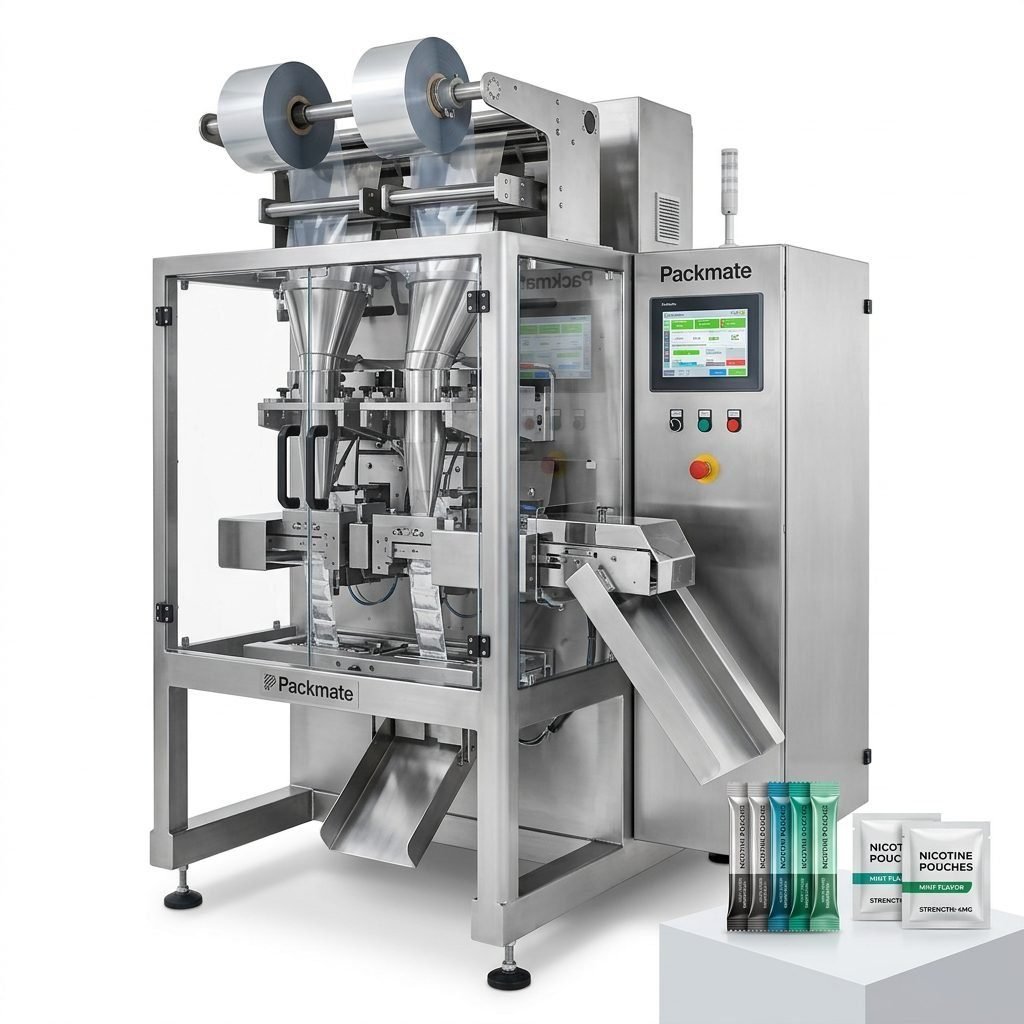
Choosing the right snus packaging machine supplier for your business in Belarus is a strategic decision that impacts product quality, regulatory compliance, and long-term profitability. This guide outlines practical steps, local considerations, and evaluation criteria to help Belarusian tobacco and nicotine pouch manufacturers select a reliable partner who delivers high-performance machines, strong after-sales support, and turnkey solutions adapted to the region’s market and business practices.
Understand the Belarus Market and Local Business Culture
Belarusian customers value reliability and long-term partnerships. Business culture tends to be formal and relationship-driven: being punctual, providing clear documentation in Russian or Belarusian, and demonstrating technical credibility are essential. When sourcing equipment, decision-makers in Belarus look for suppliers who can offer clear compliance documentation, reliable spare part supply, and predictable lead times for imports and customs clearance.
🔧 Tip: Provide bilingual manuals and on-site or remote commissioning support in Russian. This builds trust and shortens the learning curve for local operators.
Key Technical Criteria to Evaluate
When comparing suppliers, prioritize technical capabilities that match your product format and production targets. Important machine attributes include:
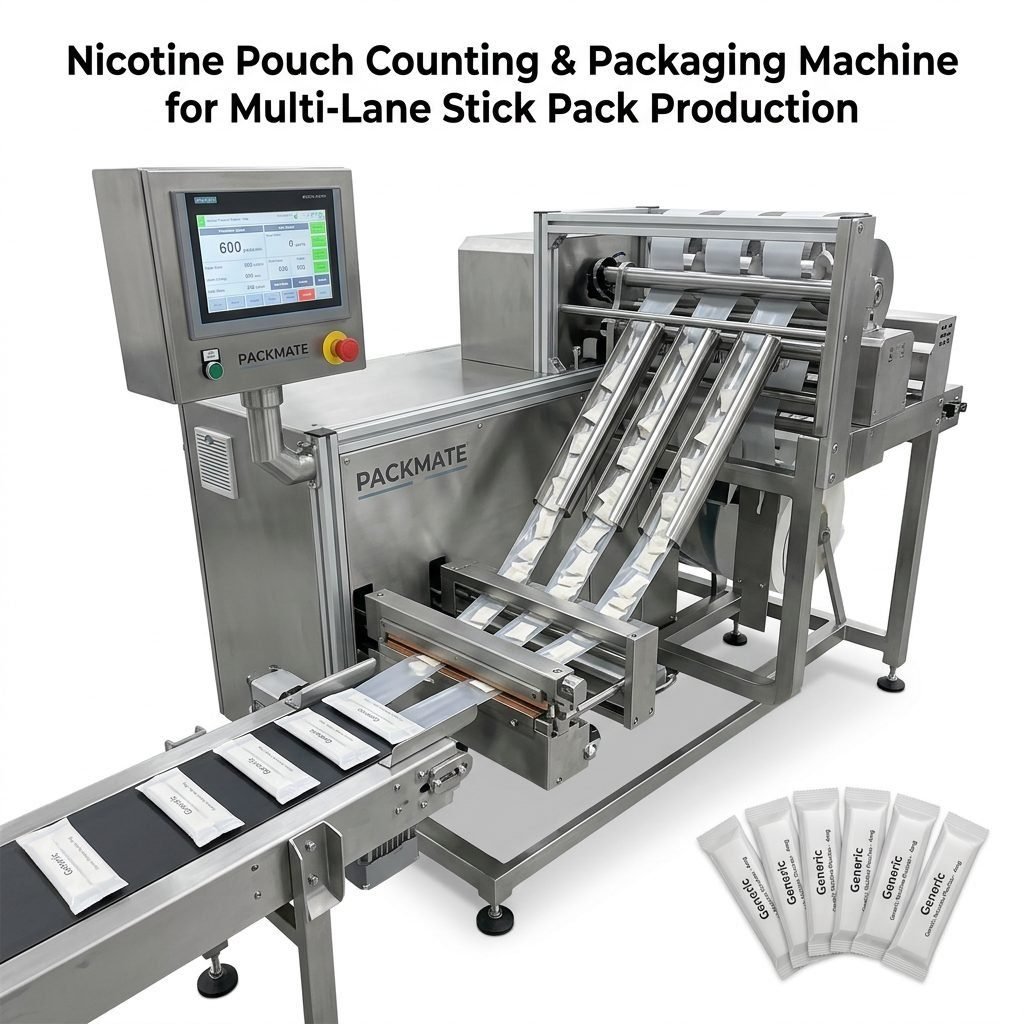
• Production speed and lanes: Multi-lane systems can dramatically increase throughput for small-dose nicotine pouches. Verify the machine’s maximum pouches/min and whether the manufacturer offers scalable multi-lane options.
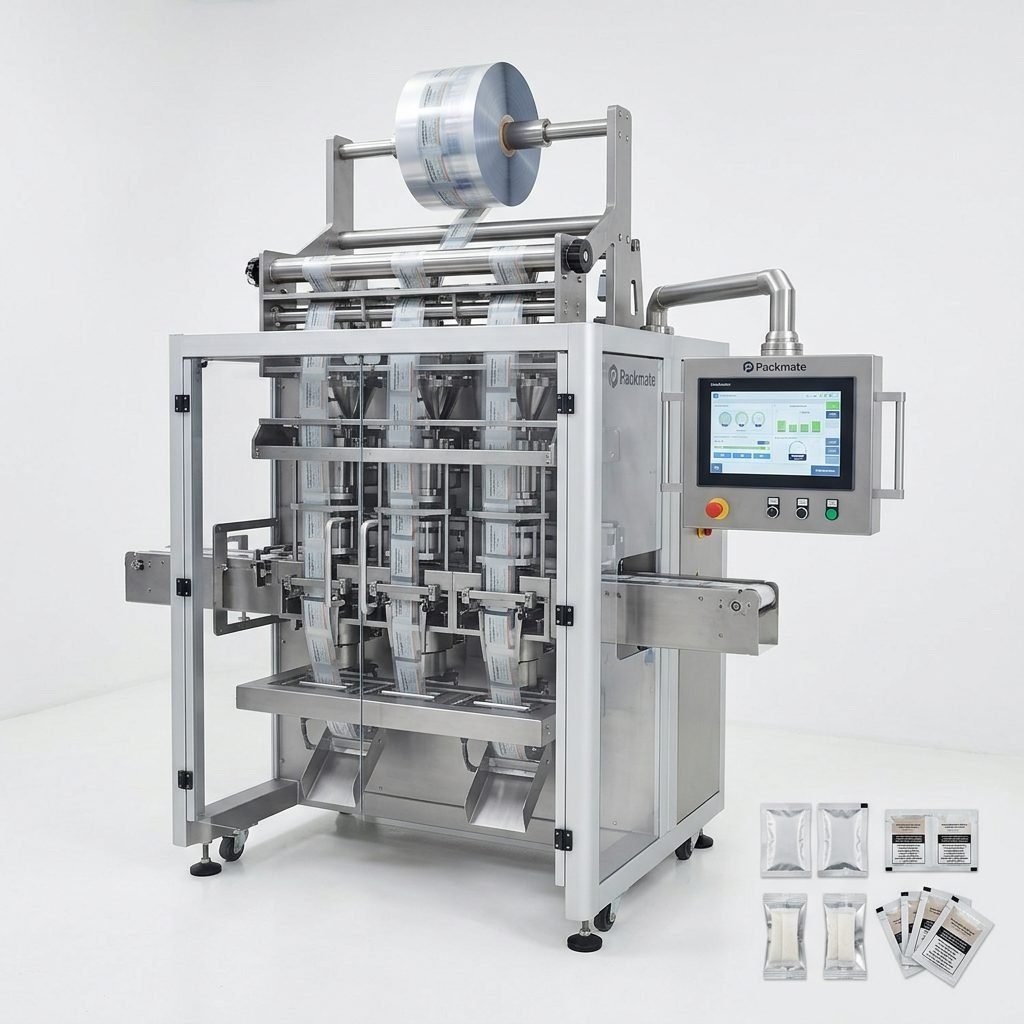
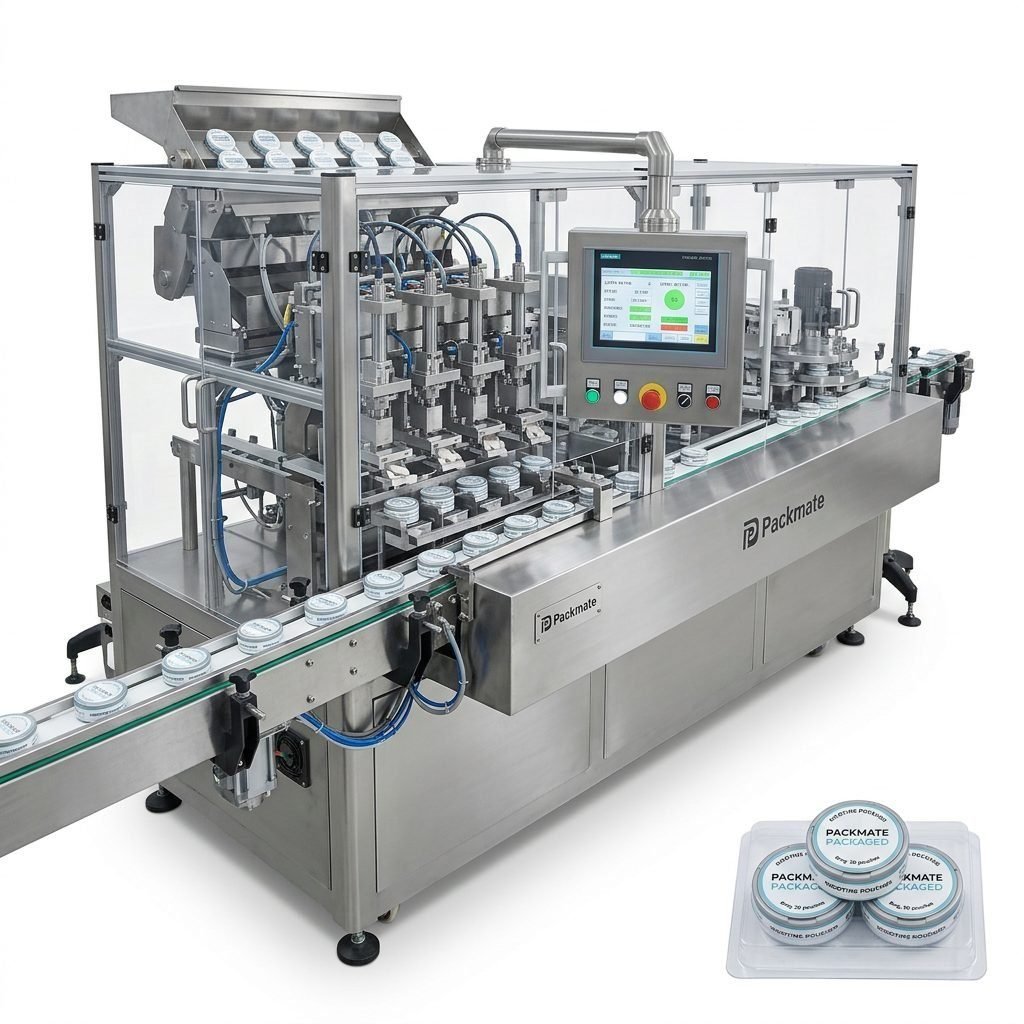
• Format flexibility: Look for equipment capable of handling sachets, stick packs, tins, or pouches with minimal changeover time. This reduces downtime for product variations.
• Filling accuracy: Nicotine pouch dosing requires high precision—check weighing or volumetric systems and stability under continuous production.
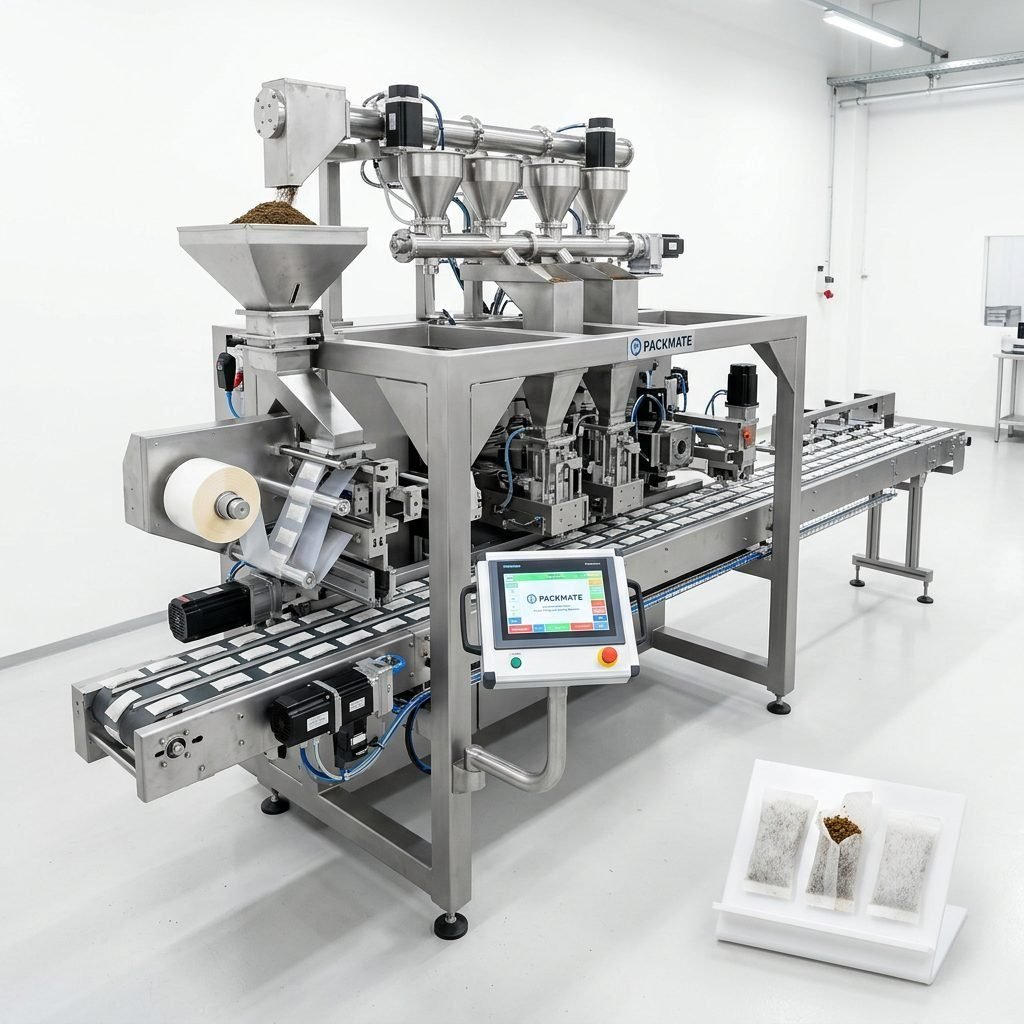
• Hygiene and materials: Food-grade stainless steel contact parts and cleanable designs matter, especially if you plan to diversify into tea, powders, or food-grade products.
Certifications and Compliance
European and international certifications (CE, ISO) are an important trust signal in Belarus. These demonstrate safety, electrical conformity, and consistent manufacturing quality. Request certificates and ask about machine documentation for customs and local regulatory checks.
✅ Checklist: Ask the supplier for CE declaration, ISO documentation, test reports, and material certificates before purchase.
Commercial and Operational Considerations
Beyond technical specs, evaluate the supplier on business terms and operational support:
• Total Cost of Ownership (TCO): Compare not only machine price but also shipping, installation, spare parts, expected maintenance costs, and energy consumption. A cheaper machine upfront may cost more over time.
• Warranty and spare parts delivery: In Belarus, access to spare parts quickly is a major advantage. Confirm parts availability, stock locations, and average delivery time for critical components.
• After-sales service: Look for suppliers offering remote diagnostics, local service partners, and training programs for operators and maintenance staff. A supplier with structured training reduces downtime during ramp-up.
Financing and Lead Times
Lead times affect your production planning. Ask about factory lead times, shipping options (air vs sea), and import procedures into Belarus. Discuss financing alternatives, deposit schedules, and whether the supplier supports phased payments linked to acceptance milestones.
Evaluate Supplier Experience and Track Record
Suppliers with proven experience in snus and nicotine pouch packaging bring mature machine design and process know-how. Key indicators of a trustworthy supplier:
• Years of specialization: Companies with decades in packaging engineering often deliver robust machines with fewer teething problems.
• Industry focus: A supplier focused on snus, nicotine pouches, and multi-lane small-dose production is more likely to understand your product’s unique needs.
• Reference installations and case studies: Ask for references in Europe or neighboring markets. Visit local customers if possible or request virtual demos and production videos.
Packmate Snus Machine, for example, offers specialized lines and has case references that illustrate performance in nicotine pouch and snus production—useful when validating supplier claims: Case.
Site Visits, Factory Audits and Factory Acceptance Tests (FAT)
Whenever possible, conduct a factory visit or request a thorough Factory Acceptance Test (FAT). This helps you verify build quality, test runs using your product, and confirm delivery schedules. If travel is limited, request a live FAT stream and a detailed acceptance protocol.
📦 FAT Checklist: Product samples run, speed verification, changeover procedure, control interface language options, spare parts list, and documentation package.
Local Support, Training and Installation in Belarus
Reliable support in Belarus includes trained technicians, remote troubleshooting, and spare part logistics. Verify whether the supplier has:
• Local or regional partners who can offer fast on-site service.
• Structured operator and maintenance training programs, with manuals in Russian and service guides.
• Remote connectivity options for diagnostics—especially valuable when travel constraints exist.
Packmate provides turnkey packaging solutions and emphasizes after-sales service and training—explore their service descriptions: Service.
Logistics and Import Considerations for Belarus
Shipping heavy machinery to Belarus requires careful planning for customs, duties, and inland transport. Common considerations:
• Use reputable freight forwarders experienced with industrial equipment.
• Prepare detailed packing lists, machine dimensions, CE/ISO certificates, and invoice details to ease customs inspections.
• Factor in seasonal weather and road conditions—Belarusian winters can affect transportation schedules.
What Questions to Ask Potential Suppliers
Make sure you have a structured questionnaire. Key questions include:
• Can you run a FAT with our exact product samples?
• What is your mean time between failures (MTBF) and expected maintenance intervals for the main components?
• Where are spare parts stocked, and what are typical delivery times to Minsk or other Belarusian cities?
• Do you provide bilingual documentation and operator training in Russian/Belarusian?
• What warranty and warranty-response times do you offer for key components such as PLC, motors, and dosing systems?
⚠️ Important: Request a spare parts list with part numbers and recommended stock levels to avoid long downtimes.
Integration with Production Lines and Auxiliary Equipment
Consider how the snus packaging machine will integrate with upstream and downstream equipment—such as weighing systems, pouch feeding, or secondary packaging lines. Suppliers offering complete solutions can reduce integration risks. Explore complementary product lines and auxiliary equipment that match your production flow: Weighing & Packaging Systems and Auxiliary Packaging Equipment.
Supplier Transparency and Documentation
Transparent suppliers provide clear contracts, timelines, and documentation packages. Ask for:
• Detailed technical specification sheets.
• Electrical and pneumatic drawings.
• Maintenance manuals and spare parts lists.
• Training plan and acceptance criteria for site acceptance tests (SAT).
Why Choose a Specialized Manufacturer?
Manufacturers that specialize in snus and nicotine pouch packaging, rather than general packaging vendors, bring deeper process knowledge, optimized dosing solutions, and better multi-lane designs—reducing risk and improving yield. For specialized solutions, review product lines such as Snus & Nicotine Packaging Machines: Snus & Nicotine Packaging Machines.
Implementation Roadmap for Belarusian Buyers
A clear implementation plan ensures a fast, predictable ramp-up:
1. Define product specifications, target throughput, and packaging formats.
2. Shortlist suppliers and request technical proposals and FAT schedules.
3. Conduct FAT with product samples and agree on acceptance criteria.
4. Arrange shipping, customs clearance documentation, and local installation dates.
5. Execute on-site installation, commissioning, and operator training.
6. Monitor performance and engage service contract for preventive maintenance.
How Packmate Can Support Belarusian Manufacturers
Packmate Snus Machine combines decades of packaging experience, specialized snus/nicotine lines, and global turnkey solutions. Their 20,000㎡ factory, multiple machine models, and focus on multi-lane small-dose production make them a candidate to evaluate for Belarusian buyers seeking high performance and reliable support. Learn more about the company and product offerings: About Packmate and browse the full product range: Bag & Pouch Packaging Machines.
🌍 Global experience: Suppliers with exhibition presence and international cases are more likely to understand cross-border logistics and compliance—see exhibition records here: Our Exhibition.
Final Selection and Negotiation Tips
When making the final choice, evaluate proposals against your TCO model, service guarantees, and local logistics plan. Negotiate clear milestones and payment terms tied to FAT, shipping, and SAT completion. Ensure the contract specifies spare parts delivery times and remote support response windows.
Post-Purchase Best Practices
After delivery, implement a preventive maintenance schedule, train multiple operators and one maintenance engineer deeply, and keep a minimum spare parts kit onsite. Regular remote check-ins with the supplier help catch issues early and sustain high uptime.
Useful Links
• Product & solutions catalog: Catalog
• Direct contact for inquiries: Contact Us
Conclusion
Selecting the best snus packaging machine supplier in Belarus requires balancing technical fit, supplier credibility, regulatory compliance, and local service capabilities. Prioritize suppliers who demonstrate a strong track record in snus and nicotine pouch equipment, provide thorough documentation and FATs, and commit to rapid spare parts and service support. With careful evaluation, Belarusian manufacturers can secure machines that deliver high yield, low downtime, and a strong return on investment.
📌 Next Step: Prepare sample pouches and a short technical brief to share with suppliers—this speeds up accurate proposals and FAT planning.
Frequently Asked Questions
1. What certifications should I request from a snus packaging machine supplier?
CE and ISO certifications are standard. Also ask for material certificates, electrical drawings, and FAT reports. These documents assist customs clearance in Belarus and ensure machine safety.
2. How long does delivery and installation usually take?
Typical lead times vary by model and customization. A standard multi-lane snus line may require several months of factory lead time plus shipping and customs—plan for 3–6 months from order to operation depending on complexity.
3. Can suppliers provide training in Russian or Belarusian?
Good suppliers offer bilingual manuals and can deliver training in Russian, either on-site or remotely. Confirm language options before finalizing the purchase.
4. What spare parts should I stock locally?
Stock critical wear parts, electrical components (PLC modules, sensors), belts, and dosing mechanisms. The supplier should recommend a minimum spare parts kit tailored to your equipment.
5. Where can I see real-world examples of machines in operation?
Ask for case studies and reference customers in Europe or neighboring regions. Suppliers often provide video demonstrations and client references—visit the supplier case pages to review real installations: Case.