Choosing the right snus packaging machinery supplier in New Zealand can be the difference between a smooth production ramp-up and costly delays. This guide walks New Zealand manufacturers, importers, and packaging buyers through the essential considerations—technical, commercial, and cultural—so you select a supplier who delivers reliable machines, compliant solutions, and long-term support tailored to local market needs.
Understand the New Zealand Market and Local Customs
New Zealand has a strong consumer focus on health, sustainability, and clear product information. Retail channels—convenience stores, dairies, supermarkets, and online marketplaces—each have different packaging expectations. For example, consumers in Auckland and Wellington often prefer compact, discreet packs for on-the-go use, while rural regions may favor larger, resealable formats. Understanding these nuances helps you choose machines that produce formats suited to local buying habits.
Regulatory landscape and compliance
New Zealand’s regulatory environment places emphasis on labeling, safety, and restrictions around nicotine products. Ensure any supplier can help with machines that support packaging formats meeting local labeling, batch coding, and tamper-evidence requirements. Suppliers with CE and ISO certifications and experience in international compliance are often better equipped to document conformity and provide traceable quality systems.
Key local tip: Packaging that emphasizes recyclability or reduced waste can resonate strongly with Kiwi consumers. Discuss recyclable film options and minimalistic secondary packaging with your supplier.
Technical Criteria: What Your Snus Packaging Machinery Must Deliver
Not all snus or nicotine pouch packaging machines are created equal. Evaluate machines across these technical dimensions to match production needs and product characteristics.
Production capacity and scalability
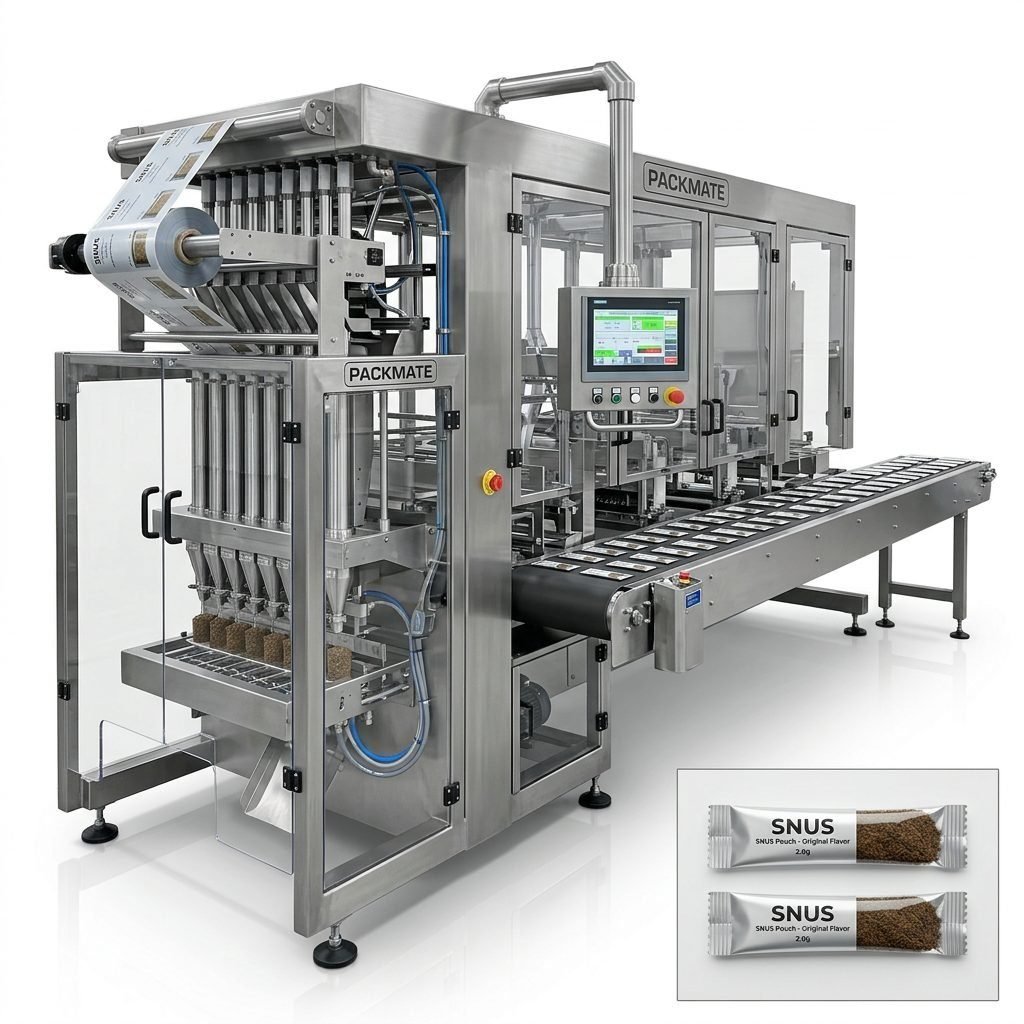
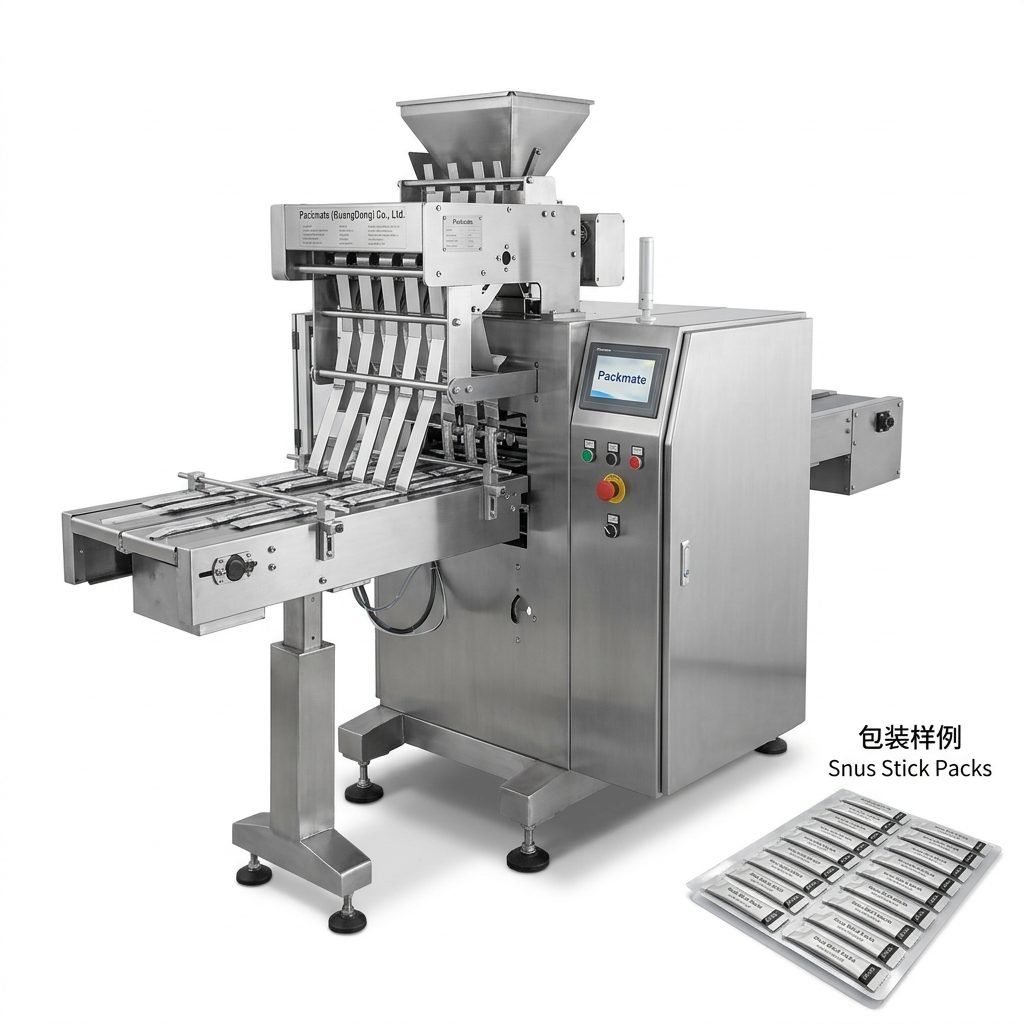
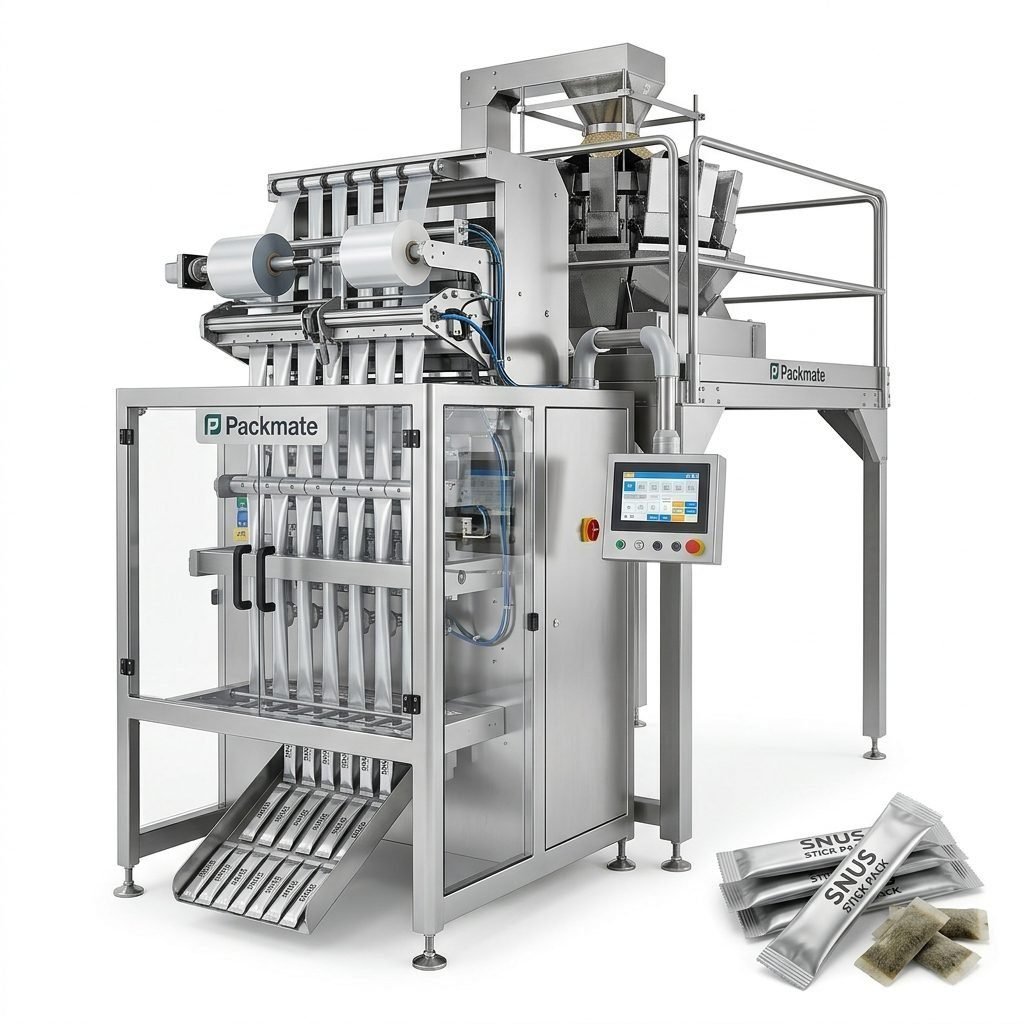
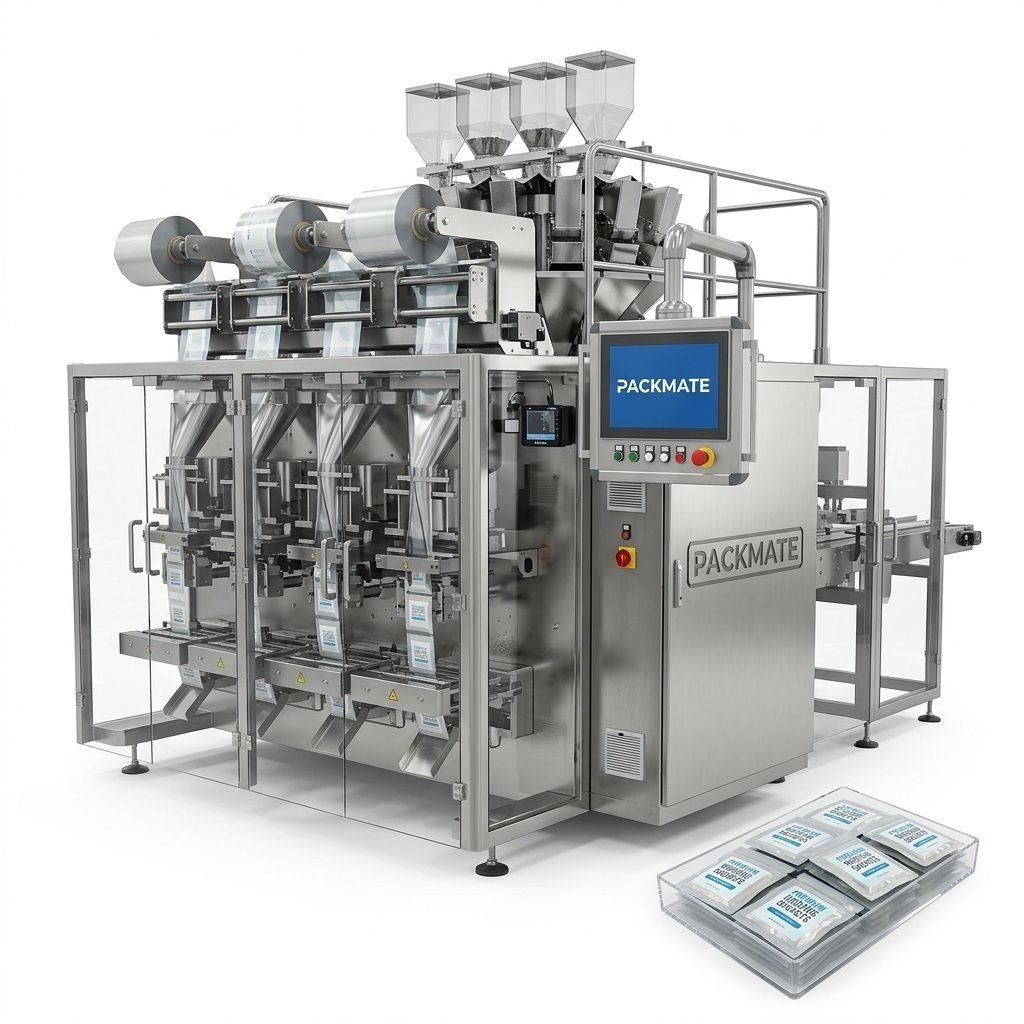
Consider current batch sizes and 3–5 year growth projections. A machine that runs single-lane stick packs might be perfect for small volumes, but if you plan to expand into multi-lane production quickly, choose a supplier offering modular or multi-lane systems to avoid early replacement costs.
Format flexibility
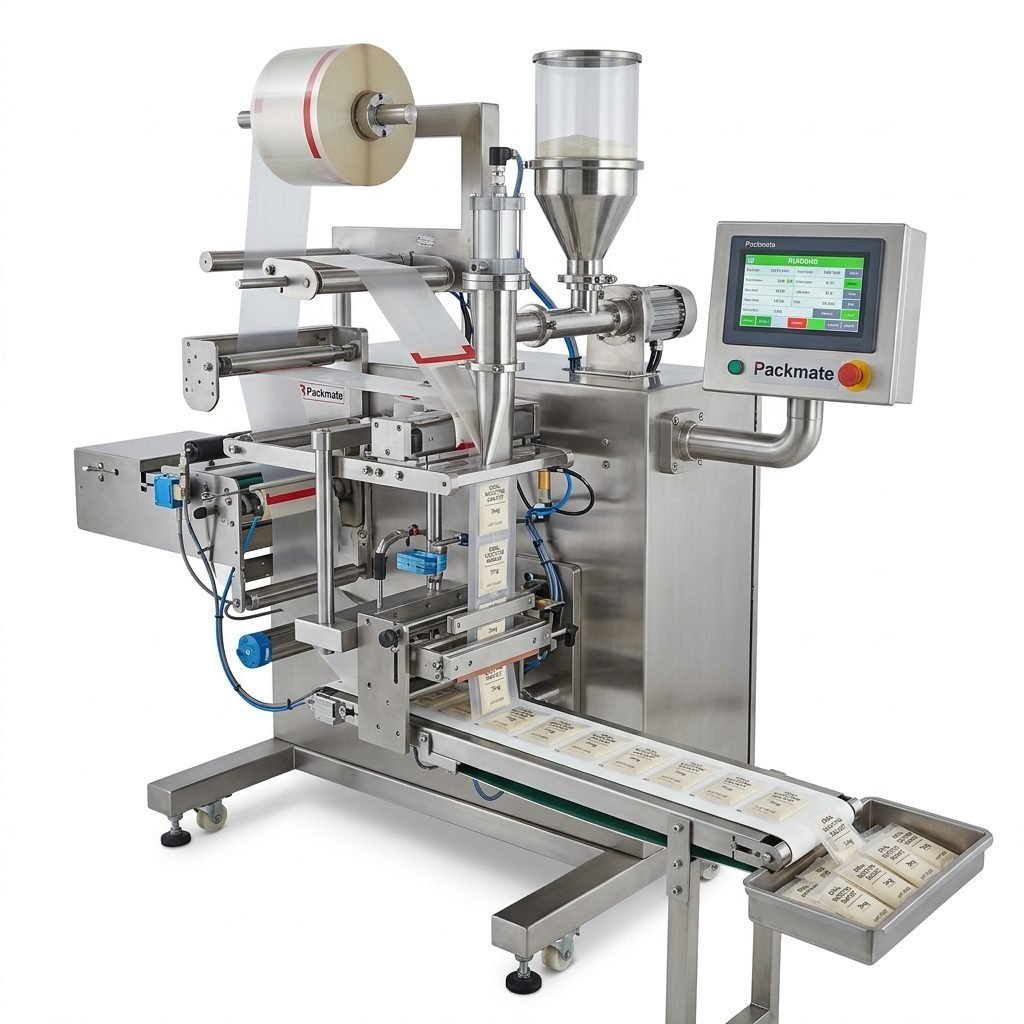
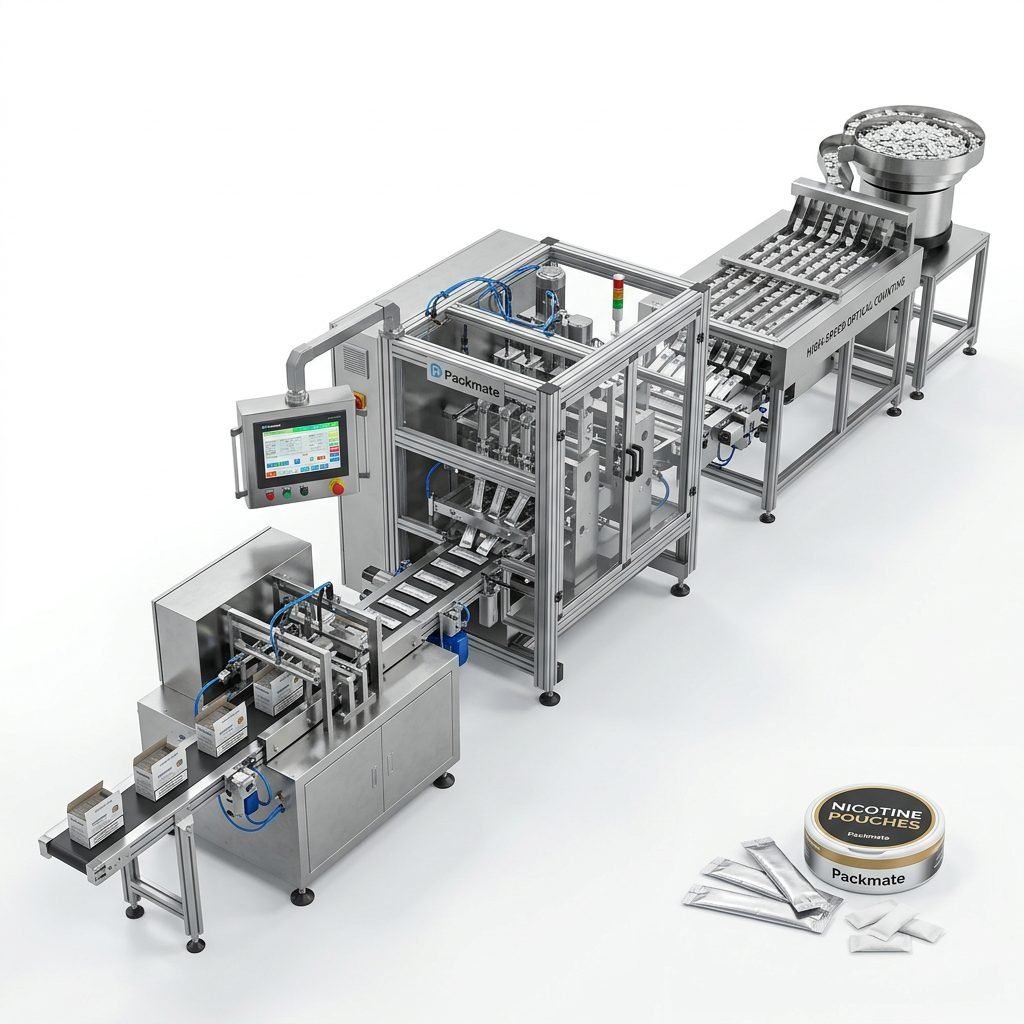
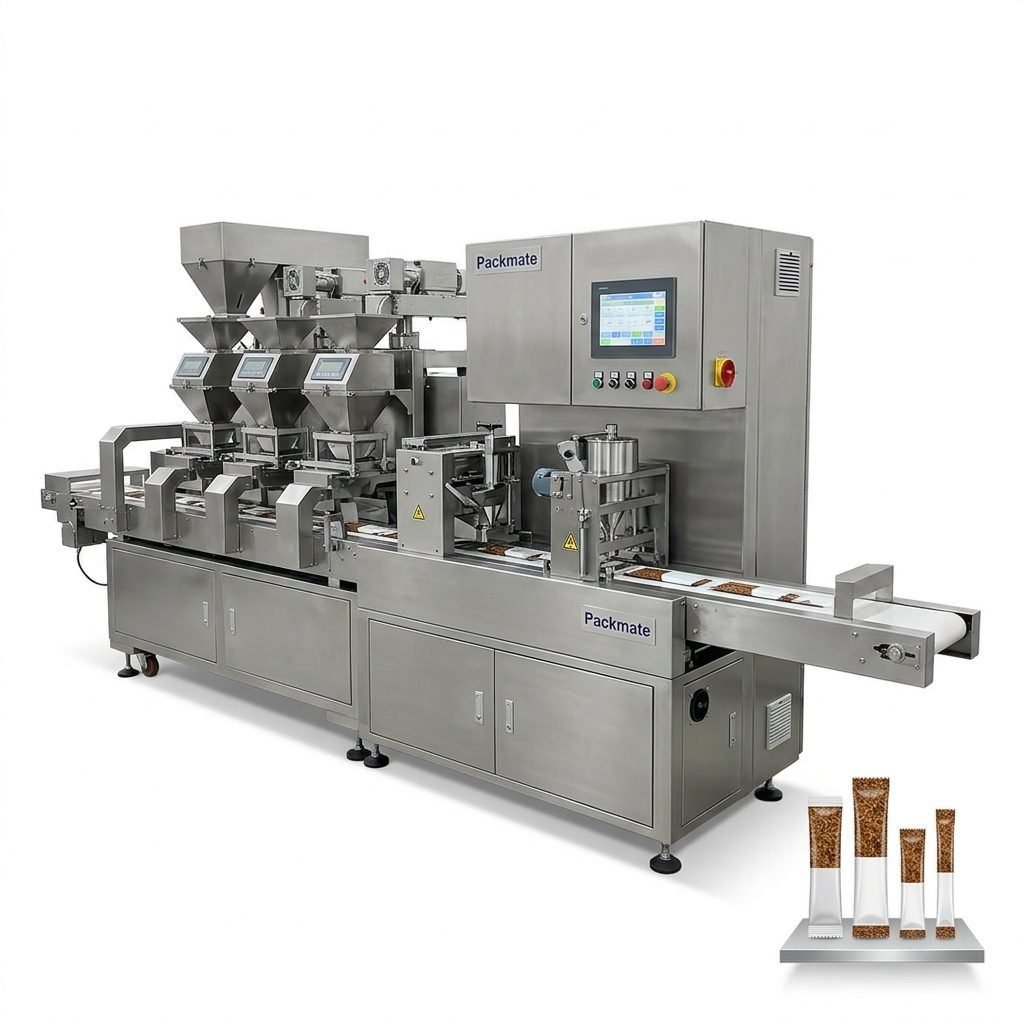
Your business may need stick packs, sachets, pouch-in-box, or resealable tins. Prioritize suppliers with proven solutions across formats. Machines that handle different pouch sizes and materials with quick changeovers will reduce downtime and help test new SKUs.
Quick checklist: target OEE, changeover time, maximum speed, film compatibility, and integration with weighing/filling systems.
Reliability, Maintenance and After-Sales Support
The best suppliers offer machines that run stably and provide responsive support. New Zealand’s geographic isolation means you should vet a supplier’s spare parts availability, remote diagnostic capabilities, and local partner network.
Spare parts and service response
Ask how quickly common wear parts ship to New Zealand and whether the supplier has local distributors or authorized service engineers. A well-stocked parts strategy prevents extended downtime. Suppliers with global warehouses or partnerships shorten lead times.
Remote support and training
Remote troubleshooting via secure video calls, PLC access, and well-documented training materials are invaluable. Confirm the supplier offers onsite commissioning, operator training, and detailed maintenance manuals. Packmate-style manufacturers often provide dedicated commissioning teams and long-term technical support.
✔ Ensure an agreed SLA (service level agreement) for emergency support and routine maintenance visits if possible.
Quality, Certifications, and Proven Projects
Quality assurance and evidence of successful deployments are essential. Seek suppliers with international approvals and real-world case studies in nicotine pouch or similar segments.
ℹ️ Look for CE, ISO, and machine safety documentation. Check references and request videos or virtual demos of machines running products similar to yours.
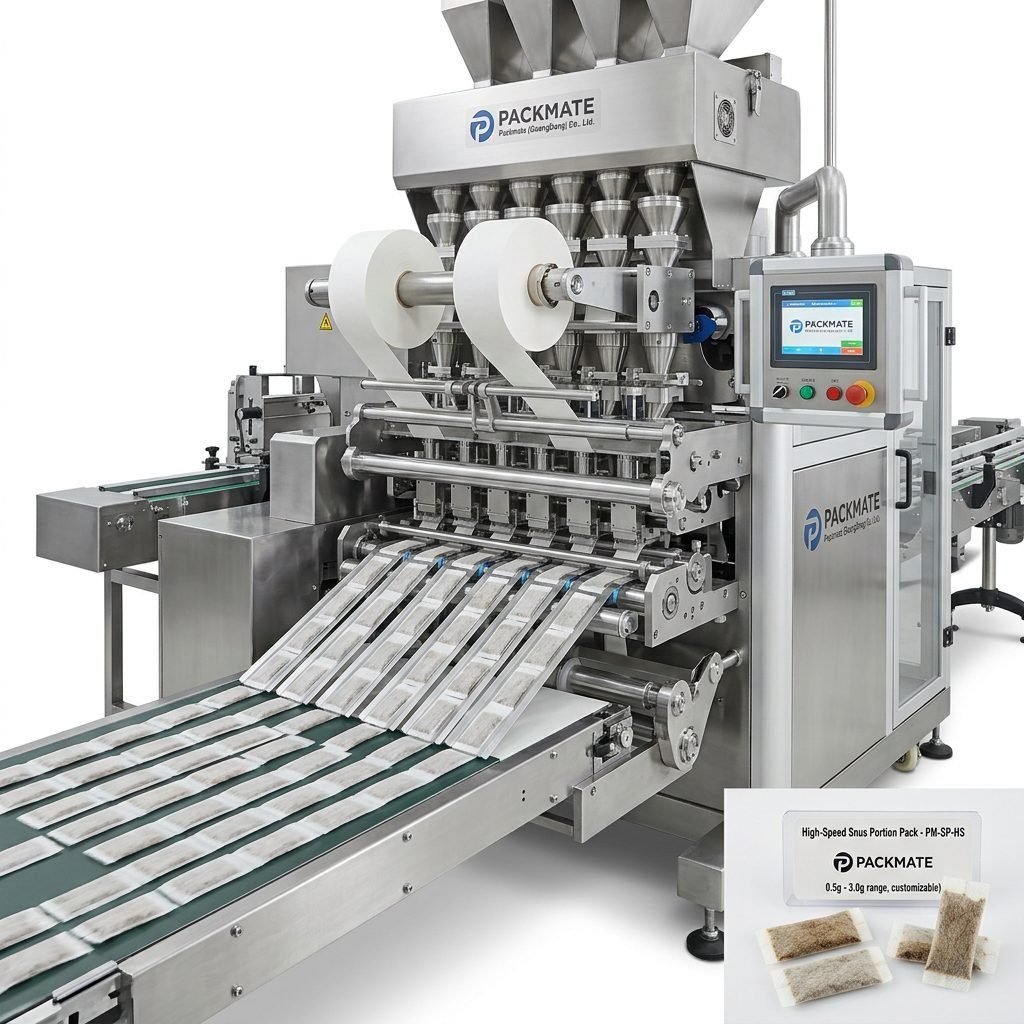
Supplier evidence: production photos, factory tour (virtual), client case studies, and certificates all demonstrate maturity. For example, Packmate’s factory footprint, multi-lane lines, and certifications show their readiness for global turnkey projects.
Commercial Considerations: Total Cost of Ownership (TCO)
Purchase price is only part of the cost equation. Assess TCO by including installation, training, spare parts, consumables, energy consumption, and expected lifetime.
⚠️ Ask for a clear breakdown: machine price, optional modules, warranty terms, and estimated annual running costs. Compare that against output and expected quality to derive cost per pouch.
Financing, lead times and logistics to New Zealand
Shipping heavy machinery to New Zealand requires careful planning. Confirm lead times, FOB/CIF options, and whether the supplier can manage customs documentation, local installation, and commissioning. Longer lead times are common; plan production ramp-ups accordingly.
Sustainability and Packaging Materials
New Zealand consumers and regulators increasingly value sustainable packaging. Consider machines that support mono-material films, compostable pouches, and reduced material usage designs. Suppliers who can validate material compatibility and sealing performance will save costly trials.
✔ Ask your supplier to run compatibility tests with your chosen films and adhesives before purchase.
Factory Capabilities and Manufacturing Standards
Evaluate the supplier’s factory size, machining capabilities, and production systems. A supplier with advanced CNC machining centers, rigorous testing, and a structured assembly line typically delivers higher consistency and better spare part interchangeability.
For reference, a modern facility with 20,000㎡, multiple machine models, and international exhibition presence indicates the capacity to handle custom requirements and scale production.
How to Evaluate and Shortlist Suppliers
Use a weighted scoring system tailored to your priorities: budget, speed, flexibility, certifications, post-sales support, and local adaptability. Score suppliers on each criterion and prioritize those with balanced strengths and verifiable references.
✔ Shortlist 3 suppliers, request live demonstrations (video is acceptable), and obtain detailed quotes including installation and training.
Practical step: include a small acceptance run in the contract—agree measurable performance targets (speed, defect rate, uptime) to ensure accountability.
Questions to Ask Potential Suppliers
Ask direct, specific questions and request documented answers:
• What is the expected output (pouches per minute) for my product specification?
• Can you provide a video of the machine running an identical or similar product?
• What spare parts are included and which are consumables?
• What warranty and service packages are available for New Zealand customers?
• Can you support on-site commissioning in New Zealand and operator training?
Why Work with an Experienced Manufacturer
Experienced manufacturers bring refined designs, real-world troubleshooting knowledge, and a library of settings for materials and formats. They can accelerate time-to-market and reduce trial-and-error. Experience also shows through better documentation, spare parts lifecycle planning, and mature service offerings.
✓ A manufacturer with decades of engineering expertise typically offers more stable machines and proven multi-lane solutions for growing demand.
Making the Final Decision: Contracts, Acceptance Tests, and KPIs
Before signing, agree on acceptance criteria: target throughput, permissible defect rate, and changeover times. Include clauses for performance-based penalties or remediation if targets are not met. Request factory acceptance testing (FAT) and site acceptance testing (SAT) procedures documented in the contract.
Negotiation tip: secure at least 12 months of parts availability in writing, and negotiate remote support hours covering NZ time zones.
Local Partnering and Long-Term Collaboration
Consider suppliers who prioritize long-term relationships—those who offer upgrades, retrofits, and continuous improvement. A partner committed to product development can adapt machines when NZ regulations or consumer preferences change.
🔍 Look for suppliers that attend international exhibitions and publish case studies—this demonstrates openness and a track record of global cooperation.
Useful Resources and Manufacturer References
Explore manufacturer product pages and case studies to compare solutions:
• Snus & Nicotine Packaging Machines — Product details
• Sachet & Stick Pack Machines — Format options
• About Packmate — Company profile and history
• Service & Support — After-sales services
Case Example: Launching a Nicotine Pouch SKU in New Zealand
Imagine a small Kiwi brand preparing to launch a resealable pouch nicotine product in major urban stores. They selected a modular multi-lane sachet/stick pack platform that supported resealable zipper integration and on-the-fly format changes. The chosen supplier provided FAT videos, spare part kits, operator training, and a six-month remote support plan. The result: a smooth launch, minimal waste during start-up, and the ability to scale lanes as demand grew.
Real-world benefit: investing slightly more in a scalable platform often yields faster breakeven due to lower trial costs and reduced time-to-market.
Final Checklist Before You Buy
1) Confirm machine compatibility with your pouch material and size.
2) Verify spare parts lead times to New Zealand.
3) Agree acceptance testing, KPIs and warranty terms.
4) Ensure operator training and documentation are included.
5) Validate supplier references and factory capabilities.
Conclusion
Selecting the best snus packaging machinery supplier for New Zealand requires balancing technical fit, compliance knowledge, sustainability considerations, and dependable after-sales service. Prioritize suppliers with proven multi-lane solutions, clear documentation, and a willingness to collaborate on local regulatory and market needs. With the right partner, you will accelerate product launches, maintain quality, and build a flexible production platform that grows with your business.
Frequently Asked Questions
Q1: How long does it typically take to receive and commission a snus packaging line in New Zealand?
A1: Lead times vary by model and customization but expect 12–20 weeks for standard lines plus shipping and customs clearance. Commissioning may add 1–3 weeks depending on site readiness and training needs.
Q2: Can machinery be adapted to biodegradable or recyclable films common in NZ markets?
A2: Yes—many modern machines can be adjusted for different film types. Always request compatibility testing and sample runs to confirm seal integrity and speed.
Q3: What support should I require from a supplier for New Zealand operations?
A3: Seek remote diagnostics, documented SLA for parts, provision for onsite commissioning or a certified local partner, and operator training adapted to shift patterns common in NZ.
Q4: Are there special cultural or labeling requirements to consider for the NZ market?
A4: Yes. Clear English labeling, compliance with local nicotine product regulations, and respectful marketing that considers Māori cultural sensitivities are important. Suppliers should help implement coding, batch traceability, and labeling workflows.
Q5: How should I assess long-term costs beyond the purchase price?
A5: Calculate Total Cost of Ownership: energy use, spare parts consumption, maintenance hours, expected lifetime, and the cost impact of potential downtime. Prioritize suppliers who provide transparent TCO data and proven uptime records.