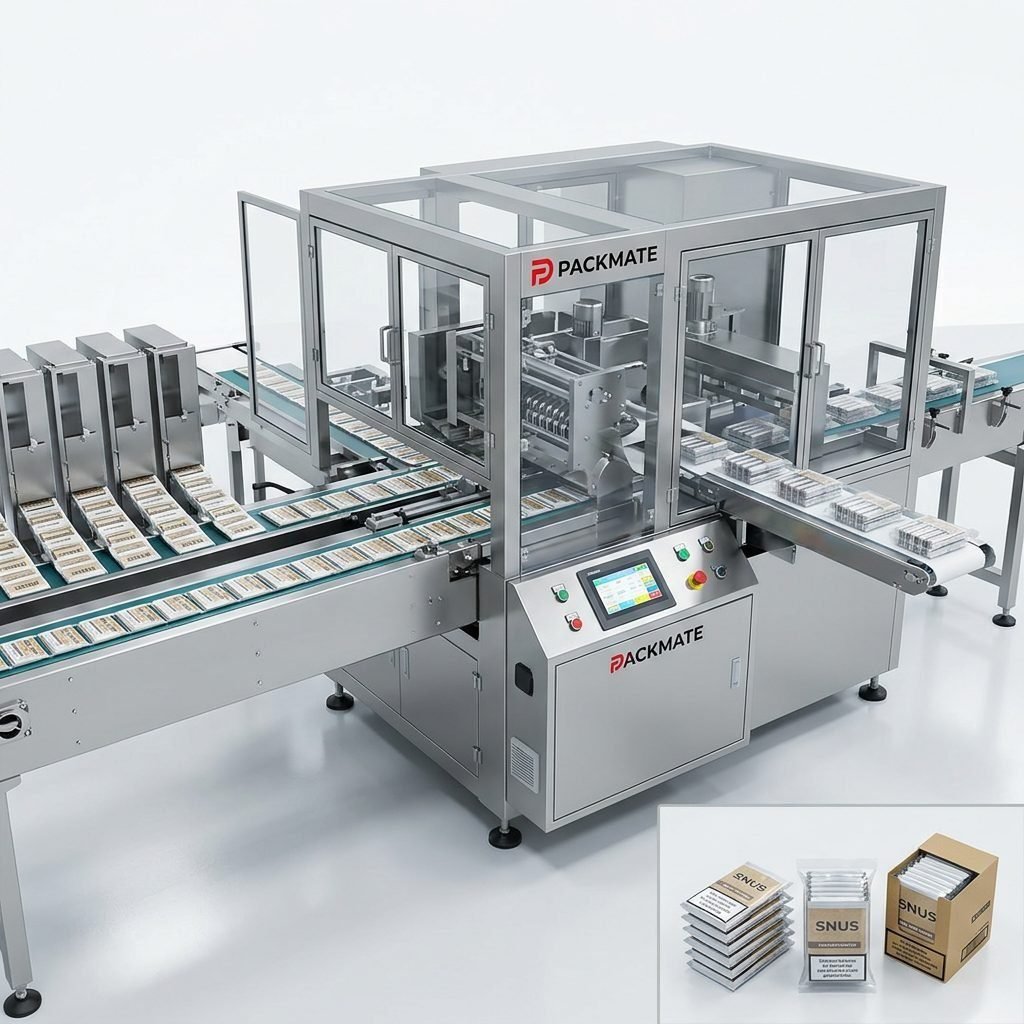
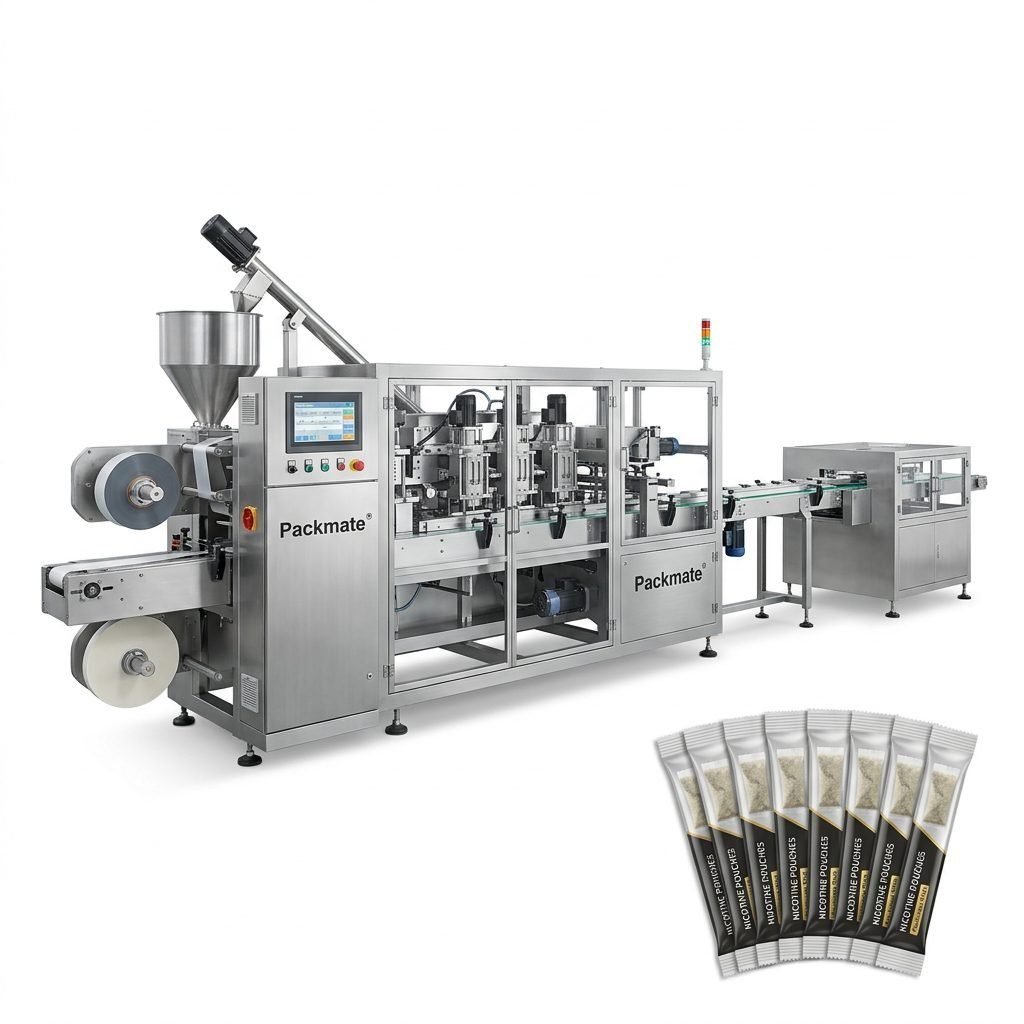
Choosing the right snus packaging machinery supplier in Nigeria is a strategic decision that affects product quality, regulatory compliance, operational efficiency and long-term profitability. This practical buyer’s guide walks you through the local market realities, technical considerations, supplier evaluation steps, negotiation tips and after-sales priorities so you can confidently select a partner who delivers reliable snus and nicotine pouch packaging solutions for the Nigerian market.
Understand the Nigerian Market & Local Customs
Nigeria has a diverse consumer base and a complex regulatory environment for nicotine products. Companies selling snus or nicotine pouches must be sensitive to regional attitudes, retail formats and distribution channels. In many parts of Nigeria, products are sold through small kiosks and open markets, so packaging must be robust, attractive and simple to display. Business interactions often rely on strong personal relationships, punctual communication and clear documentation; expect to invest time in building trust with suppliers and local service teams.
Why local service and relationships matter
A supplier with clear local support or proven international service networks can reduce downtime. Look for partners who offer on-site training, local spare parts distribution and timely remote troubleshooting. These services matter more in Nigeria where logistics or customs delays may happen. Consider suppliers who have experience exporting to African markets and understand logistical challenges.
Key Technical Criteria When Evaluating Snus Packaging Machines
Selecting equipment should be based on production targets, pouch formats and product characteristics. Below are the most important technical factors to evaluate.
⚙️ Production capacity: Determine hourly and daily output required. Suppliers should provide real-life performance data (not just theoretical specs).
📦 Format flexibility: Confirm the machine can handle various pouch sizes (stick, sachet, multi-lane) and materials commonly used in Nigeria.
🔧 Maintenance & spare parts: Ask for spare parts lists, MTBF (mean time between failures) and recommended maintenance schedules.
Machine types to consider
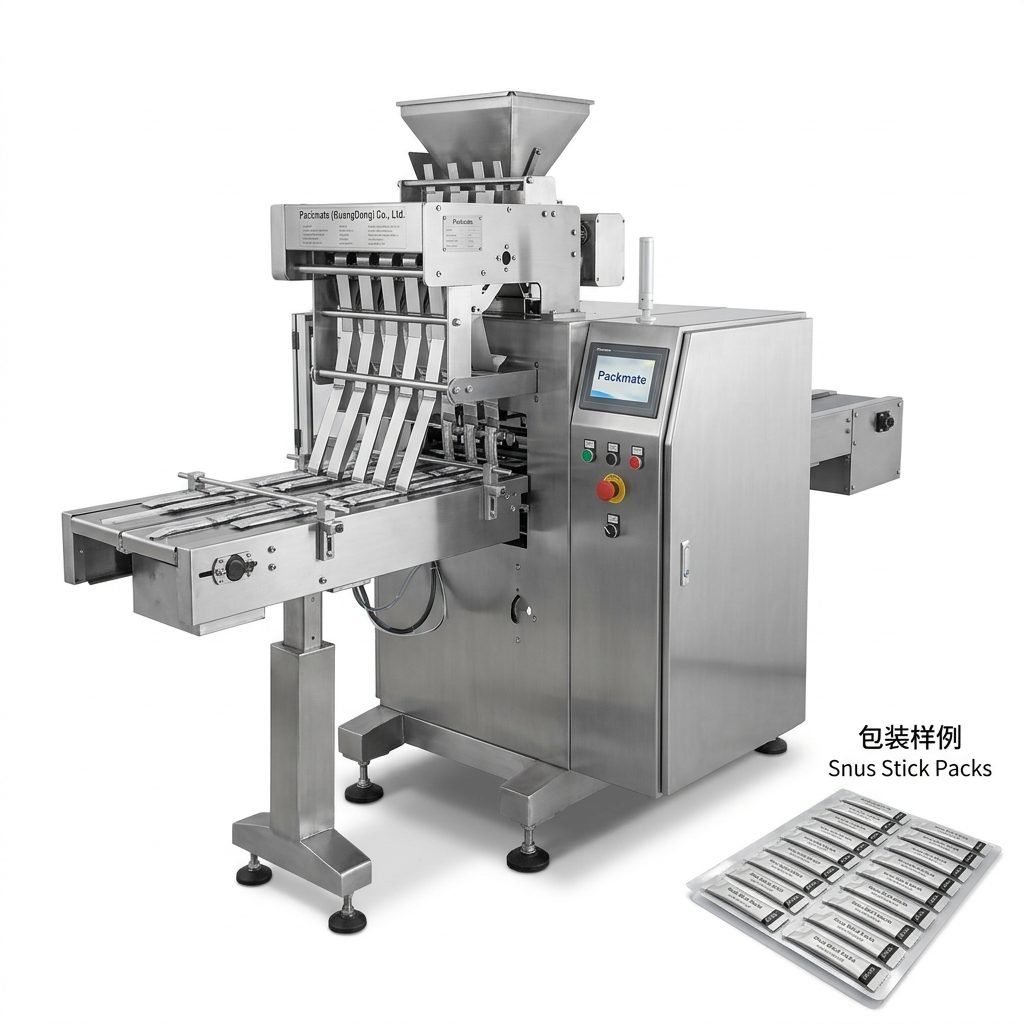
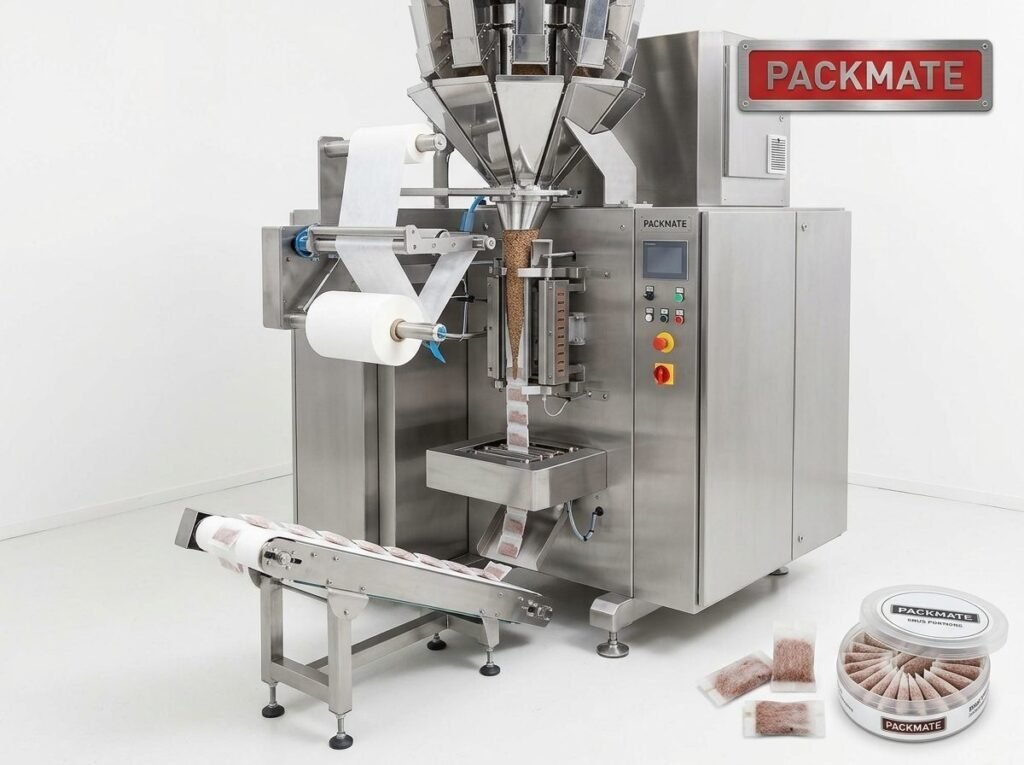
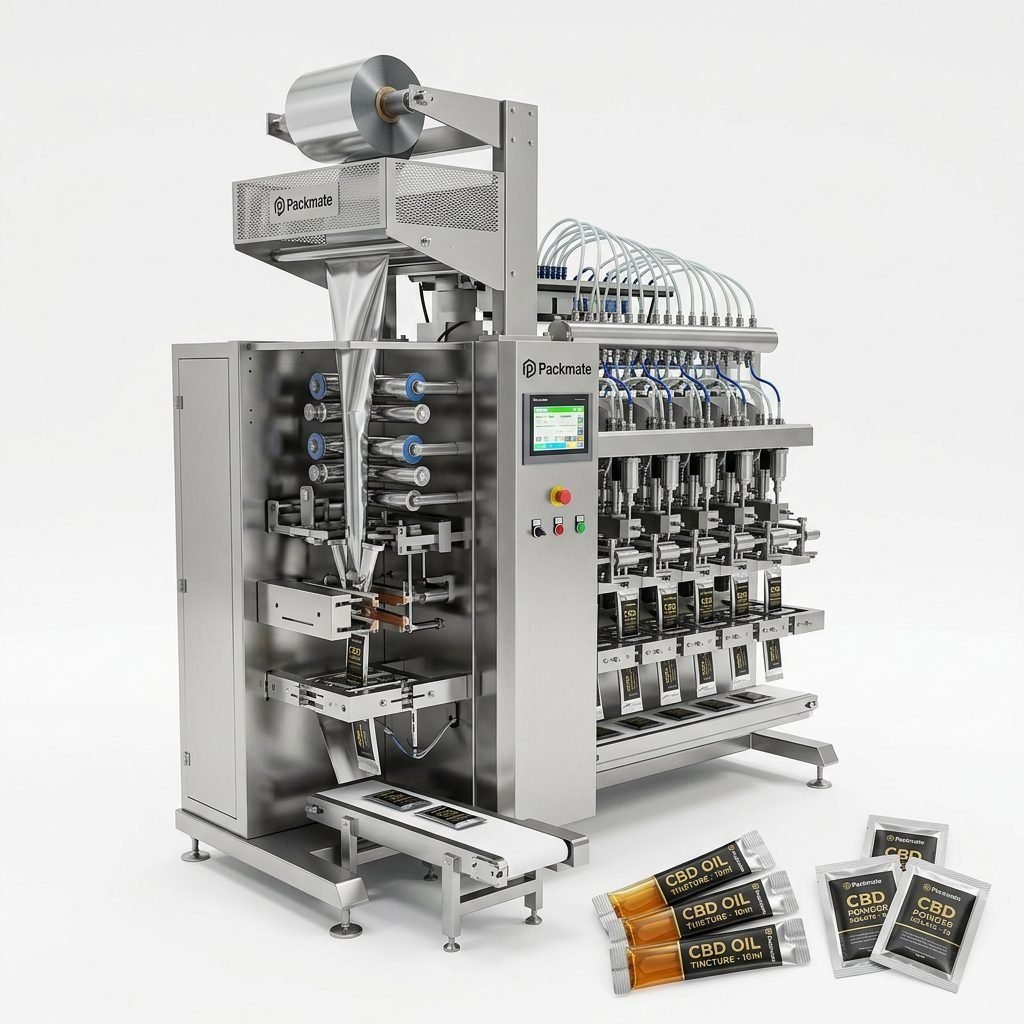
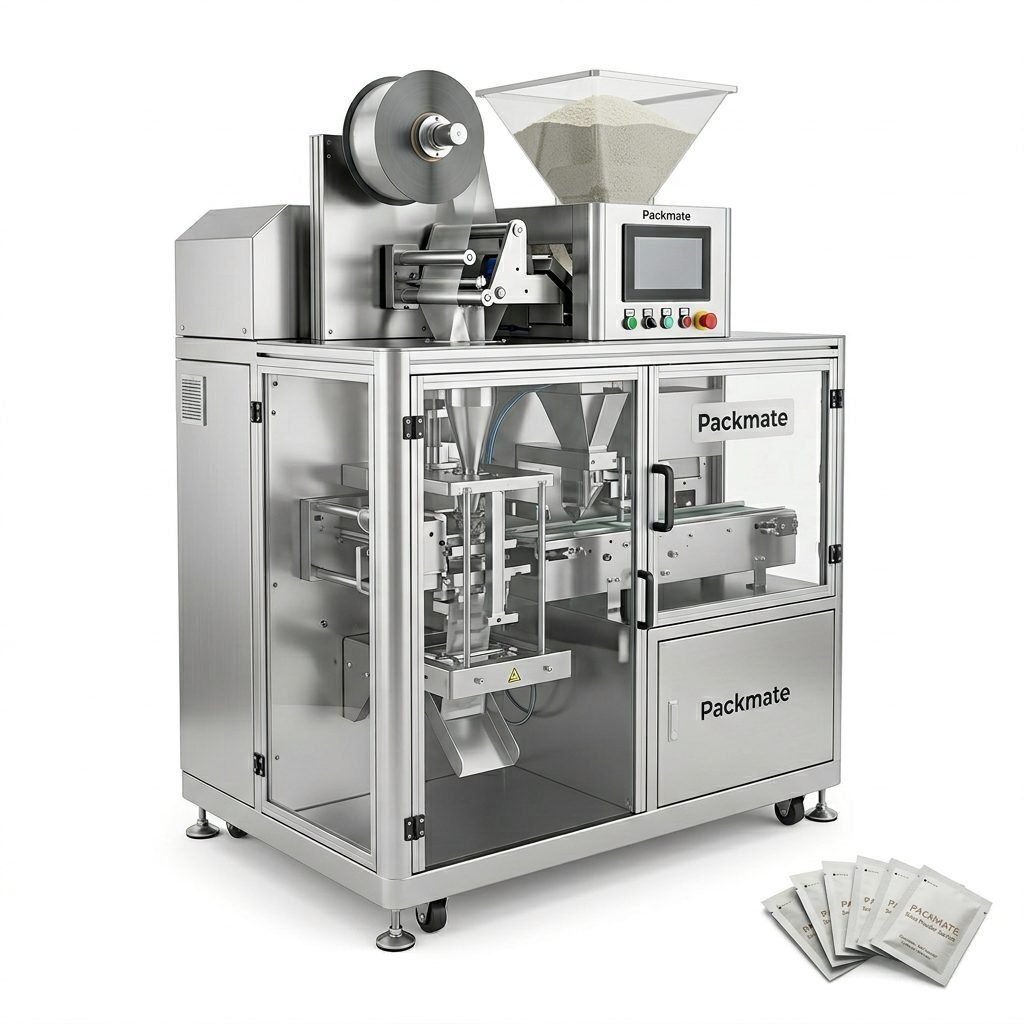
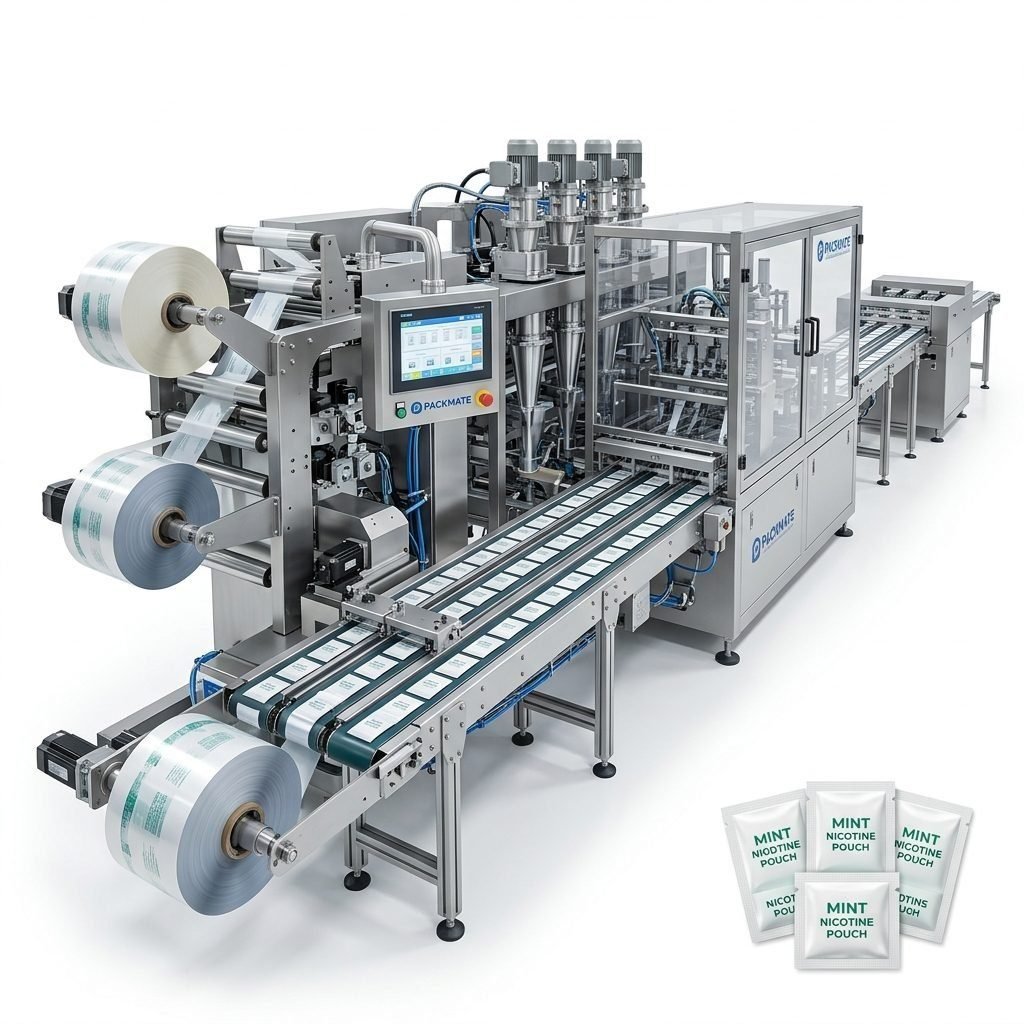
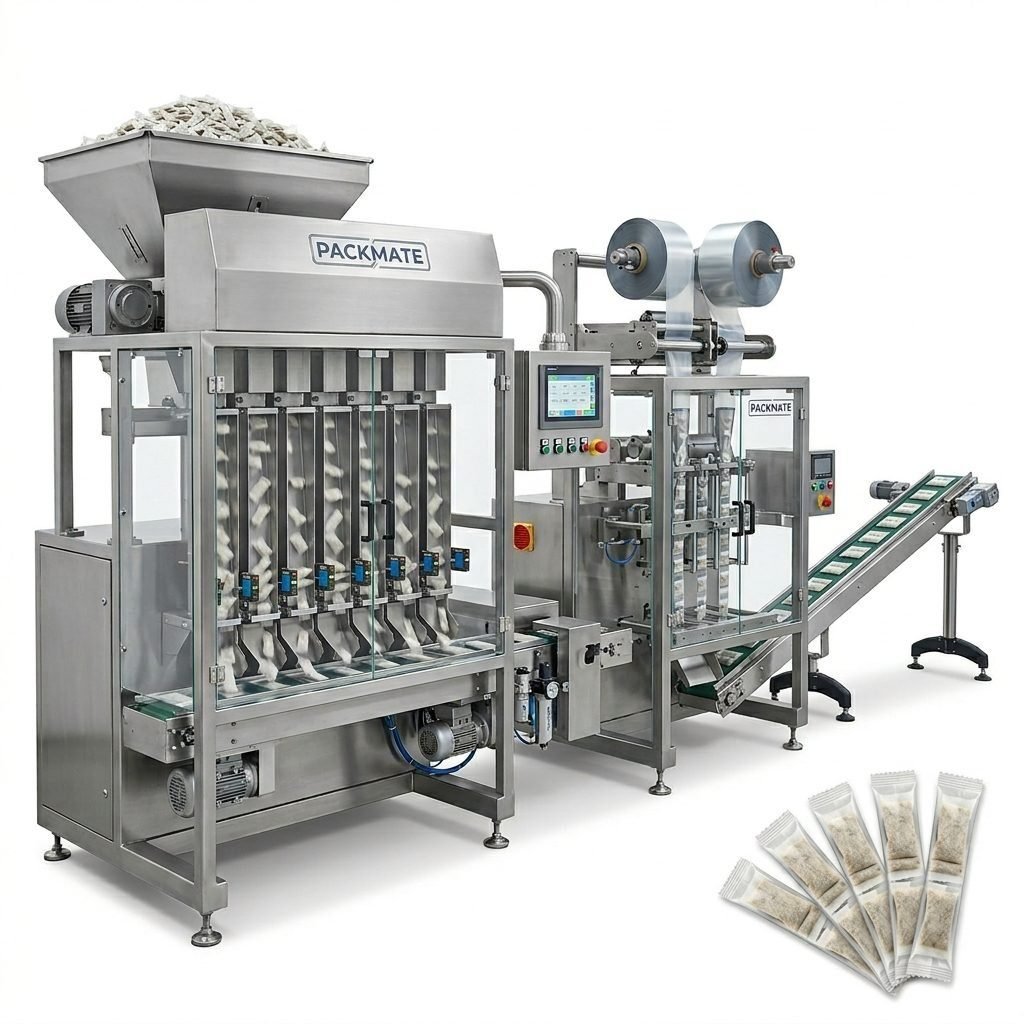
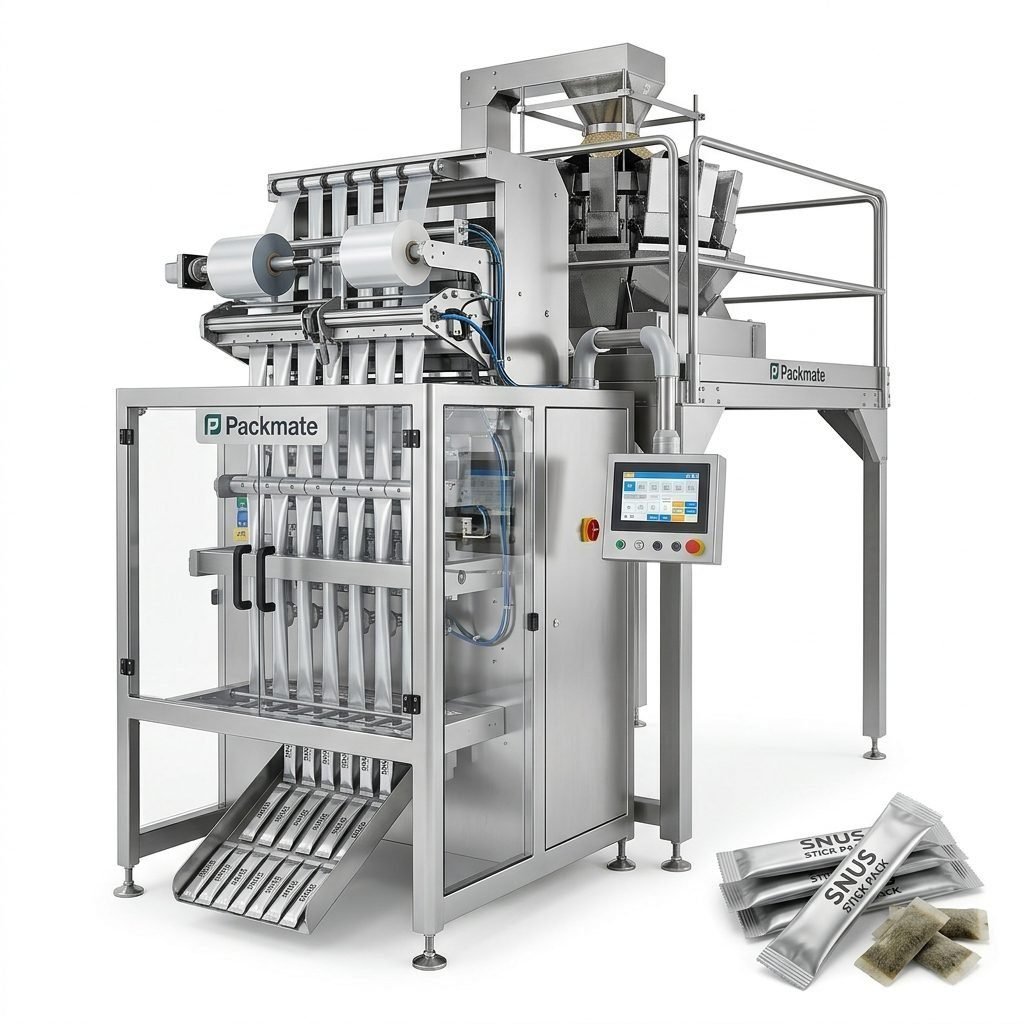
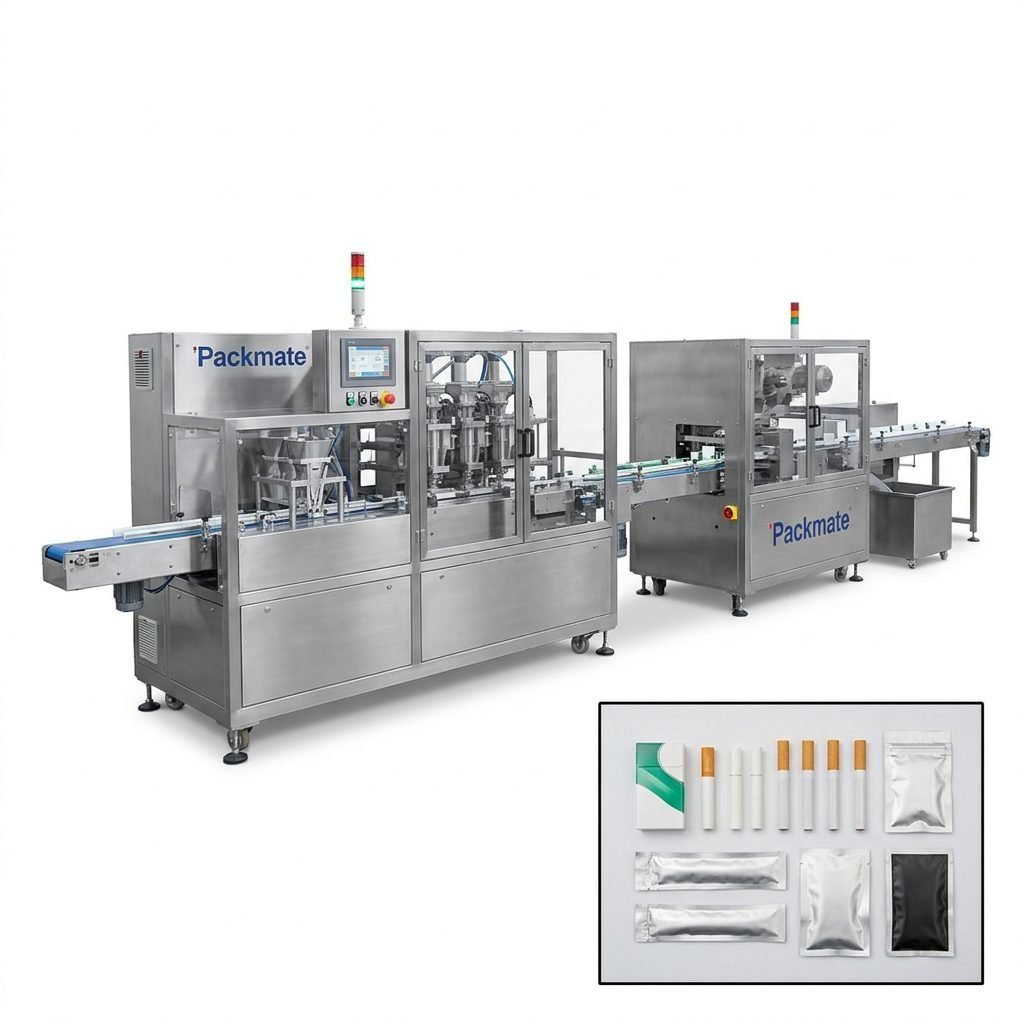
Common types for snus and nicotine pouches include: stick pack machines for single-dose formats, sachet and pillow pack machines for retail sachets, and multi-lane systems for higher throughput on small-dose pouches. If you need a complete production solution, consider integrated filling and weighing systems to ensure consistent dosing and reduced manual intervention.
Supplier Credibility: Factory Strength & Certifications
Supplier credibility is more than marketing claims. Verify factory capabilities, quality management systems and certifications. Reliable suppliers will share factory photos, equipment lists and testing procedures. International certifications like CE and ISO are important indicators that the machinery meets recognized safety and manufacturing standards.
🏭 Factory size & tooling: A large, well-equipped factory with CNC centers and precision assembly lines reduces production variation and shortens lead times.
📄 Certifications: Request CE, ISO certificates and test reports. These often correlate with safer, more reliable machines.
🔍 Case studies & exhibition presence: Reputable suppliers participate in industry exhibitions and share real customer cases—this demonstrates global reach and tested solutions.
Service, Training & After-Sales Support
After-sales support is critical. Confirm the supplier offers installation supervision, operator training, preventive maintenance plans and spare part availability. For Nigerian buyers, evaluate if the supplier can provide regional technical teams or remote support during critical production ramp-ups.
Questions to ask about support
Who handles installation and commissioning? What is the warranty coverage and response time for technical calls? Are training materials and documentation available in English, and are spare parts stocked nearby or shipped quickly? Secure answers in writing before purchase.
Regulatory Compliance & Material Safety in Nigeria
Nigerian regulatory authorities may have specific requirements for nicotine products, labeling and packaging. Work with suppliers who design machines to be compatible with compliant materials and can handle variable label/print requirements for legal warnings and multilingual information. A packaging line that supports variable date/lot coding and high-contrast printing will help you meet local regulations easily.
Commercial Considerations: Price, Financing and TCO
Price matters, but total cost of ownership (TCO) is far more important. Ask for a breakdown: machine price, shipping, installation, training, spare parts, and consumables. Consider energy consumption, expected uptime and ease of operation. If financing is necessary, some manufacturers offer leasing or structured payment plans—discuss options early in negotiations.
💡 Smart tip: Lower initial cost machines may increase operating costs and downtime. Evaluate warranty length, local support and spare parts lead times when comparing quotes.
Practical Supplier Evaluation Checklist
Use this checklist during supplier discussions and factory visits to make objective comparisons.
✔️ Factory visit or virtual tour: Verify production equipment, QC process and testing area.
✔️ Performance evidence: Request video or on-site demonstrations running your material and pouch format.
✔️ Spare parts list & lead times: Obtain a list of critical wear parts and estimated delivery times to Nigeria.
✔️ After-sales SLA: Written service level agreements for response time, remote support and warranty terms.
✔️ References & cases: Speak to existing customers, ideally those operating in similar climates or markets.
Negotiation & Contract Tips for Nigerian Buyers
Contracts should clearly define technical specifications, acceptance tests, delivery schedules, training obligations and penalties for missed milestones. Include a clear commissioning acceptance test conducted with your actual product and packaging materials before final sign-off. Consider payment terms that protect your interests—e.g., staged payments tied to factory acceptance testing (FAT), shipping and successful commissioning (SAT).
Avoid vague promises
Ensure the contract includes spare parts pricing, software licenses, and ownership of any custom tooling or recipes developed during commissioning. For high-value orders, include an arbitration clause to manage disputes internationally.
Logistics, Customs & Installation in Nigeria
Work with suppliers experienced in shipping heavy industrial equipment to Nigeria. Confirm CIF or FOB terms, and whether the supplier handles customs paperwork. Plan for installation: cranes, foundation requirements, electrical supply and local contractors for civil works. A thorough site assessment prior to shipment prevents costly delays.
How Packmate (GuangDong) Co., Ltd. Aligns with Buyer Needs
Packmate is a specialist snus packing machine manufacturer with over 30 years of engineering experience and a 20,000㎡ manufacturing facility. Their product range spans snus and nicotine packaging machines, multi-lane small-dose systems and complete filling and packaging lines. If you want to explore relevant machinery and product lines, review Packmate’s range of Snus & Nicotine Packaging Machines, Bag & Pouch Packaging Machines and Sachet & Stick Pack Machines.
Their global exhibition presence and case studies provide evidence of real-world deployments across regions. For detailed company background and certifications, see About Packmate and their Certificate page. If you consider a turnkey solution, ask for references and a walkthrough of their Weighing & Packaging Systems and Filling & Packaging Lines for a complete production layout.
🔗 Useful links:
Snus & Nicotine Packaging Machines •
About Packmate •
Case Studies
On-Site Acceptance Testing & Ramp-Up
Require factory acceptance testing (FAT) before shipment and site acceptance testing (SAT) post-installation. Tests should run your actual formulations and packaging materials across target speeds. Document all tests and include performance benchmarks in the contract. During ramp-up, monitor yields, dosing accuracy and packaging integrity closely, and ensure the supplier provides hands-on training for operators and maintenance technicians.
Sustainability & Energy Efficiency
Energy efficiency matters for operating costs in Nigeria. Ask for machine power consumption figures at various speeds and consider options to reduce waste (accurate dosing and low-reject sealing). Also check for recyclability of packaging materials and whether the supplier supports transition to environmentally friendly films or pouches.
Final Checklist Before You Sign
Ensure you have: detailed technical specs, FAT videos/reports, clear warranty & SLA, spare parts list with pricing, training plan, logistics responsibilities, and a written commissioning acceptance plan. Confirm language and documentation are in English and any necessary translations for local teams.
Conclusion
Choosing the best snus packaging machinery supplier for Nigeria requires balancing technical performance, supplier credibility, local support and financial terms. Prioritize verified factory capabilities, proven case studies, clear after-sales service and regulatory compatibility. A clear contract and rigorous acceptance testing will protect your investment and smooth the path to steady production.
Frequently Asked Questions
Q1: How long does it typically take to receive and commission a snus packaging line in Nigeria?
Lead times vary by model complexity and customization. Typical delivery plus installation can range from 12 to 20 weeks. Expedited options are possible if the supplier has stock or modular solutions.
Q2: What certifications should I insist on for snus packaging machines?
Ask for CE and ISO certificates as baseline quality indicators. Also request factory test reports and material compliance documentation that confirms compatibility with your intended packaging films and regulatory labeling needs.
Q3: How can I reduce downtime when operating new equipment?
Invest in thorough operator training provided by the supplier, maintain a stock of critical spare parts, schedule preventive maintenance and establish reliable remote support channels with your supplier for rapid troubleshooting.
Q4: Will a supplier customize machines for unique pouch formats or ingredients?
Many manufacturers offer customization for pouch sizes, dosing systems and filling heads. Confirm customization timelines, costs and ownership of any custom tooling before work begins.
Q5: Where can I find real customer references and case studies?
Request case studies and exhibition records from the supplier. Useful links include the supplier’s case pages and exhibition pages which often list previous project details and client testimonials.