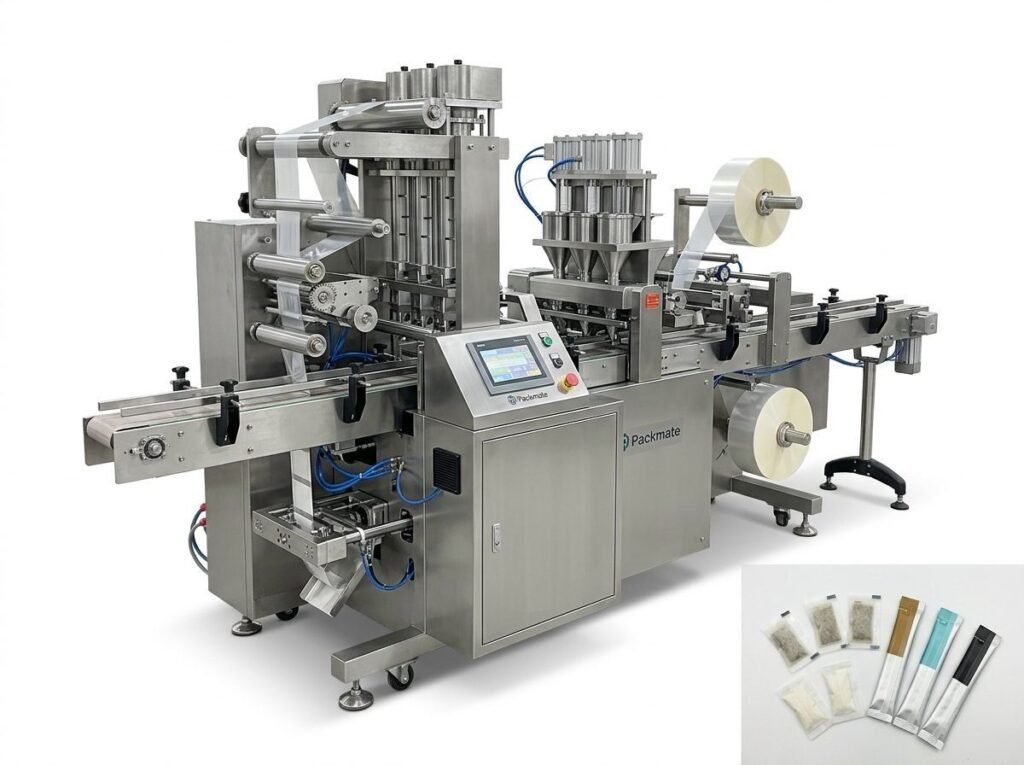
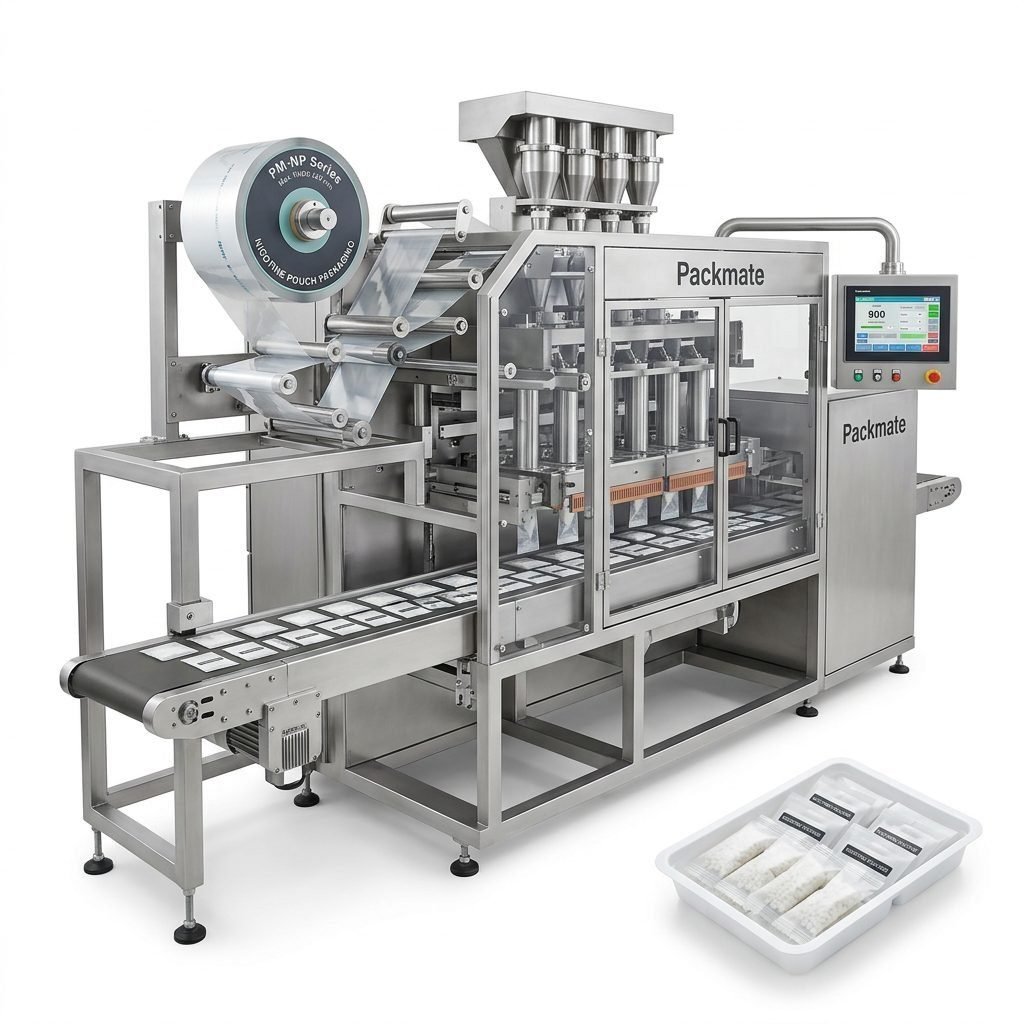
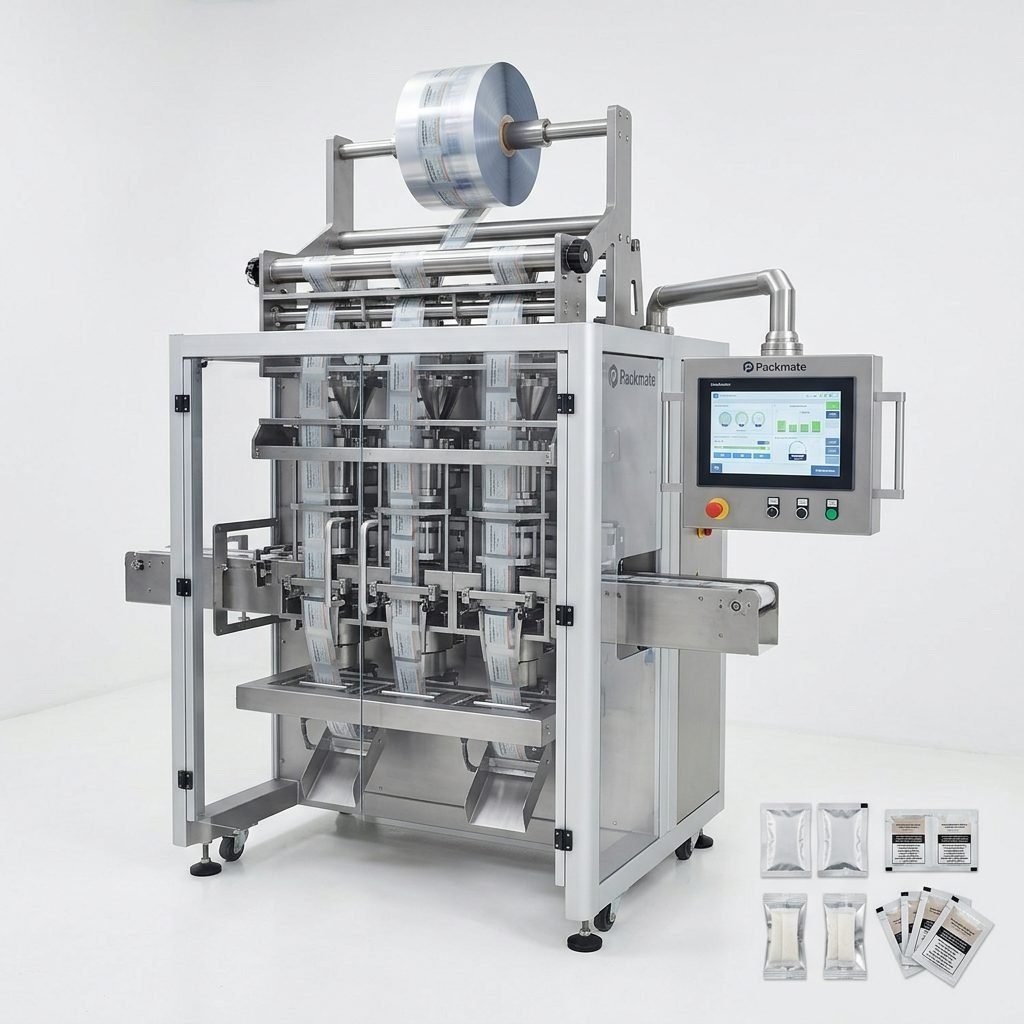
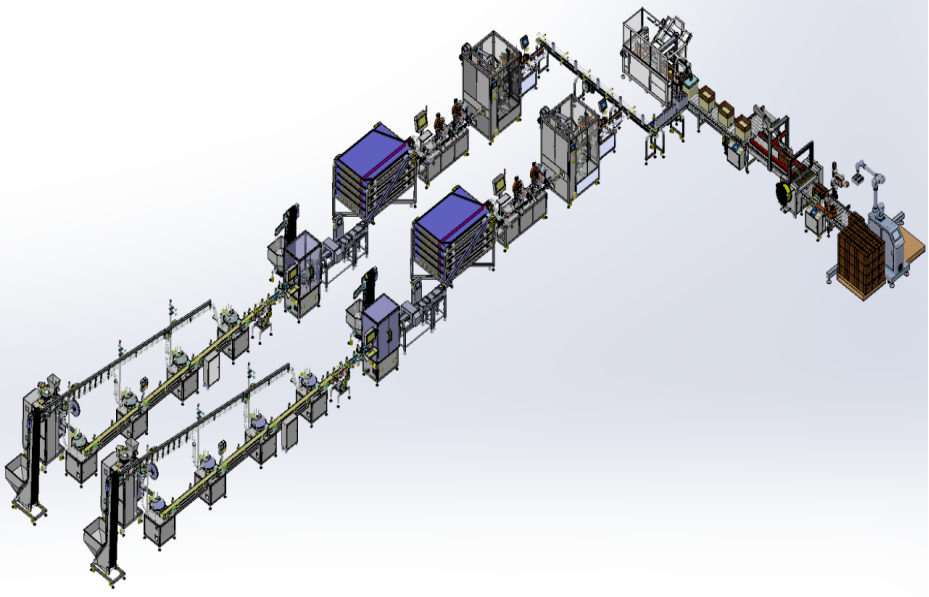
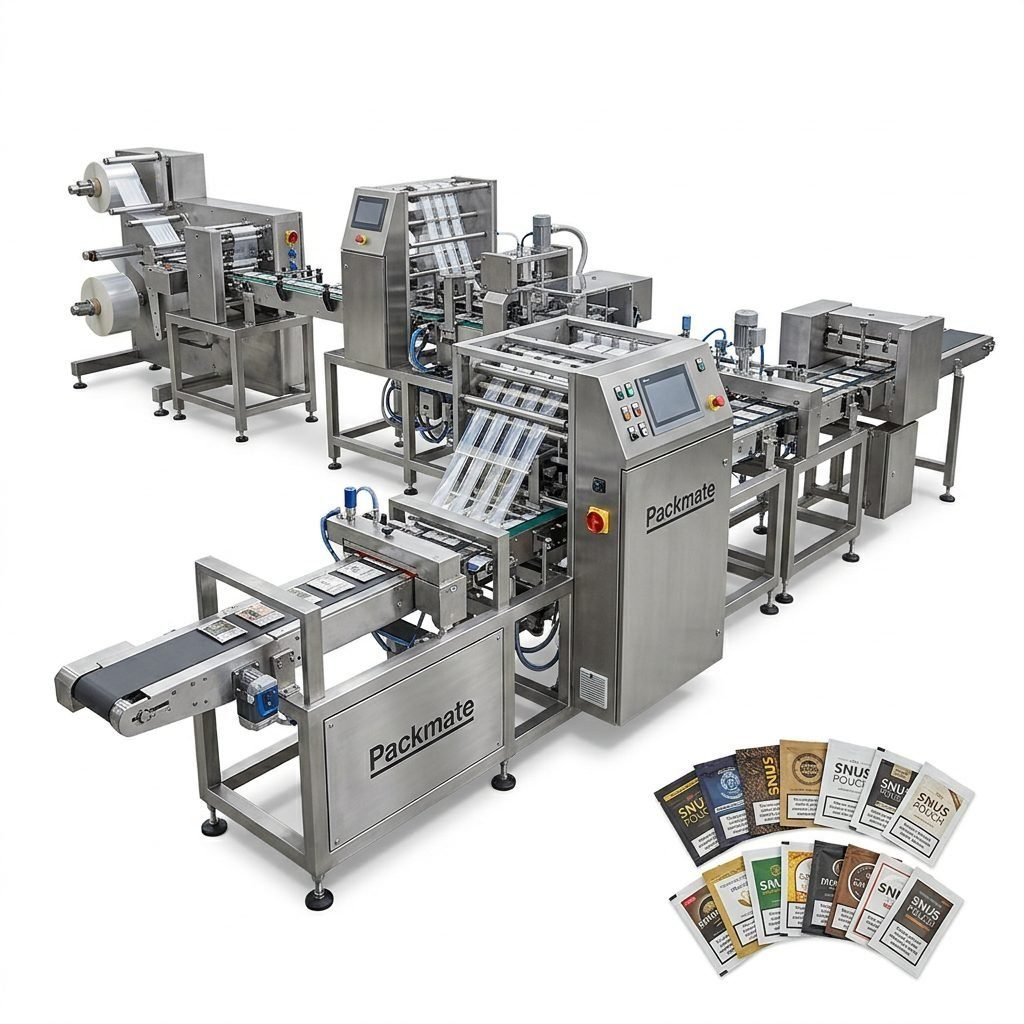
Choosing the right snus packaging machine supplier in Asia can make or break your production plans. Whether you are launching nicotine pouches, snus, tea sachets, or powdered products, selecting a reliable partner means balancing machine performance, regulatory compliance, after-sales support, and total cost of ownership. This guide breaks down practical tips and a buyer’s checklist to help you compare suppliers, evaluate technical capabilities, and ensure smooth ramp-up in Asian markets.
Why Asia Matters for Snus Packaging Suppliers
Asia has become a global hub for precision manufacturing and cost-competitive engineering. Many suppliers combine decades of mechanical expertise with flexible production lines tailored to local business needs. For buyers targeting regional markets in Asia or exporting worldwide, the proximity to component supply chains, CNC capabilities, and skilled technicians translates into faster lead times and easier customization.
🔍 Local Advantages: faster on-site service, lower logistics cost for spare parts, and familiarity with Asian regulatory processes (import/export documentation, local electrical standards, and restricted materials).
Key Factors to Evaluate When Choosing a Supplier
1. Industry Experience & Certifications
⚙️ Look for suppliers with an established track record in snus and nicotine pouch packaging. Companies with 10+ years in pouch and sachet systems typically offer proven designs and fewer teething issues. International certifications such as CE and ISO indicate adherence to global safety and quality standards — essential when selling into regulated markets.
2. Machine Range & Customization
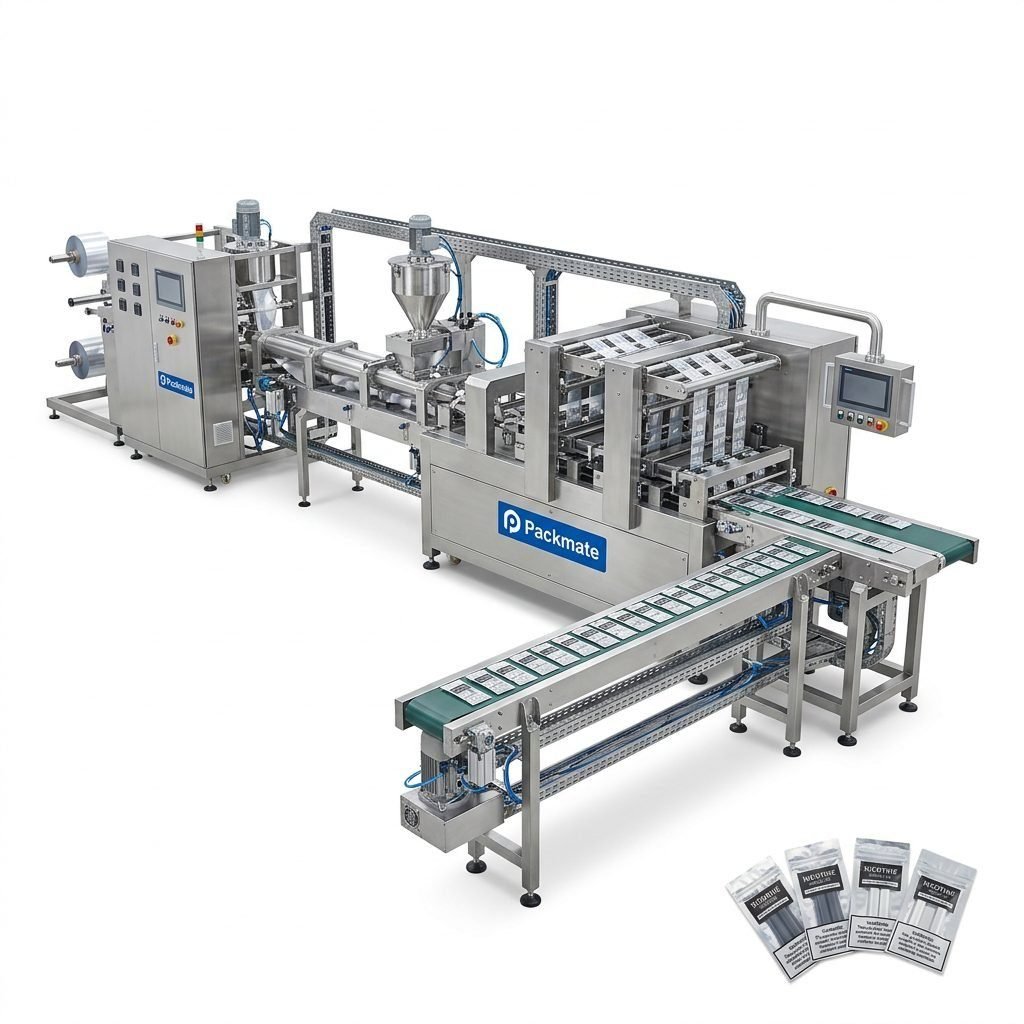
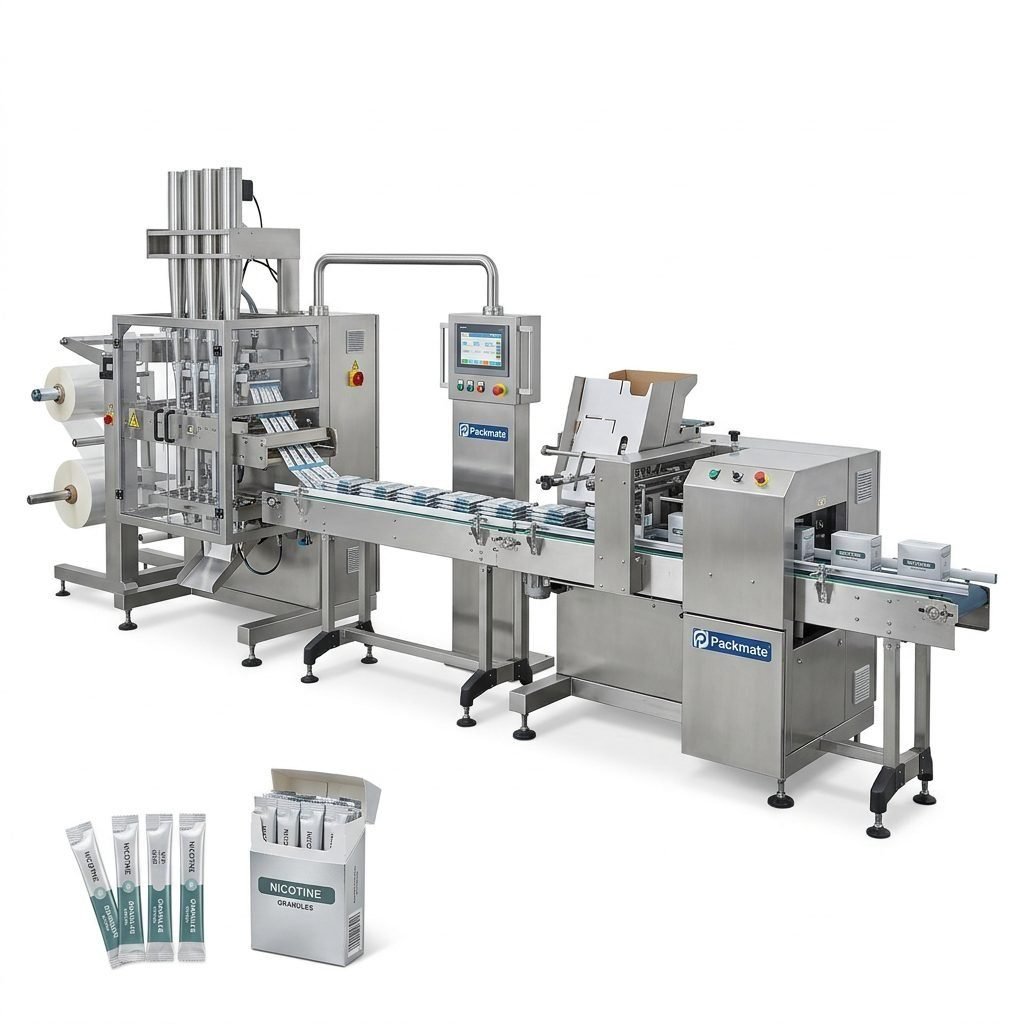
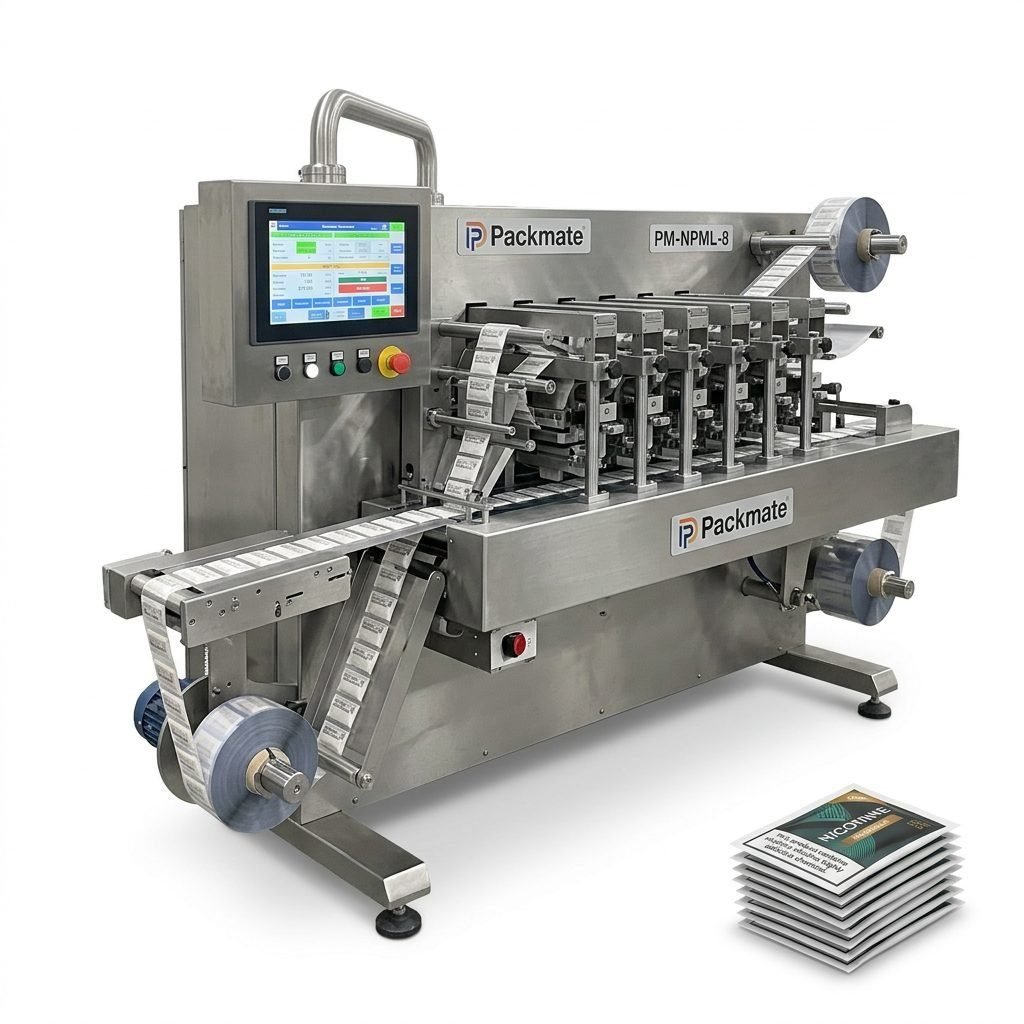
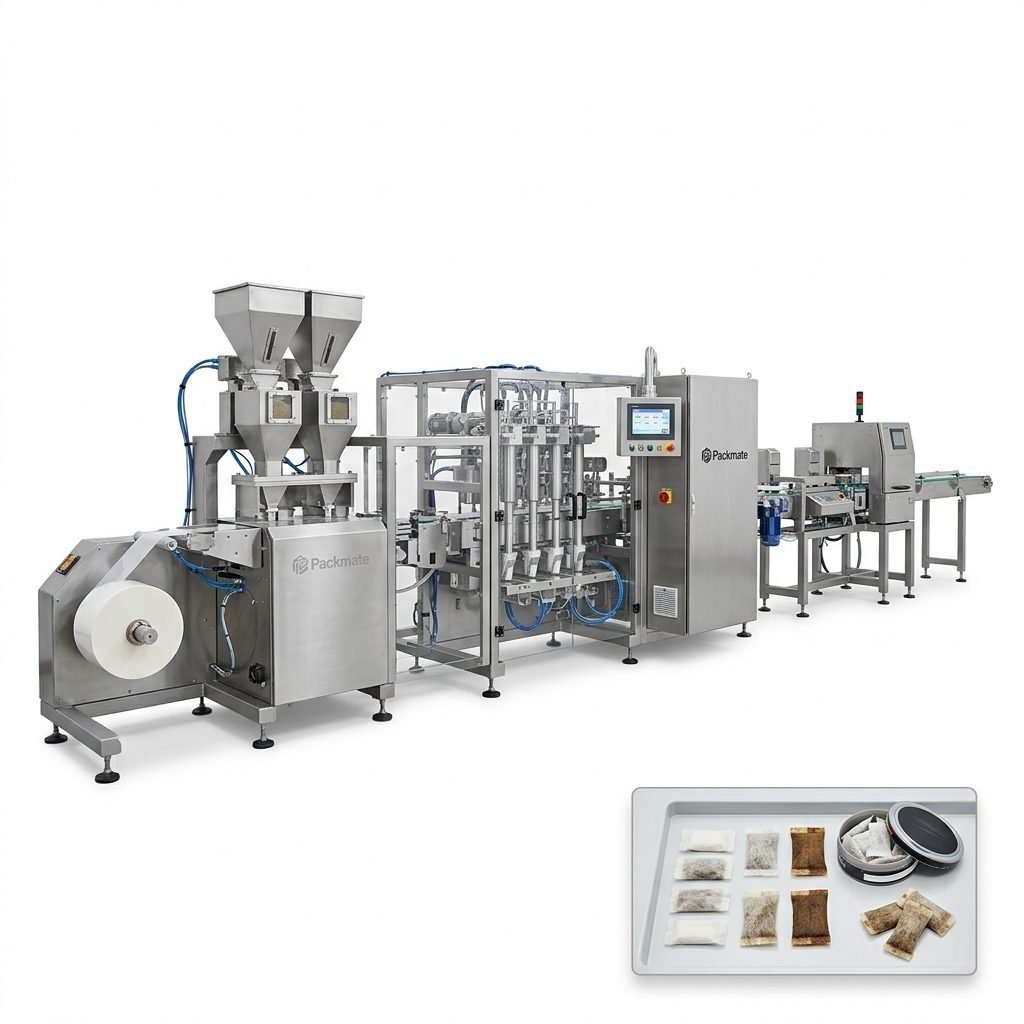
🔧 You want a supplier offering diverse machine types (stick pack, sachet, multi-lane snus pouch machines, powder/granule fillers) and the ability to customize dosing systems, pouch sizes, and materials. Multi-lane systems are particularly attractive for small-dose nicotine pouches to increase throughput without footprint expansion.
Recommended resources: explore product categories like Snus & Nicotine Packaging Machines and Bag & Pouch Packaging Machines to compare technical specifications and models.
3. Factory Capacity & Manufacturing Strength
🏭 Evaluate whether the supplier has sufficient manufacturing resources: CNC machining centers, precision assembly lines, and quality testing facilities. A factory with 20,000㎡ and dedicated assembly areas often signals capacity for multiple simultaneous orders and faster customization. This reduces lead times and ensures consistent quality for serial deliveries.
4. After-sales Support & Spare Parts
📦 After-sales service is critical. Confirm spare parts availability, service response times in your region, and whether the supplier provides remote diagnostics, on-site installation, and operator training. For Asian markets, having technicians who can travel regionally and local stocks of wear parts minimizes downtime.
✅ Tip: Ask for a spare-parts list and lead times. Suppliers that ship common parts within 48–72 hours are ideal for production-critical lines.
5. Total Cost of Ownership (TCO) vs. Price
💰 Don’t judge suppliers only by the purchase price. Consider energy efficiency, maintenance frequency, consumables cost, uptime history, and expected lifespan. A slightly higher initial investment can pay off with lower operating costs and better reliability.
6. Regulatory Compliance & Material Compatibility
⚖️ Ensure machines are compatible with food/pharmaceutical-grade materials and that the supplier understands nicotine-related product restrictions in target countries. In many Asian markets, safe material contact and traceability are increasingly enforced — your supplier should provide documentation proving material compliance and cleanability design.
Practical Questions to Ask a Potential Supplier
When you contact a supplier, get direct answers to these items: delivery lead time, production capacity (units/month), on-site commissioning package, warranty length and coverage, spare parts policy, training options, references from other snus/nicotine customers, and case studies of multi-lane installations.
For examples and case studies, review supplier portfolios like their Case pages — real project references reveal how machines perform in real production environments.
On-site Visits, Factory Acceptance Test (FAT) & FAT Checklist
🌏 Organize factory visits when possible. A Factory Acceptance Test (FAT) verifies machine performance before shipment. Key FAT items: cycle speed, dosing accuracy, pouch sealing integrity, lane synchronization, HMI functions, and emergency stop tests. Ask for video evidence and documented test results if you cannot attend in person.
📋 FAT Checklist Highlights: production speed at different recipes, waste levels, ease of changeover, cleaning time, noise/vibration levels, and spare parts list included with shipment.
Logistics, Installation & Training in Asian Markets
🚚 In Asia, efficient logistics networks and knowledge of port handling are advantages. Ask whether the supplier offers FOB, CIF, or DDP shipping options and if they can assist with local customs documentation. Confirm installation scope: do they provide full mechanical/electrical installation, calibration, and operator training? Training can be classroom-style, on-site, or remote.
Why Packmate Snus Machine Is a Strong Choice
Packmate Snus Machine brings 30+ years of packaging engineering and a dedicated focus on snus and nicotine pouch systems. With a 20,000㎡ factory, 50+ machine models, and advanced CNC and assembly systems, Packmate offers high-precision multi-lane solutions, turnkey lines, and international certifications such as CE and ISO.
Learn more about the company and its history on the About Packmate page and explore product lines like Sachet & Stick Pack Machines and Weighing & Packaging Systems.
⚙️ Packmate Highlights: multi-lane snus lines, turnkey packaging solutions for food and pharma, global exhibition presence, and long-term technical support.
Buyer’s Checklist Before You Sign
1. Delivery & lead time confirmed in writing (including milestones).
2. Detailed scope of supply: spares, tooling, consumables, FAT criteria, packaging, and documentation.
3. Warranty terms, service response SLAs, and training plan documented.
4. Compliance statements for materials in contact with product, and certificates provided.
5. Payment terms, penalties for missed delivery, and acceptance test procedures clarified.
Negotiation & Contract Tips
🔐 Include clear acceptance criteria in the contract, specify spare parts included with the first shipment, and request training hours. If possible, secure local support partners or service agreements to reduce downtime risk. For suppliers in Asia, negotiate clear export documentation responsibilities to prevent customs delays.
Final Reminders for Asian Buyers and Exporters
– Cultural and business practices vary across Asia: in some regions relationship-building and factory visits are standard before signing major contracts. In others, clear, written specifications and timelines are prioritized. Respecting these local business norms expedites negotiations.
– Consider machine footprint and workforce skill levels in your location. Some Asian facilities favor compact multi-lane automation to conserve floor space and labor costs.
– Plan for regulatory checks: nicotine and snus products may have specific labeling, packaging, and material restrictions depending on the destination market; work with a supplier that understands these constraints.
Next Steps: Contacting Suppliers and Scheduling Demos
Start by shortlisting 3–5 suppliers, ask for machine videos, FAT reports, customer references, and a preliminary quote including shipping and installation. Arrange virtual or in-person demos and request a detailed technical proposal. If you want to see real-world performance, visit trade shows or the supplier’s exhibition demos — many vendors showcase machines at industry events. Packmate frequently participates in global exhibitions; check Our Exhibition for updates.
Useful Links
– Explore product lines: Filling & Packaging Lines
– Service and support: Service | Contact: Contact Us
Conclusion
Choosing the best snus packaging machine supplier in Asia is about more than price — it’s about engineering capability, manufacturing strength, after-sales support, regulatory understanding, and cultural fit. Use the buyer checklist above, verify certifications and FAT results, and prioritize suppliers that offer clear documentation, spare parts strategies, and regional service. A well-chosen partner will help you scale production reliably and compliantly.
Frequently Asked Questions (FAQs)
Q1: How long does it typically take from order to machine delivery for snus pouch lines in Asia?
A1: Typical lead times range from 10–20 weeks depending on customization, factory backlog, and FAT scheduling. High-volume or heavily customized lines may require longer lead times.
Q2: What warranty and after-sales services should I expect?
A2: Standard warranties are often 12 months for mechanical components. Good suppliers provide extended support options, spare-parts packages, remote troubleshooting, and on-site commissioning — ensure these are included in your contract.
Q3: Are multi-lane snus machines suitable for small start-ups?
A3: Multi-lane systems can be cost-effective if you need high throughput in a small footprint. For start-ups, consider modular systems that can scale as demand grows.
Q4: How do I ensure regulatory compliance for nicotine pouches when buying a machine in Asia?
A4: Work with suppliers that provide material contact documentation, CE/ISO certificates, and product traceability features. Also consult local regulations in your target market for labeling and packaging restrictions.
Q5: Where can I find real customer references and machine demos?
A5: Ask suppliers for case studies and contact details of reference customers. Visit trade shows, request FAT videos, or arrange site visits. Packmate’s case page is a good starting point to review past projects.