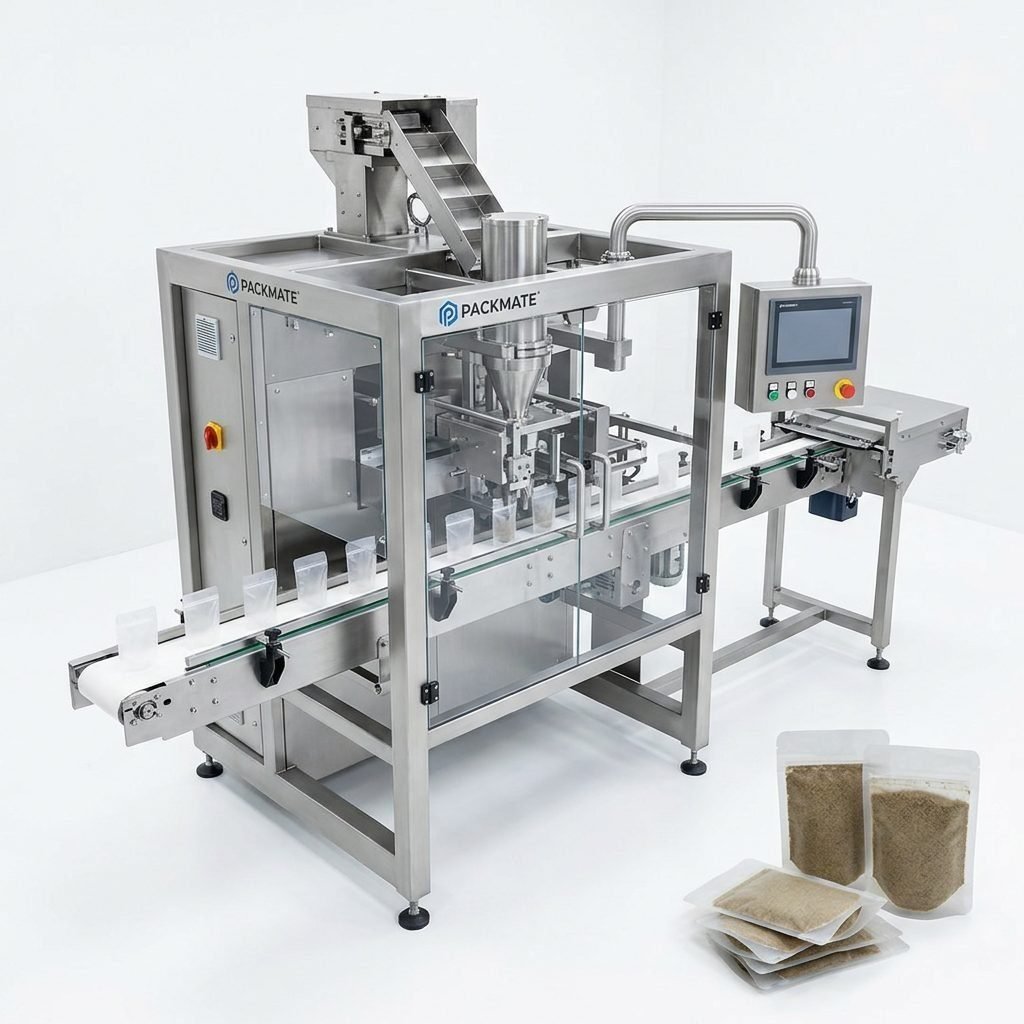
Choosing the right nicotine packaging machinery supplier in Oceania is a strategic decision that affects product quality, regulatory compliance, cost of ownership, and speed to market. Whether you are launching a nicotine pouch brand in New Zealand, scaling snus production for Australian exports, or supplying niche Pacific Island markets, the supplier you select must match regional regulations, production volumes, and local consumer preferences. This guide walks you through practical evaluation criteria, local considerations, and a step-by-step selection roadmap so you can pick a supplier who delivers reliability, compliance, and long-term value.
Understand Oceania’s regulatory and market context
In Oceania, regulatory frameworks and consumer expectations vary. Australia has strict regulations for nicotine products and often treats nicotine as a medicinal product; New Zealand has a more progressive regulatory approach supporting harm-reduction products and innovative nicotine formats; smaller Pacific nations may have inconsistent or evolving rules. Before evaluating suppliers, confirm the legal status of nicotine pouches and labeling requirements in your target markets, and ensure your supplier can help with compliant labelling, batch documentation, and traceability.
Local preferences matter: Oceania buyers often favor discreet, well-designed packaging with clear ingredient and safety information in English, recyclable materials, and minimal but premium aesthetics. Sustainability is increasingly important—suppliers who can support recyclable pouches, reduced material usage, or advice on eco-friendly barrier films will have an advantage.
Key local considerations at a glance
⚠️ Compliance: Verify supplier support for local labeling, batch records, and CE/ISO certifications.
🔹 Sustainability: Seek options for recyclable films and reduced-packaging solutions.
✔️ Flexibility: Oceania customers often need flexible production runs — ensure multi-lane and small-batch capabilities.
Technical capabilities to evaluate
When vetting suppliers, focus on the machine functions that directly affect product quality, uptime, and future scalability:
Machine types and production formats
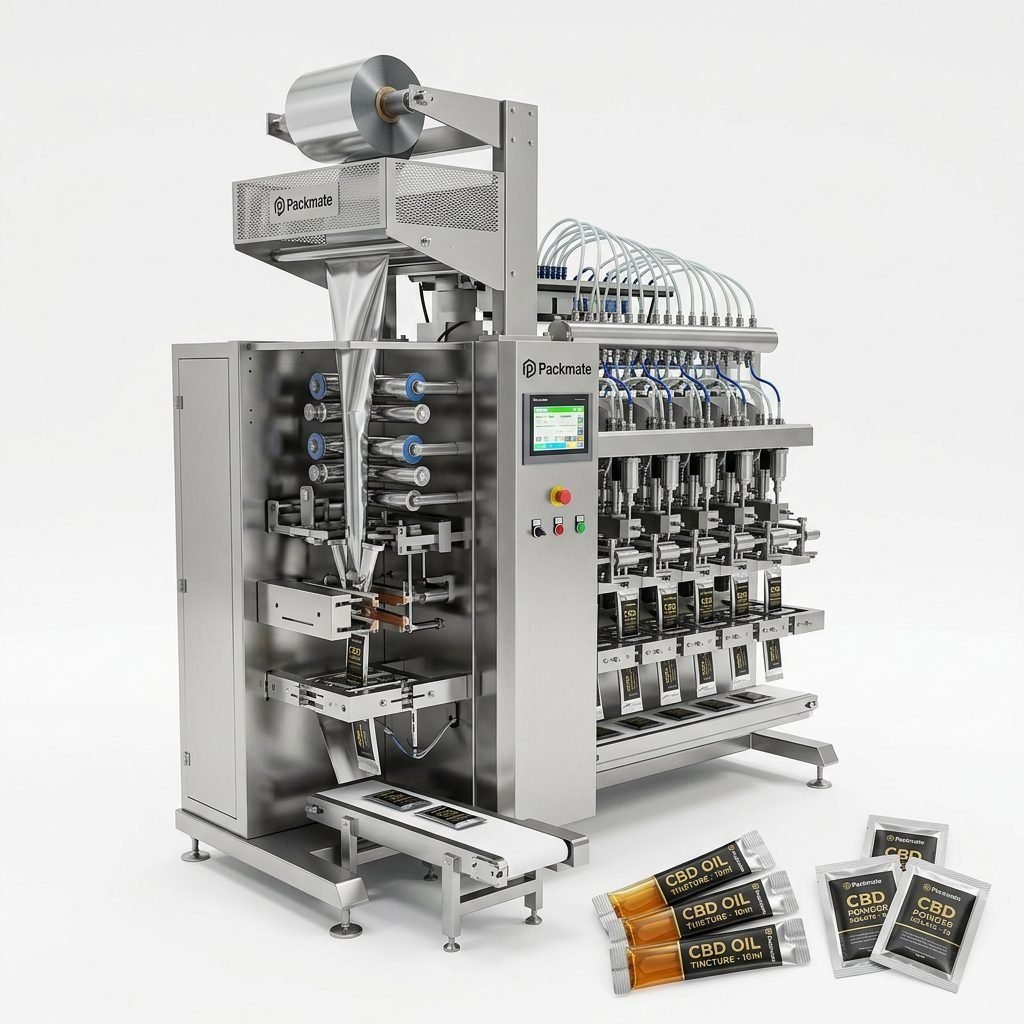
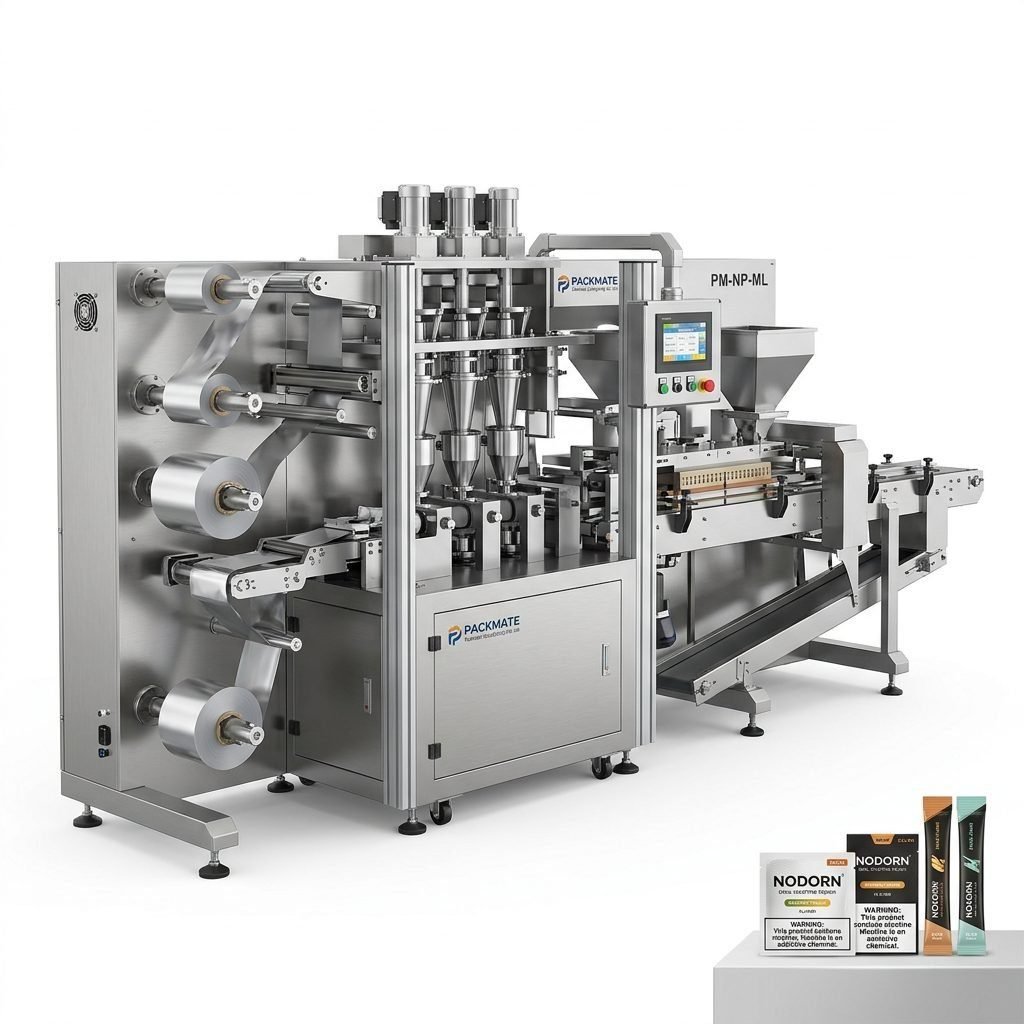
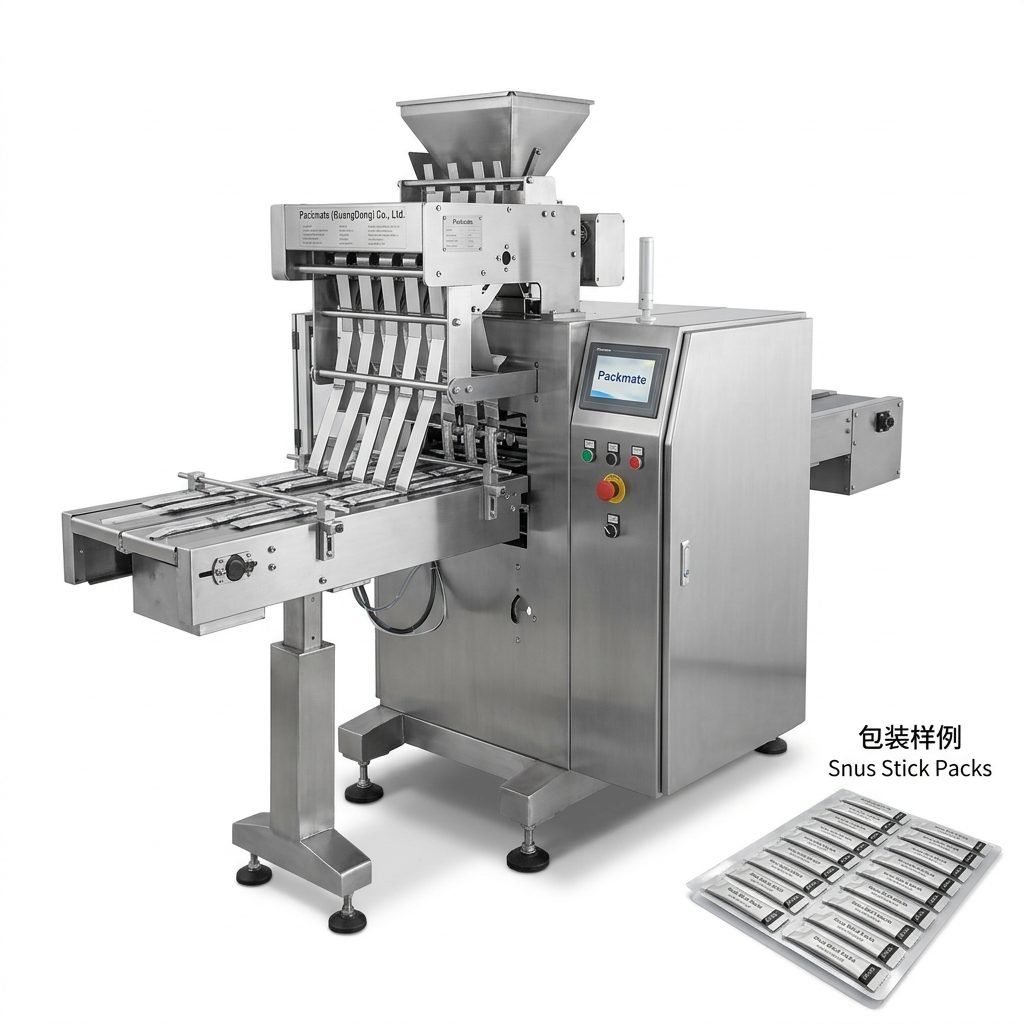
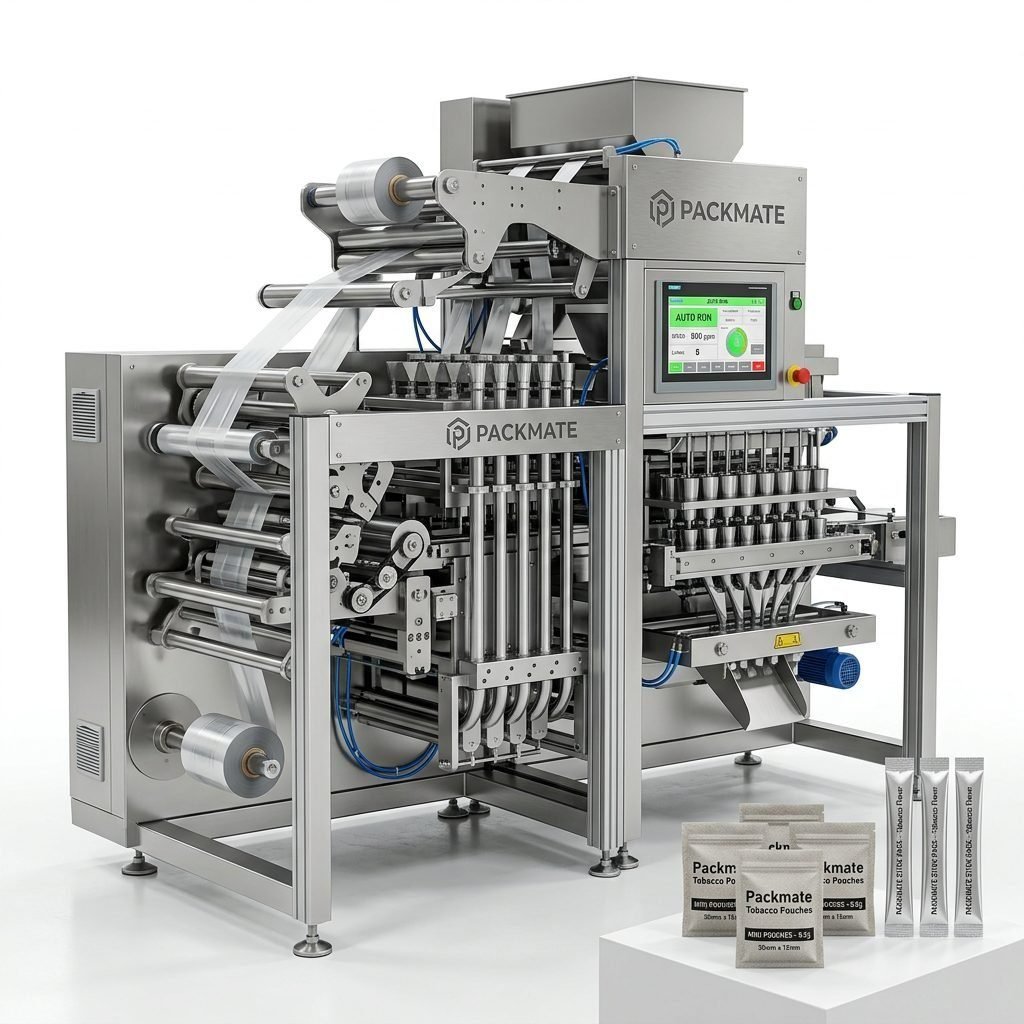
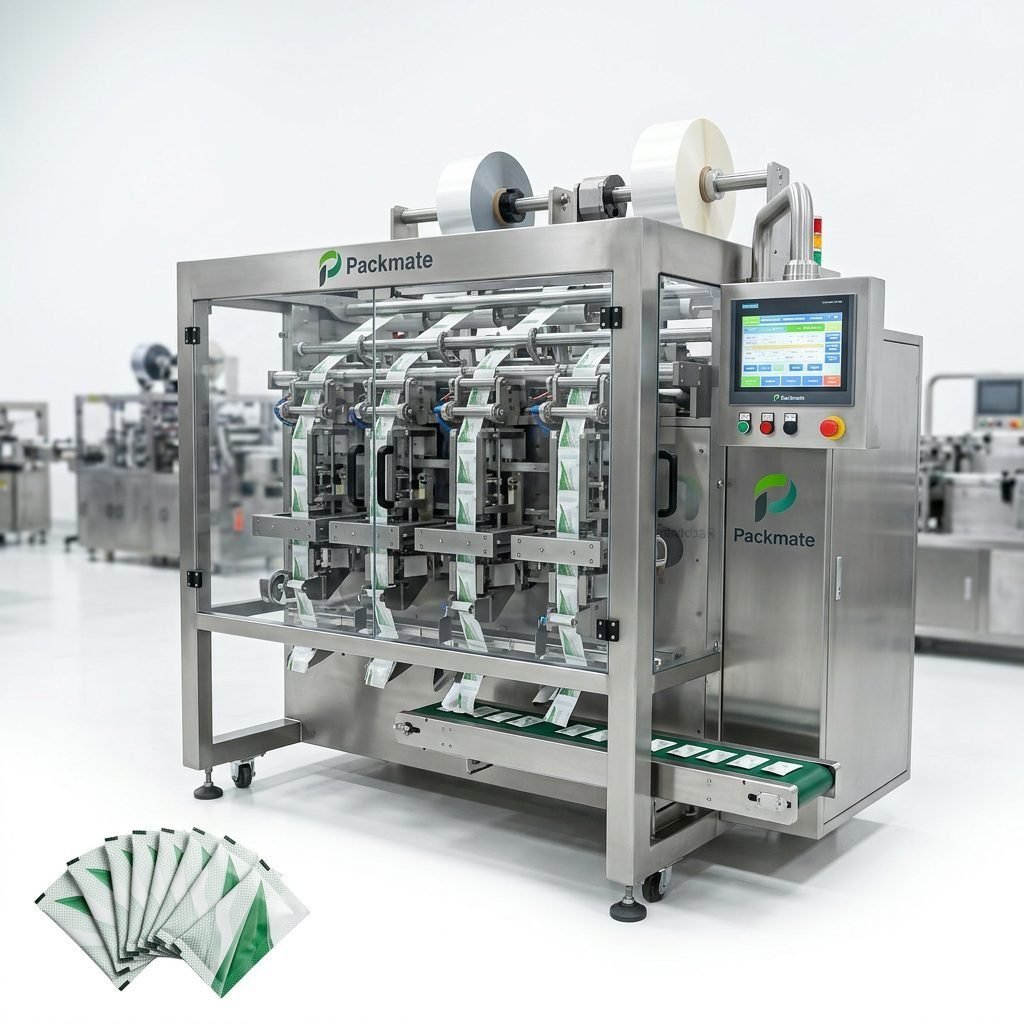
Look for suppliers that offer a range of product platforms: snus/nicotine pouch lines, stick pack and sachet systems, multi-lane pouch machines, and filling & packaging lines that integrate weighing and dosing. A supplier with a broad portfolio can help you scale and pivot product formats without re-qualifying a completely new vendor. Explore product demos such as Snus & Nicotine Packaging Machines and Sachet & Stick Pack Machines.
Throughput, accuracy, and lane options
Determine your required throughput and whether the supplier supports single- to multi-lane formats. Multi-lane machines reduce footprint per output but require precise synchronization and robust servo controls. Evaluate fill accuracy for small-dose pouches — poor accuracy increases product giveaway and regulatory risk. Ask for performance data, machine validation reports, and real production samples.
Hygiene, materials handling, and cleanability
Nicotine and snus ingredients can be hygroscopic or sticky. Machines designed with sanitary R&D, accessible guards, and easy-to-clean feeding systems minimize downtime and cross-contamination. Confirm material contact parts are suitable (stainless steel grades, FDA-approved components) and that the supplier can propose solutions for powders, granules, and wet blends.
Quality, certifications and factory strength
A supplier’s factory capabilities and certifications give you insight into consistency and compliance. Look for evidence of advanced manufacturing (CNC machining centers, precision assembly) and quality systems like ISO and CE compliance. Packmate’s factory facts — 20,000㎡ facility, 50+ machine models, advanced CNC and assembly lines — are examples of the manufacturing scale you want to verify during supplier due diligence.
🔧 Factory checklist:
• On-site CNC machining and precision assembly
• Machine test benches and full production runs before shipment
• Documented QC tests and machine acceptance protocols
After-sales service, spare parts and training
For Oceania customers, timely service and parts logistics are essential because shipping from Asia can introduce delays. Verify:
- Spare parts lead time and availability
- Remote diagnostics and fast response support
- On-site commissioning and operator training options
- Local partner or distributor presence in Australia/New Zealand (preferred)
Service-level commitments
Get SLAs in writing — response times, spare parts shipping terms, remote troubleshooting windows and training scope. Suppliers who attend regional trade shows and maintain local contacts can usually reduce downtime and provide faster spare parts logistics. See supplier exhibitions and proof of presence at trade events here.
Total cost of ownership and financing
Purchase price is only one part of the investment. Consider energy use, spare parts, consumables (films, seals), maintenance intervals, operator staffing, and waste rates. Ask suppliers to model a three-to-five year TCO based on your anticipated product mix and production schedule.
Financing and lifecycle planning
Some suppliers offer leasing, staged payments, or trade-in programs to ease capital outlay. Also evaluate upgrade paths — can you add lanes, change wrapper formats, or upgrade hoppers without major reworks? Suppliers that offer modular machines or plug-in options reduce future upgrade costs.
Customization, turnkey solutions and integration
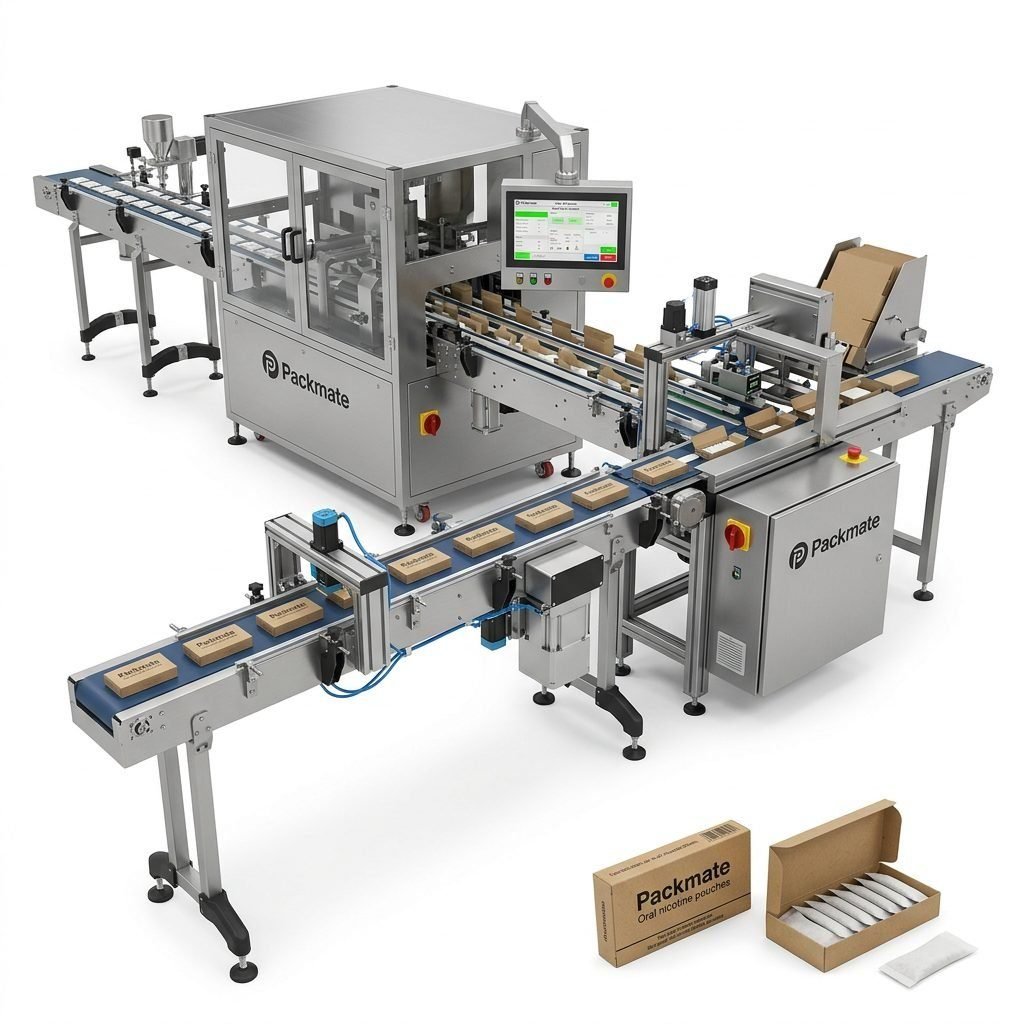
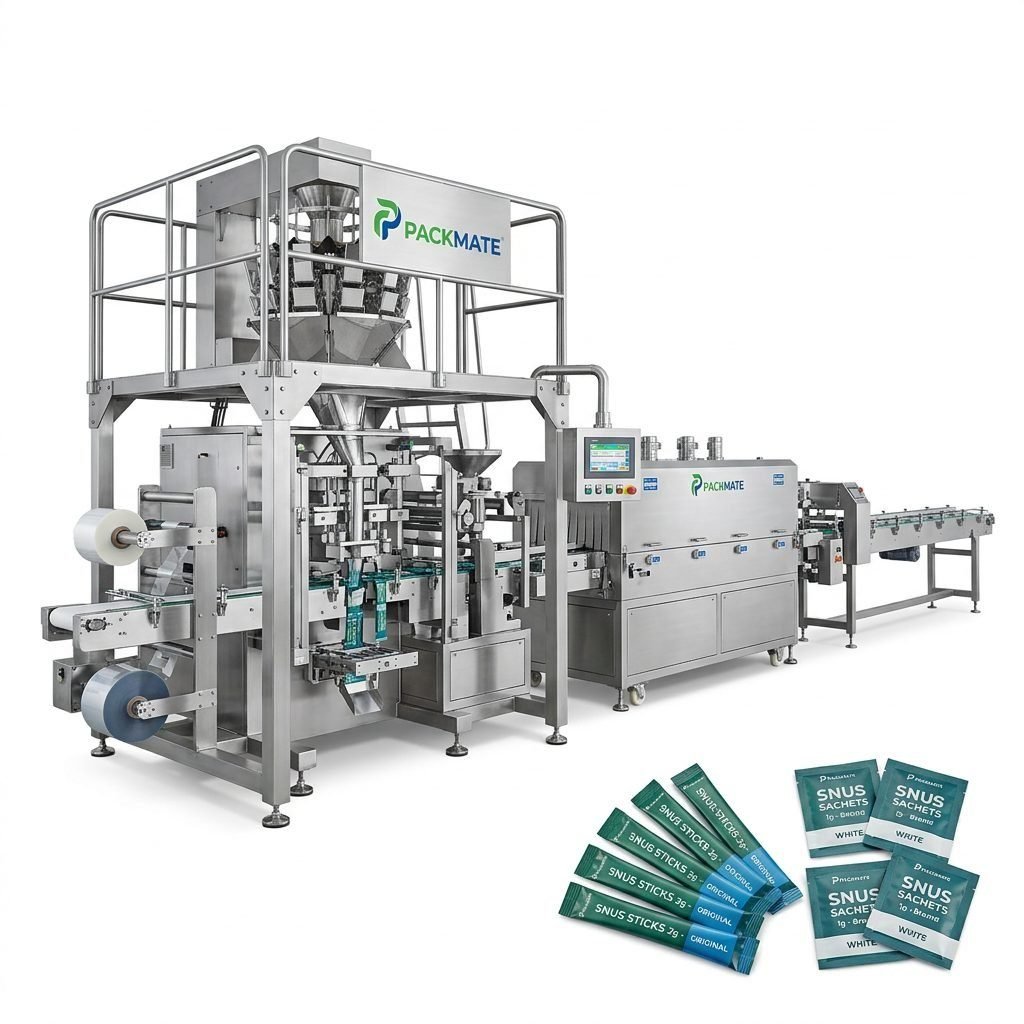
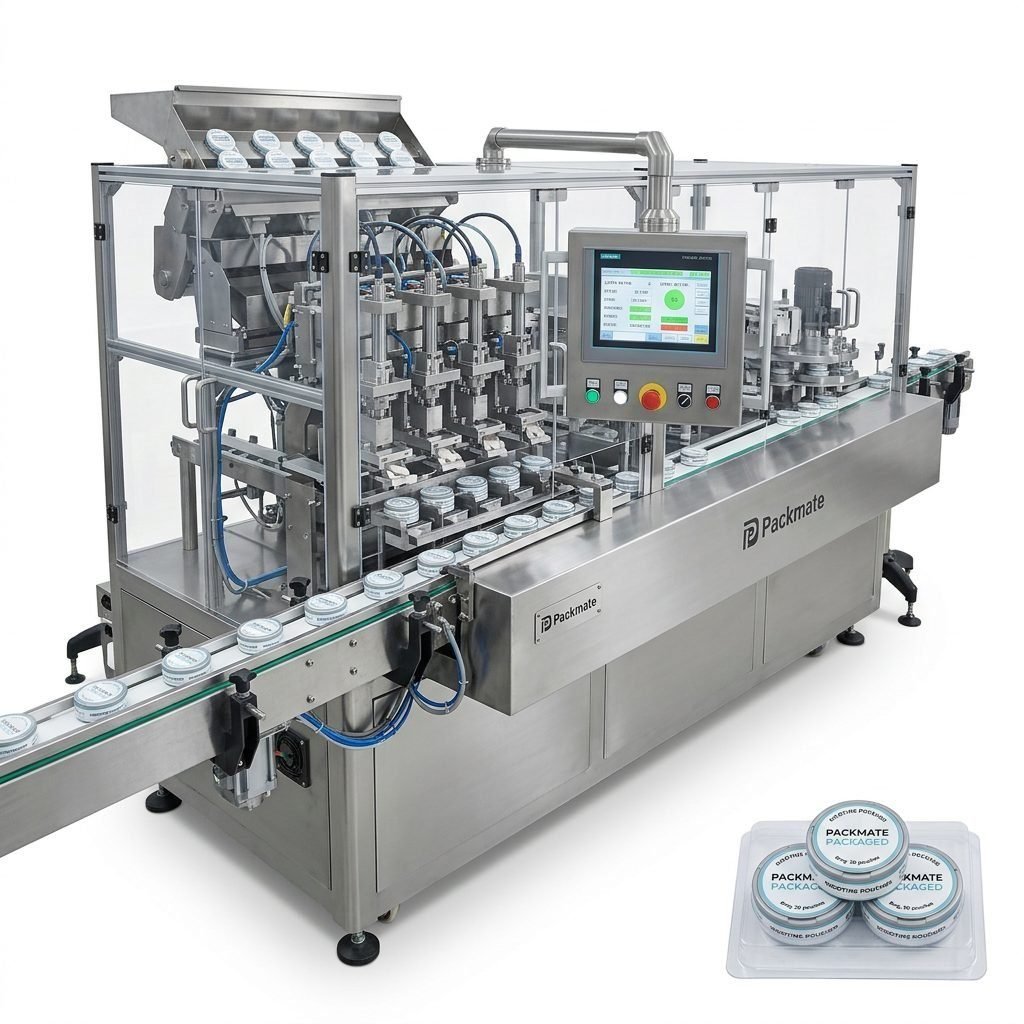
If you need a complete production line — filling, weighing, pouch forming, downstream cartoning — choose a supplier experienced in turnkey integration. Packmate and similar vendors provide fully integrated lines (including weighing & packaging systems and filling lines) that simplify automation, reduce integration risk, and ensure consistent documentation for regulatory audits. See integrated offerings like Weighing & Packaging Systems and Filling & Packaging Lines.
Supplier validation: practical steps
Follow a structured validation process to minimize surprises:
Step 1 — Requirements checklist: Define product specs, throughput, acceptable giveaway, batch sizes, and regulatory deliverables.
Step 2 — Supplier shortlist: Ask for references, machine test videos, and factory photos. Verify certifications and sample runs.
Step 3 — Factory acceptance test (FAT): Require FAT with your target formulation and packaging material. Get acceptance criteria in writing.
Step 4 — Installation & commissioning (SAT): Ensure supplier includes on-site commissioning, staff training, and handover documents.
What to ask during demos and factory visits
During demos ask to see your exact pouch format run at rated speed, verify electronic control systems, and inspect spare parts lists. Confirm safety interlocks, PLC/HMI brands, and remote access capabilities. If you can’t visit in person, request a livestream FAT and raw footage of machine runs and test reports.
Working with a supplier long-term
A reliable supplier becomes a strategic partner. Look for consistent documentation, ongoing R&D, and evidence of global cooperation cases. Suppliers with strong case studies and exhibition participation demonstrate commitment to quality and continuous improvement — check references and published cases here.
Red flags to avoid
• No FAT or refusal to run your materials and recipes
• Vague spare parts lead times or no parts inventory
• Lack of verifiable certifications or factory capability evidence
• Weak after-sales commitments or no local distributor presence
Final checklist before signing a contract
✔️ Documentation: FAT reports, material certificates, electrical diagrams, maintenance manuals.
✔️ Training & commissioning: Confirm onsite commissioning days and training scope.
✔️ Spare parts & warranties: Written spare parts lead times and warranty terms.
Useful resources and next steps
If you’re ready to evaluate suppliers, collect detailed technical specifications and sample materials, request FAT runs with your formulations, and involve your regulatory or quality team early. To see a supplier profile and explore product lines, consider reviewing Packmate’s complete offerings such as About Packmate and their auxiliary equipment pages Auxiliary Packaging Equipment.
Conclusion: match capability to local needs
In Oceania, the ideal nicotine packaging machinery supplier blends technical excellence, regulatory support, and strong after-sales service. Prioritize suppliers that demonstrate factory strength, offer thorough FAT and SAT processes, and provide rapid spare parts and support. Consider local market nuances—labeling, sustainability, packaging aesthetics—and aim for a partner who can grow with your business.
Frequently Asked Questions
Q1: Are nicotine pouch packaging machines legal to import into Australia and New Zealand?
A1: Regulations vary by country. New Zealand generally has clearer pathways for nicotine product commercialization, while Australia applies stricter controls. Always confirm national rules and consult local regulators. Suppliers should assist with labeling and compliance documentation.
Q2: How important is a Factory Acceptance Test (FAT)?
A2: FAT is essential. It proves the machine can run your exact materials and recipes at agreed speeds and accuracy. Require documented FAT criteria before purchase.
Q3: What after-sales support should I expect for Oceania operations?
A3: Expect remote diagnostics, spare parts availability with reasonable lead times, on-site commissioning, and operator training. Prefer suppliers with local partners or experience serving Oceania clients.
Q4: Should I buy single-lane or multi-lane machinery?
A4: Choose based on volume forecasts, floor space, and product variability. Multi-lane machines are efficient for high-volume stable SKUs; single-lane or modular machines suit small-batch flexible production.
Q5: Where can I find more info or request a quote?
A5: Review supplier case studies, catalogs, and contact pages, and request a detailed quote including FAT and spare parts lists. For Packmate-related inquiries, visit their contact page Contact Us.