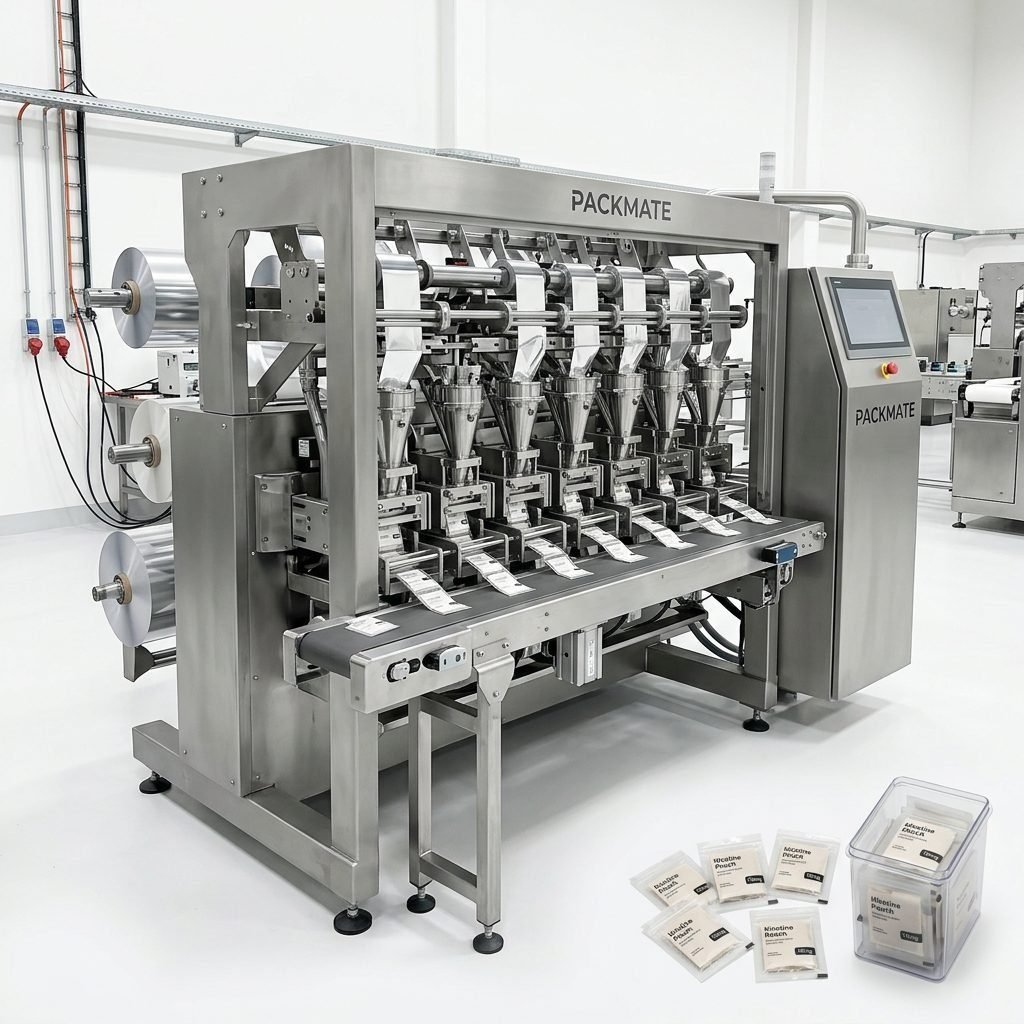
Entering the nicotine pouch market in Palestine requires careful selection of packaging equipment that matches local demand, legal constraints, and cultural expectations. Choosing the right machine affects product quality, compliance, line efficiency, and your return on investment. This guide walks you through practical steps to evaluate and select a nicotine packaging machine for Palestinian businesses — from understanding local consumption patterns to technical features, supplier criteria, and after-sales support.
Understanding the Palestinian Market and Consumer Habits
Palestine has a diverse retail environment: small kiosks, pharmacies, supermarkets, and a rising online channel. While traditional tobacco use remains prevalent, nicotine pouches (smokeless alternatives) are gaining interest among younger adults and urban professionals. When choosing a packaging solution, consider:
📌 Local labeling and language: Arabic labeling is essential; consider bilingual packs (Arabic + English). Hebrew may be relevant for cross-border trade. Packaging machines must support variable label printing or easy adoption of pre-printed films.
Religious and cultural sensitivities also influence design choices — conservative colors, discreet branding, and clear ingredient information help gain acceptance. During Ramadan and national holidays, demand patterns may shift; flexible production scheduling is valuable.
Types of Nicotine Packaging Machines and What They Offer
The main machine categories relevant to nicotine pouches include:
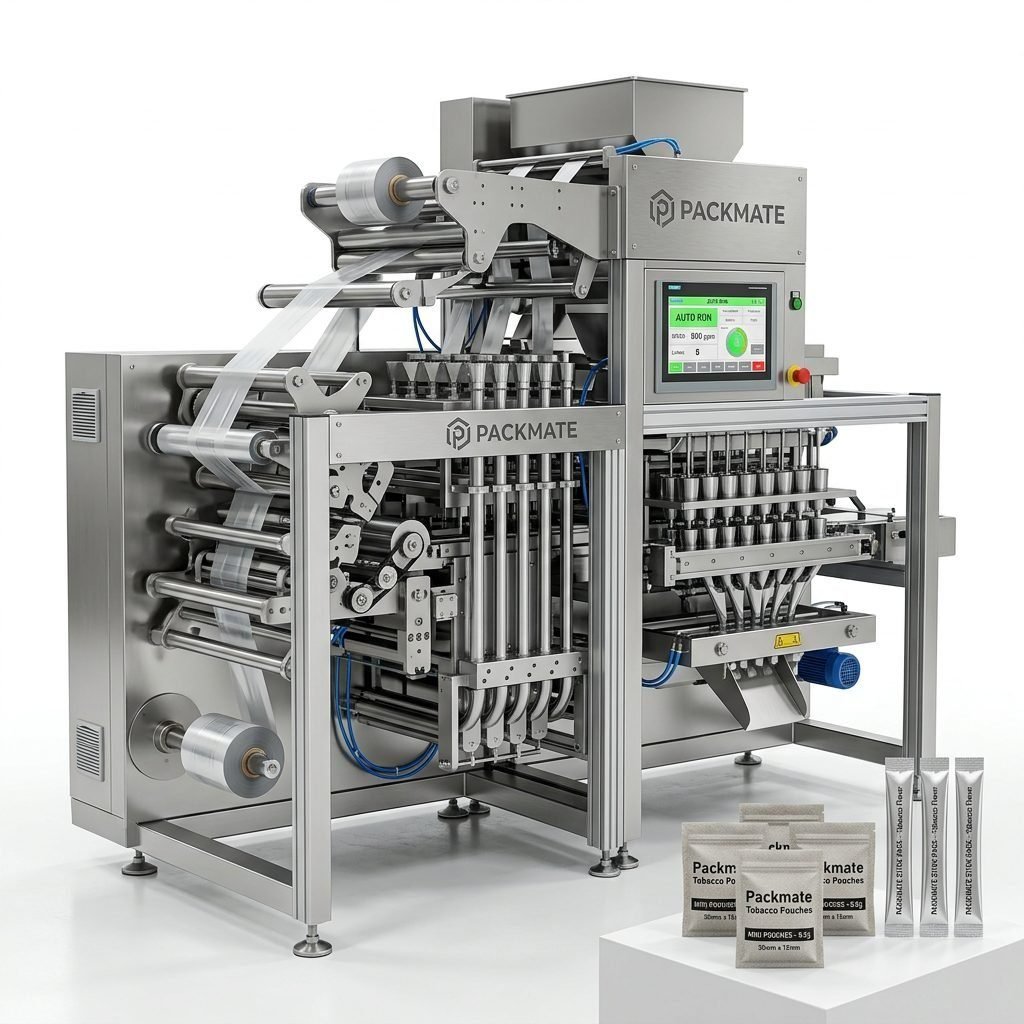
Sachet & Stick Pack Machines
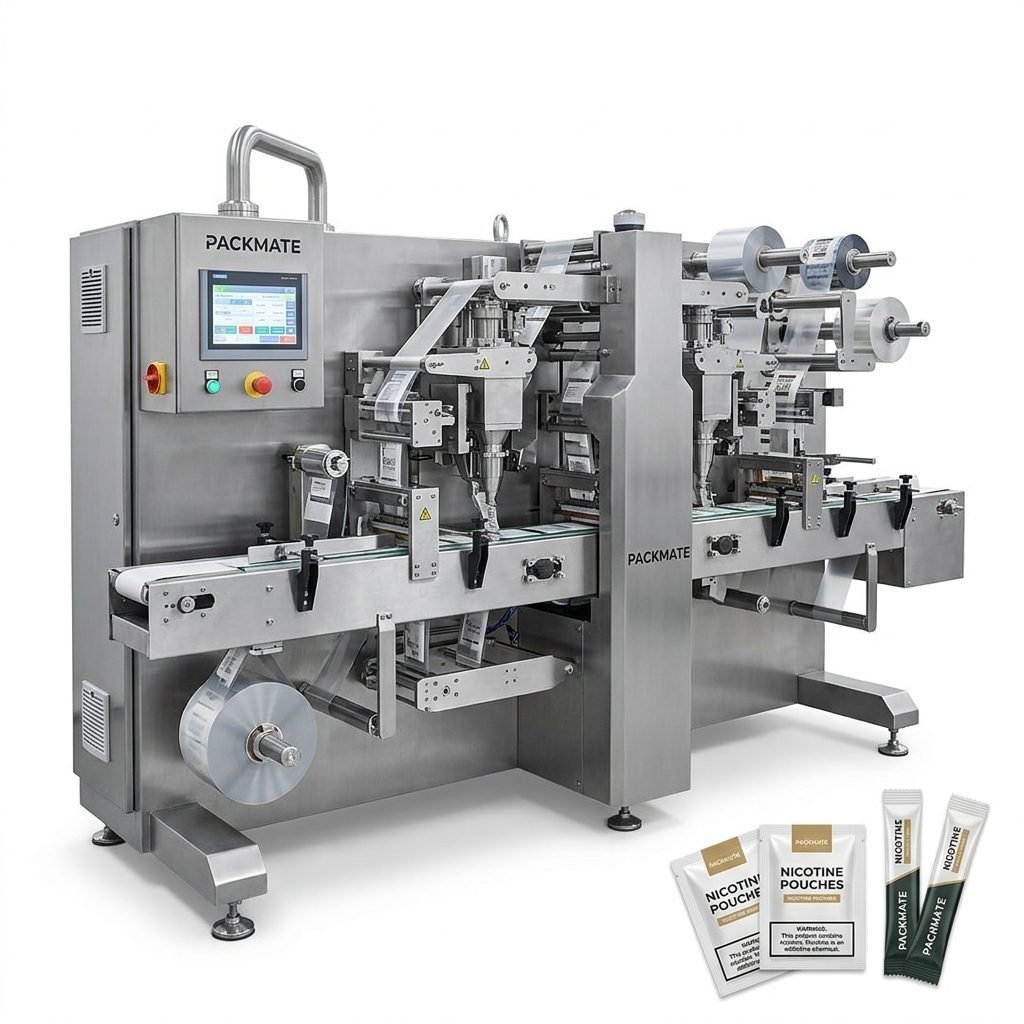
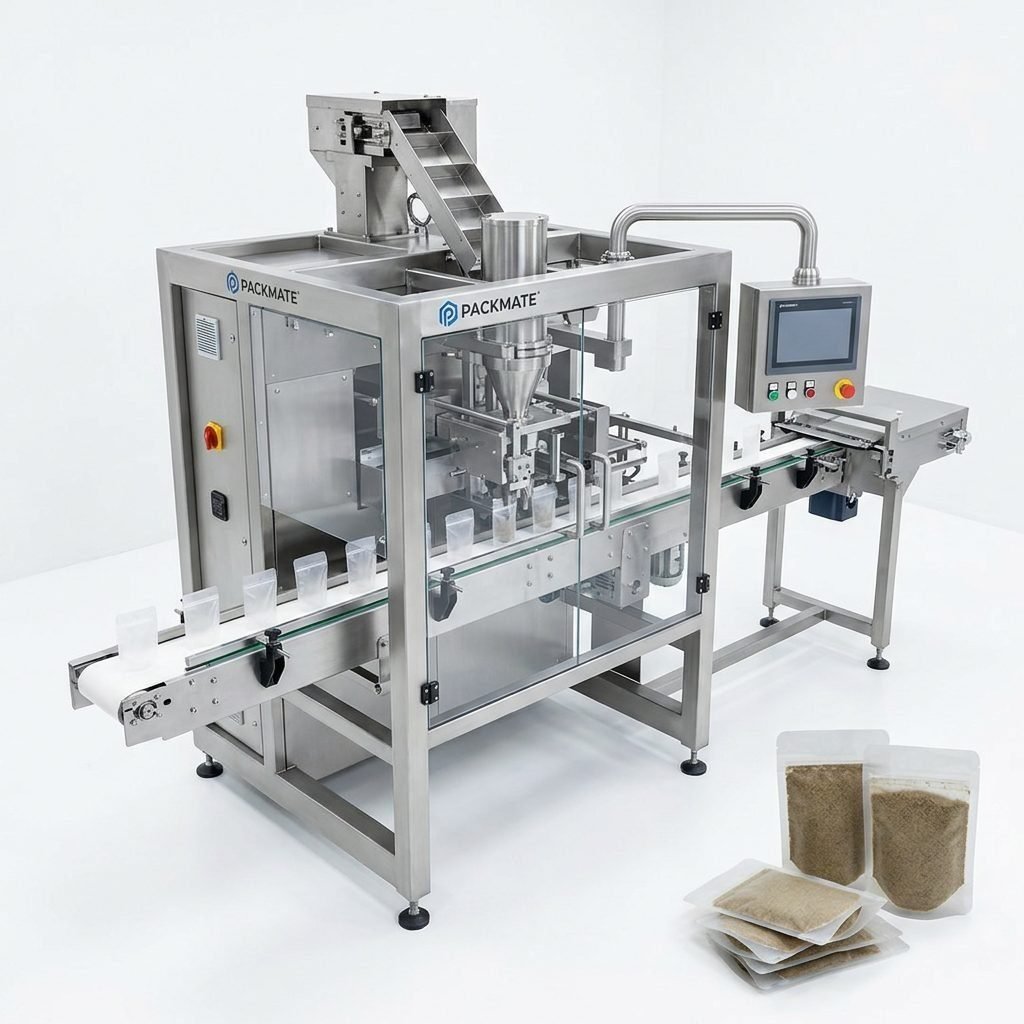
These are suited for single-dose pouches and stick-shaped sachets. They are compact, cost-effective, and ideal for small-format trials and retail packs. If you plan to produce small sachets with precise dosing, a high-quality stick pack machine is a strong choice.
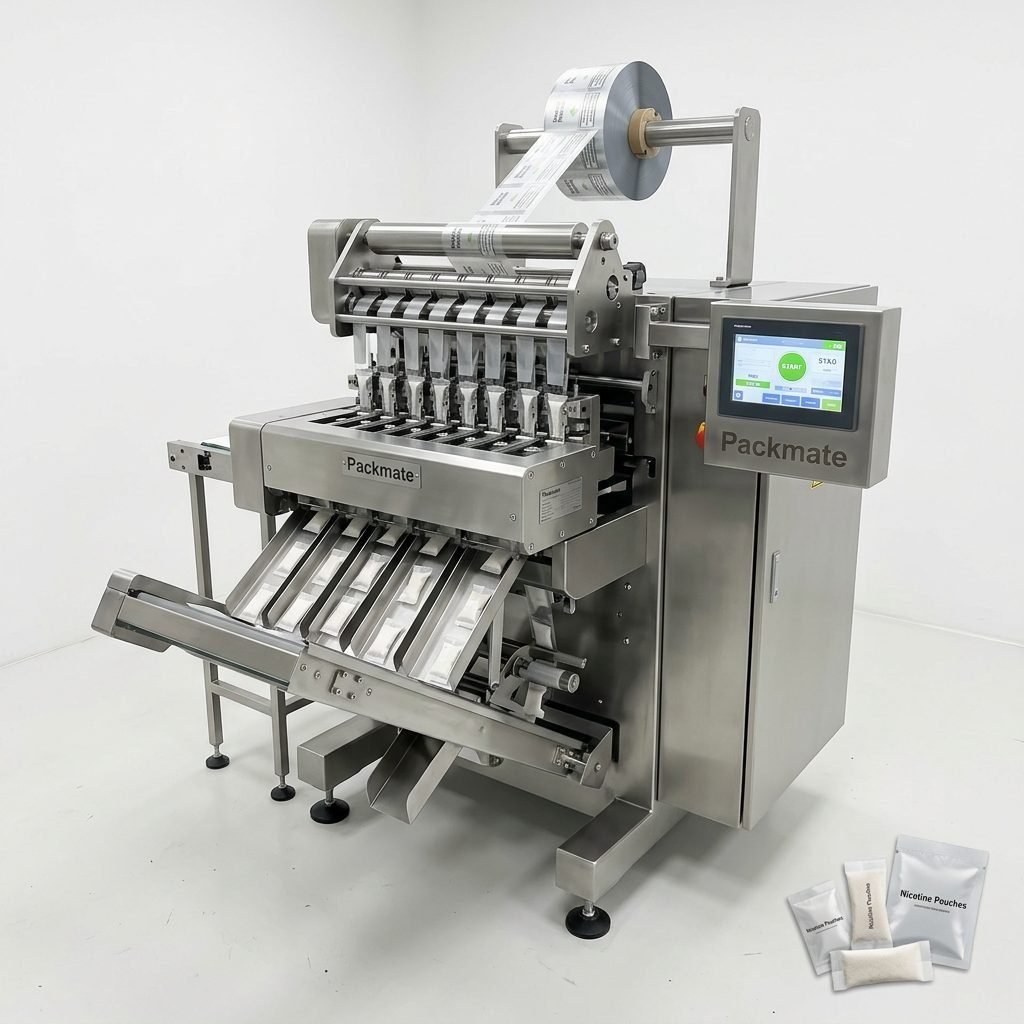
Multi-lane Snus / Nicotine Pouch Machines
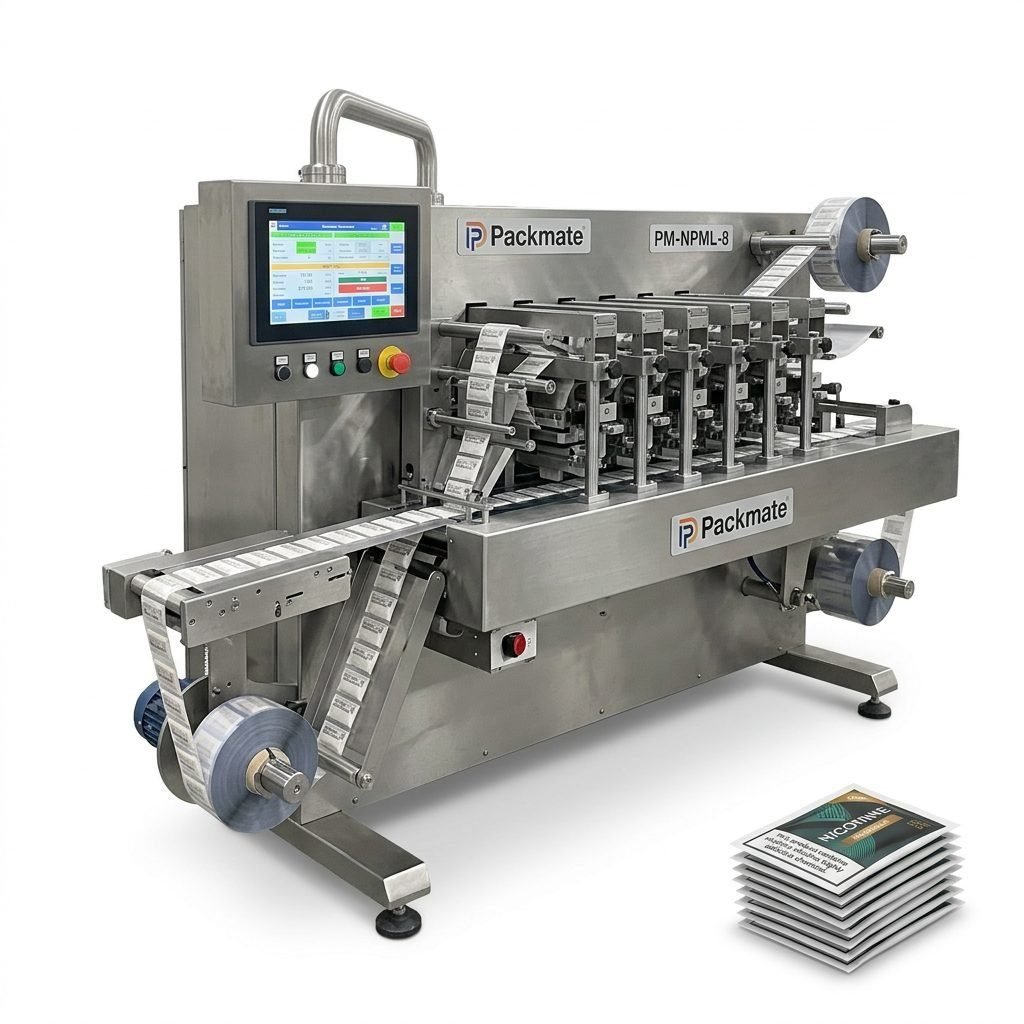
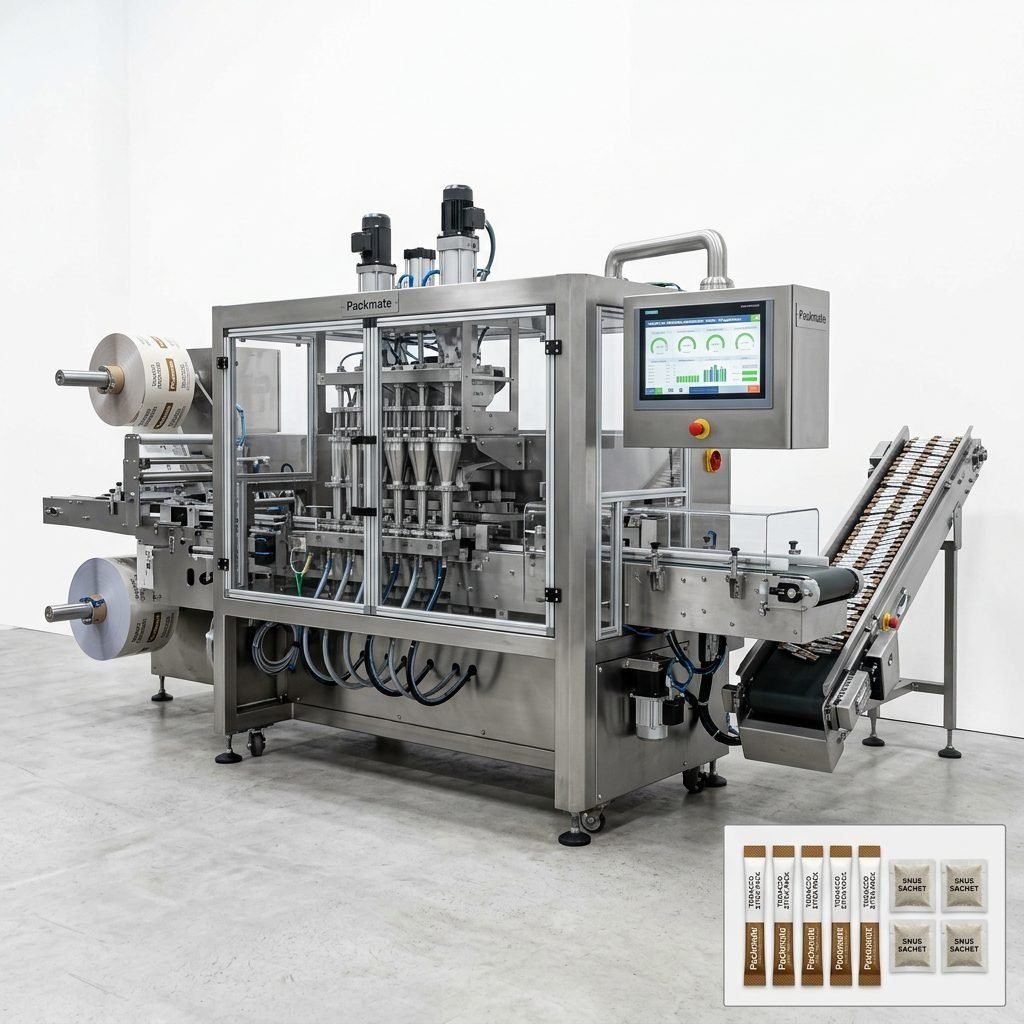
For higher throughput and export-ready volumes, multi-lane systems increase output by running multiple sachets simultaneously. They deliver consistent pouch shape and tight weight control — critical for compliance and brand consistency.
Bag & Pouch Packaging Machines
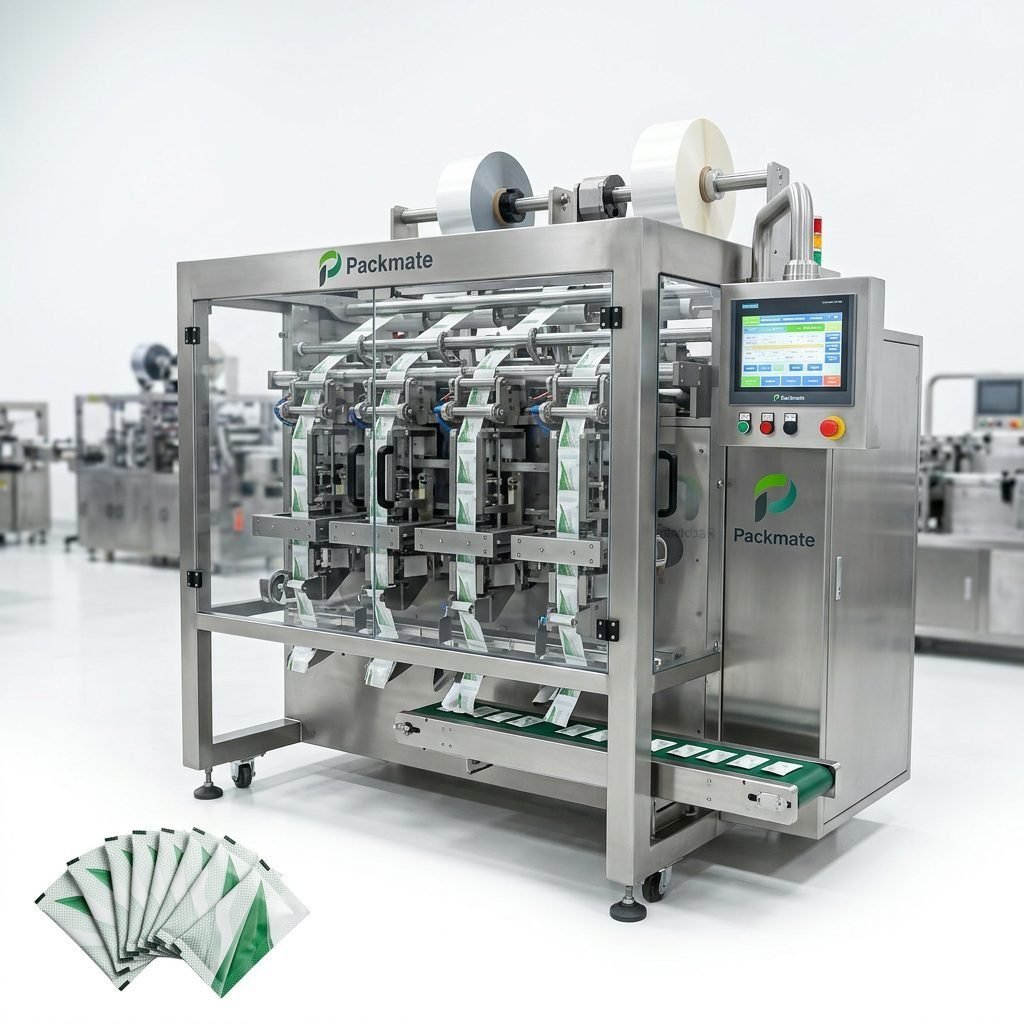
Secondary packaging, such as retail-ready pouches or master bags, requires bag & pouch machines to fold, seal, and print batch codes. Integration with primary pouch machines simplifies downstream packing and logistics.
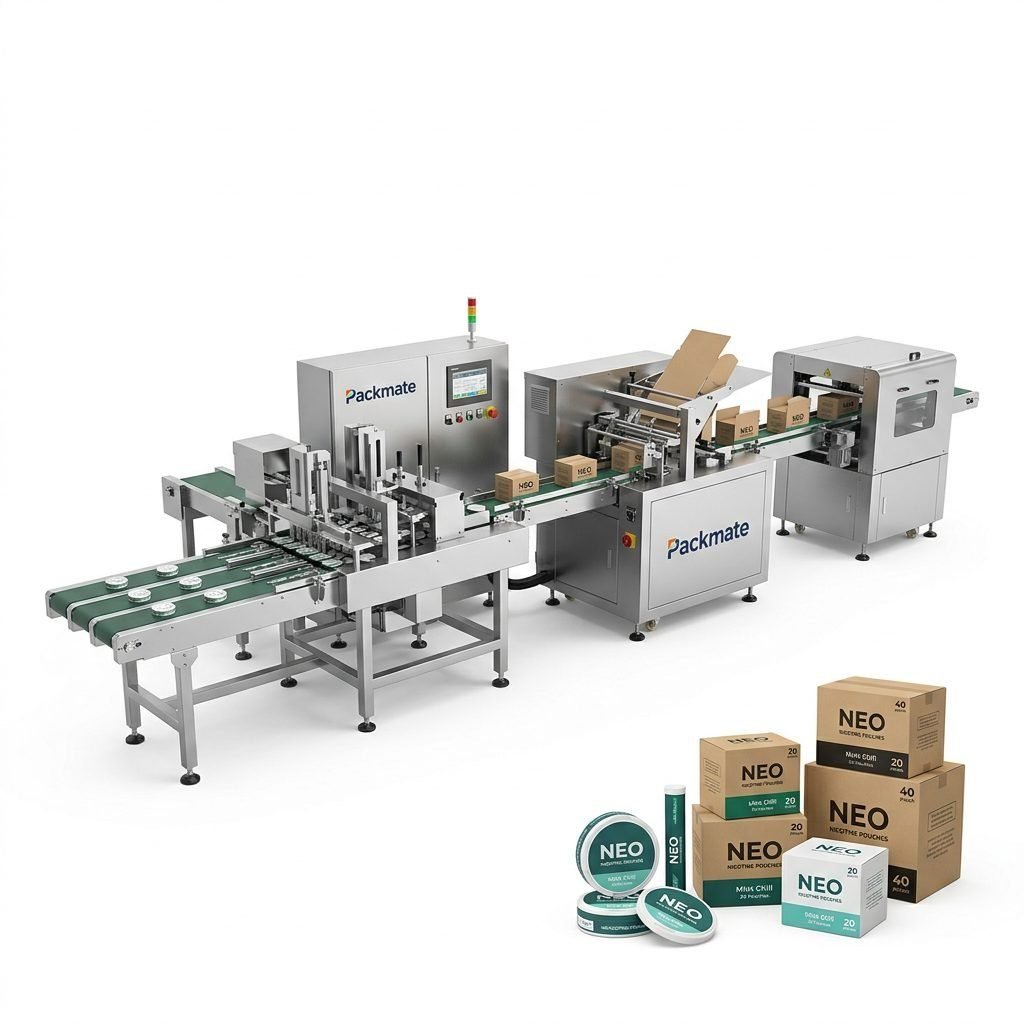
⚙️ Tip: Evaluate complete lines (filling + primary packaging + secondary packaging) to reduce integration issues. Explore solutions like Packmate’s end-to-end lines for nicotine pouches to streamline production and testing.
Key Technical Specs to Evaluate
When comparing machines, pay attention to the following features:
- Production speed (pieces/minute) and lanes (single vs multi-lane).
- Filling precision and filling technology for small-dose nicotine — consistent weight tolerance is critical.
- Film compatibility: ability to use pre-printed films, heat-sealable laminates, or barrier films for shelf life.
- Printing & coding options for Arabic text, batch numbers, and expiry dates.
- Changeover time between SKUs — fast tool-free changeovers reduce downtime.
- Hygiene and cleaning features: easy-to-clean parts, accessible filling heads, and material choice (stainless steel).
- Automation level and PLC/HMI interface — intuitive controls speed operator adoption.
Quality, Certification, and Compliance
Regulatory compliance in Palestine and export markets is a major consideration. Machines should be manufactured with international standards in mind:
✅ CE and ISO certification are indicators of consistent manufacturing quality and safety. Choose suppliers who can provide certification documentation and validation records.
For export, consider additional requirements such as EU labeling and ingredient disclosure. Machines with traceable parts and quality control documentation simplify audits and customer acceptance.
Operational Considerations in Palestine
Evaluate operational realities before purchase:
- Power supply consistency: specify machine voltage and installation tolerance for local grids.
- Spare parts availability and lead time — local or regional stock reduces downtime.
- Local technician training: ensure supplier offers on-site setup and operator training in Arabic where possible.
- After-sales support and remote diagnostics to accelerate troubleshooting.
- Logistics and customs: factor delivery time and clearance for importing machines into Palestinian territories.
Choosing a Supplier: What to Ask
Before committing, request detailed information and demonstrations:
Factory & Capability
Verify factory scale, machining capabilities, and quality control procedures. A manufacturer with advanced CNC centers and precision assembly lines indicates long-term reliability.
References & Case Studies
Ask for case studies in similar markets or products. Seeing successful installations and customer testimonials helps validate performance claims. Explore examples of completed lines and exhibitions the supplier attends.
ℹ️ Helpful links: Review product offerings and company background to cross-check capabilities:
Snus & Nicotine Packaging Machines,
Bag & Pouch Packaging Machines,
About Packmate,
Contact.
Value-Added Features to Prioritize
Some features deliver outsized benefits in operations and product quality:
- Automatic weight control and feedback adjustment minimize waste and ensure legal compliance.
- HMI with Arabic language support shortens operator learning curve.
- Modular design for easy upgrades — start with a basic configuration and expand lanes or modules later.
- Sanitary design and FDA/food-grade material contact surfaces if you plan to position products as safer alternatives.
- Integration capability with weighing systems and labeling modules for fully automated lines: consider combined solutions like weighing & packaging systems.
Cost, ROI and Financing Options
Compare total cost of ownership, not just purchase price. Key factors:
- Machine uptime and expected yield improvements.
- Consumables and spare parts consumption.
- Training and local service costs.
- Financing or leasing options available from suppliers or local banks.
📈 ROI example: A multi-lane line that doubles throughput while reducing material waste by 5% can recover equipment costs faster in export-driven operations or larger domestic distributors.
Installation, Training and After-Sales Support
Reliable after-sales service ensures continuous operation:
- Request on-site commissioning and operator training in Arabic.
- Ask for a spare parts kit and recommended service intervals.
- Confirm remote support options and warranty terms.
- Check if the supplier participates in exhibitions or local demonstrations — this helps assess ongoing capability.
Why Consider Packmate Snus Machine?
With over 30 years of engineering experience, Packmate (GuangDong) Co., Ltd. specializes in snus and nicotine pouch packaging equipment and turnkey solutions. Their factory capabilities and global certifications align well with businesses in Palestine that need reliable machines, documentation, and export-ready systems.
✅ Explore Packmate solutions:
Snus & Nicotine Packaging Machines,
Weighing & Packaging Systems,
Case studies.
Practical Steps to Make the Final Decision
Follow a structured procurement process:
- Define production targets (daily volume, SKUs, pack formats).
- Prepare a technical checklist: speed, lanes, film types, filling accuracy, languages for printing.
- Request factory visits, video demos, and sample production runs using your raw materials.
- Get a full quotation including installation, training, spare parts, and warranty.
- Plan logistics and a timeline for commissioning and ramp-up.
Conclusion
Selecting the right nicotine packaging machine in Palestine means balancing technical performance, local market needs, cultural sensitivities, and reliable after-sales support. Prioritize machines that offer precise dosing, Arabic-friendly coding options, modular expansion, and strong supplier support. Partnering with an experienced manufacturer who provides turnkey solutions and documentation — such as Packmate Snus Machine — accelerates market entry and supports long-term growth.
Frequently Asked Questions
Q1: What machine capacity should a small Palestinian distributor consider?
A1: For local distribution and small retail channels, a single-lane stick pack or sachet machine with 30–60 packs per minute is often sufficient. If you plan to export or supply large chains, consider a multi-lane system to meet higher volume demands.
Q2: Are Arabic labels and printing supported on modern packaging machines?
A2: Yes. Many modern machines include printers and coders that accept Arabic fonts and variable data. Confirm that the HMI and printing software support right-to-left languages and test sample runs before purchase.
Q3: How important is spare parts availability for operations in Palestine?
A3: Very important. Long lead times for parts can halt production. Choose suppliers with regional stock, standard spare kits, or fast shipping options, and negotiate spare parts lead times in the contract.
Q4: Can suppliers provide turnkey lines including weighing and secondary packaging?
A4: Yes. Some manufacturers provide integrated solutions covering filling, pouch forming, weighing, and bagging. Review offerings like Filling & Packaging Lines and Weighing & Packaging Systems for full-line options.
Q5: How can I arrange a demo or request a quote?
A5: Contact the supplier directly through their contact page for quote requests, demos, and sample runs. For Packmate, use the Contact Us page to start discussions, request factory visits, or schedule virtual demonstrations.